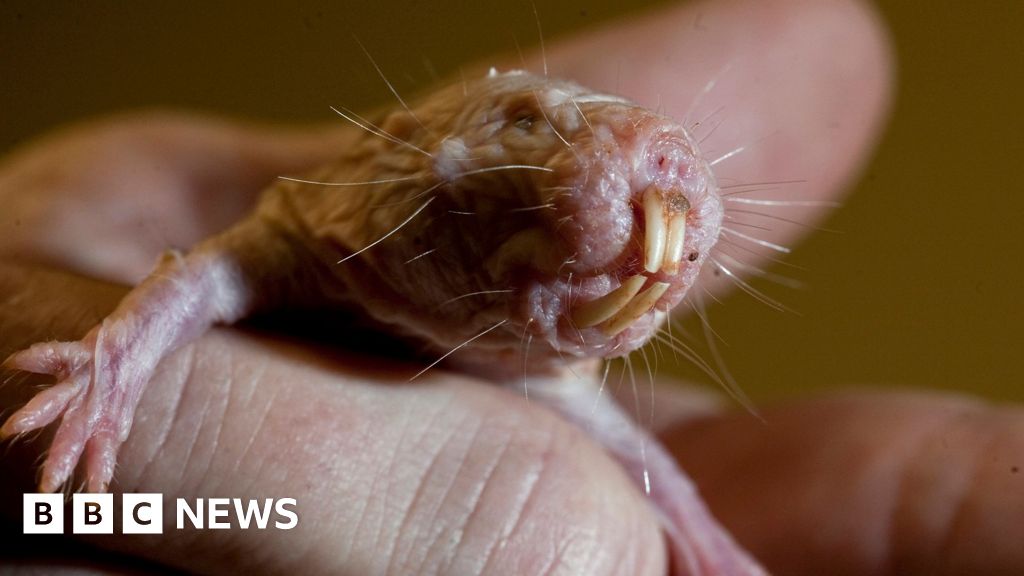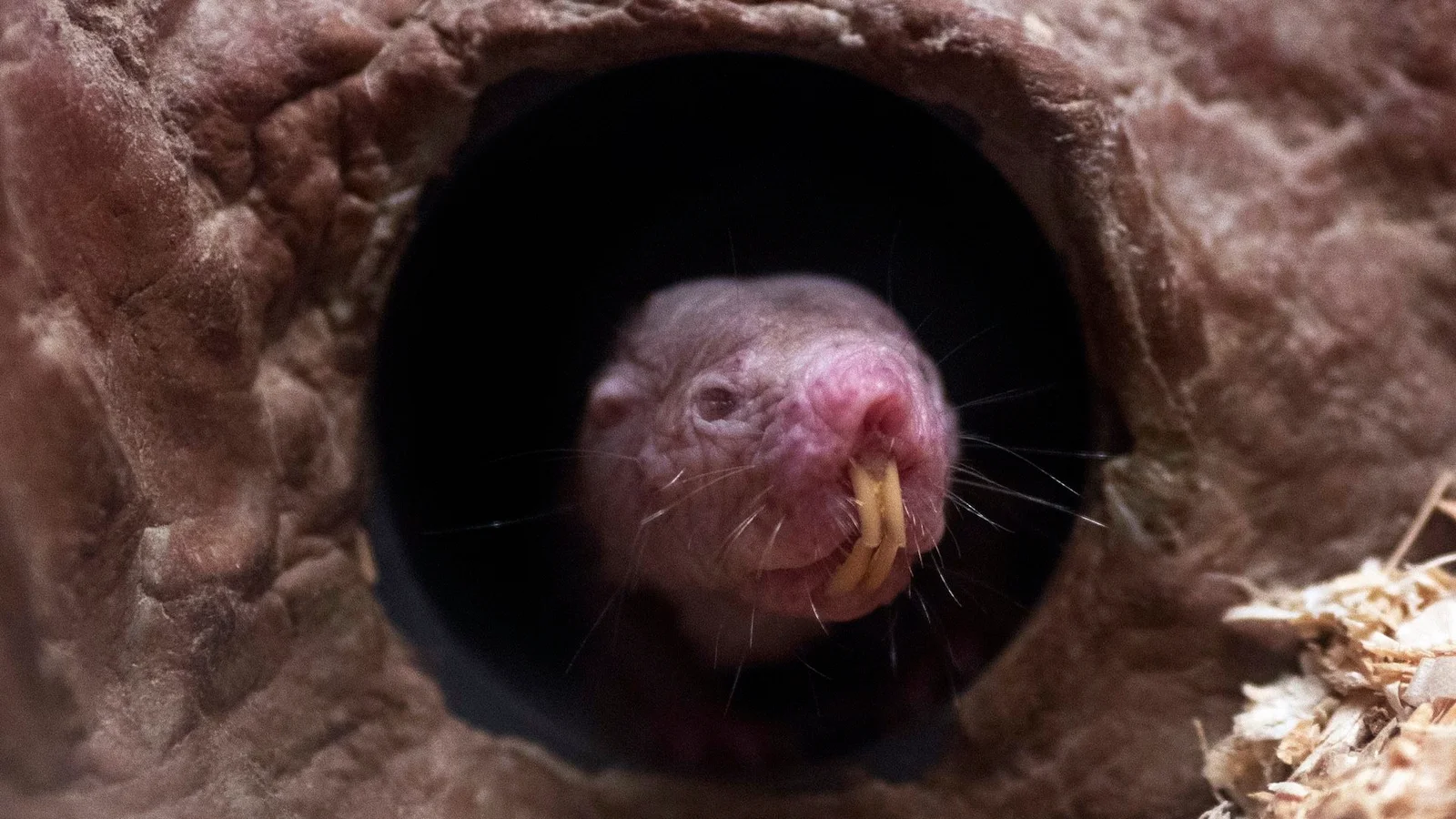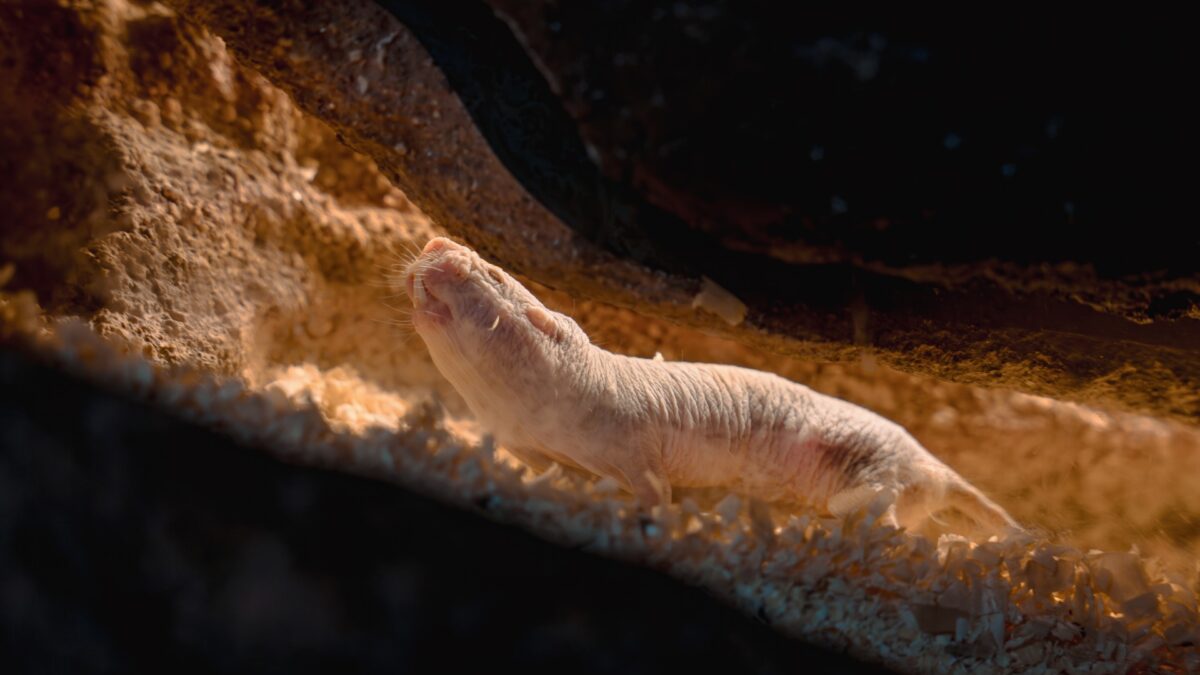
A study using RFID tracking reveals that naked mole-rats have specific roles within their colonies, such as cleaning toilets and transporting waste, with most individuals sticking to their roles for at least 30 days, highlighting their complex eusocial structure.
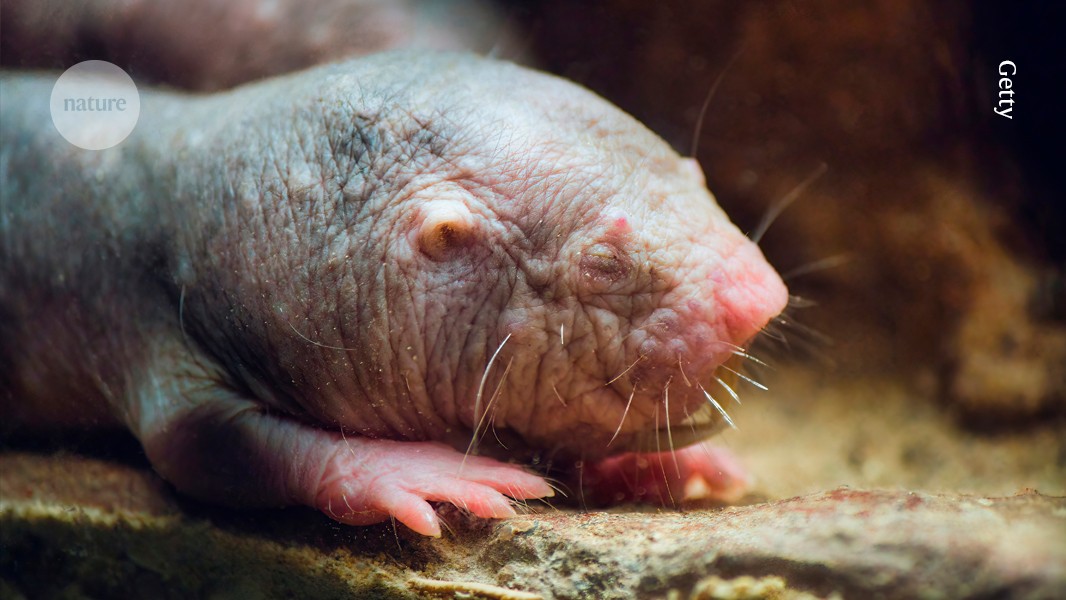
Researchers discovered that four specific genetic tweaks to the cGAS enzyme in naked mole rats enhance their DNA repair capabilities, potentially explaining their unusually long lifespan of nearly 30 years and offering insights into aging processes.
A study reveals that naked mole rats have a unique DNA repair mechanism involving a protein called c-GAS, which helps them live up to 40 years and resist age-related diseases, offering potential insights into human aging and health extension.
A study reveals that naked mole rats have complex social roles, including specific tasks like toilet cleaning and garbage collection, indicating a more intricate social structure than previously understood.
Scientists at the University of Rochester have successfully transferred a longevity gene from naked mole rats to mice, resulting in improved health and an approximate 4.4 percent increase in the median lifespan for the mice. Naked mole rats, known for their resistance to age-related diseases, produce high molecular weight hyaluronic acid (HMW-HA), which when introduced to mice, demonstrated potential anti-aging benefits. This breakthrough paves the way for potential advancements in extending human lifespan and improving health by understanding the unique mechanisms of aging and disease resistance in naked mole rats.