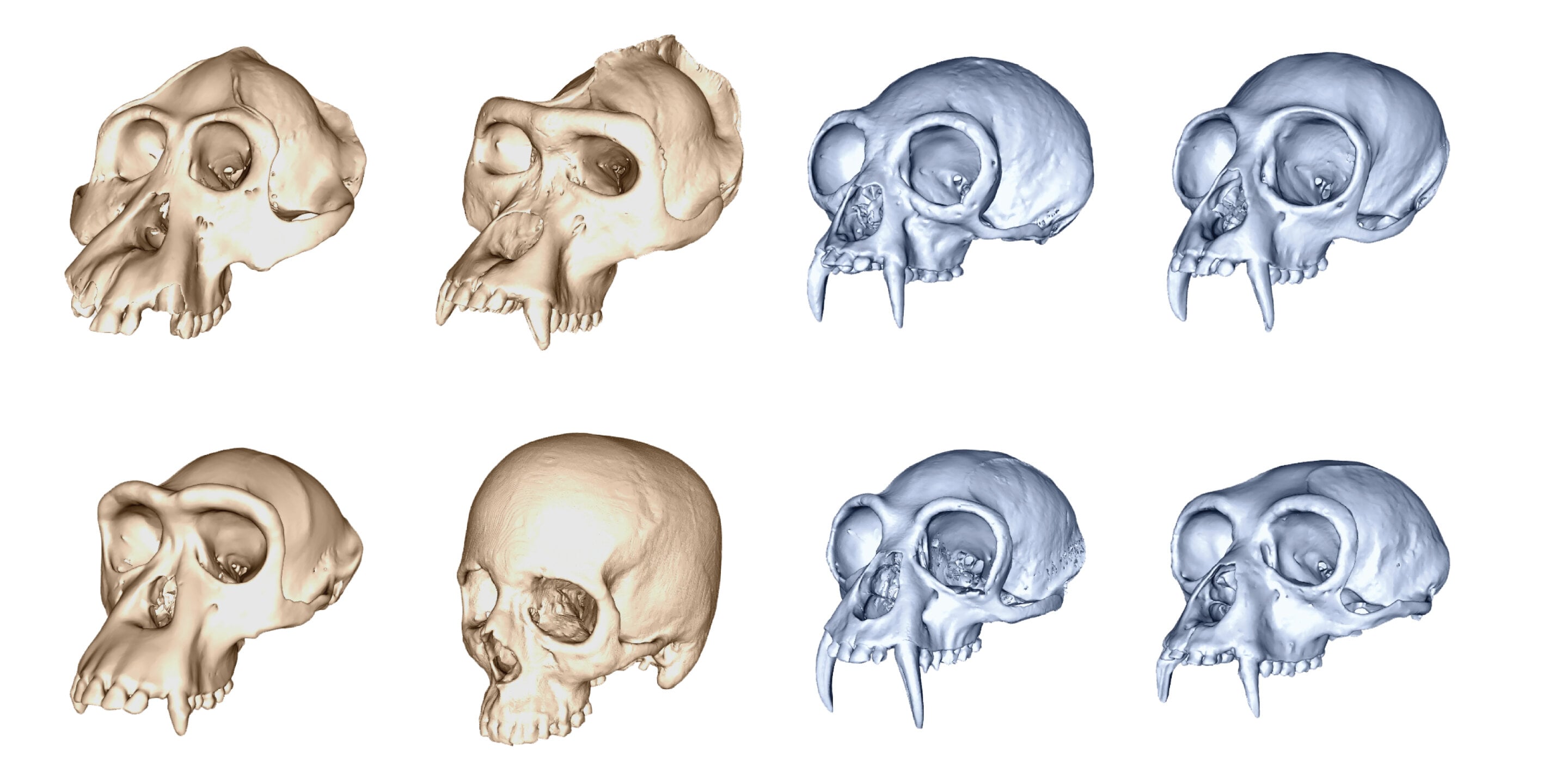
A study analyzing 3D skull models shows that humans evolved larger brains and flatter faces at a faster rate than other apes, likely due to cognitive and social advantages, with social factors possibly influencing this rapid evolution.
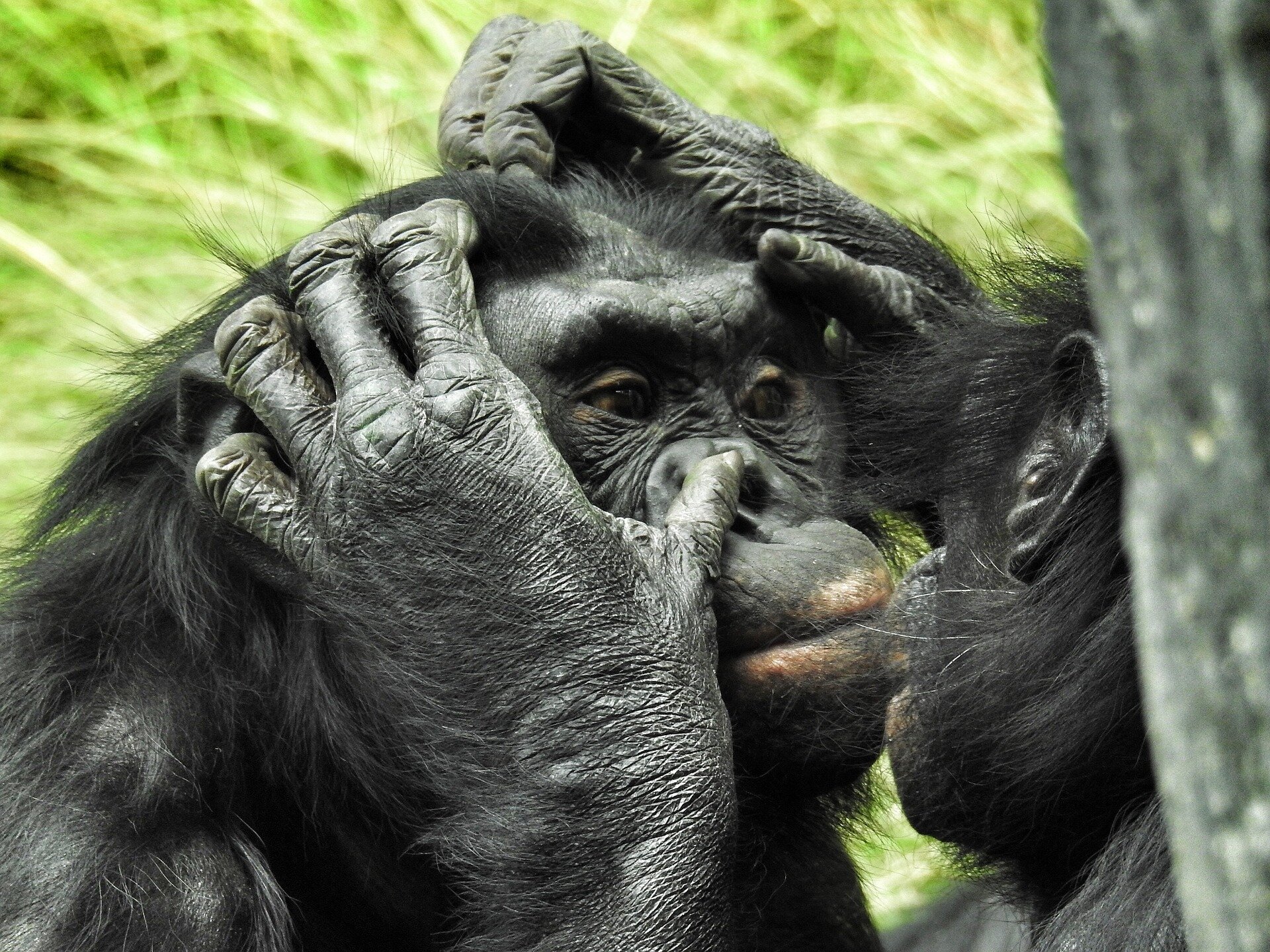
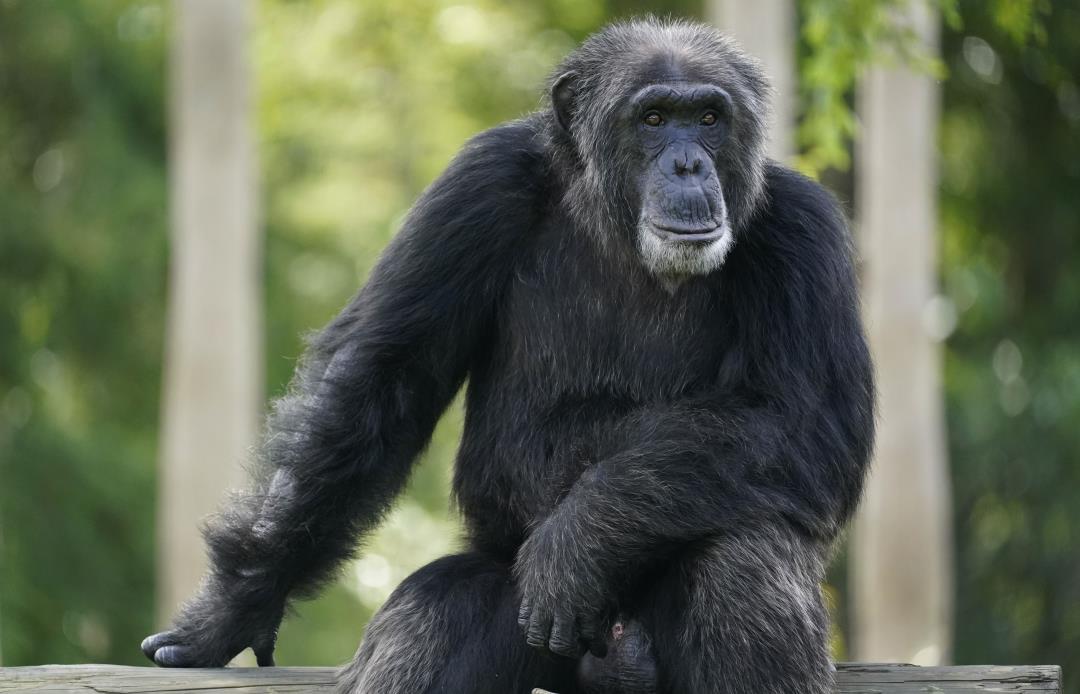
The article explores how studying great apes like chimpanzees and bonobos provides valuable insights into human evolution, social structures, communication, and problem-solving, highlighting our shared traits and behaviors.
A study comparing infant-directed vocal communication among humans and great apes reveals that humans use this form of communication far more frequently, suggesting that the tendency to direct vocalizations at infants has been significantly expanded in the human lineage, which may be a key factor in language development.
Researchers have sequenced the complete X and Y chromosomes of six primate species, revealing significant evolutionary variations, particularly in the rapidly evolving Y chromosome. This study provides new insights into primate and human evolution, highlighting both stable and dynamic genomic regions, and has implications for the conservation of these endangered species.
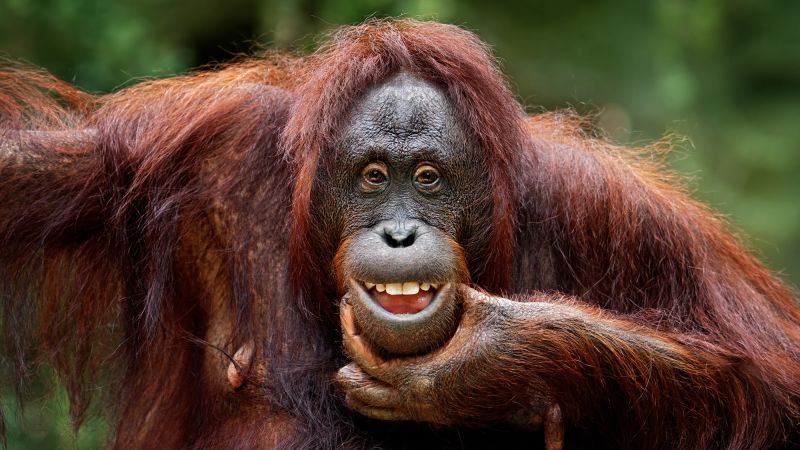
A new study has found that great apes, including orangutans, chimpanzees, bonobos, and gorillas, exhibit playful teasing behavior similar to humans, involving provocative and surprising actions. Researchers analyzed video footage of spontaneous social interactions between apes and identified 18 different teasing behaviors, such as poking and hindering movement. The study suggests that the prerequisites for humor evolved in the human lineage at least 13 million years ago and aims to investigate the function of teasing in apes and the evolution of humor in other primates and large-brained animals.
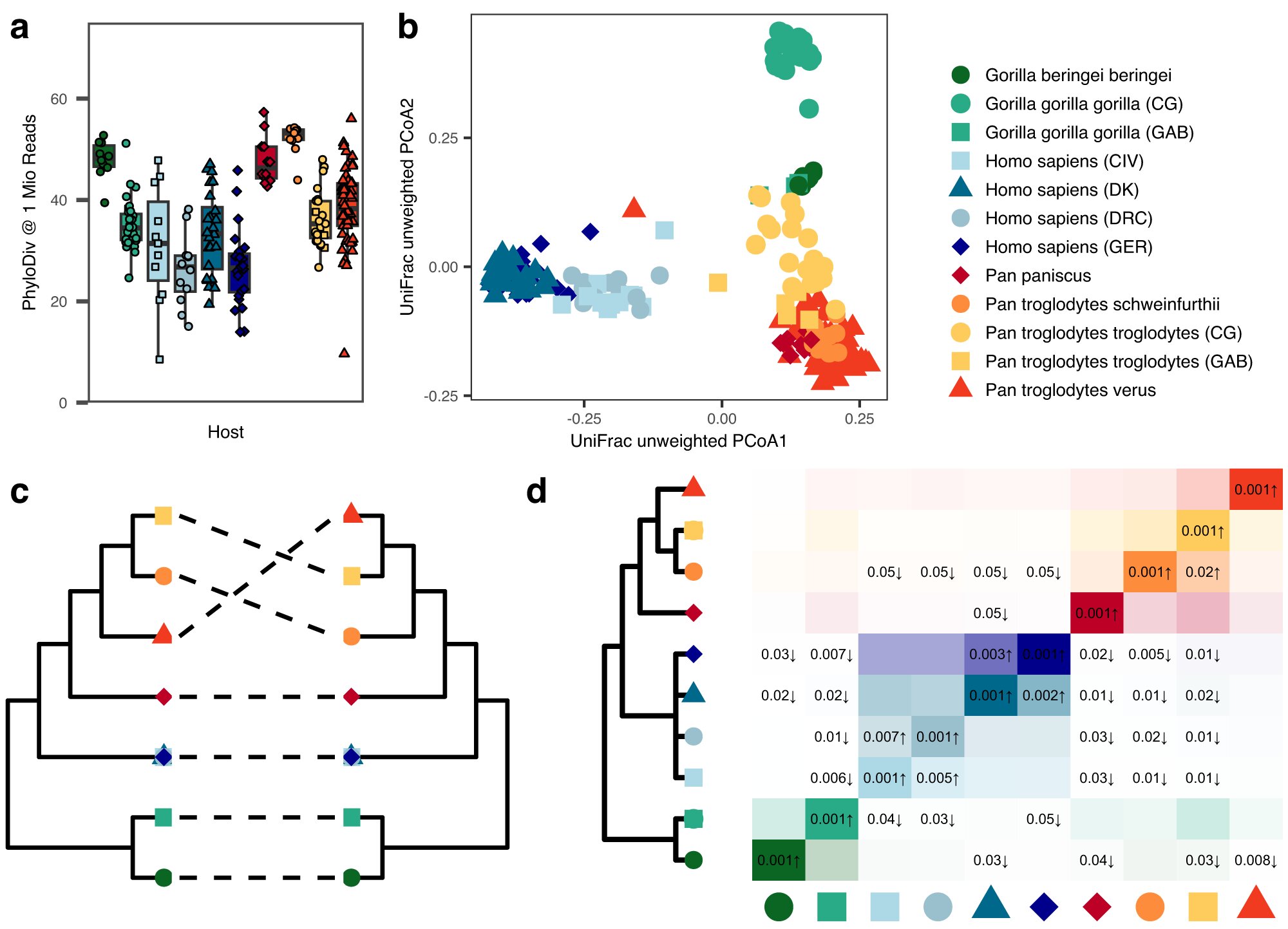
A comparative genome study of humans and great apes has provided insight into the development of the gut microbiome, revealing that the microbial colonization of a living organism is highly host-specific and follows the evolution of the host. The study, conducted by scientists from the Collaborative Research Center 1182, compared microbiome data from various great apes with those of humans with rural and urban lifestyles, finding that the species diversity of the human microbiome is reduced in comparison with apes. The research also identified the loss of evolutionarily conserved bacterial groups in humans with urban lifestyles, shedding light on possible functional adaptations of the human microbiome and their implications for disease development.
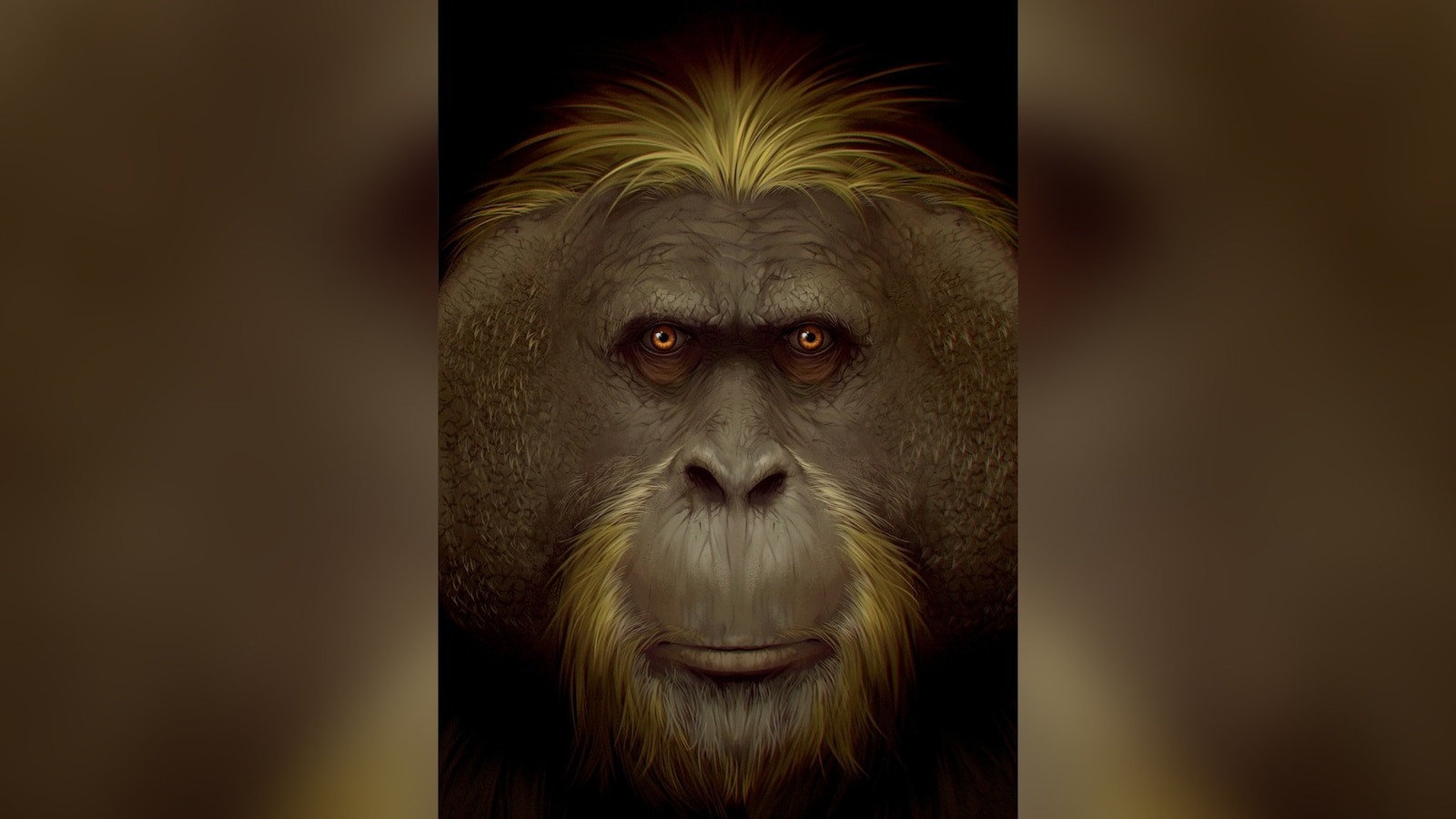
A new study suggests that the largest great ape species, Gigantopithecus blacki, went extinct due to climate change affecting their food sources in southern China's Guangxi region around 215,000 to 295,000 years ago. The massive apes, similar to modern orangutans, were unable to adapt to the changing environment and dwindling fruit supply, leading them to rely on non-nutritious food like tree bark and ultimately face extinction. This research sheds light on the impact of climate change on ancient great ape populations and their struggle for survival.
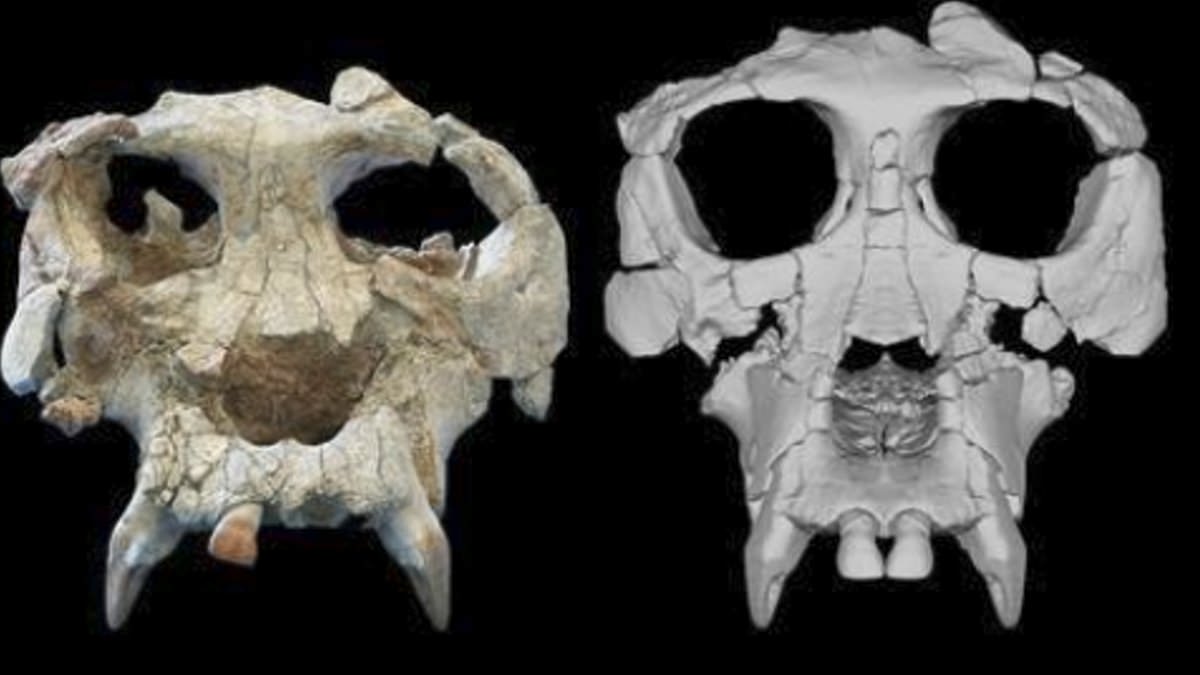
Scientists have reconstructed the face of a European great ape species called Pierolapithecus catalaunicus, which could be one of the earliest relatives of the human race. The well-preserved skull was reconstructed using CT scans, and the species has distinct facial features not found in other apes from the same period. The remains, including a cranium and partial skeleton, were found in Catalonia, Spain, in 2002. The reconstruction provides valuable insights into the evolutionary relationships and biology of this ancient ape species, shedding light on human evolution.
A new study published in the journal PLoS ONE suggests that the ability to recognize and remember sequential information is likely unique to humans. The study tested the memory abilities of bonobos, one of humans' closest relatives, and found that they struggled to learn the order of stimuli. In contrast, humans were able to quickly distinguish between short sequences. The findings support the hypothesis that the ability to remember and process sequences evolved in humans, contributing to language, planning ability, and sequential thinking.
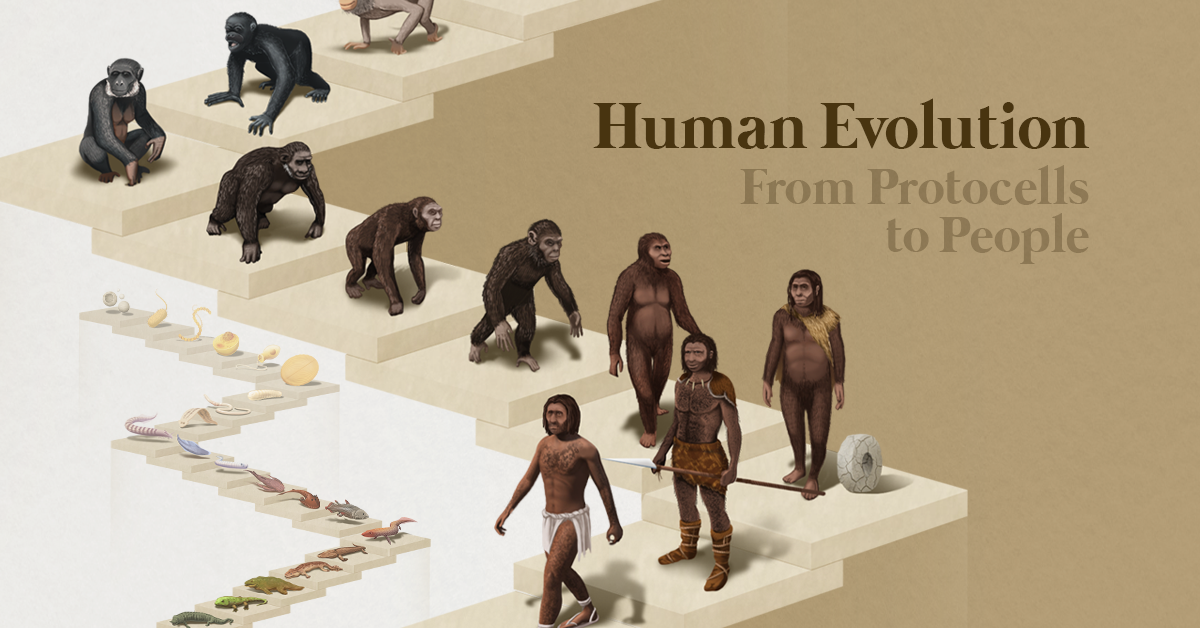
The article traces the 4 billion year path of human evolution, from protocells to modern humans. It highlights the key developmental stages in the evolution of life on Earth that led to the emergence of Homo sapiens. The future of human evolution is also discussed, with predictions of a shift towards a more globalized and homogeneous human population, with less genetic diversity. However, the changes will be shaped by a complex interplay of genetic, environmental, and cultural factors.
Researchers in the UK have found that great apes, including gorillas, chimpanzees, and orangutans, intentionally spin in circles to get dizzy, possibly due to a shared tendency to seek and delight in experiences that stimulate and alter their senses. The behavior may have come from our shared ancestors and could help explain why humans evolved a desire to get high. The spinning behavior may engender similar neurophysiological effects in nonhuman great apes.