Tag

Marine Animals

All articles tagged with #marine animals

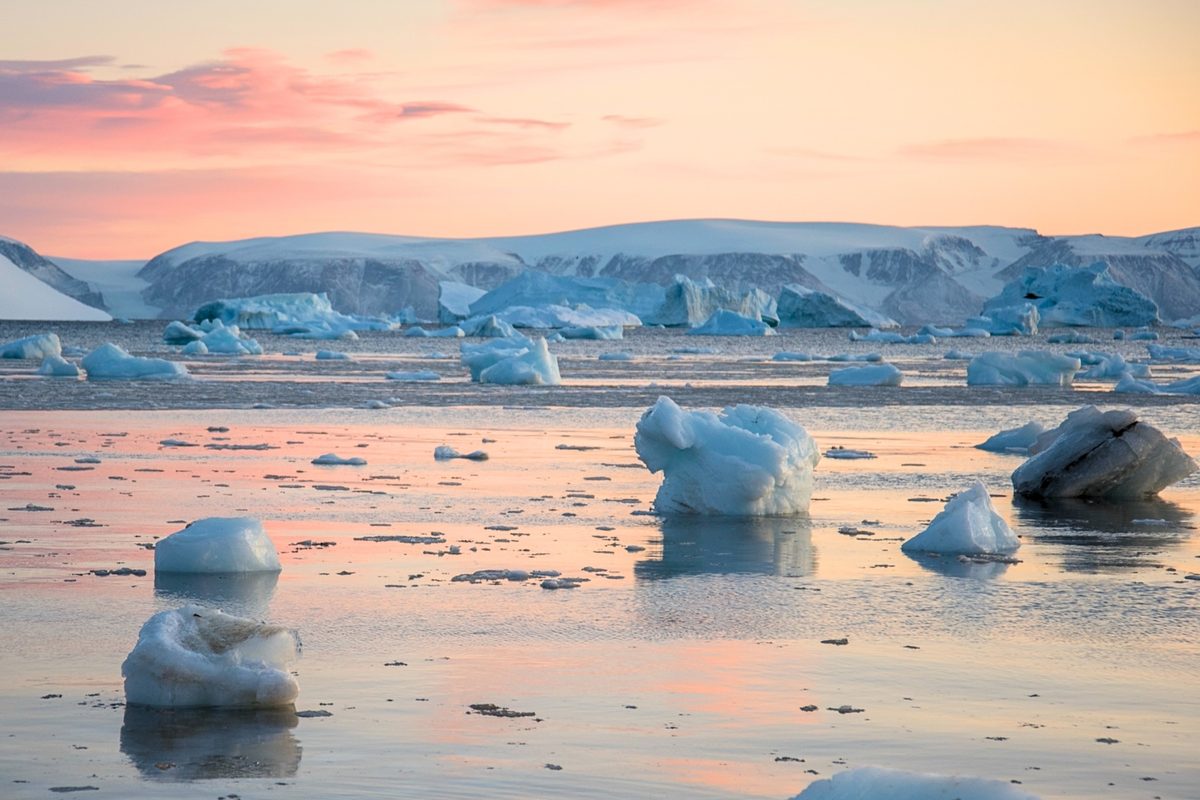
Narwhals Disrupt Arctic Monitoring, Challenging Safety Assumptions

Originally Published 2 months ago — by BBC Wildlife Magazine

Featured image for Narwhals Disrupt Arctic Monitoring, Challenging Safety Assumptions
Source: BBC Wildlife Magazine

Scientists in Greenland used passive acoustic monitoring to study narwhals, discovering they frequently interact with underwater microphones, possibly out of curiosity or confusion, raising concerns about how human-made noise might affect marine animals. The study highlights the need to understand animal behavior better to protect Arctic species like narwhals.

What Do You Call a Group of Octopuses?

Originally Published 5 months ago — by AOL.com

Featured image for What Do You Call a Group of Octopuses?
Source: AOL.com

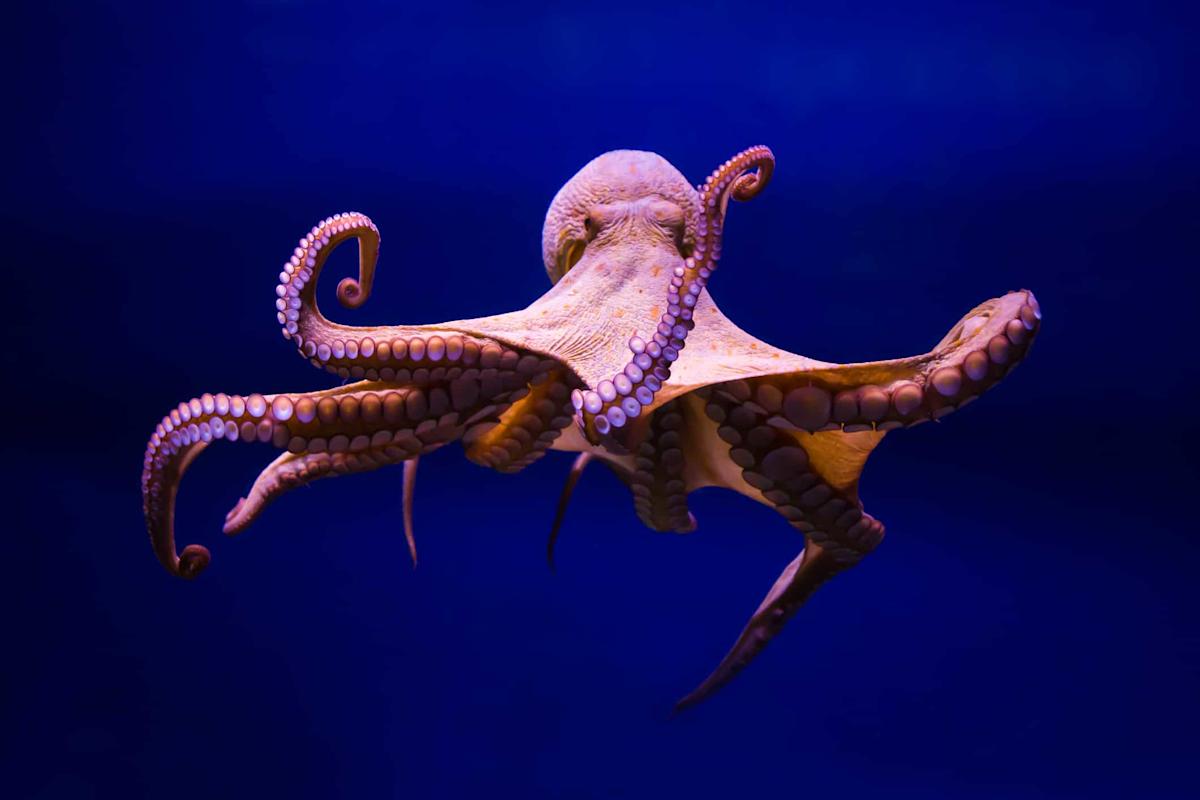
Octopuses are generally solitary but can form groups called a consortium, especially in shared habitats like the underwater city Octlantis off Australia, showcasing complex social behaviors. The term 'octopus' derives from Greek, meaning 'eight foot,' and while 'octopi' is commonly used, 'octopuses' is the correct plural in English.

Giant Venomous Creature Linked to Steve Irwin's Death

Originally Published 5 months ago — by BBC Wildlife Magazine

Featured image for Giant Venomous Creature Linked to Steve Irwin's Death
Source: BBC Wildlife Magazine

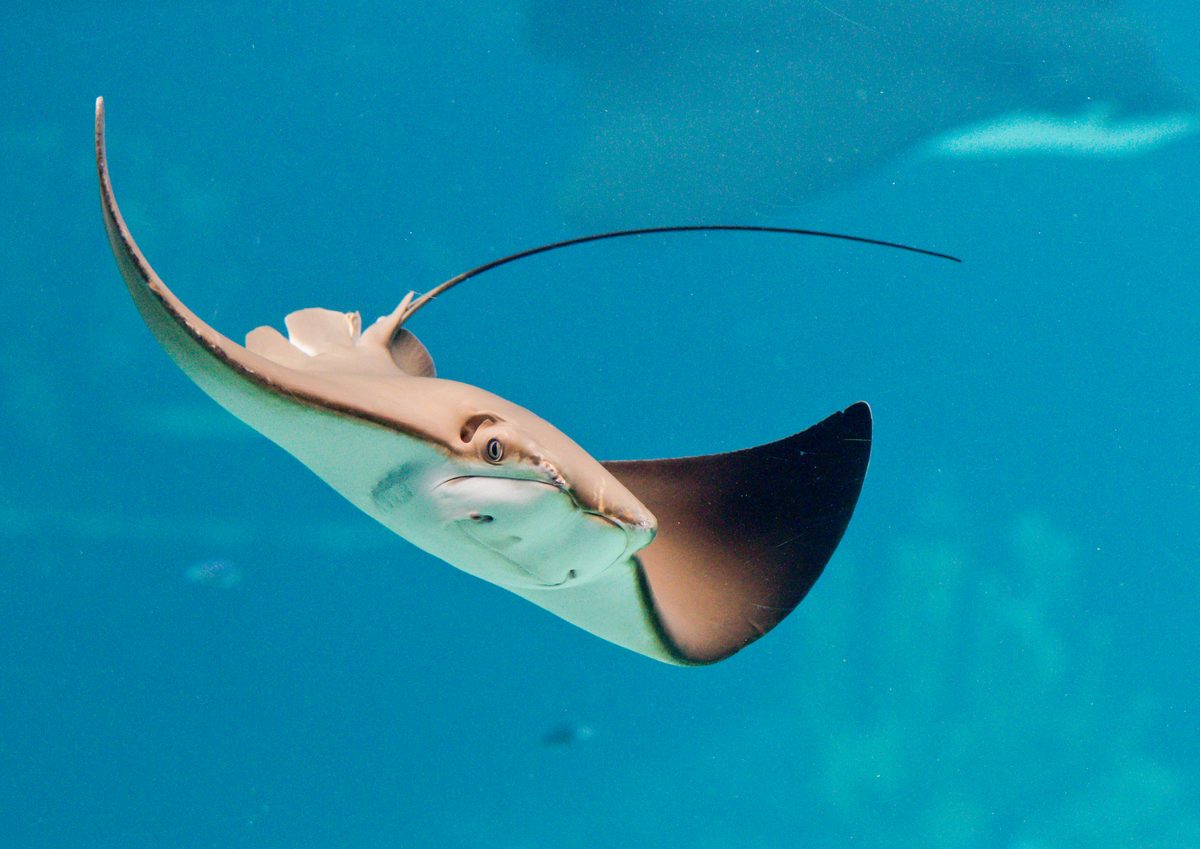
Stingrays are flat, disc-shaped fish related to sharks, known for their venomous spines on their tails. They are generally harmless but can be dangerous if threatened, as famously exemplified by Steve Irwin's death. These animals live in warm, shallow waters worldwide, often buried in sand, and reproduce via live birth. Despite their peaceful nature, they face threats from human activities, and some species are critically endangered.

The Deadly Secret of the Blue-Ringed Octopus

Originally Published 6 months ago — by Live Science

Featured image for The Deadly Secret of the Blue-Ringed Octopus
Source: Live Science

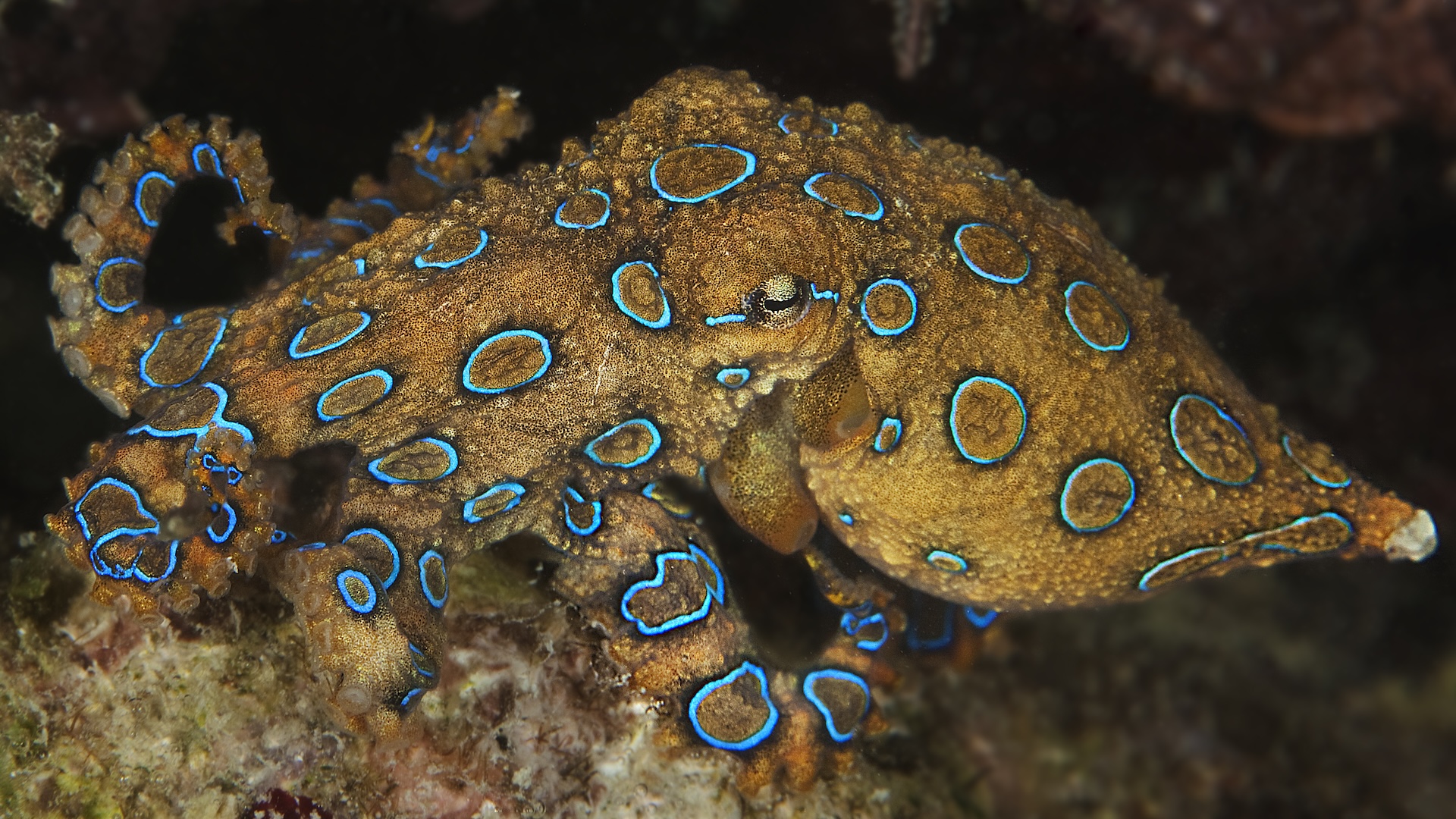
The blue-ringed octopus is highly dangerous due to its production of tetrodotoxin, a potent neurotoxin that can paralyze and potentially kill humans. This toxin, produced by symbiotic bacteria in its salivary glands, is used for defense, hunting, and reproductive purposes, and makes the octopus the most venomous among cephalopods. Despite its small size, its venom is extremely potent, with a few reported human fatalities, though some bites result in no serious effects if treated promptly.

Sharks' Bizarre Behavior When Upside Down Remains a Mystery

Originally Published 6 months ago — by ScienceAlert

Featured image for Sharks' Bizarre Behavior When Upside Down Remains a Mystery
Source: ScienceAlert

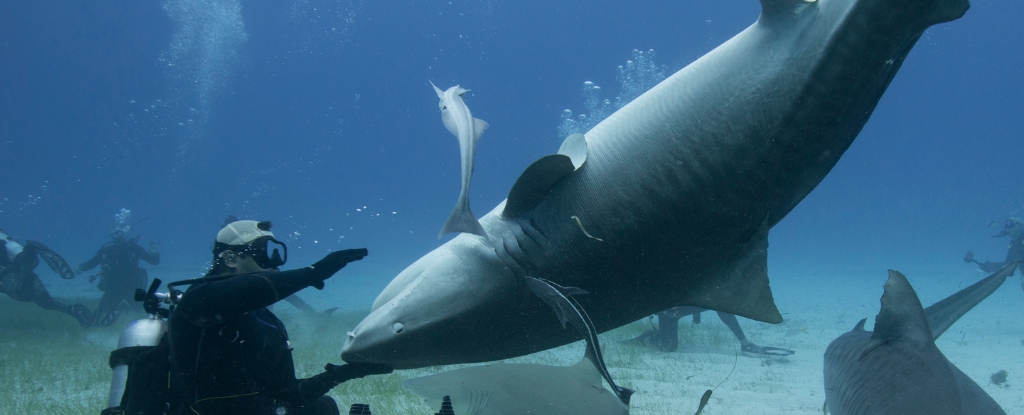
A recent study suggests that sharks' tendency to enter a trance-like state when turned upside down, known as tonic immobility, is likely an evolutionary relic rather than an adaptive survival strategy, with some species losing this trait over millions of years due to environmental pressures.

Comprehensive Marine Body Size Database Enhances Ocean Research

Originally Published 6 months ago — by Ars Technica

Featured image for Comprehensive Marine Body Size Database Enhances Ocean Research
Source: Ars Technica

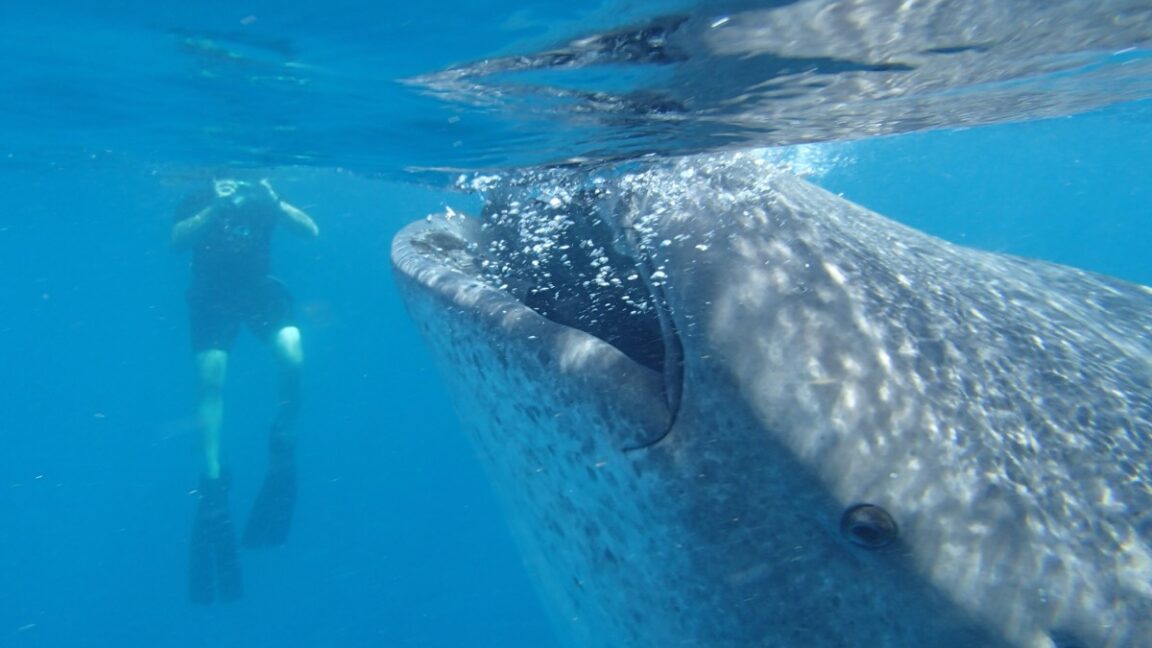
The Marine Organizational Body Size (MOBS) database is an open-access resource that has compiled body size data for over 85,000 marine species, from microscopic plankton to whales, to enhance understanding of ocean biodiversity and macroevolution. It aims to cover 75% of all described marine species, providing a valuable tool for ecological and evolutionary research, especially for invertebrates and deep-sea creatures.

"Scientists Detect Strange Ultra-Low-Frequency Sound in Earth's Most Remote Point"

Originally Published 1 year ago — by IFLScience

Featured image for "Scientists Detect Strange Ultra-Low-Frequency Sound in Earth's Most Remote Point"
Source: IFLScience

In the remote Point Nemo in the Pacific Ocean, scientists detected a mysterious ultra-low-frequency sound in 1997, speculated to be from a giant underwater creature. However, NOAA Oceanographer Chris Fox suggested that the sound, known as the "bloop," was likely caused by ice calving off the coast of Antarctica. Similar sounds have been detected before and were attributed to icequakes generated by large icebergs cracking and fracturing, rather than unknown marine animals.

The Dangers of Sonar Pulses: Human Injuries Underwater

Originally Published 2 years ago — by The Conversation

Featured image for The Dangers of Sonar Pulses: Human Injuries Underwater
Source: The Conversation

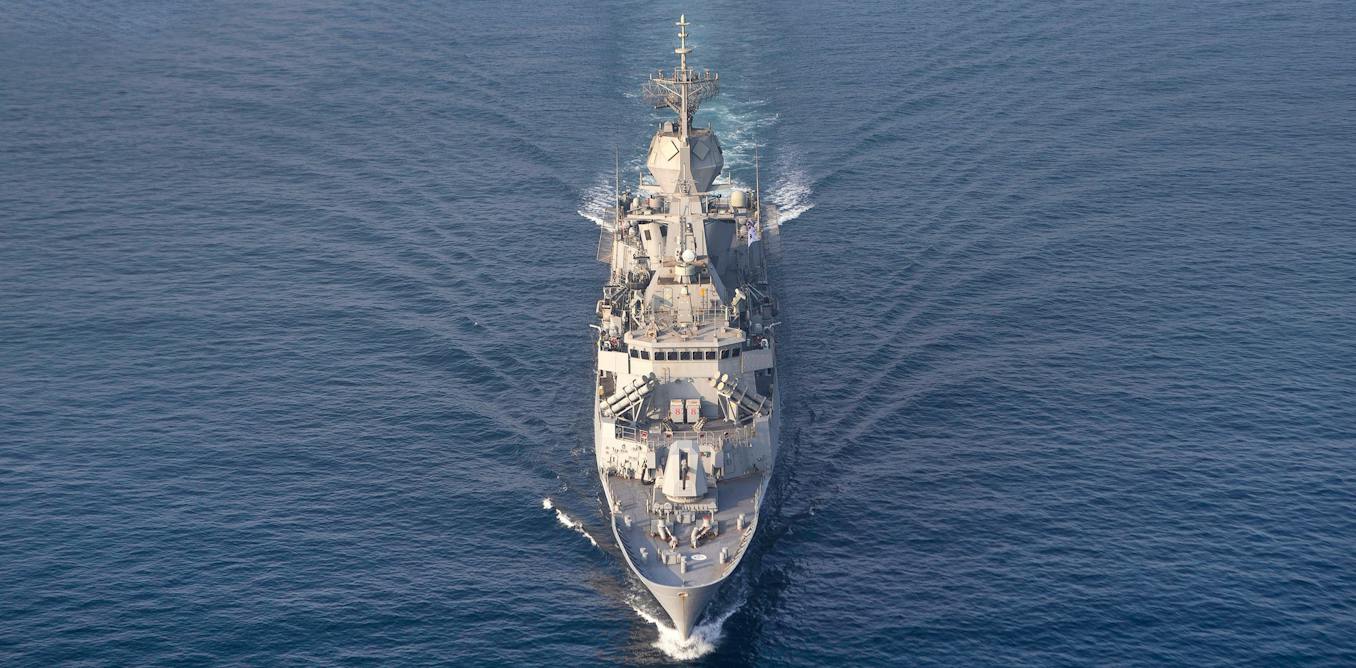
Sonar pulses are used by ships to navigate and "see" underwater. The Australian navy divers sustained minor injuries, likely due to sonar pulses from a Chinese navy vessel while clearing fishing nets. Sonar can cause discomfort and health impacts to humans, such as dizziness, disorientation, temporary memory and concentration impacts, or temporary hearing loss. Marine animals, especially marine mammals, can also experience hearing damage from sonar, disrupting their critical behaviors.

Ancient Supercontinent's Murder Mystery Solved by Scientists

Originally Published 2 years ago — by Livescience.com

Featured image for Ancient Supercontinent's Murder Mystery Solved by Scientists
Source: Livescience.com

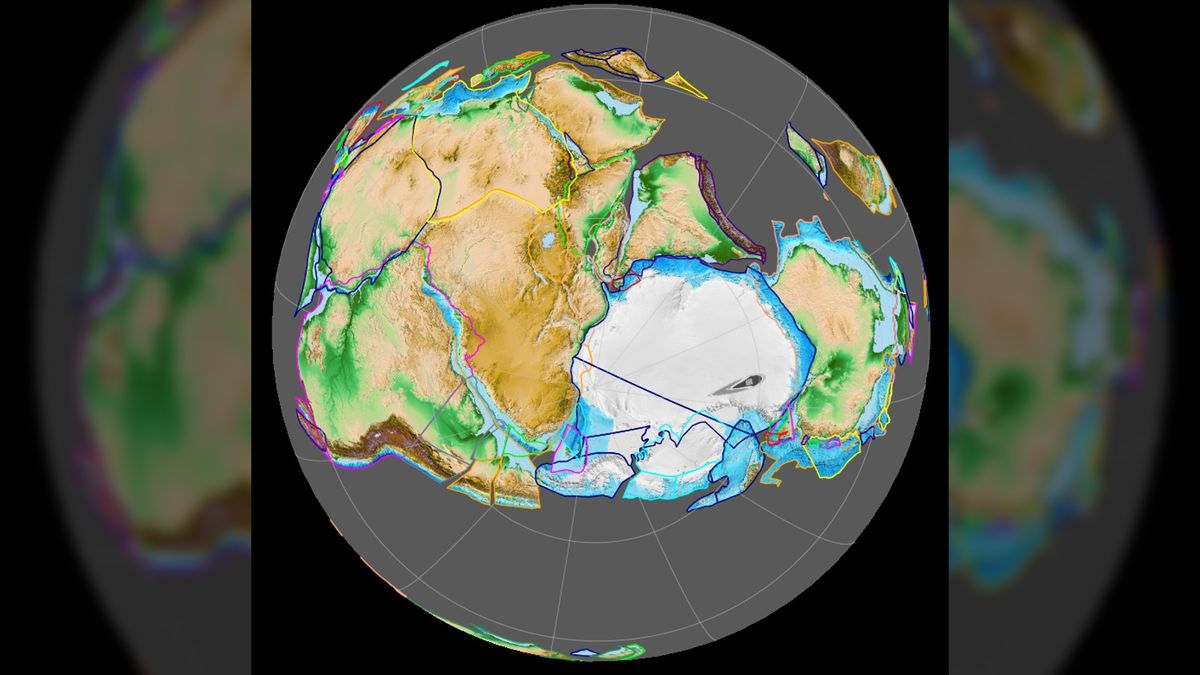
Scientists have solved a 390 million-year-old "murder mystery" by determining that the Malvinoxhosan biota, a group of water-dwelling animals that lived on the ancient supercontinent Gondwana, disappeared due to climate change caused by gradually lowering sea levels. The extinction of these animals disrupted the ecosystem around the South Pole and has not fully recovered to this day. The study suggests that this ancient extinction event has parallels to the current climate change crisis and highlights the sensitivity of polar environments to changes in sea level and temperature.

"Unraveling the Mystery of Great White Sharks in Canada: From Puzzles to Record-Breaking Catches"

Originally Published 2 years ago — by Newser

Featured image for "Unraveling the Mystery of Great White Sharks in Canada: From Puzzles to Record-Breaking Catches"
Source: Newser

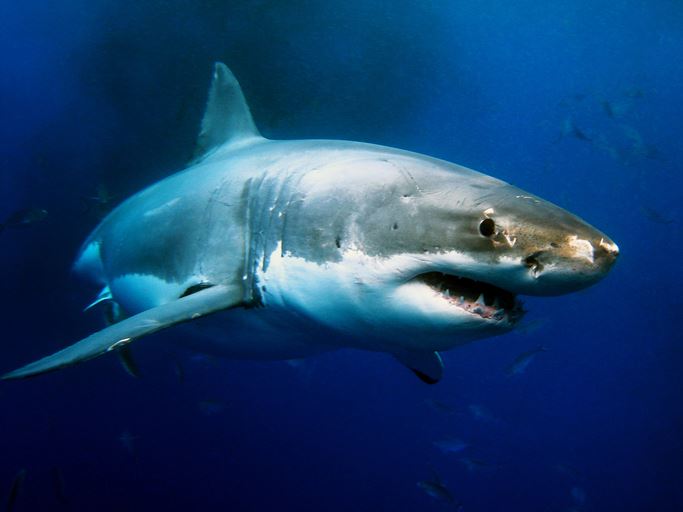
The discovery of a fifth great white shark washing ashore in Canada within a year has puzzled ocean scientists. The sharks appeared to be healthy, and the cause of death remains unknown. However, this increase in sightings could indicate a rebound in the shark population along the Canadian coast, which has been categorized as endangered. Researchers are conducting necropsies and collecting samples to determine any common factors in the deaths, hoping to gain more insight into these magnificent animals.

Shark Attacks Surge in Long Island Waters

Originally Published 2 years ago — by NBC New York

Featured image for Shark Attacks Surge in Long Island Waters
Source: NBC New York

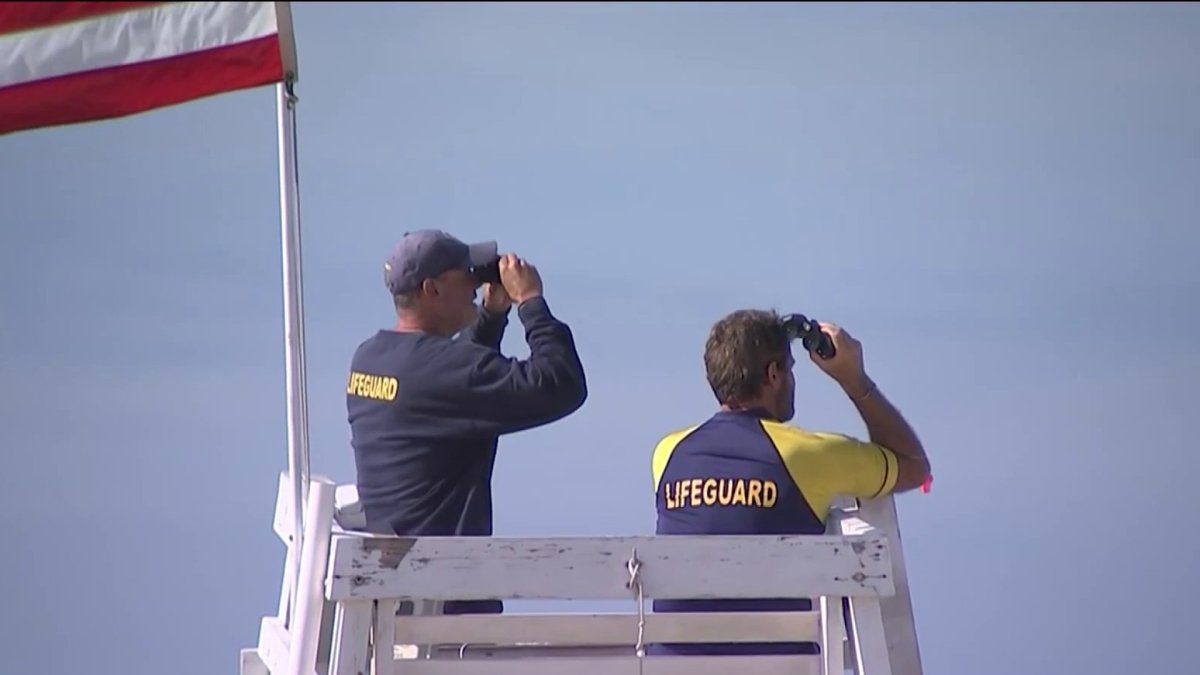
Long Island officials are on high alert after four people were bitten by sharks while swimming at different beaches over the holiday weekend. Two teenagers were wounded on the first day, followed by two men in their 40s the next day. The bites occurred at various beaches along the coastline, with no sharks observed in the water. Officials are investigating the incidents and have launched drone patrols to monitor the beaches for any signs of sharks.

Rare Orca Sightings off New England Coast

Originally Published 2 years ago — by USA TODAY

Featured image for Rare Orca Sightings off New England Coast
Source: USA TODAY

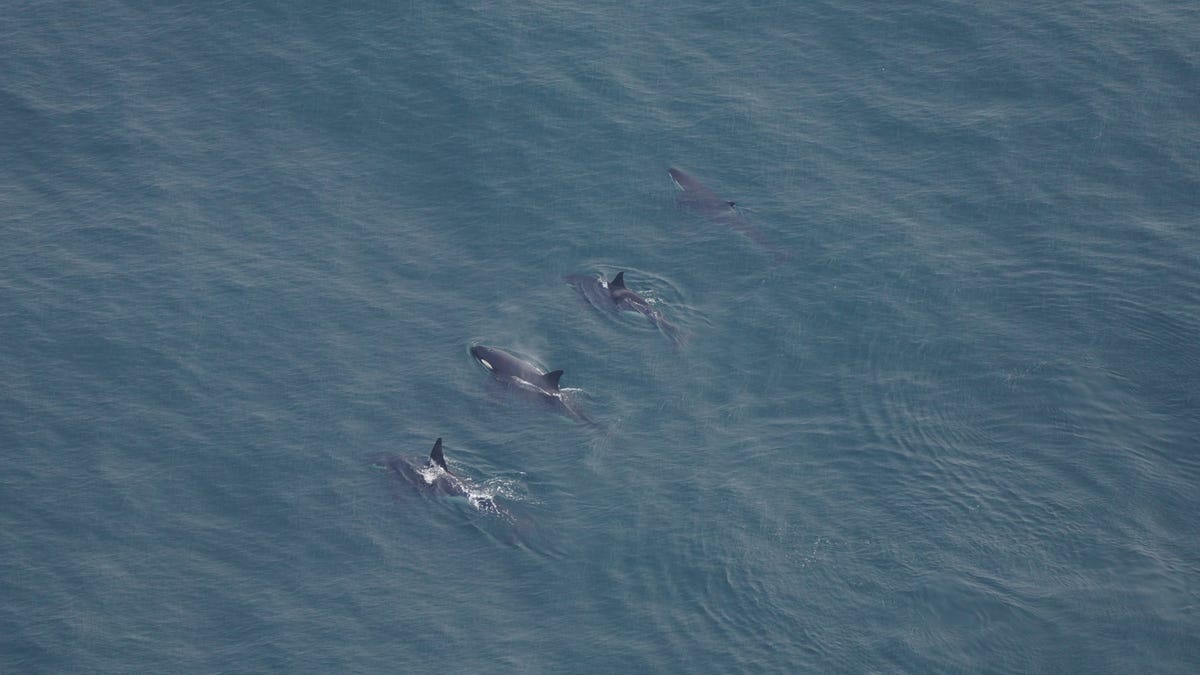
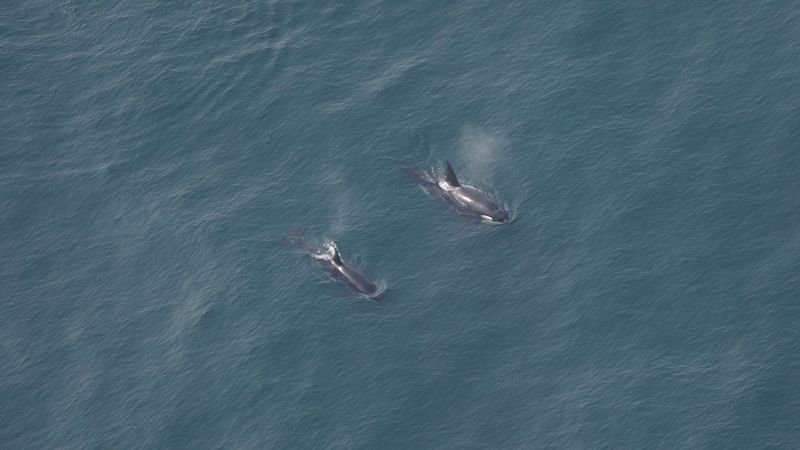
Four killer whales, a rare sight in New England waters, were spotted by scientists from the New England Aquarium during aerial surveys 40 miles south of Nantucket, Massachusetts. The sighting included two males and two females, and the species' population is very small in western North Atlantic waters. The team also spotted nearly 150 whales and dolphins during the seven-hour flight, including 23 fin whales, five minke whales, 62 bottlenose dolphins, and 20 humpback whales bubble feeding.

Rare Orca Sightings off New England Coast

Originally Published 2 years ago — by CNN

Featured image for Rare Orca Sightings off New England Coast
Source: CNN

Researchers from the New England Aquarium spotted a group of four killer whales during an aerial survey off the coast of Nantucket, Massachusetts, on Sunday. Killer whales are more commonly seen in areas surrounding the Arctic ice-edge and the Caribbean. The last sighting of an orca in Massachusetts waters was in May 2022. Meanwhile, a pod of about 30 killer whales was spotted in California's Monterey Bay on Sunday, made up of 11 families, including six orcas from Canada.