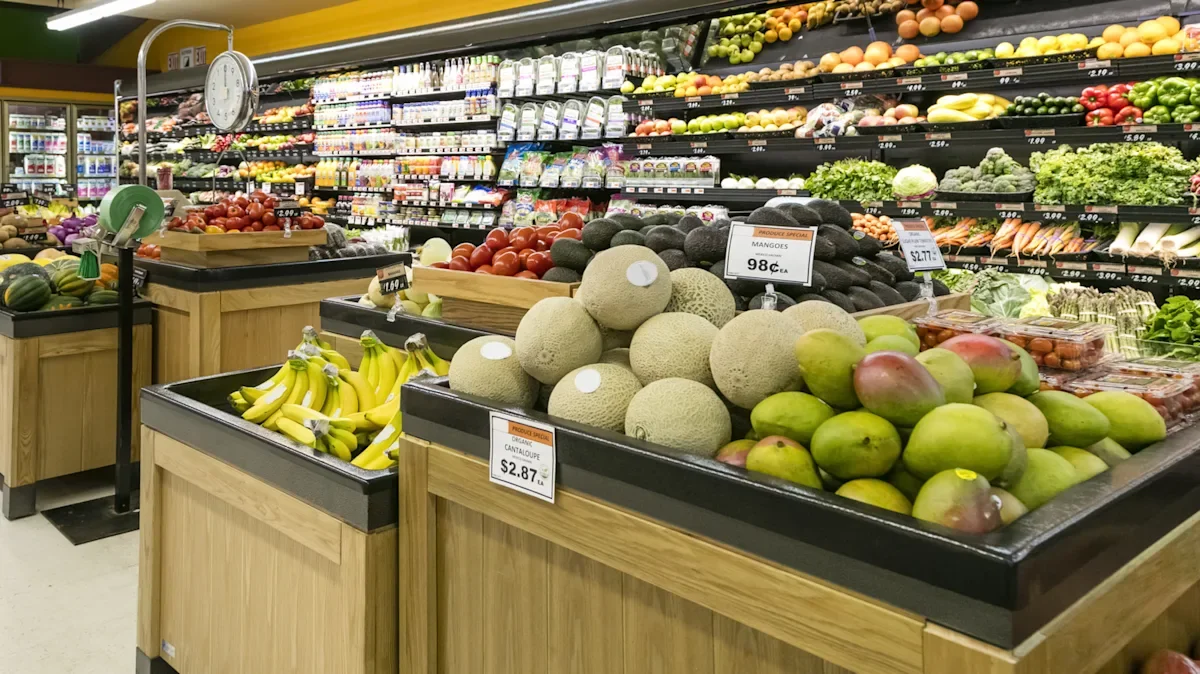
Passion fruit packs about five grams of protein per cup—more than any other fruit—outpacing jackfruit (2.8g) and common fruits like apples, grapes, and bananas (~1g). It’s a tasty, portable way to add protein to meals or smoothies, and can be paired with other protein sources (like tofu) to help reach daily goals.
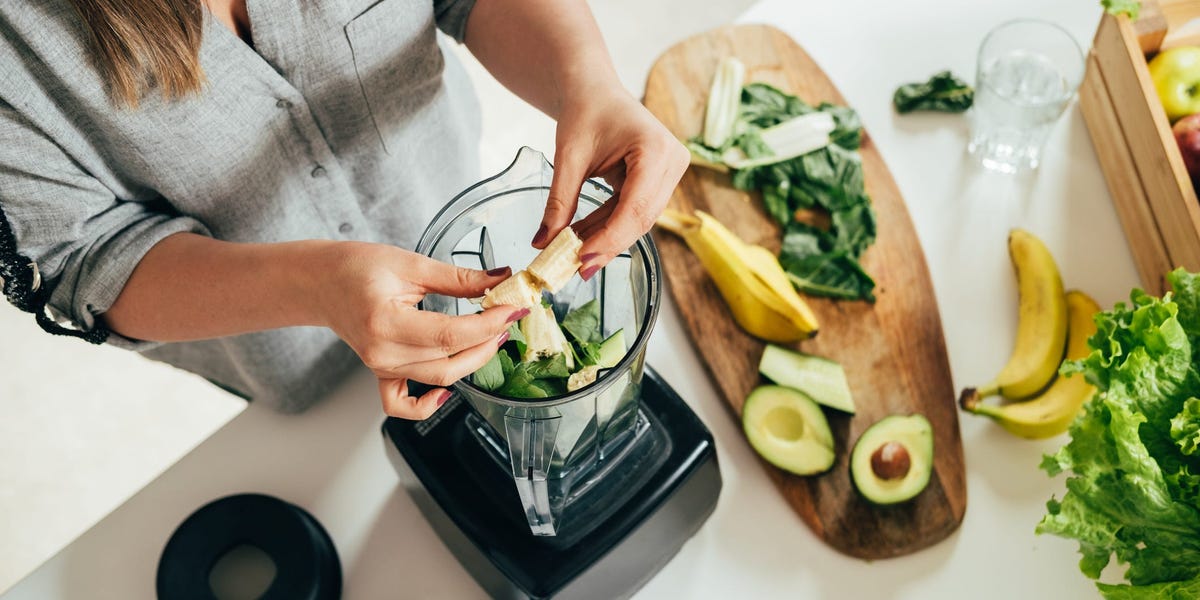
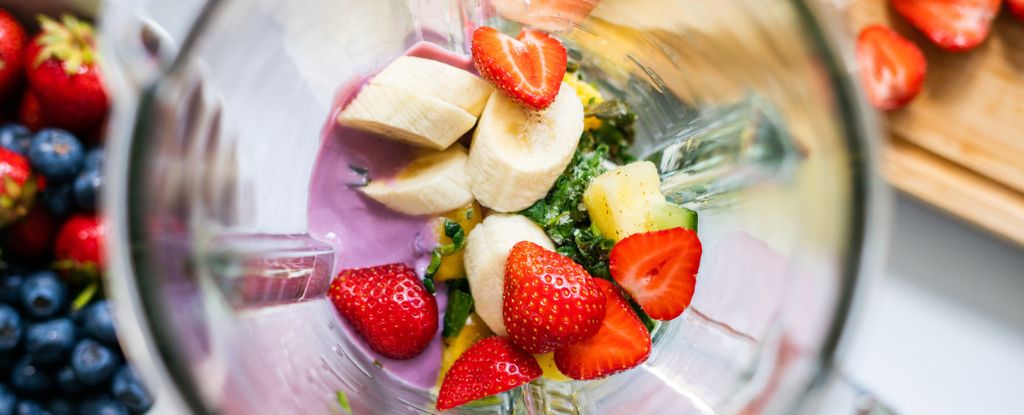
Dr. Pedi Mirdamadi advises against adding bananas to berry smoothies due to a study showing that bananas significantly reduce the absorption of flavanols, which are crucial for heart and brain health. Instead, he suggests using avocados for creaminess and healthy fats. Despite the findings, many people on TikTok remain unconvinced and continue to add bananas to their smoothies.
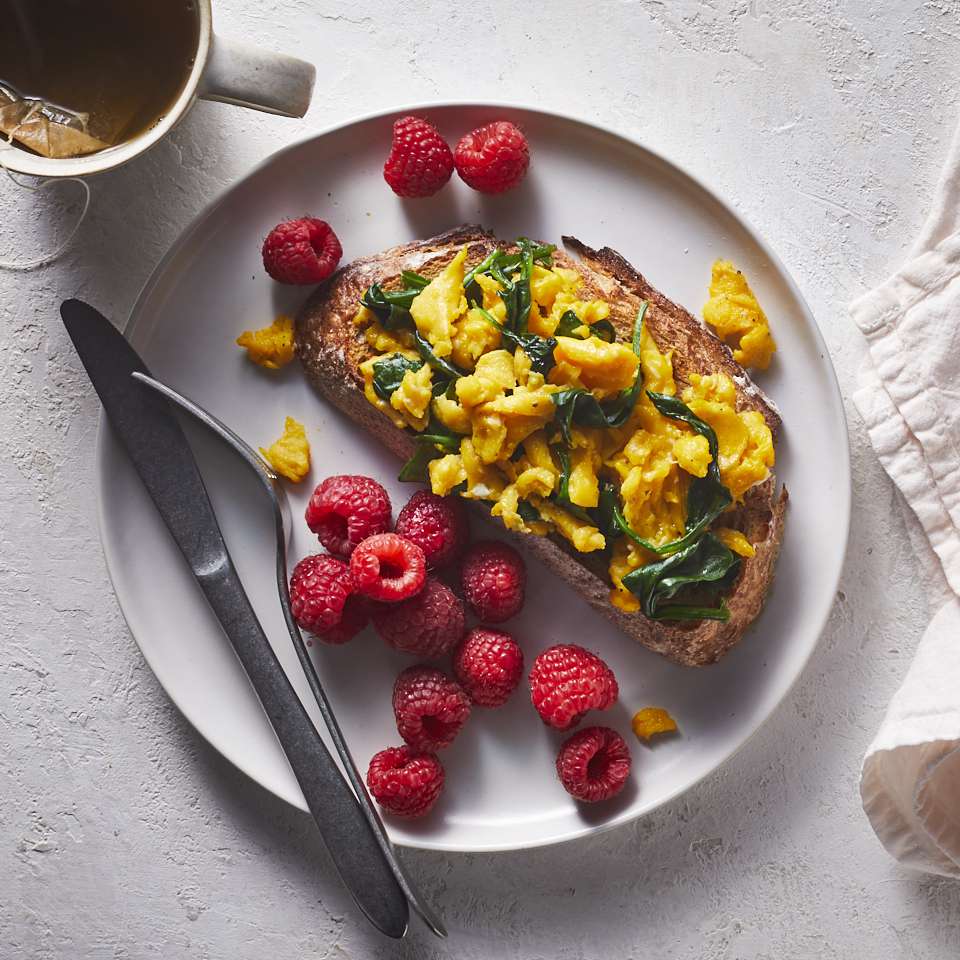
Start your day with these 15 gut-healthy breakfasts that can be prepared in 15 minutes or less, featuring prebiotic-rich foods like bananas, garlic, and oats, as well as probiotic ingredients like yogurt and kefir. From creamy blueberry-pecan oatmeal to raspberry-peach-mango smoothie bowls, these quick, delicious, and nutritious meals are packed with fiber, protein, and healthy fats to help you feel your best in the morning.
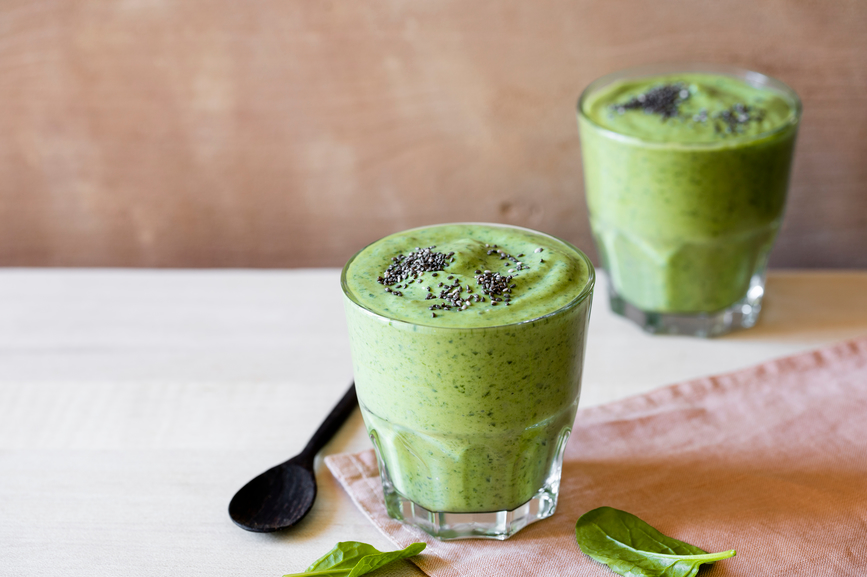
A balanced and nutritious diet is essential for healthy hair, and incorporating certain smoothies into your routine can help boost hair growth. Some nutritious smoothie options include a protein smoothie with peanut butter and flaxseeds, a vitamin C smoothie with fruits like pineapple and strawberries, a green smoothie with spinach and cucumber, and a nutty smoothie with almond butter and walnuts.
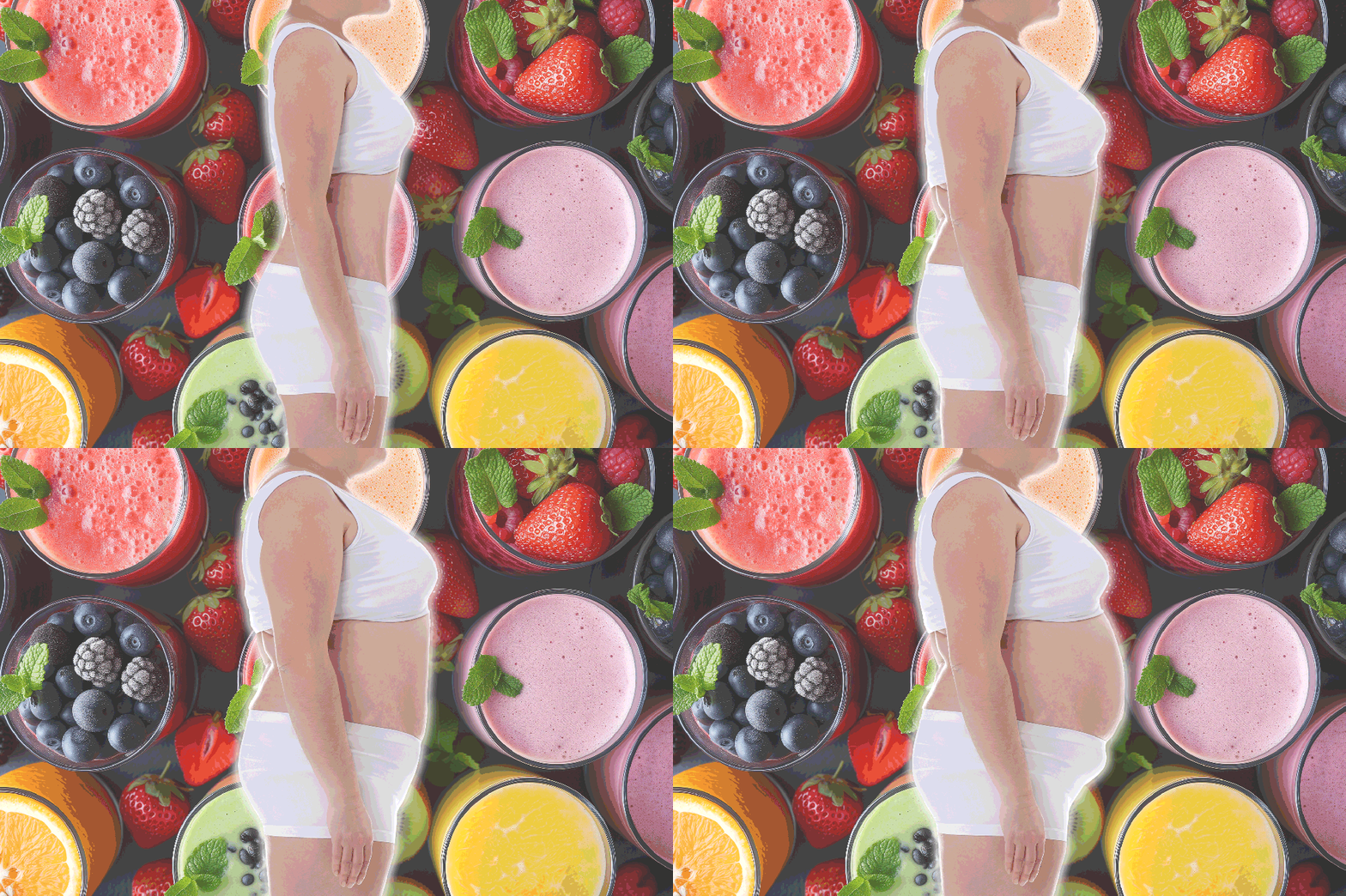
Registered nutritionist Angela Clucas warns that while smoothies can be calorie-dense and hinder weight loss efforts, they can still be a good way to consume fruits and veggies if you struggle to eat them whole. To ensure a healthier smoothie, she suggests assessing the ingredients on a plate before blending to gauge if you would eat them all in one sitting, and emphasizes the importance of including adequate protein, fiber, and healthy fats to prevent hunger shortly after consumption.
While smoothies can be a nutritious option, a registered nutritionist advises caution for those aiming to lose weight, as it's easy to consume more calories when drinking them. She recommends laying out all smoothie ingredients and considering if you would eat them in one sitting, and suggests adding ingredients like Greek yogurt, nut butter, oats, and protein powder for a more balanced and filling option. However, she warns that solely fruit-based smoothies may not be satisfying and should be factored into a calorie deficit for fat loss.
Researchers from the University of California Davis found that adding a banana to a berry smoothie can significantly reduce the levels of beneficial flavonol metabolites in the blood by 84 percent. This is likely due to an enzyme in bananas called polyphenol oxidase (PPO), which interacts with the antioxidants. The study suggests that the way we prepare and combine foods can impact the absorption of dietary compounds, indicating that bananas might inhibit the health benefits of flavonols found in berries and other plant-based foods. Further research is needed, but the findings highlight the importance of food combinations in our diet for maximizing health benefits.
Cardiologist David Sabgir recommends adding avocados to smoothies for their creaminess and heart-healthy benefits. Avocados are a good source of dietary fiber and monounsaturated fats, which are linked to promoting cardiovascular health. Other heart-healthy ingredients to include in smoothies are leafy greens like spinach and kale, berries for antioxidants, and bananas for potassium. It's important to choose nutrient-dense ingredients and minimize added sugars in liquids. Adding sources of unsaturated fats like avocado or nut butter can help increase the absorption of fat-soluble vitamins. Dr. Sabgir shares his go-to recipe for a heart-healthy avocado smoothie, which includes avocado, apple or pear, baby spinach, cucumber, coconut water, lime juice, honey, and ice.
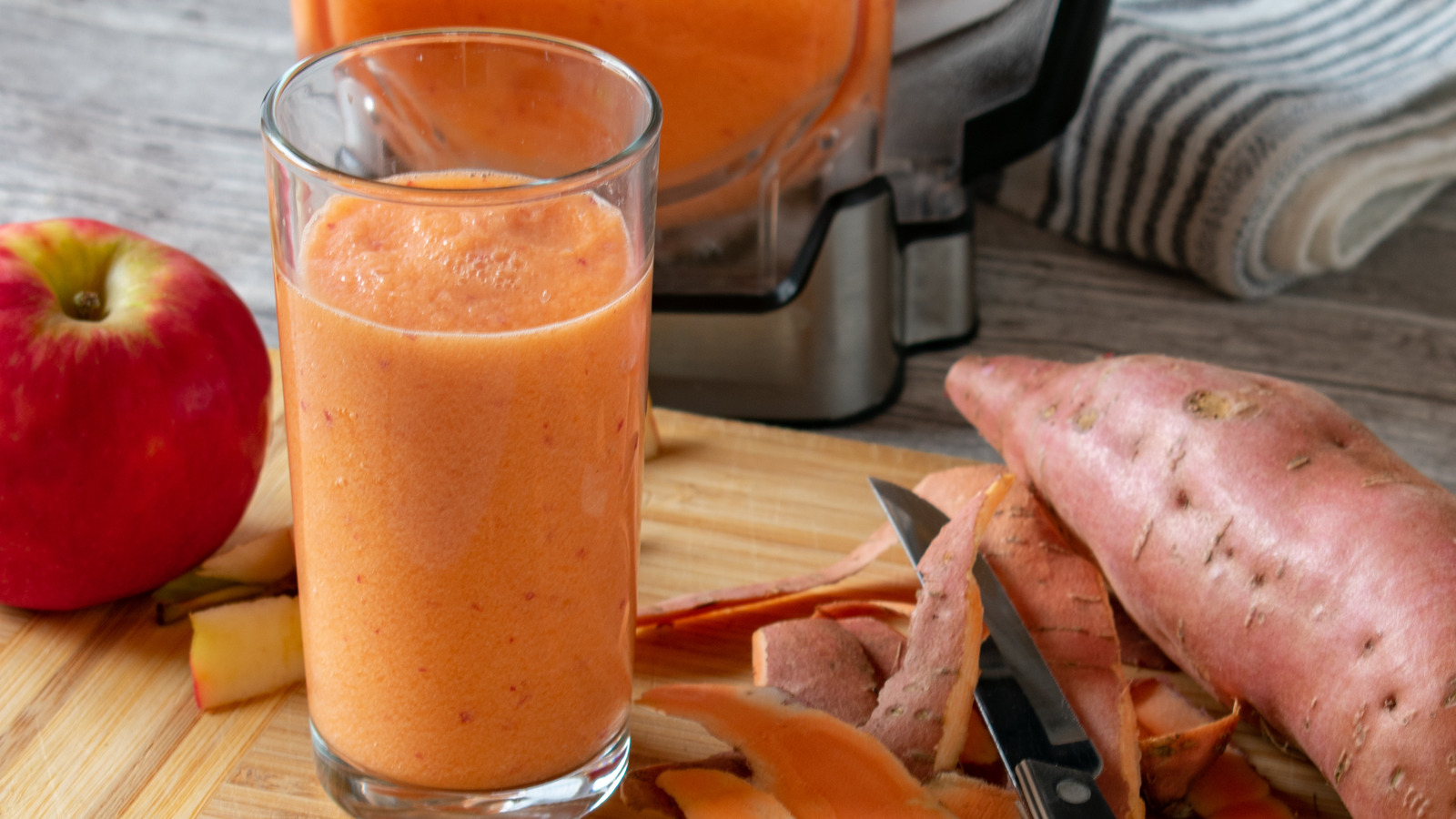
Sweet potatoes are not only a versatile and nutritious addition to cooked meals, but they can also elevate your smoothies. Packed with protein, carbs, potassium, and vitamin A, sweet potatoes offer numerous health benefits. Their natural sweetness and creamy texture make them a great substitute for added sugars in smoothies. Whether raw or cooked, sweet potatoes can be blended with other fruits, veggies, and ingredients to create delicious and filling smoothies. From sweet to savory options, the possibilities are endless.
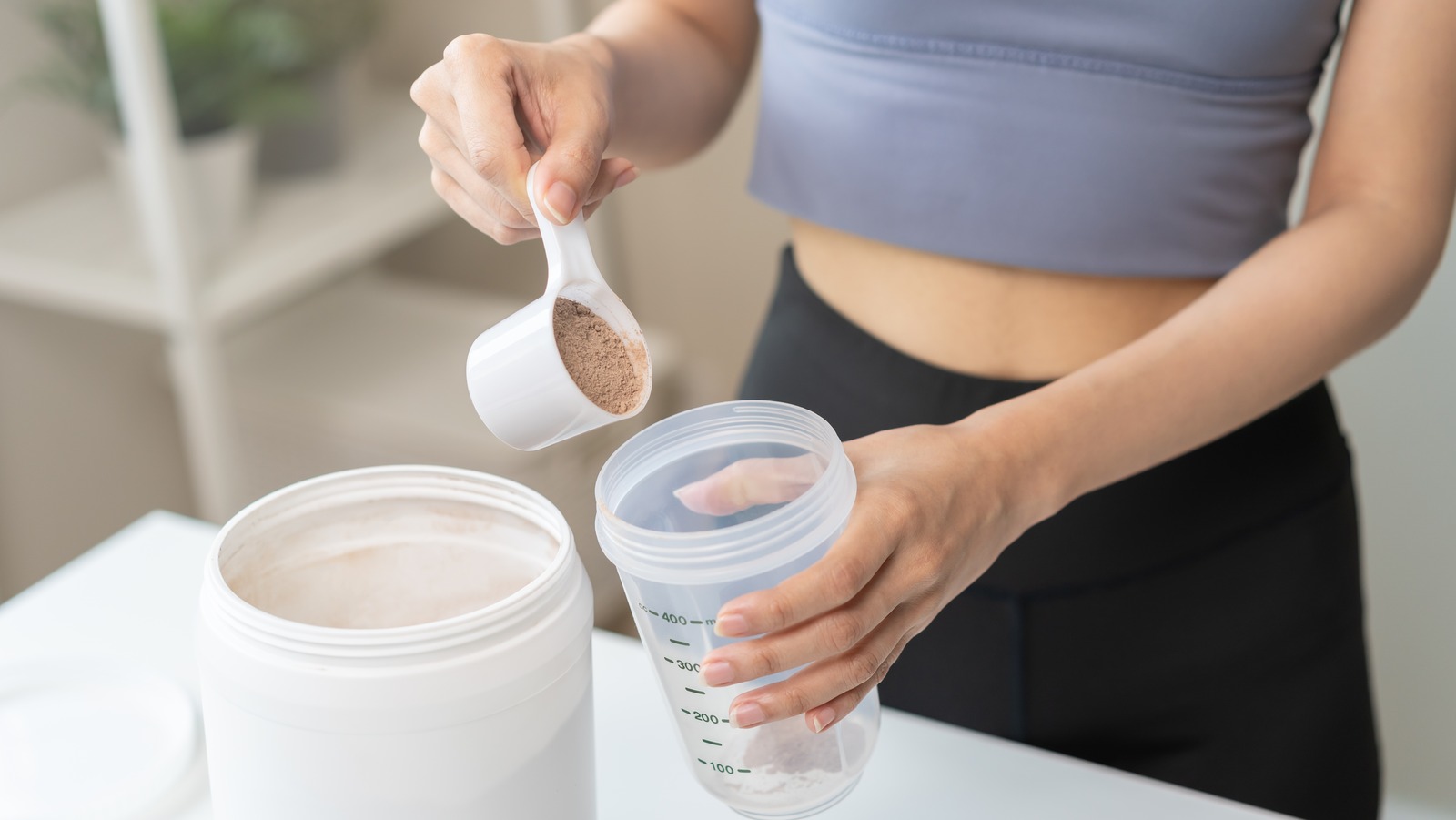
Adding protein powder to your smoothies can create a foamy mess, but there are ways to prevent this. First, blend all the other ingredients before adding the protein powder at the end to minimize foam. Adding the powder gradually and using cold liquids can also help reduce foam. Opting for protein powders made from egg white or plant-based sources, or those with stabilizers like gelatin, can also minimize foam.
Julianne Hough, strategic brand partner and shareholder for Blender Bites, shared her favorite snack, almonds, which she loves for their protein, fiber, and healthy fats. Hough also discussed her partnership with Blender Bites, her favorite flavors (Mindful Mocha and Daily Defen-C), her morning routine, and her go-to blender. She emphasized the importance of eating well by focusing on nourishing foods, listening to your body, and making healthy choices most of the time while allowing for occasional indulgences.
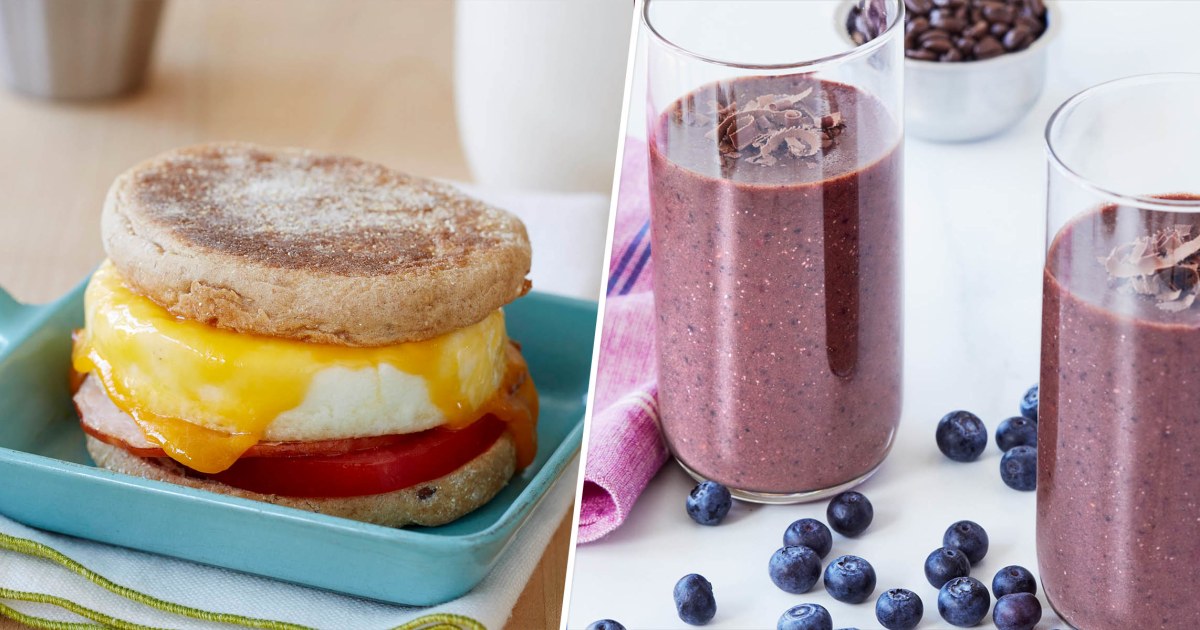
Nutrition expert Joy Bauer shares her favorite breakfast recipes that are both delicious and nutritious. Her recommendations include a savory breakfast sandwich with turkey or Canadian bacon on an English muffin, a peanut butter and berry breakfast bowl with Greek yogurt or cottage cheese, a blueberry toast with chia seeds for added texture, and a mocha-berry smoothie packed with brain-boosting ingredients like blueberries, cocoa powder, and coffee. These recipes offer a variety of options for a nourishing start to your day.
Mixing bananas with certain fruits in smoothies can significantly reduce the absorption of flavonoids, according to a study published in the Journal of Food and Function. Researchers found that combining bananas with berries resulted in an 84% lower absorption of flavonoids compared to shakes containing only berries. While bananas are still considered healthy and nutritious, it is advisable to avoid the specific banana-berry combination examined in the study. Other foods rich in flavonoids include lettuce, tomatoes, onions, kale, apples, grapes, wine, and dark chocolate. It is recommended to prioritize whole fruits and vegetables over smoothies and fruit juices to meet daily nutritional requirements.
New research suggests that combining bananas with berries in smoothies may decrease the health benefits of certain ingredients. The study found that smoothies containing bananas and berries resulted in a decrease in flavanols, a key nutrient in berries. Flavanols are linked to potential health benefits such as lowering blood pressure and promoting healthy brain function. The chemical reaction between bananas and air releases polyphenol oxidase (PPO), which affects the bioavailability of flavanols. To maximize the nutrient content of smoothies, experts recommend using low-PPO fruits like pineapple, oranges, mango, and yogurt, and consuming the smoothie soon after preparation. However, it's important to maintain a well-rounded diet with a variety of proteins, grains, healthy fats, and fruits and vegetables to ensure overall nutritional balance.
Dietitians warn against adding store-bought fruit juice to smoothies as it is loaded with added sugars and lacks essential fibers found in whole fruits. Consuming fruit juice can cause rapid spikes in blood sugar levels, leading to energy crashes, hunger, overeating, and weight gain. Instead, opt for unsweetened almond milk, coconut water, or plain water as a smoothie base. Whole fruits or natural sweeteners like stevia can provide sweetness without adverse effects on blood sugar and weight.