Tag

Skygazing

All articles tagged with #skygazing

sciencespace1 year ago

Rare 6-Planet Alignment to Dazzle Sky Next Month

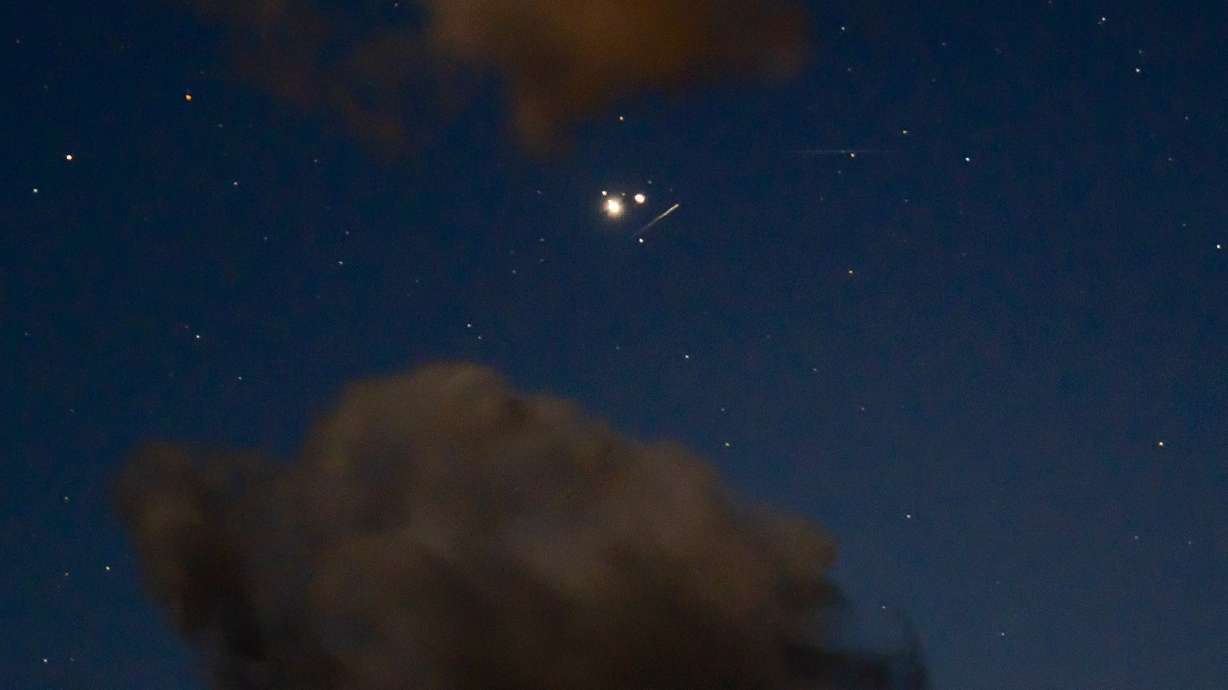
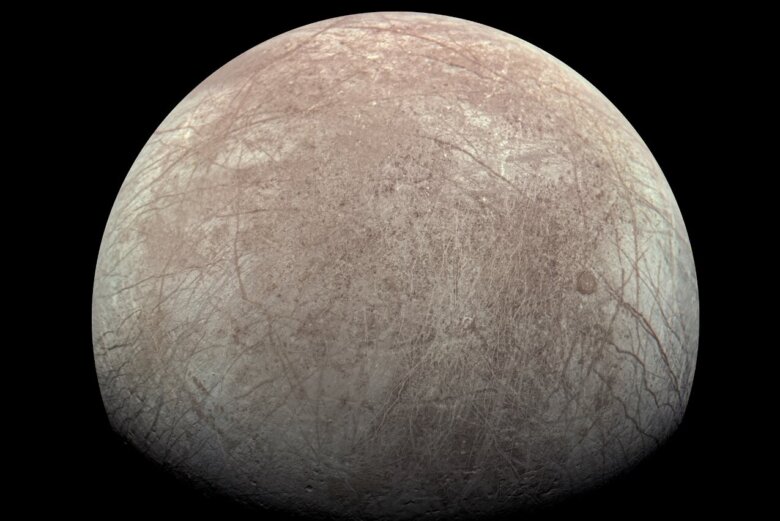
A rare alignment of six planets—Jupiter, Mercury, Uranus, Mars, Neptune, and Saturn—will occur just before sunrise on June 3, 2024, creating a "planetary parade" visible from Earth. The best viewing will be from the East Coast with clear skies, and binoculars or a telescope are recommended. Additional alignments of these planets will be visible in August 2024 and January 2025, with all seven planets appearing in the sky on February 28, 2025.
science-and-space1 year ago

"Rare 6-Planet Alignment: How and When to See It"

A rare alignment of six planets—Jupiter, Mercury, Uranus, Mars, Neptune, and Saturn—will occur just before sunrise on June 3, 2024, creating a "planetary parade" visible from Earth. The best viewing will be from the East Coast with binoculars or a telescope. Additional alignments of these planets will happen on August 28, 2024, and January 18, 2025, with all seven planets visible on February 28, 2025.

astronomy1 year ago

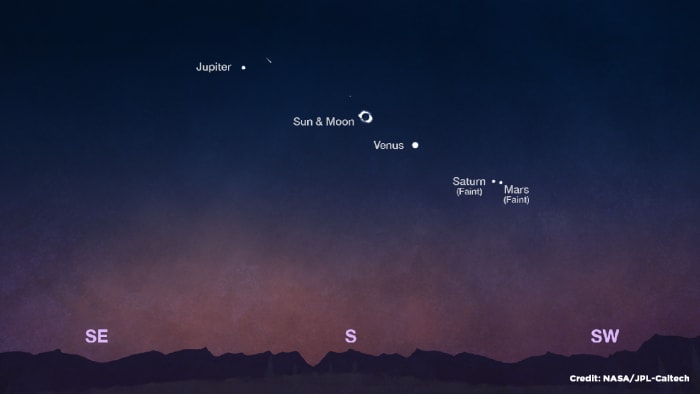
"Planetary Sightings During Solar Eclipse Totality"

During the upcoming total solar eclipse on April 8, 2024, if the skies are clear, skygazers may be able to spot Jupiter, Venus, and possibly Mars and Saturn in the dark sky. Mercury and Comet 12P/Pons-Brooks will also be present but will require binoculars or a telescope to see. It's important to prioritize eye safety and avoid looking directly at the sun without proper protection. KSAT will provide live coverage of the eclipse from various locations, allowing viewers to choose their preferred angle to watch the event.

astronomy1 year ago

"2024 Lunar Eclipse Guide: Viewing Tips and Safety Precautions"

On Monday, a penumbral lunar eclipse will coincide with the worm moon, visible to those on the night side of Earth. This event precedes a total solar eclipse on April 8 and is part of an "eclipse season" occurring every six months. While not as dramatic as a total lunar eclipse, a penumbral eclipse can be viewed with the naked eye. Additionally, upcoming meteor showers and supermoons are expected throughout the year, offering skygazers plenty of celestial events to look forward to.

astronomy1 year ago

"Devil Comet to Make Spectacular Appearance During April Total Solar Eclipse"

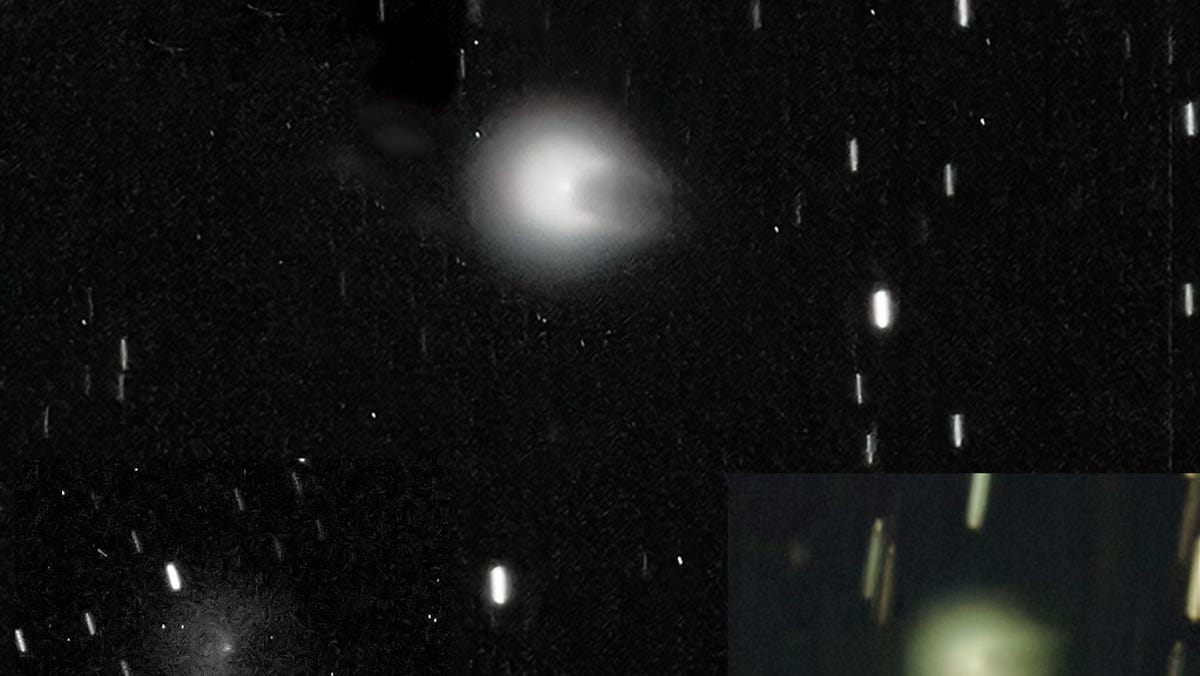
On April 8, a rare total solar eclipse may coincide with the appearance of the "devil comet," 12P/Pons-Brooks, known for its distinctive horn-shaped gas and dust spew. Skygazers may have the chance to witness both the eclipse and the comet, which is set to make its closest approach to the sun, potentially becoming visible to the naked eye. The comet's unpredictable brightness surges could make it a magnificent sight alongside the eclipse, offering a unique celestial event for observers in North America.

astronomy1 year ago

"Devil Comet Set to Photobomb April's Total Solar Eclipse"

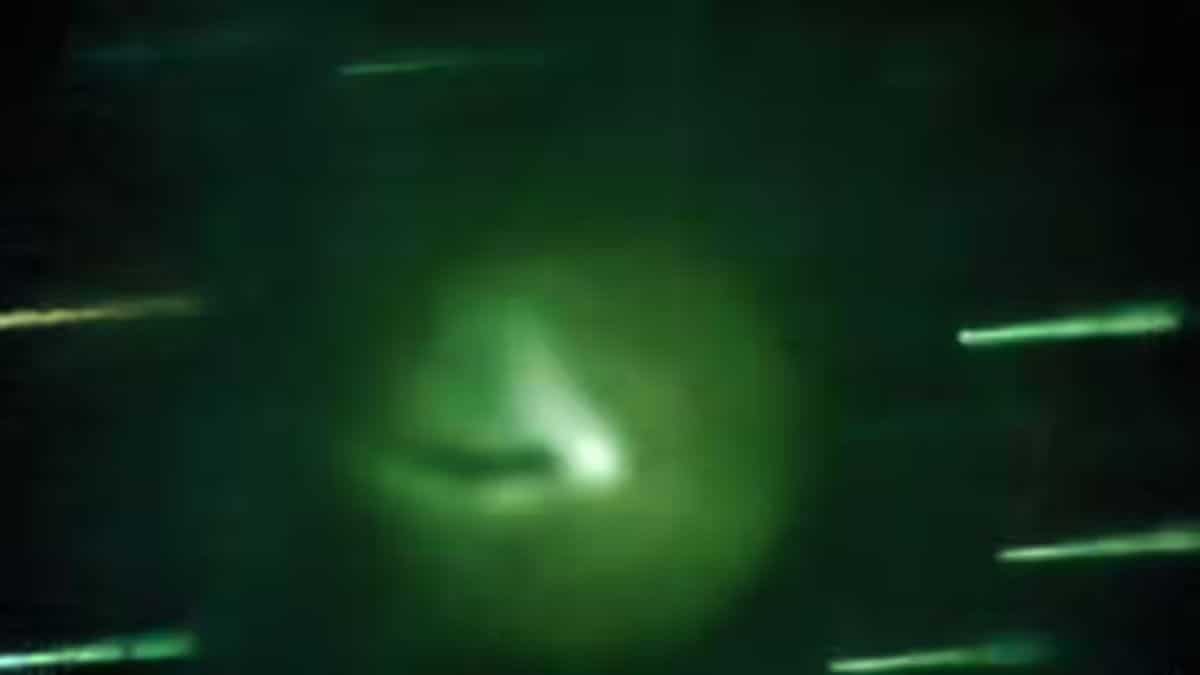
The "devil comet," officially known as 12P/Pons-Brooks, is set to make a rare appearance during the total solar eclipse next month, possibly visible to the naked eye if it erupts before totality. Measuring 10.5 miles in breadth, the comet follows a highly elliptical orbit around the sun every 71 years and is characterized as an ice volcano or cryovolcanic comet. Skygazers have been advised to wear protective eyewear during the partial phases of the eclipse, and recent images have shown a greenish glow emitted by the comet due to high concentrations of dicarbon in its coma and tail.

astronomy2 years ago

"Watch the Spectacular Ursids Meteor Shower Illuminate the Night Skies Before Christmas"

The Ursids meteor shower, the last meteor shower of the year, will peak on the evening of the winter solstice, December 21st, and continue into the early morning hours of December 22nd. Skygazers in the Northern Hemisphere, especially those in Alaska or Northern Canada, will have the best view. The meteor shower is expected to produce around five to 10 meteors per hour during its peak, with the best viewing time between 3 a.m. and dawn local time on Friday. No special equipment is needed to view the meteor shower, and casual skygazers can contribute to data collection by reporting their sightings to the American Meteor Society.

astronomy2 years ago

Don't Miss the Spectacular Geminid Meteor Shower Peak Tonight

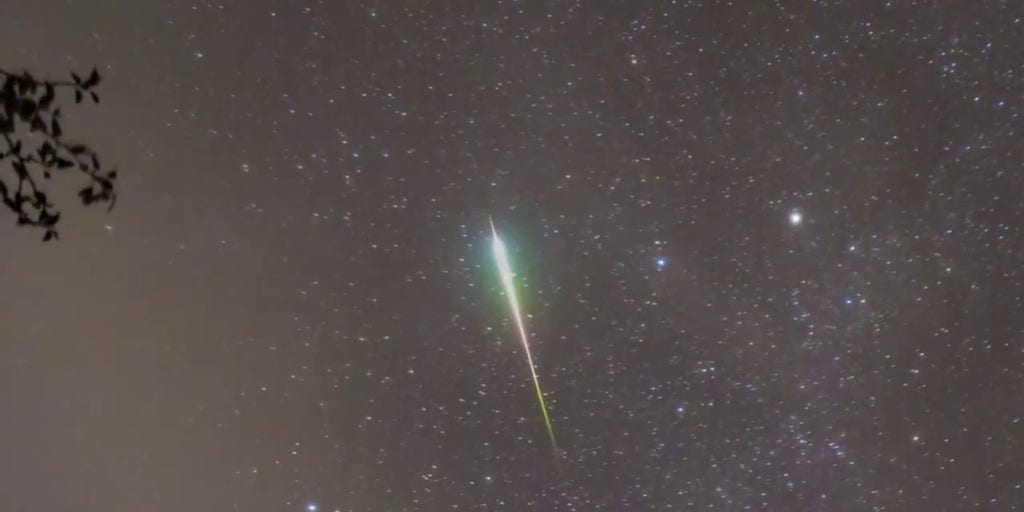
The Geminid meteor shower, the year's best meteor shower, will peak on Wednesday night and Thursday morning, offering skygazers the chance to see one or two meteors streaking across the sky every minute. The meteors, which have a greenish hue, are caused by Earth passing through a trail of rocky space debris from the asteroid 3200 Phaethon. NASA recommends looking for the meteors starting around 9 p.m. local time on Wednesday, with optimal viewing time at 2 a.m. on Thursday. To see the meteor shower, find a dark location away from light pollution and look everywhere in the sky since meteors don't come from a specific direction. The Geminids will remain active until December 24.

astronomy2 years ago

"Beaver Moon: A Guide to November's Full Moon Sighting"

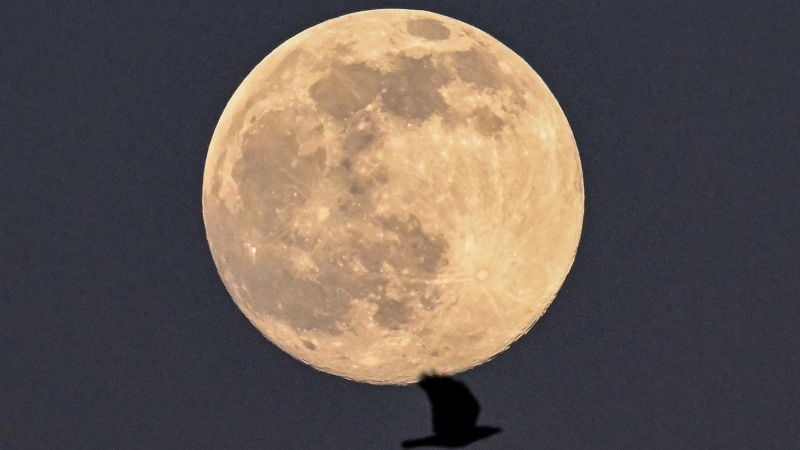
The Beaver Moon, November's full Moon, will be visible for three days from Saturday night to Tuesday morning, with peak illumination occurring early Monday morning. Skygazers can view the Moon with the naked eye, but using binoculars or a telescope will provide a closer look at its features, such as impact craters, mountain ridges, and cracks on the surface. The Beaver Moon is named after beavers sheltering for winter and is also known as the Moon before Yule, Frost Moon, or Snow Moon.

astronomy2 years ago

"Rare Chance to Witness Spectacular 'Fireball' Meteor Shower Tonight"

The Southern Taurids meteor shower, which has been active since September, will peak tonight, offering a chance to see fireballs streaking through the night sky. The Taurids are part of a meteor stream originating from comet Encke and are known for their rich display of fireballs. To increase the chances of spotting one, find a dark spot away from light pollution and focus on the area where Jupiter is located. Other meteor shower peaks, such as the Leonids, Geminids, and Ursids, are expected later this year.

astronomy2 years ago

"Stargazers Prepare: Orionid Meteor Shower Peaks this Weekend"

The Orionid Meteor Shower, originating from Halley's Comet, will peak on October 21, offering skygazers the best chance to see the meteors in action. Known for their speed and brightness, the Orionids can produce colorful streaks of light and fireballs. However, cloud cover may hinder visibility in many regions of the US on the night of peak activity. Those in Southern California, the Southwest, southern Plains, mid-Atlantic, and the Southeast have a better sky-gazing forecast. The meteor shower will continue to be active into November but will be harder to spot toward the end of October due to the full Hunter's Moon.

astronomy2 years ago

"Orionid Meteor Shower: A Spectacular Weekend Celestial Show"

The Orionid Meteor Shower, originating from Halley's Comet, will peak on October 21, offering skygazers a chance to witness fast-moving meteors traveling at 41 miles per second. The shower is known for its brightness and fireballs, with colorful streaks of light sometimes visible. However, cloud cover may hinder visibility in certain regions of the United States. The best viewing conditions are expected in Southern California, the Southwest, southern Plains, mid-Atlantic, and the Southeast. The meteor shower will continue to be active into November but may be harder to spot towards the end of October due to the full Hunter's Moon on October 28.

astronomy2 years ago

"Southwest Offers Prime Viewing Conditions for Spectacular 'Ring of Fire' Solar Eclipse"

The weather forecast for the annular solar eclipse on October 14 shows that the southwest region of the United States, including Utah, New Mexico, and Texas, is likely to have the best viewing conditions with little to no cloud cover and moderate fall temperatures. Oregon, California, Nevada, Arizona, Colorado, and New Mexico are also expected to have favorable conditions, although some areas may experience fog or clouds. The eclipse will begin in Oregon and end in southeastern Texas, with the Lone Star State expected to have excellent viewing conditions. Skygazers are advised to use solar eclipse glasses and check the forecast for their specific viewing location.

astronomy2 years ago

"September's Harvest Moon: Last Supermoon of 2023 Signals the Arrival of October"

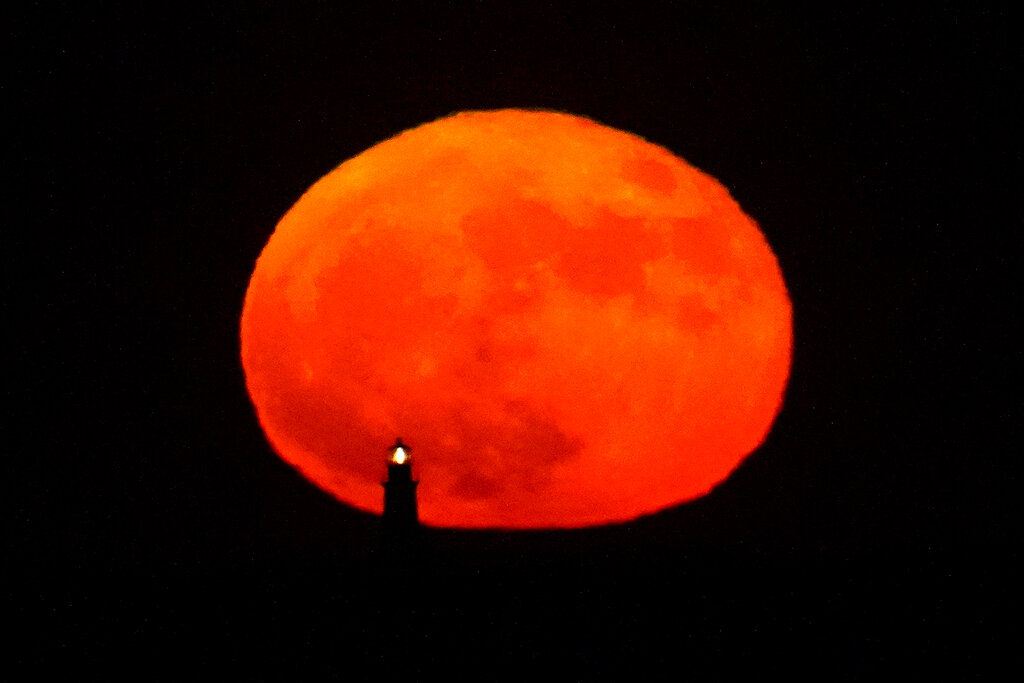
The last Supermoon of 2023, known as the Harvest Moon, will occur on September 29. The Harvest Moon is named after the time when crops in the Northern Hemisphere reach their peak. It will appear bright starting on Thursday and reach peak illumination on Friday morning. Skygazers can observe the Moon rising about half an hour after sunset on Thursday, with the fullest view just before moonset at around 6 a.m. ET on Friday.

astronomy2 years ago

"2023's Final Supermoon: Your Guide to the Harvest Moon This Week"

The last supermoon of 2023, known as the harvest moon, will be visible between Thursday night and Friday morning. The harvest moon is named after the time when farmers relied on its light to work into the night harvesting their crops. Accompanying the harvest moon, skygazers may also spot Saturn, Jupiter, and Mercury. This supermoon follows the rare blue supermoon that occurred in late August. The next harvest moon will be on September 18, 2024, and the second and final supermoon of the year will fall on October 17, 2024.