Tag

Northern Hemisphere

All articles tagged with #northern hemisphere

science6 months ago

Guide to Watching the 2025 Perseid Meteor Shower

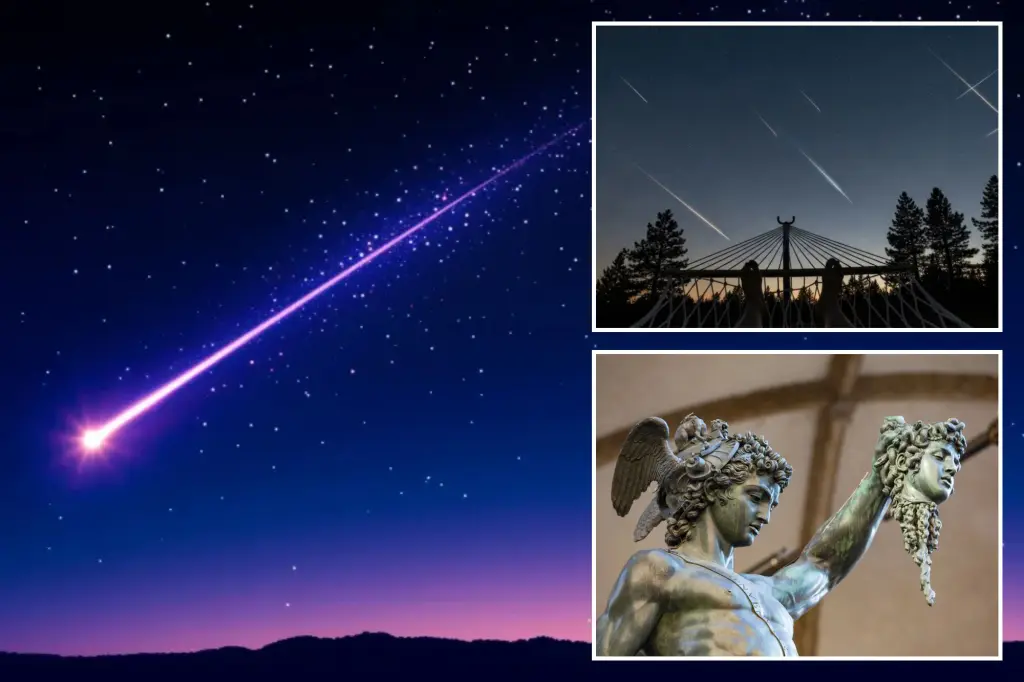
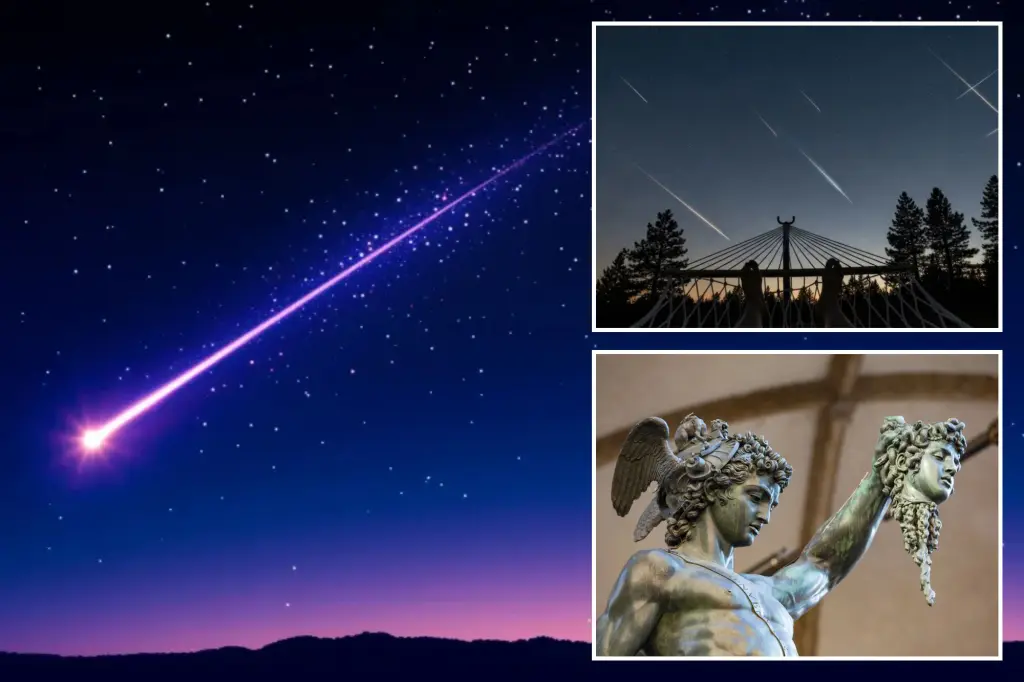
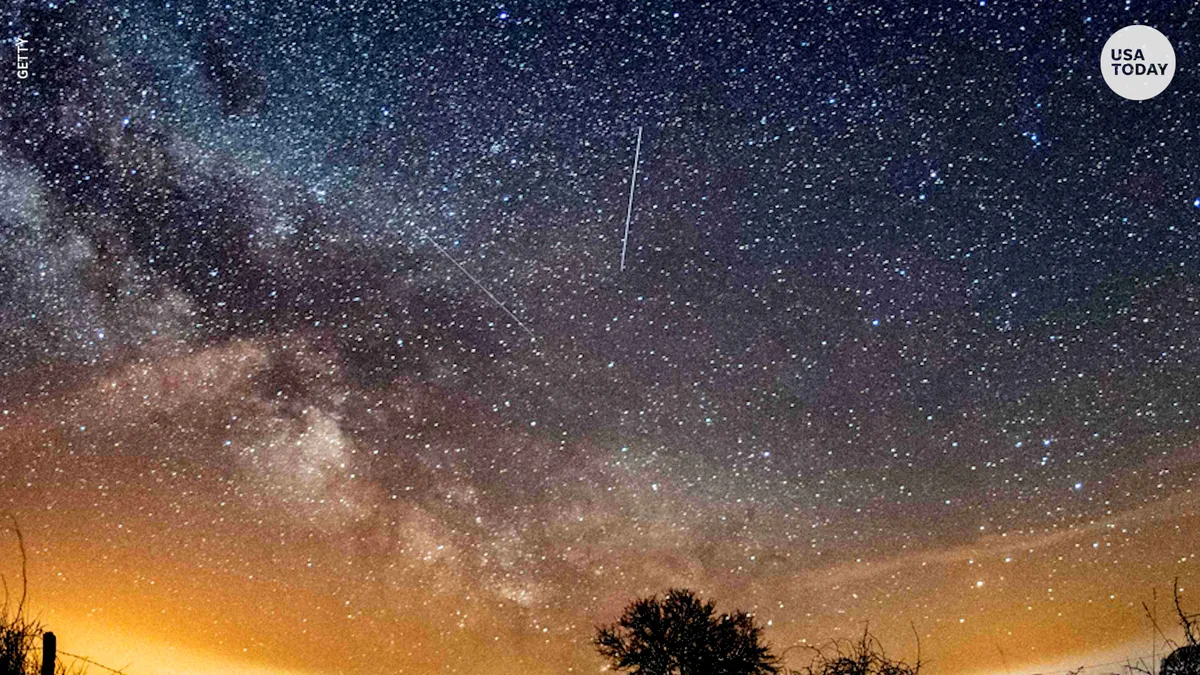
The Perseid meteor shower in 2025 will be visible from July 17 to late August, with peak activity around August 12-13. Best viewing conditions occur during the new moon phase in late July, especially between July 18-28, and the optimal viewing time is between 2 and 4 a.m. in the early morning hours. The shower, originating from comet Swift-Tuttle, is most visible in the Northern Hemisphere and is best observed away from light pollution, with the brightest meteors visible during the peak.

science6 months ago

Perseid Meteor Shower 2025: Your Ultimate Guide to the Best Summer Sky Show

The Perseid meteor shower in 2025 will be visible from July 17 to late August, with peak activity around August 12-13. Best viewing conditions occur during the new moon phase in late July, especially between July 18-28, and the optimal viewing time is between 2 and 4 a.m. in the early morning hours. The shower, originating from comet Swift-Tuttle, is most visible in the Northern Hemisphere and is best observed away from light pollution, with the brightest meteors visible during the peak.

science-and-technology1 year ago

Rare 6-Planet Alignment to Dazzle Skywatchers in June 2024

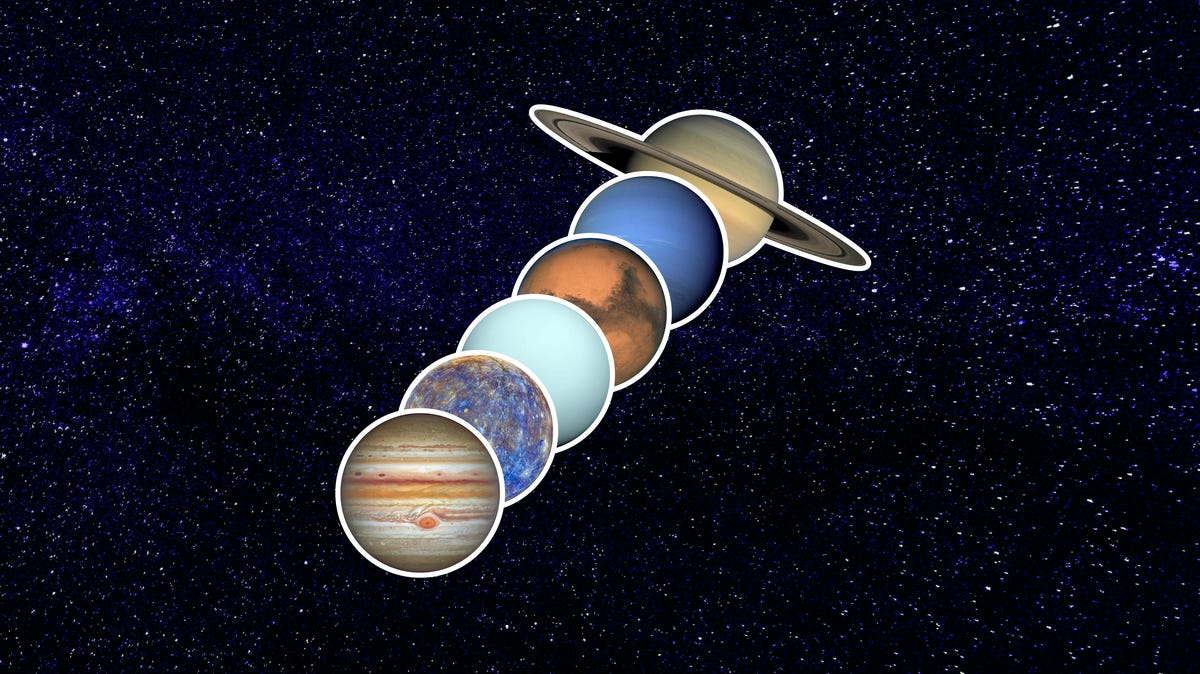
On June 3, 2024, a "planet parade" will occur, featuring the alignment of six planets—Jupiter, Mercury, Uranus, Mars, Neptune, and Saturn—in the predawn sky. Visible in the eastern sky of the Northern Hemisphere, four of these planets can be seen with the naked eye, while Uranus and Neptune require binoculars. This event is part of a series of celestial phenomena in 2024, including a total solar eclipse and meteor showers. Future planetary alignments are also predicted for later in 2024 and 2025.

astronomy1 year ago

"Survival of 'Devil Comet' 12P/Pons-Brooks During Close Sun Encounter"

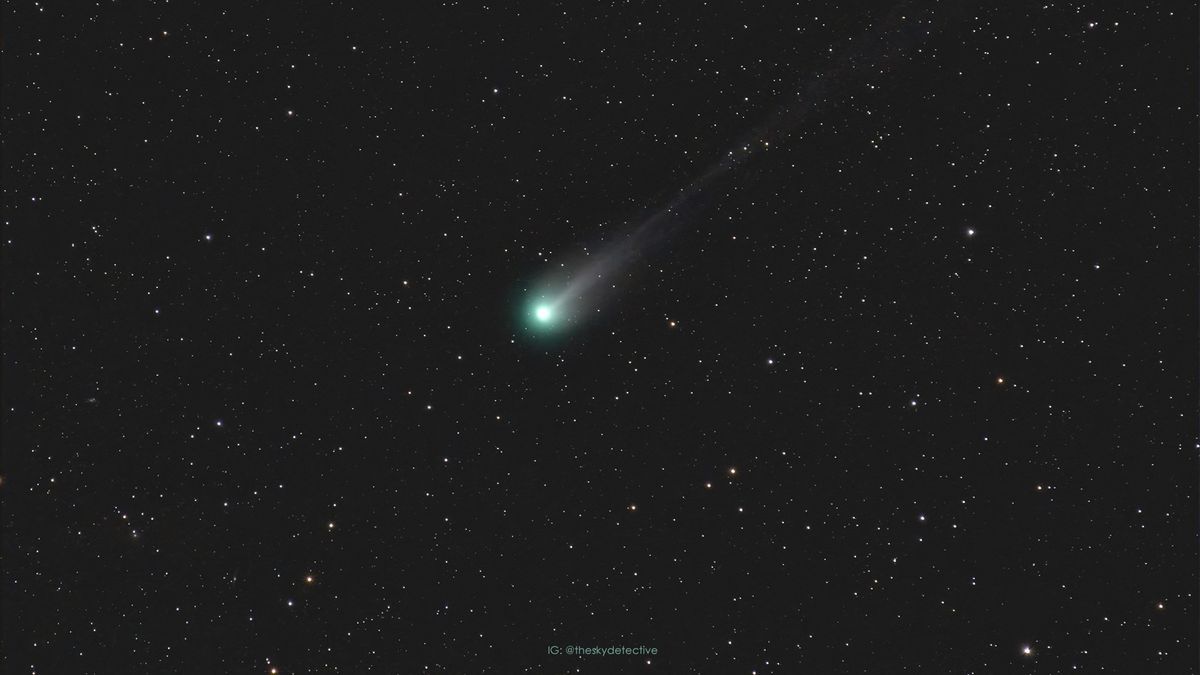
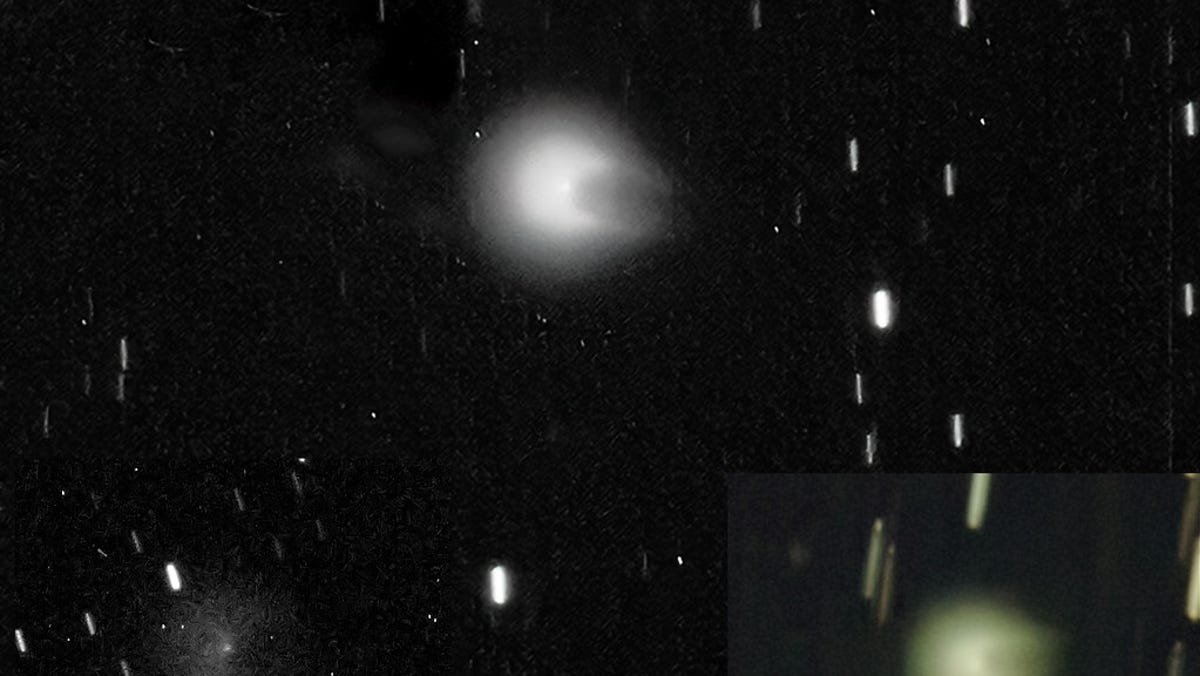
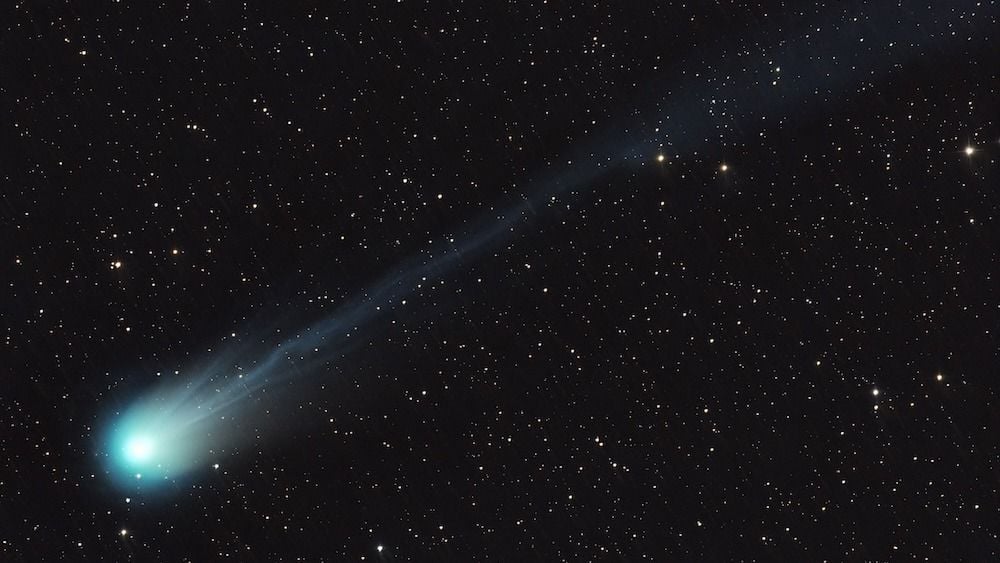
Comet 12P/Pons-Brooks, also known as the 'Devil Comet,' will reach its closest point to the sun on April 21, with a good chance of survival as it will pass at a safe distance. However, it is expected to fade rapidly after the encounter, becoming visible mainly to Southern Hemisphere observers. There may be future flare-ups, but the overall brightness of the comet has increased significantly as it moves closer to the sun. After perihelion, the comet will continue its journey through the solar system and is not expected to return to our skies until 2095.

astronomy1 year ago

"View the Spectacular 'Devil Comet' Flyby: A Guide"

The "devil comet," Comet 12P/Pons-Brooks, is currently visible in the Northern Hemisphere and will be at its brightest in mid-April. It can be observed with binoculars or a small telescope just after sunset, looking West beneath the Moon and to the right of Jupiter. Although it will make its closest approach to Earth on June 2, it poses no danger to the planet. Comets are composed of frozen dust, rock, and ice from the solar system's formation, and as they heat up, they emit gases and dust, forming a glowing head and a tail.

astronomy1 year ago

"Your Guide to Viewing the Lyrids Meteor Shower This Week"

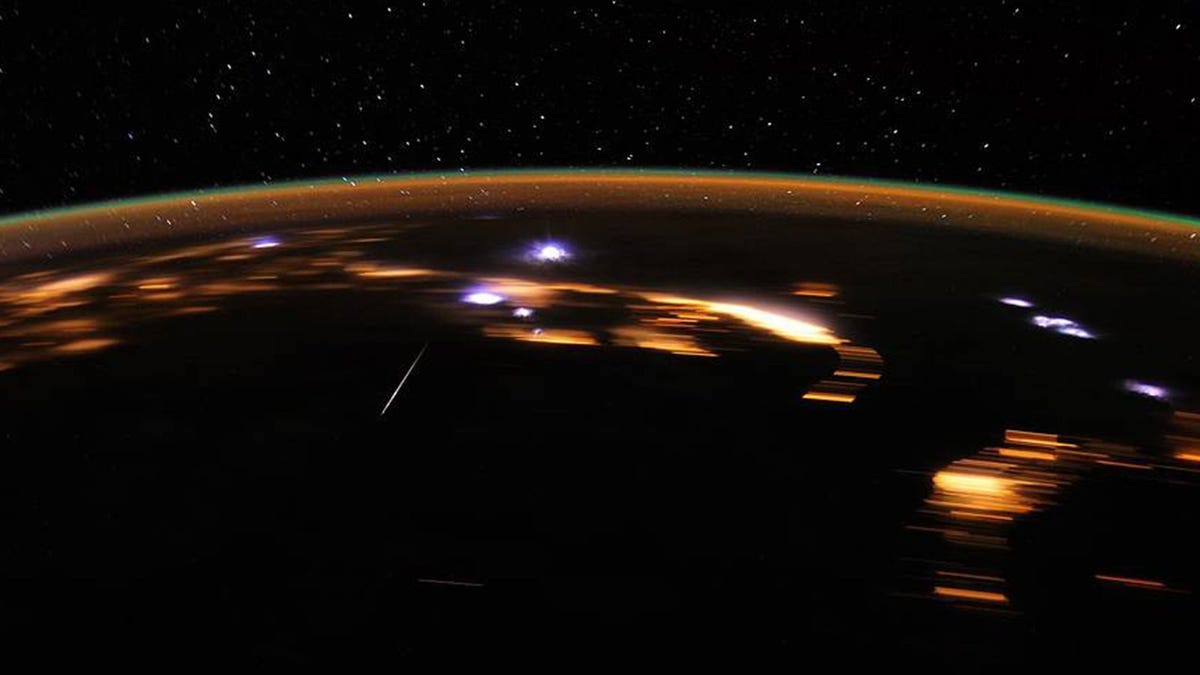
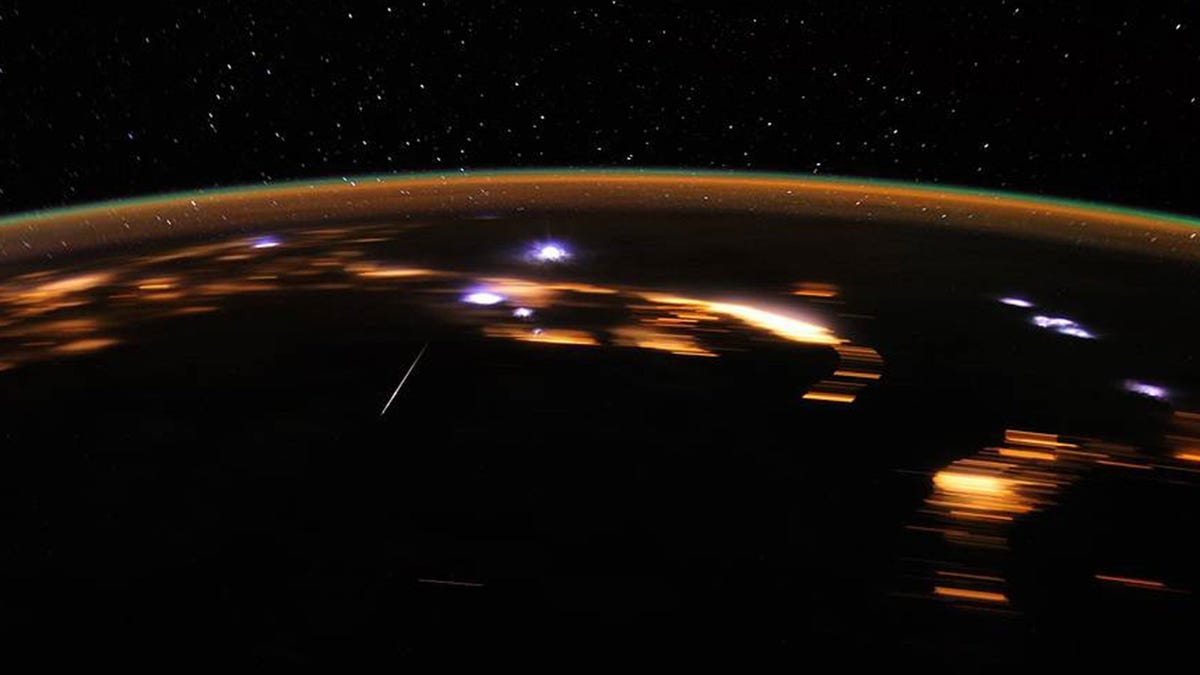
The Lyrids Meteor Shower, originating from Comet Thatcher, is currently active and will peak on the nights of April 21 to 22 and 22 to 23. Best observed from the Northern Hemisphere, the shower may produce around 10 to 15 meteors per hour due to interference from the bright waxing gibbous Moon. Skywatchers can locate the radiant point near the bright star Vega and expect meteors to rain down from the top of the Northern Hemisphere sky. The parent comet, Comet Thatcher, was discovered in 1861 and takes around 416 to 422 years to orbit the Sun.

astronomy1 year ago

"2024 Lyrid Meteor Shower: Viewing Tips for Wisconsin and Idaho"

The Lyrid meteor shower, known for its fast and bright meteors, will peak between April 21 to 22 and is visible from both the Northern and Southern Hemisphere. In Wisconsin, some of the best places to view the meteor shower include Newport State Park, Ellison Bay, and Kettle Moraine State Forest. Meteor showers occur when the Earth passes through debris trails left by comets, and the Lyrids are pieces of debris from Comet C/1861 G1 Thatcher. Other upcoming meteor showers in 2024 include the Eta Aquariid, Delta Aquariid, Perseid, Draconids, Orionid, Taurid, Leonid, Geminid, and Ursid meteor showers.

astronomy1 year ago

"Ultimate Guide to Watching the Lyrid Meteor Shower"

The Lyrids Meteor Shower, originating from Comet Thatcher, is currently active and will peak on the nights of April 21 to 22 and 22 to 23. Best observed from the Northern Hemisphere, the shower may produce around 10 to 15 meteors per hour due to interference from the bright waxing gibbous Moon. Skywatchers can locate the radiant point near the bright star Vega and expect meteors to rain down from the top of the Northern Hemisphere sky. The Lyrids are the oldest recorded meteor shower, with observations dating back to 687 BCE, and are associated with Comet Thatcher, a long-period comet expected to reach its next perihelion around the year 2283.

weather1 year ago

"Uncovering Unusual Weather Effects of a Solar Eclipse"

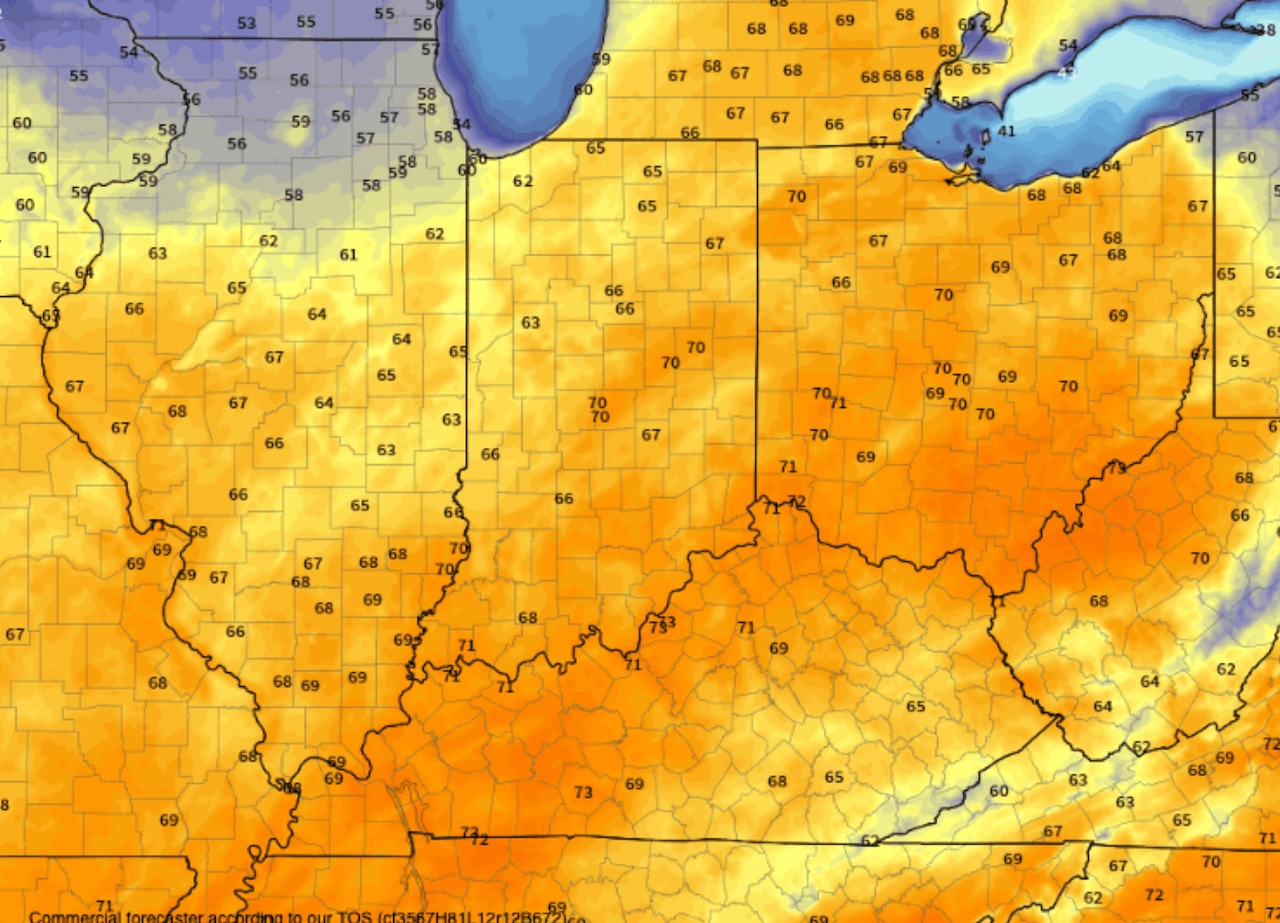
The upcoming solar eclipse is expected to bring about two weather conditions that may not be immediately apparent. As the sun is blocked during the eclipse, temperatures are likely to drop, prompting the need for jackets in certain areas along the eclipse path. Additionally, the diminishing strong April sun and bare farm fields could lead to a reduction in wind during the eclipse, particularly across the Ohio, Indiana, and Illinois eclipse areas.

astronomy1 year ago

"Rare Opportunity: Witness the Spectacular Devil Comet During the 2024 Total Solar Eclipse"

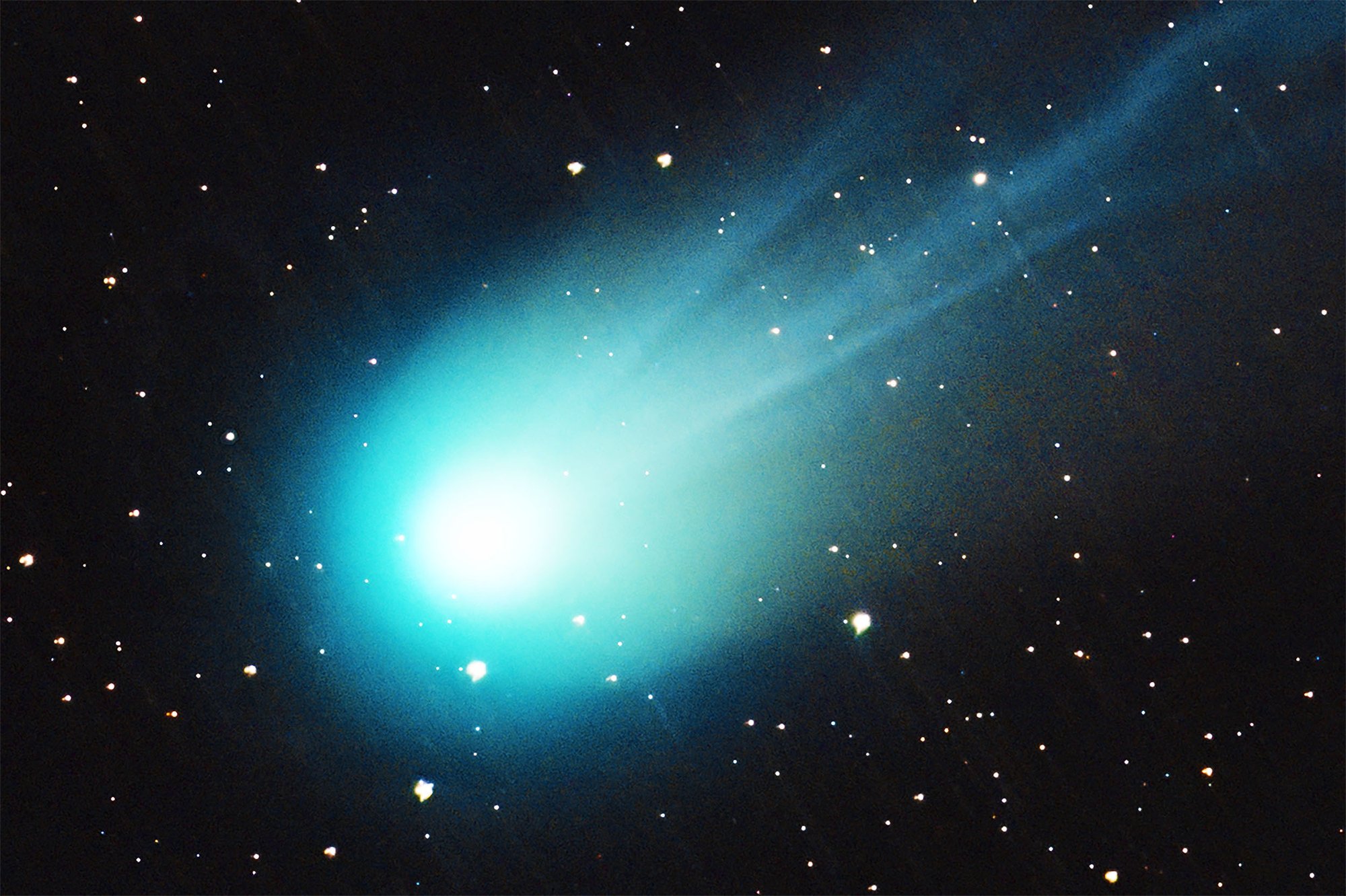
On April 8, during the total solar eclipse, sky gazers in the Northern Hemisphere may have the opportunity to see the bright green "Devil Comet," also known as Pons-Brooks, which is set to make its closest approach to the sun on April 21. The comet, named for its periodic eruptions that give it the appearance of devil horns, could potentially be visible to the naked eye, especially on April 8 when it is closest to Jupiter. Observers are advised to use binoculars during the brief period of totality to catch a glimpse of this celestial event.

astronomy1 year ago

"Rare 'Mother of Dragons' Comet and Other Astronomical Events in April"

The "Mother of Dragons" comet, officially known as Comet 12P/Pons-Brooks, is currently visible in the night sky for observers in the Northern Hemisphere. This rare, cryovolcanic comet, which erupts regularly, is expected to make its closest approach to the sun on April 21, resulting in its brightest appearance. It has a nucleus measuring 10.5 miles wide and is known for its spectacular outbursts of gas and dust. The comet is expected to reach its closest point to Earth in June, but it will no longer be visible in the Northern Hemisphere at that time. Skywatchers are advised to use binoculars for the best chance of spotting it.

astronomy1 year ago

"Rare Devil Comet to Grace Northern Hemisphere Skies During April 8 Eclipse"

Comet 12P/Pons-Brooks, also known as the devil comet, is currently visible in the night skies of the northern hemisphere, offering a unique spectacle for stargazers. This Halley-type comet, with a nucleus about 30 kilometers in diameter, is known for its impressive outbursts of gas and dust during its voyages through the inner solar system. It is most visible in late March and early April, and will reach its closest point to Earth in June 2024. The comet's name honors two legendary astronomers, Jean-Louis Pons and William R. Brooks, who discovered an impressive number of comets. Additionally, the article highlights the scientific interest and importance of continued observation and study of comets, as they hold the key to understanding our place in the cosmos and the fundamental processes that have shaped our solar system.