
Tag

Cosmic Spectacle

All articles tagged with #cosmic spectacle

astronomy1 year ago

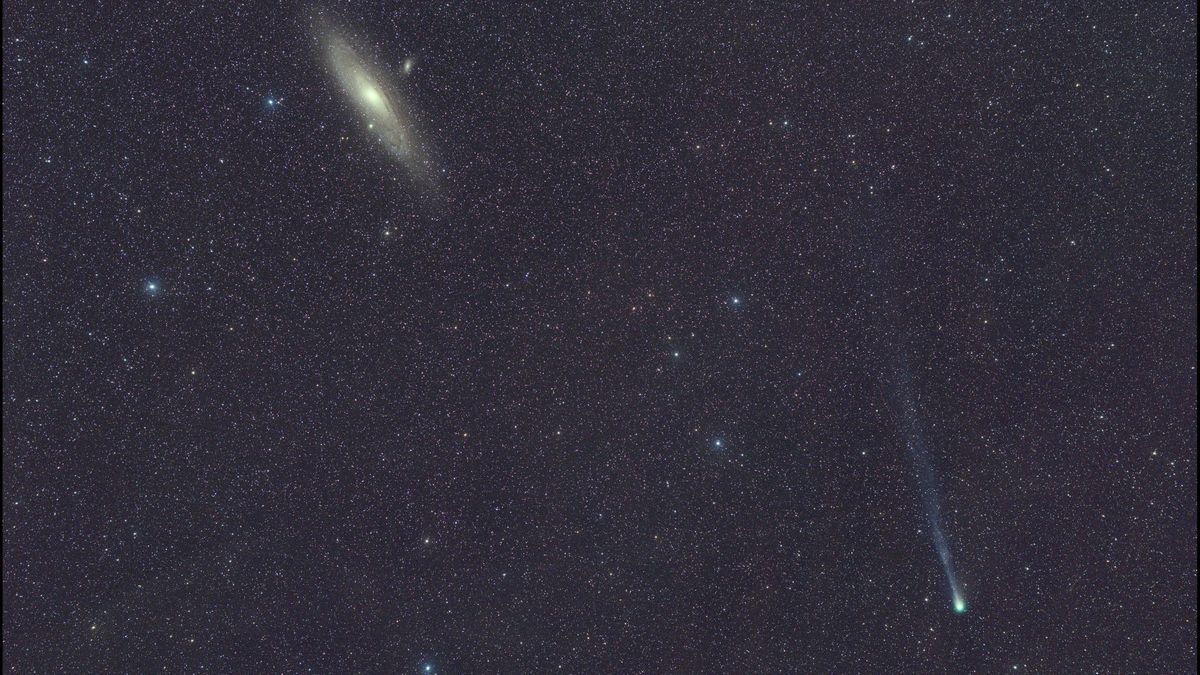
"Rare 'Horned' Comet 12P/Pons-Brooks Photobombs April Eclipse Near Andromeda Galaxy - How to Watch"

Comet 12P/Pons-Brooks, known as the devil comet, is currently passing the Andromeda galaxy, offering a rare celestial spectacle. The 10.5-mile-wide cryovolcanic comet has erupted frequently, displaying a green glow due to high dicarbon levels. Livestreams from the Virtual Telescope Project in Italy will capture the conjunction, and astrophotographers have already captured stunning images of the comet and galaxy. The comet is expected to make its closest approach to Earth on June 2 before journeying back into the outer solar system.
astronomy1 year ago

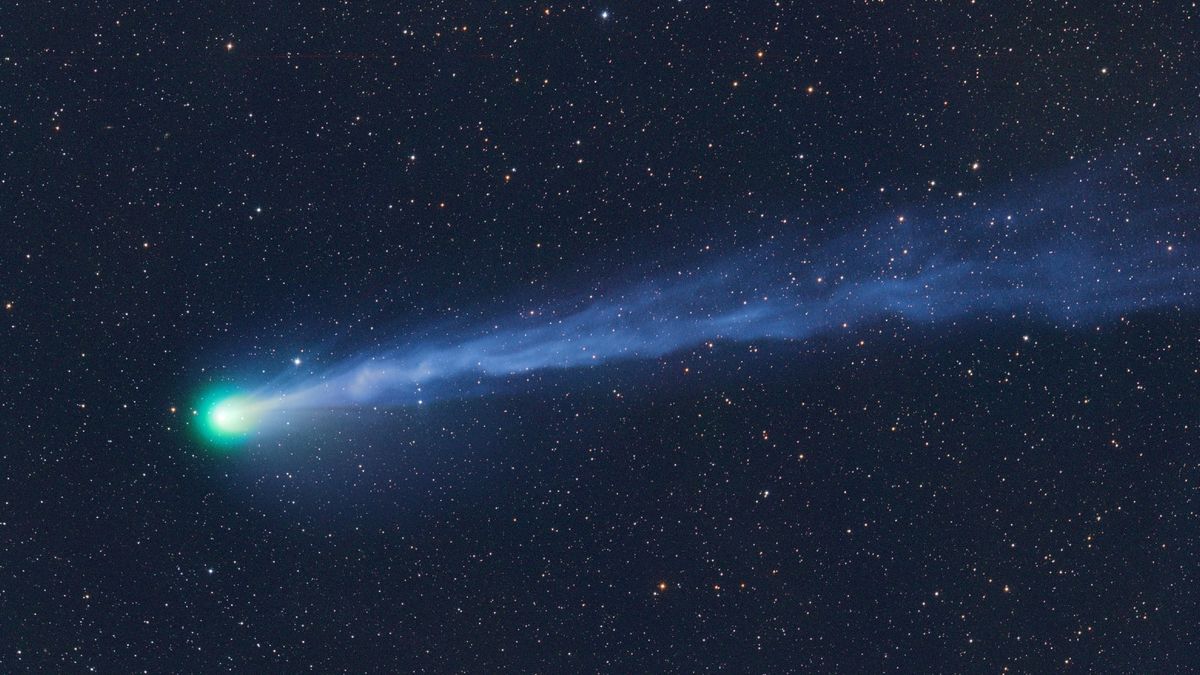
"Stunning Livestream: Watch 'Horned' Comet 12P/Pons-Brooks Explode Past Andromeda Galaxy"

The green comet 12P/Pons-Brooks, also known as the devil comet, is currently passing the Andromeda galaxy and can be observed in real time through livestreams. This 10.5-mile-wide cryovolcanic comet has erupted frequently, displaying a green glow due to high levels of dicarbon in its coma and tail. It is expected to make its closest approach to Earth on June 2 before journeying back into the outer solar system. The Virtual Telescope Project will provide livestreams of the comet's conjunction with the Andromeda galaxy, and astrophotographers are capturing stunning images of this rare cosmic event.

astronomy2 years ago

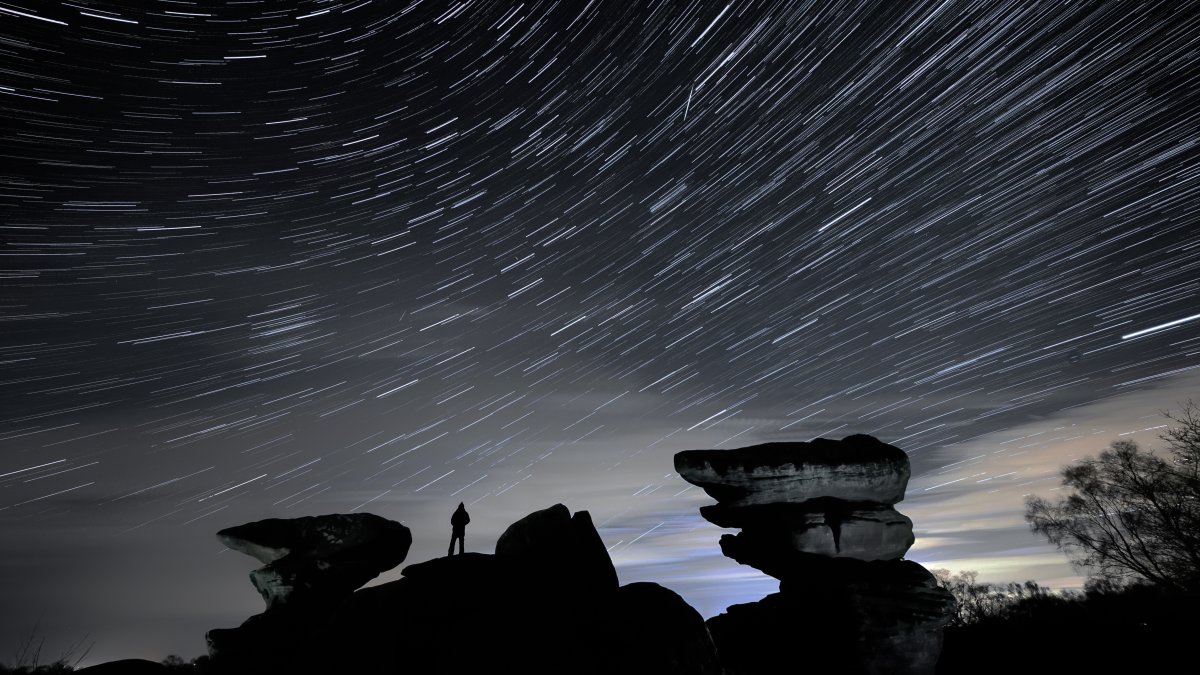
Don't Miss the Spectacular Geminid Meteor Shower Peak Tonight

The Geminid meteor shower, the year's best meteor shower, will peak on Wednesday night and Thursday morning, offering skygazers the chance to see one or two meteors streaking across the sky every minute. The meteors, which have a greenish hue, are caused by Earth passing through a trail of rocky space debris from the asteroid 3200 Phaethon. NASA recommends looking for the meteors starting around 9 p.m. local time on Wednesday, with optimal viewing time at 2 a.m. on Thursday. To see the meteor shower, find a dark location away from light pollution and look everywhere in the sky since meteors don't come from a specific direction. The Geminids will remain active until December 24.