The article highlights six major space events in 2026, including NASA's Artemis II moon mission, India's Gaganyaan-1 crew capsule, the Pandora exoplanet hunter, the Haven-1 space station, the Boeing Starliner return to flight, and lunar rover missions, marking significant advancements in human space exploration and scientific discovery.
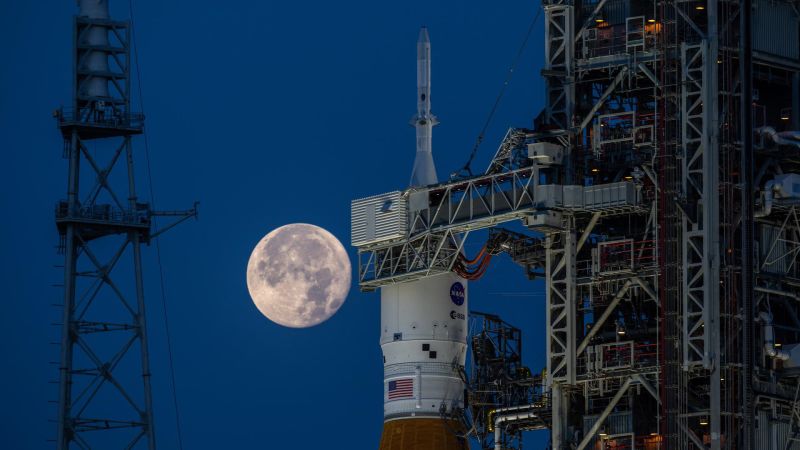
NASA's Artemis II mission, set to launch as early as February 2023, will send four astronauts on a lunar flyby to test spacecraft systems and gather scientific data, marking a significant step toward returning humans to the moon and establishing a lunar base, amid technological challenges and geopolitical interest.
President Trump has issued an executive order prioritizing the return of Americans to the moon by 2028, with plans for a nuclear lunar outpost by 2030, and NASA, under new leadership, aims to accelerate the timeline, including a crewed lunar mission in 2028 and establishing a lunar base, amidst international competition and commercial sector involvement.
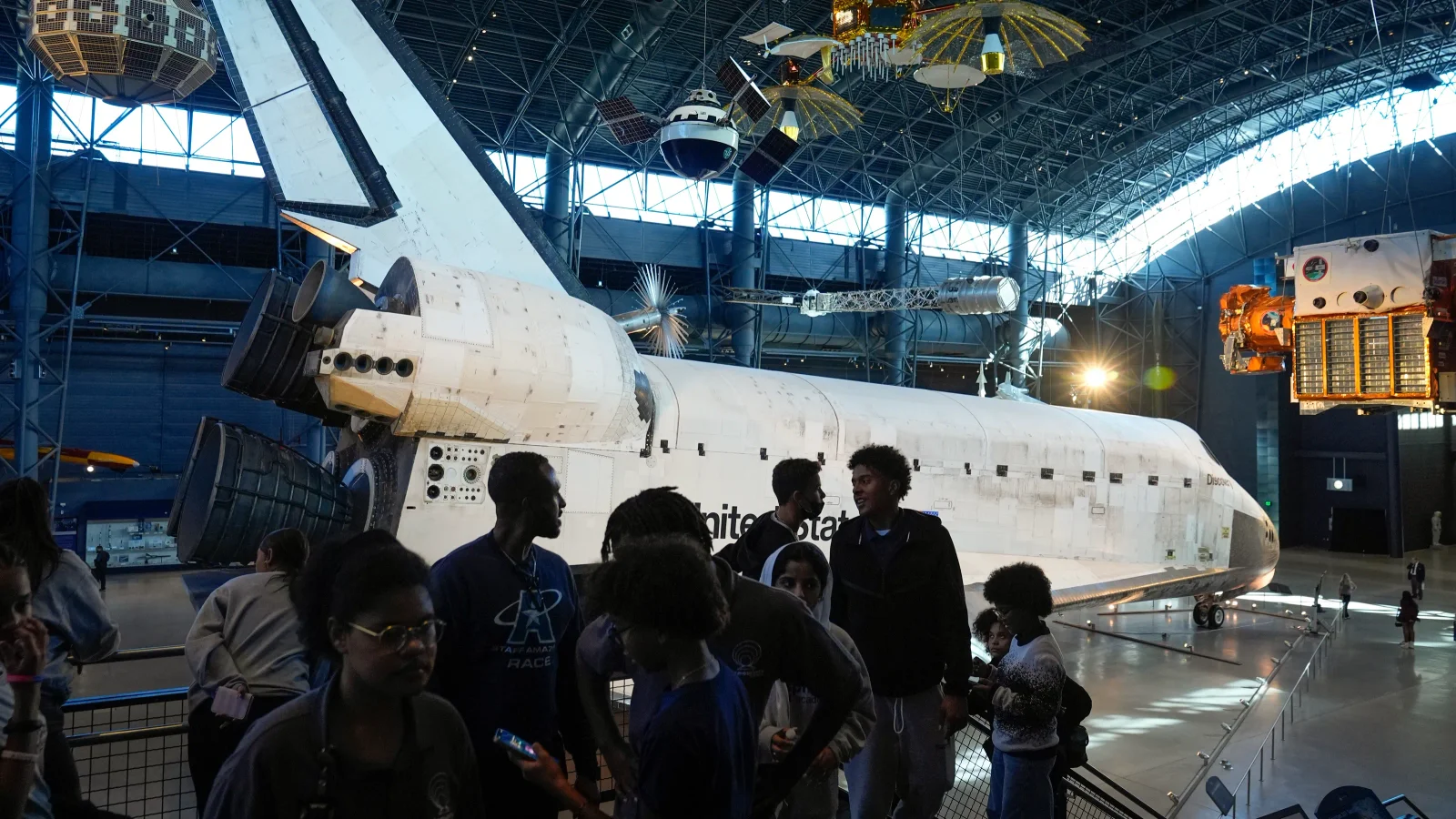
The Space Shuttle Discovery, currently displayed at the Smithsonian's National Air and Space Museum, is proposed to be moved to Space Center Houston in Texas following legislation that allocates $85 million for the transfer, amid concerns over costs and preservation.
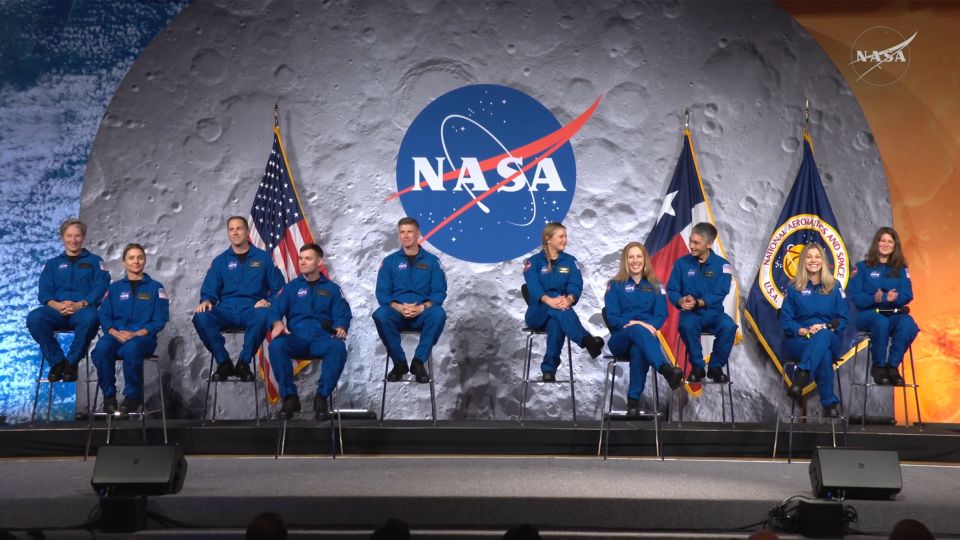
NASA has selected 10 new astronauts from 8,000 applicants, including more women than men and the first to have previously flown to orbit, to prepare for upcoming moon and Mars missions, with intensive training and potential future spaceflights beyond the International Space Station.
NASA selected 10 new astronauts from 8,000 applicants, including more women than men and the first person to have flown to orbit via private sector. The group will undergo two years of training with aims to support upcoming moon and Mars missions, marking a new chapter in space exploration.
A British woman, Laura Marie, is among the crew training for a year-long Mars simulation at NASA's Johnson Space Center, aiming to gather data for future Mars missions, with opportunities to participate in actual space travel in the future.
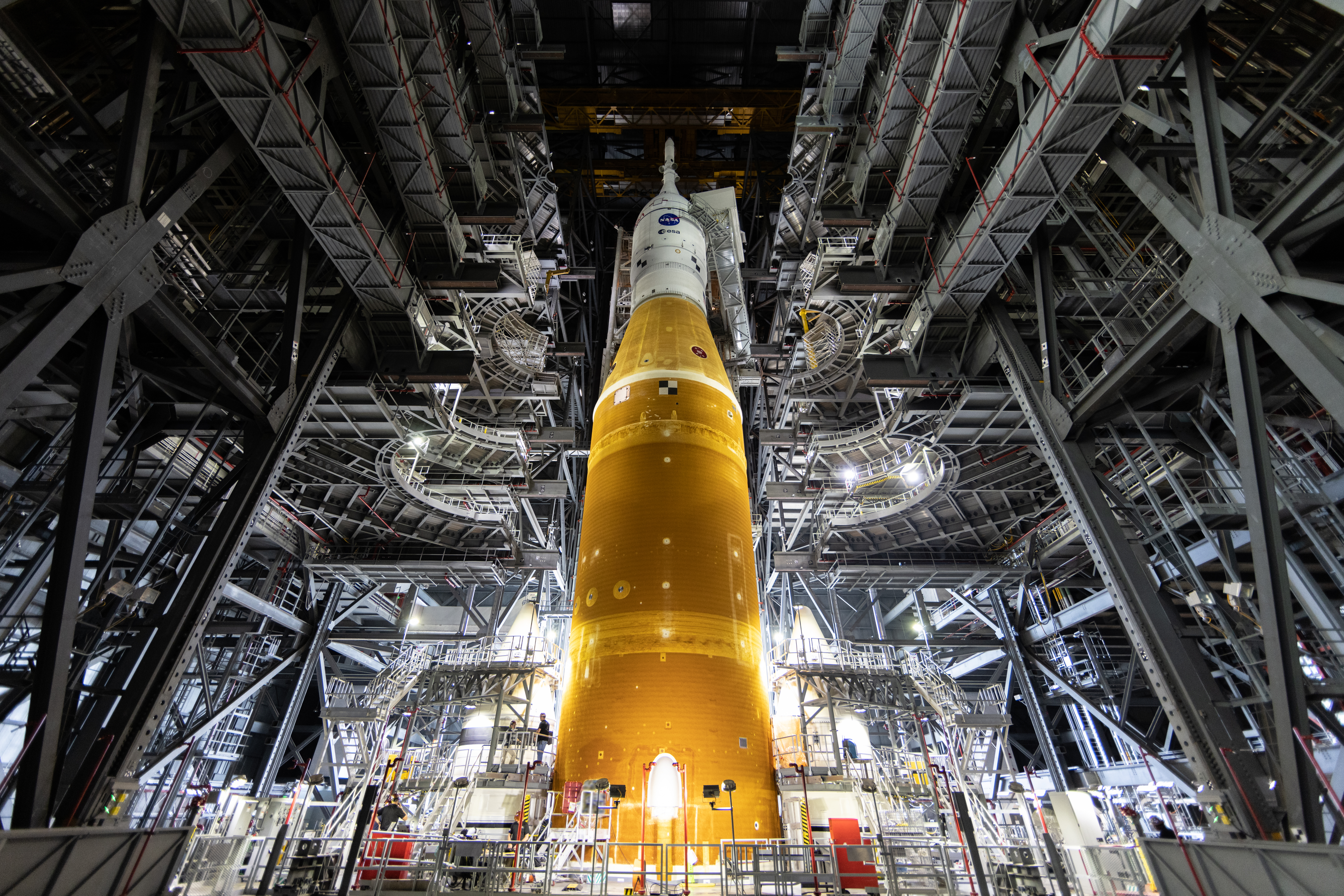
NASA is inviting media to view the fully assembled Artemis II SLS rocket and Orion spacecraft at Kennedy Space Center in mid-October, ahead of its crewed lunar mission scheduled for next year, which aims to test deep space exploration capabilities and pave the way for future missions to Mars.
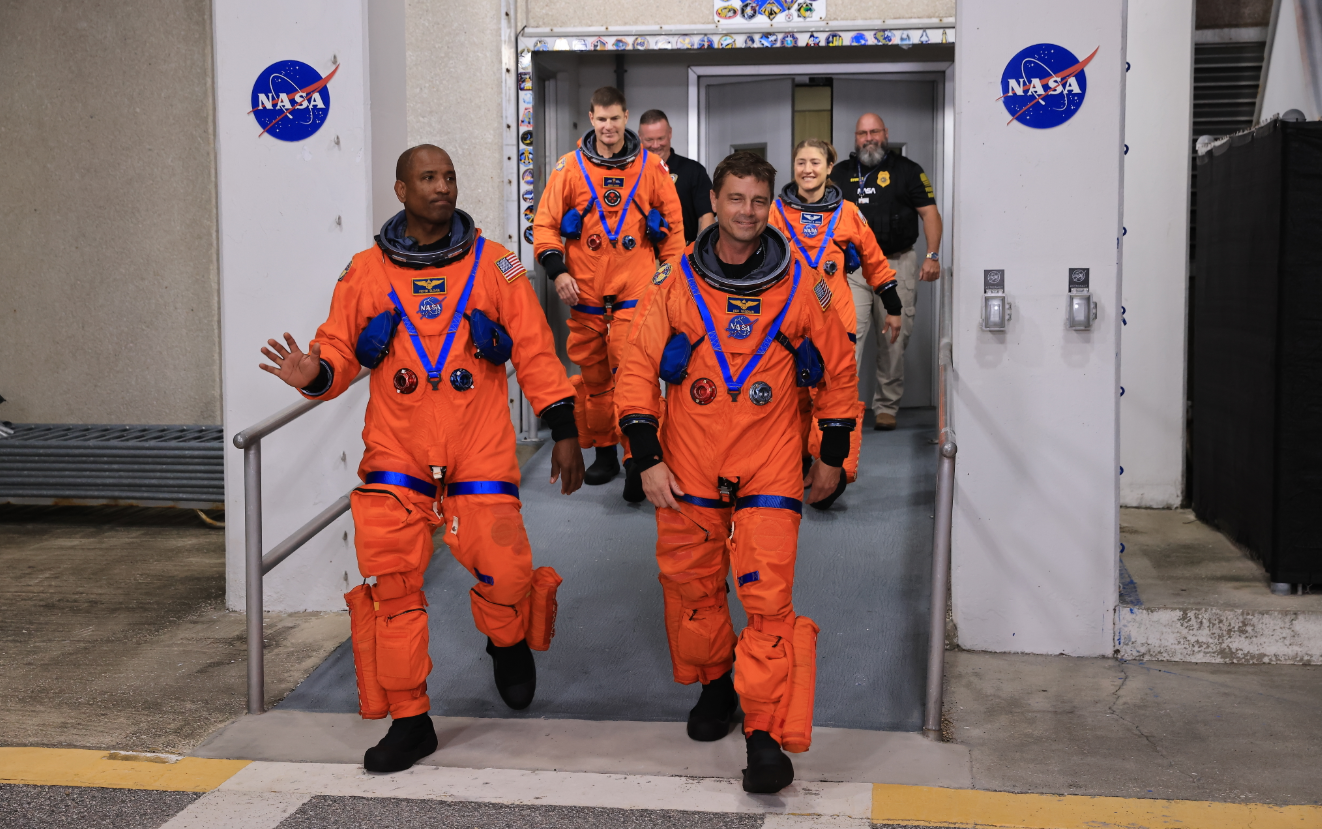
NASA is announcing its 2025 astronaut class and previewing the Artemis II Moon mission, which aims to test systems for human deep space exploration with a crewed flight around the Moon scheduled for no later than April 2026. The events include a ceremony, briefings, and media opportunities, with the mission marking a significant step toward future lunar and Mars exploration.
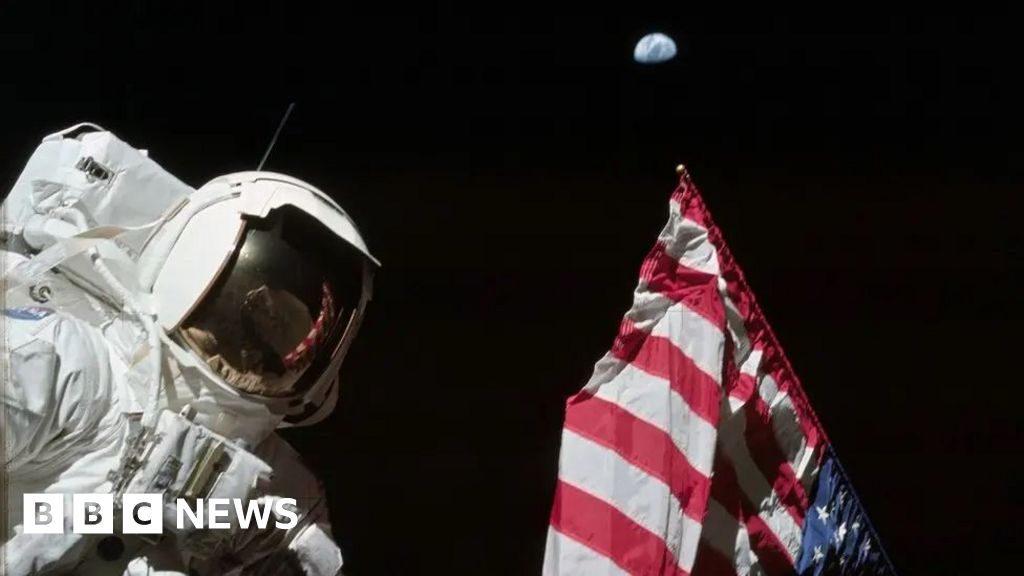
The article reflects on the legacy of the Apollo Moon landings, highlighting the remaining living astronauts, their stories, and the ongoing efforts by NASA, China, and private companies to return humans to the Moon, with a focus on the upcoming Artemis program and the dwindling number of Apollo veterans.
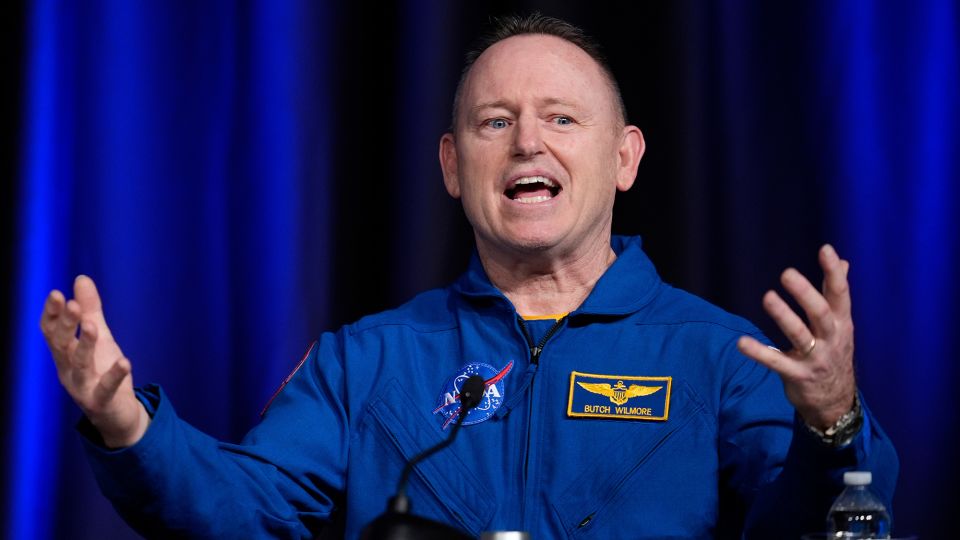
Astronaut Butch Wilmore retired from NASA less than five months after a troubled test flight and extended stay on the International Space Station, where he and Suni Williams spent over nine months due to spacecraft issues. Wilmore, a veteran astronaut with 25 years of service, emphasized his commitment and readiness to fly again, despite the mission's challenges. His departure follows the pattern of other astronauts retiring after pioneering missions, and he remains optimistic about future spaceflight opportunities.
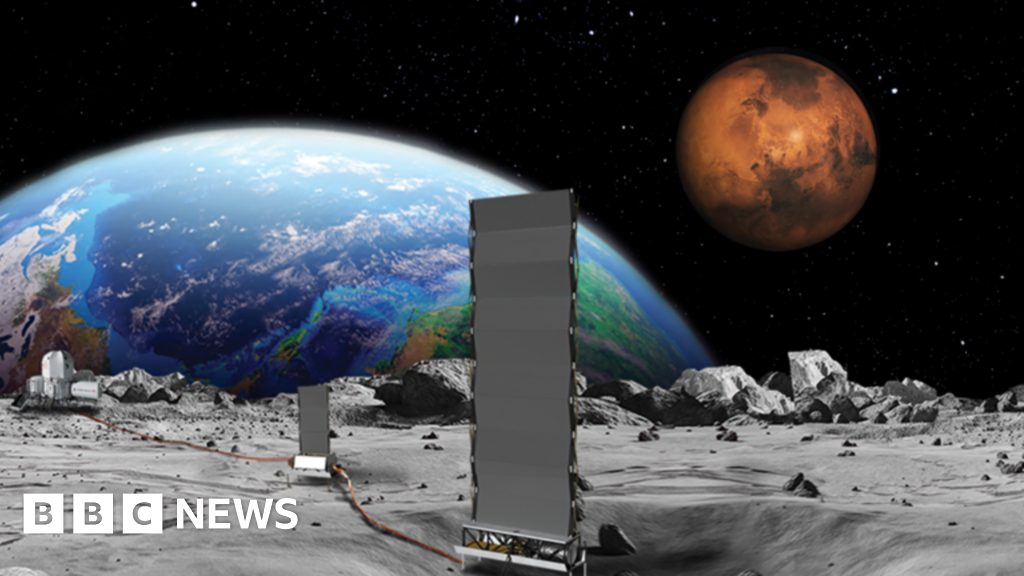
NASA plans to build a nuclear reactor on the Moon by 2030 to support a future lunar base, amidst international competition and geopolitical concerns, despite budget cuts and safety questions.
NASA's Lunar Reconnaissance Orbiter has identified over a dozen new pit craters on the Moon that could serve as natural entrances to underground environments, potentially useful for future astronaut shelters and scientific research, marking a significant step toward lunar exploration and habitation.
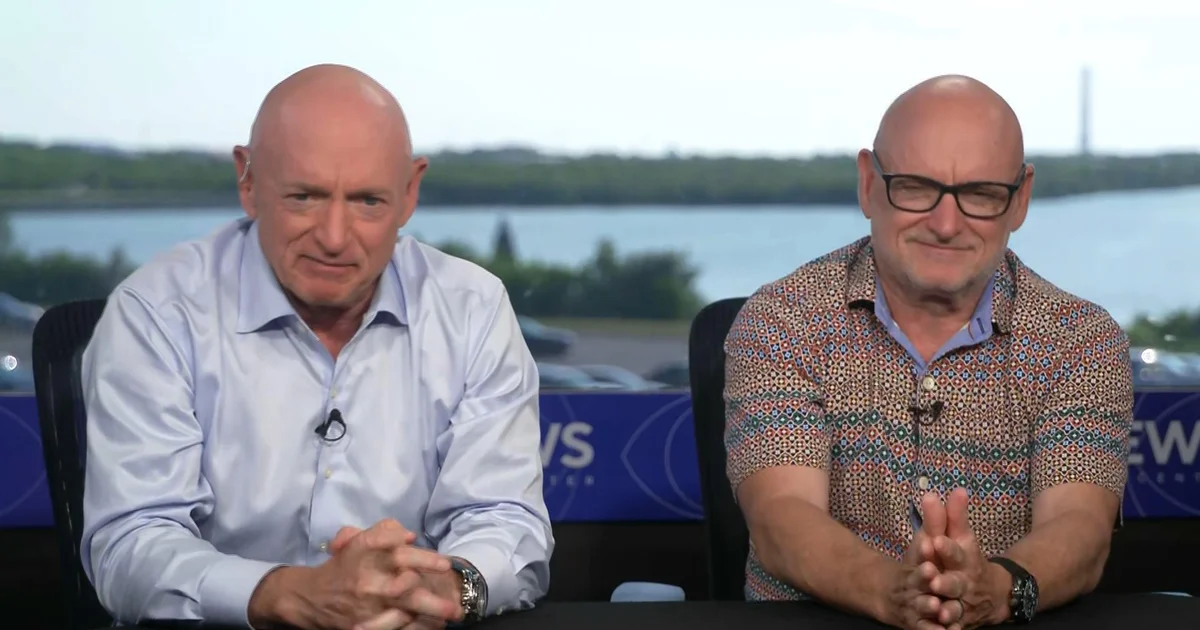
Twin brothers and former NASA astronauts Mark and Scott Kelly discuss NASA's budget cuts, the challenges of spaceflight, and their experiences, including upcoming missions with SpaceX to the ISS amid NASA workforce reductions and ongoing space exploration efforts.
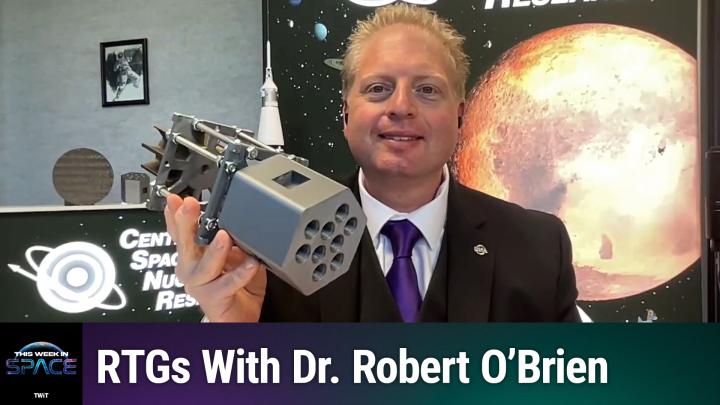
This Week In Space episode 170 features Dr. Robert O'Brien discussing atomic space batteries, specifically radioisotope thermoelectric generators (RTGs), which have powered many historic space missions by converting heat from nuclear elements into electricity, especially useful in the dark outer solar system. The episode also covers recent space news, including the universe's projected lifespan, upcoming celestial events, and a model Falcon 9 rocket for enthusiasts.