The first supermoon and meteor shower of 2026 will occur in January, with the Quadrantid meteor shower peaking and coinciding with a supermoon, though the bright moonlight may reduce the visibility of meteors. The event is mainly visible from the Northern Hemisphere, and the next major meteor shower will be in April.
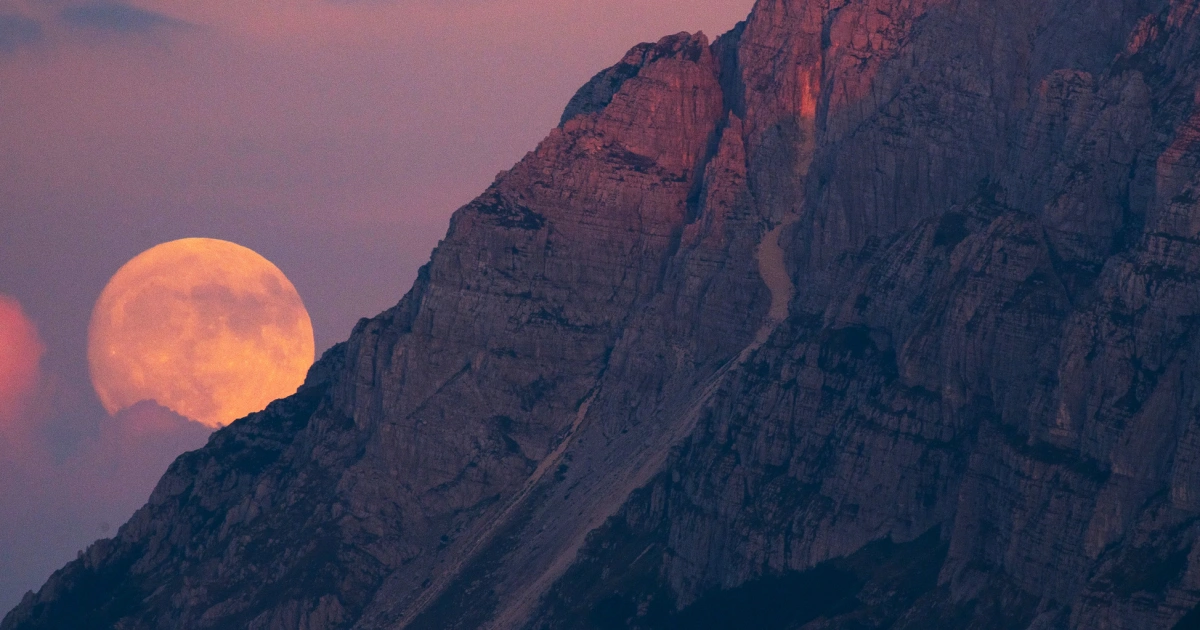
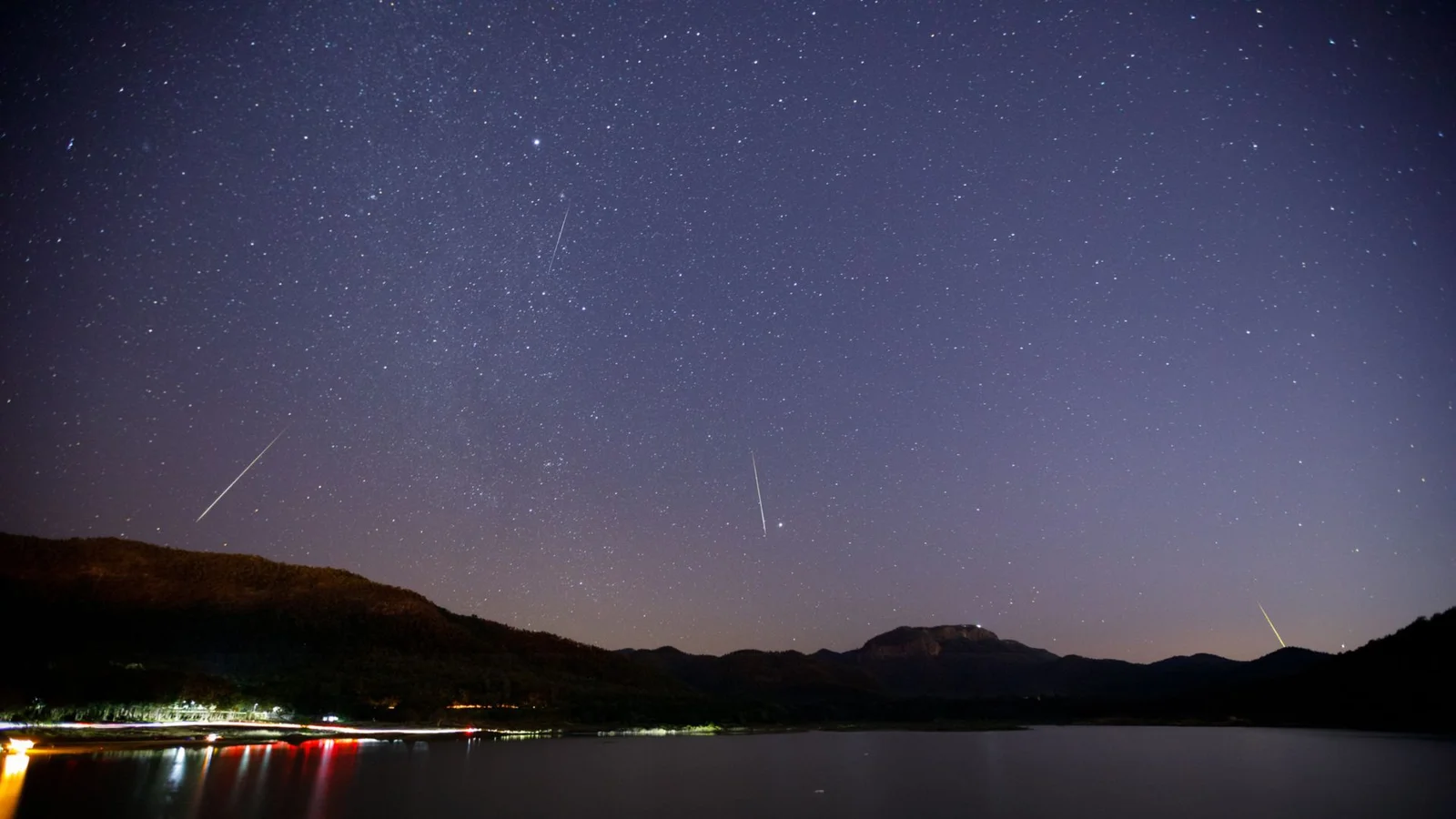
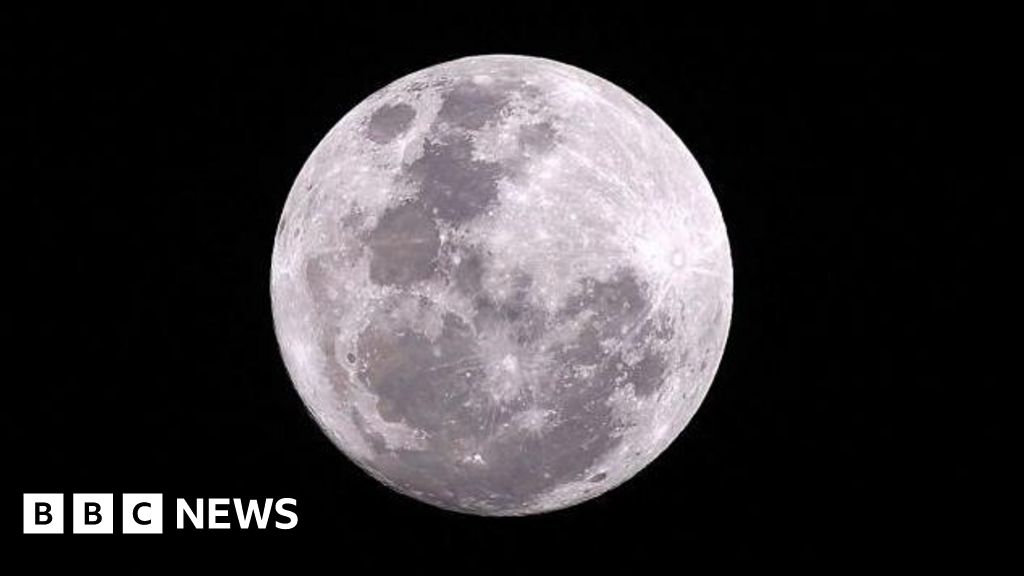
The first supermoon and meteor shower of the year will occur in January, with the Quadrantid meteor shower peaking and coinciding with a supermoon, though the bright moon may reduce the visibility of meteors to less than 10 per hour for observers.
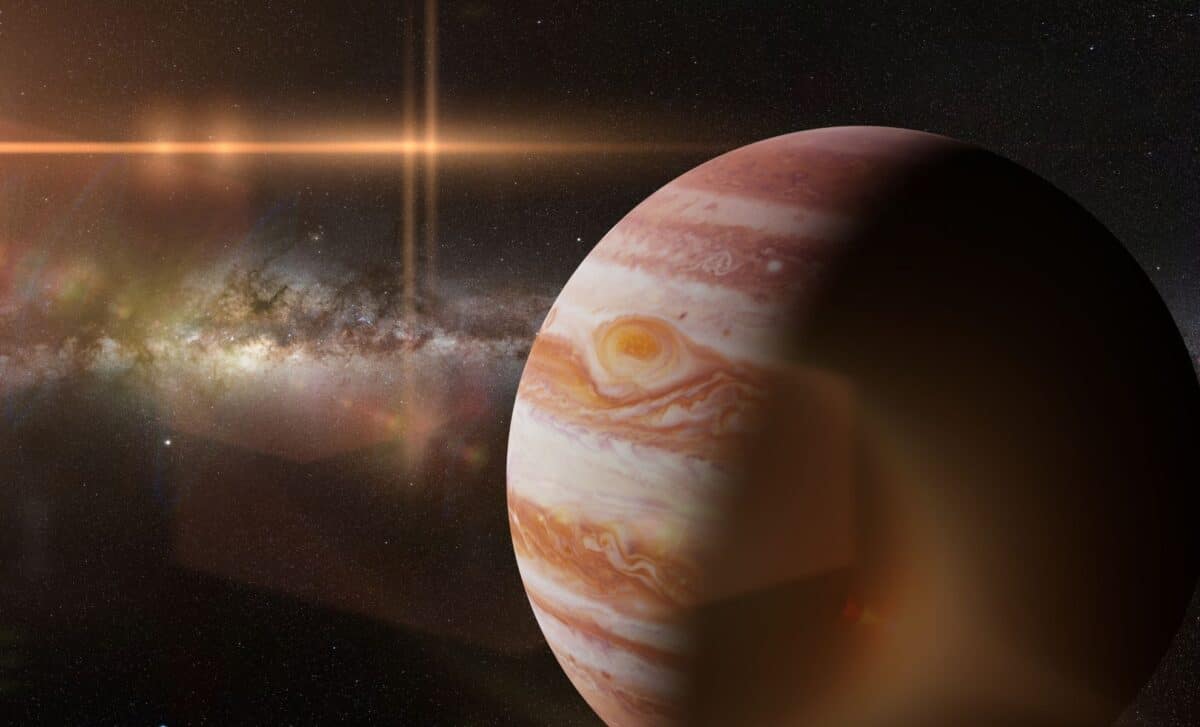
This January, Jupiter is at its brightest and most visible due to its opposition, making it an excellent month for stargazing, especially with the added spectacle of the Quadrantids meteor shower and prominent winter constellations like Orion and Taurus.
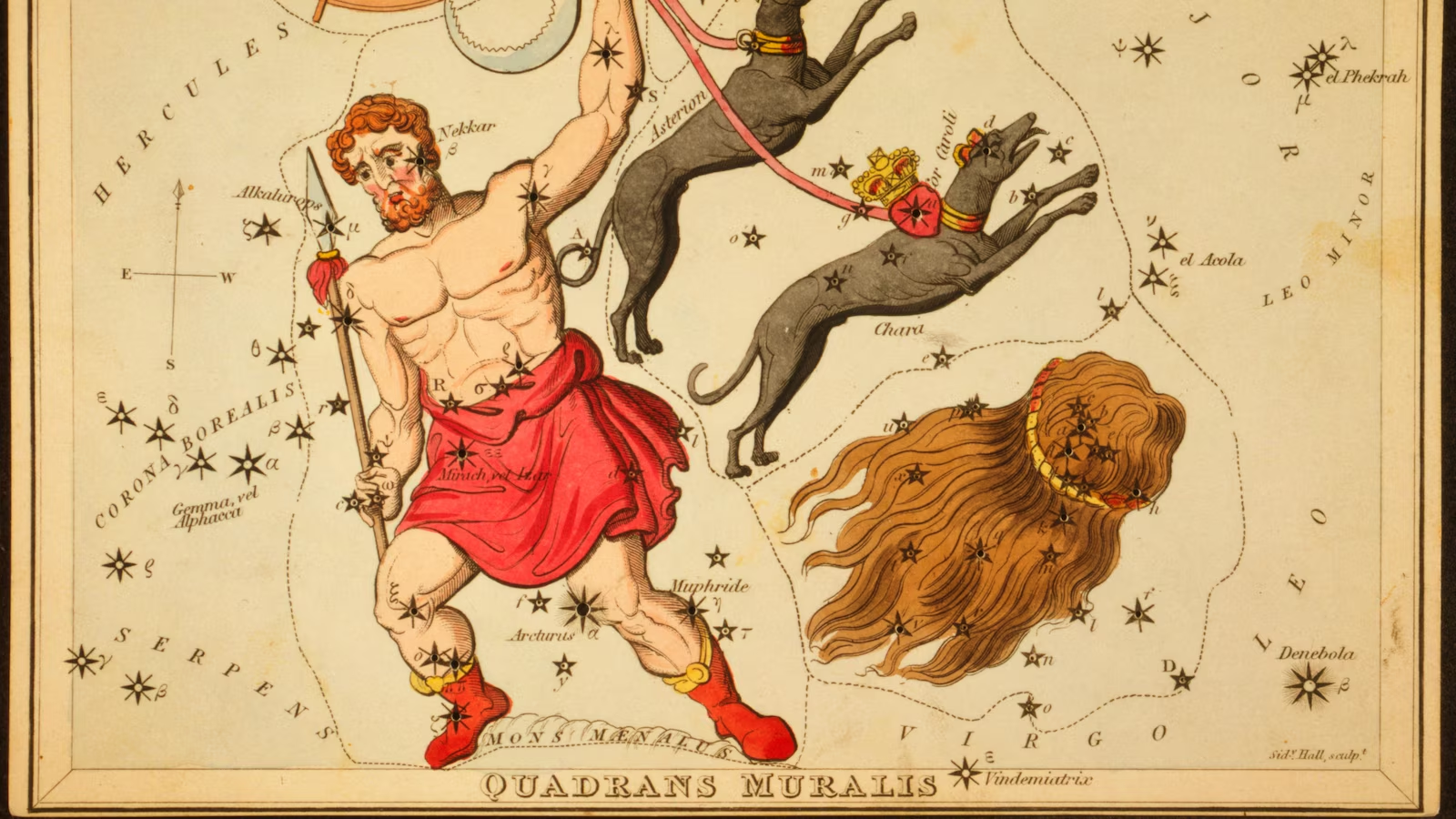
The Quadrantid meteor shower, one of the year's most intense, peaks early January but will be poorly visible in 2026 due to the full moon coinciding with the peak time, making it difficult to observe all but the brightest meteors. The shower's origin is linked to debris from a small, possibly extinct comet, and future favorable viewing conditions are expected in 2028.
The first supermoon and meteor shower of the year will occur in January, with the supermoon potentially dimming the visibility of the Quadrantid meteor shower, which peaks from Friday night into Saturday morning, mainly visible from the Northern Hemisphere.
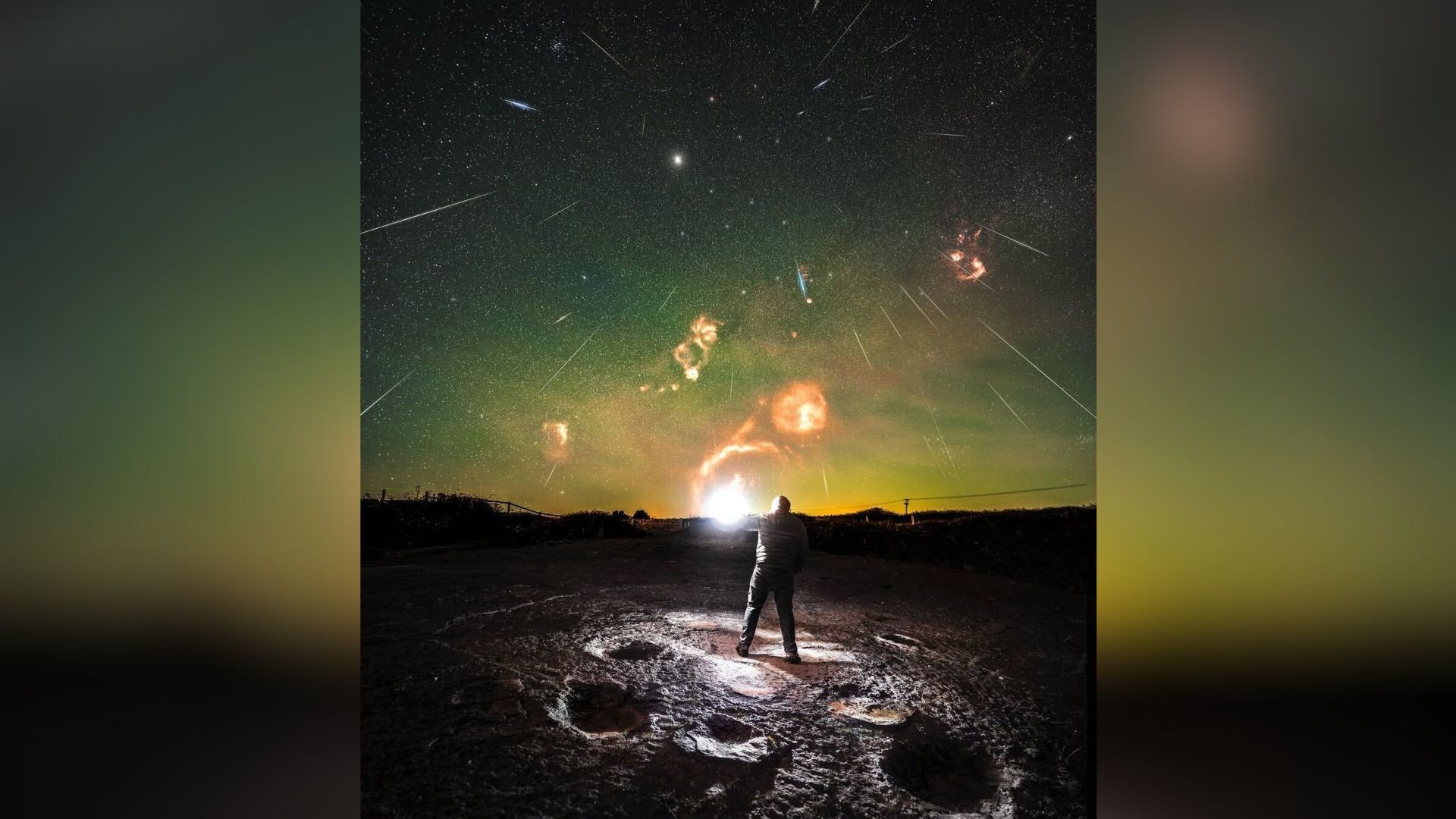
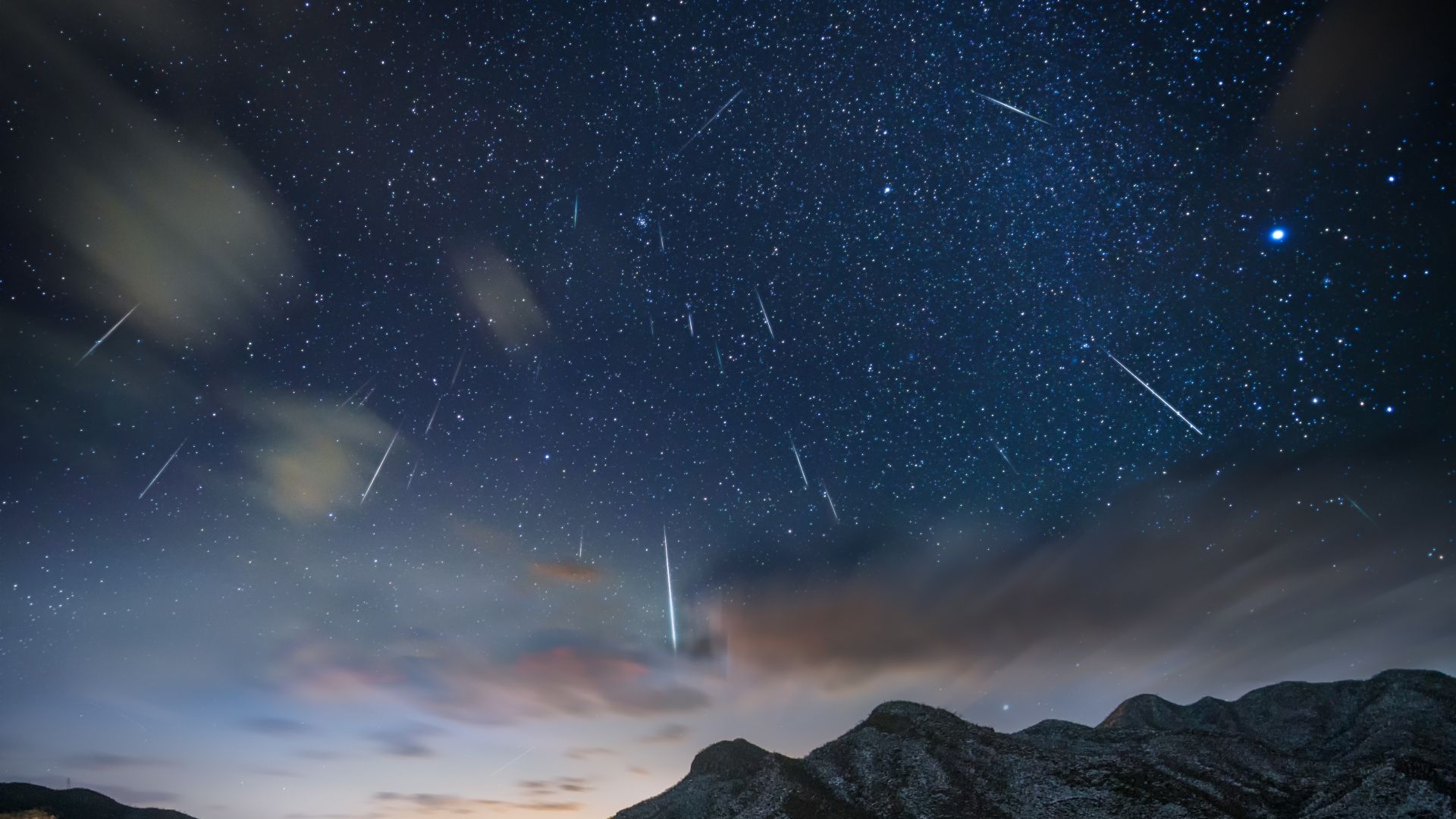
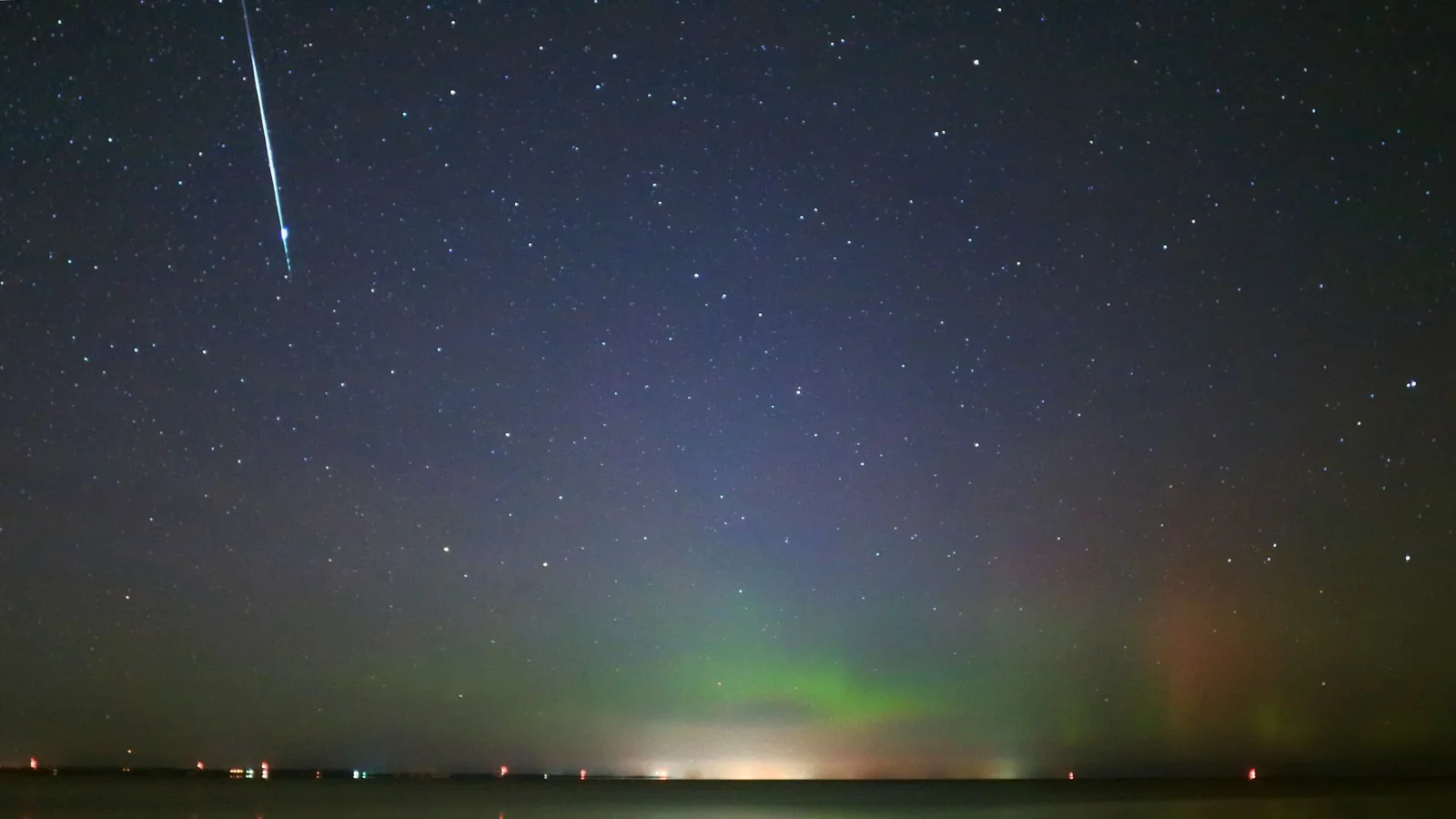
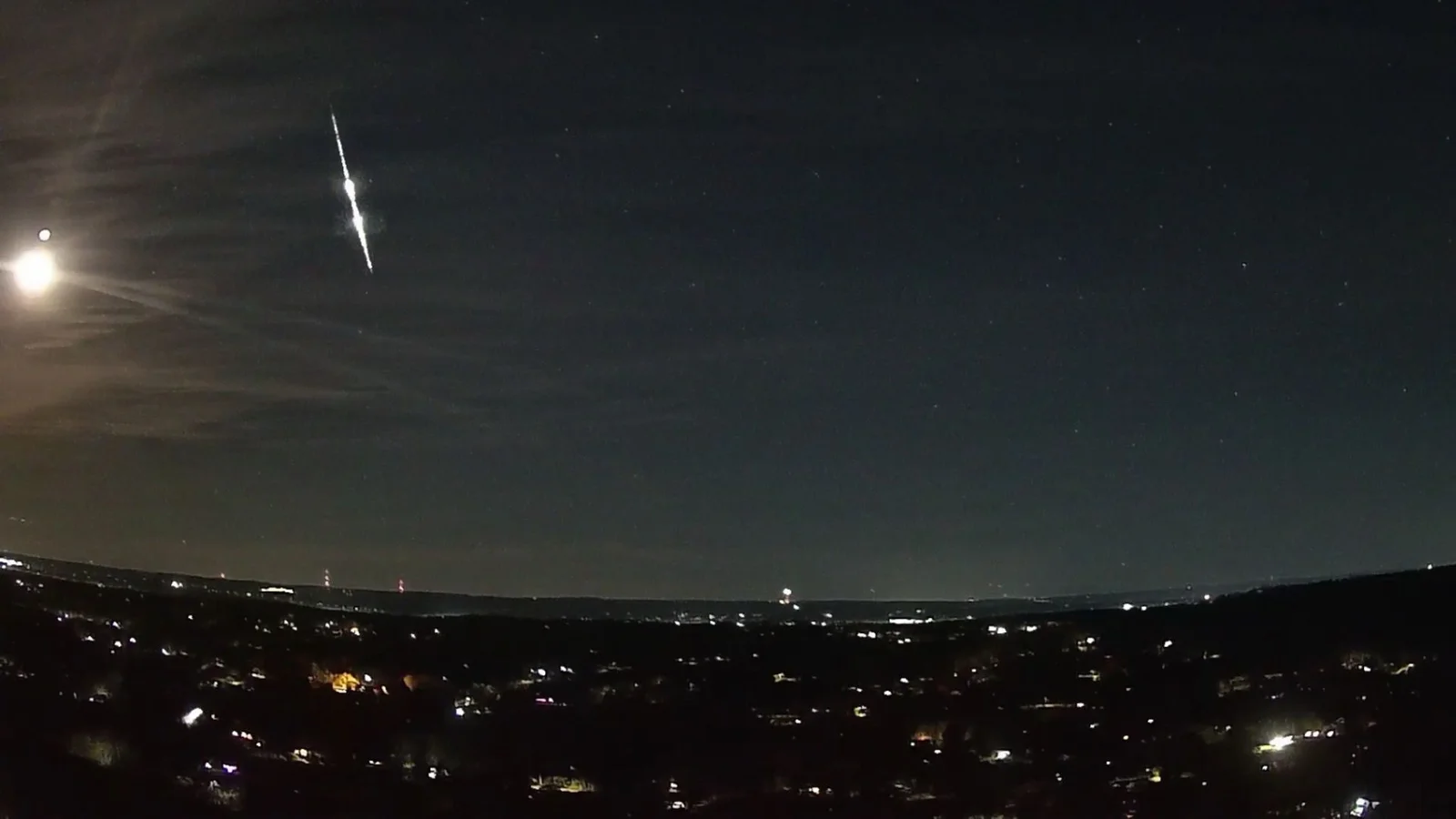
The Geminid meteor shower, peaking around December 13, was captured in a striking image showing meteors originating from asteroid 3200 Phaethon, highlighting its unique nature as an asteroid acting like a comet, and offering a dramatic view of space debris entering Earth's atmosphere.
The Ursid meteor shower peaks just before Christmas, offering a modest display of 5 to 10 meteors per hour, with potential outbursts, visible from the Northern Hemisphere until December 26, best seen from dark skies away from city lights, originating from comet 8P/Tuttle near the constellation Ursa Minor.
The Ursid meteor shower peaks from December 18-26, offering a modest display of 5-10 meteors per hour, visible from the Northern Hemisphere with minimal moonlight interference, and requires no special equipment—just dark skies and patience to enjoy streaks from the constellation Ursa Minor.
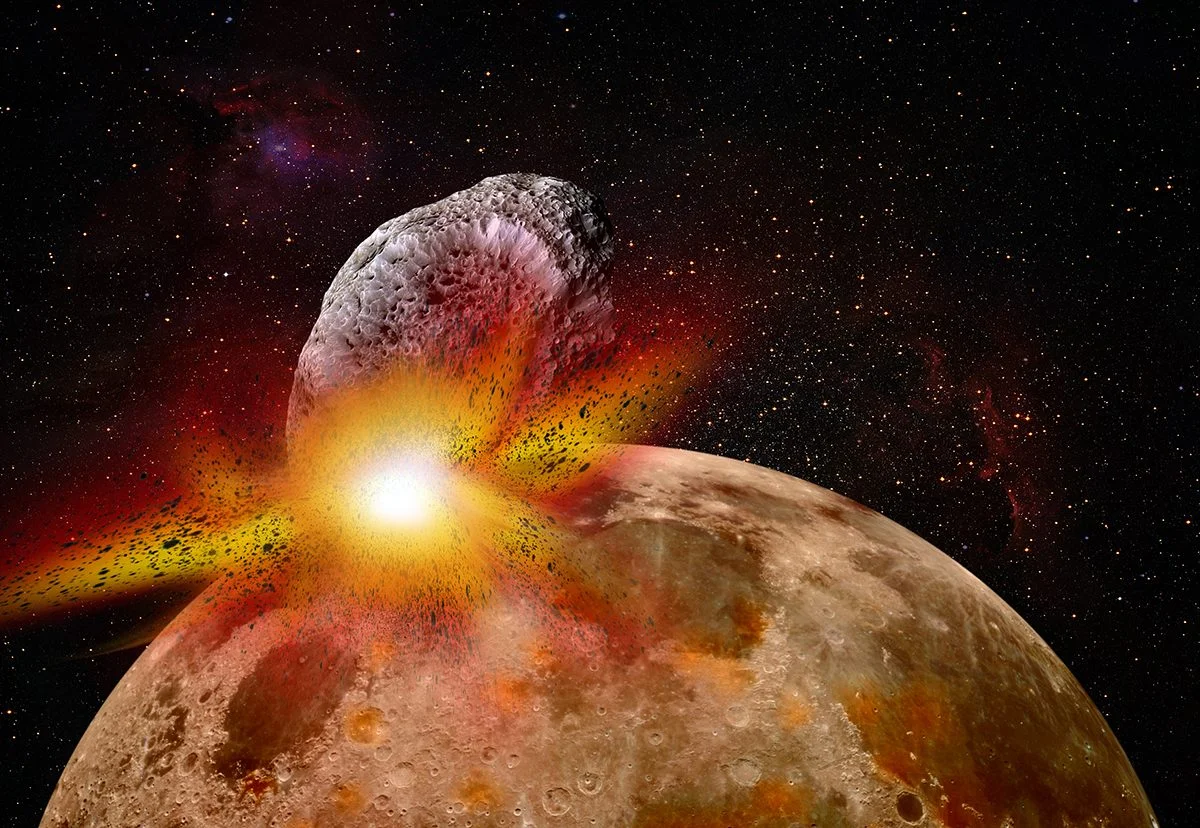
An astronomer at Armagh Observatory captured what is believed to be the first video of a lunar impact flash in Ireland, during the Geminid meteor shower, marking a rare and significant event in astronomical observation.
The December Ursid meteor shower, peaking around December 21-22, is often overlooked compared to the Geminids but can produce up to 10 meteors per hour under dark skies, radiating from the constellation Ursa Minor near Kochab, with potential for unexpected activity due to past outbursts and the proximity of comet 8P/Tuttle.
The Leonid meteor shower will peak on November 17, offering up to 15 meteors per hour during a nearly moonless night, making it one of the best viewing opportunities in recent years for stargazers, especially between midnight and dawn.
The Taurid meteor shower, visible from mid-October to mid-November, peaks between Nov. 5 and Nov. 12, offering a chance to see bright meteors and fireballs, especially on Nov. 12 when the moon's brightness diminishes, providing dark skies for optimal viewing.
The Southern Taurid meteor shower peaks on November 4-5, offering a chance to see bright meteors and fireballs as Earth passes through debris from comet 2P/Encke, despite a full moon potentially dimming the display.
In November 2025, notable sky events include the full hunter’s supermoon, the Leonid meteor shower on November 20-21, and the visibility of planets like Jupiter and Saturn. The month also features the star Capella, the Milky Way, and the Andromeda Galaxy, with various astronomy events and viewing opportunities in the D.C. area.
A new study warns that dense clusters of debris from the Taurid meteor stream, associated with Comet Encke, could pose a threat to Earth in 2032 and 2036 due to potential impacts from larger fragments, but with proper observation and mitigation, the risk can be managed.