Astronomers in Ireland detected a rare, brief flash on the Moon caused by a small object, possibly linked to the Geminid meteor shower and asteroid 3200 Phaethon, highlighting ongoing lunar impacts during meteor showers.
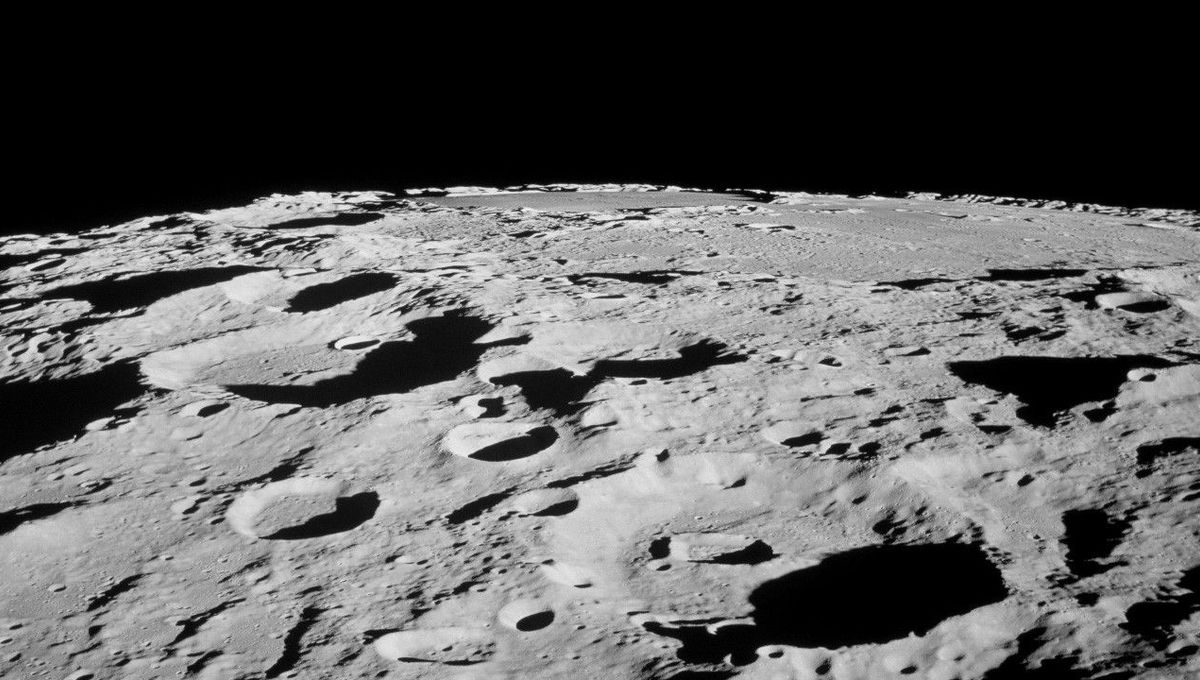
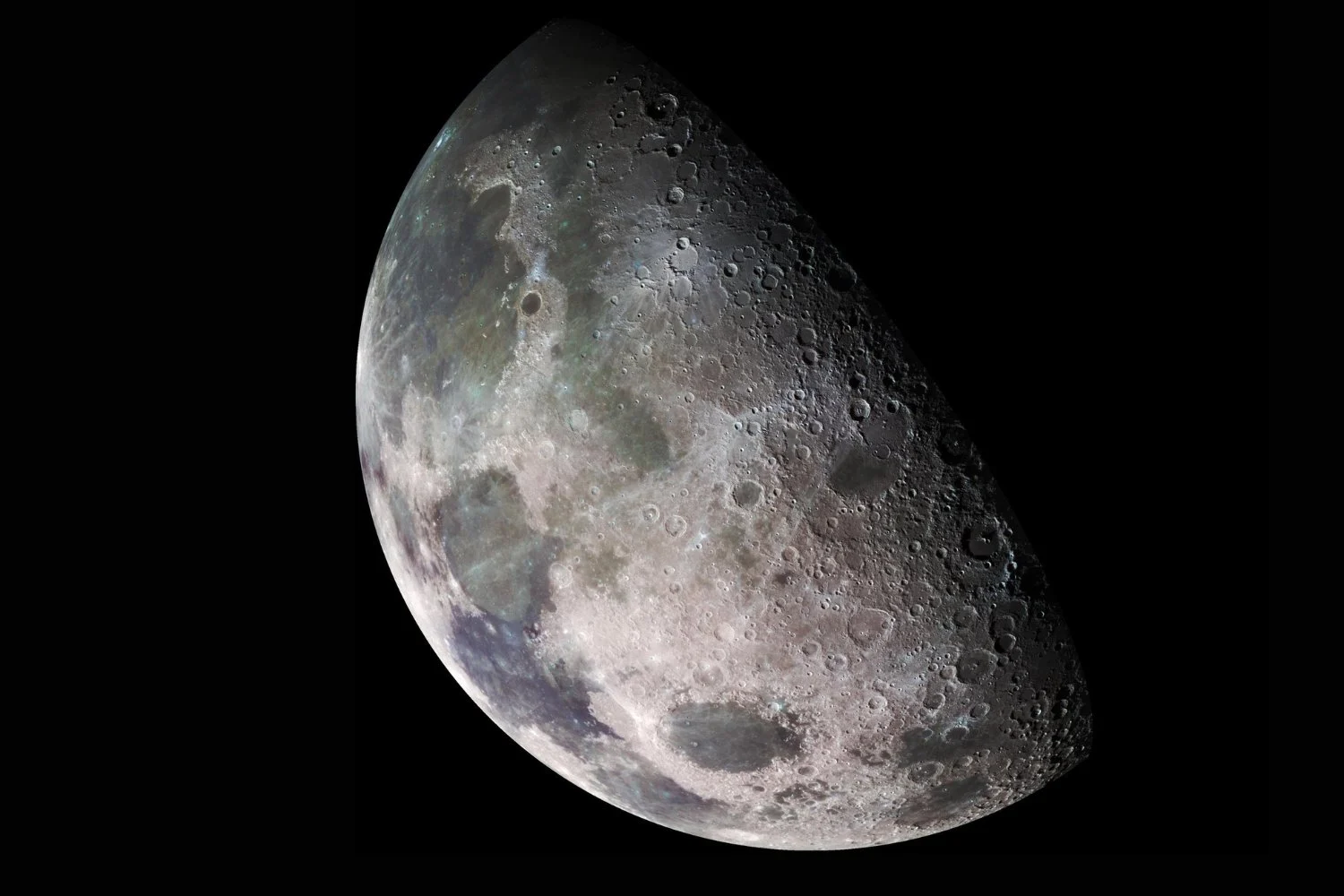
An Irish astronomer captured a rare video of a meteorite striking the moon during the Geminid meteor shower using the Armagh Robotic Telescope, highlighting the moon's ongoing bombardment by space debris and the importance of studying such impacts for planetary defense.
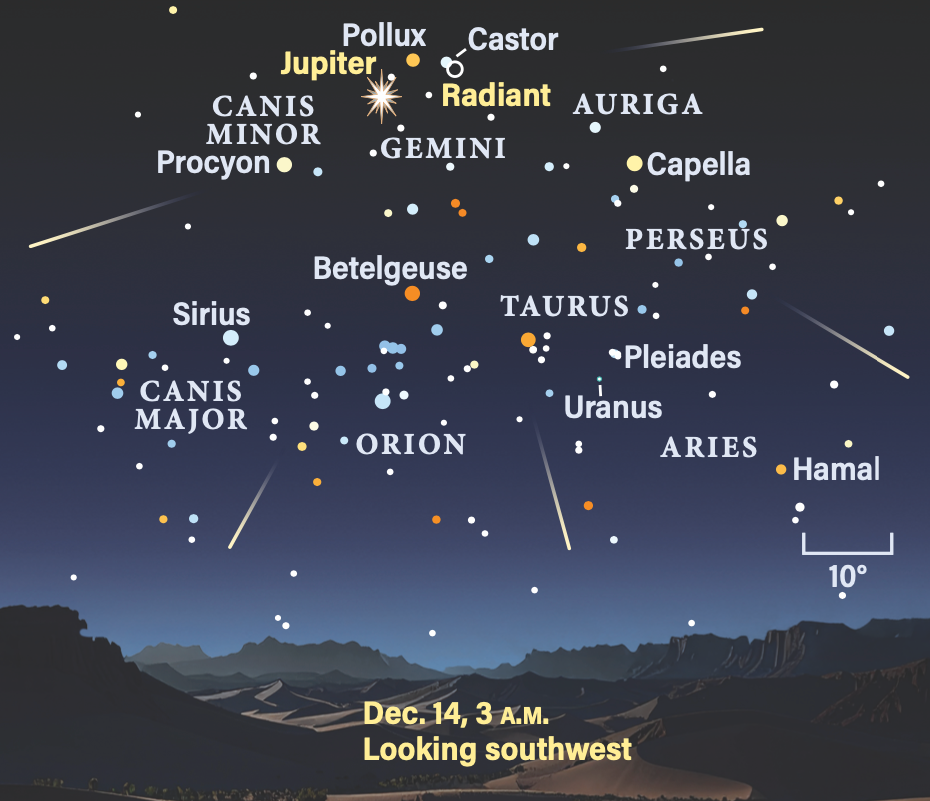
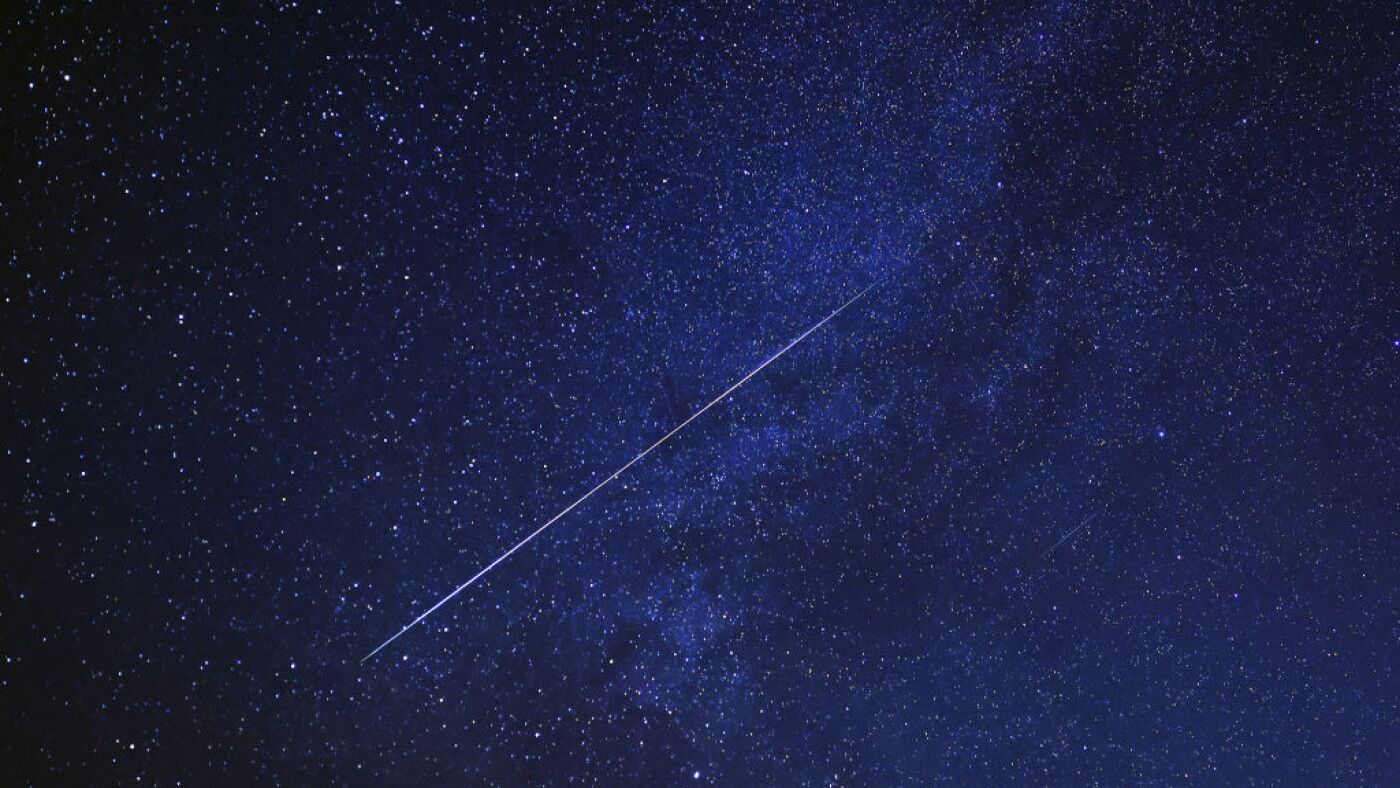
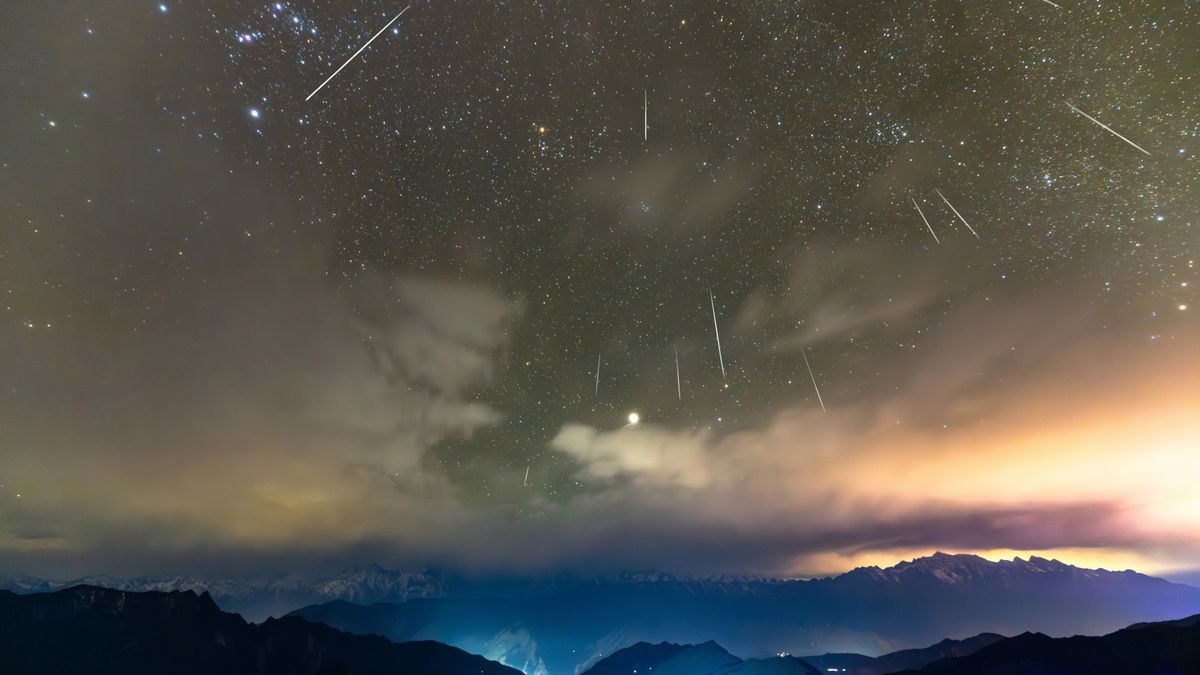
The Geminid meteor shower peaks on December 13-14, offering up to 100 meteors per hour, best viewed in the early morning hours near Gemini the Twins, with Jupiter visible nearby, and debris originating from asteroid 3200 Phaethon.
The Geminid meteor shower, one of the brightest and most reliable meteor showers, peaks on December 13, 2024. For those unable to view it in person, astronomer Gianluca Masi will host a free livestream via the Virtual Telescope Project, starting at 6:00 p.m. EST. Despite a near-full moon potentially obscuring fainter meteors, viewers can expect around 15 meteors per hour. The Geminids are unique as they originate from asteroid 3200 Phaethon, rather than a comet. The livestream will be available on Space.com and the Virtual Telescope Project's platforms.
The Geminid meteor shower, one of the year's most reliable, peaks tonight but will be hindered by a nearly full moon, reducing visibility by 50-75%. Despite this, bright meteors may still be visible, with optimal viewing away from city lights. The Geminids, originating from asteroid 3200 Phaethon, are known for their bright yellow meteors and can be seen worldwide. Observers in the U.S. might see around 15 meteors per hour during the peak.
The Geminid meteor shower, one of the most reliable annual meteor events, peaks this week, with the best viewing expected late Friday into early Saturday. However, a full moon, known as the Cold Moon, will significantly reduce visibility, allowing only about 15 meteors per hour to be seen in the U.S. compared to the usual 120. To maximize viewing, stargazers should find dark areas away from city lights and let their eyes adjust. The Geminids originate from the asteroid 3200 Phaethon, unlike most meteor showers that come from comets.
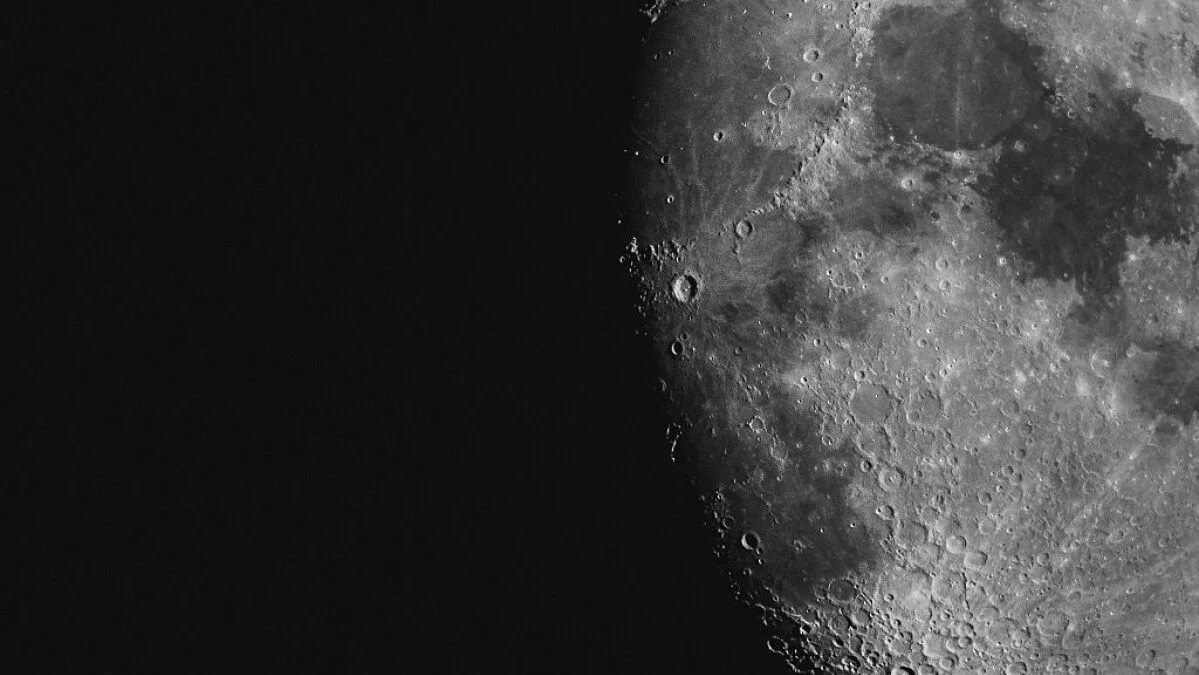
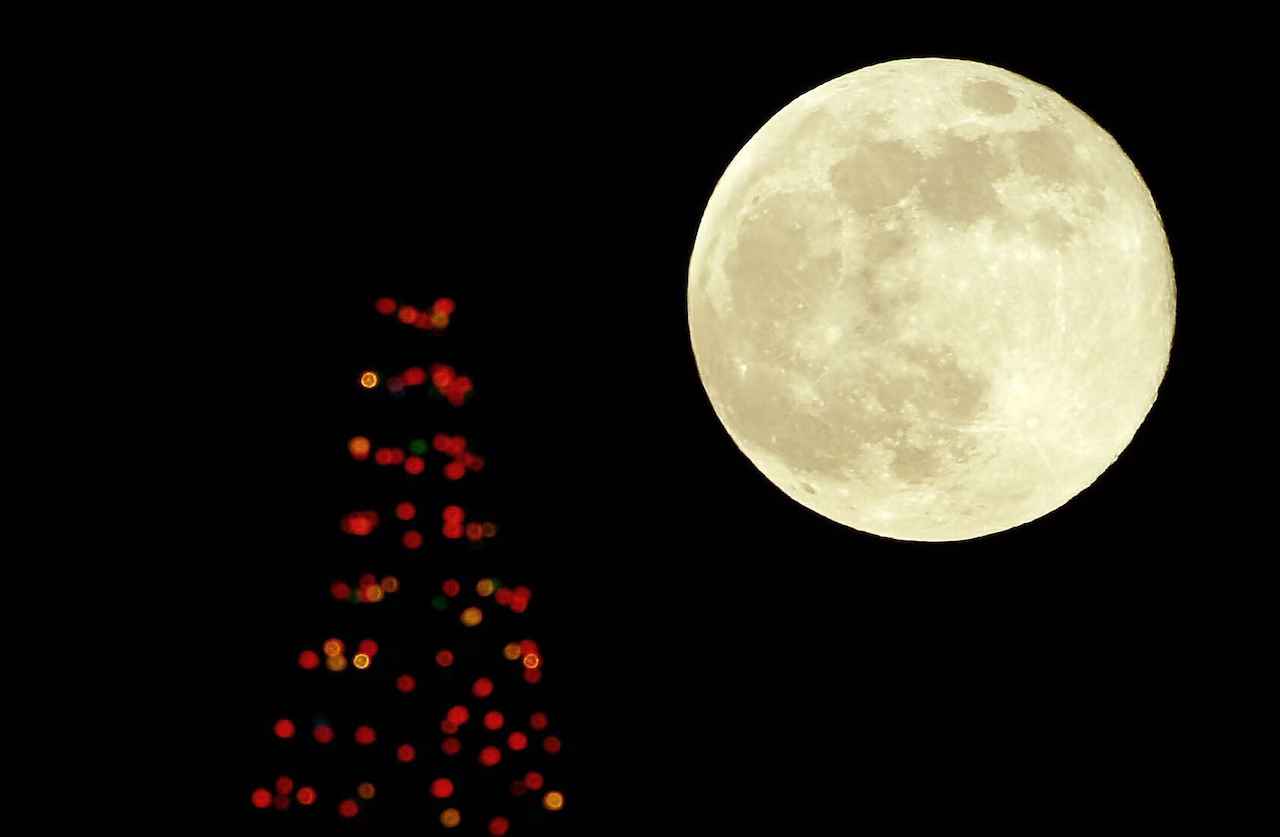
The December 2024 full moon, known as the "cold moon," will illuminate the sky this weekend, reaching its peak brightness early Sunday morning, December 15. Although it won't be a supermoon, it will still be a significant celestial event, coinciding with the Geminid meteor shower, which may be partially obscured by the moonlight. The "cold moon" nickname originates from Native American tribes, reflecting the onset of winter's chilly weather. The moon will be most visible in the northeastern U.S., with specific rise and set times provided for the New York City region.
Astronomer Daichi Fujii captured videos of bright flashes on the Moon, potentially caused by impacts from the Geminid meteor shower. These flashes, observed on December 8, coincide with the annual meteor shower known for its brilliant displays. The Moon, frequently hit by cosmic debris, has previously been impacted by Geminids, with NASA studies noting such events in 2006 and 2010. While it's not confirmed that the recent flashes are from Geminids, their direction suggests a possible link. The Geminids originate from the asteroid 3200 Phaethon, whose sodium tail was recently studied by NASA and ESA.
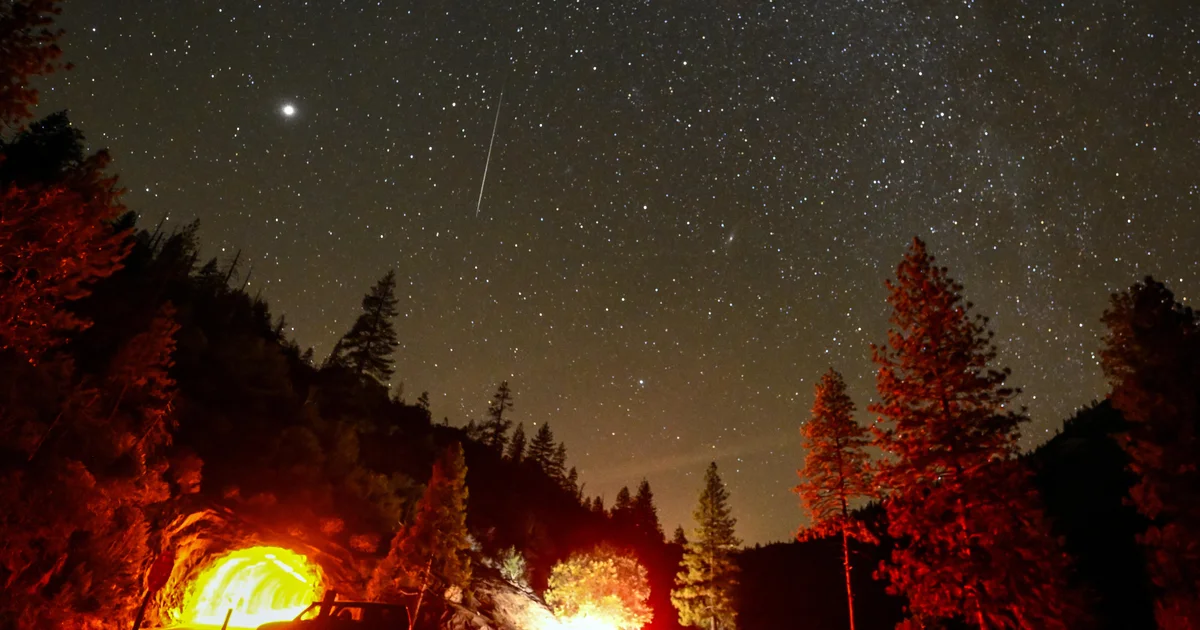
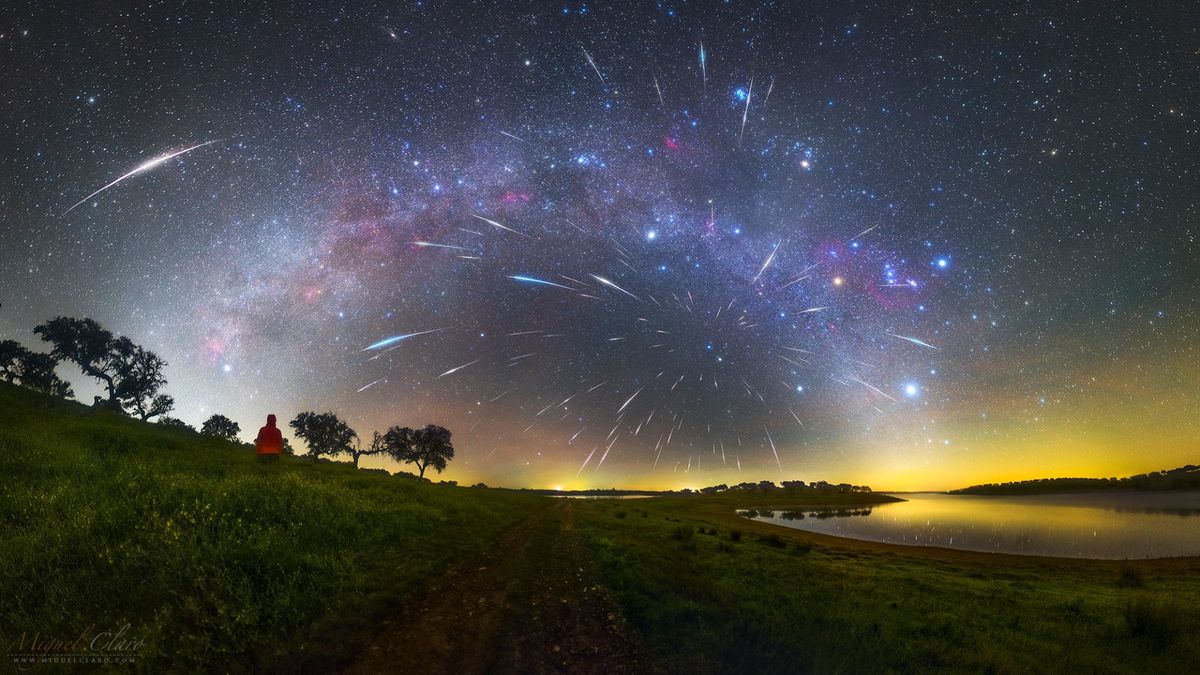
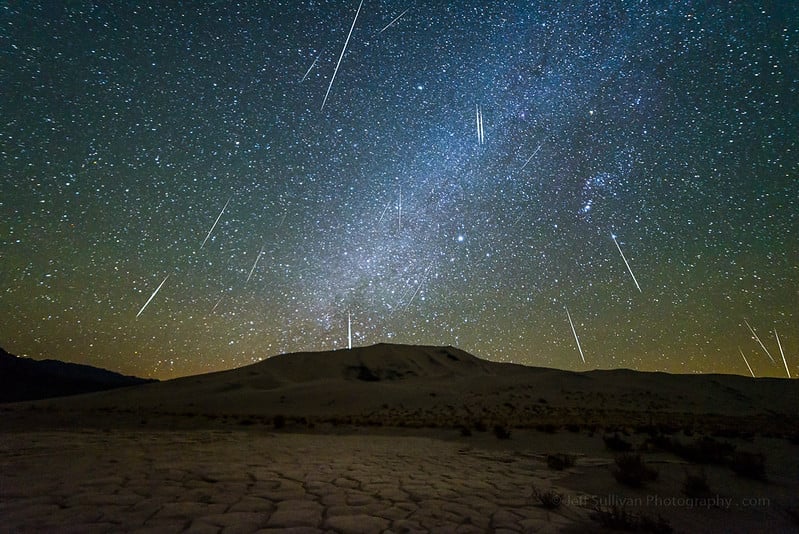
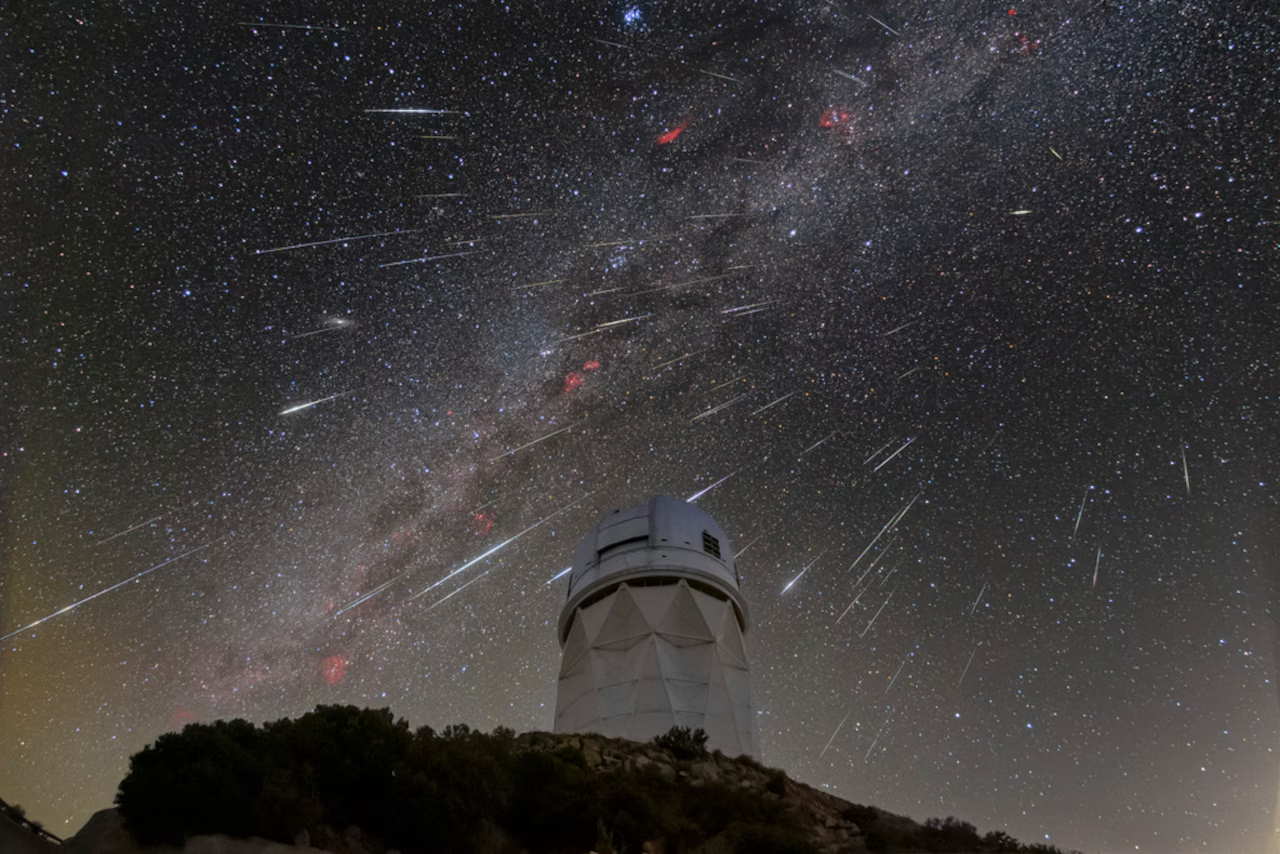
Photographer Miguel Claro captured stunning images of the 2023 Geminid meteor shower from Portugal's Dark Sky Alqueva Reserve. Using multiple cameras over two nights, Claro documented over 100 meteors, creating a composite image showing the shower's radiant in the Gemini constellation. The photos also feature the Milky Way and constellations, with prints available for purchase.
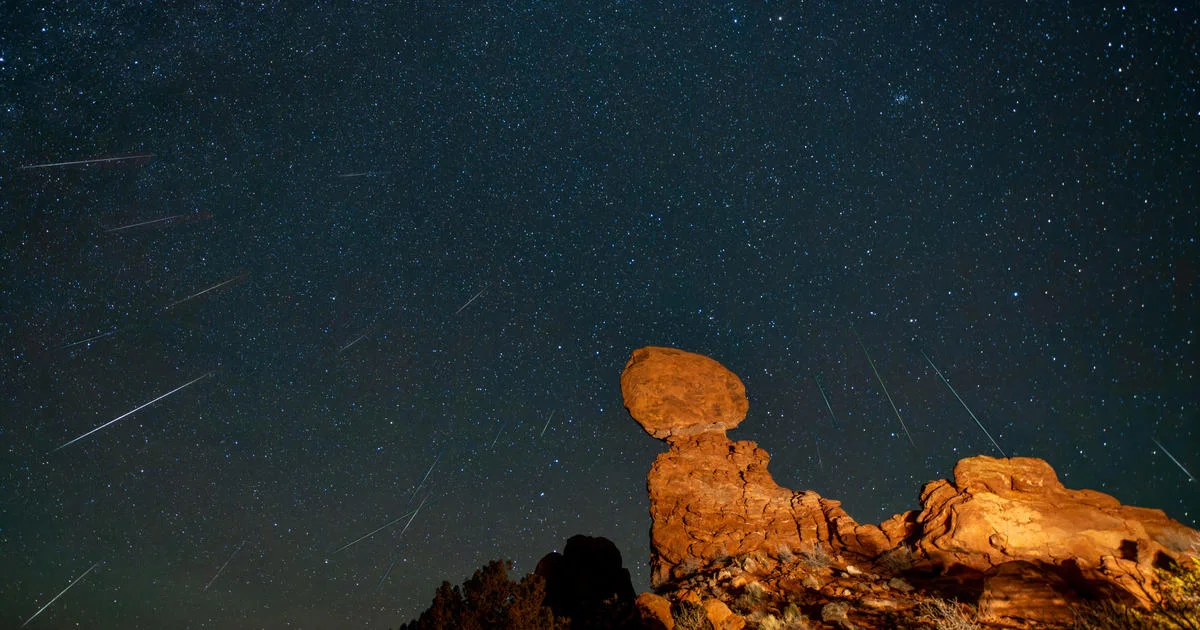
The Geminid meteor shower, one of the most prolific annual meteor showers, peaks on December 13-14, 2023, offering up to 120 meteors per hour under ideal conditions. However, this year's viewing may be affected by a nearly full moon, which could wash out fainter meteors. The shower is caused by debris from the asteroid 3200 Phaethon, and meteors will appear to radiate from the constellation Gemini. Despite the moonlight, brighter meteors should still be visible, and the shower remains active until December 24.
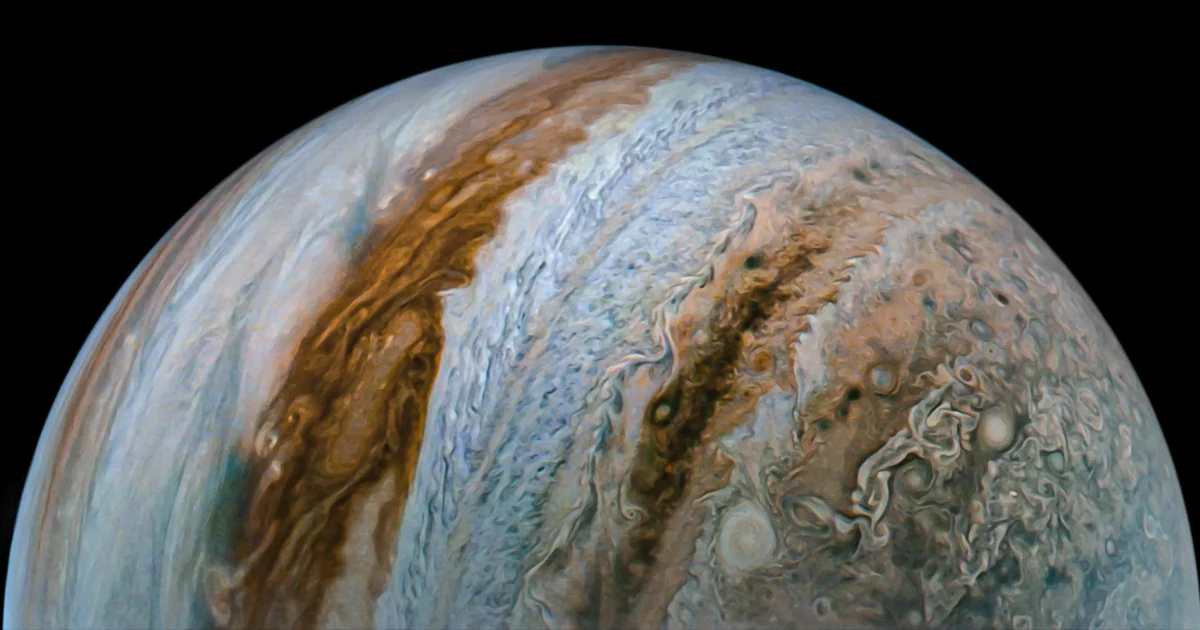
This weekend, Jupiter will be at its brightest as Earth positions itself between the gas giant and the sun, making it visible all night. With clear skies, observers can see Jupiter's four largest moons using binoculars or a telescope. The planet will rise in the east-northeast in the Taurus constellation. Additionally, the Winter Triangle and the Geminid meteor shower, peaking on December 13-14, will be visible, though the nearly full moon may obscure some meteors.
The Geminid meteor shower, peaking on December 13-14, 2024, may be harder to view due to a nearly full moon, prompting NASA to suggest watching earlier. Bright meteors can still be seen the week before the peak. The Geminids, originating from asteroid 3200 Phaethon, are best viewed away from city lights, with viewers advised to block out the moon and allow their eyes to adjust to the dark. The shower can produce up to 120 meteors per hour under ideal conditions.
The Geminid Meteor Shower, known for its bright and numerous meteors, will peak on December 13 and 14, 2024. Originating from the asteroid 3200 Phaethon, the Geminids are visible annually from November 19 to December 24, with the best viewing time around 2 am local time. Despite a near-full moon, up to 120 meteors per hour can be seen, especially from the Northern Hemisphere. Observers are advised to find dark locations away from city lights and allow time for their eyes to adjust to the darkness.
The Geminid meteor shower, originating from the asteroid Phaethon, is set to peak on December 13-14, offering up to 150 meteors per hour. However, viewing in Massachusetts may be hindered by a bright waxing gibbous moon and cloudy skies. The best time to observe is at 2 a.m. on December 14, ideally from a dark location away from light pollution.
The annual Geminid meteor shower, one of the most reliable and spectacular meteor showers, begins tonight and will last until December 24, with its peak on December 13-14. Originating from the asteroid 3200 Phaeton, the Geminids can produce over 100 meteors per hour under optimal conditions. Despite a bright waxing gibbous moon during the peak, many bright meteors should still be visible. The shower appears to originate from the Gemini constellation, which is visible throughout the night in the northern hemisphere. For the best viewing experience, find a dark location, dress warmly, and allow your eyes to adjust to the darkness.