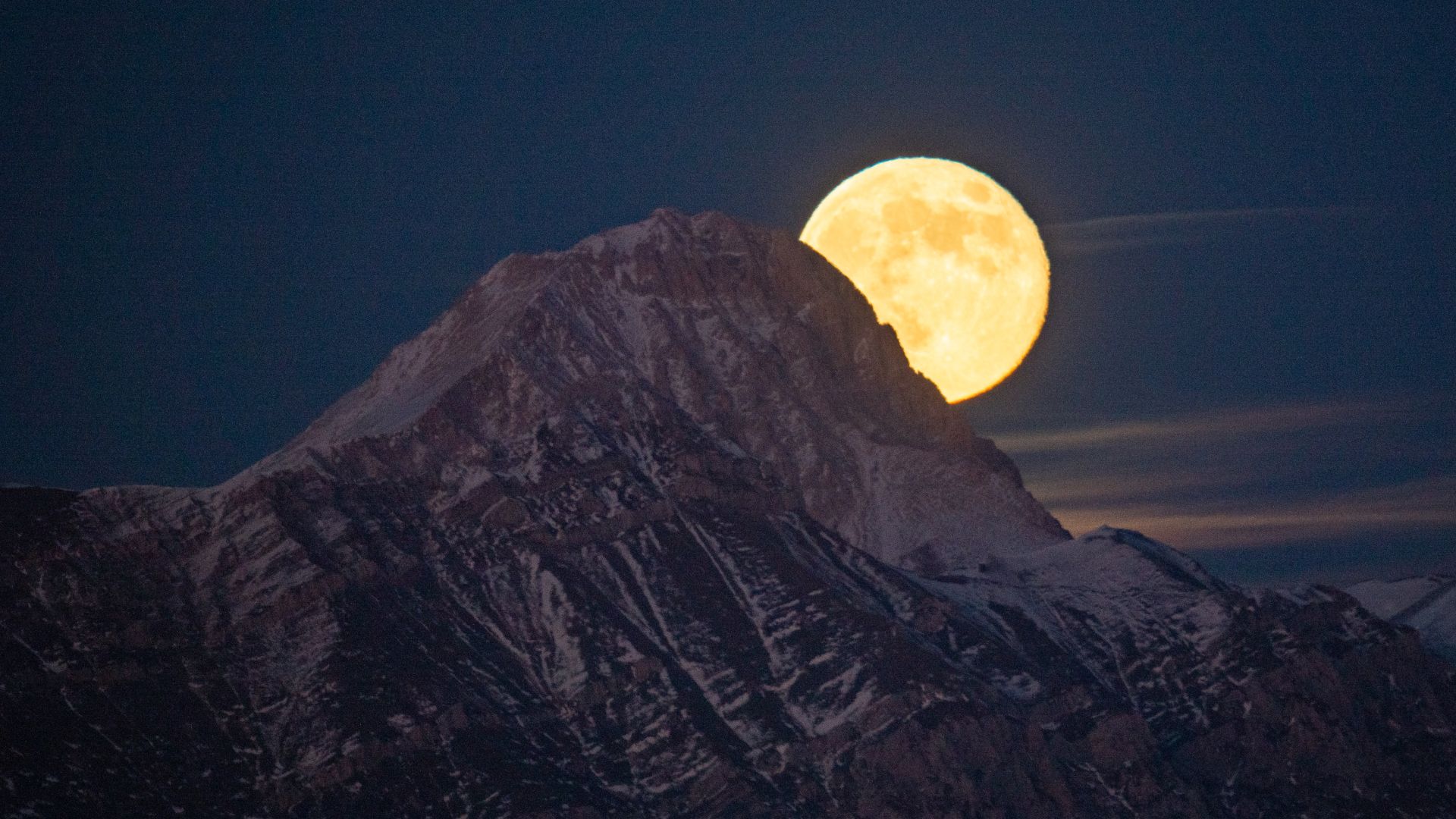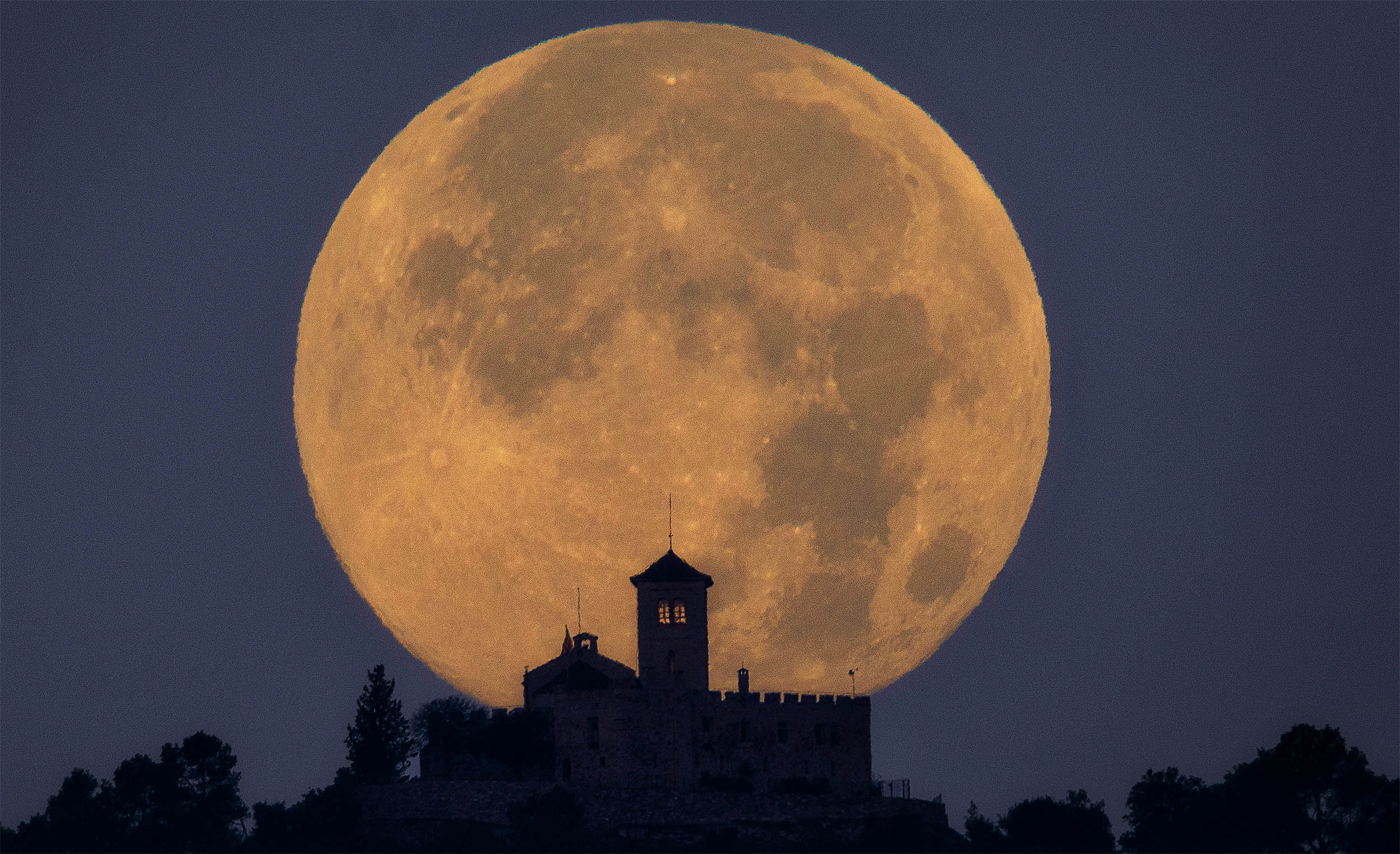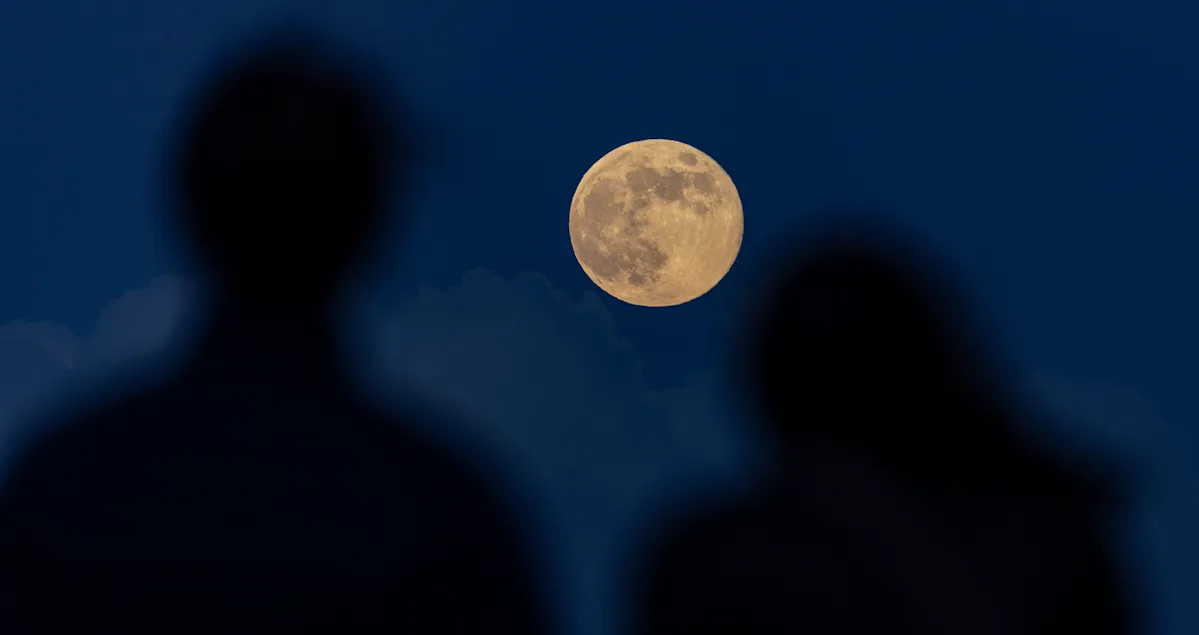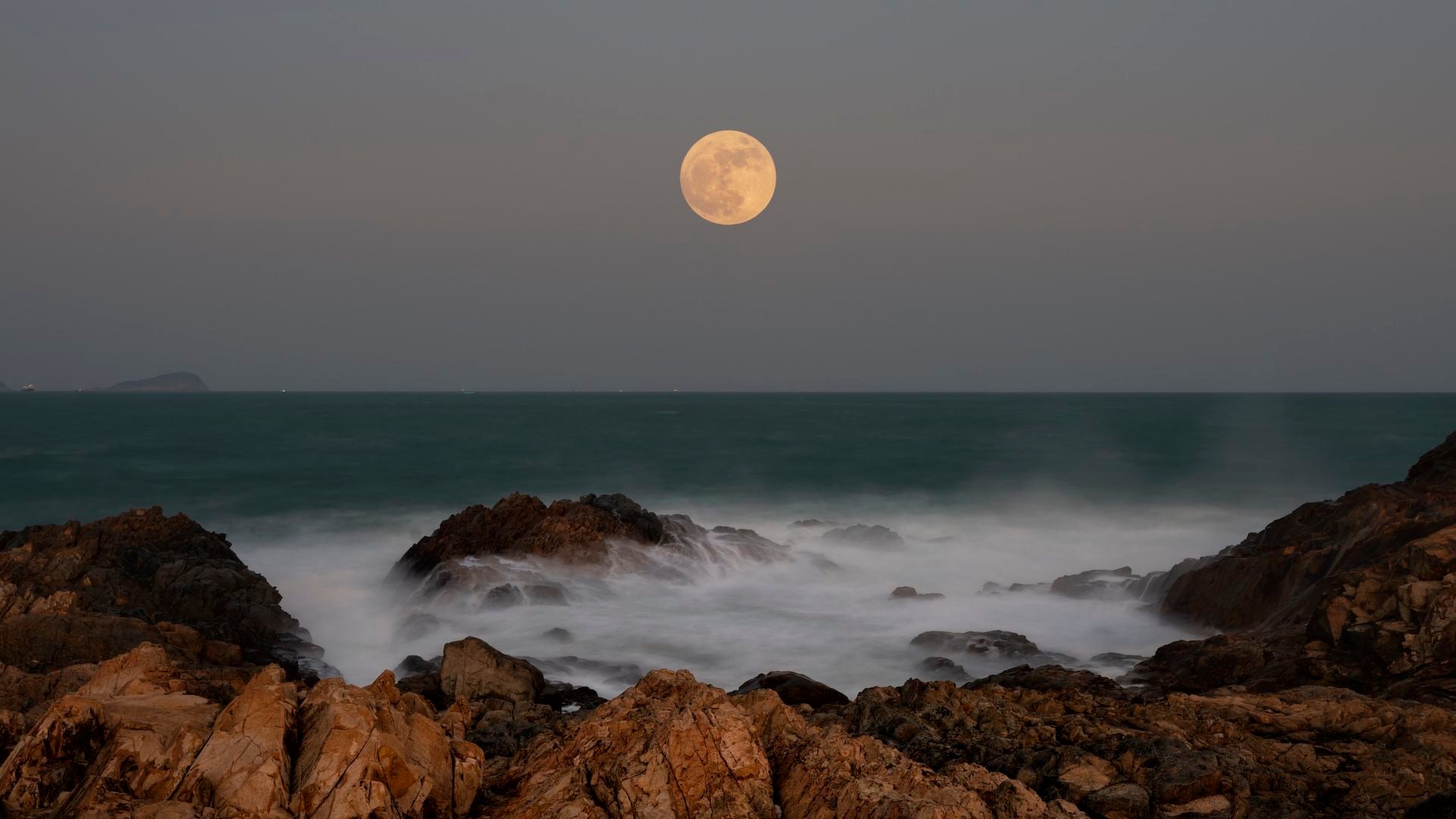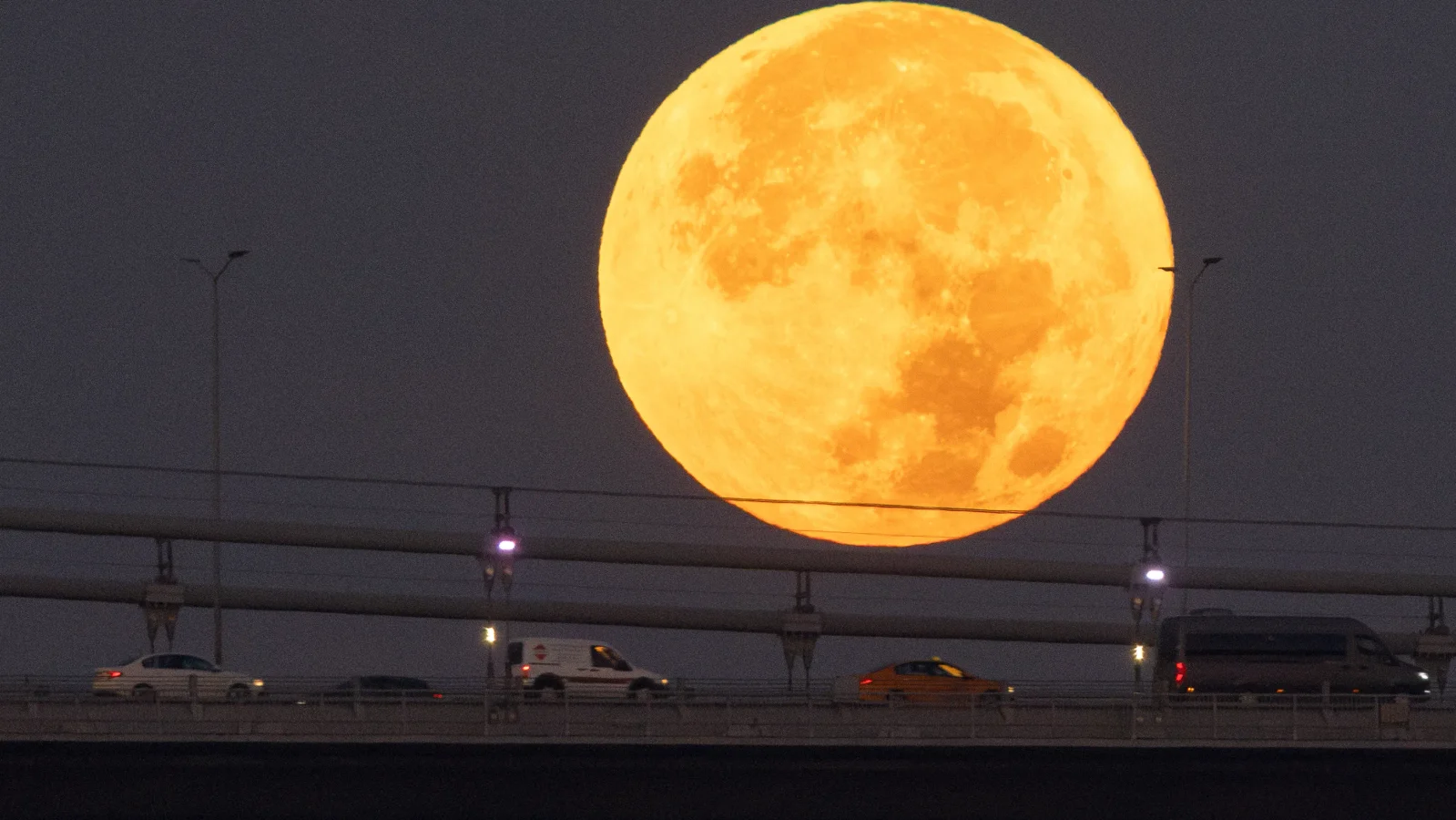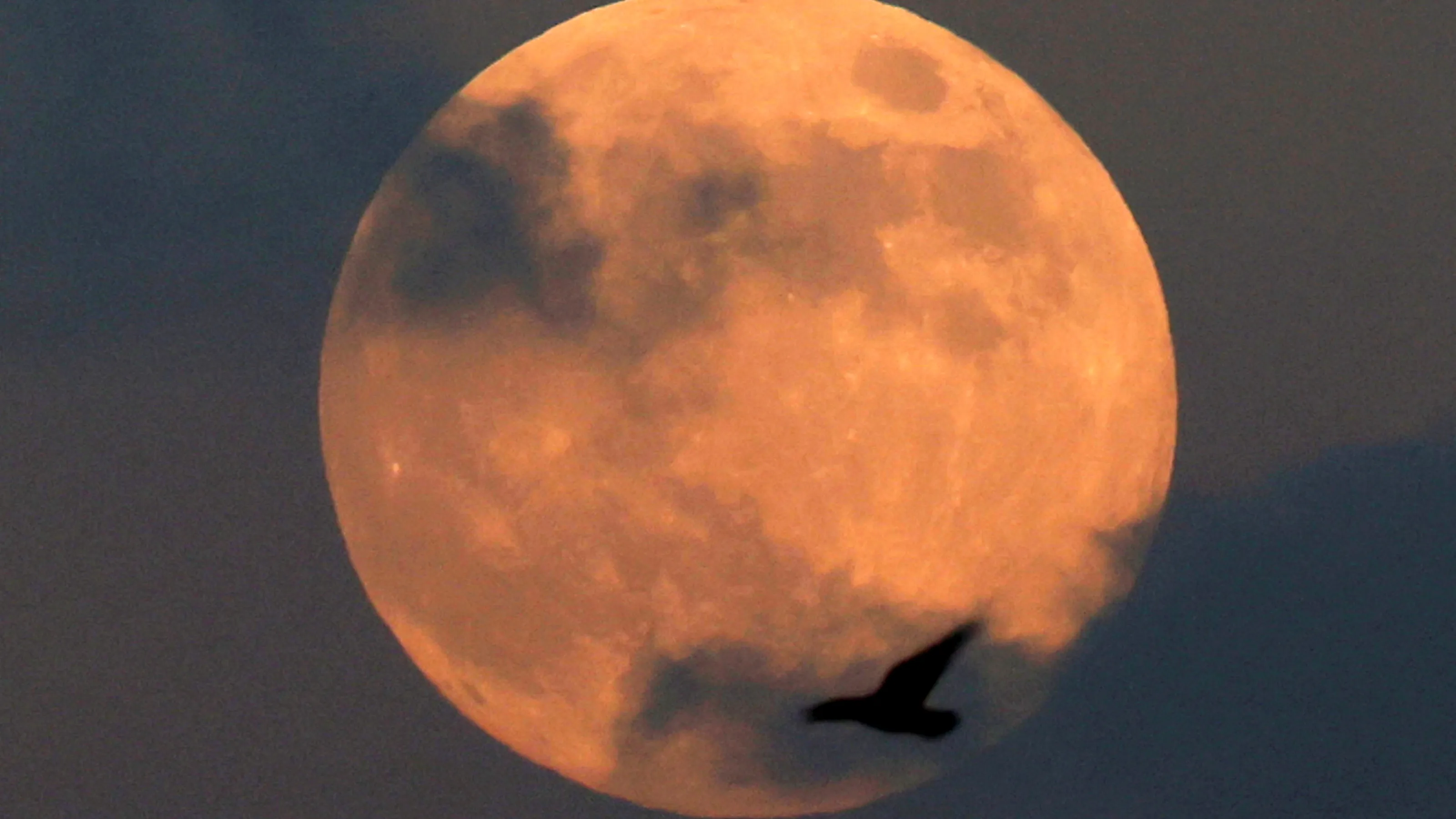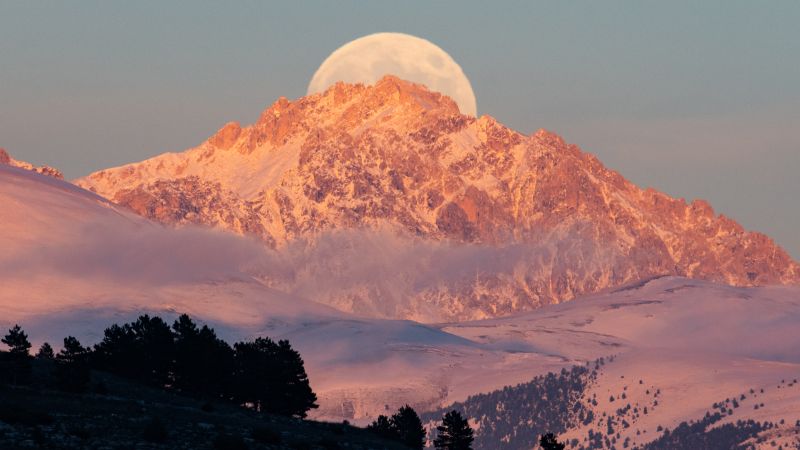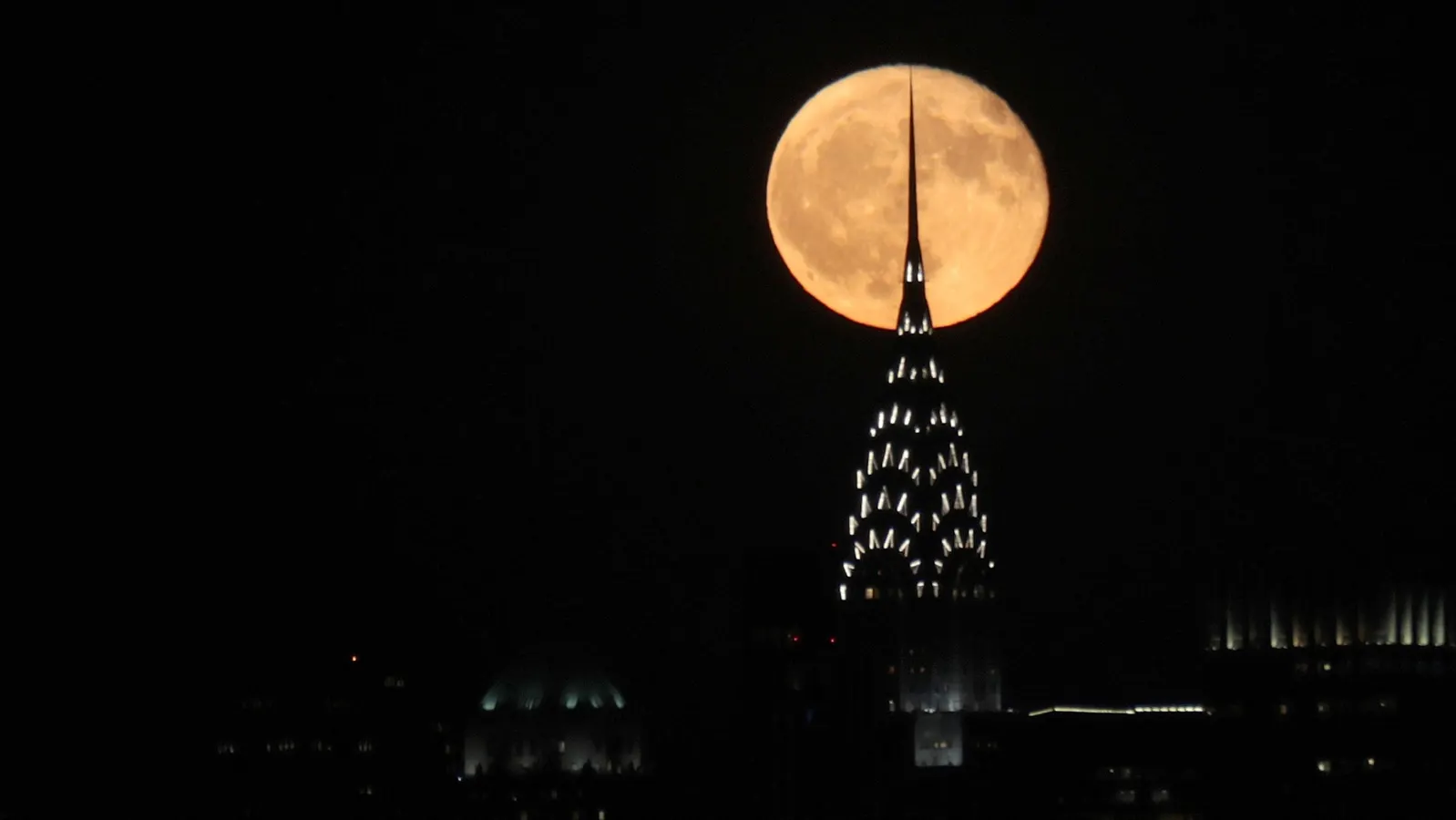
The November 2025 'Beaver Moon' was the largest and brightest supermoon of the year, offering stunning views and photographs from around the world, including iconic landmarks like the Eiffel Tower and Sydney Opera House. The moon's close approach to Earth enhanced its brightness and detail, captivating skywatchers and photographers alike. The event was part of a series of upcoming supermoons in late 2025 and early 2026.
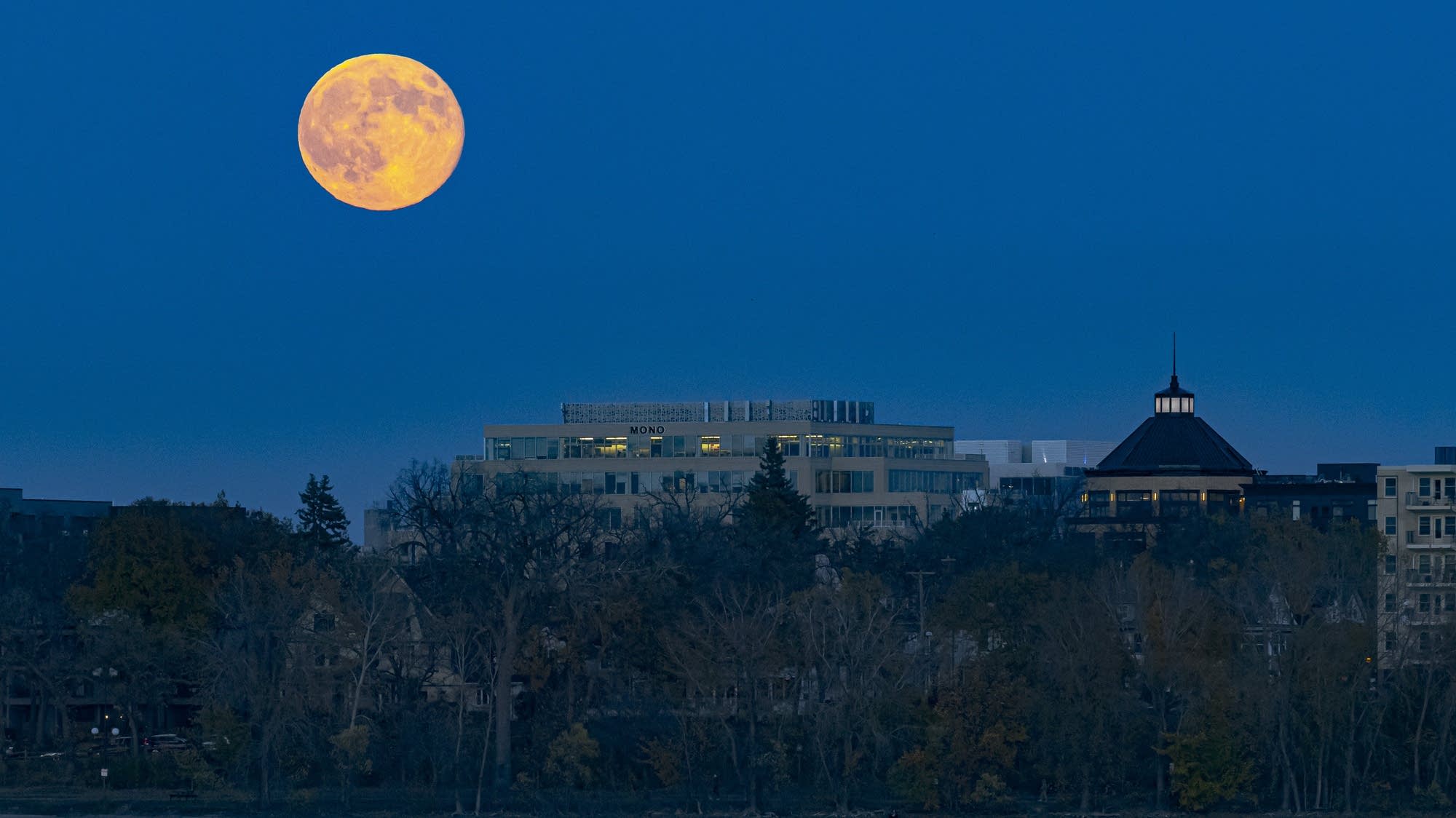
The Beaver Moon, the brightest supermoon of 2025 and the second of three this year, was visible over Minneapolis, appearing larger and brighter than usual as it was at its closest point to Earth, just under 222,000 miles away, with photos captured from Bde Maka Ska.
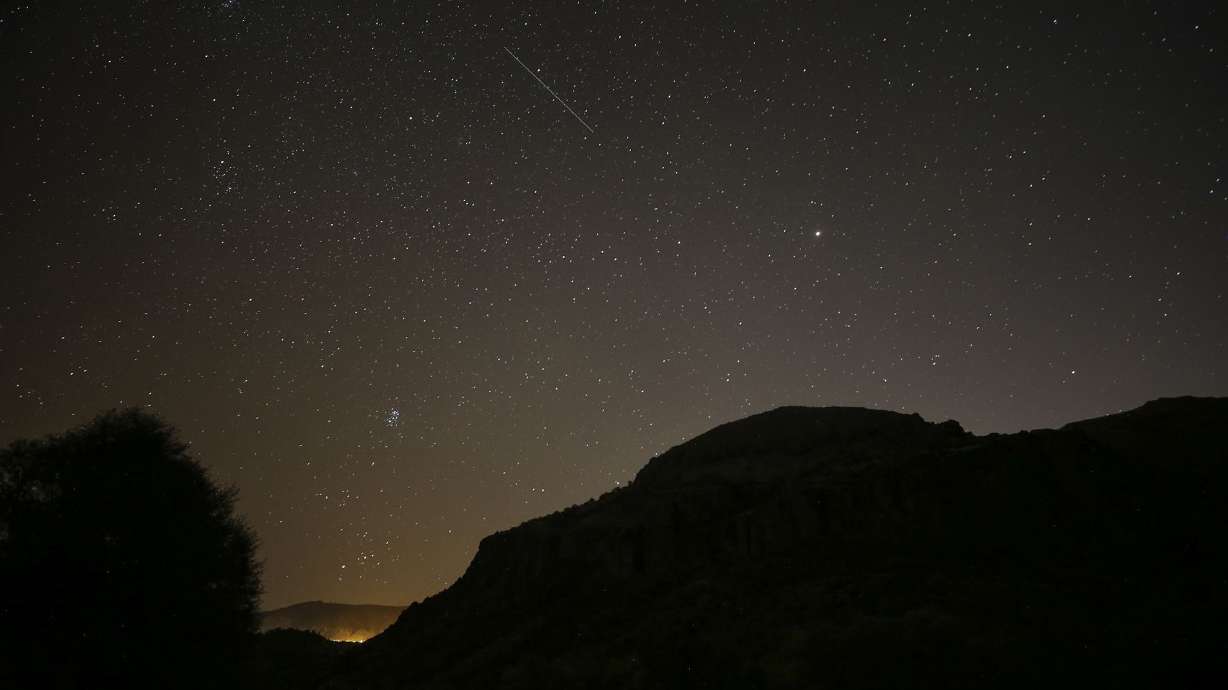
The November 2024 full moon, known as the Beaver Moon, will be the largest supermoon of 2025, reaching its full phase on November 5th and coinciding with the closest approach to Earth in its orbit, offering a spectacular sky view and a chance to observe the Southern Taurid meteor shower.
The Beaver Moon, the closest supermoon of 2025, will be visible this week, appearing larger and brighter as it reaches its peak fullness on November 5-6, offering a spectacular view without the need for telescopes, and highlighting the moon's influence on tides and its historical significance in human culture.
This week features the peak of the Beaver moon, a supermoon, and the Taurid meteor shower, offering prime opportunities for stargazing. The Beaver moon, the second of three supermoons this year, will be at its closest approach to Earth, appearing larger and brighter. The Taurid meteor shower, known for fireballs, peaks early on November 5th, but visibility may be affected by the full moon. Best viewing spots are dark, open areas away from city lights, with the moon visible in the eastern sky.
Skywatchers will experience the largest and brightest full moon of the year, the Beaver Moon, on November 5, 2025, with optimal viewing on November 6, as it reaches its closest point to Earth during a supermoon, appearing about 14% larger and 30% brighter than usual.
The next full moon in 2025 is the November beaver supermoon on November 5, which will be the largest and brightest of the year, coinciding with the Taurids meteor showers and followed by the Leonids. It is a close approach to Earth, occurring during a period of notable celestial events including meteor showers and the upcoming winter solstice.
This weekend offers a celestial double feature with November's Beaver Moon, the last supermoon of the year, and the Leonid meteor shower peaking on Saturday night into early Sunday. The Beaver Moon, named for the time when beavers prepare for winter, is slightly farther than October's supermoon but still offers a striking view, especially when rising. The Leonid meteor shower, typically producing 15 meteors per hour, may be less visible due to the moon's brightness, with around five meteors per hour expected. Observers are advised to face east and look halfway up the sky for the best chance to see meteors.
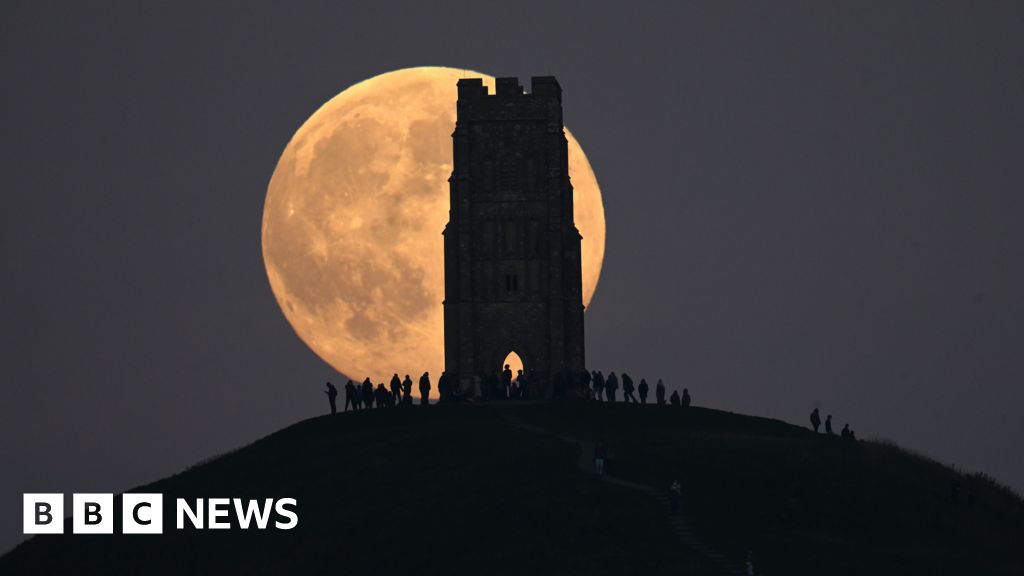
The last supermoon of 2024, known as the "Beaver Moon," illuminated skies worldwide on November 15, 2024. This celestial event was visible in various locations, including Fort Myers, Cyprus, Saudi Arabia, Pakistan, the UAE, and Egypt, offering stunning views as it rose alongside notable landmarks and landscapes.
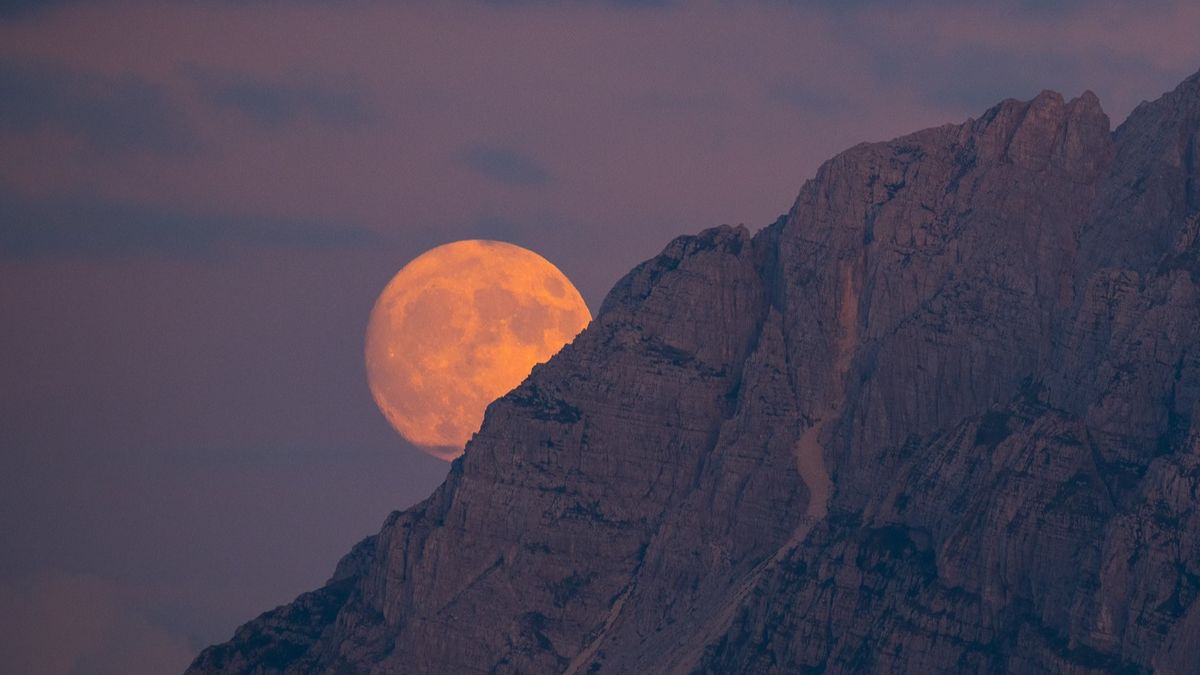
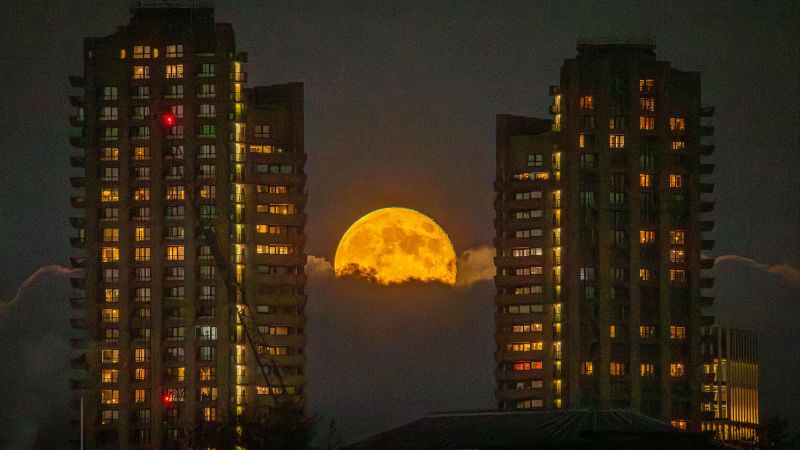
The beaver moon, the last supermoon of the year, illuminated skies worldwide on Friday, appearing larger and brighter due to its proximity to Earth. This full moon, named for the time when beavers prepare for winter, was visible in various global locations, including Italy, the UK, the US, Gaza, Thailand, England, Myanmar, and Tunisia, offering stunning views captured in photographs.
The final supermoon of 2024, known as the Beaver Moon, was visible across the UK on Friday night, offering a spectacular sight for sky gazers. Although not as bright as October's Hunter's supermoon, it appeared 14% larger and 30% brighter than a typical full moon. This supermoon is the last until October 2025, making it a noteworthy event for astronomy enthusiasts. The Beaver Moon is named for the time of year when beavers are active in preparation for winter. Stunning photos of the event were shared by BBC Weather Watchers.
The last supermoon of 2024, known as the Beaver Moon, will rise today and can be viewed via a free livestream from Italy, hosted by the Virtual Telescope Project. This supermoon appears 30% brighter and 14% larger due to the moon's proximity to Earth. The livestream begins at 1:30 p.m. EST and can be accessed on Space.com or the Virtual Telescope Project's platforms.
The last supermoon of the year, known as the beaver moon, will peak on Friday, coinciding with the Leonid meteor shower, which reaches its peak on Saturday night. The beaver moon, named for the time when beavers prepare for winter, will appear full to the naked eye for about three days. This supermoon is the fourth consecutive one this year, appearing slightly larger and brighter due to its proximity to Earth. However, the full moon's brightness may reduce visibility of the Leonid meteors, which typically produce 15 meteors per hour but may only show around five per hour this weekend.
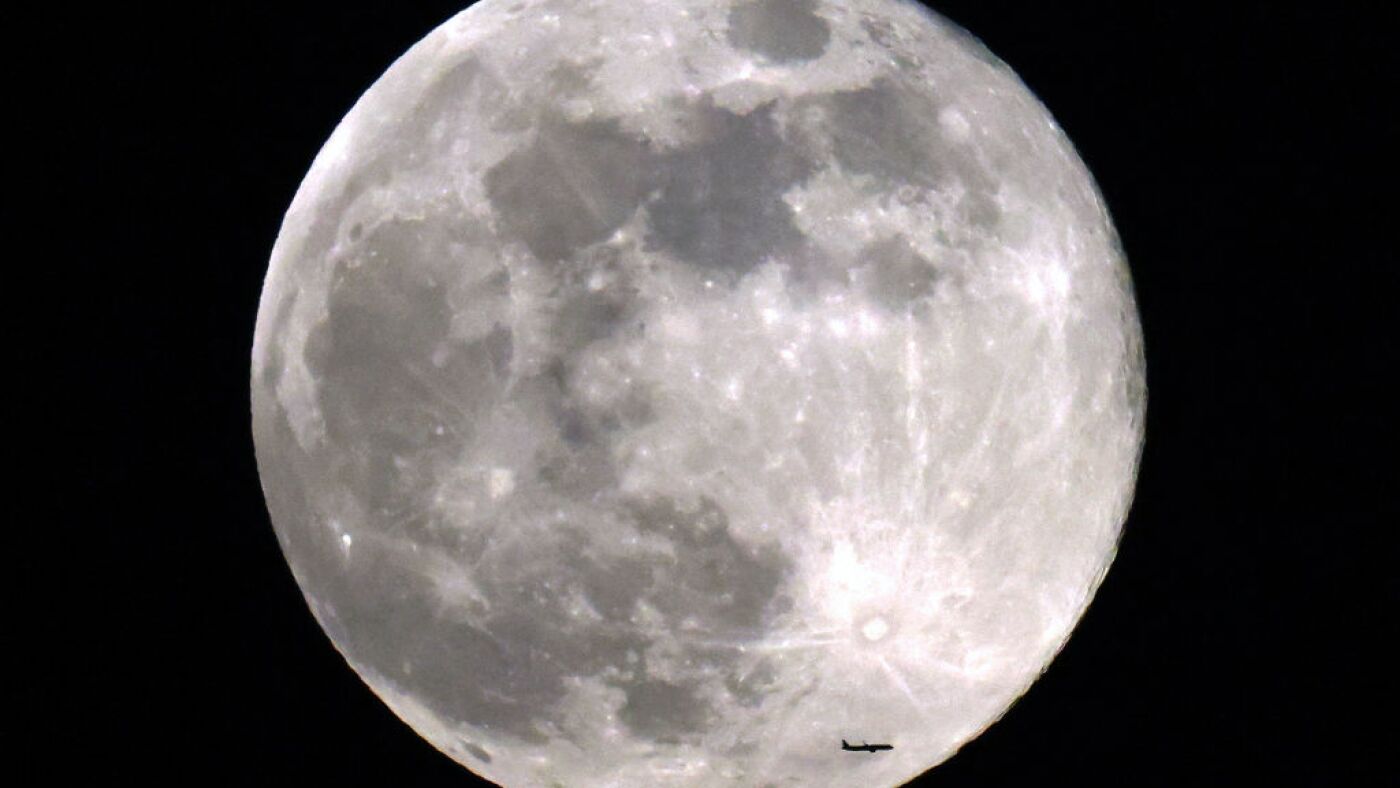
Skygazers in the U.S. have a final opportunity to view a supermoon this year, as November's Beaver Moon will appear larger and brighter than usual. This supermoon, the fourth consecutive since August, will be visible for nearly three days starting Thursday morning. A supermoon occurs when the moon is full and at its closest point to Earth, affecting tides. The next supermoon won't be visible until October 2025. Observers are encouraged to use a moon map to identify features like the Tycho crater.
The last supermoon of 2024, known as the 'Beaver' moon, will occur this week as the moon reaches its closest point to Earth, or perigee, at about 225,000 miles away. This unofficial astronomical event, which happens up to four times a year, will be visible starting Thursday night, with the full moon peaking on Friday. Visibility may be affected by cloud coverage in certain U.S. states. The 'Beaver' moon is named for the time when beavers take shelter for winter, following October's 'Hunter's' moon.