Orthorexia is an obsession with healthy eating that can lead to nutritional deficiencies, mental health issues, and social isolation. It is characterized by rigid food choices, avoidance of certain foods, and moral judgments about food, often influenced by social media and diet culture. Recognizing the signs and seeking professional help from therapists and dietitians is crucial for treatment and recovery.
Grammy-winning R&B singer D'Angelo has died at 51 after battling pancreatic cancer, leaving behind a significant musical legacy including multiple Grammy awards. The article also provides information on pancreatic cancer, its symptoms, diagnosis, and risk factors.
The article discusses six subtle signs of stomach cancer that individuals should not ignore, emphasizing the importance of early detection for better outcomes.
Nonalcoholic fatty liver disease (NAFLD) can cause visible skin changes such as jaundice, bruising, itching, and skin pigmentation alterations, which are important for early diagnosis and treatment of liver issues.
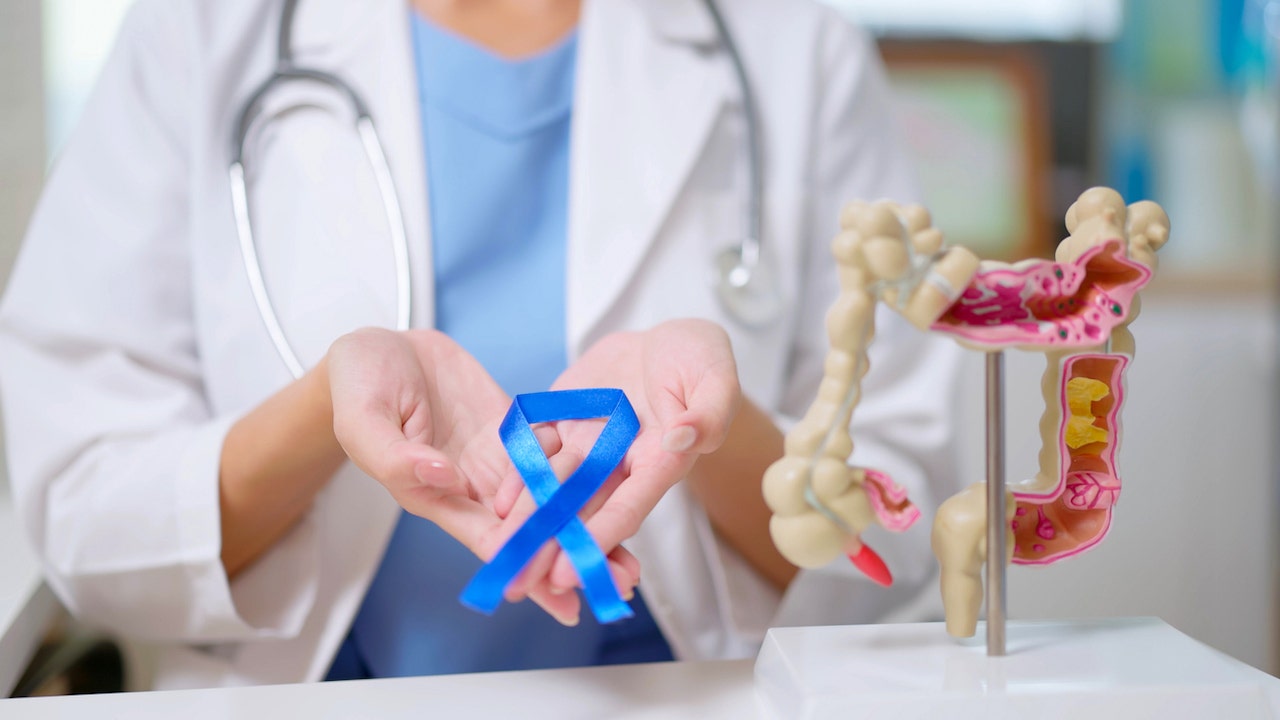
Colorectal cancer is a significant global health concern affecting the colon and rectum, with signs and symptoms including changes in bowel habits, blood in the stool, abdominal discomfort, unintentional weight loss, and fatigue. Risk factors include age, family history, and lifestyle choices. Diagnostic procedures such as colonoscopies and fecal occult blood tests are crucial for early detection, and treatment options may involve surgery, chemotherapy, radiation therapy, or immunotherapy. Preventive measures include adopting a healthy lifestyle and regular screenings, emphasizing the importance of early detection for improved outcomes.
World Cancer Day is celebrated on February 4 every year to raise awareness about the global impact of cancer. With cancer cases on the rise, early detection is crucial for survival. The 2024 theme, "Together, we challenge those in power," emphasizes the need for leaders to prioritize and invest in cancer prevention and care. Common types of cancer, risk factors, and signs and symptoms are highlighted to promote understanding and prevention efforts.
World Rheumatic Arthritis Day is observed annually on February 2 to raise awareness of rheumatoid arthritis, an autoimmune disease that primarily affects the joints, with women being 2.5 times more likely to be affected than men. The day holds historical significance, as the term "rheumatoid arthritis" was first used in 1858, and various treatments have been developed over the years. This day is crucial for educating the public, advocating for early diagnosis and treatment, and supporting those living with rheumatoid arthritis. The signs and symptoms of rheumatoid arthritis include joint inflammation, pain, tenderness, swelling, warmth, redness, stiffness, weakness, fatigue, fever, and loss of appetite, with potential long-term effects on other organs. Early diagnosis and appropriate treatment are essential in preventing complications.
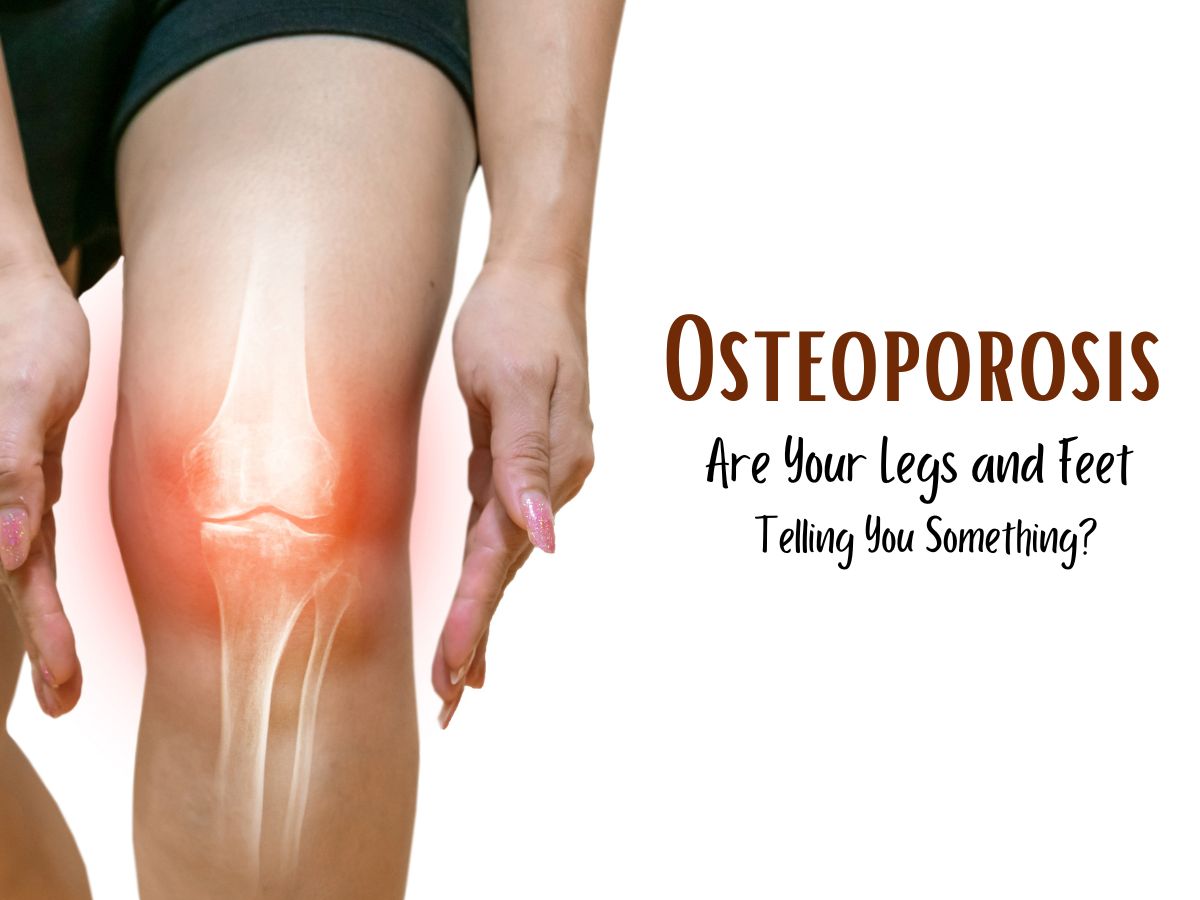
On World Osteoporosis Day, here are seven unusual signs of osteoporosis that can appear on your legs and feet. These signs include foot deformities such as bunions and hammertoes, pain in the balls of the feet, changes in toenail thickness, unusual pain in the heels, and hair loss in the toes. Recognizing these signs can help in early detection and management of this bone-thinning disease.
A survey conducted in the United States revealed that while 93% of adults recognize a lump as a sign of breast cancer, less than half can identify other important signs. These signs include a retracted or inverted nipple, breast puckering, loss of feeling in part of the breast, thickening of the skin, and nipple discharge. Early detection is crucial as most breast cancers are not detectable through touch alone. Educating the public about these signs and empowering individuals to seek medical attention for concerning symptoms is essential for earlier detection and improved outcomes. This includes both women and men, as breast cancer can also occur in men, albeit less commonly.
Low levels of magnesium in the body can lead to various signs and symptoms, including muscle cramps, fatigue, headaches, gastrointestinal symptoms, eye twitching, constipation, sensory disturbances, mood changes, palpitations, and muscle weakness. It is important to consume magnesium-rich foods and consult with a healthcare provider before taking magnesium supplements to ensure appropriate dosage and avoid adverse effects.
Megan Liscomb, a New York woman who successfully battled breast cancer in her 30s, shared her experience and revealed a surprising sign of the disease. Instead of a lump, she noticed visual changes in her breast, which she initially attributed to aging. Liscomb emphasized the importance of knowing the signs of breast cancer, especially for younger patients who may not be regularly screened until their 40s or 50s. Her cancer was curable, and she is currently cancer-free.
Dehydration occurs when the body loses more fluids than it takes in, leading to various symptoms such as thirst, dry mouth, and dark-colored urine. Mild to moderate dehydration can be cured by rehydrating with fluids and consuming water-rich foods. Electrolyte-infused drinks like Pedialyte or Gatorade can also help. Severe dehydration requires immediate medical treatment. It is important to stay hydrated by drinking enough fluids, especially during hot weather or when engaging in physical activities.