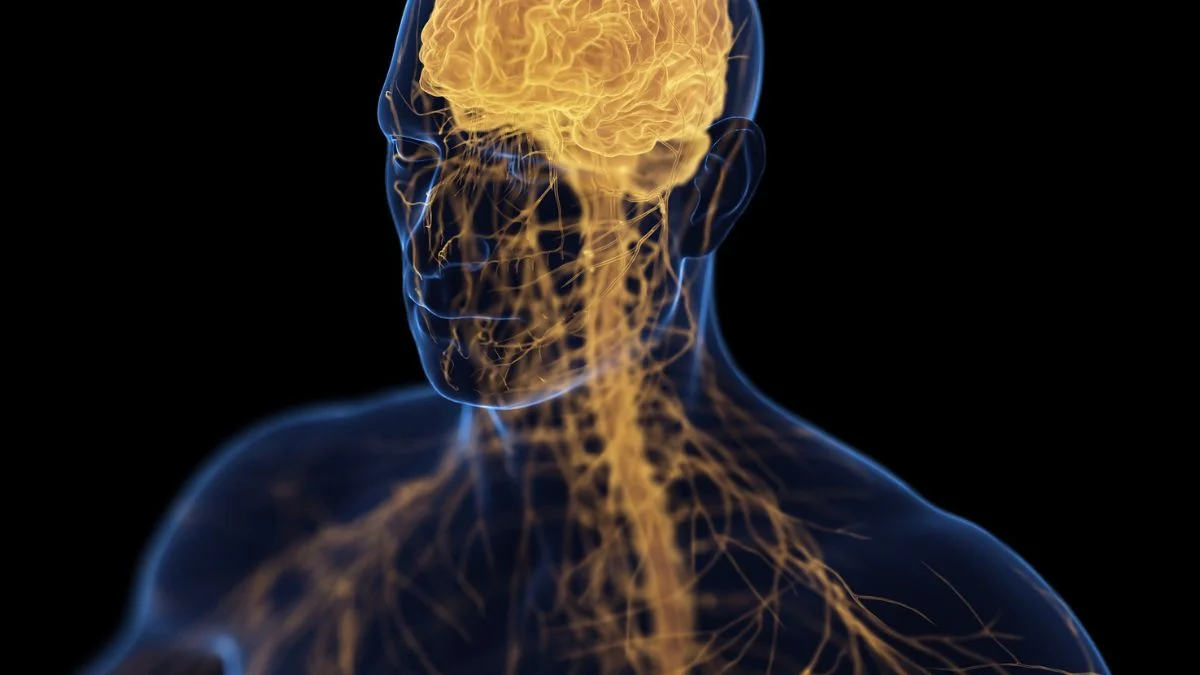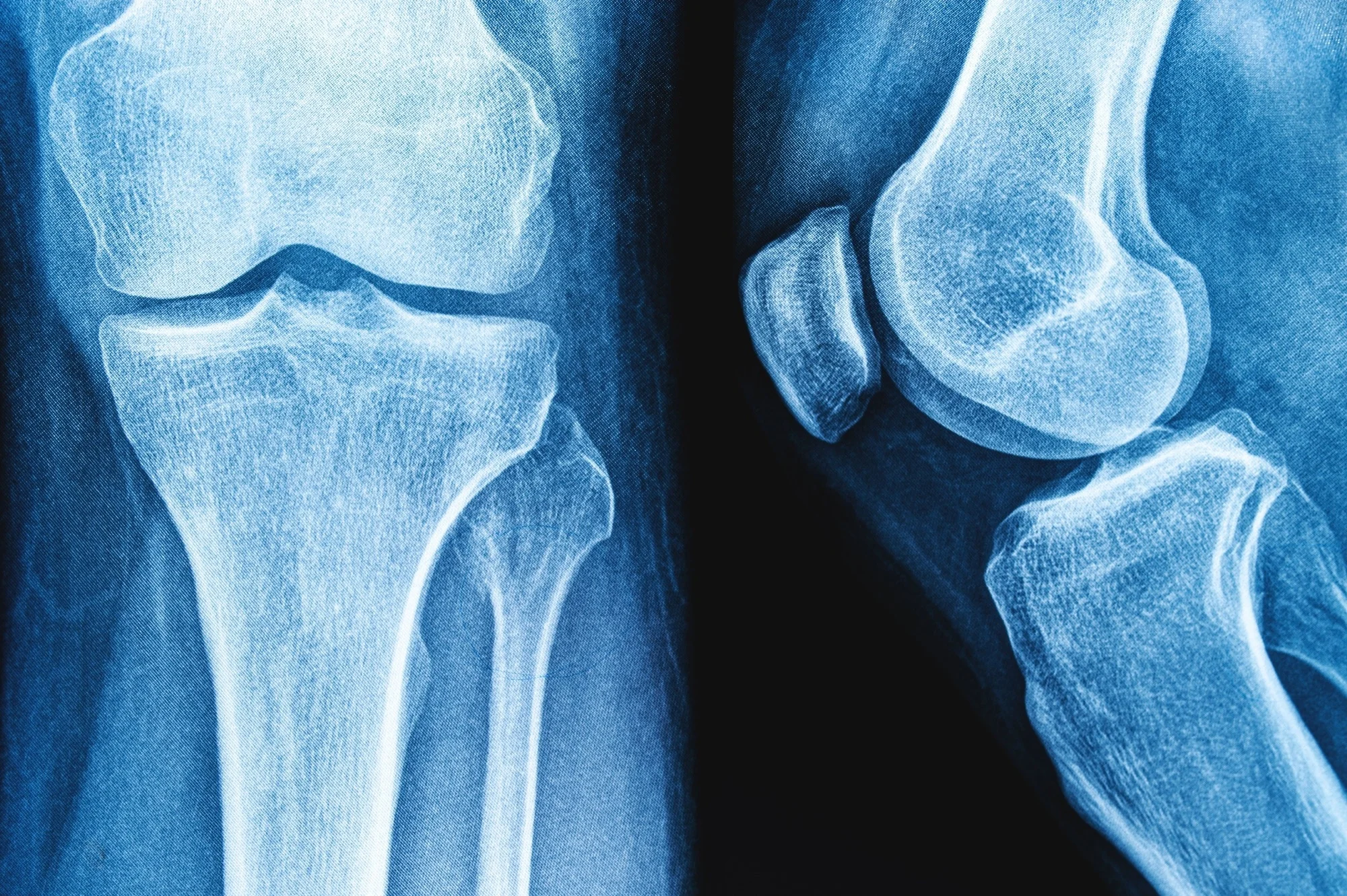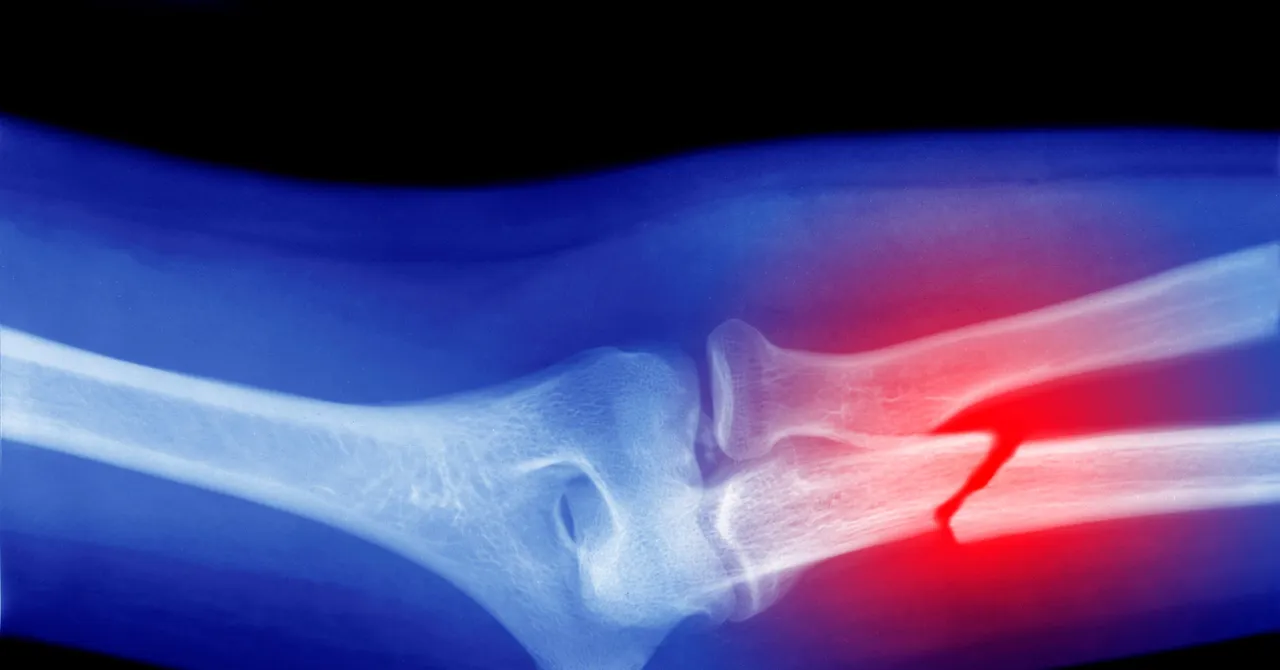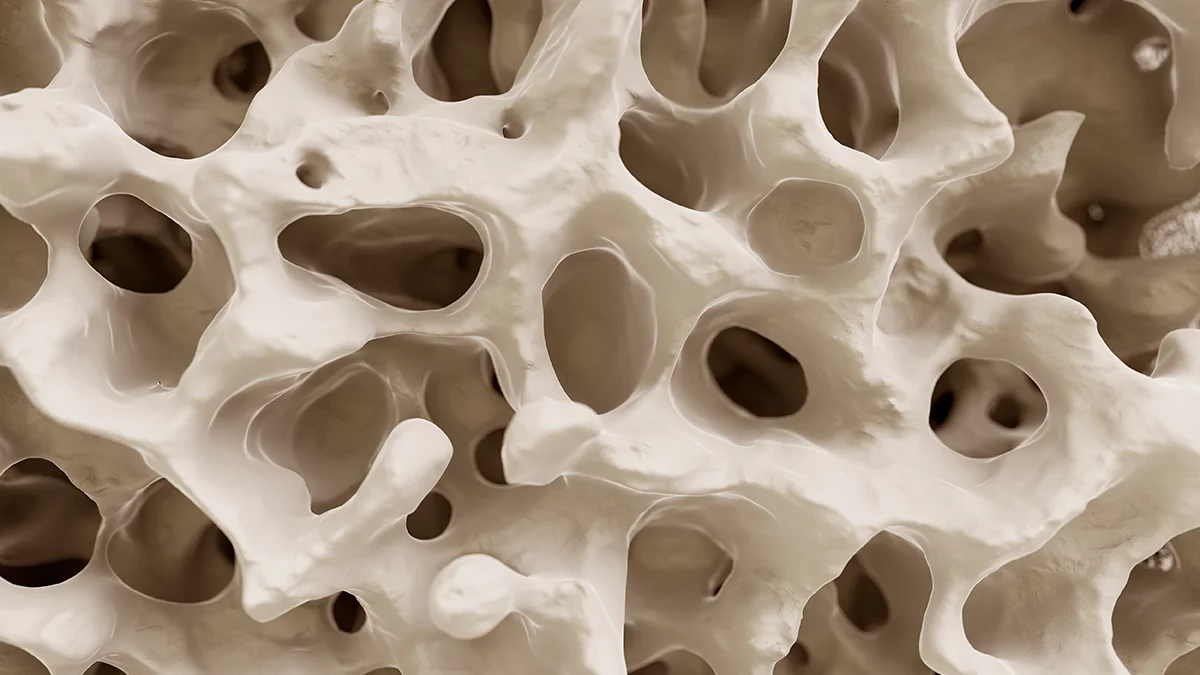
Scientists from HKUMed discovered that the Piezo1 protein acts as an 'exercise sensor' in bones, translating physical activity into signals that strengthen bones and reduce fat accumulation in bone marrow. This breakthrough could lead to the development of drugs that mimic exercise effects, offering new treatments for osteoporosis, especially for those unable to exercise.
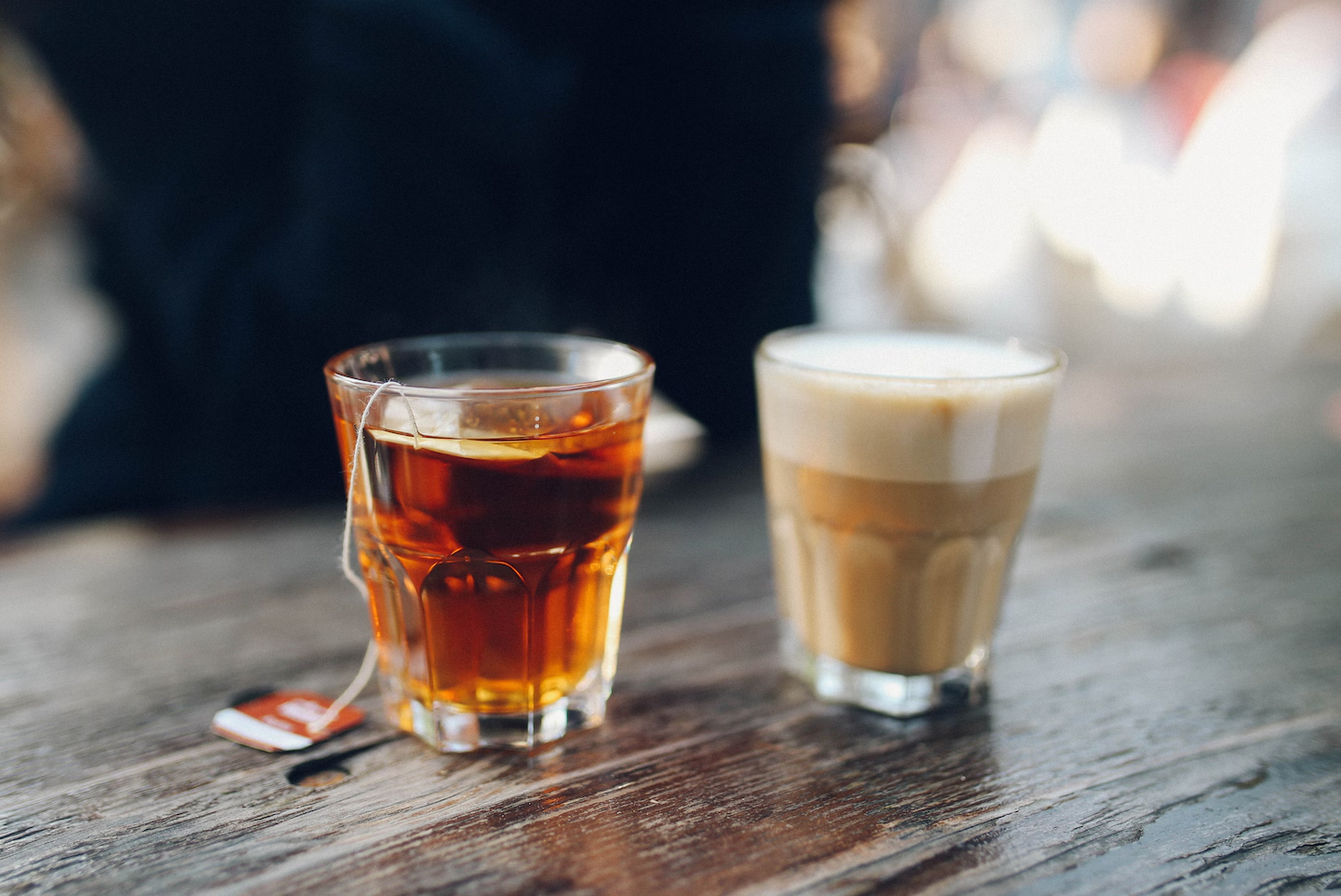
A recent study suggests tea may slightly benefit bone mineral density more than coffee, especially at the hip, but the differences are small. Moderate coffee consumption (2-3 cups daily) is generally safe for bones, while drinking five or more cups may negatively impact bone health. Maintaining strong bones also involves a balanced diet rich in calcium and vitamin D, regular resistance exercise, and avoiding smoking and excessive alcohol. Overall, moderation in coffee intake and a healthy lifestyle are key to supporting bone health.
A study suggests that drinking tea may support bone health in older women, while high coffee consumption could negatively impact bone mineral density, especially in women who consume alcohol, highlighting the potential influence of beverage choices on osteoporosis risk.
Dr. Roach discusses the Osteoboost belt, a device approved by the FDA that claims to reduce bone loss, but emphasizes that more research is needed before recommending it. He compares it to established medications like Evenity, which is effective but costly and has potential risks, and notes that current evidence for Osteoboost shows increased bone density but no proven reduction in fracture rates. He advises focusing on proven therapies and lifestyle measures for bone health.
A recent study identifies the GPR133 receptor as a key to strengthening bones and potentially reversing osteoporosis, with experiments showing that activating this receptor in mice improves bone density and strength. The research also explores innovative blood-based implants for bone repair and highlights promising hormonal and molecular targets for future treatments, though most findings are still in animal models.
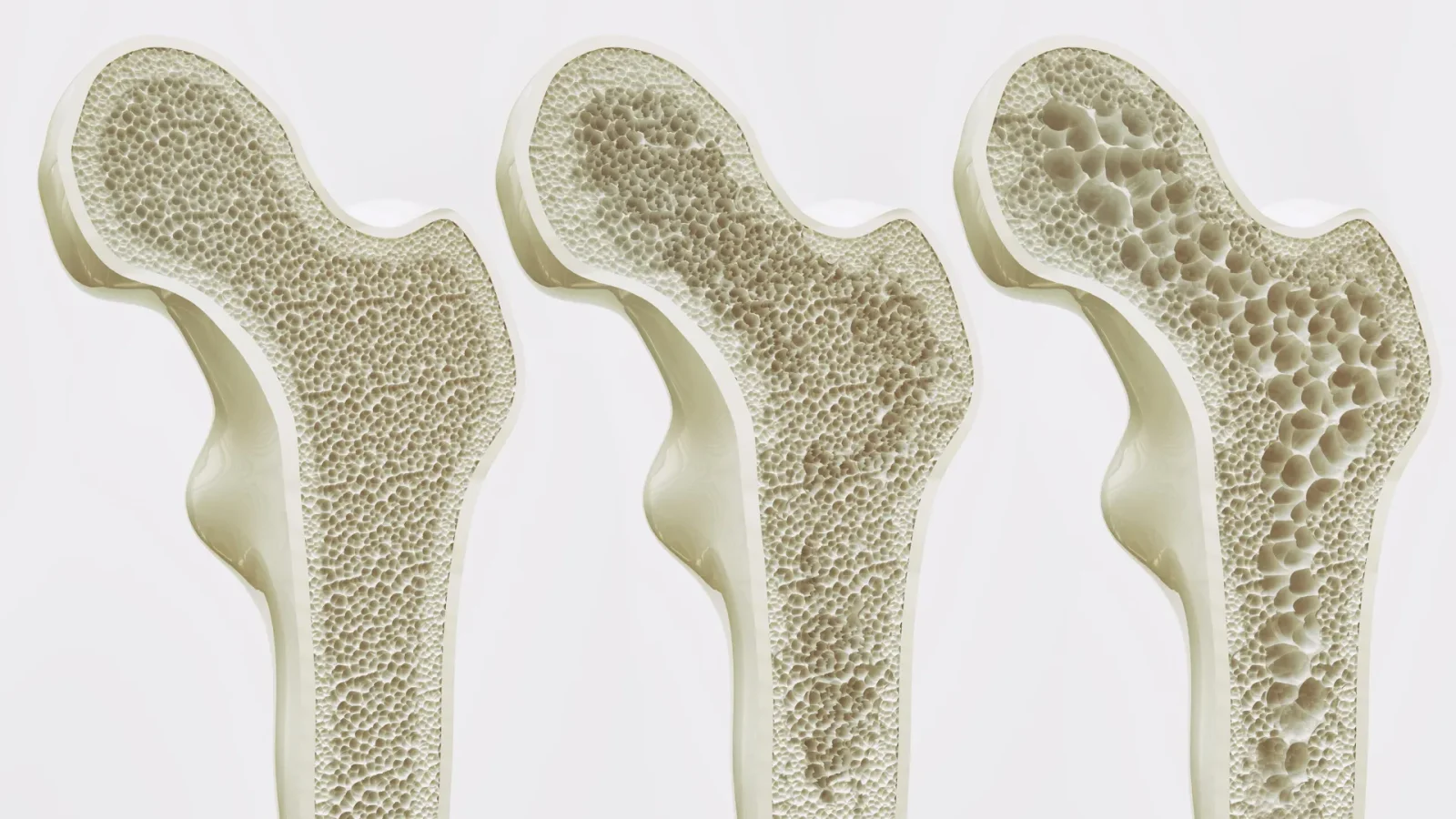
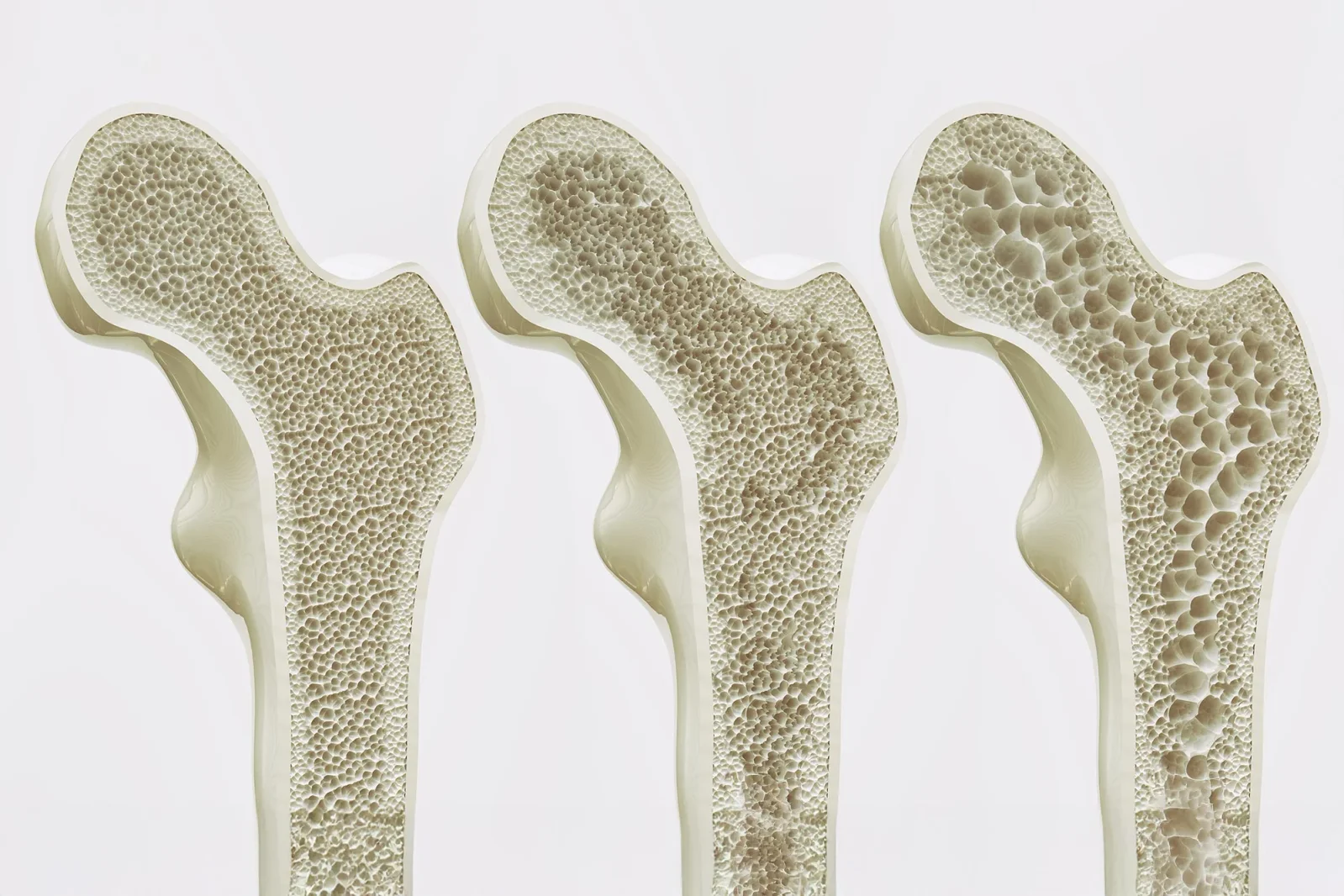
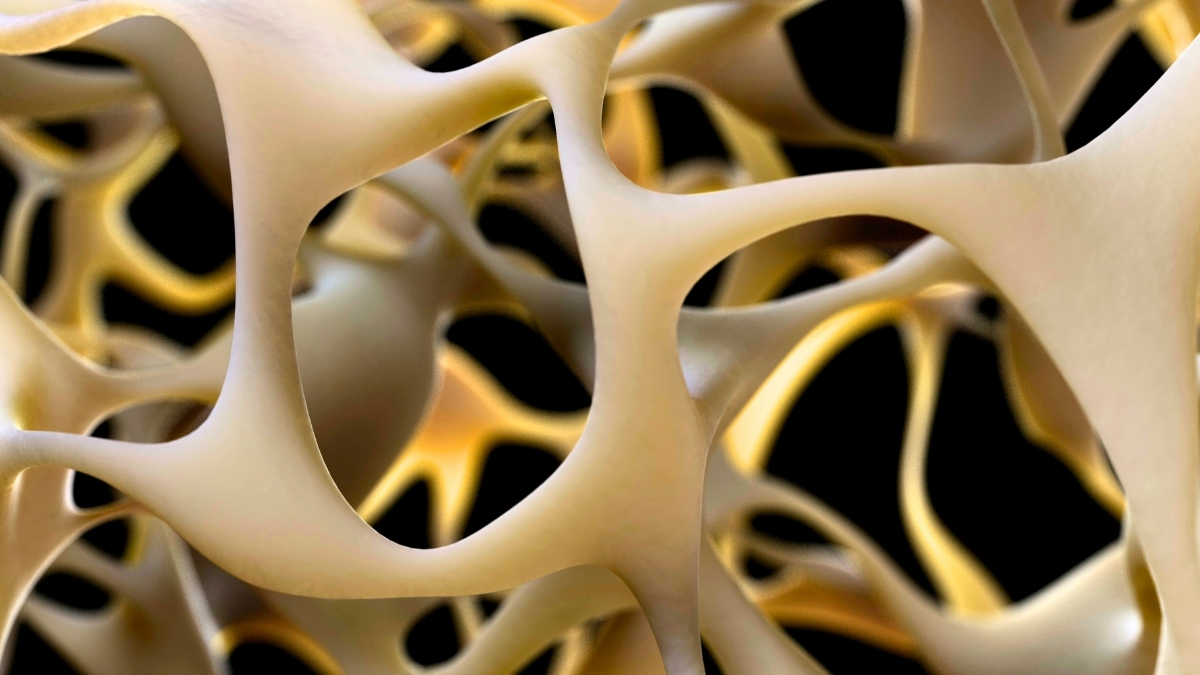
Osteoporosis is a silent disease that weakens bones, often showing early signs in hands, legs, and teeth such as wrist fractures, grip weakness, hip pain, height loss, receding gums, and brittle nails. Early detection through awareness and medical assessment can prevent serious fractures and improve quality of life by enabling timely treatment and lifestyle changes.
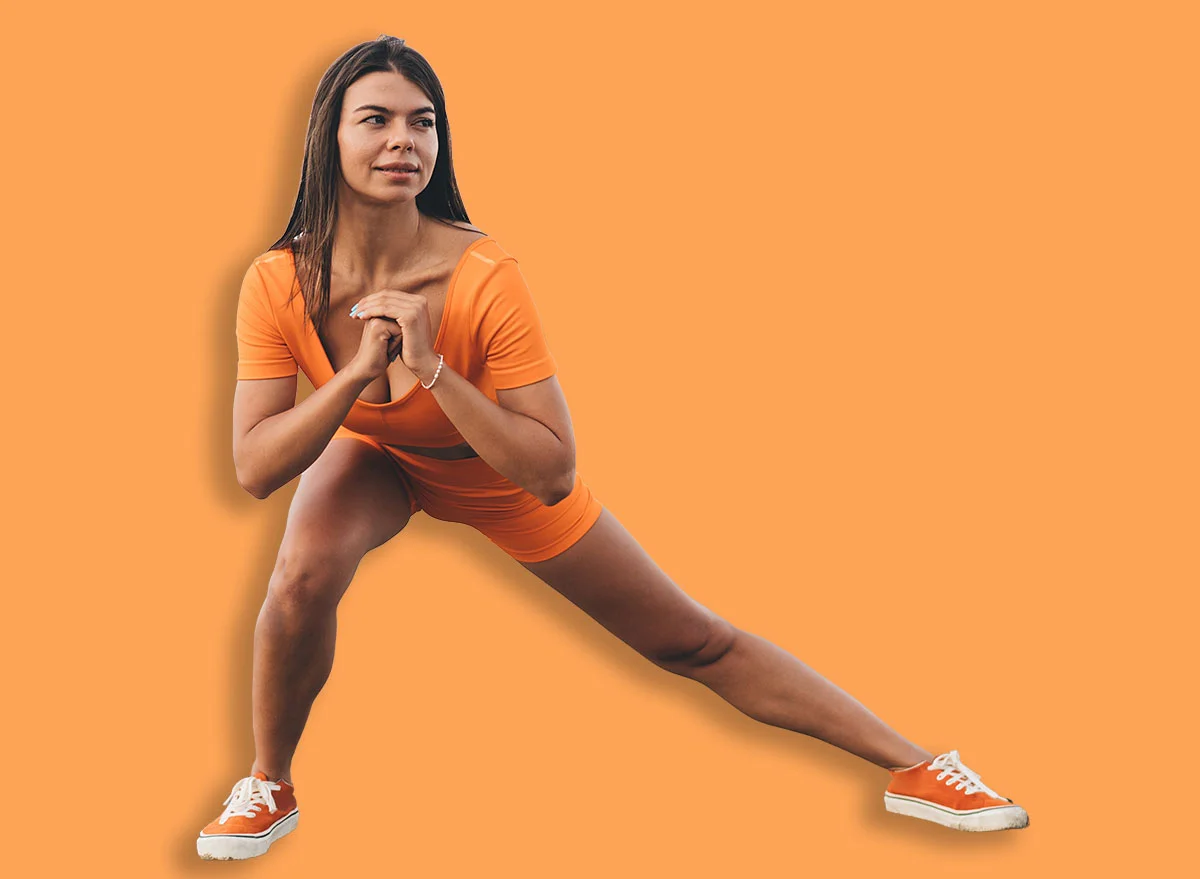
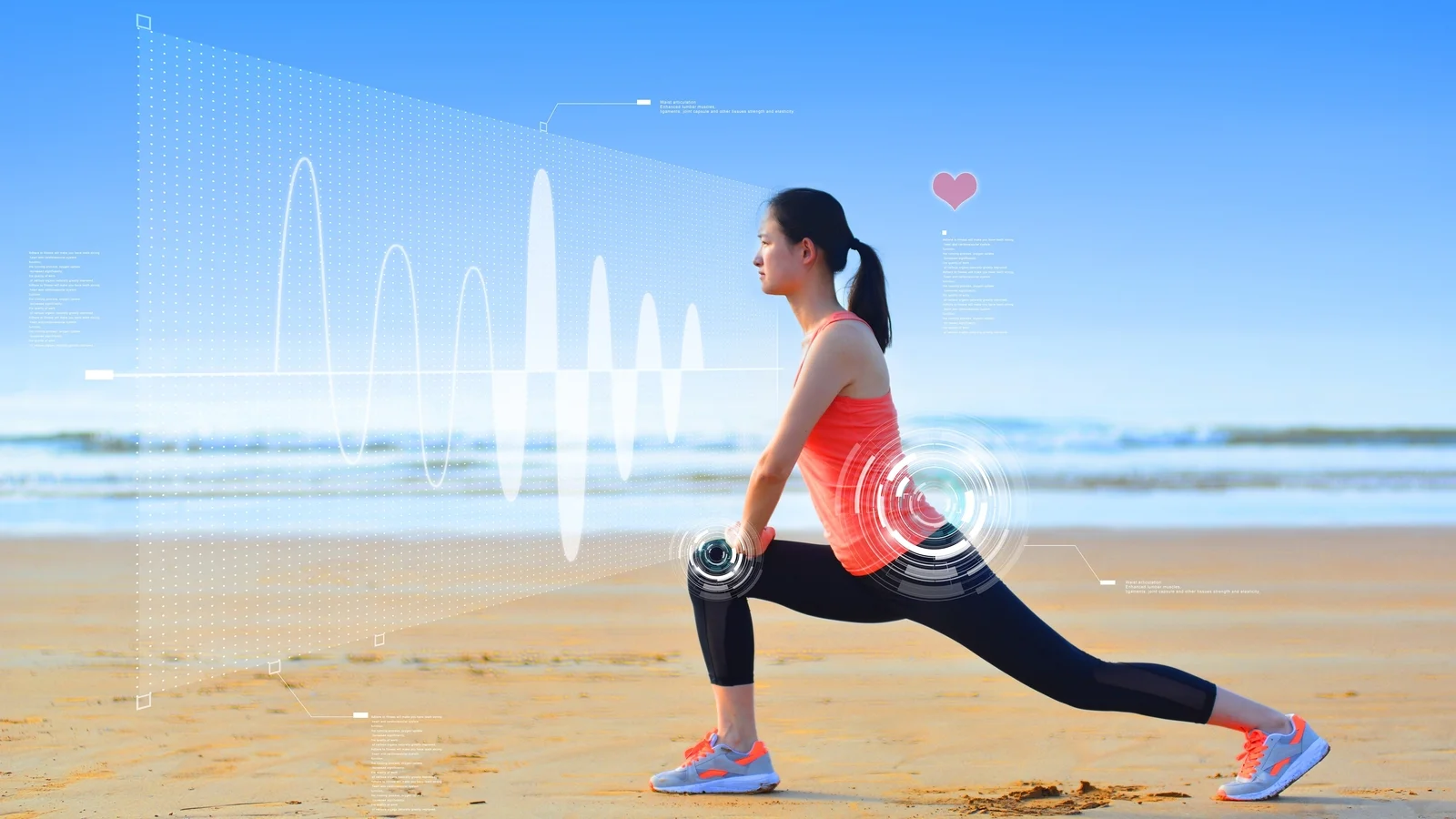
The article highlights five weight-bearing exercises suitable for individuals over 50 to help prevent osteoporosis, emphasizing the importance of strength training, impact exercises like walking, and cautioning against certain movements that may pose risks for those with osteoporosis. It advocates for a combination of Pilates, strength training, and impact activities to maintain bone density and prevent fractures.
Simple lifestyle changes like regular weight-bearing exercise and a protein-rich diet can help reverse early bone loss and strengthen bones naturally, emphasizing the importance of movement and proper nutrition for maintaining skeletal health.
A systematic review and meta-analysis found that while yogurt consumption shows a positive trend towards improving bone health markers, current evidence is insufficient to confirm significant benefits in fracture prevention or bone density improvements in adults, highlighting the need for high-quality randomized controlled trials with well-characterized yogurt products.
The article highlights that osteoporosis is increasingly affecting men as they live longer, yet awareness, screening, and treatment remain low among men, leading to serious fractures and health issues.
Research suggests that microplastics may weaken bones by disrupting bone marrow stem cells and increasing osteoclast activity, potentially contributing to osteoporosis and bone fragility, highlighting a new environmental risk factor for bone health issues.
A recent study has found microplastics deep inside human bones, including bone marrow, and suggests they may harm health by impairing cell viability, accelerating aging, and potentially contributing to bone diseases like osteoporosis, prompting further research into their impact on bone health and fractures.
Microplastics have been found deep within human bones, potentially affecting skeletal health by disrupting bone cell function and growth, which may contribute to conditions like osteoporosis. The study highlights the widespread presence of microplastics in our bodies and the need for further research and measures to reduce exposure.
Dr. Roach emphasizes the importance of a high-calcium diet, including dairy, fish with bones, almonds, beans, and leafy greens, for osteoporosis management, and suggests supplementing vitamin D and possibly vitamin K2, while noting that severe cases may require medical treatments. He also discusses the limited evidence for vitamin B1 in treating idiopathic peripheral neuropathy, recommending caution and further consultation.
Scientists at Leipzig University discovered that activating the GPR133 receptor can strengthen bones and potentially treat osteoporosis, with the substance AP503 showing promise in increasing bone strength in mice, highlighting a new target for therapies to combat age-related bone loss.