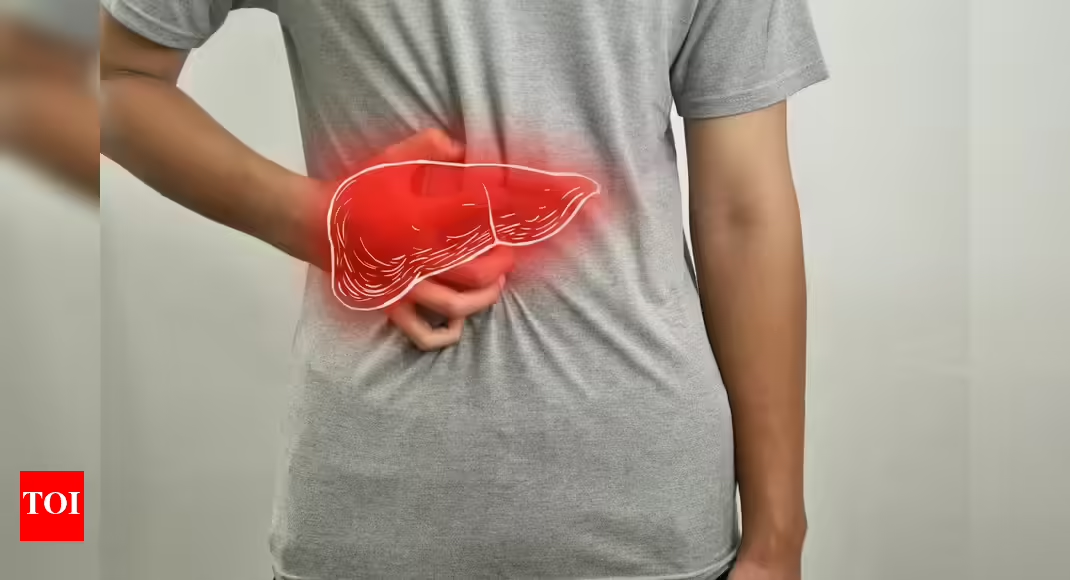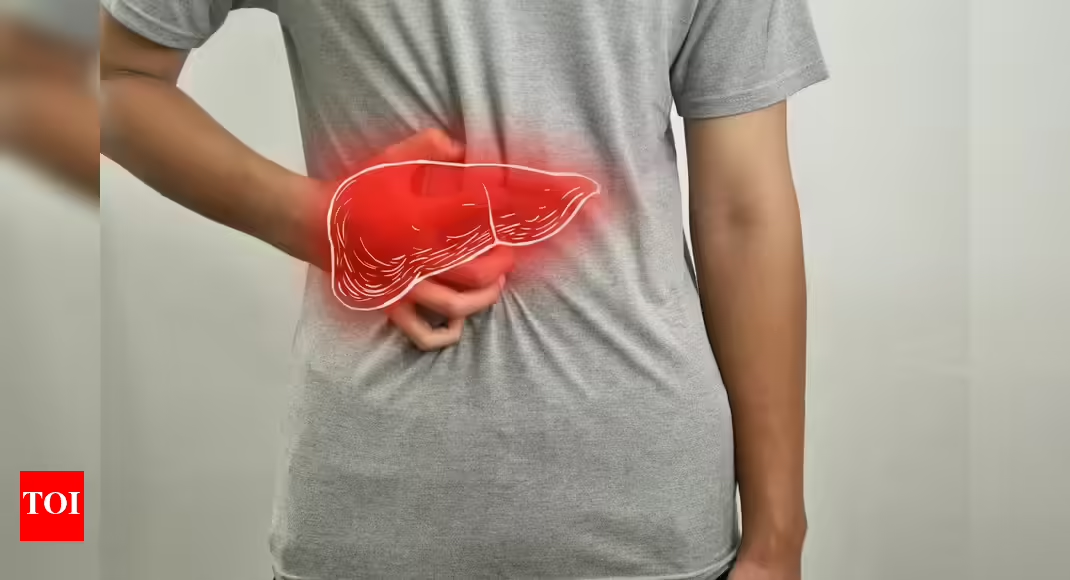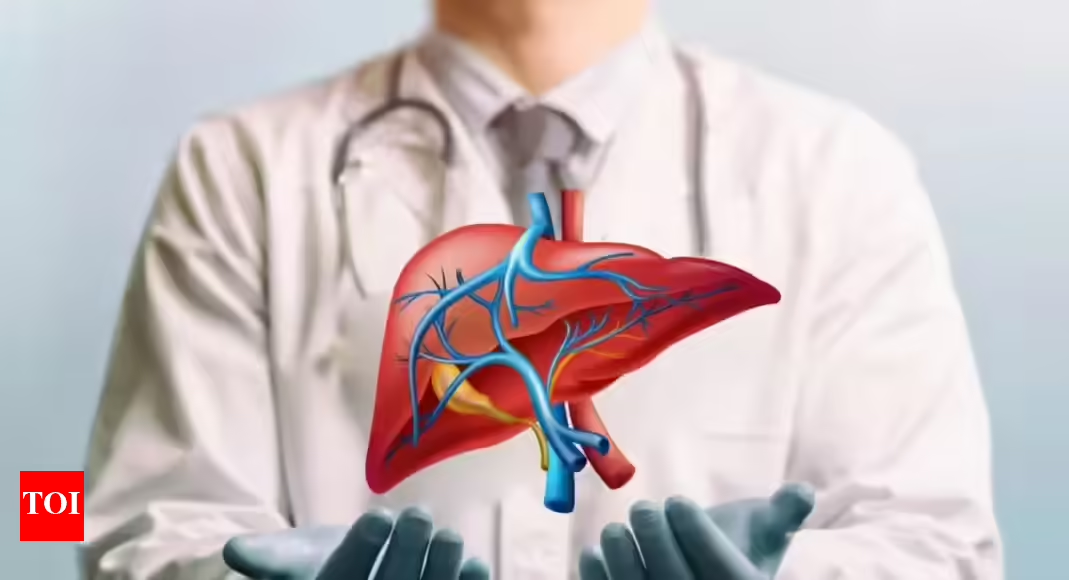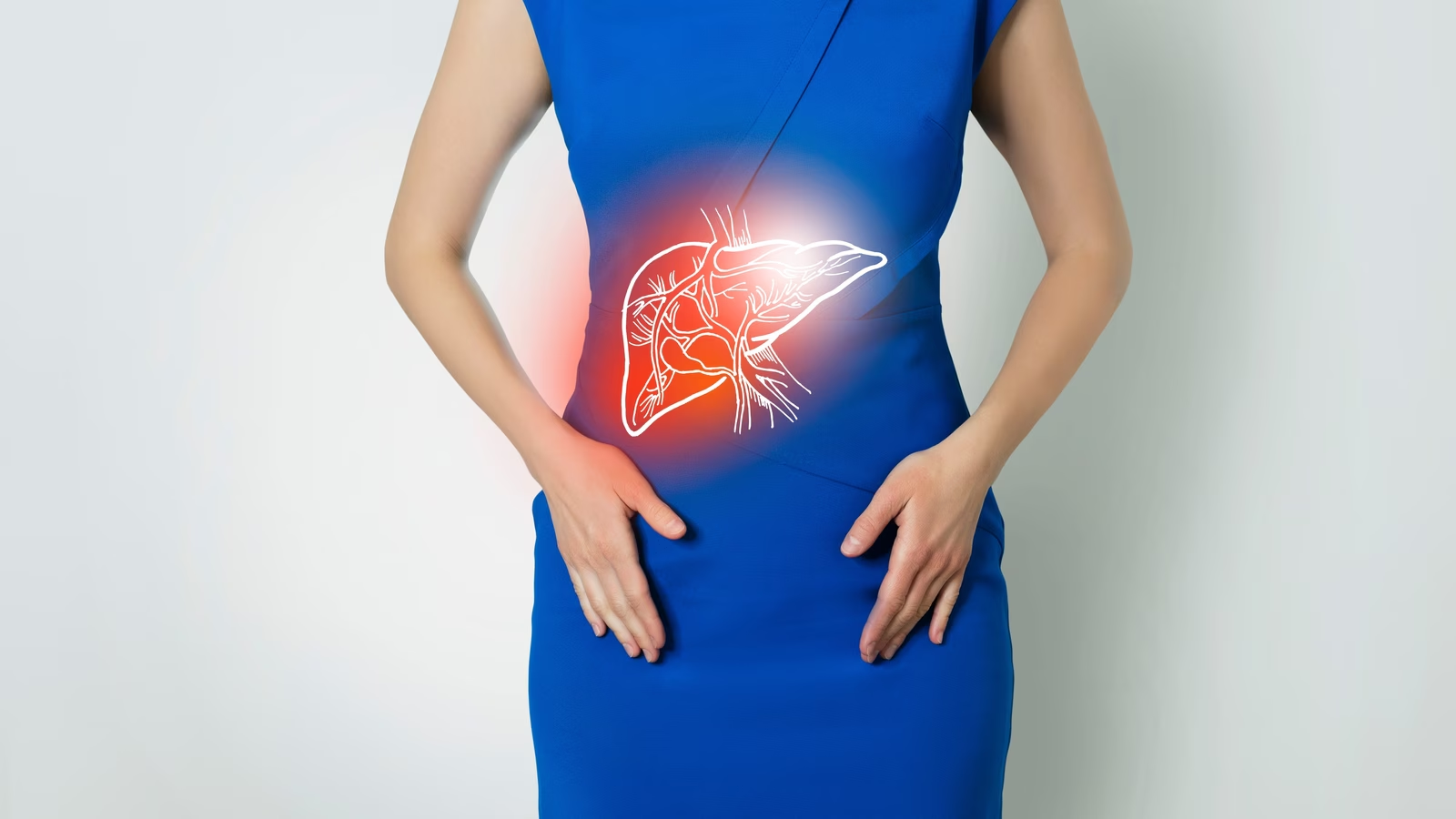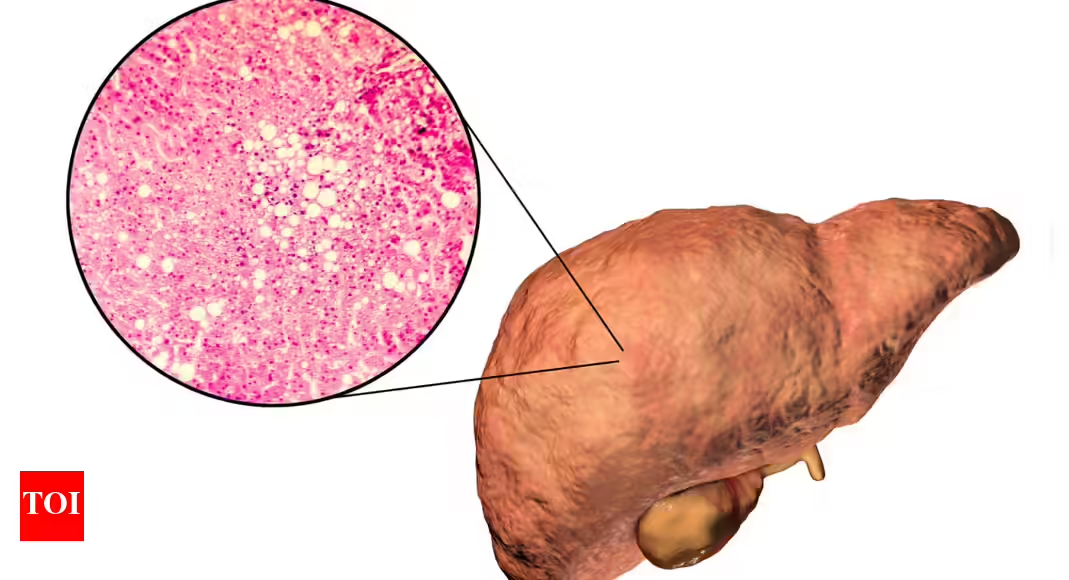
Non-Alcoholic Fatty Liver Disease (NAFLD) is linked to nutritional imbalances, particularly deficiencies in copper and vitamin A, and excess intake of fruit sugar (fructose). Dr. DeBease suggests that supporting liver health involves eliminating fruit, reducing carbs, and increasing nutrient-dense foods like organ meats to aid iron processing and repair liver damage. The approach emphasizes internal nutritional support over simply reducing fat intake.
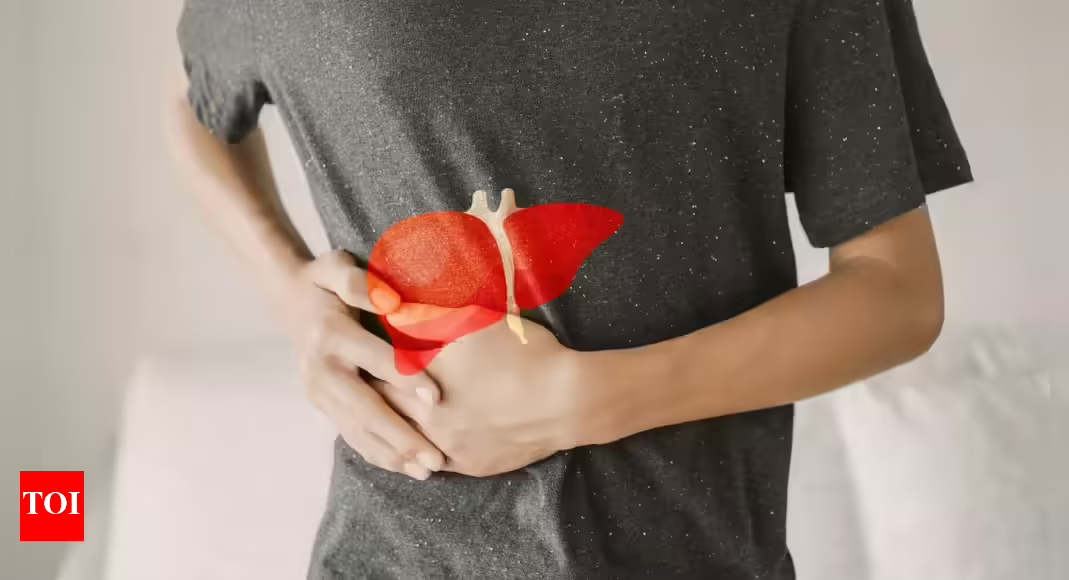
Gastroenterologist Dr. Pradip Vekariya highlights pedal edema, or swollen feet, as an early warning sign of fatty liver disease, emphasizing the importance of early detection to prevent disease progression and serious liver damage.
A study from the University of Birmingham found that patients with non-alcoholic fatty liver disease (NAFLD) are three times more likely to have personality disorders, highlighting a potential link between liver health and mental health that could impact disease management and treatment strategies.
Recent research shows that metabolic dysfunction-associated steatotic liver disease (MASLD), formerly known as NAFLD, not caused by alcohol, significantly increases the risk of heart failure, highlighting the importance of early detection and integrated treatment to prevent serious cardiovascular outcomes.
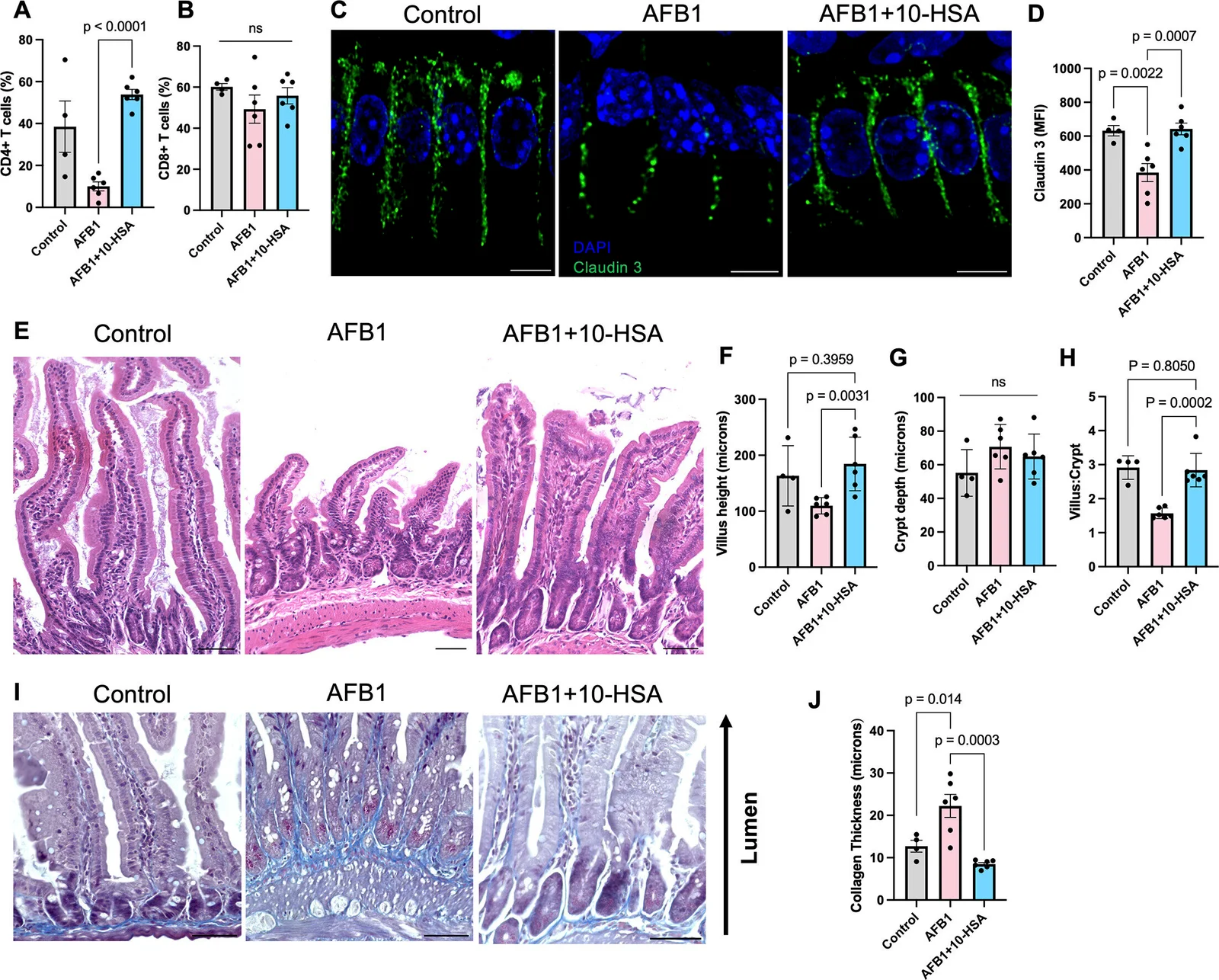
UC Davis researchers discovered that a natural molecule produced by gut bacteria, 10-HSA, can reverse liver damage and repair the gut lining in mice exposed to aflatoxin, offering a promising non-toxic treatment for liver and gut health issues like NAFLD, with potential for human clinical trials.
Nonalcoholic fatty liver disease (NAFLD) can cause visible skin changes such as jaundice, bruising, itching, and skin pigmentation alterations, which are important for early diagnosis and treatment of liver issues.
To reverse fatty liver disease, experts recommend reducing sugar intake, practicing intermittent fasting, increasing physical activity, consuming a diet rich in protein and fiber, avoiding refined carbs, and aiming for gradual weight loss, emphasizing early intervention for better liver health.
Consuming nuts such as walnuts, almonds, pistachios, pecans, and Brazil nuts can support liver health and reduce the risk of fatty liver disease due to their beneficial fats, antioxidants, and nutrients. Regular intake, tailored timing, and moderation are recommended for optimal benefits.
Non-alcoholic fatty liver disease (NAFLD) can be reversed through lifestyle changes such as adopting a Mediterranean diet, engaging in regular physical activity, losing excess weight gradually, reducing sugar and refined carbohydrate intake, and drinking coffee, which collectively improve liver health and reduce disease risk.
Dr. Saurabh Sethi, a liver expert trained at AIIMS, Harvard, and Stanford, shares nine crucial truths about liver health, emphasizing its ability to regenerate but warning against chronic damage, the benefits of coffee, risks of fatty liver disease, the importance of sleep, circadian rhythm, avoiding toxins, cautious use of supplements, and staying hydrated to maintain liver health.
Fatty liver disease, especially NAFLD, can manifest on your face through signs like puffiness, skin discoloration, acne, and itching, serving as early warning signals of underlying liver issues. Recognizing these signs can prompt timely medical evaluation and lifestyle changes to improve liver health.
The article discusses five herbs—garlic, ginger, turmeric, licorice, and green tea—that support liver health through their antioxidant and anti-inflammatory properties, helping to reduce liver inflammation, eliminate toxins, and improve liver enzyme levels, especially in conditions like NAFLD.
India faces a rising epidemic of liver disease, driven by lifestyle changes such as poor diet, sedentary habits, and metabolic disorders, with many cases being reversible through healthy lifestyle modifications and early detection.
A recent study reveals that nearly a third of adults in the US, UK, Germany, and France have non-alcoholic fatty liver disease (NAFLD), a silent and often undiagnosed condition that can lead to serious health issues like liver cirrhosis and cancer. Most people are unaware they have it due to lack of symptoms, but it can be reversed with weight loss and lifestyle changes. Experts warn it is one of the most deadly yet underdiagnosed diseases.
Modern work culture, characterized by stress, prolonged sitting, and poor dietary habits, is contributing to a rise in silent liver issues like non-alcoholic fatty liver disease (NAFLD), even among those with normal weight. Experts emphasize the importance of routine screening and adopting healthier habits to prevent advanced liver damage.