Orthorexia, an obsession with eating only 'healthy' foods, is on the rise and can lead to nutritional deficiencies, mental health issues, and social isolation. It is often driven by social media and diet culture, and is characterized by rigid food rules and moral judgments about food. Recognizing signs like food rigidity and social withdrawal is crucial, and treatment typically involves therapy and nutritional guidance. Awareness and professional help are key to managing this emerging disorder.

Orthorexia is an obsession with healthy eating that can lead to nutritional deficiencies, mental health issues, and social isolation. It is characterized by rigid food choices, avoidance of certain foods, and moral judgments about food, often influenced by social media and diet culture. Recognizing the signs and seeking professional help from therapists and dietitians is crucial for treatment and recovery.
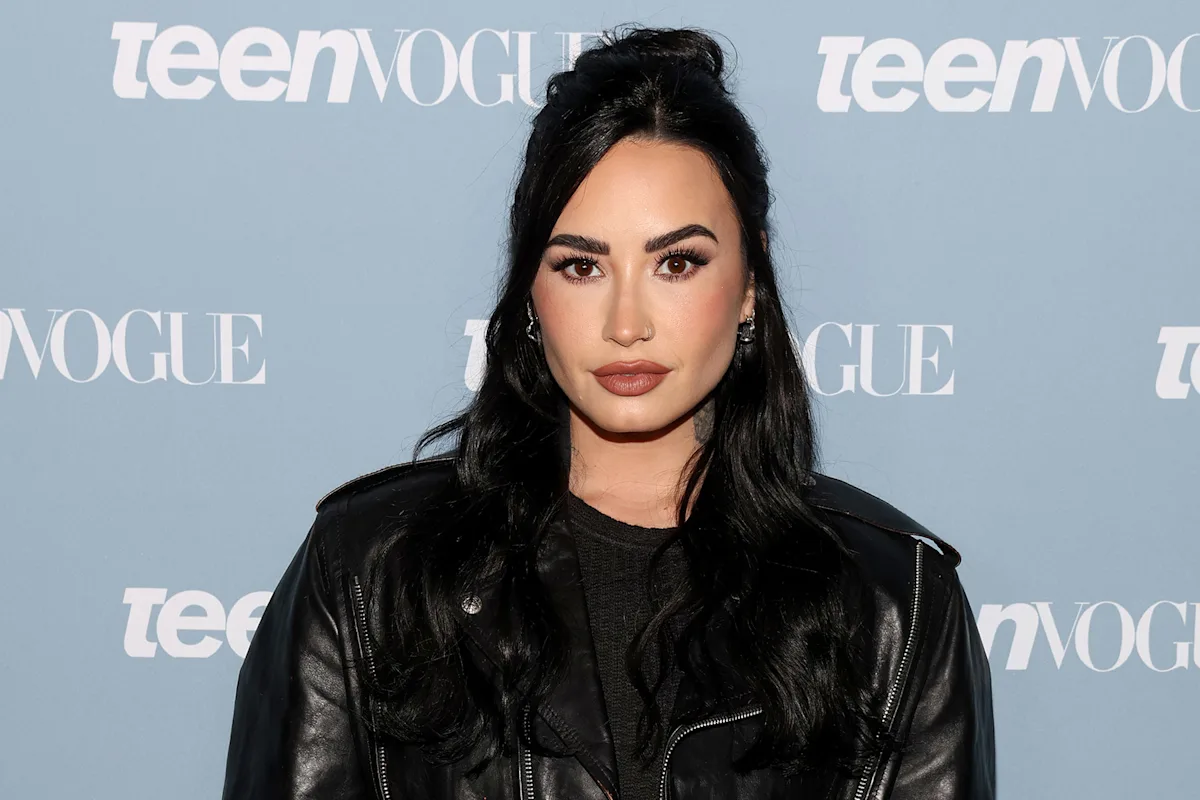
Demi Lovato discusses the importance of being open about her struggles with eating disorders and substance abuse, feeling a responsibility to serve as a role model and break stigma, despite the challenges of public scrutiny. She emphasizes her decision to be transparent to help others and shares her journey of recovery and growth, with a new album upcoming.
Victoria Beckham opens up about her long-standing struggles with body image and an eating disorder in her new Netflix docuseries, revealing how public scrutiny and media pressure led her to unhealthy weight control methods and ongoing self-esteem issues.
Victoria Beckham revealed in a Netflix documentary that she struggled with an eating disorder during her Spice Girls years, which affected her self-image and health, and she emphasized the importance of honesty and control in her recovery.
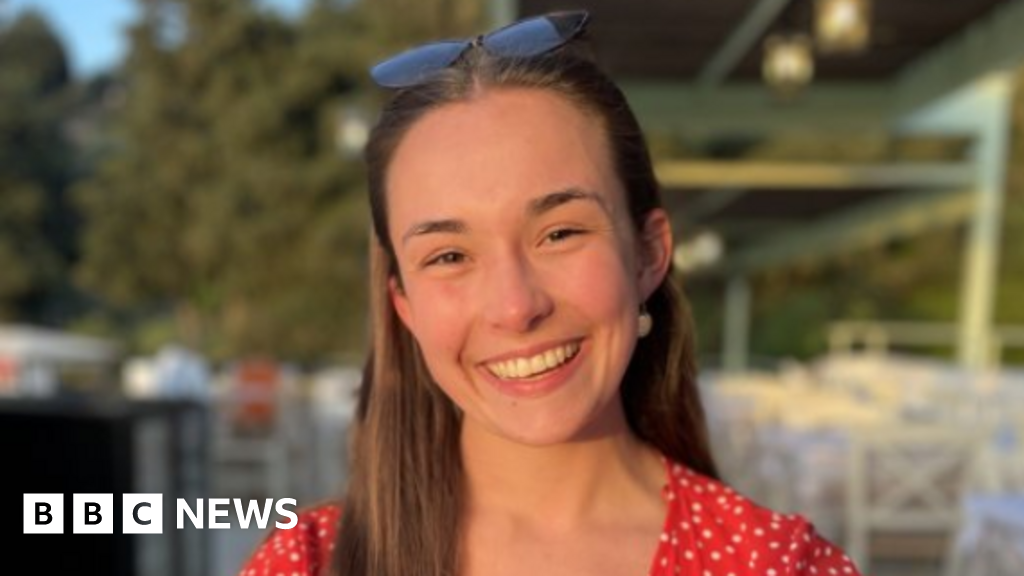
A woman who struggled with anorexia and lived hour by hour has welcomed the expansion of a specialist eating disorder service from North East Lincolnshire into North Lincolnshire, which has helped her recover and achieve her goals. The service aims to support those at risk or living with eating disorders, with increased demand noted since the COVID-19 pandemic.
Noah Schmitz, a high school senior with aspirations to become a chef, was diagnosed with orthorexia nervosa, an eating disorder characterized by an obsession with healthy eating, after losing significant weight and experiencing health issues. His family and medical team are working to help him recover and rebuild a healthy relationship with food, highlighting the importance of awareness and treatment for such disorders.
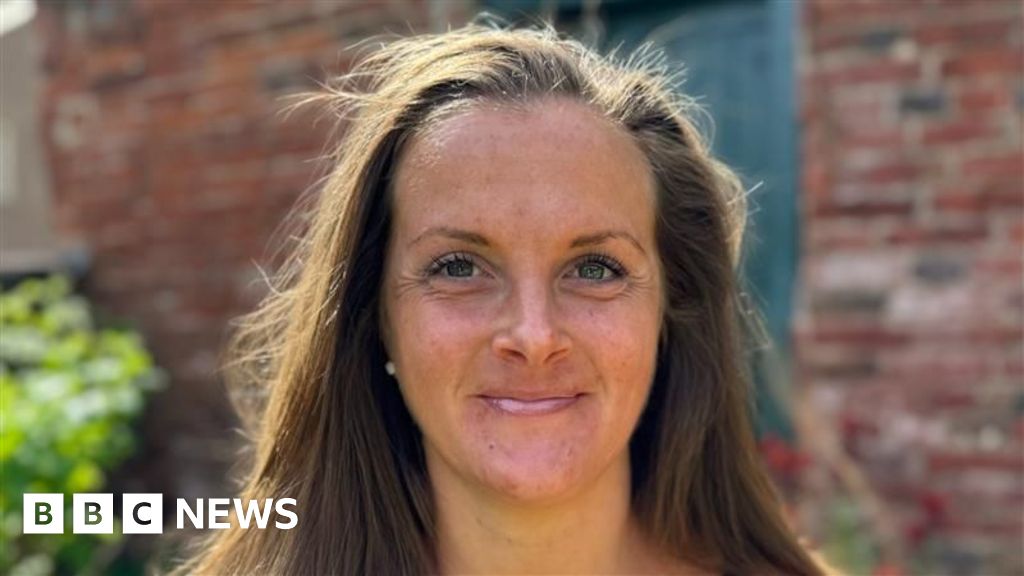
Charlotte Chapman-Hart, a woman with a rare neurological condition, was misdiagnosed with an eating disorder after rapid weight loss caused by medication side effects, leading to traumatic hospital experiences and PTSD. Her story highlights the importance of accurate diagnosis and attentive healthcare for rare diseases.
Jade Thirwall, singer and former anorexia patient, discusses her ongoing struggle to resist using Ozempic for weight loss, citing her past eating disorder and the challenges of online judgment, emphasizing her commitment to health without relying on the drug.
Mallary Tenore Tarpley, who struggled with anorexia from a young age, shares her journey of living in a 'middle place' of recovery, embracing imperfection, and redefining what recovery means for her, while also discussing the influence of diet culture and social media on body image and eating disorders.
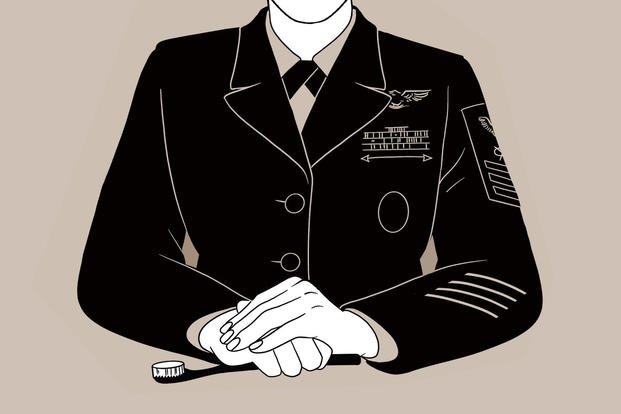
Leah Stiles, a Navy veteran, hid her eating disorder for years, which ultimately led to her being discharged from the Navy in 2017. Her story highlights the challenges service members face in dealing with mental health issues like eating disorders, often hidden due to stigma and strict fitness standards. The article discusses the military's evolving policies on health and the importance of support and open conversations for those struggling.
Alyson Stoner reveals in her memoir that she underwent intense weight loss training at a medical camp and endured a harsh audition process for 'The Hunger Games,' which ultimately did not land her the role, highlighting the pressures and unhealthy practices in Hollywood.
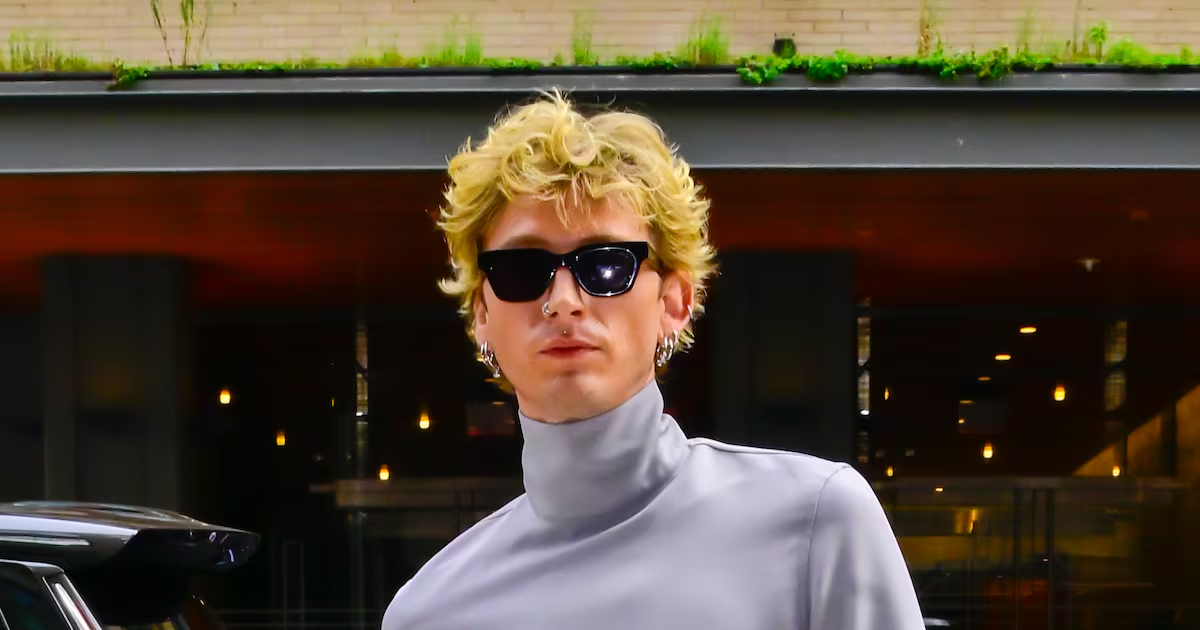
Machine Gun Kelly revealed he eats only a few times a week, mainly surviving on coffee, cigarettes, and probiotic-rich foods, which has alarmed fans who fear he may have an eating disorder or be malnourished.
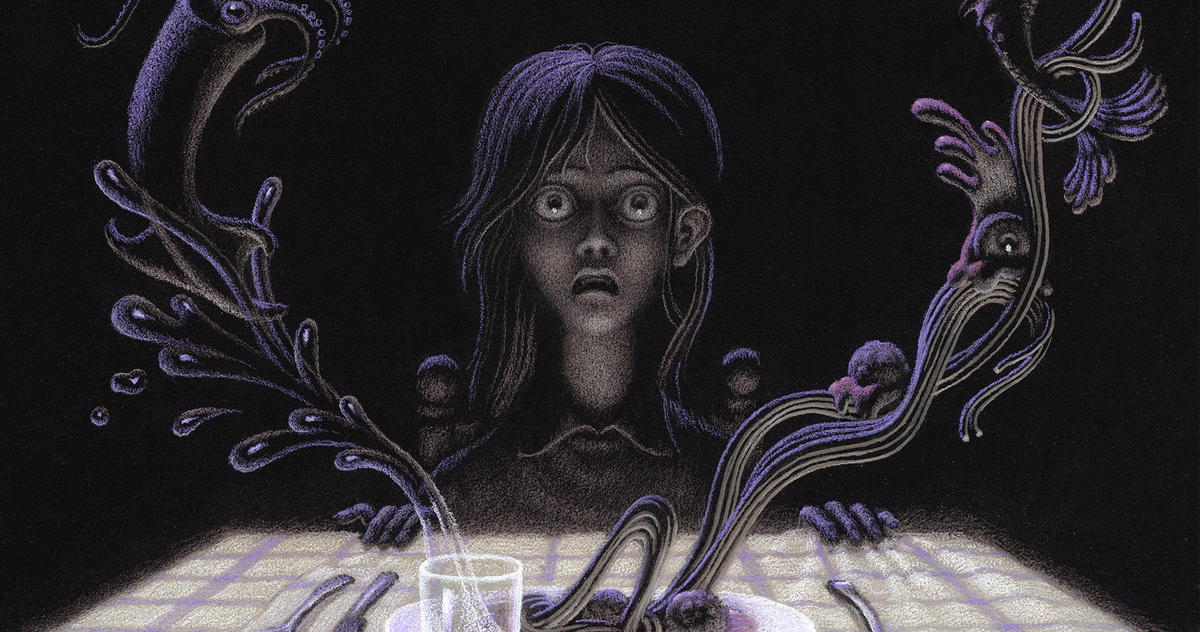
The article discusses the rise of ARFID, a childhood eating disorder characterized by severe food avoidance often linked to anxiety or traumatic experiences, highlighting cases like Amelia's and exploring its diagnosis, treatment, and the impact on families.
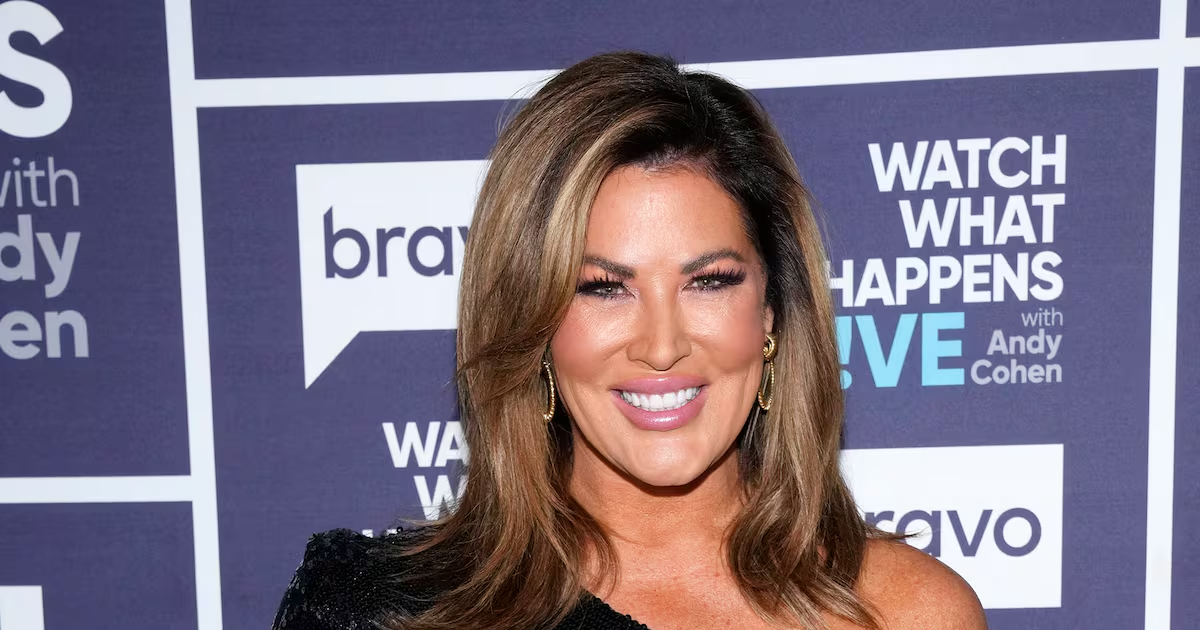
Emily Simpson from The Real Housewives of Orange County revealed her 10-year-old son Luke's diagnosis with ARFID, a condition causing food avoidance due to texture or fear of choking, highlighting the challenges of recognizing and managing eating disorders in children, especially boys.