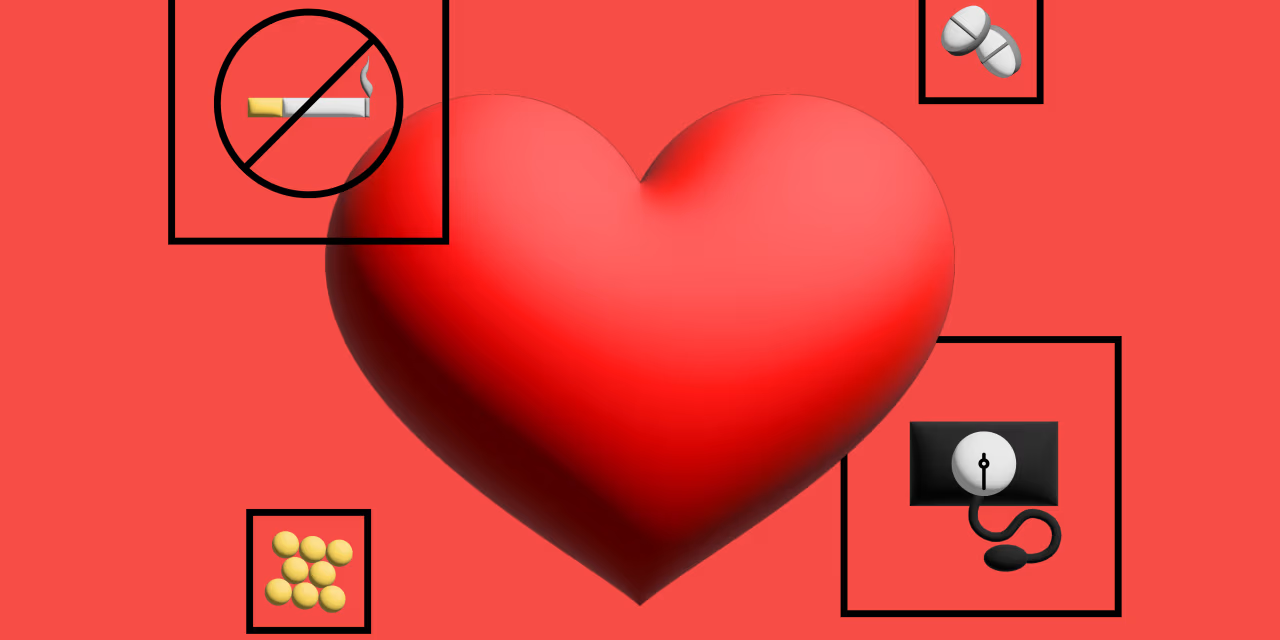
A large study involving over 9 million adults from South Korea and the US found that 99% of heart attacks and strokes are linked to four modifiable risk factors: high blood pressure, high cholesterol, high blood sugar, and tobacco use, emphasizing the importance of managing these risks to prevent serious cardiovascular events.
Dr. Wolfson argues that high blood pressure is a warning sign rather than the root problem, and that medications often fail because they do not address underlying causes like stress, inflammation, or toxins, thus not reducing the risk of heart attacks or strokes.
Global cancer cases and deaths have surged over the past three decades, driven mainly by population growth and aging, with low- and middle-income countries facing the fastest increases. Despite advances in treatment, disparities persist, and behavioral risk factors like tobacco use significantly contribute to cancer mortality. The study emphasizes the urgent need for equitable cancer prevention and control efforts worldwide to reduce future burdens, especially in resource-limited settings.
A new genetic study suggests that many individuals who die by suicide do not have depression or prior suicidal behaviors, indicating different underlying risk factors and challenging traditional screening methods. The research highlights the need for broader approaches to identify at-risk individuals beyond conventional psychiatric diagnoses.
A new study indicates that even consuming as little as one standard alcoholic drink daily can increase mouth cancer risk by 50%, with the risk significantly higher when combined with chewing tobacco, especially in South Asia, suggesting no safe level of alcohol for this type of cancer.
Blocked arteries develop gradually due to factors like high cholesterol, high blood pressure, diabetes, smoking, obesity, poor diet, and lack of exercise, often without symptoms. Preventive measures include a healthy diet, regular exercise, quitting smoking, managing medical conditions, reducing stress, and regular check-ups to detect silent blockages early.
Atherosclerosis, a silent and progressive buildup of plaque in arteries, can lead to life-threatening conditions like heart attacks and strokes. Early detection through regular tests such as cholesterol panels, blood pressure monitoring, and imaging scans is crucial, especially for those with risk factors like high blood pressure, high cholesterol, smoking, diabetes, and family history.
Colorectal cancer rates are rising among people under 50, driven by environmental and lifestyle factors like poor diet and low fiber intake, not genetics. Experts recommend early screening starting at age 45, especially for those with family history, and emphasize lifestyle changes such as regular exercise, healthy diet, and avoiding smoking and excessive alcohol to reduce risk.
The American Heart Association's revamped risk calculator highlights smoking, diabetes, and high blood pressure as major risk factors for heart disease, with kidney disease also serving as a warning sign. While age and sex are uncontrollable risks, lifestyle changes like quitting smoking and managing blood pressure can significantly reduce one's risk. The calculator helps users understand their personal risk and emphasizes the importance of preventive measures to lower the incidence of cardiovascular disease.
Most people will be exposed to HPV at some point, but only certain high-risk types (like HPV 16 and 18) can increase the risk of cervical cancer, especially if the infection persists. Regular screening and vaccination are key preventive measures, and having HPV does not necessarily mean a higher risk of cervical cancer if managed properly.
Research shows that climate change-induced extreme heat and cold contribute to the rise in chronic kidney disease (CKD) globally, with dehydration from temperature extremes damaging kidneys. CKD affects over 788 million people worldwide, with key risk factors including high salt diets, high blood pressure, obesity, and non-optimal temperatures. Greater prevention, screening, and accessible treatments are needed to address this growing health issue.
During the holiday season, increased stress, heavier foods, alcohol consumption, and reduced exercise contribute to a spike in heart attacks, known as 'holiday heart syndrome,' with advice emphasizing moderation, stress management, and timely medical consultation to reduce risks.
A study published in The Lancet Psychiatry found that six specific depressive symptoms in midlife, particularly loss of confidence and difficulty coping, are linked to nearly a 50% increased risk of developing dementia later in life, highlighting the importance of targeted mental health interventions for brain health.
C-reactive protein has become a more important marker than LDL cholesterol for predicting heart disease risk, as it signals inflammation involved in artery plaque buildup. Lifestyle factors like diet, exercise, and weight management can influence CRP levels, and a comprehensive risk assessment now includes multiple biomarkers for better prevention strategies.
Dr. Thomas Hemingway emphasizes that while common beliefs attribute cancer to genes, luck, or sun exposure, actual risk factors include environmental chemicals, dietary fats, hormonal imbalances, heavy metals, nutrient deficiencies, stress, artificial light exposure, lack of sunlight, emotional trauma, and poor sleep, highlighting the importance of lifestyle choices in cancer prevention.