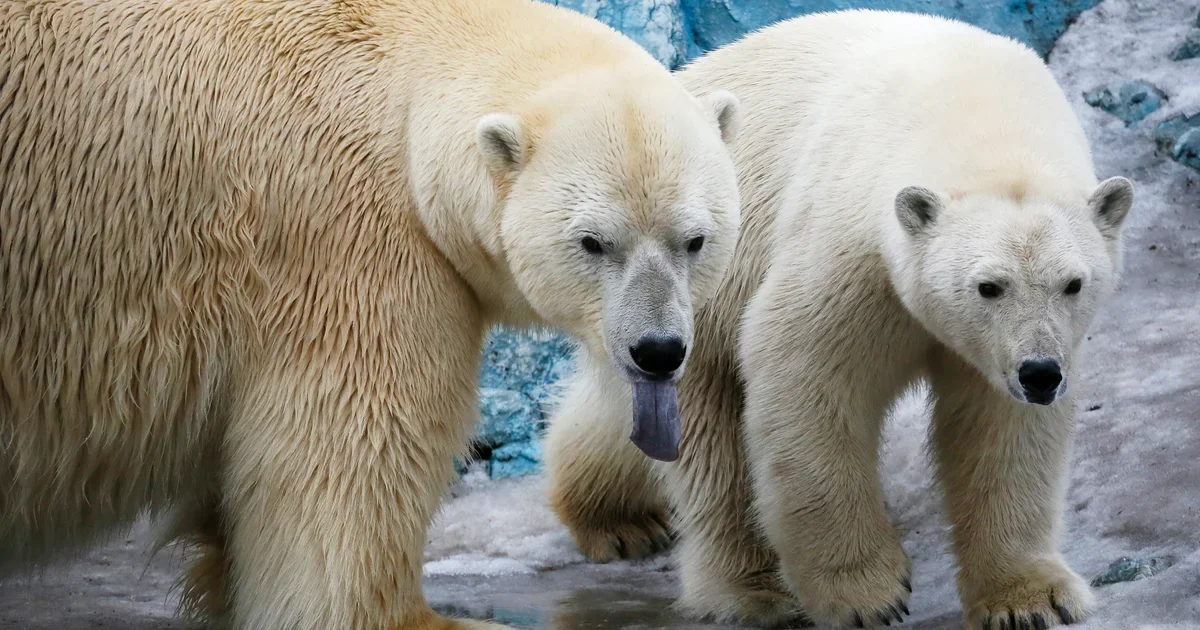
A rare polar bear attack in Siberia injured three family members near Nosok, highlighting the increasing encounters between humans and polar bears due to shrinking sea ice caused by global warming.
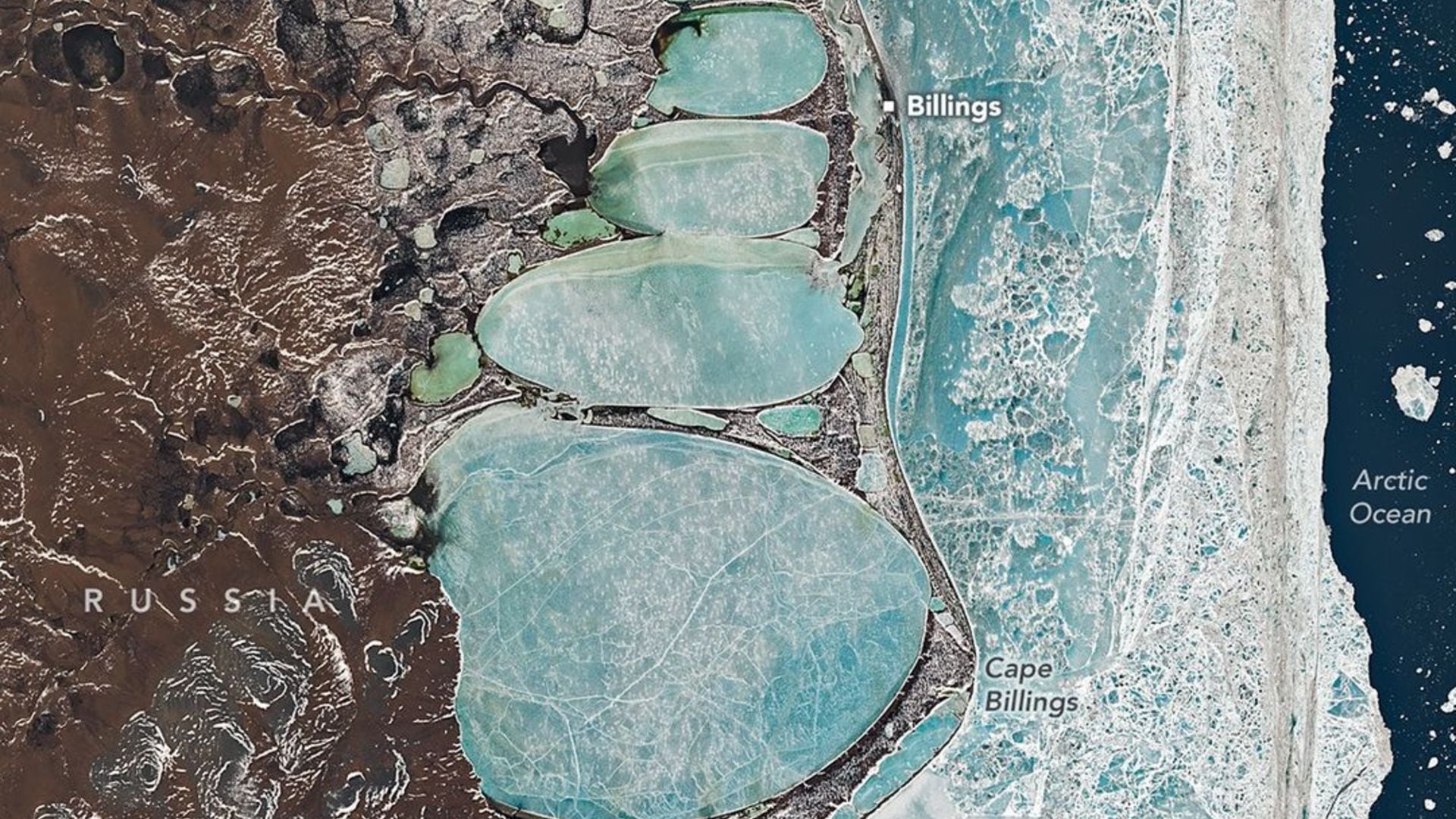
NASA's Landsat 8 satellite captured an image of a snowman-shaped formation of lagoons and ice along Russia's Chukchi Peninsula, highlighting the region's coastal Arctic dynamics and the importance of satellite imagery in monitoring environmental changes.
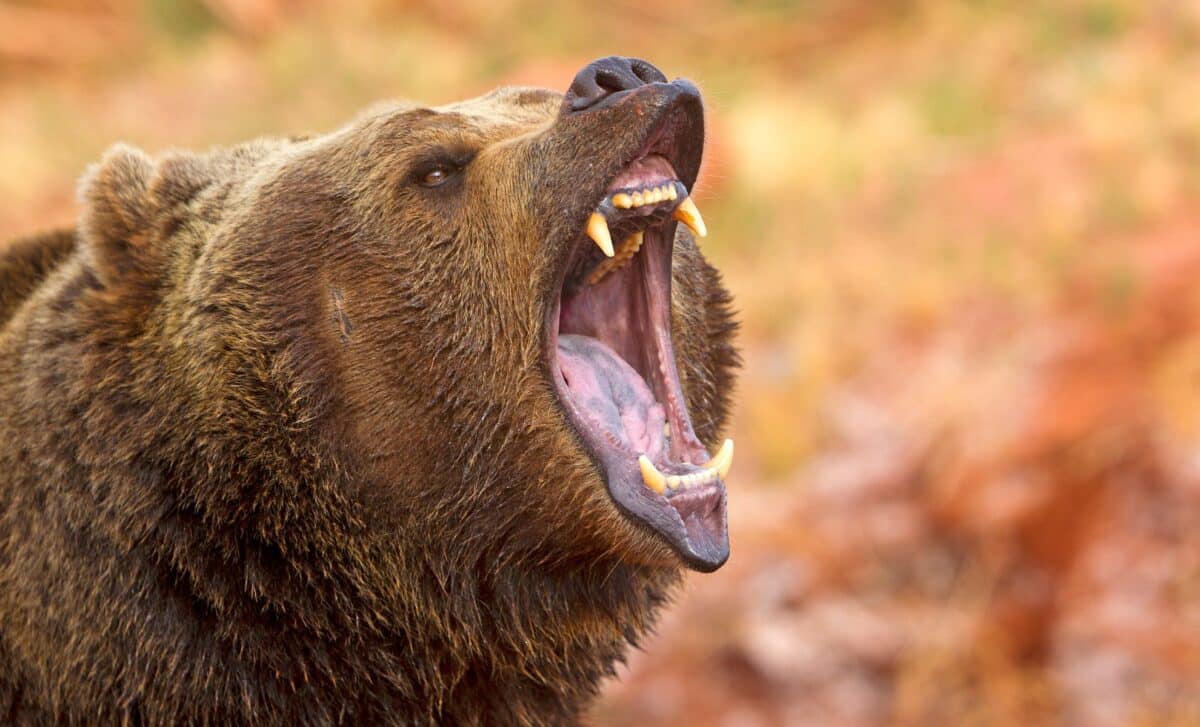
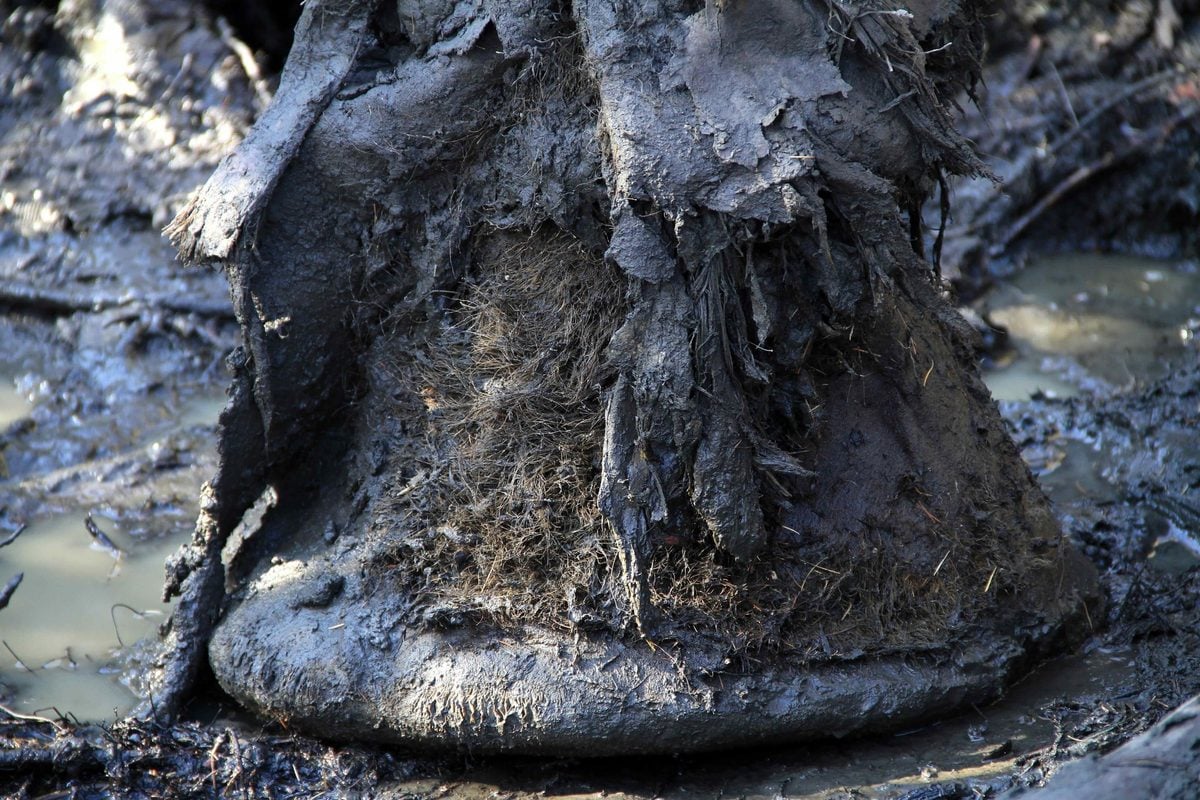
Scientists discovered a perfectly preserved 3,460-year-old brown bear in Siberia's permafrost, providing unique insights into ancient wildlife, including soft tissues and diet, challenging initial assumptions that it was an Ice Age cave bear.
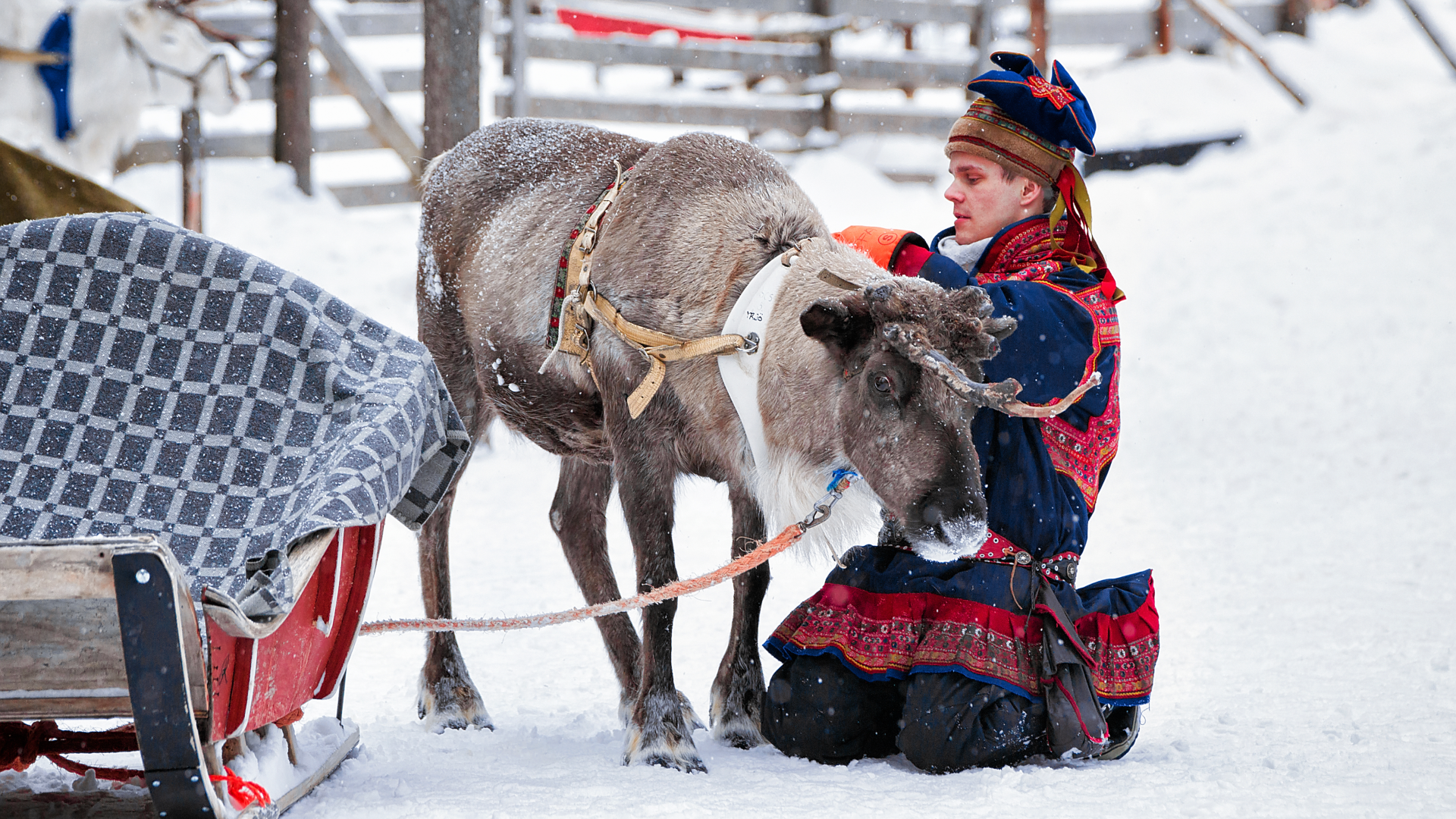
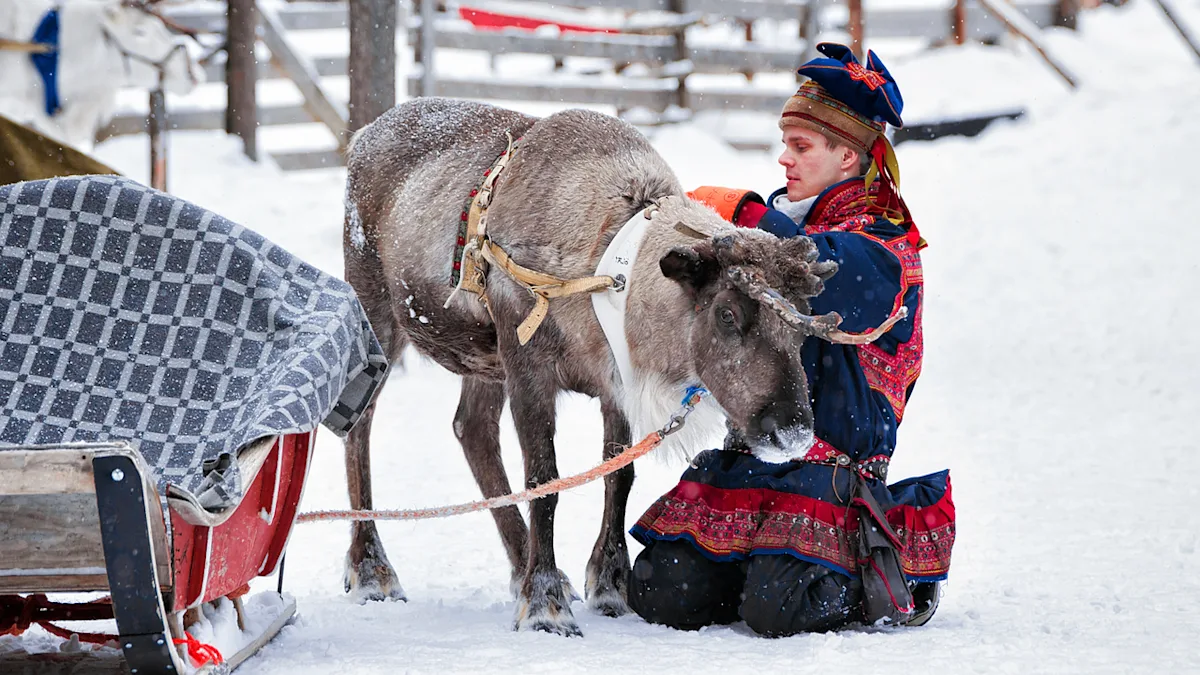
NASA captured an image of a series of lagoons in Siberia that naturally resemble a snowman, formed by geological processes and wind alignment, highlighting the region's unique winter landscape and historical significance of reindeer in Arctic exploration.
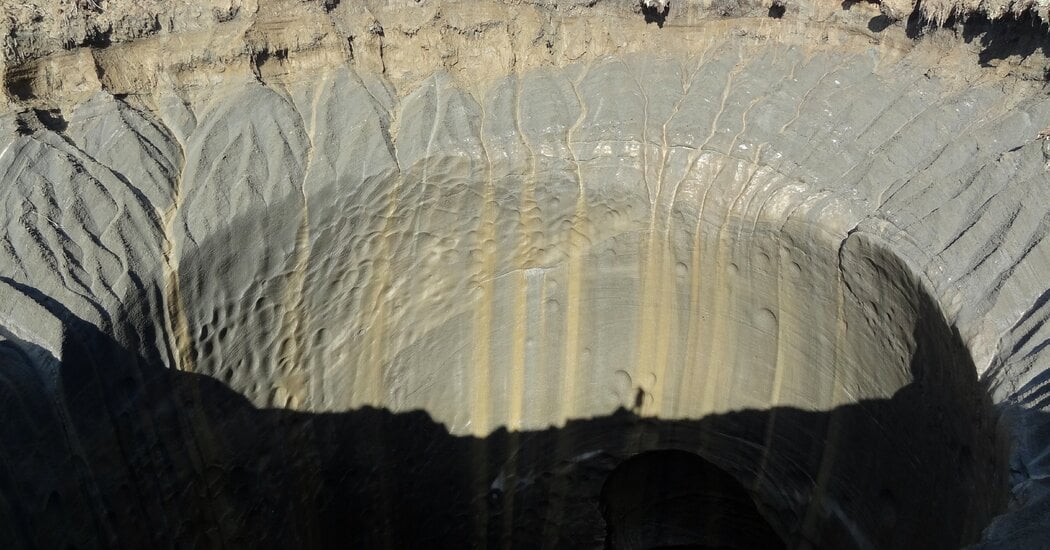
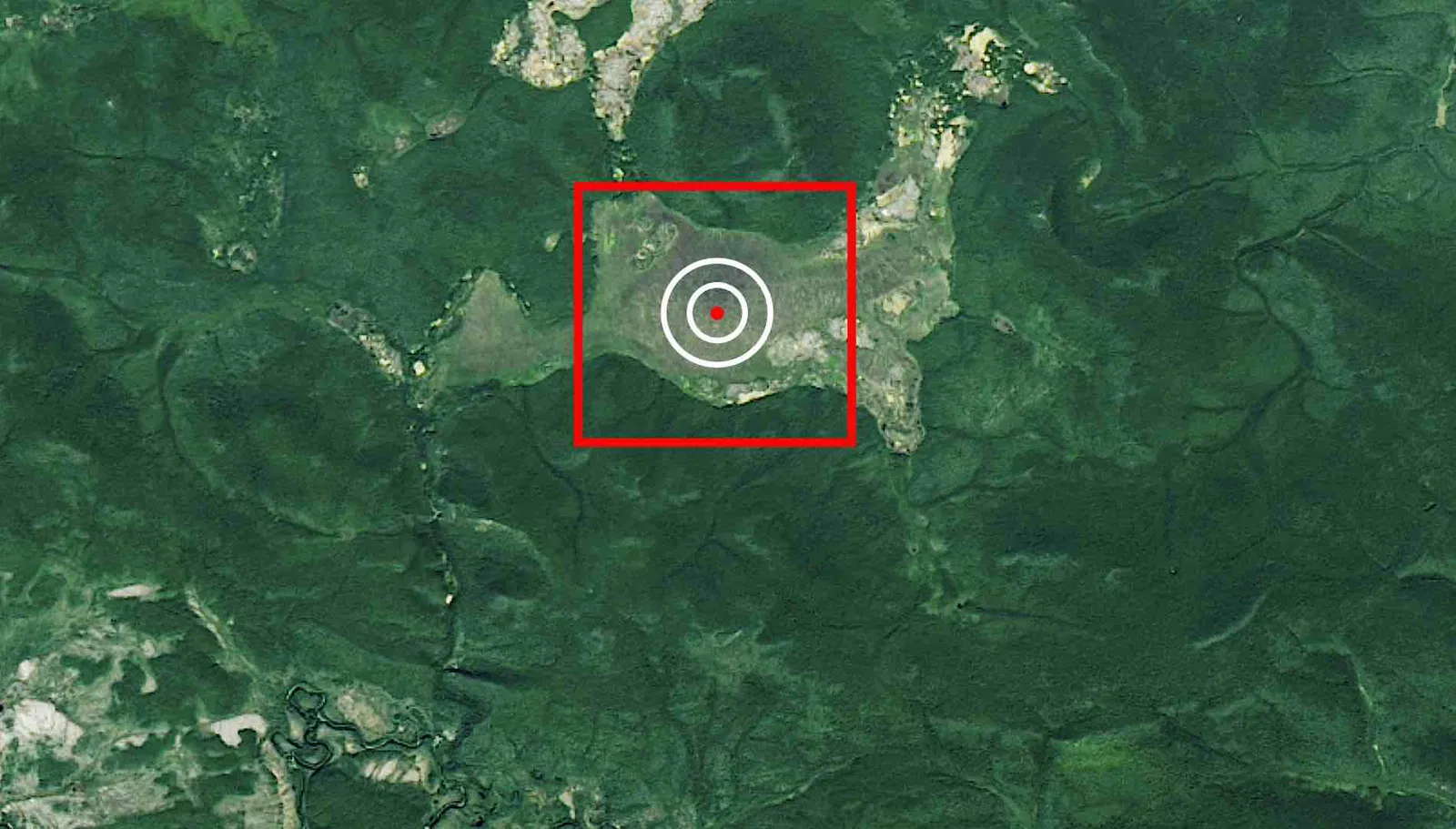
New research explains Siberia's mysterious craters as caused by heat and gas rising from deep underground faults, triggered by climate change-induced thawing of permafrost, which leads to explosive methane releases and potentially more crater formations and lakes in the region.
New research explains the increasing gas craters in Siberia as a result of climate change-induced permafrost thawing, which releases methane pockets that can cause spontaneous explosions, raising concerns about future frequency as global temperatures rise.
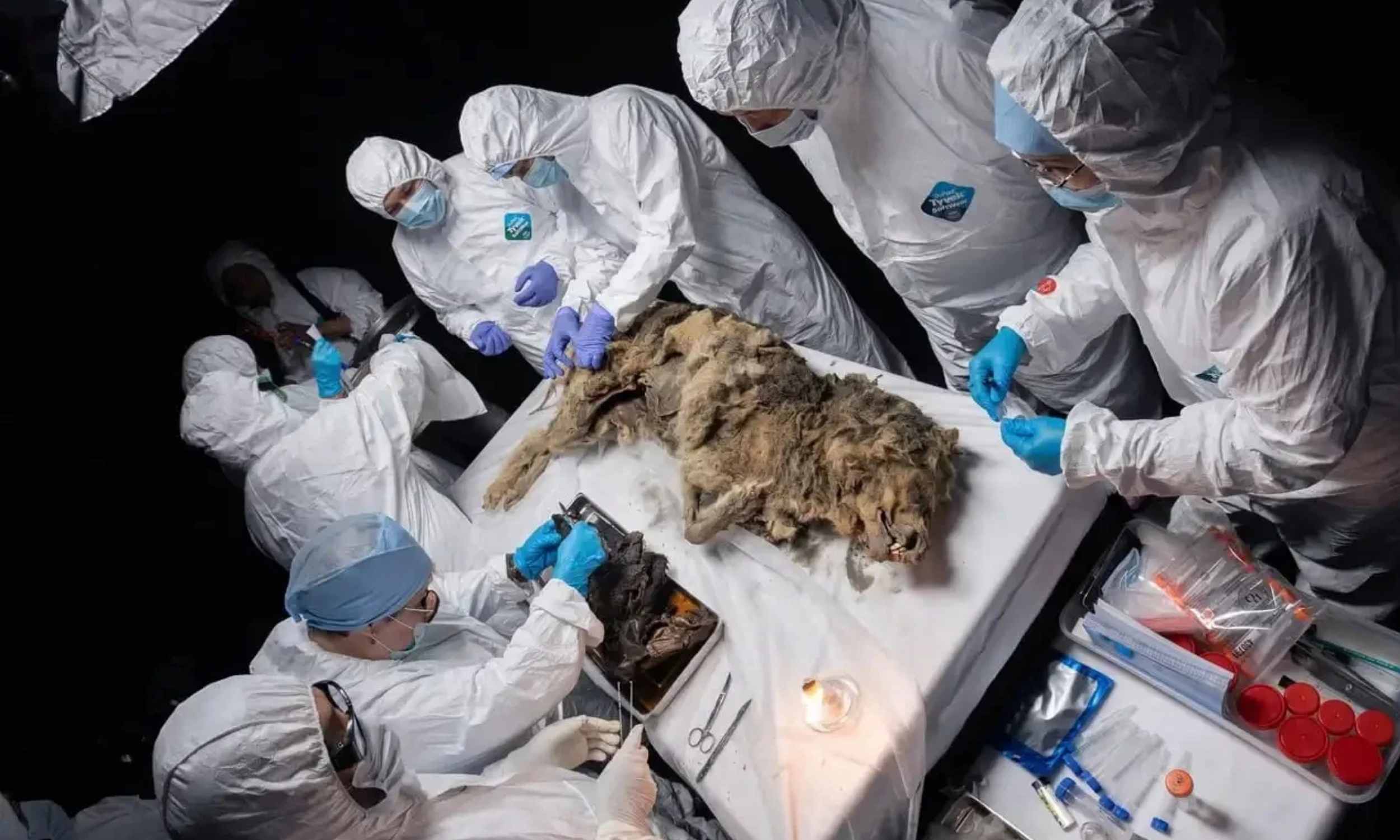
A nearly intact 44,000-year-old wolf was discovered in Siberia's permafrost, providing a rare opportunity to study Ice Age predators through necropsy, DNA analysis, and microbiome research, which could reshape our understanding of ancient ecosystems and pathogen persistence.
Scientists analyzed microbial DNA from over 480 mammoth remains spanning more than a million years, discovering host-associated bacteria like Erysipelothrix, which may have influenced mammoth evolution. The study highlights the potential of ancient microbiome research to deepen understanding of extinct animals' health and evolutionary history.
Russia announced that China has agreed to a new, extensive gas pipeline project across Siberia, signaling strengthened energy ties between the two countries.
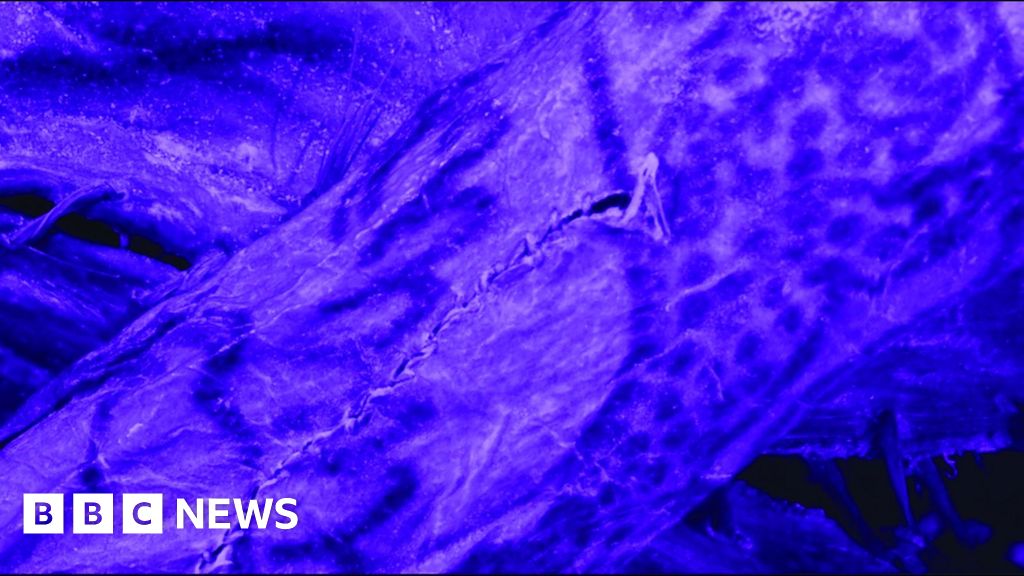
High-resolution scans of a 2,500-year-old Siberian ice mummy reveal intricate tattoos of animals and mythical creatures, shedding light on the sophisticated tattooing practices and cultural significance of the Pazyryk nomadic people.
A study of ancient genomes reveals that the ancestors of Estonians, Finns, and Hungarians have Siberian roots dating back 4,500 years, likely spreading westward from the Altai Mountains region, with genetic evidence suggesting patrilineal organization, though the link to language spread remains complex and not definitively proven.
A study of ancient genomes reveals that modern Estonians, Finns, and Hungarians have substantial Siberian ancestry dating back 4,500 years, likely originating from a patrilineal group in the Altai Mountains that spread westward, although the direct link between genetics and language remains complex and unproven.
NASA satellite images reveal the current state of the 1908 Tunguska blast site in Siberia, which was caused by an asteroid or comet airburst, and highlight ongoing efforts to monitor and mitigate asteroid threats through international cooperation and technological advancements.
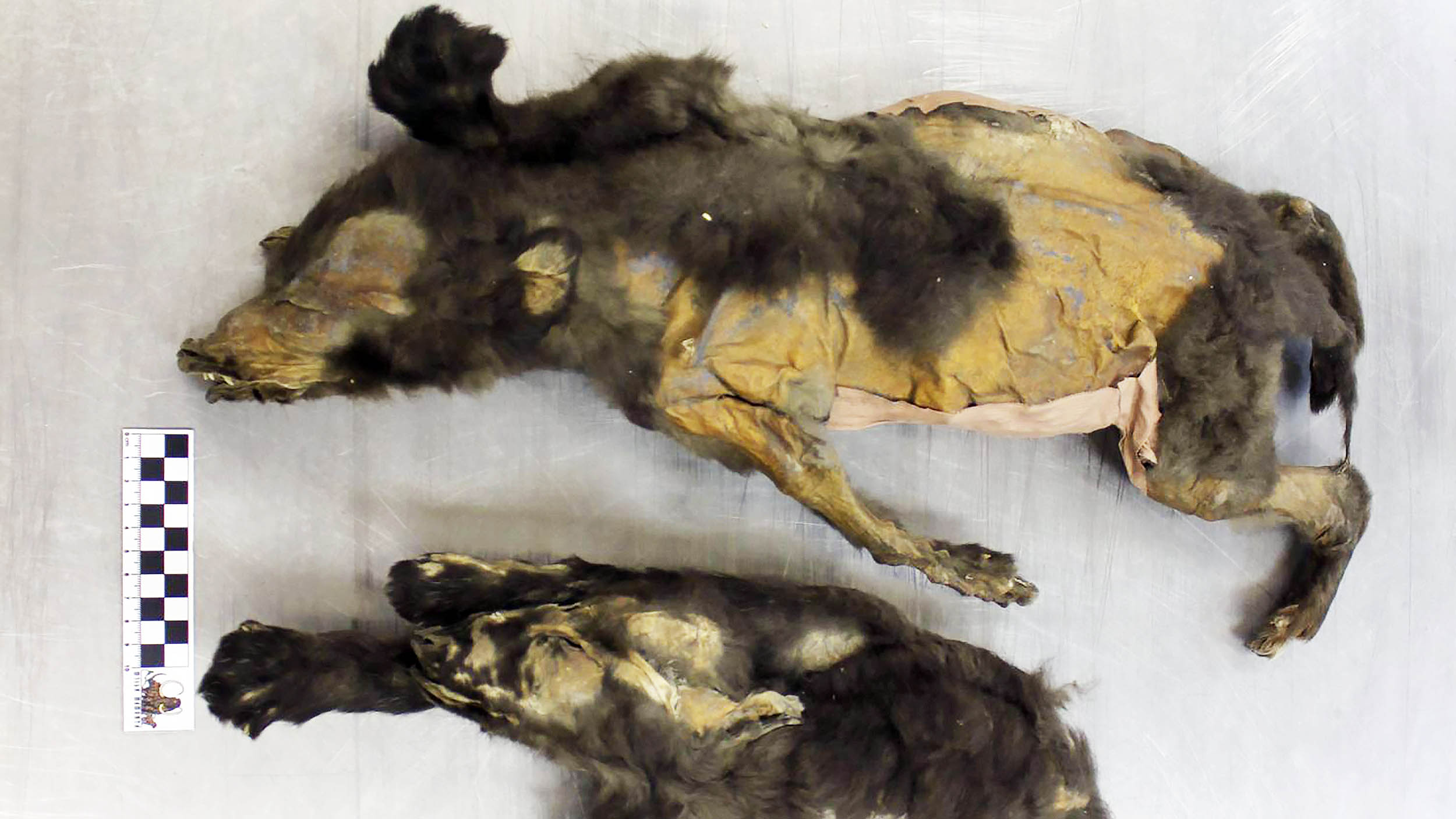
New research confirms that two well-preserved 14,000-year-old cubs found in Siberia are wolf cubs, not early domesticated dogs, providing insights into ancient wolf behavior, diet, and environment, and deepening the mystery of dog domestication.
Two 14,000-year-old mummified canines found in Siberia, initially thought to be early domesticated dogs, were genetically confirmed to be wolf sisters that died young, providing insights into ancient wolf populations and their environment, with their last meals including woolly rhino meat.