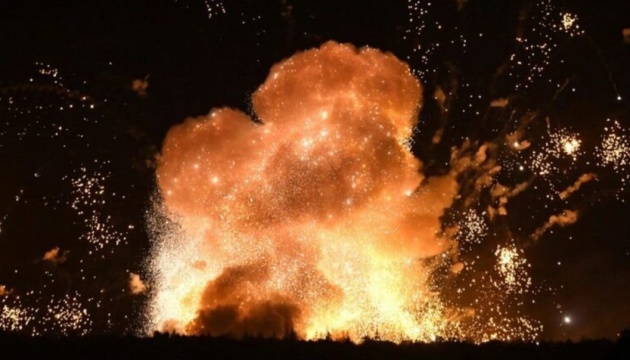
Russian forces attempted to use a gas pipeline as a covert route for an assault in Ukraine's Kupiansk sector, but the operation was detected and thwarted by Ukrainian troops, resulting in at least 40 Russian soldiers killed and no strategic gains. Despite setbacks, Russian infiltration efforts continue, with Ukraine maintaining control of the area.
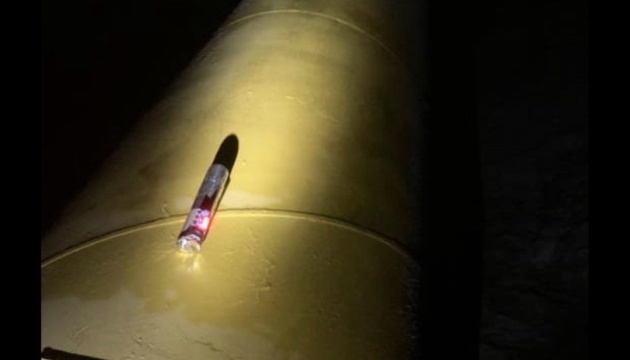
The main gas pipeline Central Asia – Center in Russia's Volgograd region was reportedly sabotaged due to a suspected explosion caused by ground subsidence, disrupting a key route that transports gas from Central Asia to Russia. The incident, linked to geological processes near strategic infrastructure, has led to an indefinite suspension of gas transit, amid broader tensions related to Russia's energy and military activities.
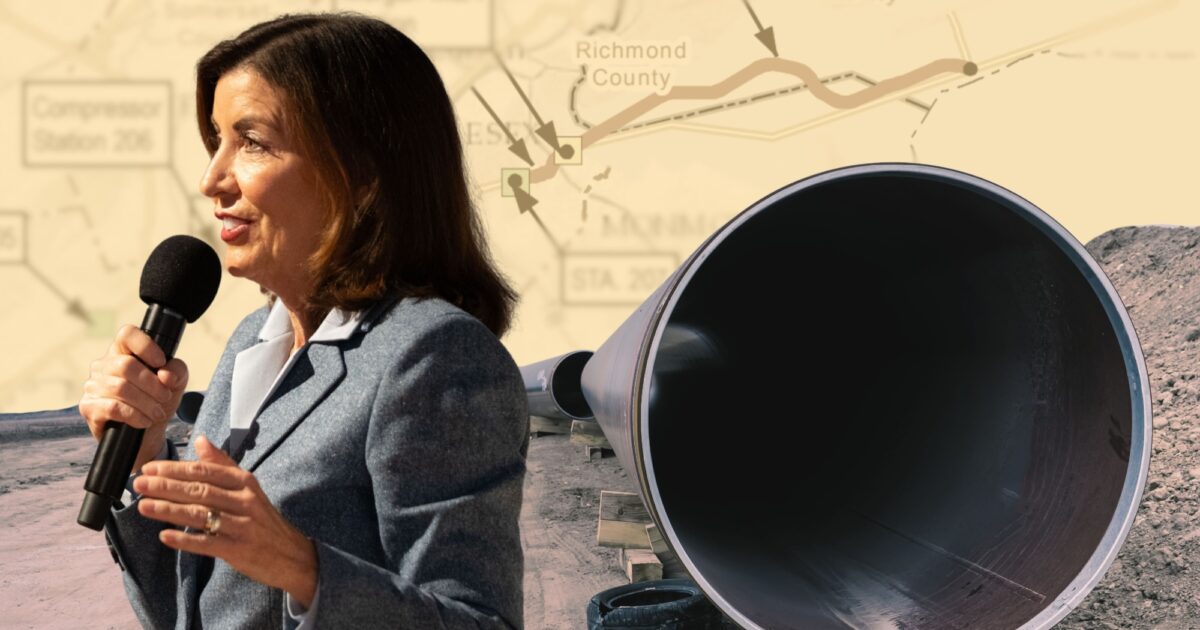
New York has approved the Northeast Supply Enhancement (NESE) pipeline, the state's first new gas pipeline in over a decade, despite previous environmental rejections, marking a significant expansion of fossil fuel infrastructure amidst ongoing climate law challenges.
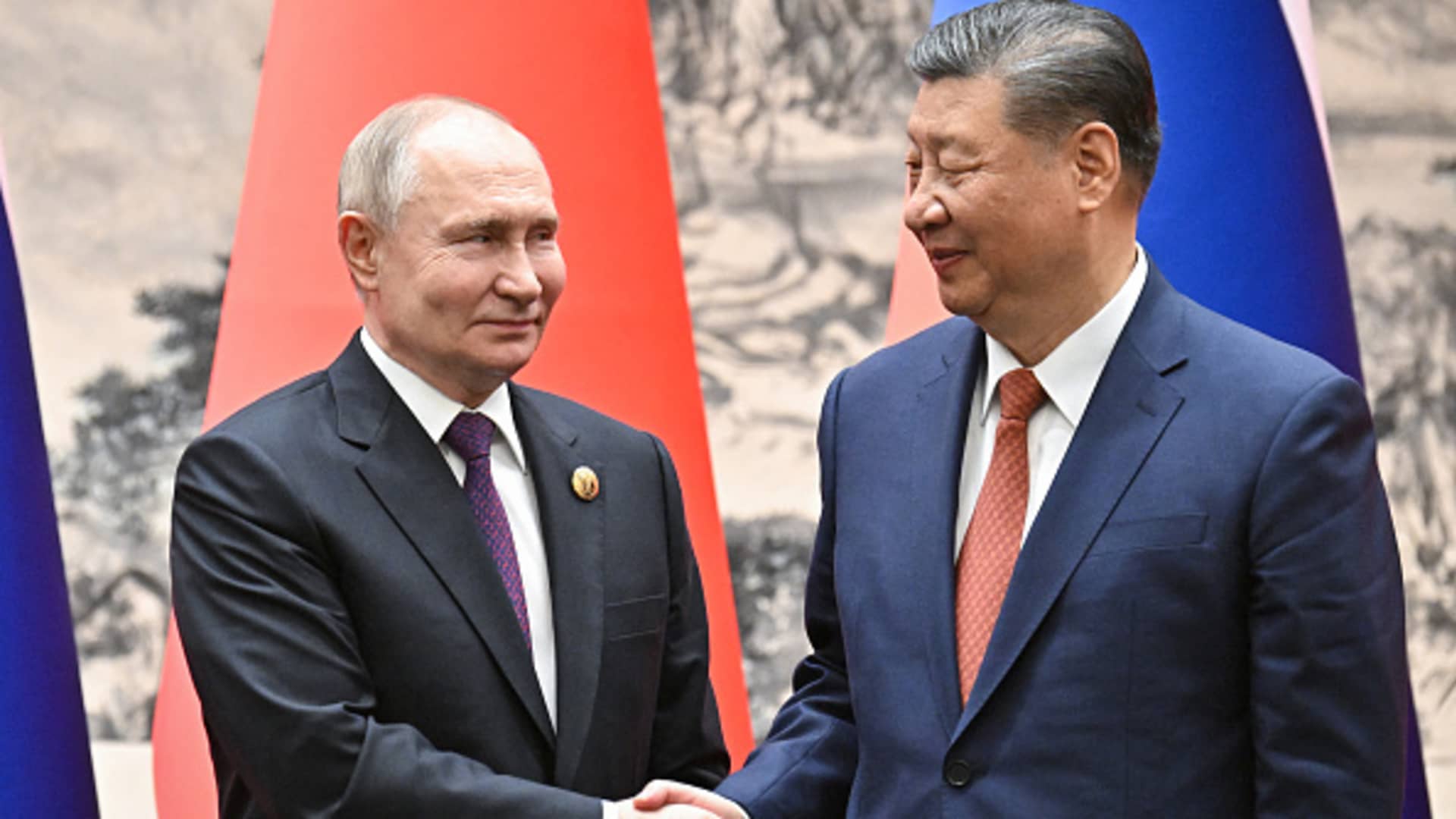
Russia and China signed a binding agreement to build the Power of Siberia 2 gas pipeline, which will supply 50 billion cubic meters of gas annually to China for 30 years, signaling a strategic shift amid Western sanctions and Europe's reduced dependence on Russian energy.
Russia announced that China has agreed to a new, extensive gas pipeline project across Siberia, signaling strengthened energy ties between the two countries.
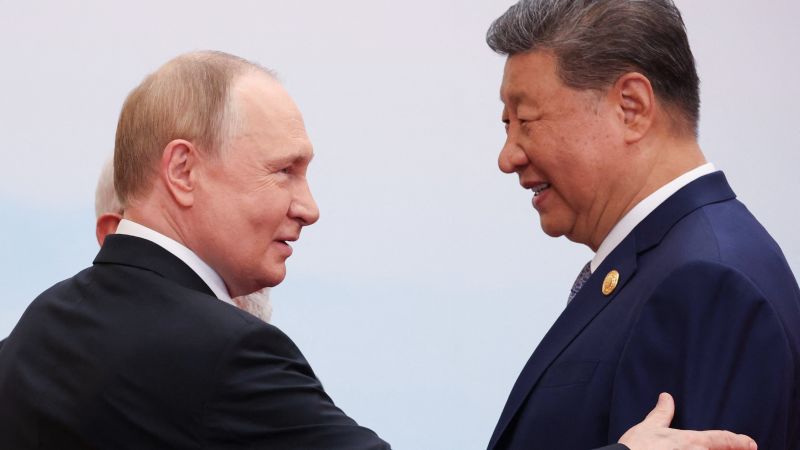
Russian President Vladimir Putin praised the high level of relations with China amid the signing of a new gas pipeline deal, Power of Siberia-2, which aims to supply 50 billion cubic meters of gas annually to China, marking a strategic move to strengthen ties and counter Western pressure, with both leaders emphasizing deepened cooperation and shared interests.
Russian President Vladimir Putin is meeting with Indian Prime Minister Narendra Modi and Chinese President Xi Jinping to discuss energy cooperation, including maintaining Russian oil exports to India and advancing the Power of Siberia 2 gas pipeline with China, amidst geopolitical pressures and shifting global energy markets.
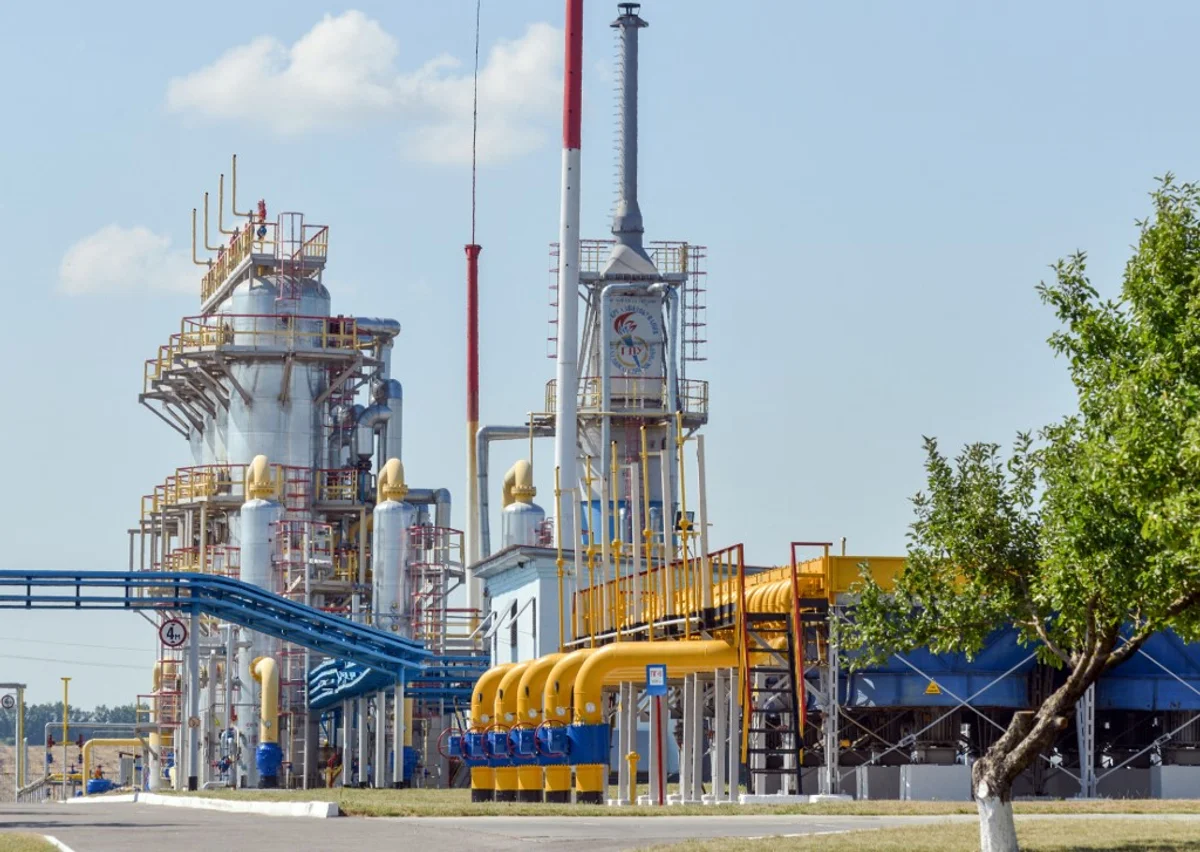
Russian drones attacked a gas compressor at the Orlivka station in Ukraine, part of a new Trans-Balkan gas route aimed at helping Ukraine with its energy needs, damaging infrastructure critical for gas transit. Ukraine accuses Russia of trying to undermine European energy independence through these attacks, which target the newly launched route that imports gas from Greek LNG terminals and Azerbaijani sources. The incident highlights ongoing tensions and the strategic importance of energy infrastructure amid the conflict.
Ukraine reportedly carried out a distant sabotage operation targeting Russian military infrastructure near Vladivostok, destroying gas and water pipelines that supply military facilities, in an apparent effort to disrupt Russian military logistics.
A major Russian gas pipeline near Vladivostok, supplying several military facilities, exploded and caught fire, with authorities restricting communications in the area. The incident, which also destroyed a water supply line, occurred on July 5, 2025, and is believed to impact military infrastructure along the Sea of Japan coastline.
Negotiations between Russia and China over the Power of Siberia 2 gas pipeline have stalled due to disagreements on pricing and supply commitments. China demands prices similar to Russia's domestic rates and has only agreed to purchase a small portion of the pipeline's capacity. This impasse highlights Russia's increased financial dependence on China following its invasion of Ukraine and the subsequent decline in gas sales to Europe. Despite Russia's claims of an imminent agreement, significant obstacles remain.
Negotiations for a gas pipeline deal between Russia and China have stalled due to Beijing's demands for lower prices, highlighting the complexities in energy trade agreements between the two nations.
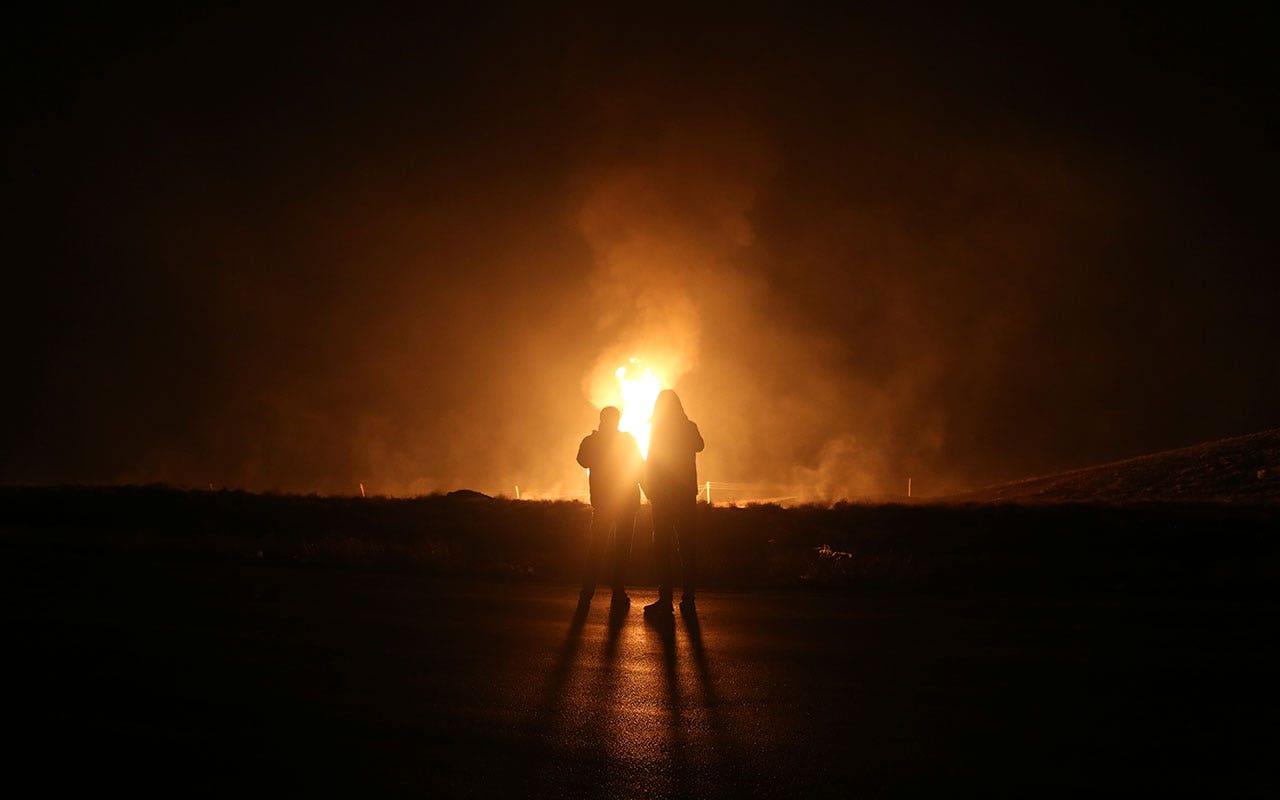
Explosions hit a natural gas pipeline in Iran, with an official attributing the blasts to "sabotage and terrorist action." The 790-mile pipeline runs from Chaharmahal and Bakhtiari province to the Caspian Sea, and the attacks come amid heightened tensions in the Middle East. While details are scarce, previous attacks on oil pipelines in Iran have been linked to Arab separatists, and Iran's Oil Minister compared the recent attack to unclaimed assaults in 2011. The country has faced low-level separatist unrest and economic challenges, while also dealing with international sanctions over its nuclear program.
Iran's oil minister stated that two explosions along the country's main gas pipeline were caused by sabotage, with only villages near the damaged pipeline experiencing gas outages. This incident comes amid historical tensions and previous acts of sabotage in Iran, with authorities denying reports of widespread gas cuts. While such attacks are rare in Iran, this event raises concerns about potential security threats to the country's energy infrastructure.
Russia's ambitious gas mega-pipeline project to China has been hit by construction delays, potentially impacting the timeline for the delivery of natural gas to China. The delay is a setback for the energy cooperation between the two countries, as the pipeline was expected to strengthen their energy ties.