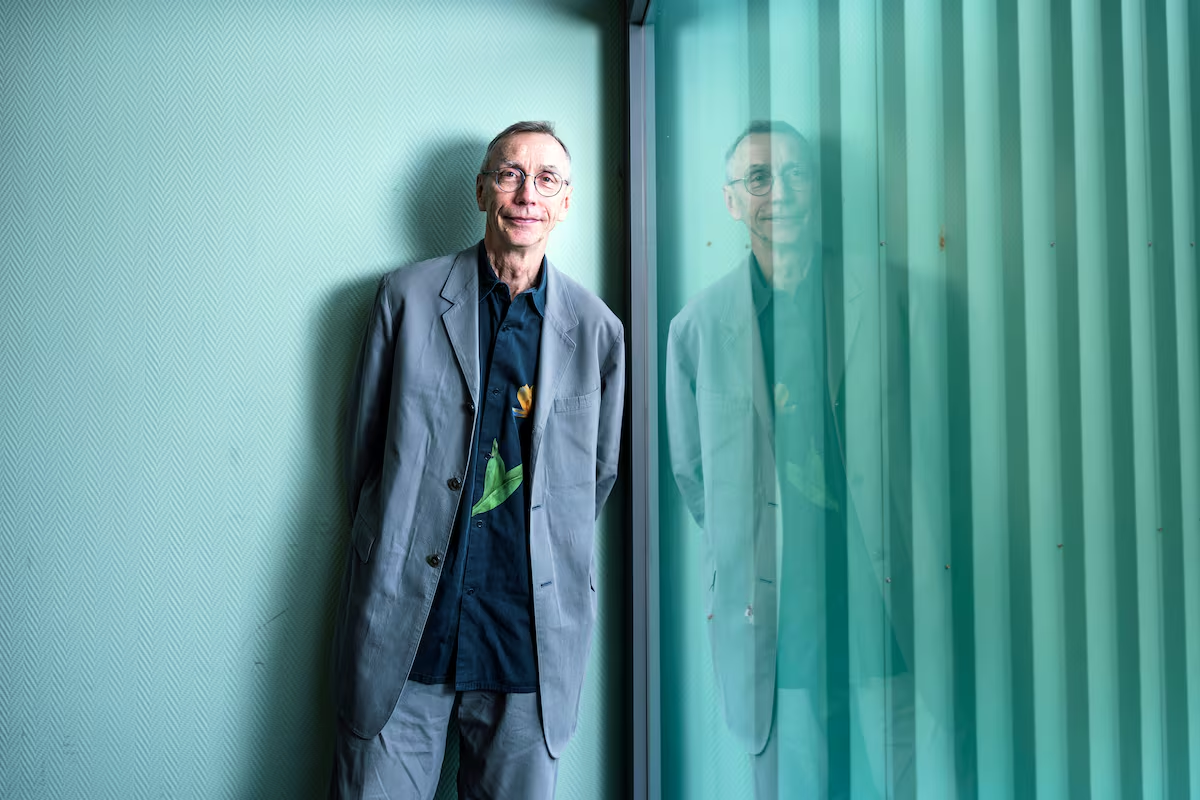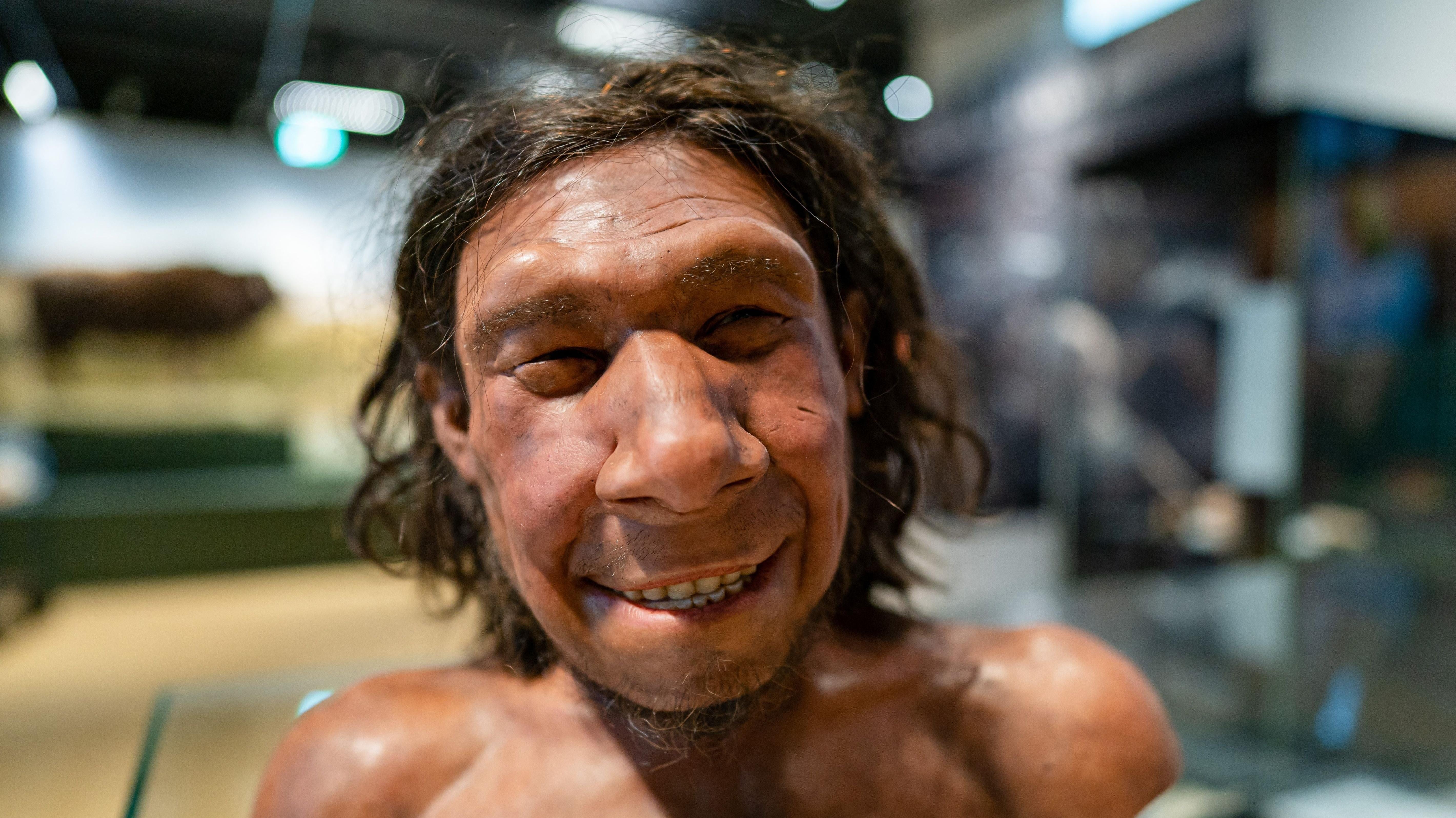
Svante Pääbo, a pioneer in paleogenetics and Nobel laureate, has significantly advanced our understanding of human evolution by sequencing Neanderthal and Denisovan genomes, revealing interbreeding with modern humans, and exploring genetic traits inherited from these ancient relatives. His work suggests that modern humans absorbed Neanderthals rather than exterminated them, and highlights the influence of ancient DNA on present-day health and behavior. Pääbo also discusses the potential and limitations of reconstructing extinct species' genomes and the ethical considerations involved.
Scientists have successfully sequenced DNA up to 2.4 million years old from Greenland sediments, but the preservation of ancient DNA is limited by environmental factors, with ideal conditions being cold, dark, and dry. Theoretically, DNA could survive for about 6.8 million years under perfect conditions, but practically, the oldest meaningful DNA comes from much more recent specimens, such as Neanderthals and ancient human relatives. The potential for discovering older DNA remains, especially in cold environments like Antarctica, continues to excite researchers.
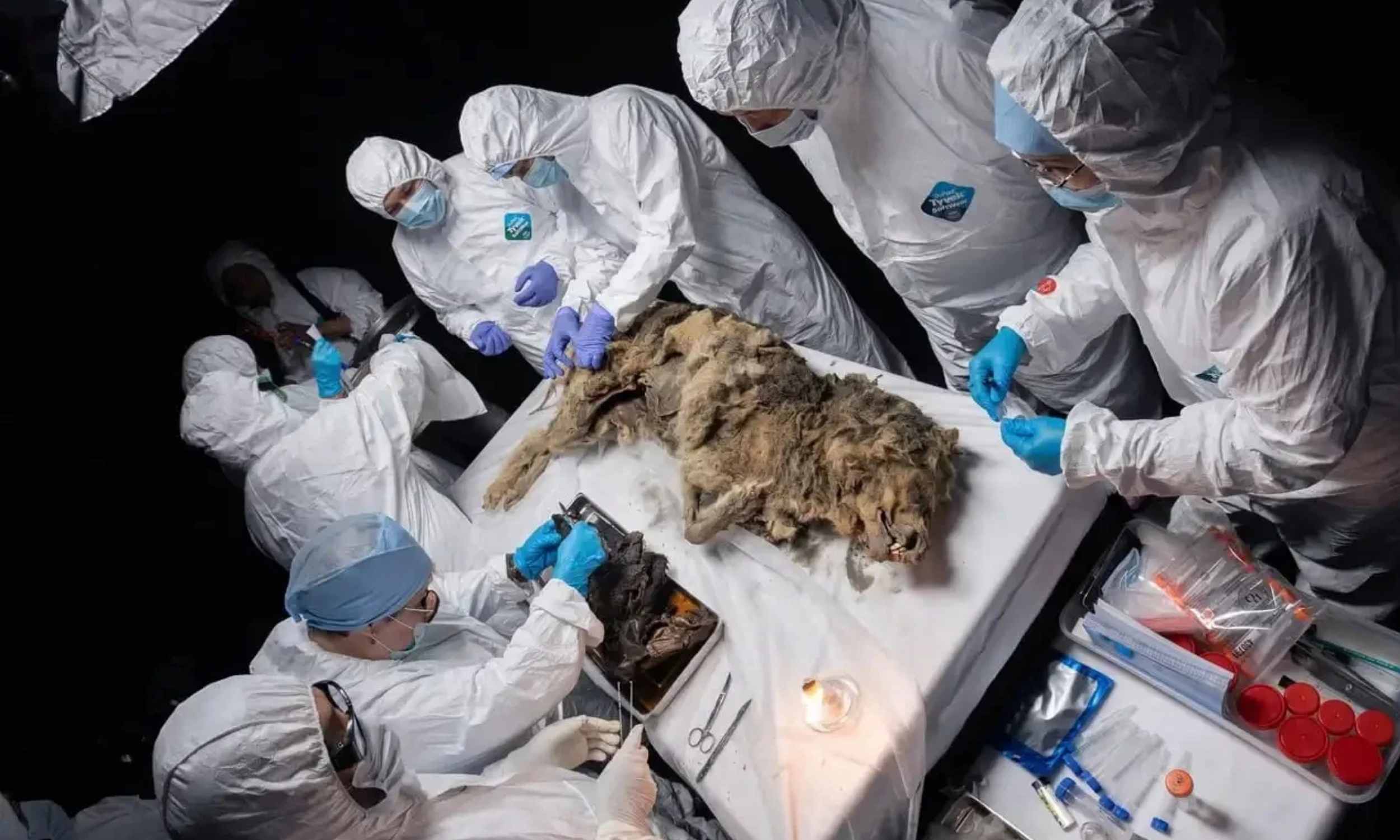
A nearly intact 44,000-year-old wolf was discovered in Siberia's permafrost, providing a rare opportunity to study Ice Age predators through necropsy, DNA analysis, and microbiome research, which could reshape our understanding of ancient ecosystems and pathogen persistence.
New research published in Nature challenges the long-standing belief that Christopher Columbus brought syphilis to Europe from the New World. Analysis of ancient DNA from 2,000-year-old bones in Brazil suggests that the bacteria responsible for syphilis and its closely related cousin, Bejel, may have been present in the Americas long before Columbus' arrival. This finding complicates the theory that the disease was introduced to Europe by Spanish conquistadors, shedding light on the complex history of disease transmission and the evolution of syphilis and related bacteria. The study provides valuable insights into the origins and spread of these pathogens, with potential implications for understanding and combating antibiotic resistance.
A new study analyzing European and Asian genomes over the past 40,000 years sheds light on the genetic exchange between Homo sapiens and Neanderthals. The research reveals that early farmers migrating from Anatolia and the Levant diluted the amount of Neanderthal ancestry in European populations, explaining the higher proportion of Neanderthal DNA in East Asian populations. The study also suggests that the farther Homo sapiens migrated out of Africa, the more Neanderthal DNA they acquired. The findings highlight the complex interbreeding history between our species and Neanderthals and provide insights into the distribution of Neanderthal ancestry in modern human populations.
A new study analyzing 4,464 Eurasian genomes, both ancient and modern, reveals the extent of genetic exchange between Homo sapiens and Neanderthals. The research shows that early farmers migrating from Anatolia and the Levant diluted the amount of Neanderthal ancestry in European populations around 10,000 years ago, explaining the higher proportion of Neanderthal ancestry in East Asian populations compared to Western European ones. The study also suggests that the farther Homo sapiens migrated out of Africa, the more Neanderthal DNA they acquired. The findings shed light on the complex interactions and interbreeding between the two hominin species.
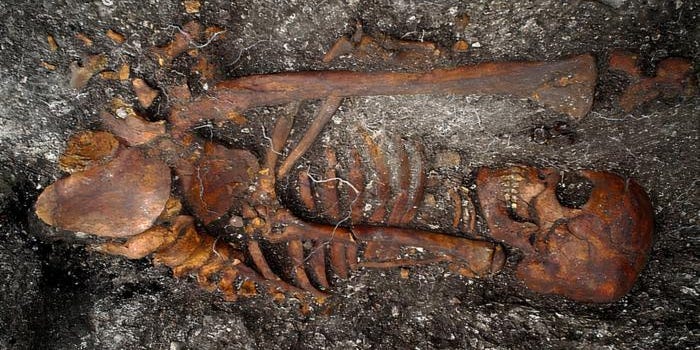
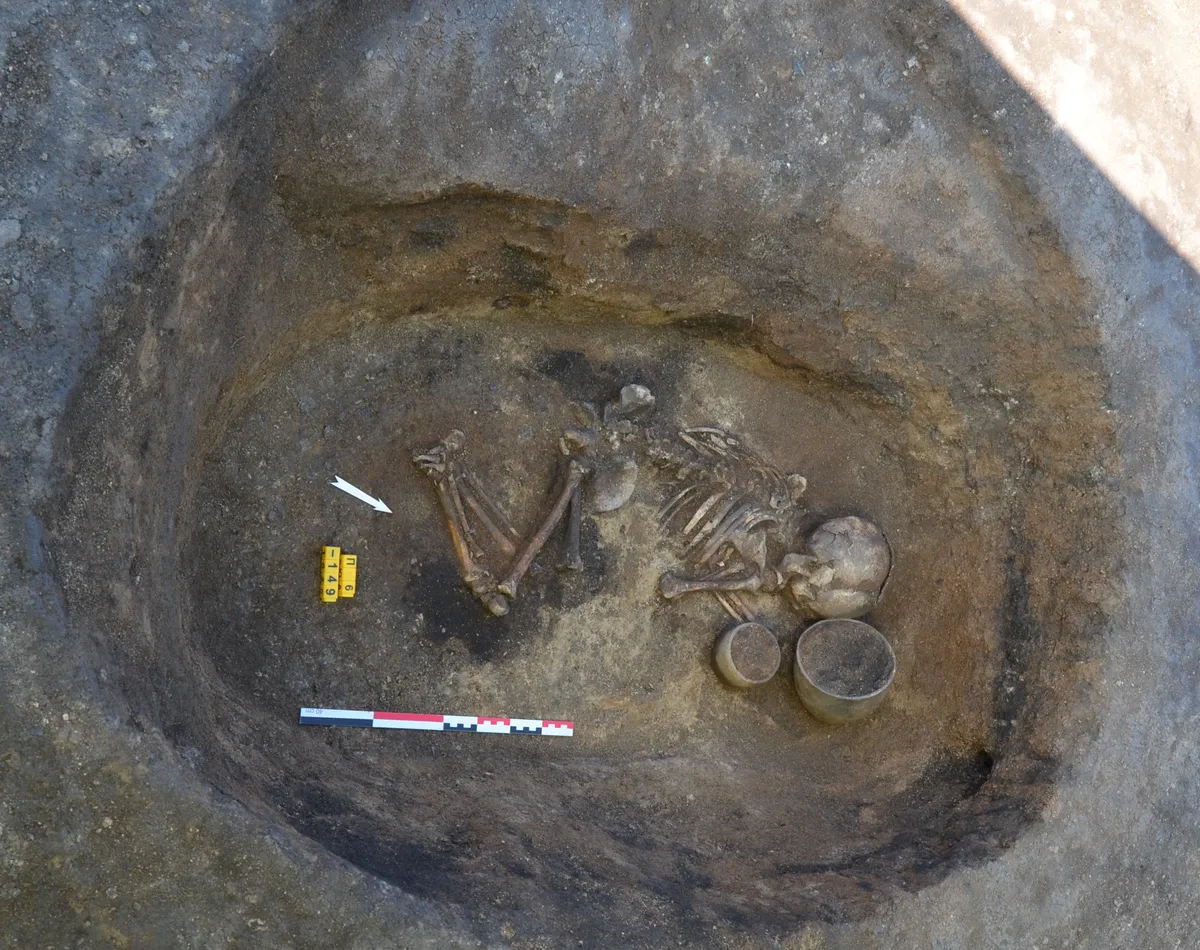
Paleogeneticists have analyzed the genomes of a Bronze Age family living 3,800 years ago in the Southern Urals, revealing a flexible approach to marriage. The oldest brother had two wives, while the other brothers likely lived monogamously. Most women buried in the family's burial mound were immigrants, indicating female marriage mobility to prevent inbreeding. The genomic diversity of the prehistoric women was higher than that of the men, suggesting they came from a larger area and were not related to each other. The study provides insights into the family structure and marriage practices of this ancient society.
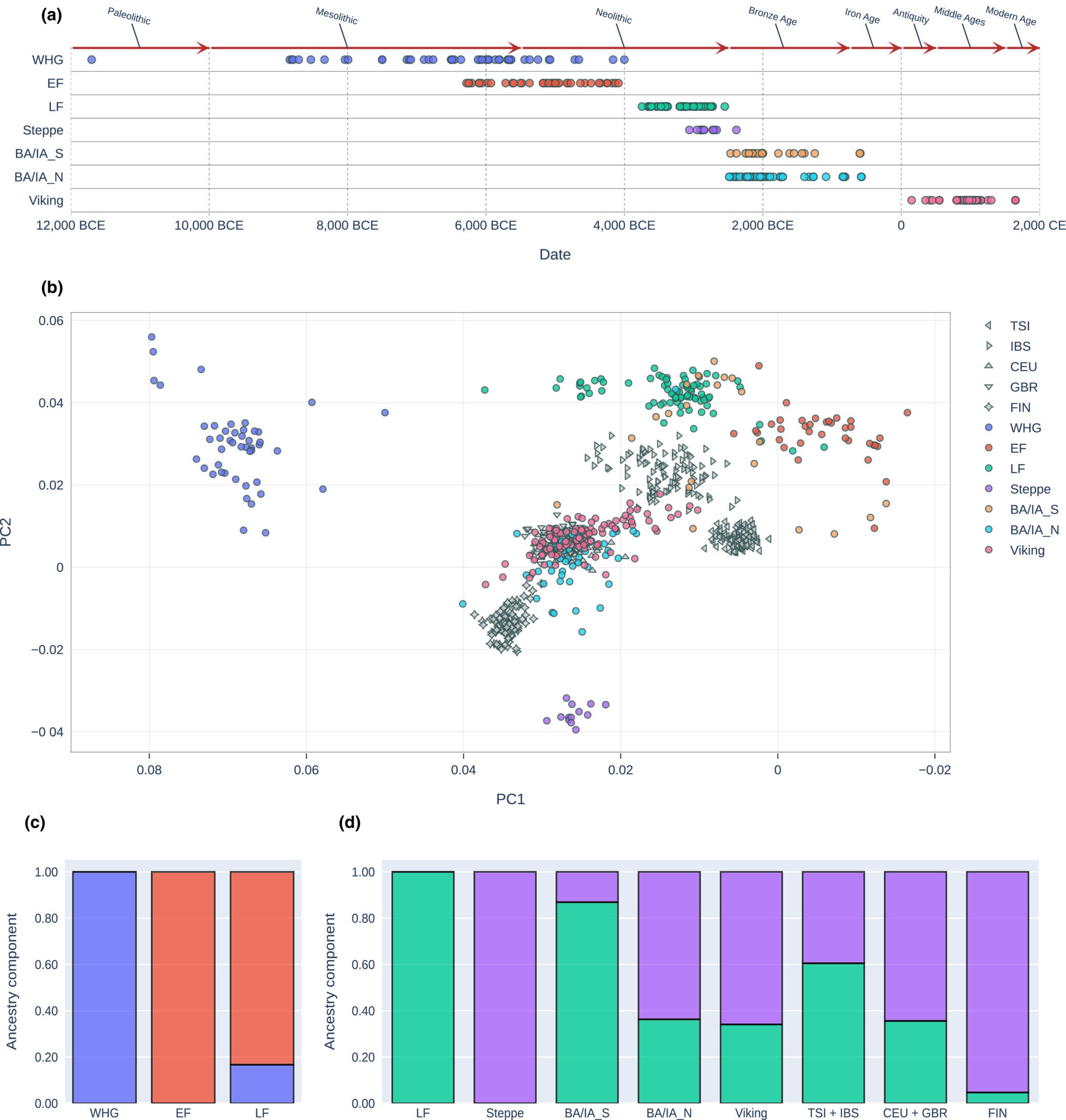
The distribution of APOE gene variants in Europe, which have the highest genetic contribution to longevity, can be explained by two major immigrations 7,500 and 4,800 years ago, and subsequent mixing of population groups, according to a study using paleogenetics. The Stone Age hunter-gatherers had a high frequency of the ε4 variant, which is associated with a very high risk of Alzheimer's disease, while the first sedentary farmers had a very low ε4 frequency and a high ε3 frequency, which probably arose as adaptations to the specific diets and lifestyles of the two groups. An active lifestyle may compensate for an unfavorable genetic predisposition, which is particularly relevant for the aging population of today.