Halloween candy prices are rising due to high cocoa costs, leading to less chocolate content, smaller packages, and more gummies, with overall candy costs up 10.8% from last year, impacting both consumers and small businesses.
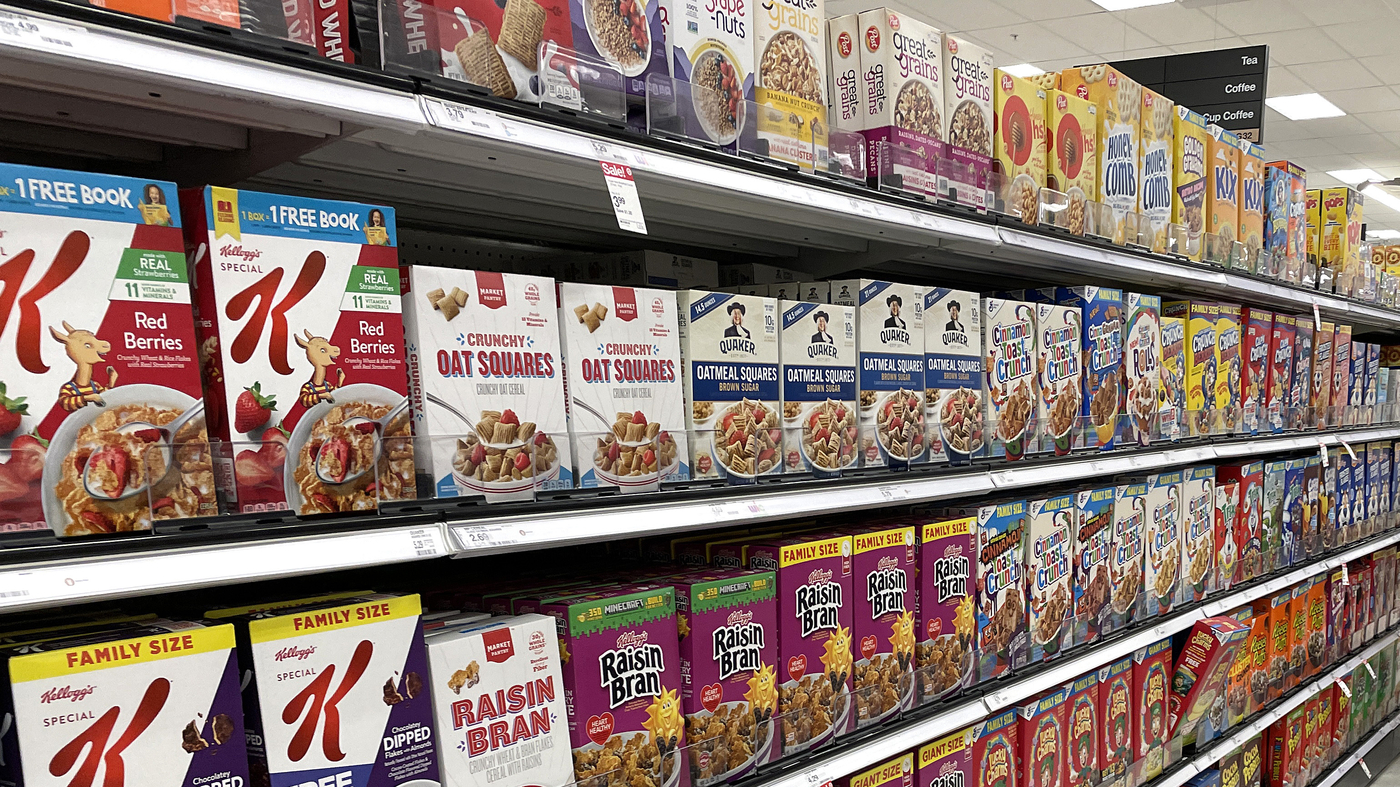
The article highlights 29 recent examples of shrinkflation, where products get smaller but prices stay the same, causing consumer frustration and alerting shoppers to be vigilant about hidden price increases.
Halloween candy prices are rising for the second year in a row due to increased cocoa costs and shrinkflation, leading consumers to buy smaller or less chocolatey treats and switch to more affordable options like gummies and Tootsie Rolls, while overall spending on Halloween remains high.
Rising grocery prices driven by tariffs, climate change, and labor shortages may lead to shrinkflation, where products are reduced in size but sold at the same price, affecting consumer purchasing behavior and increasing costs.
The article discusses how Betty Crocker and other boxed mixes have changed in size over time, causing frustration for those who value traditional recipes and nostalgia. It highlights the importance of standardizing and understanding ingredients, adjusting recipes for modern ingredients, and the cultural significance of using processed foods like cake mixes. The debate also touches on the chemistry of baking, the value of from-scratch cooking versus convenience, and the emotional connection to recipes passed down through generations.
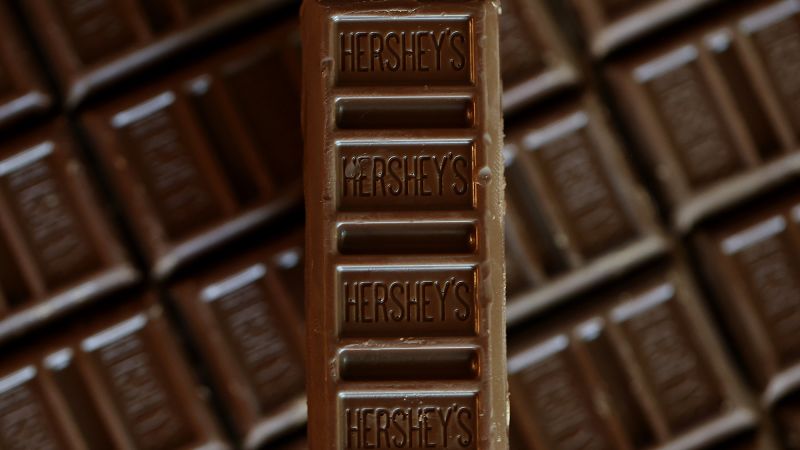
Hershey is increasing the prices of its chocolate products by a 'lower double-digit' percentage due to soaring cocoa costs, which have risen significantly in 2024 driven by climate change impacts on cocoa-producing regions. The company also plans to implement 'shrinkflation' by reducing package sizes to manage costs without directly raising prices. Other chocolate makers like Lindt are also raising prices amid high cocoa prices.
Hershey is raising the prices of its chocolate products by a 'lower double-digit' percentage due to soaring cocoa costs, which have increased significantly in 2024 because of poor harvests in cocoa-producing regions affected by climate change. The company also plans to implement 'shrinkflation' by reducing package sizes to manage costs without directly raising prices. Other chocolate companies like Lindt are also experiencing similar price hikes.
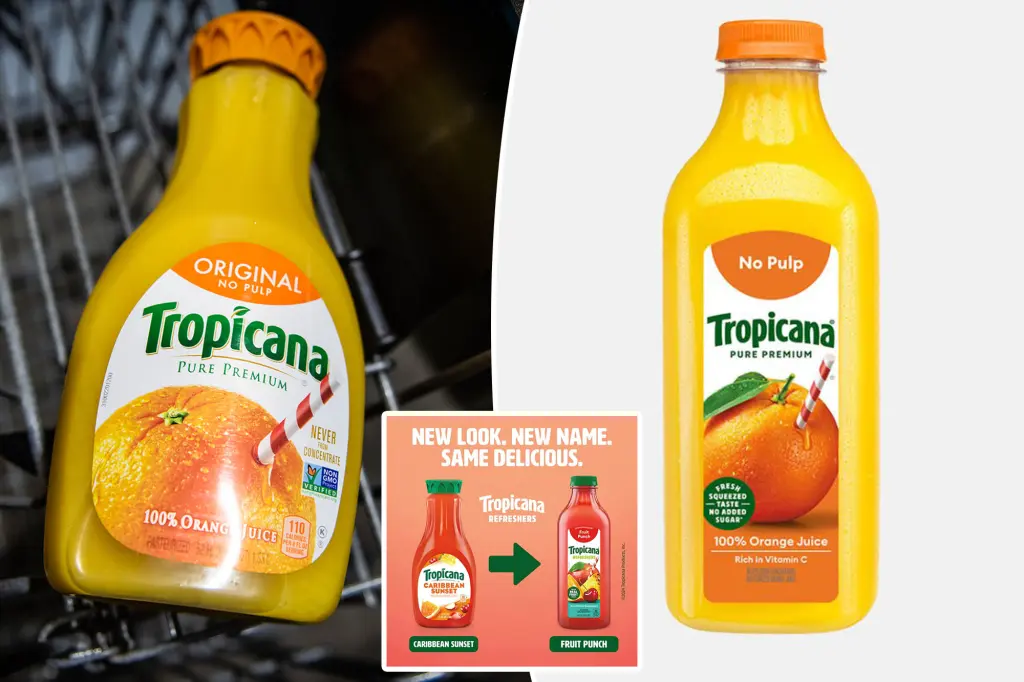
Tropicana is facing backlash over its new bottle design, which replaced the iconic carafe shape with a more generic plastic bottle, reducing the size from 52 to 46 ounces. Despite the intention to make the bottle more environmentally friendly and user-friendly, customers are unhappy, suspecting shrinkflation as prices haven't consistently dropped. Sales have declined since the redesign, but Tropicana claims changes take time and is investing in advertising to help consumers adjust. The new design lacks the distinctive character of the old bottle, leading to further dissatisfaction.
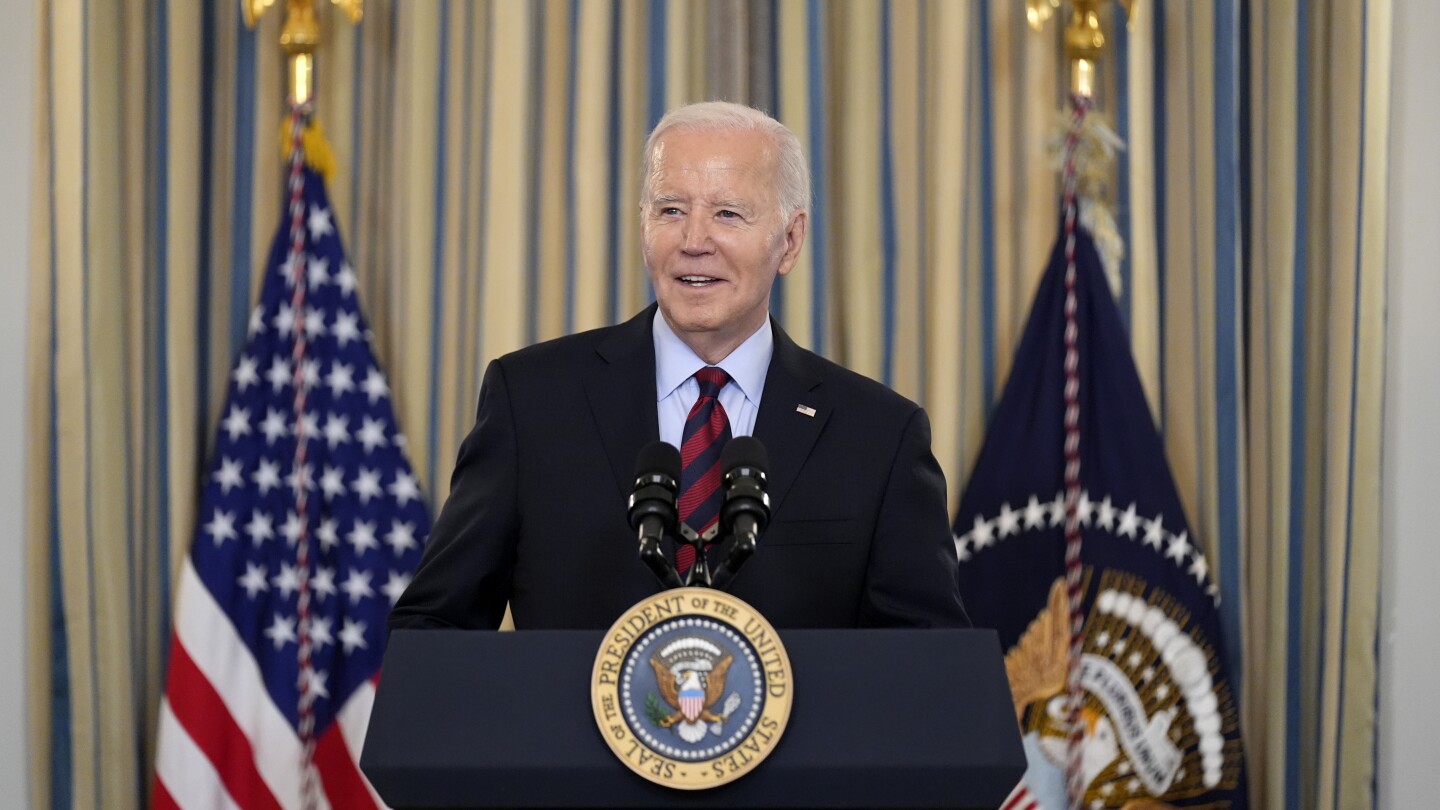
"Shrinkflation," the practice of reducing product sizes while maintaining prices, has been a long-standing tactic by manufacturers, but it's now under increased scrutiny as inflation and higher food prices draw attention to the issue. Even Cookie Monster has voiced his frustration on social media. President Biden has pledged to sign a bill banning shrinkflation, reflecting growing consumer discontent over paying more for less.
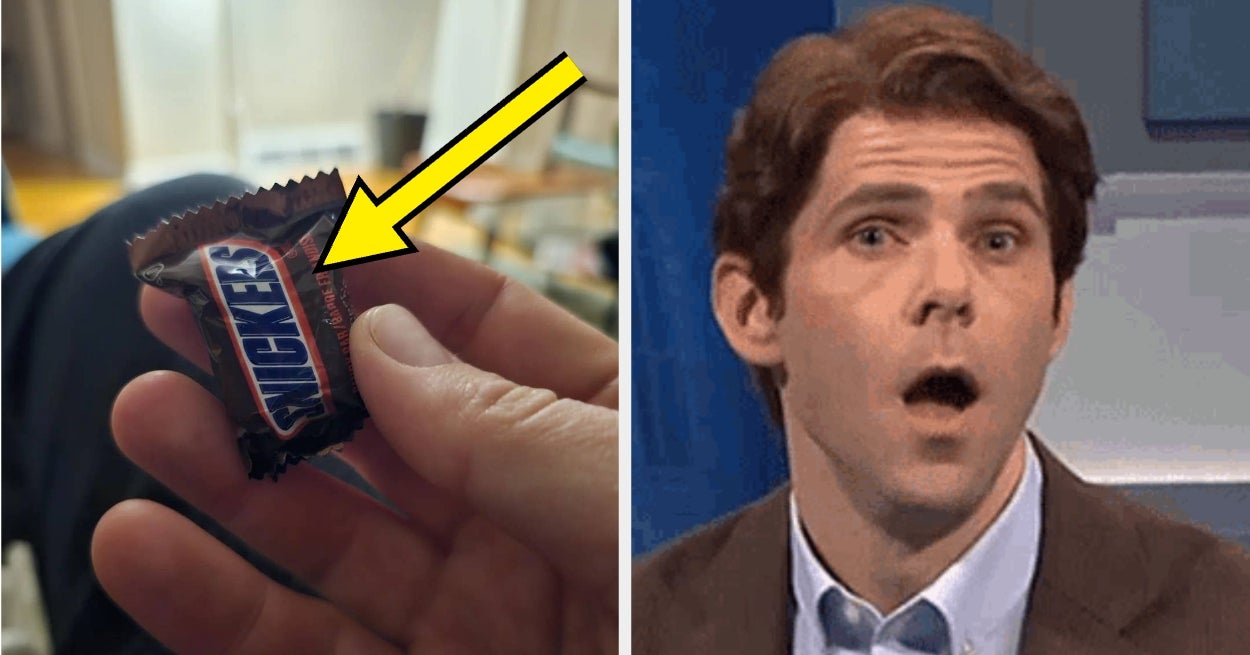
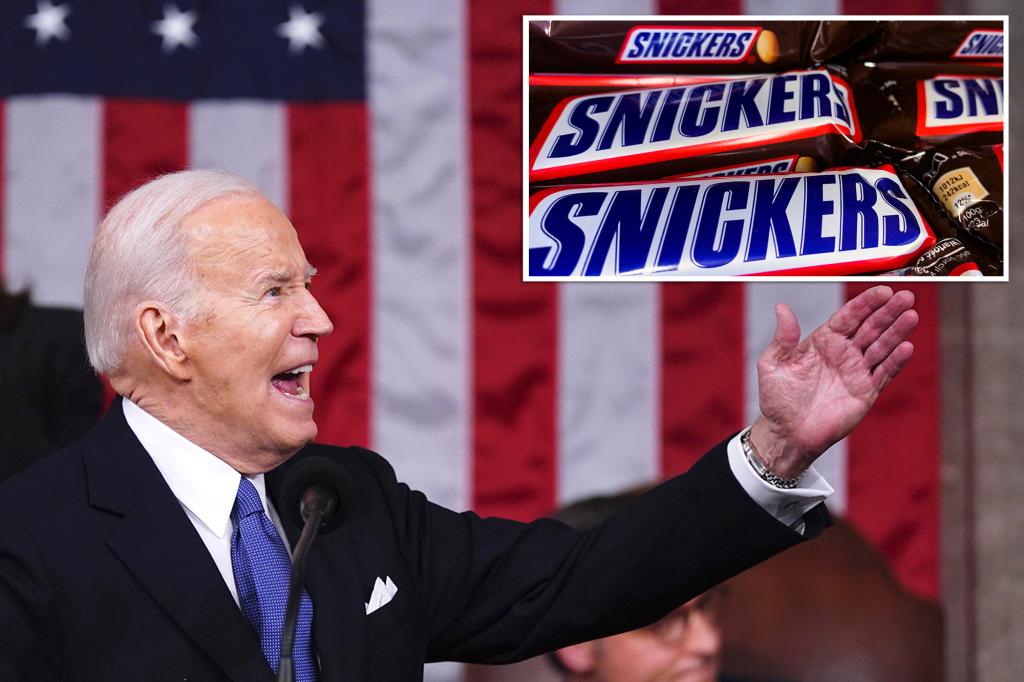
President Biden accused Snickers of being 10% smaller while maintaining the same price, citing it as an example of "shrinkflation" during his State of the Union address. However, Mars, the candy bar's manufacturer, denied the claim, stating that they have not reduced the size of Snickers in the US. The company attributed high inflation and material costs to the challenges they face but emphasized their efforts to provide affordable treats. This incident reflects a broader trend of "shrinkflation" across consumer goods, with Oreo also facing similar accusations.
Senator Bob Casey, D-Pa., discusses his bill to combat "shrinkflation" and the presidential campaign, emphasizing the threat to democracy and the need to address economic concerns. His legislation aims to prevent companies from reducing product sizes without reducing prices, advocating for the Federal Trade Commission to have the power to take on deceptive practices. Casey also highlights the need for bipartisan efforts to address rising costs and inflation, expressing hope for Republican support in tackling these issues.
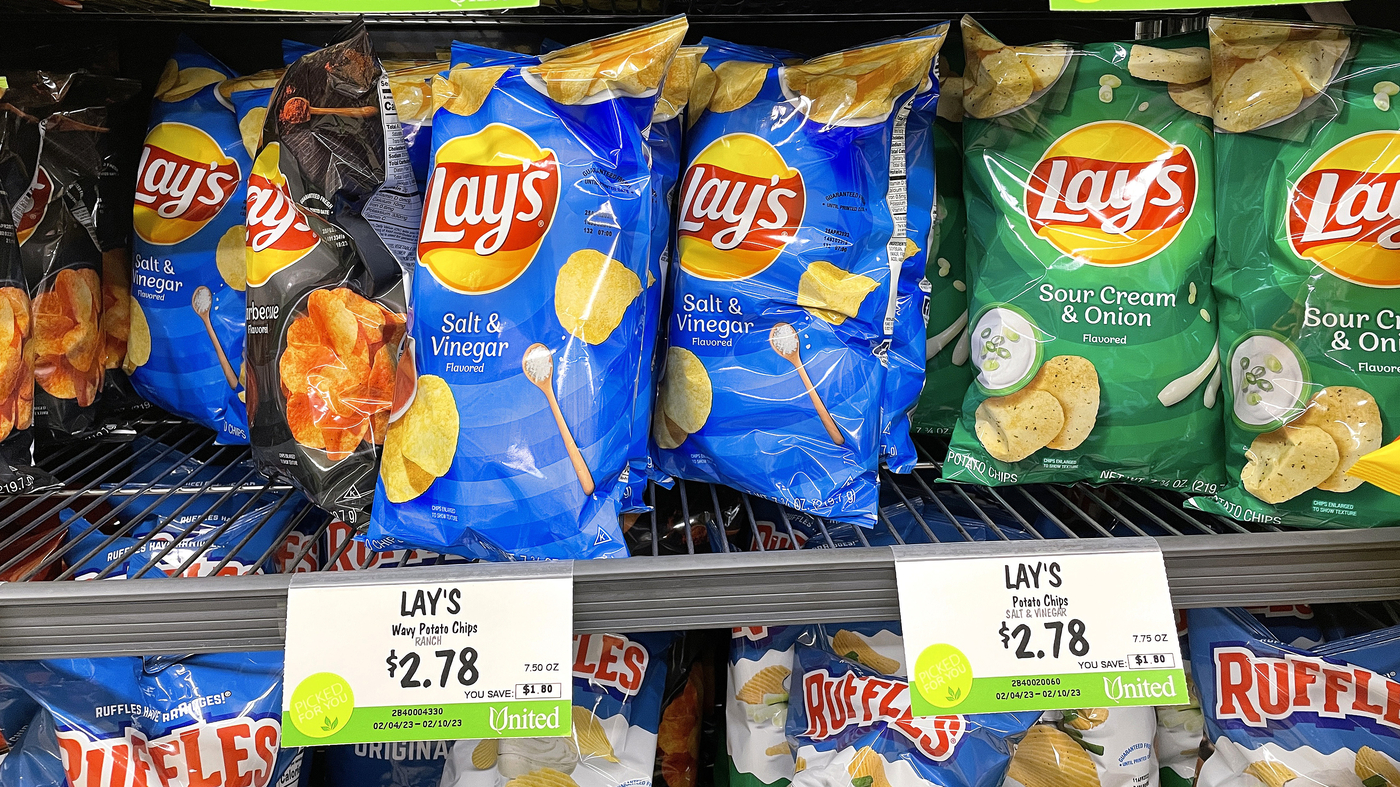
During his State of the Union address, President Joe Biden criticized "shrinkflation," where companies reduce product sizes while maintaining or increasing prices. This tactic, which affects a small portion of products, allows higher prices to go unnoticed by consumers. The White House has launched a "strike force" on pricing to address this issue, aiming to give more policing power to the Federal Trade Commission and state attorneys general. Critics view this as a form of federal price control, while the administration argues it is necessary to combat corporate greed. The debate has also drawn attention to specific examples, such as Frito-Lay's popular chips, with the company yet to respond to inquiries about their plans regarding product sizes.
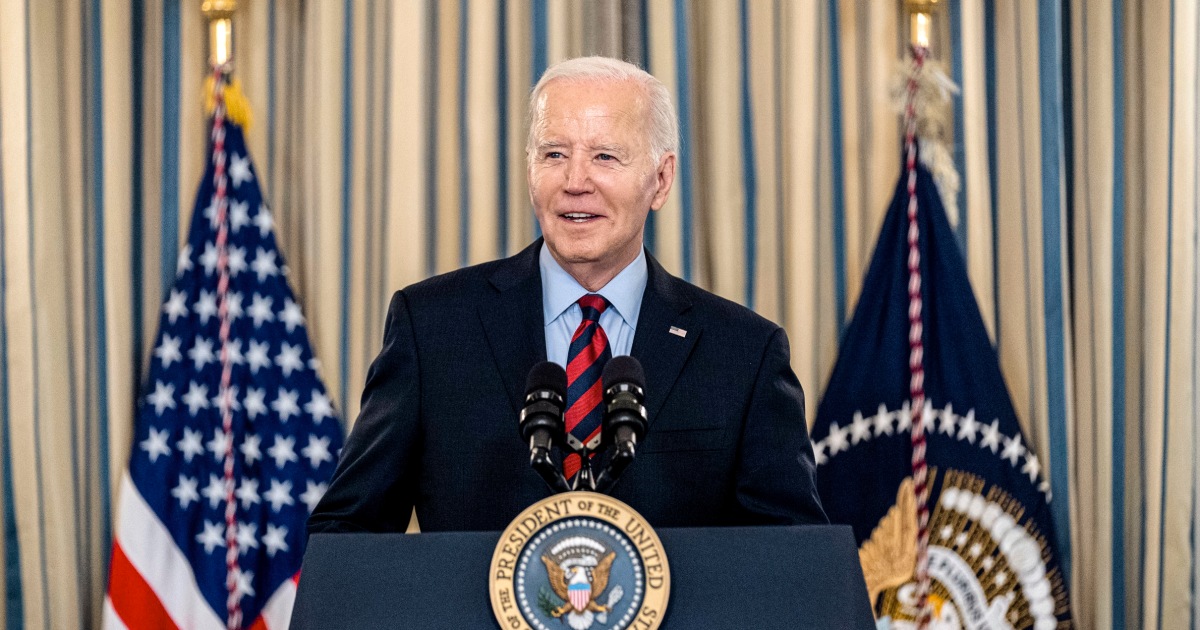
President Biden is focusing on "shrinkflation" as part of a broader strategy to shift blame for high prices onto big businesses and reframe how voters view the economy ahead of the November election. Shrinkflation refers to companies subtly raising prices by reducing product sizes, and Biden is attempting to show he's fighting for everyday people amid concerns about inflation. Critics argue that companies might have raised list prices instead, potentially upsetting consumers more. Republicans blame Biden's spending for inflation, while a liberal group found shrinkflation played a modest role in price increases. Some companies have defended reduced package sizes as a way to manage costs and address climate change. Sen. Bob Casey has introduced a bill to ban shrinkflation, which Biden endorsed in his State of the Union speech.
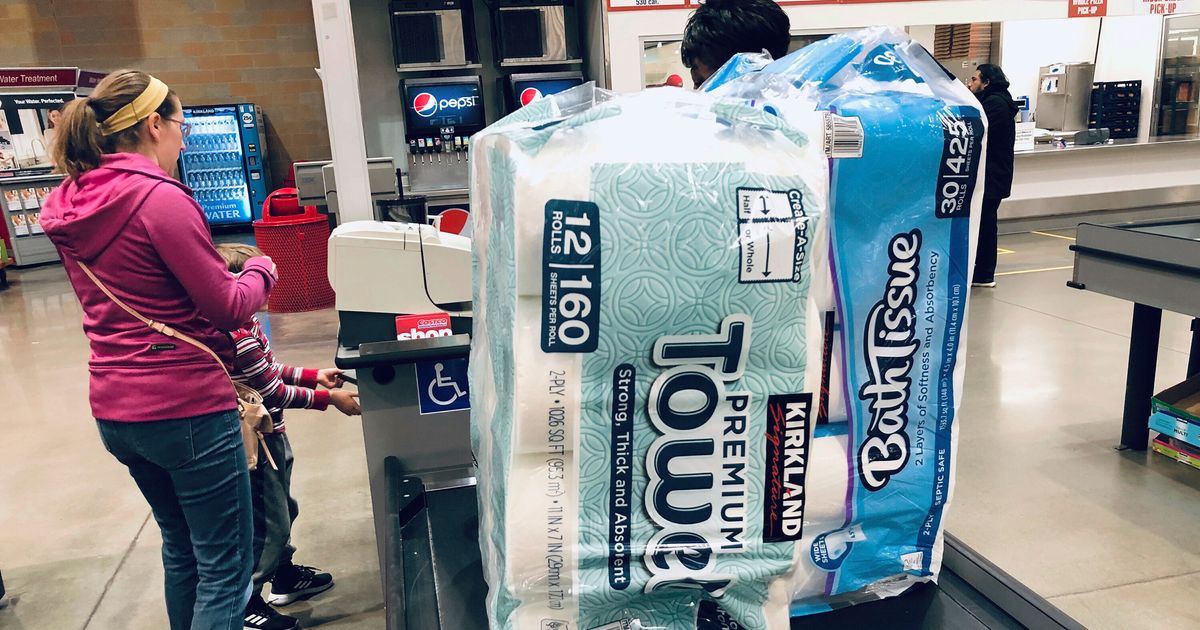
A study by progressive economists has found that "shrinkflation," where companies charge the same or more for smaller portions of products, has been a significant driver of inflation in various categories such as household paper products and snacks between 2019 and 2023. This practice has contributed as much as 10% to inflation in key product categories, prompting calls from lawmakers and President Biden to address it. The study also highlighted examples of companies using shrinkflation to boost profits, with one CEO noting that consumers are unlikely to change their buying habits even if they realize they're paying more for less.
Cookie Monster and President Joe Biden have both expressed frustration over "shrinkflation," a practice where companies sell products at the same price but with less actual product. Cookie Monster took to X to voice his displeasure, while Biden called out profit-driven food companies for charging more for less. Puppeteer Frank Oz criticized the character's involvement in such issues, questioning the integrity of "Sesame Street" characters. Despite this, "Sesame Street" characters have a history of addressing topical concerns, with Biden previously supporting Elmo's mental health advocacy.