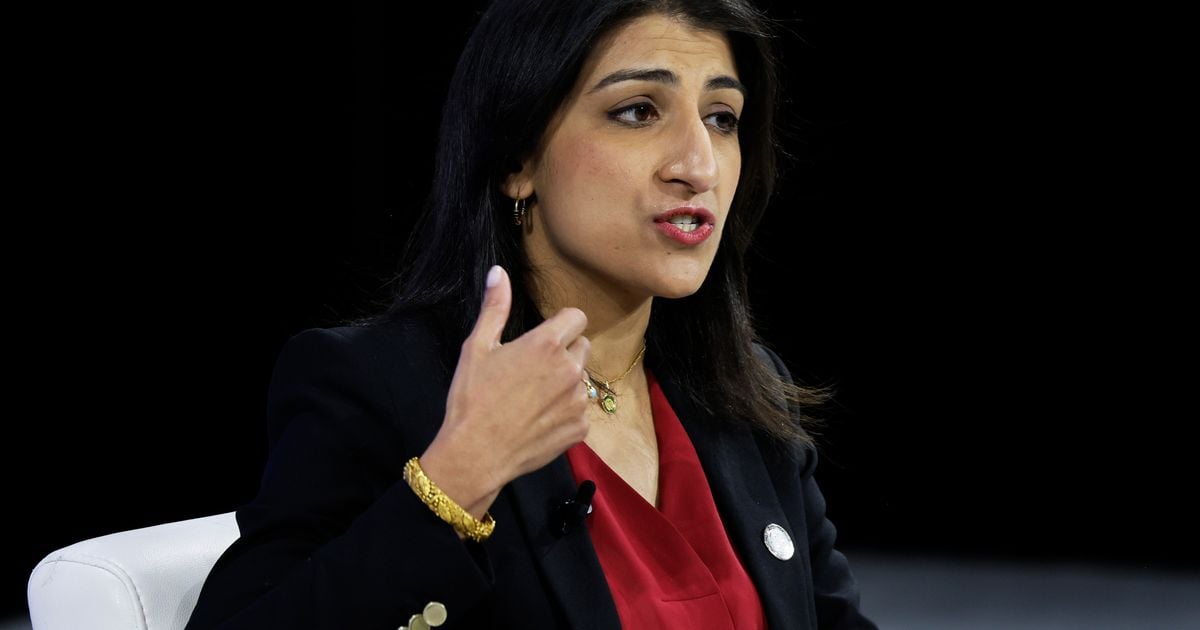
Donald Trump has appointed Andrew Ferguson as the new chairman of the Federal Trade Commission, replacing Lina Khan. Ferguson, an FTC commissioner, aims to address what he describes as "big tech's vendetta against competition and free speech." Additionally, Trump nominated antitrust lawyer Mark Meador as a commissioner, securing a Republican majority on the FTC.
The U.S. Justice Department and Federal Trade Commission have agreed to divide responsibility for antitrust investigations into Nvidia, Microsoft, and OpenAI, signaling increased regulatory scrutiny of the AI industry. The FTC will focus on Microsoft and OpenAI, while the Justice Department will investigate Nvidia. This move reflects the Biden administration's efforts to regulate powerful tech companies and address the rapid advancements in AI technology.
The Justice Department, Federal Trade Commission, and Department of Health and Human Services have launched an online portal, HealthyCompetition.gov, for the public to report potentially unfair and anticompetitive health care practices. This initiative aims to promote competition in health care markets, lower costs, and ensure fairer access to quality care for all Americans. Complaints will be reviewed and may lead to formal investigations, and privacy and confidentiality policies are in place to protect the information submitted through the portal. This is part of the Biden-Harris Administration's efforts to address anticompetitive practices in the health care sector and ensure economic opportunity and fairness for patients, providers, payers, and workers.
Jon Stewart revealed that Apple asked him not to interview Lina Khan, chair of the Federal Trade Commission, while he was hosting a show on Apple TV+. This comes amid growing antitrust scrutiny of major tech companies, with Khan and others in the Biden administration spooking Apple. Stewart made light of Apple's attempt to stop the interview, joking about the company's concerns. Khan emphasized the importance of antitrust laws in safeguarding against concentration of economic power. Apple has not responded to Stewart's claims.
The Federal Trade Commission warns of 10 common lies scammers use to deceive people and separate them from their money, including creating a sense of urgency, instructing victims to lie, and making threats of arrest or deportation. Other tactics involve asking victims to stay on the phone, move money, buy gold bars, withdraw cash, use Bitcoin ATMs, or purchase gift cards. The FTC advises people to avoid responding to these tactics, hang up, delete emails, stop texting, block numbers, and report possible scams to the agency.
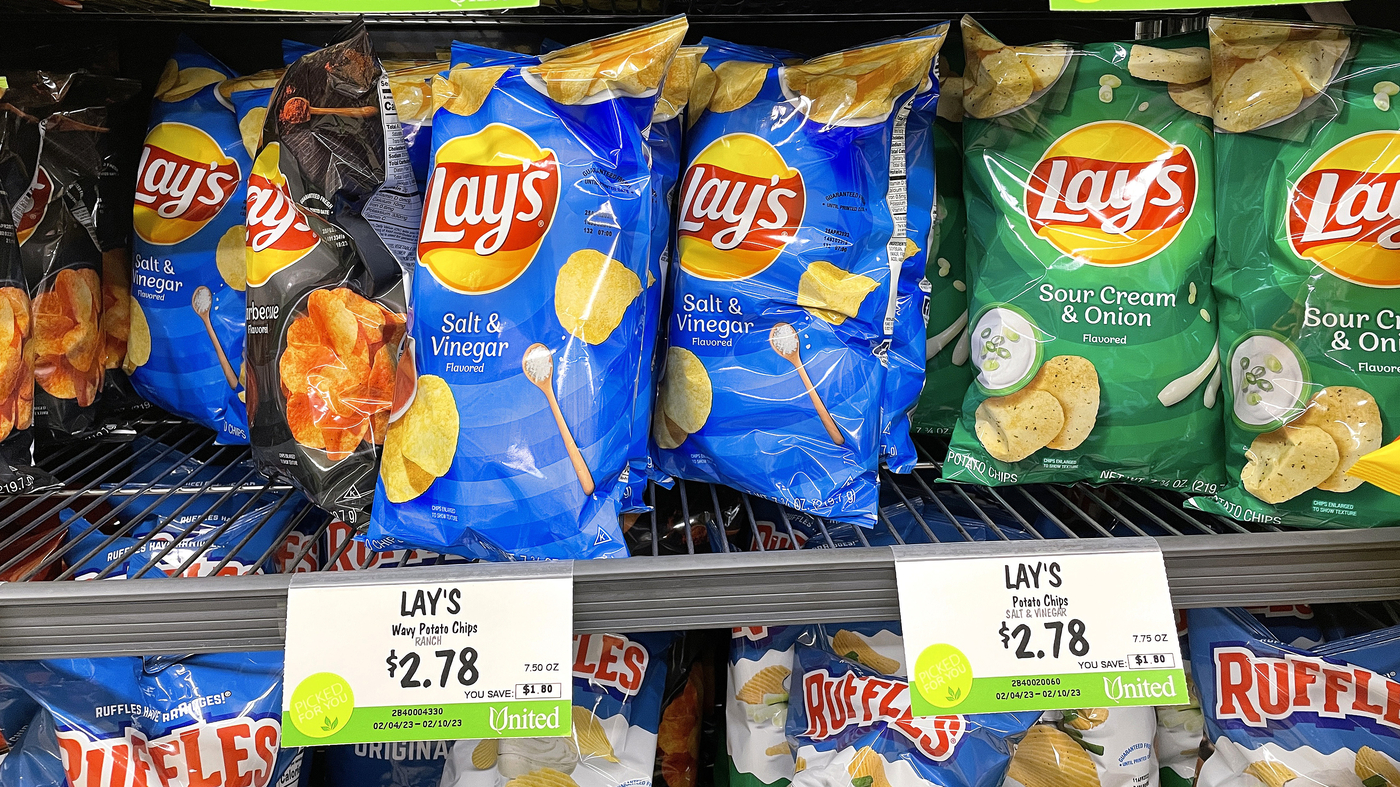
During his State of the Union address, President Joe Biden criticized "shrinkflation," where companies reduce product sizes while maintaining or increasing prices. This tactic, which affects a small portion of products, allows higher prices to go unnoticed by consumers. The White House has launched a "strike force" on pricing to address this issue, aiming to give more policing power to the Federal Trade Commission and state attorneys general. Critics view this as a form of federal price control, while the administration argues it is necessary to combat corporate greed. The debate has also drawn attention to specific examples, such as Frito-Lay's popular chips, with the company yet to respond to inquiries about their plans regarding product sizes.
A Microsoft AI engineer has raised concerns about the company's Copilot Designer AI image generator producing disturbing and unsafe imagery, including violence, illicit behavior, and biased content. Despite efforts to alert Microsoft, the engineer felt stonewalled and escalated the issue to the Federal Trade Commission, urging the company to take down the service and conduct an investigation. Microsoft has responded, stating its commitment to addressing employee concerns and enhancing safety measures for its technology.
President Joe Biden is set to launch a task force, jointly led by the Federal Trade Commission and the Department of Justice, to address "unfair and illegal" corporate pricing practices that are believed to be contributing to the public's perception of a poor economy despite strong economic data. The task force aims to tackle anti-competitive practices and will be part of Biden's broader efforts to address rising inflation and consumer costs. The administration is also releasing new rules to cut credit card late fees and protect farmers against discriminatory processing practices.
Senator Bob Casey, D-Pa., has introduced the Shrinkflation Prevention Act of 2024 to combat the practice of shrinkflation, where companies reduce the size of consumer goods while maintaining the same price. The bill gives the Federal Trade Commission and state attorneys general the authority to crack down on such practices and requires companies to provide warnings on packages when they reduce the size or weight of a product but charge the same price. Critics argue that the bill goes too far by telling companies how to package their products, while supporters emphasize the need to hold corporations accountable for deceptive practices.
The U.S. government, along with several states' attorneys general, opposes the proposed $24.6 billion merger between Kroger and Albertsons, citing concerns about reduced competition leading to higher prices, fewer choices, and potential store closures. The Federal Trade Commission argues that the merger would eliminate competition between the two grocery giants, leading to adverse consequences for consumers. While Kroger and Albertsons argue that the merger would help them compete with big retailers and lower prices, the FTC remains unconvinced and has filed a lawsuit seeking to block the merger.
The Federal Trade Commission has emerged as a key player in President Biden's efforts to combat inflation, filing a lawsuit to challenge a merger between Kroger and Albertsons, echoing the president's focus on corporate greed as a factor in rising grocery prices. With limited unilateral options and little hope for legislative support from Congress, the White House is increasingly relying on the FTC to address consumer concerns about high prices, as grocery costs continue to weigh heavily on consumer sentiment.
A Miami man lost $42,000 in an Ethereum investment scheme that began with a romance scam on Instagram, using the photograph of a woman claiming to be a CEO of Estee Lauder. The victim made small investments and saw gains, but when he tried to withdraw the funds, he was asked to pay, and his money disappeared. The U.S. Federal Trade Commission reported that losses to romance scams totaled $1.14 billion in 2023, advising people to never send money to anyone they haven't met in person and to be suspicious of promises of increasing their nest egg.
The Biden administration is investigating the role of drug wholesalers and group purchasing organizations in causing shortages of generic drugs, which make up the majority of prescriptions in the U.S. The Federal Trade Commission and the Department of Health and Human Services are seeking public input on whether these middlemen have used their market power to drive down prices to the point where manufacturers can't profit, leading to production stoppages and discouraging competition. The public will have 60 days to submit comments, and the investigation comes amid ongoing efforts to address high drug costs.
A location data company allegedly tracked visits to nearly 600 Planned Parenthood locations across 48 states and provided that data for a large anti-abortion ad campaign, prompting an investigation by Sen. Ron Wyden. The company, Near Intelligence, is accused of collecting and selling data about people without consent, leading Wyden to call for investigations by the Federal Trade Commission and the Securities and Exchange Commission. Wyden is also urging the FTC to prevent Near from selling the data it collected from Planned Parenthood facilities, citing concerns about consumer privacy and the potential misuse of sensitive information.
The Federal Trade Commission is aiming to ban non-compete agreements, a move that has drawn opposition from Wall Street and major firms across various industries. If the ban goes through, it could lead to increased competition for talent, changes in compensation packages, and potential legal challenges. Wall Street firms are advised to focus on employee engagement and satisfaction, conduct competitive analyses, and consider alternative tools to protect their business interests.