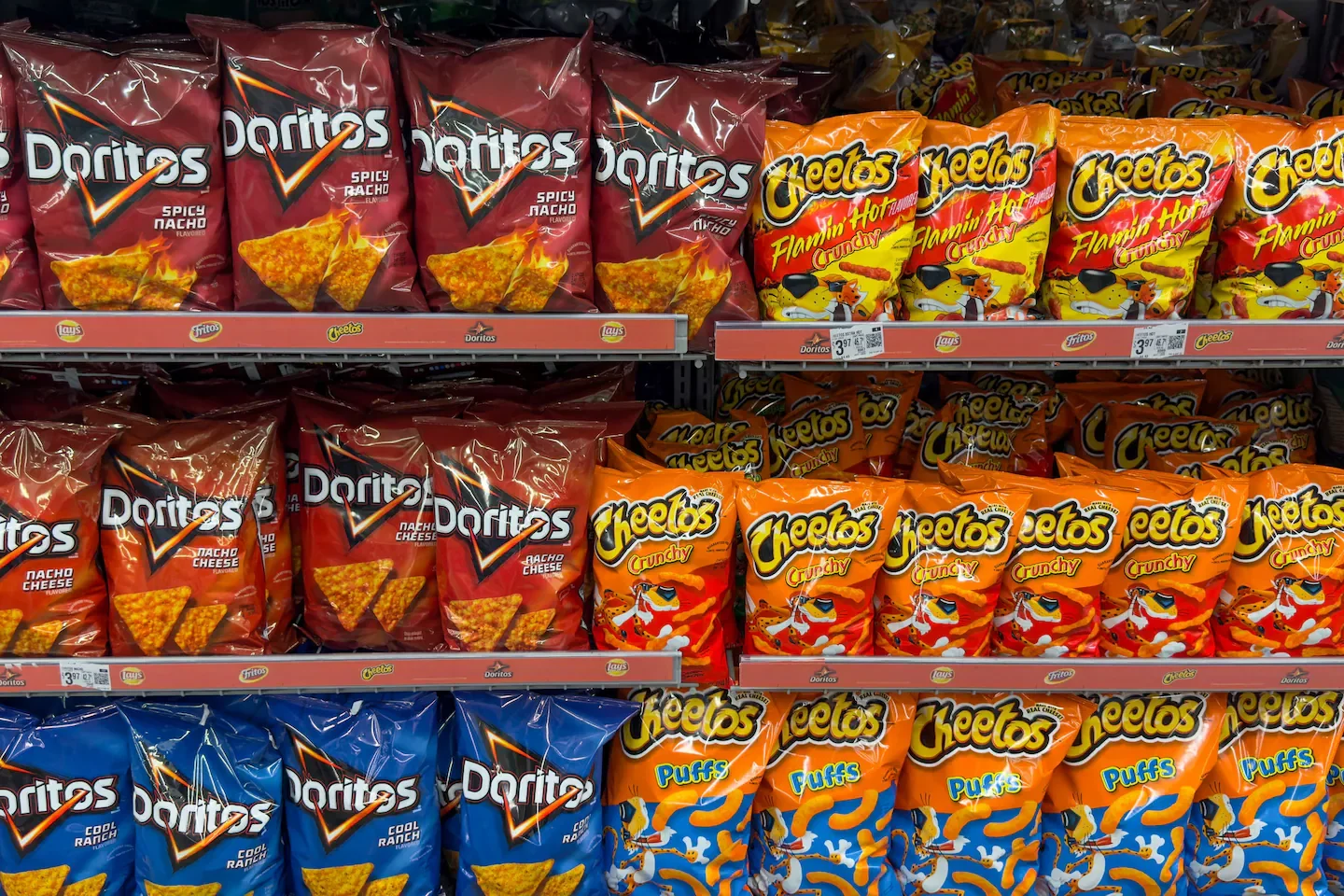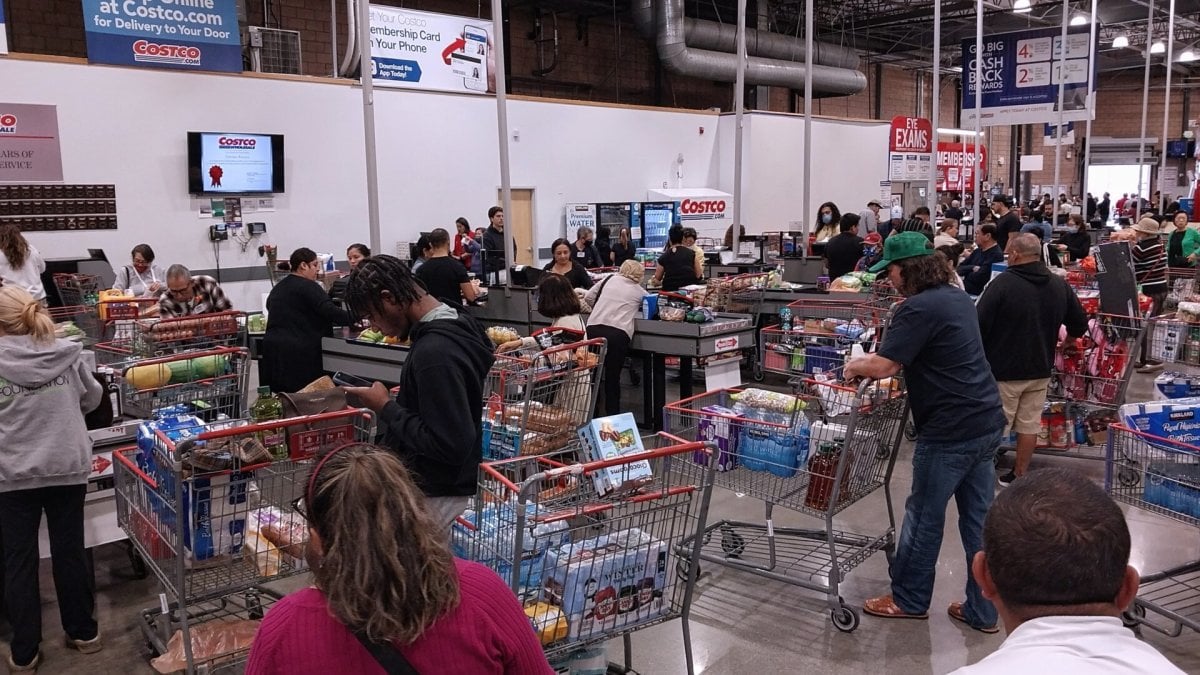
Costco has quietly increased the price of a popular snack item, reflecting broader inflationary pressures and economic challenges faced by consumers, despite the company's efforts to shield members from rising costs.
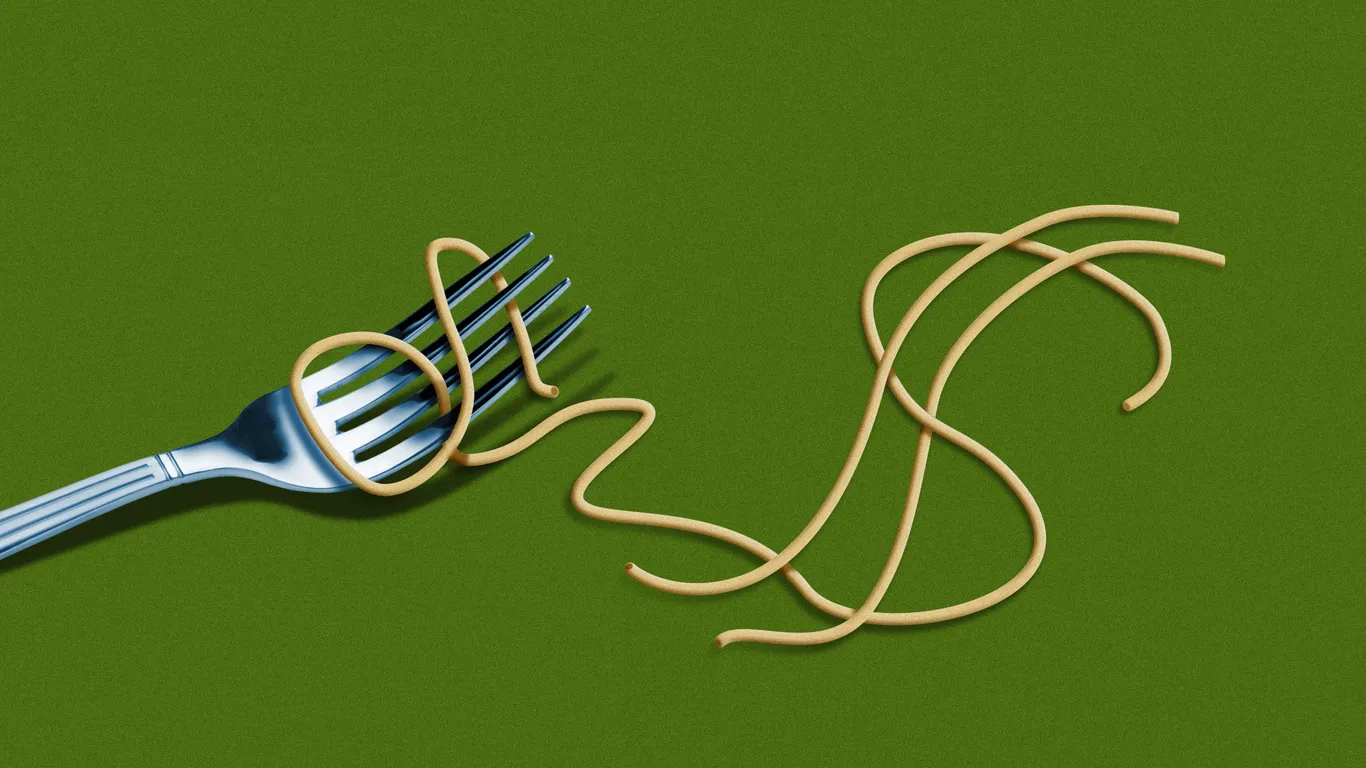
The US is reducing proposed tariffs on Italian pasta from potentially over 100% to between 24% and 29%, easing pressure on consumers and reflecting a softer stance in trade disputes with Italy amid political and economic considerations.
In November, U.S. consumer prices increased by 2.7% annually, lower than expected, suggesting easing inflation pressures and influencing expectations for potential monetary policy easing by the Federal Reserve. The report, affected by the government shutdown, showed cooler core CPI growth and boosted investor optimism, with stock futures rising.
An upcoming inflation report is expected to show a slight increase in November, reflecting recent price hikes in items like coffee and beef, amid ongoing economic challenges such as sluggish hiring, rising unemployment, and cautious Federal Reserve interest rate adjustments.
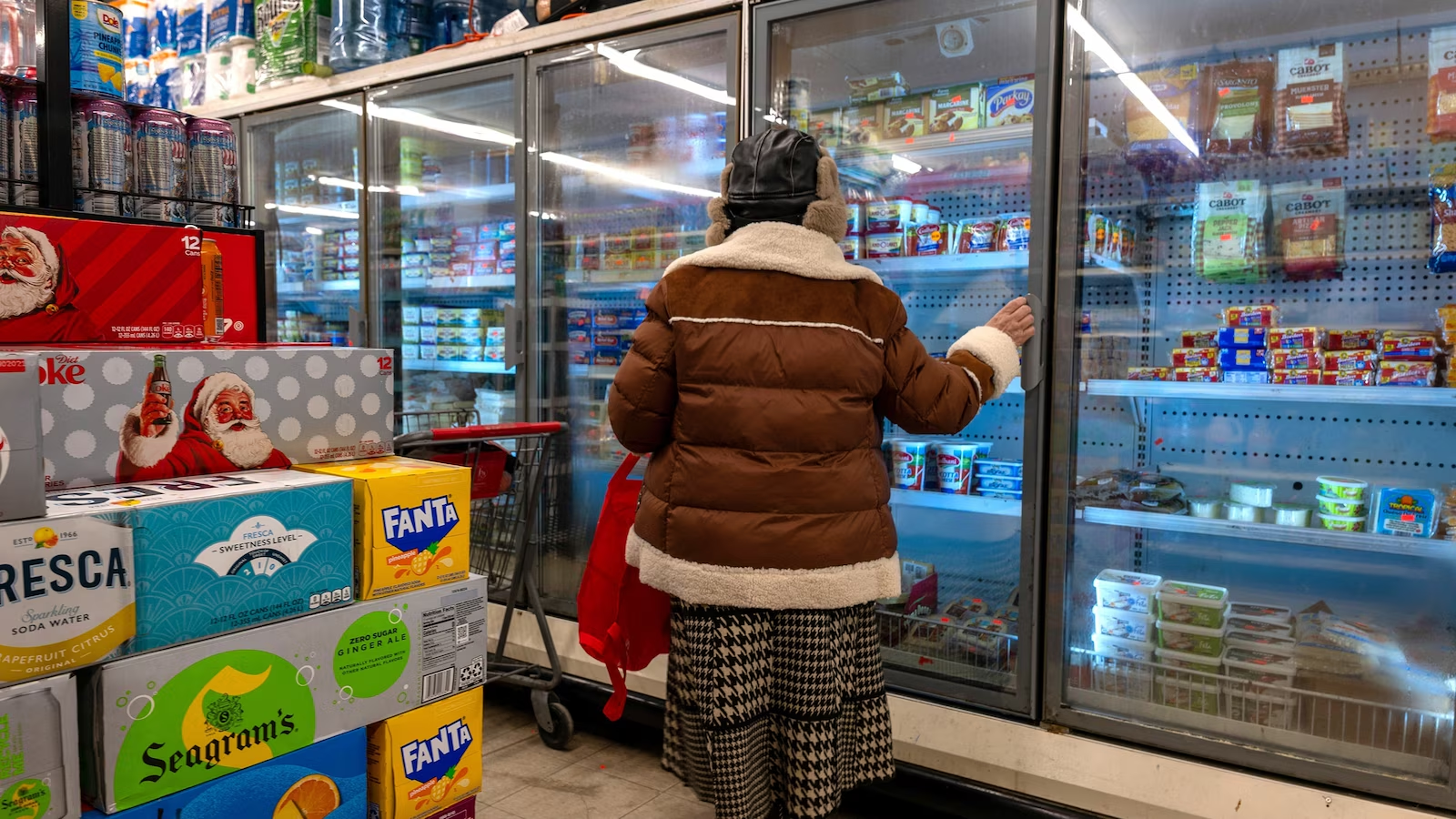
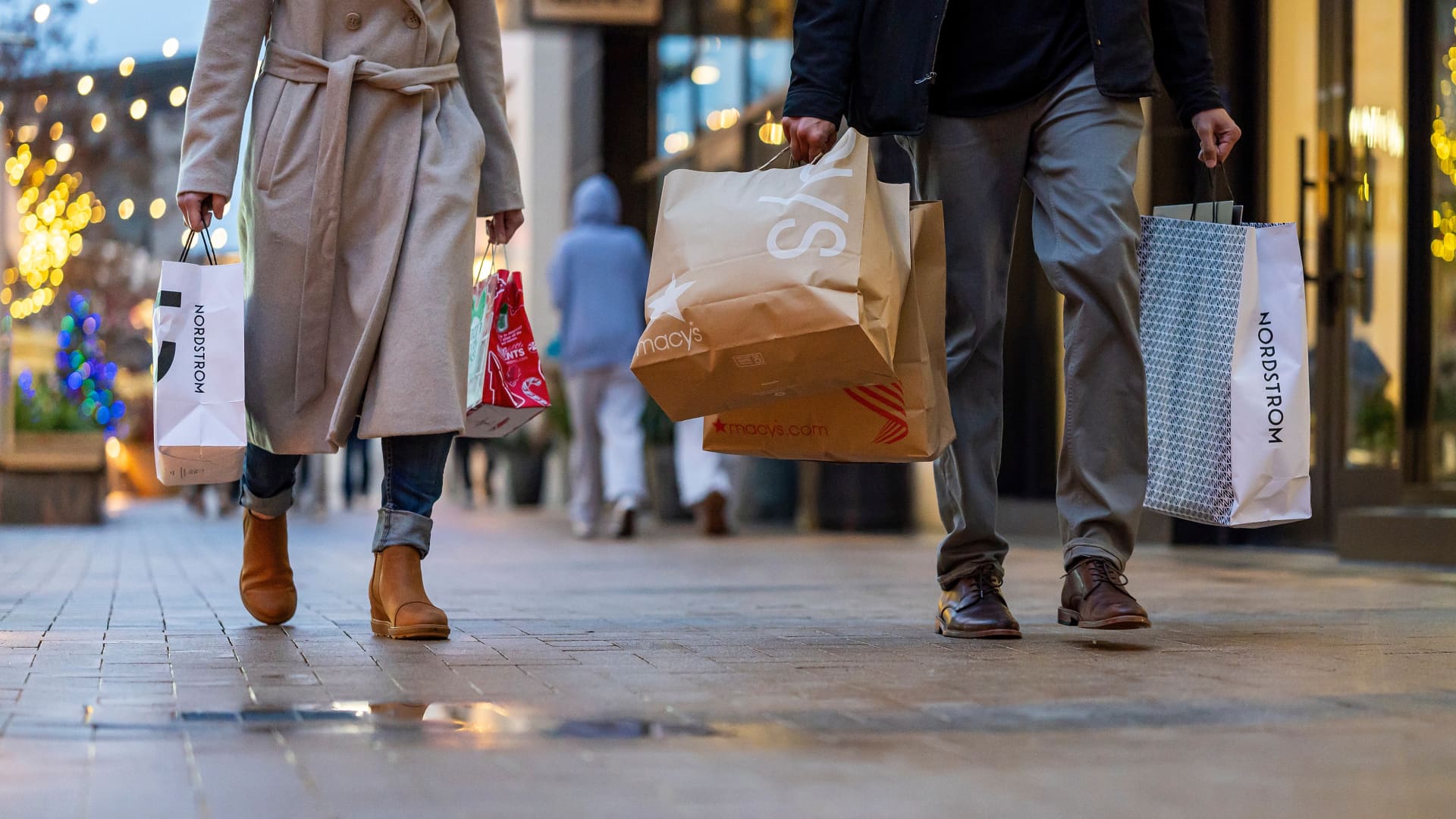
In 2025, US holiday shopping is affected by tariffs, inflation, and economic uncertainty, leading consumers to spend more cautiously and retailers to adjust their inventory and pricing strategies, with some categories like toys and decor experiencing price increases due to overseas supply chain disruptions.
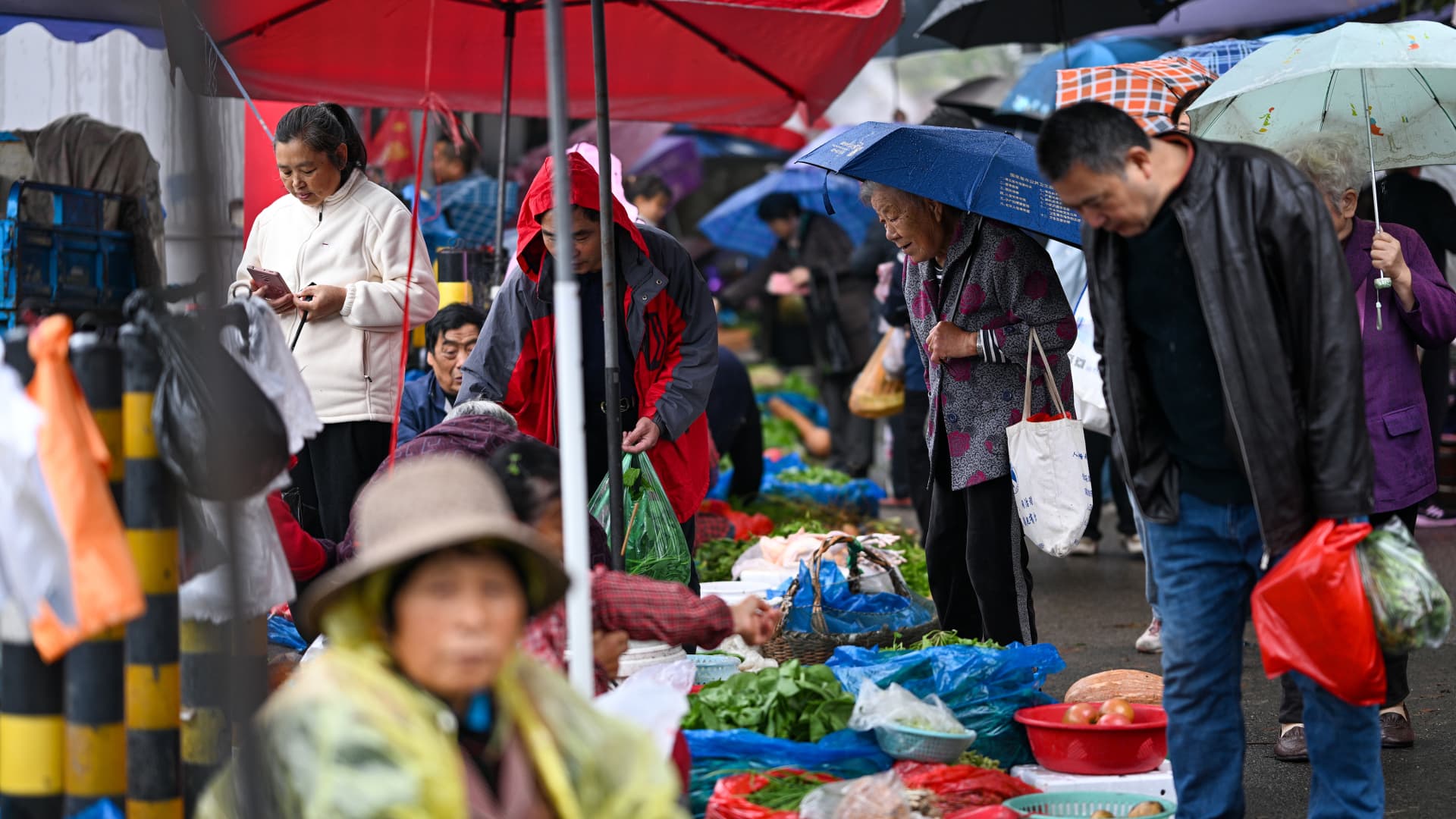
China's consumer prices unexpectedly rose by 0.2% in October due to holiday-driven demand, but economists believe this increase is temporary amid ongoing deflationary pressures and weak economic growth, with broader price declines persisting for over two years.
In October 2025, China's consumer prices returned to positive growth at 0.2%, ending a period of deflation, aided by holiday demand, while producer prices continued to decline but at a slower rate, reflecting ongoing economic challenges amid trade tensions and a housing downturn. The government aims to boost domestic consumption to support economic growth.
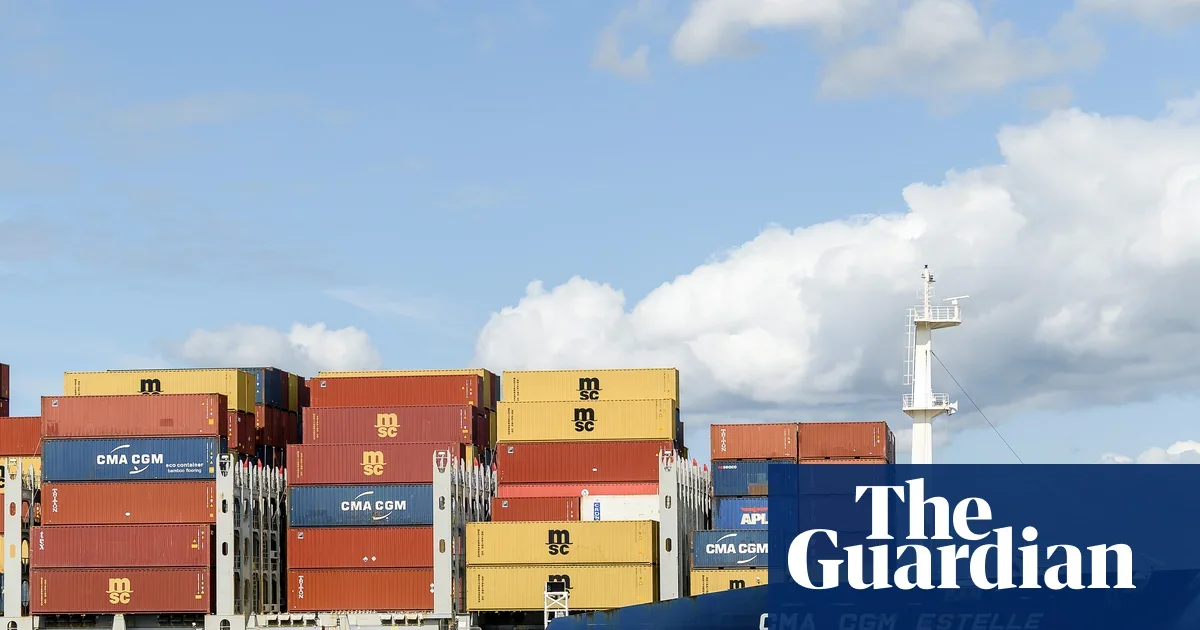
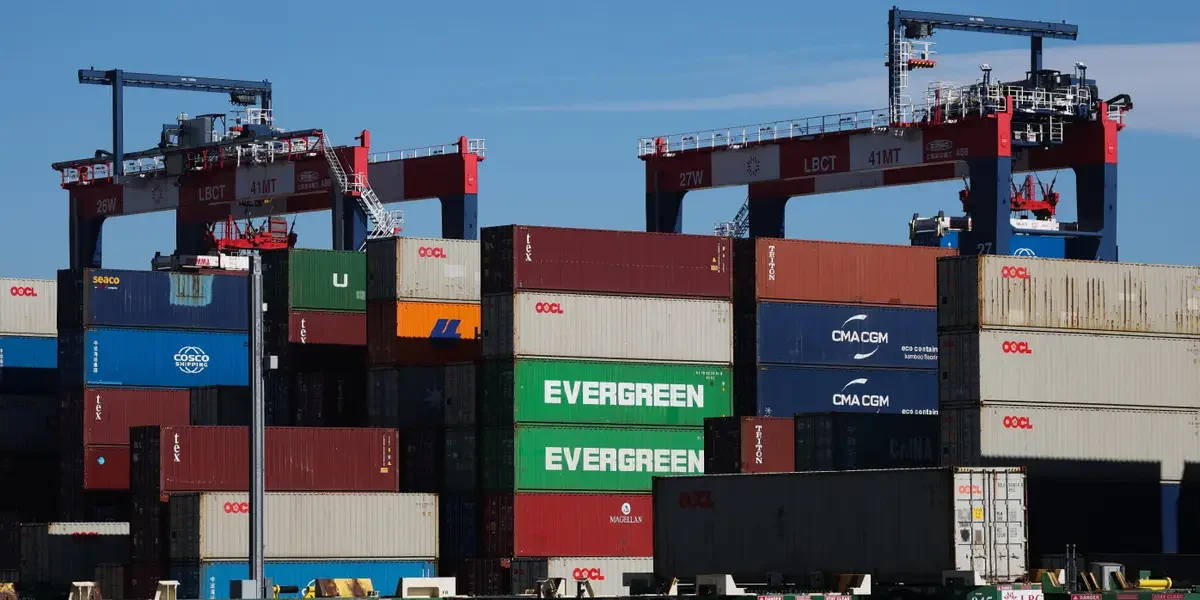
Tariffs imposed since April are expected to increasingly impact consumer prices, especially during the holiday shopping season, with estimates suggesting shoppers could face an additional $132 in costs due to tariffs, which have already contributed to higher prices for goods like clothing and Christmas trees.
Halloween candy prices are rising due to high cocoa prices, inflation, and tariffs, leading to more gummies, less chocolate, and higher costs for consumers, with candy companies adjusting packaging and ingredients to manage costs.
The recent economic report, delayed by the government shutdown, shows benign inflation in September despite high tariffs, with consumer prices rising modestly and signs of disinflation in housing, providing a green light for the Fed to consider interest rate cuts. However, inflation remains somewhat high, and tariff-related price increases continue to impact consumers, leaving uncertainty about future economic conditions.
In September, consumer prices increased at a 3% annual rate, the highest since January, signaling a rise in inflation according to the Bureau of Labor Statistics.
Despite a government shutdown, the U.S. released September inflation data showing a slight increase to 3.0% annually, which may influence Federal Reserve decisions and Social Security adjustments, amid ongoing concerns over rising prices and tariffs.
US consumer prices rose slightly less than expected in September, increasing by 0.3%, which supports the Federal Reserve's plan to cut interest rates again next week, amid ongoing concerns about data collection disruptions due to the government shutdown.
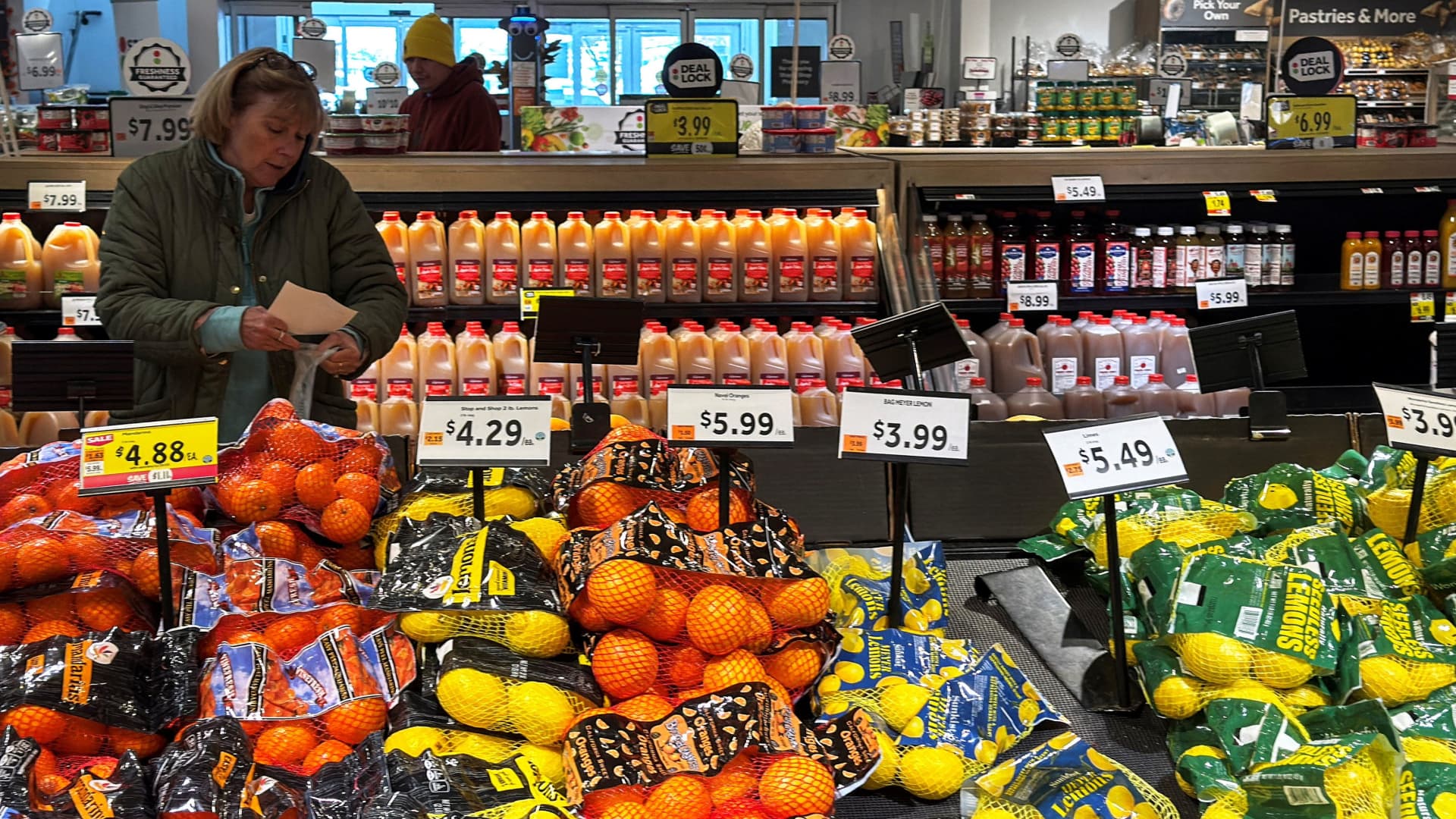
U.S. consumer prices increased by 3% in September, reaching the highest level since January, with beef prices soaring nearly 15%, amid ongoing tariff tensions and economic uncertainties, including a potential impact on Federal Reserve interest rate decisions.
The article discusses the impact of Trump's tariffs on inflation and corporate profits, highlighting that while tariffs have increased costs for companies, many are passing these costs onto consumers gradually, which could prolong inflation. Some companies benefit from tariffs through higher domestic demand, while smaller businesses face challenges in passing costs due to limited options. Overall, tariffs are influencing pricing strategies and profit margins across various sectors.