Tag

Satellite Observations

All articles tagged with #satellite observations

science-and-technology2 years ago

"Forecasting the Impact of Solar Storms: A Bold Prediction"

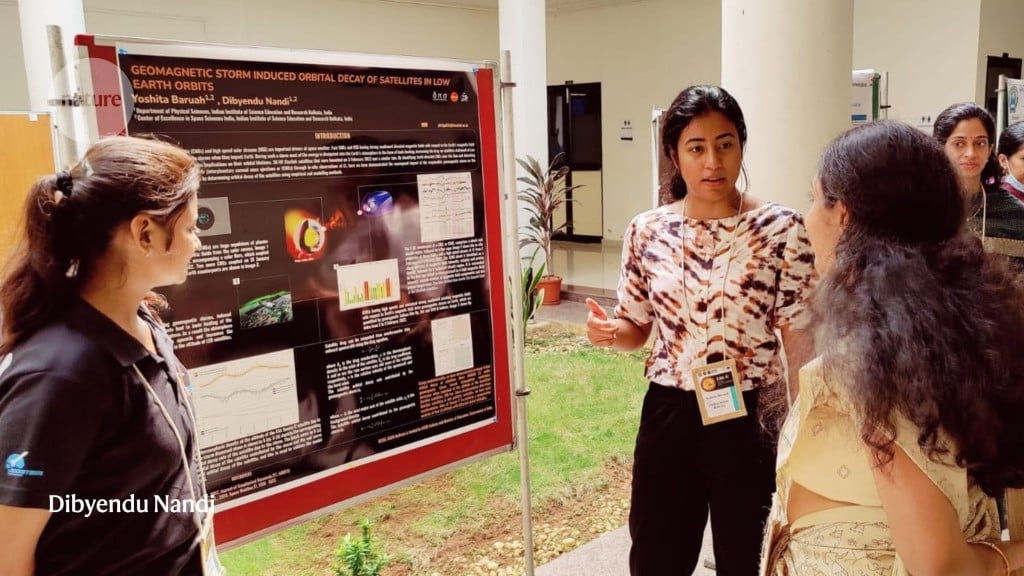
Yoshita Baruah, a researcher studying solar storms and space weather, predicts that understanding space weather will become as mainstream as forecasting the weather on the ground. Baruah emphasizes the impact of space weather on society, citing historical events such as the Carrington Event in 1859 and the Quebec blackout in 1989. To assess space weather, Baruah and her team at the Center of Excellence in Space Sciences India (CESSI) use multiple spacecraft and models to estimate the velocity of coronal mass ejections and predict their arrival on Earth. Baruah also highlights the importance of being part of a community of solar physicists for academic and personal support.

science-and-astronomy2 years ago

"Alarming Satellite Data Reveals Antarctic Ice Shelves' 74 Trillion Ton Water Loss in Just 25 Years"

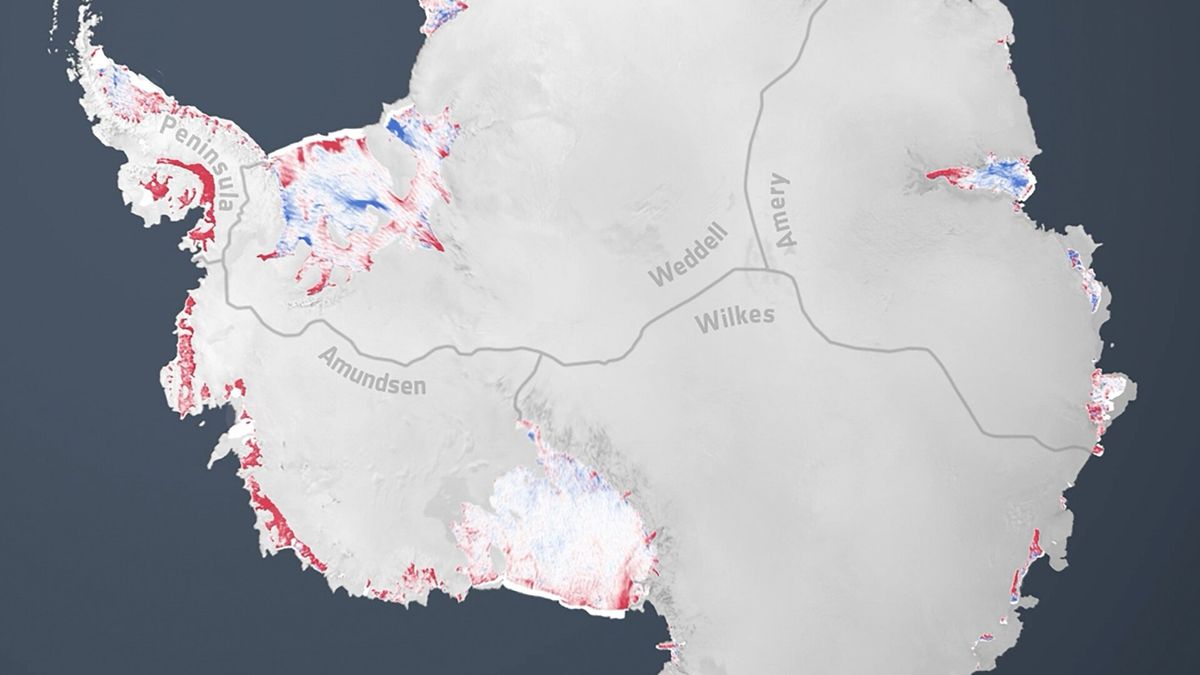
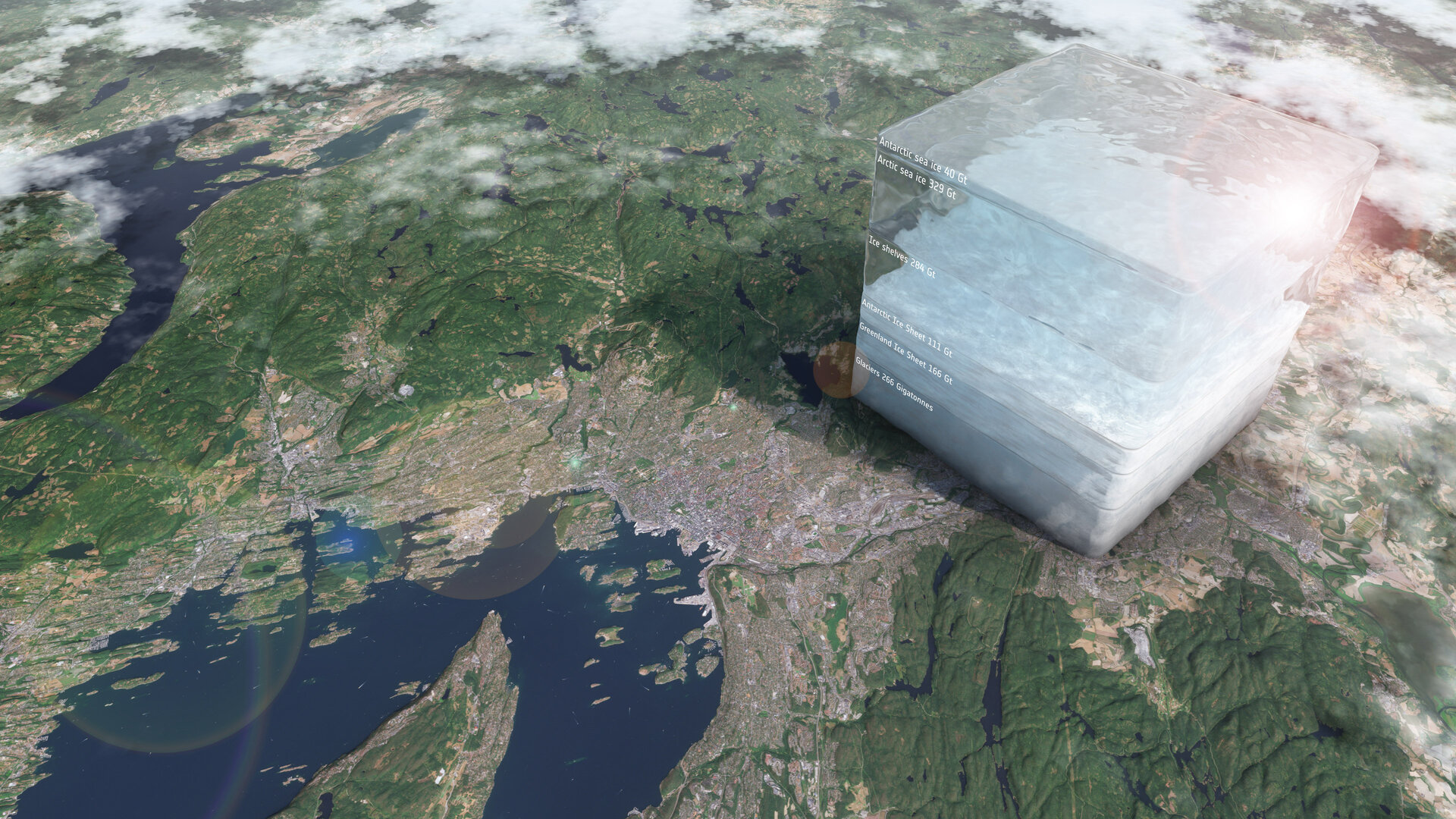
Satellite observations have revealed that over 40% of Antarctica's ice shelves have significantly reduced in volume since 1997, with 71 out of 162 ice shelves experiencing a decrease in volume. These ice shelves lost around 8.3 trillion tons of ice during the study period, releasing approximately 74 trillion tons of fresh meltwater into the ocean. The loss of ice shelves and the subsequent increase in glacier freshwater flowing into the ocean pose a double threat to Antarctica, impacting ocean circulation and global temperature regulation. The findings highlight the accelerating impact of climate change on Antarctica's ice shelves.

agriculture2 years ago

Real-time Crop Monitoring: Algorithm Revolutionizes Farming

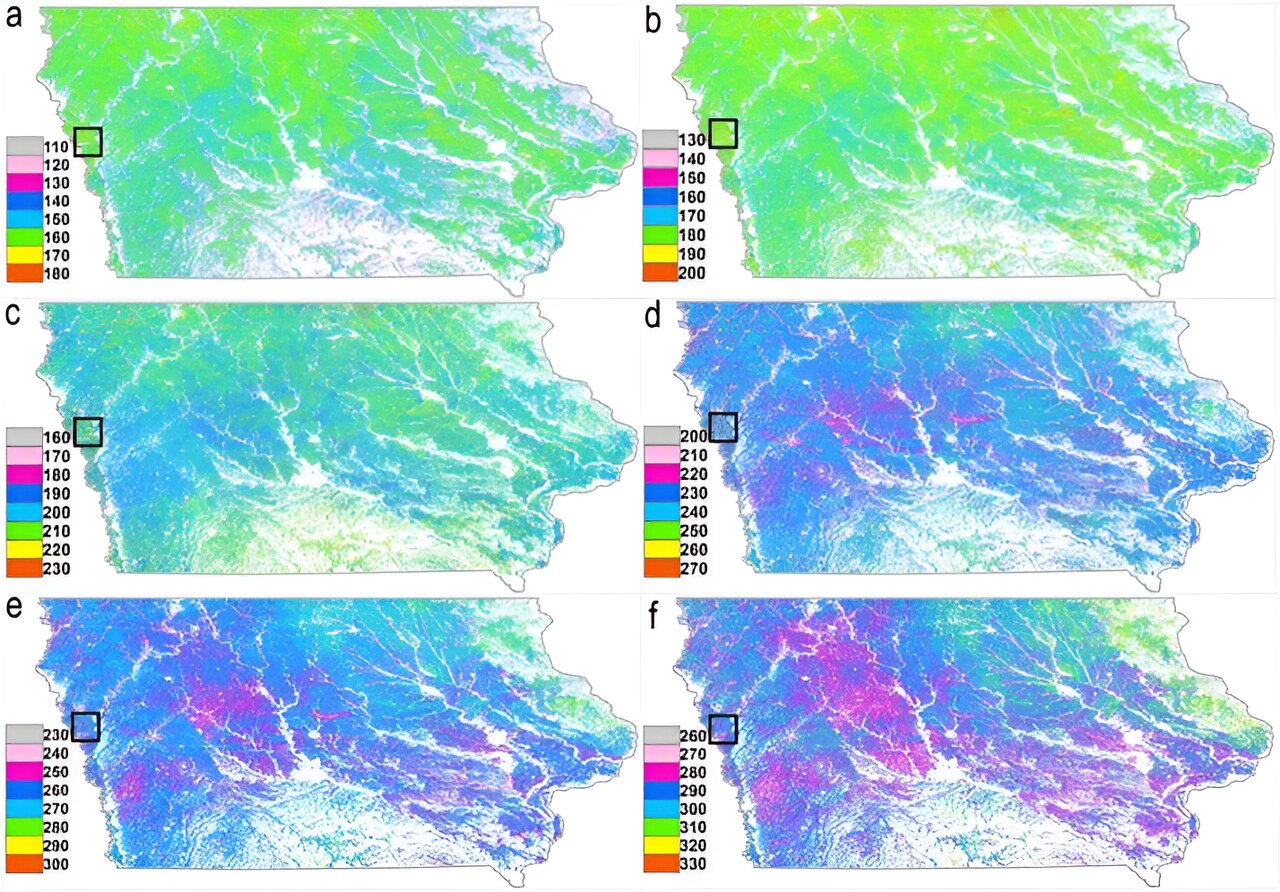
Researchers at South Dakota State University have developed a novel algorithm that allows farmers to monitor their crops in real time. By utilizing timely satellite observations, the algorithm calculates high spatial and high temporal crop greenness development, providing accurate timing for crop phenology. The algorithm can monitor crop growth at a 30-meter field scale and accurately predict six dates of crop growth transition stages. This information can guide farmers in their crop management, including irrigation scheduling and estimating yield size. The algorithm is expected to become a new geospatial tool for monitoring crop progress and condition, with potential applications for evaluating worldwide food security.

environment2 years ago

The Changing Colors of Earth's Oceans: A Climate Change Impact

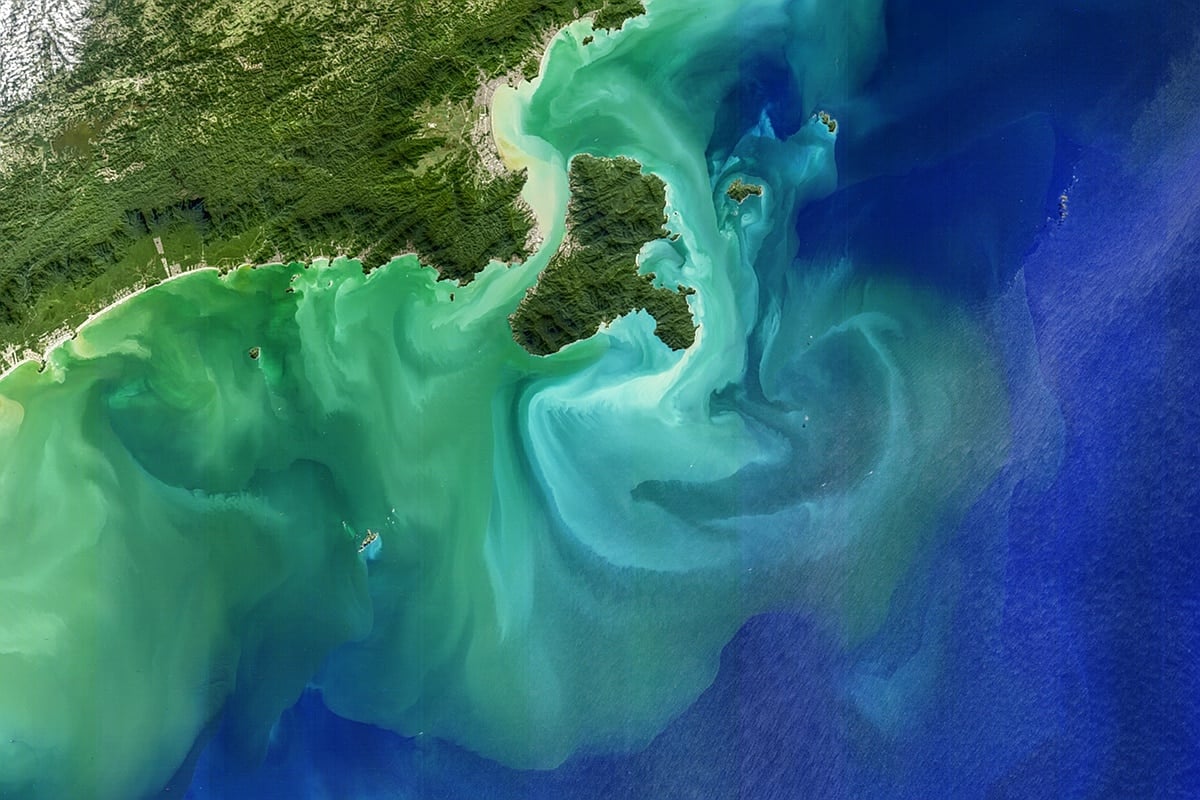
The color of more than half of the world's oceans is changing rapidly due to climate change, according to a study analyzing two decades of satellite observations. The changes in color are primarily caused by shifts in phytoplankton populations, which are highly sensitive to climate change. Rising temperatures, disrupted ocean currents, and changes in acidity are affecting the abundance and distribution of phytoplankton, leading to alterations in the ocean's color. These changes have significant implications for marine ecosystems and food chains. While the changes may not be immediately visible to the naked eye, they serve as a warning sign of the urgent need to address climate change.

space-science2 years ago

Remote Analysis of Extraterrestrial and Terrestrial Rivers Unveils Lifespans and Strengths

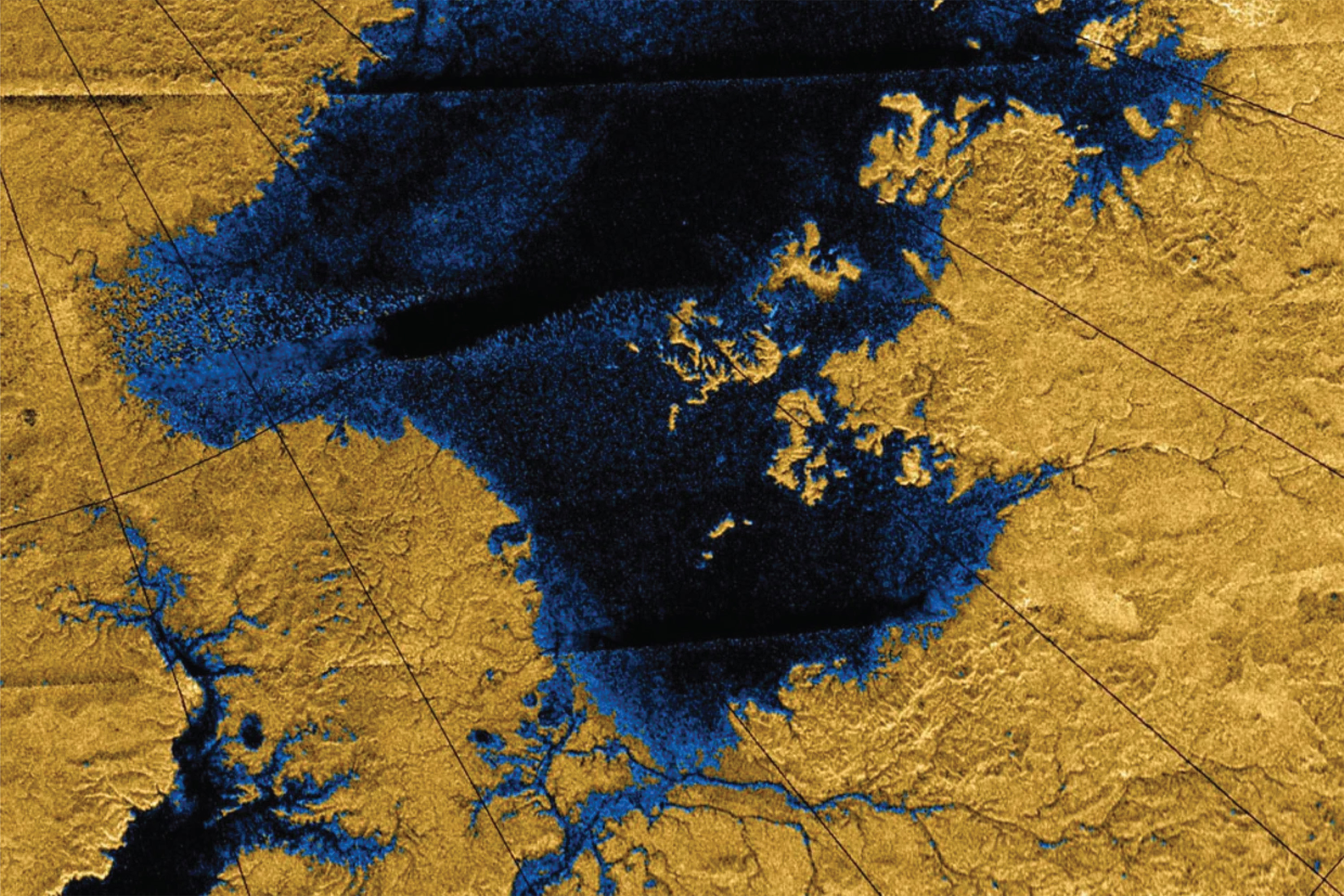
MIT geologists have developed a new technique using satellite observations to estimate the rate at which rivers move fluid and sediment downstream on Mars and Titan. By applying this technique, they were able to calculate the intensity of past river flows on Mars and the current flow of rivers on Titan. The study revealed that rivers on Mars likely flowed for at least 100,000 years at Gale Crater and at least 1 million years at Jezero Crater, potentially supporting life. On Titan, the rivers were found to be comparable in size to some of Earth's largest rivers, but they lack the fan-shaped deltas typically found on Earth, suggesting that other factors are at play.

environment2 years ago

Tibetan Plateau lake emissions challenge climate models.

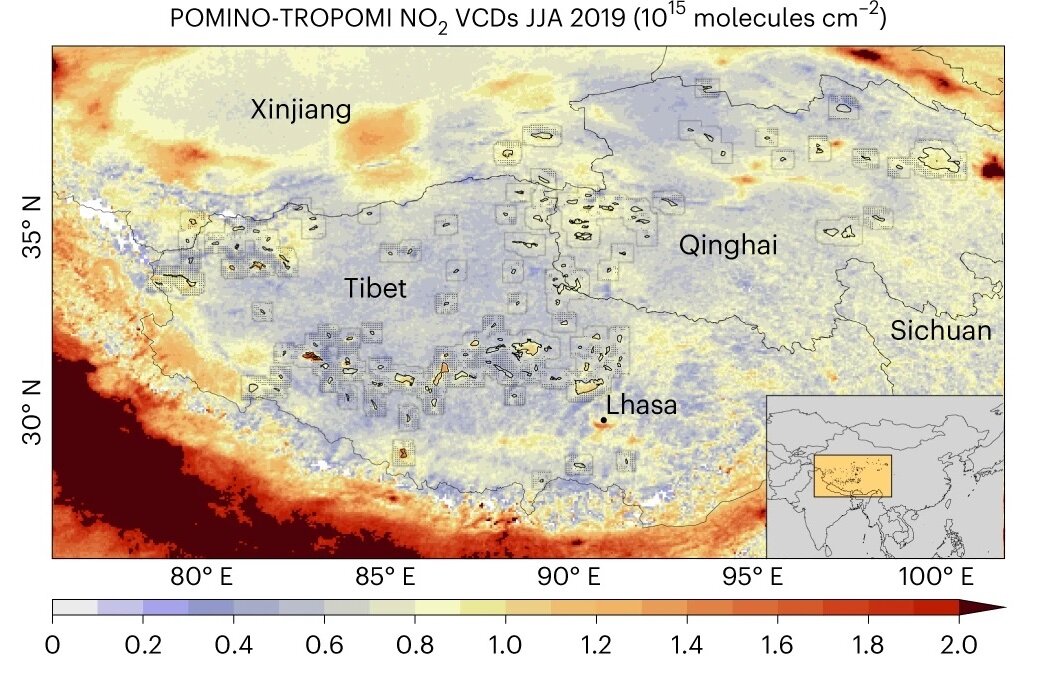
Satellite observations of 135 lakes on the Tibetan Plateau have recorded total nitric oxide emissions of 1.9 metric tons per hour, comparable to the emissions from global megacities, challenging the understanding that nitric oxide in lakes is not a major forcing factor in air quality or climate models compared to human sources. The cause of such unusually high levels of nitric oxide from the lakes has been attributed to a combination of microbial processes, alongside warming and melting of glaciers and permafrost on the plateau. The researchers advocate for future modeling of global warming to include lake and inland water nitric oxide emissions worldwide to help us understand how all aspects of Earth's system may affect, and be affected by, climate change.

climate-change2 years ago

"NASA's Chilling Animation Depicts 30 Years of Rising Seas"

NASA has released an animation showing the rise in sea levels over the past 30 years, which has been monitored by satellites. The animation shows that sea levels have risen by over 9 centimeters (about 3.5 inches) in that time. Rising seas are expected to impact millions of people, with coastlines disappearing unless emissions are drastically cut down to zero. The animation is designed to be seen through a circle, using the visual metaphor of looking out the porthole of a boat and watching years of sea level rise transpire.

climate-change2 years ago

Enhanced Global Sea Ice Monitoring

The European Space Agency's Climate Change Initiative has released a new high-resolution sea-ice concentration data record covering 30 years (1991-2020) of sea-ice concentration in higher resolution, providing new insights of sea ice concentration across the globe. The data is processed from microwave imagery and Numerical Weather Prediction data through a dedicated algorithm developed by the CCI Sea Ice team. The data were then validated using data from the Copernicus Sentinel-1 radar mission which provides all-weather sea-ice mapping capabilities. The new dataset will help improve model predictions and understanding of Arctic dynamics.