The Seahawks' defense led them to an 18-16 win over the Colts, limiting Philip Rivers and Jonathan Taylor, despite Rivers' impressive return and Taylor's usual explosiveness, with key plays including a game-winning field goal and a game-sealing interception.
A recent study published in Nature reveals that ancient carbon stored in soils and rocks is leaking into the atmosphere through rivers at a much higher rate than previously thought, potentially significantly impacting global climate change efforts and requiring a reassessment of the global carbon cycle.
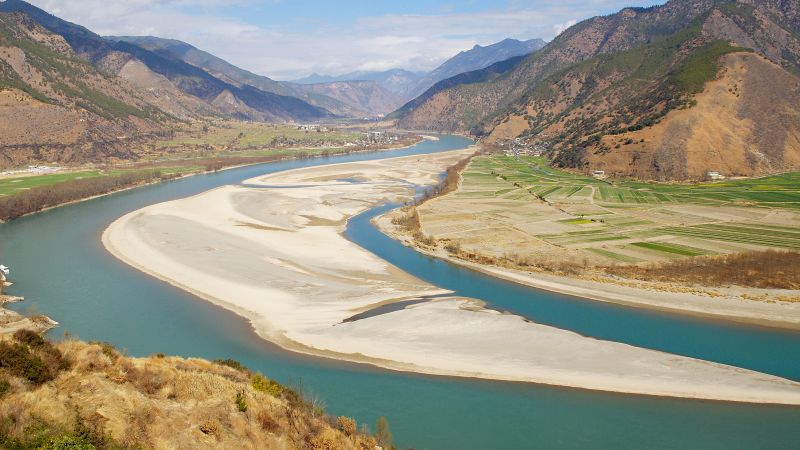
A recent study using 36 years of satellite data has revealed that rivers split into multiple channels when erosion outpaces sediment deposition on opposite banks, a finding that clarifies a century-old mystery and has implications for river restoration and flood management.
A new study reveals that over half of the carbon emissions from rivers come from ancient, long-term stored carbon, challenging previous assumptions and indicating a significant, previously unaccounted-for source of atmospheric greenhouse gases that could impact climate change models.
A new study has mapped the flow of water through the world's rivers over 35 years, revealing significant changes with major implications for water supply and flood risks. Nearly half of the largest downstream rivers have seen reduced flow, while 17% of smaller upstream rivers have increased flow, largely due to human activity and climate change. These changes affect freshwater availability, sediment transport, and flood risks, highlighting the need for better understanding and adaptation to these rapid shifts.
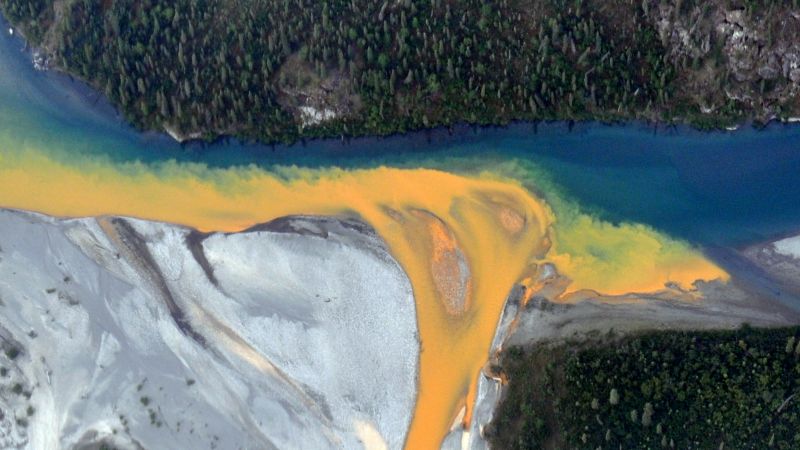
Rivers and streams in Alaska are turning orange due to toxic metals like iron, zinc, and copper being released from thawing permafrost, a phenomenon linked to climate change. This unexpected consequence has surprised scientists and raised concerns about the impact on aquatic life and local communities relying on these waterways. Similar effects have been observed in other regions, including Colorado's Rocky Mountains.
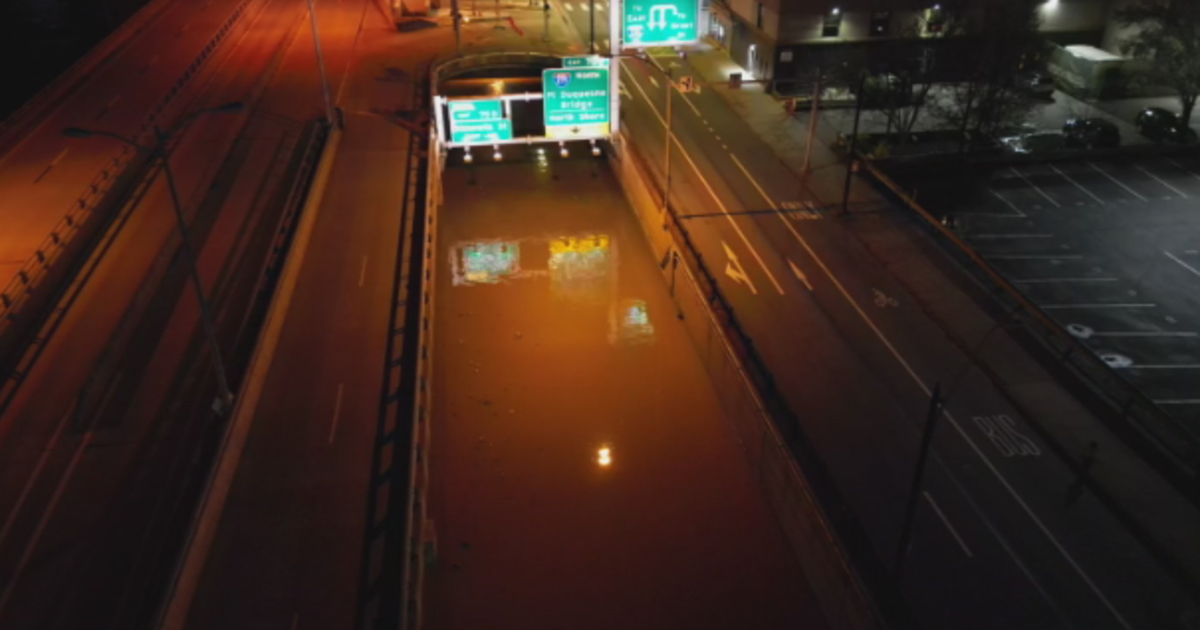
Several rivers in the Pittsburgh area have reached or are near major flood stages following record rainfall, with the Ohio River in Pittsburgh cresting just below the major flood stage mark. Flood warnings are in place, impacting traffic and causing closures of major routes. The Monongahela and Youghiogheny Rivers have also crested at major flood stages, leading to significant flooding across the region. The wet weather is expected to continue, with colder conditions increasing the risk of landslides, and winter weather advisories in effect for parts of West Virginia.
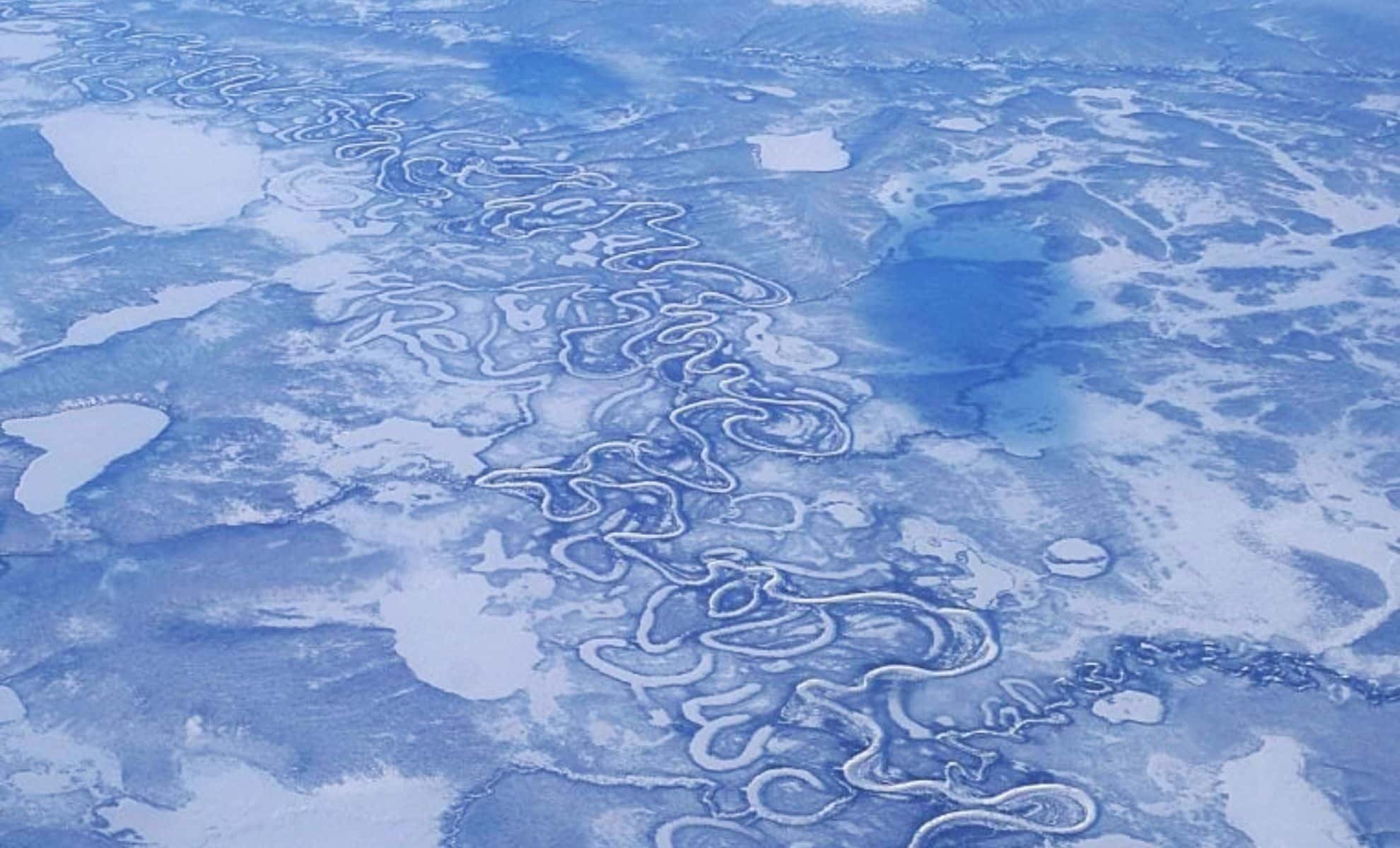
As global temperatures rise, Arctic permafrost could thaw, leading to the creation of new rivers and expansion of existing ones, releasing large amounts of carbon into the atmosphere and potentially triggering a devastating feedback loop. The study found that permafrost thaw from 1 degree Celsius of warming in the Arctic could emit the same amount of carbon as 35 million cars driven for a year, contributing to more warming and erosion of the landscape.
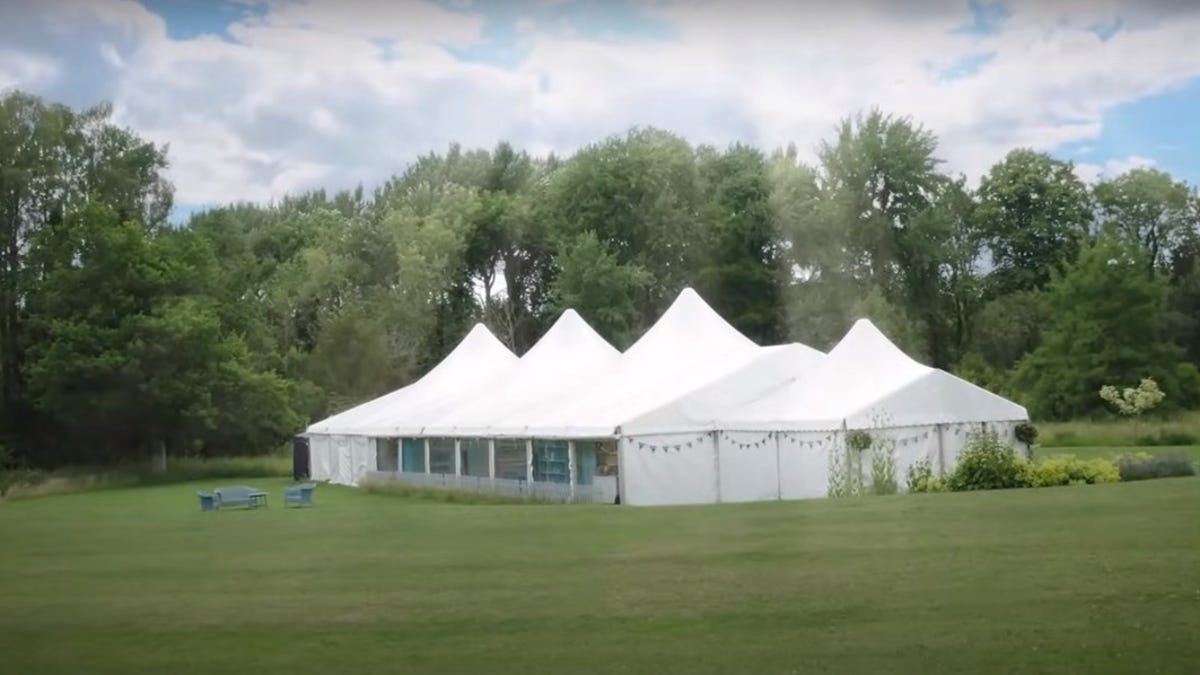
Toxic runoff from roads surrounding the Welford Park Estate, where the 'Great British Baking Show' tent is erected, is polluting streams and rivers in the area, with the River Lambourn being particularly affected. The runoff contains oil, chemicals, and rubber particulates from car and truck tires, posing a threat to the local ecology. Despite the identification of over 1,000 high-risk areas, only 30 have been slated for mitigation measures by National Highways, raising concerns about the future impact of increasing tire and brake particulates from larger electric cars on waterways.
NASA's Mars Reconnaissance Orbiter has captured an image showing evidence of ancient rivers on Mars, indicating that the planet once teemed with water billions of years ago. The snapshot reveals ridges in Aeolis Planum, showcasing the meandering forms of dried-up rivers and the geological phenomenon of inverted channels. While Mars is now an intensely dry, desert world, NASA's Perseverance rover is currently searching for potential signs of past primitive life on the Red Planet, and the space agency is investigating the potential for a compact Mars plane to further explore the Martian surface.
Heavy rain in southeast Texas has led to concerns about potential flooding in the Houston area, particularly along the San Jacinto River, Trinity River, and San Bernard River. Water releases from the Lake Conroe dam and Lake Livingston dam have raised water levels, prompting voluntary evacuation orders in some areas. Residents are advised to exercise caution and stay away from affected rivers until water levels recede.
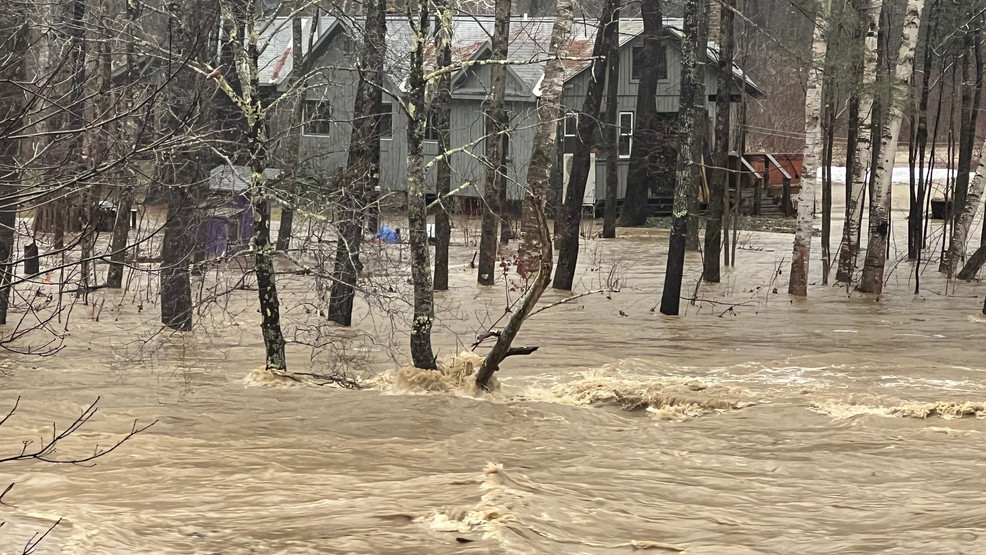
Heavy rain in Maine caused rivers to rapidly rise, resulting in historic flooding in some areas. Western Maine experienced serious flooding, with reports of people and cars getting trapped. Road damage is extensive, including major roads near the Sunday River Ski Resort. River flooding will continue to be a problem on Tuesday, with some rivers reaching record highs or near record highs. The Androscoggin River in Auburn and the Kennebec River in Augusta are forecasted to crest at the third highest level ever, while the Kennebec River in Hallowell is expected to reach a record high.
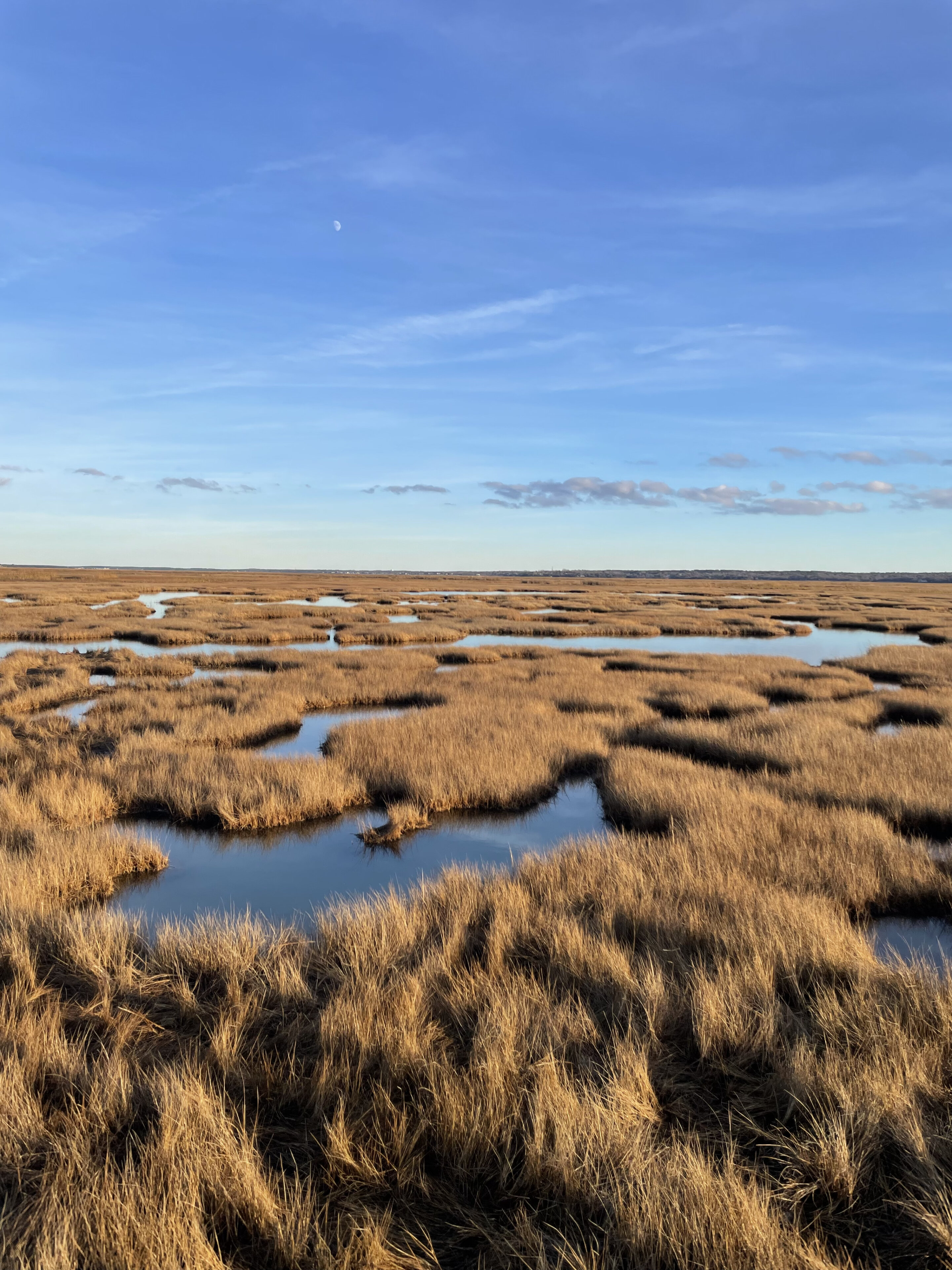
A study published in Science reveals that large dam removal projects may not be an effective solution to combat the loss of coastal wetlands caused by sea-level rise. Researchers found that the majority of U.S. rivers do not deliver enough sediment to match the rising sea levels in their connected coastal areas. Nearly three out of every four rivers analyzed fell short of the required sediment amount by at least 10-fold. The study emphasizes that most U.S. watersheds are small and not significant sources of sediment buildup in wetlands, making dam removal ineffective in these areas. Alternative strategies, such as preserving low-lying land and restoring natural hydrology, are suggested to save tidal wetlands.
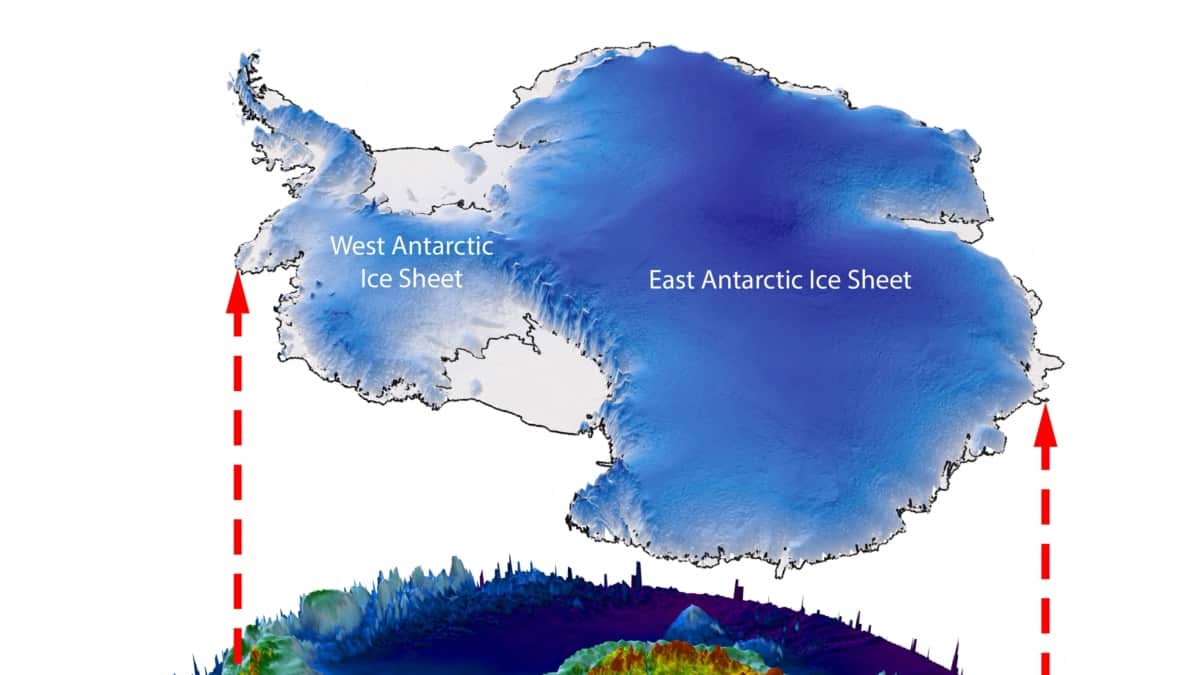
Scientists have discovered a large ancient landscape buried under Antarctica's ice sheet, revealing that the continent was once home to rivers and forests. The landscape, located in East Antarctica's Wilkes Land area, dates back at least 14 million years and possibly even further. The discovery provides a snapshot of what Antarctica looked like before it entered its deep freeze, with climates ranging from present-day Patagonia to tropical. The fossil record is too incomplete to determine which animals inhabited the area, but drilling through the ice could potentially uncover evidence of ancient life.
New research analyzing data from the Curiosity rover suggests that Mars may have once been home to flowing rivers, indicating the potential for ancient life. The study found that many of the craters on Mars could have once been habitable rivers, offering a more optimistic view of the planet's past conditions for life. This adds to the mounting evidence that life may have existed on Mars, including the presence of organic molecules in rocks and the discovery of abundant water. NASA's continued exploration of Mars and plans for future missions aim to further investigate the possibility of past or present life on the red planet.