A small dam in upstate New York was removed, leading to rapid ecological recovery within three years, including improved water quality, increased habitat diversity, and the return of fish and macroinvertebrates, demonstrating nature's resilience and the benefits of removing obsolete barriers to restore river health.
President Trump reversed a 2023 agreement aimed at salmon recovery and dam removal in the Columbia River Basin, halting federal funding and initiatives that supported tribes and environmental efforts, leading to condemnation from tribes and environmental groups and raising concerns about future legal and ecological impacts.
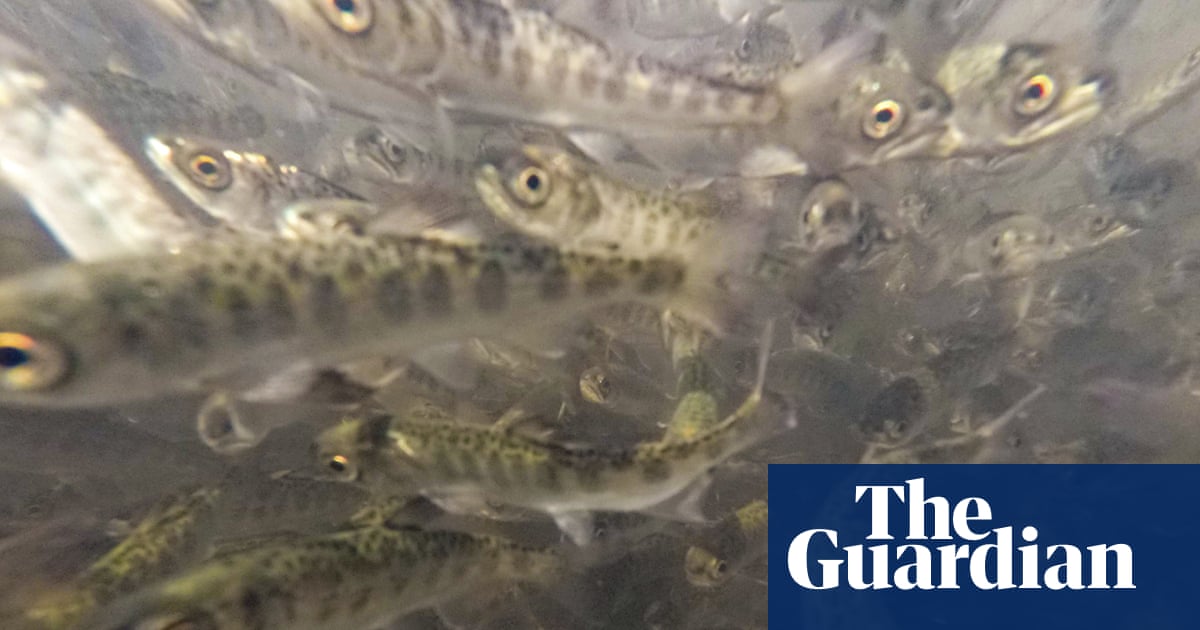
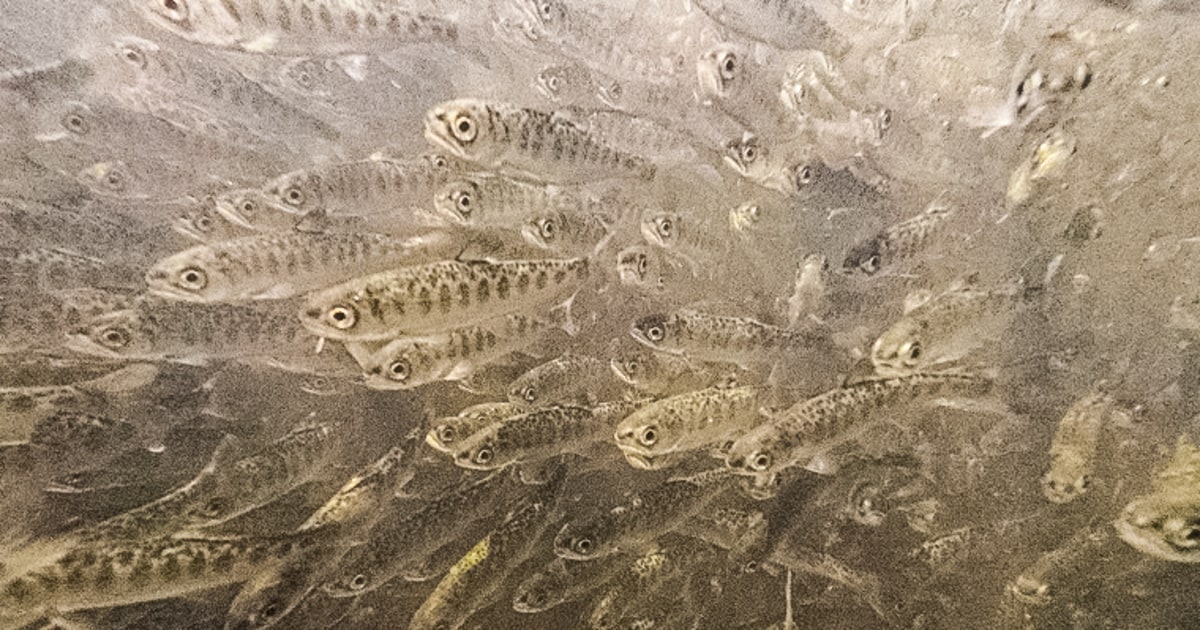
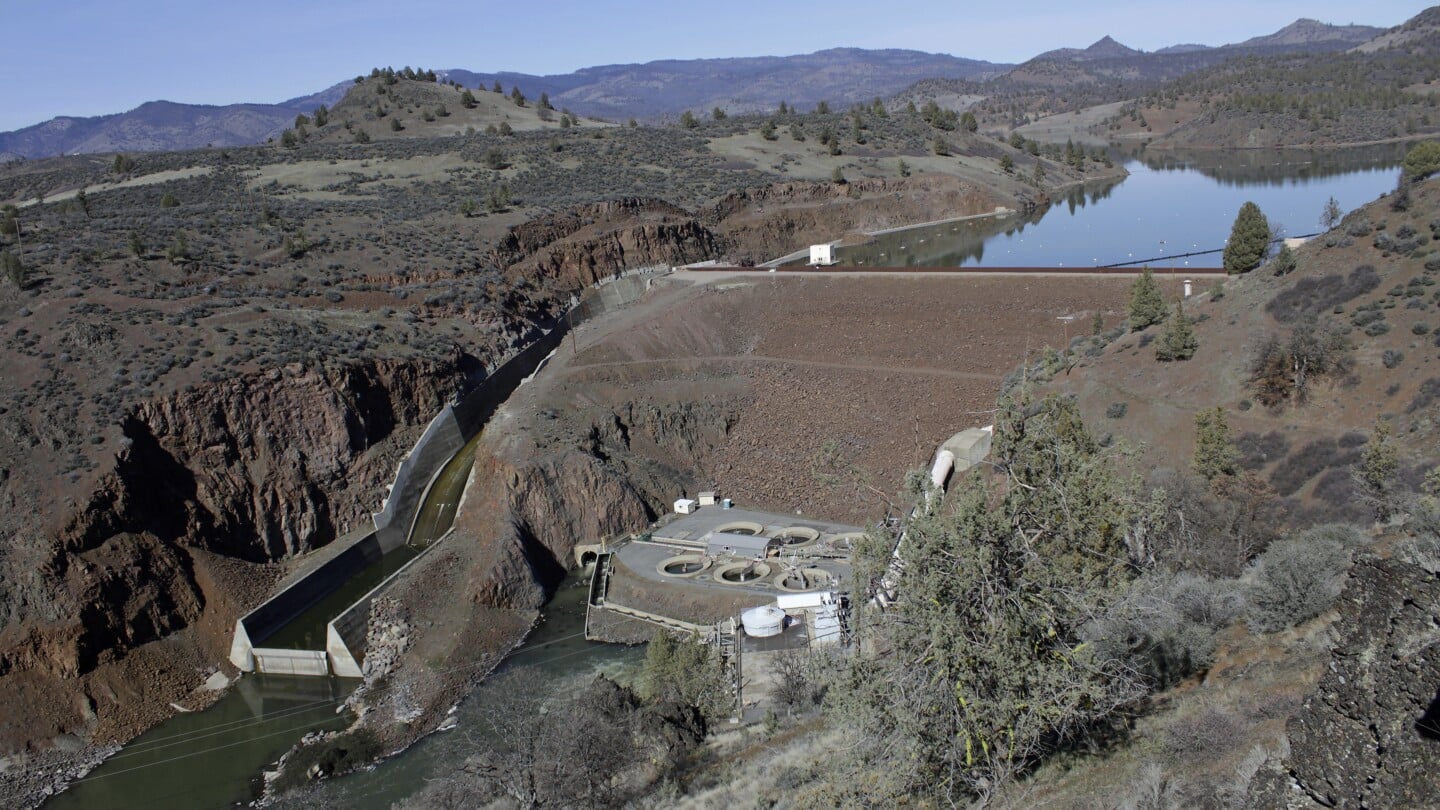
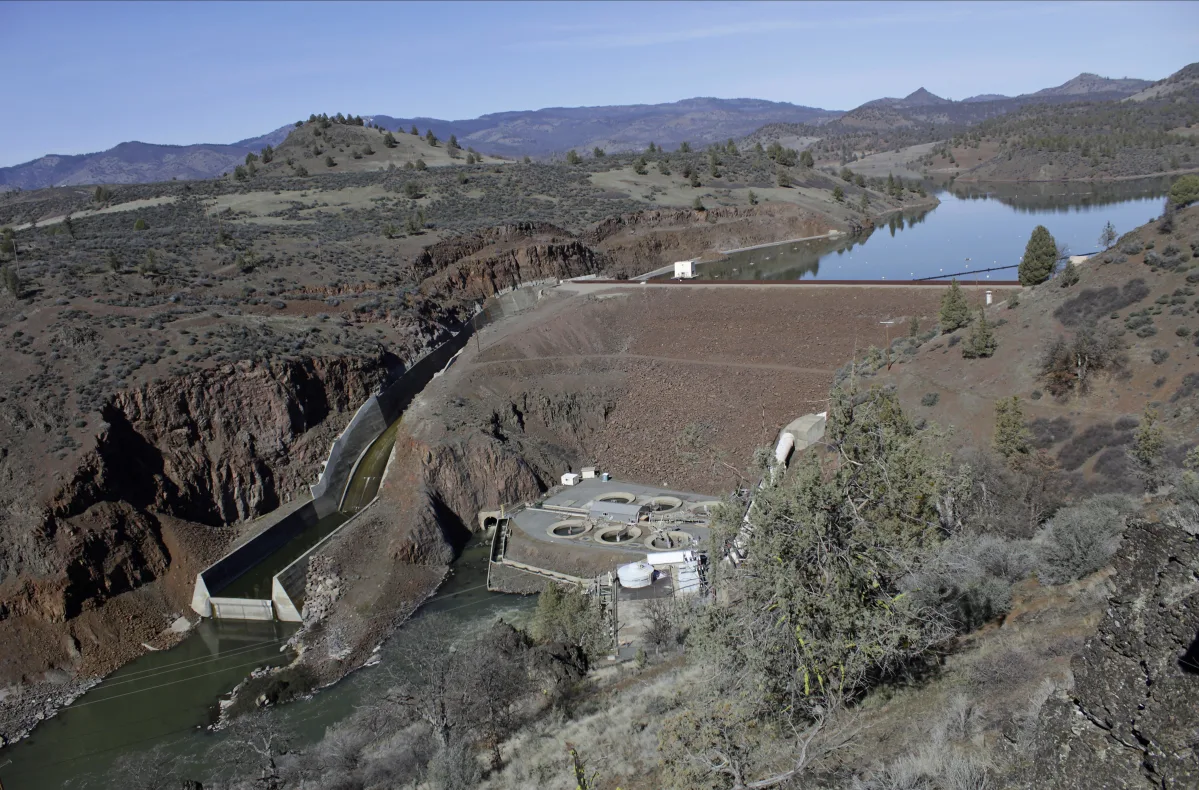
Hundreds of thousands of newly hatched Chinook salmon released into the Klamath River have died from "gas bubble disease" caused by extreme changes in water pressure, following the largest dam removal project in US history. The removal of four hydropower dams aims to restore the river and its ecosystem to their natural state, benefiting local tribes and the salmon fishery. The deaths were attributed to a tunnel at the Iron Gate dam, which is scheduled for demolition, and officials plan to release more fish downstream once the dams are removed. The restoration efforts seek to address historical harm to salmon populations and the ecosystem caused by damming and water diversions, with the ultimate goal of reducing large-scale fish die-offs.
Around 830,000 salmon fry released into California's Klamath River are believed to have died due to gas bubble disease caused by a severe change in pressure as they went through the Iron Gate Dam tunnel. The fish were the first release from the Fall Creek Fish Hatchery, part of a project to support salmon populations once the river is fully undammed. The dam and tunnel are set to be removed later this year. The incident is a stark reminder of the harm caused by dams to salmon runs in the Klamath River.
A study published in Science reveals that large dam removal projects may not be an effective solution to combat the loss of coastal wetlands caused by sea-level rise. Researchers found that the majority of U.S. rivers do not deliver enough sediment to match the rising sea levels in their connected coastal areas. Nearly three out of every four rivers analyzed fell short of the required sediment amount by at least 10-fold. The study emphasizes that most U.S. watersheds are small and not significant sources of sediment buildup in wetlands, making dam removal ineffective in these areas. Alternative strategies, such as preserving low-lying land and restoring natural hydrology, are suggested to save tidal wetlands.
The largest dam removal project in U.S. history is underway along the California-Oregon border, with the goal of restoring the Klamath River and its surrounding land to its natural state. Over the next decade, workers and Native American tribes will plant and monitor nearly 17 billion seeds to revive the river's ecosystem. The removal of four hydroelectric dams will open up more than 400 miles of river for threatened species of fish and other wildlife. The project aims to combat invasive species and restore the cultural and spiritual significance of the river to Native American tribes. The $500 million project is funded by taxpayers and PacifiCorps ratepayers.
The largest dam removal project in U.S. history is underway along the California-Oregon border, with the goal of restoring the Klamath River and its surrounding land to its natural state. Over the next decade, workers and Native American tribes will plant and monitor nearly 17 billion seeds to repopulate the area with native plants and create habitat for fish. The project aims to reverse the damage caused by the dams, which disrupted the river's flow and harmed salmon populations. While some homeowners and a water users association have opposed the project, the restoration efforts are seen as a crucial step in preserving the river's ecosystem and cultural significance to Native American tribes.
The largest dam removal project in U.S. history is underway along the California-Oregon border, with the goal of restoring the Klamath River and its surrounding land to its natural state. Over the next decade, workers and Native American tribes will plant and monitor nearly 17 billion seeds to repopulate the area with native plants and create habitat for fish. The removal of four hydroelectric dams will open up more than 400 miles of river for threatened species. The project aims to reverse the ecological damage caused by the dams and restore the cultural and spiritual significance of the river to Native American tribes.
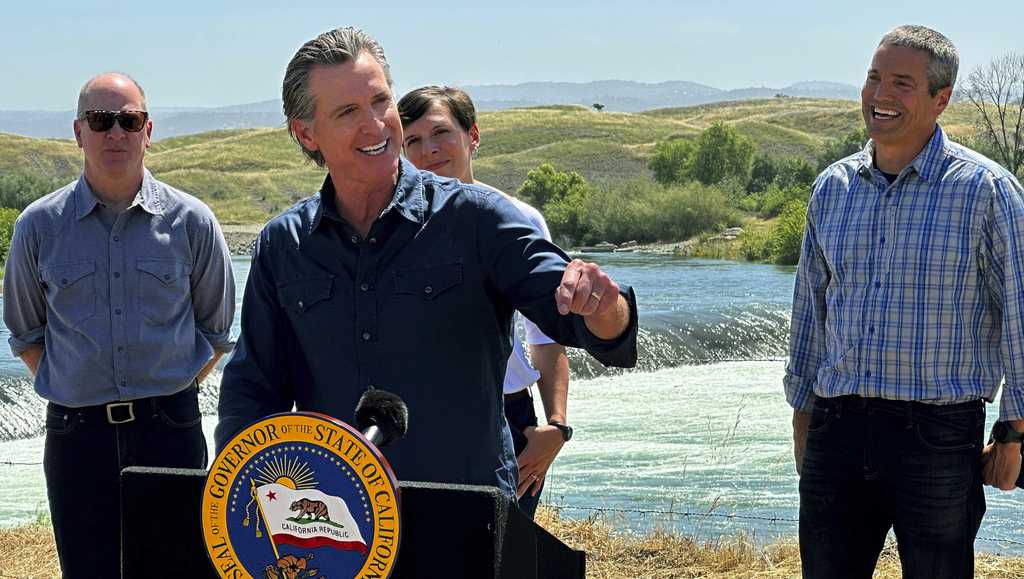
California officials will spend $60 million to build a channel along the Yuba River to allow salmon and other threatened fish species to bypass a Gold Rush-era dam that has cut off their migration for over a century. The project is part of state and federal officials' efforts to reverse the environmental damage caused by century-old infrastructure along California's major rivers and streams. The dam blocks three species of fish from migrating up the river to spawn, and the National Marine Fisheries Service declared in 2012 that the dam posed a threat to the survival of those fish species.