A US Coast Guard investigation found that the 2023 Titan submersible disaster was preventable due to OceanGate's flawed safety practices, inadequate design, and regulatory evasion, highlighting the need for stronger oversight of novel vessel operations.
A research team alleges that Pfizer concealed two deaths during its COVID-19 vaccine clinical trials, potentially indicating dangerous side effects. The deaths, one in Kansas and another in Georgia, were not reported in a timely manner, raising concerns about the trial's integrity and the vaccine's safety. The researchers argue that these omissions could have influenced the vaccine's emergency use authorization and highlight potential cardiovascular risks associated with the vaccine. The findings suggest Pfizer may have been aware of these risks before the vaccine's approval.
A study published in The American Journal of Clinical Nutrition found that many prenatal vitamins contain toxic heavy metals like cadmium, arsenic, and lead, which may increase the risk of autism and other health issues in children. Researchers tested 47 prenatal vitamins and discovered discrepancies between label claims and actual contents, highlighting the need for stronger regulatory oversight. Despite these concerns, prenatal vitamins remain important, and women are advised to consult healthcare professionals to choose safe options.
A new study from the University of Colorado Anschutz Medical Campus reveals that some prenatal vitamins contain concerning levels of toxic heavy metals like arsenic, lead, and cadmium, while others lack essential nutrients such as choline and iodine. The study tested 47 prenatal vitamins and found discrepancies between label claims and actual contents, with some products exceeding safety limits for heavy metals. Despite these findings, researchers still recommend taking prenatal vitamins during pregnancy but urge stronger regulatory oversight and careful selection of supplements.
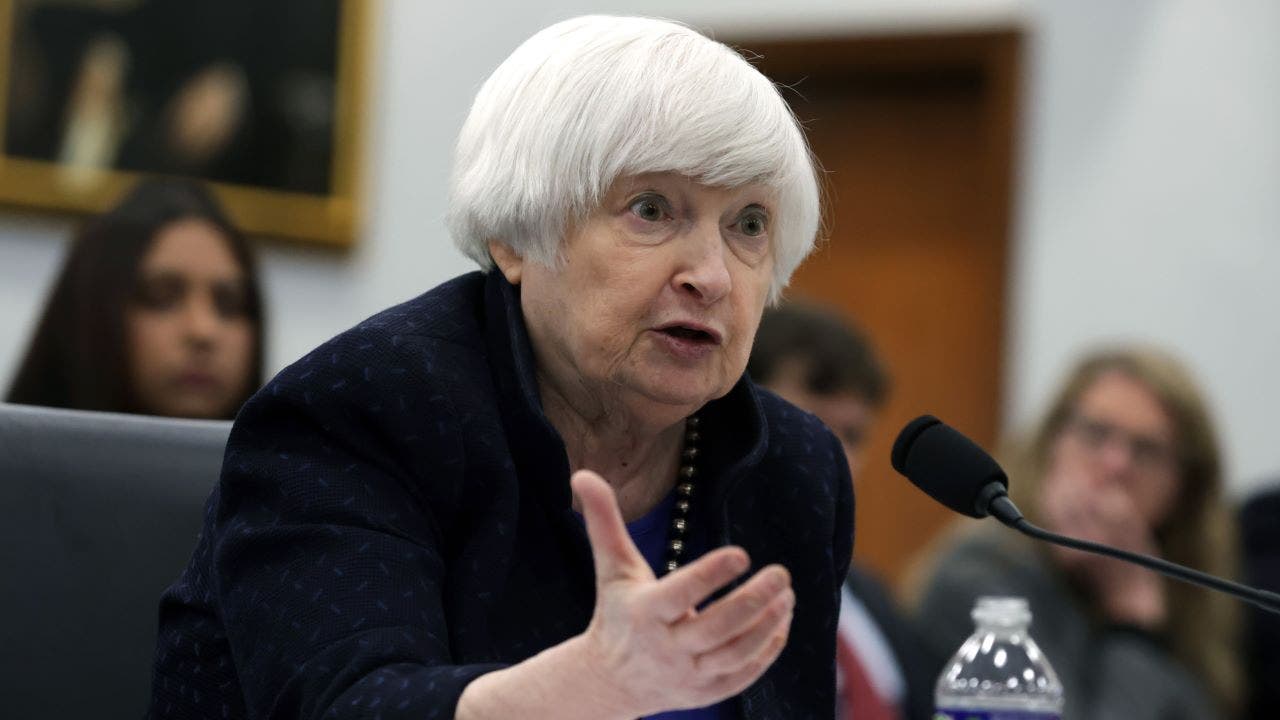
Treasury Secretary Janet Yellen will warn about the significant risks of using AI in finance, despite its benefits, in a speech at an AI conference. She will highlight AI's potential to improve efficiency and access to financial services but also point out vulnerabilities such as model complexity, data biases, and concentration risks. Yellen emphasizes the need for robust risk management frameworks and scenario analysis to address these challenges.
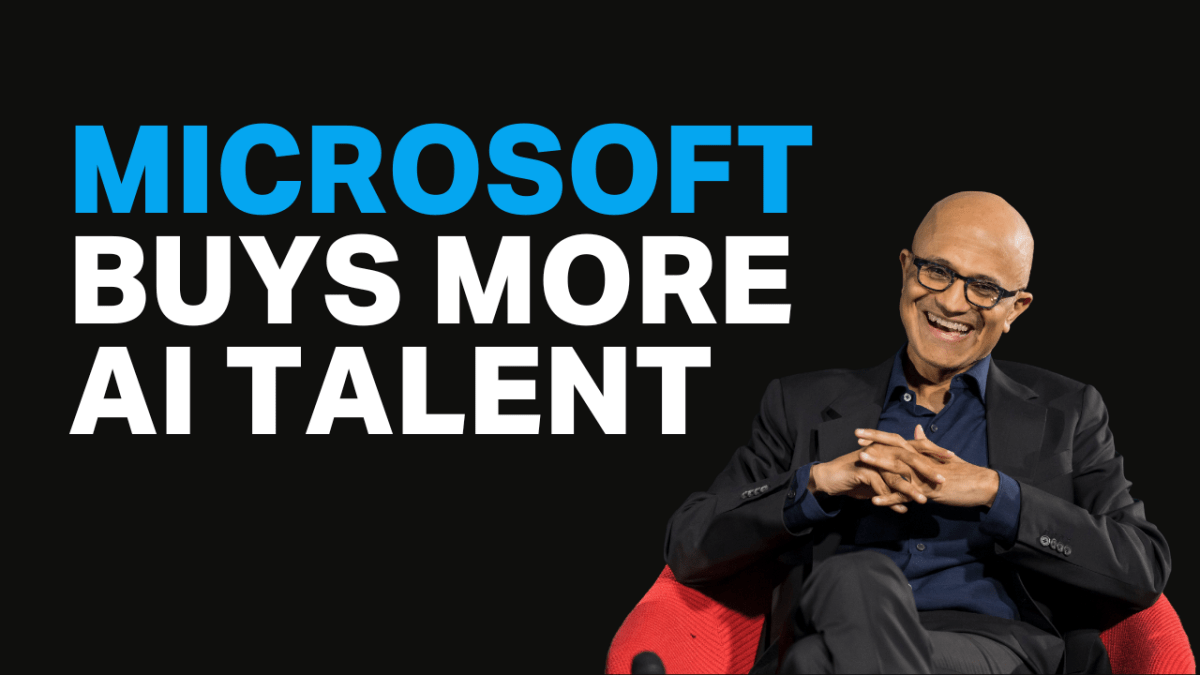
Microsoft is making a major push in the AI space after hiring co-founders from Inflection AI, absorbing much of its staff into a new division to avoid regulatory oversight. The move reflects Microsoft's increasing focus on AI, with developments including a new GPT model from OpenAI and AI-related news in Surface and Windows products.
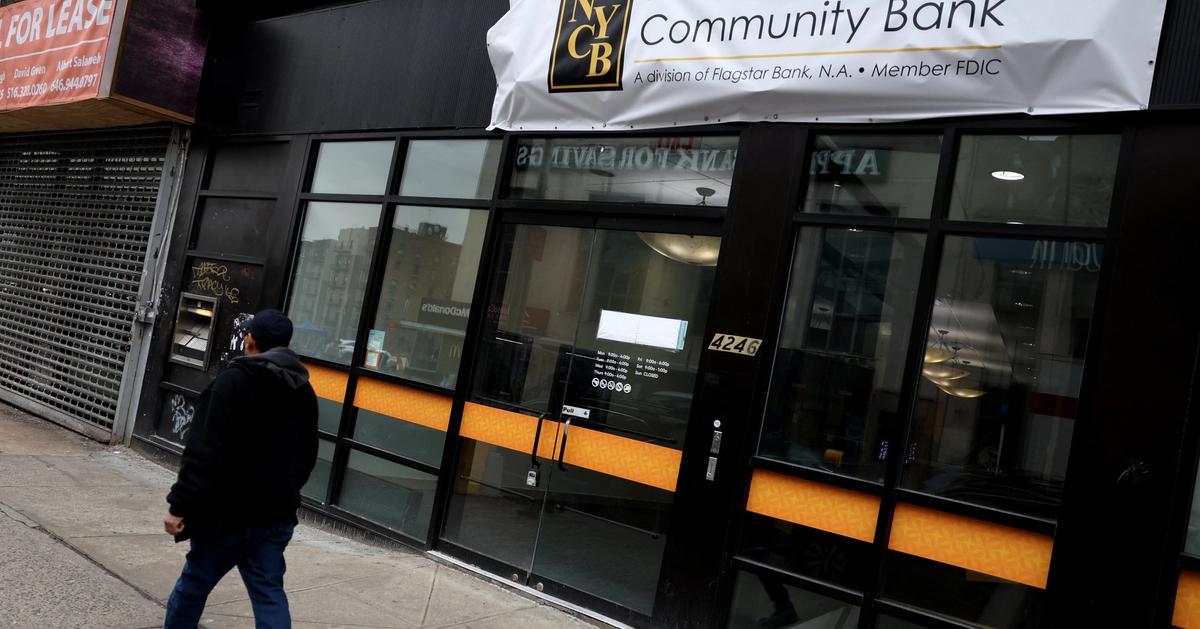
Regional banks are facing a new crisis as shaky commercial loans threaten their stability, contrasting with the previous crisis caused by risky investments. This time, banks like NYCB are struggling due to misjudging their own borrowers and making loans to businesses that weren't creditworthy or charging insufficient interest to compensate for the risk. The situation raises concerns about regulatory oversight, as NYCB was previously deemed strong enough to acquire another failed bank, highlighting potential governance challenges.
The Consumer Financial Protection Bureau (CFPB) has proposed a new rule to supervise larger nonbank companies, including Big Tech firms, that offer digital wallets and payment apps. The rule aims to ensure that these companies, handling more than 5 million transactions per year, adhere to the same rules as banks and credit unions. The CFPB's oversight would help protect consumers by ensuring compliance with consumer protection laws and promoting fair competition in the marketplace. This proposed rule is part of the CFPB's efforts to monitor the entry of Big Tech into consumer financial markets and address potential risks.
Silvergate Bank, a community lender turned crypto bank, was able to take risky actions without raising alarm from its Federal Reserve examiners, leading to its downfall, according to a report from the Federal Reserve's Office of Inspector General (OIG). The OIG found that the bank's change in course should have required a different type of registration, but government supervisors failed to demand it. The report also highlighted issues with the bank's senior management and its ineffective corporate governance and risk management capabilities. The bank voluntarily liquidated, avoiding government intervention, but the OIG made recommendations for improved regulatory oversight in similar situations.
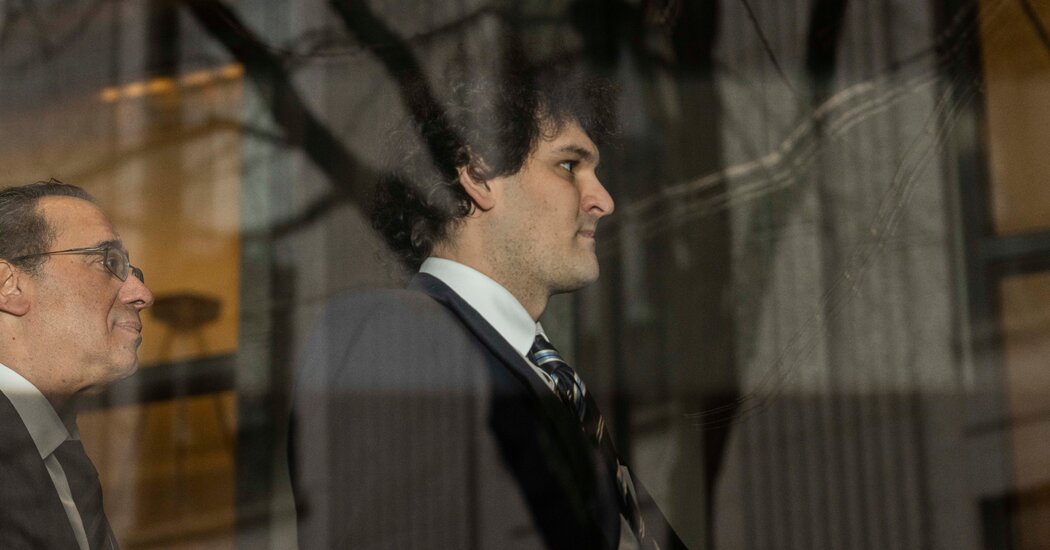
Cryptocurrency lobbyists are facing challenges in Washington as they struggle to gain access to key officials and congressional offices. The downfall of FTX, including the arrest of its founder Sam Bankman-Fried on fraud charges, has tarnished the industry's reputation and led to increased skepticism from lawmakers. Lobbying efforts by surviving crypto companies continue, but they are having to shift strategies and distance themselves from FTX. The upcoming trial of Bankman-Fried has prompted the industry to change the subject and focus on other issues. Despite the challenges, the crypto industry is still pouring millions of dollars into lobbying and remains determined to shape regulatory oversight in its favor.
Toxic cough syrup made and sold in India may have been the start of a recent global wave of contamination, with at least 141 children dying in Gambia, Uzbekistan, and Cameroon. Investigations have revealed that some of the drugmakers implicated in these cases did not test their products for known toxins or could not prove that they did so, in violation of Indian law. Despite intense lobbying, no one has been found guilty in a court of law for the cough syrup deaths. The lack of oversight and regulatory loopholes in India's pharmaceutical industry have allowed for the production and sale of toxic medicines, leaving bereaved parents still waiting for justice.
Norfolk Southern, a major freight railroad, has been criticized by federal regulators for its safety culture following a train derailment, fire, and toxic chemical spill near an Ohio town. The Federal Railroad Administration's report highlighted poor communication and mistrust between employees and managers, questioning the adequacy of the company's training. The agency emphasized the need for a safety-focused culture and operations in the industry. Norfolk Southern is collaborating with workers to address the findings and has committed to making improvements. The agency plans to conduct similar safety culture reviews at other major freight railroads. Proposed legislation to improve safety in the industry has stalled in Congress.
The American banking landscape is on the verge of a significant shift as rising interest rates, losses on securities, and commercial real estate loans, along with regulatory oversight, continue to impact regional banks. Many smaller banks are expected to be forced into mergers with stronger institutions over the next few years. The collapse of Silicon Valley Bank in March exposed supervisory lapses and highlighted the vulnerability of smaller banks. The industry's funding has become more expensive, and the expectation of tighter oversight and increased costs will likely lead to fewer, larger regional banks. The market is not currently favorable for fresh sales of lenders' stock, and banks are seeking to unload assets and businesses to boost capital. Mergers and acquisitions are expected to increase in the coming years as banks seek to optimize their size and adapt to new regulations and technology demands.
The Senate Banking Committee has approved a bill that would increase penalties for executives of failed banks, increase oversight of the Federal Reserve, and restrict megabank takeovers. The bill reflects a focus on executive mismanagement and regulatory supervision failures. The compromise, which united progressives, conservatives, and moderates on the committee, represents Congress’s most viable political option for revamping the banking system following the rescues of troubled lenders Silicon Valley Bank, Signature Bank, and First Republic earlier this year. The bill would empower regulators to claw back compensation from leaders of failed banks and expose the executives to higher civil penalties and bans from working in the industry.
Senator Michael Bennet has introduced a bill to create a task force to examine US policies on artificial intelligence (AI) and identify ways to reduce threats to privacy, civil liberties, and due process. The AI Task Force will identify shortfalls in regulatory oversight of AI and recommend reforms if needed. The task force will include officials from various executive branch agencies and work for 18 months, issue a final report, and then shut down.