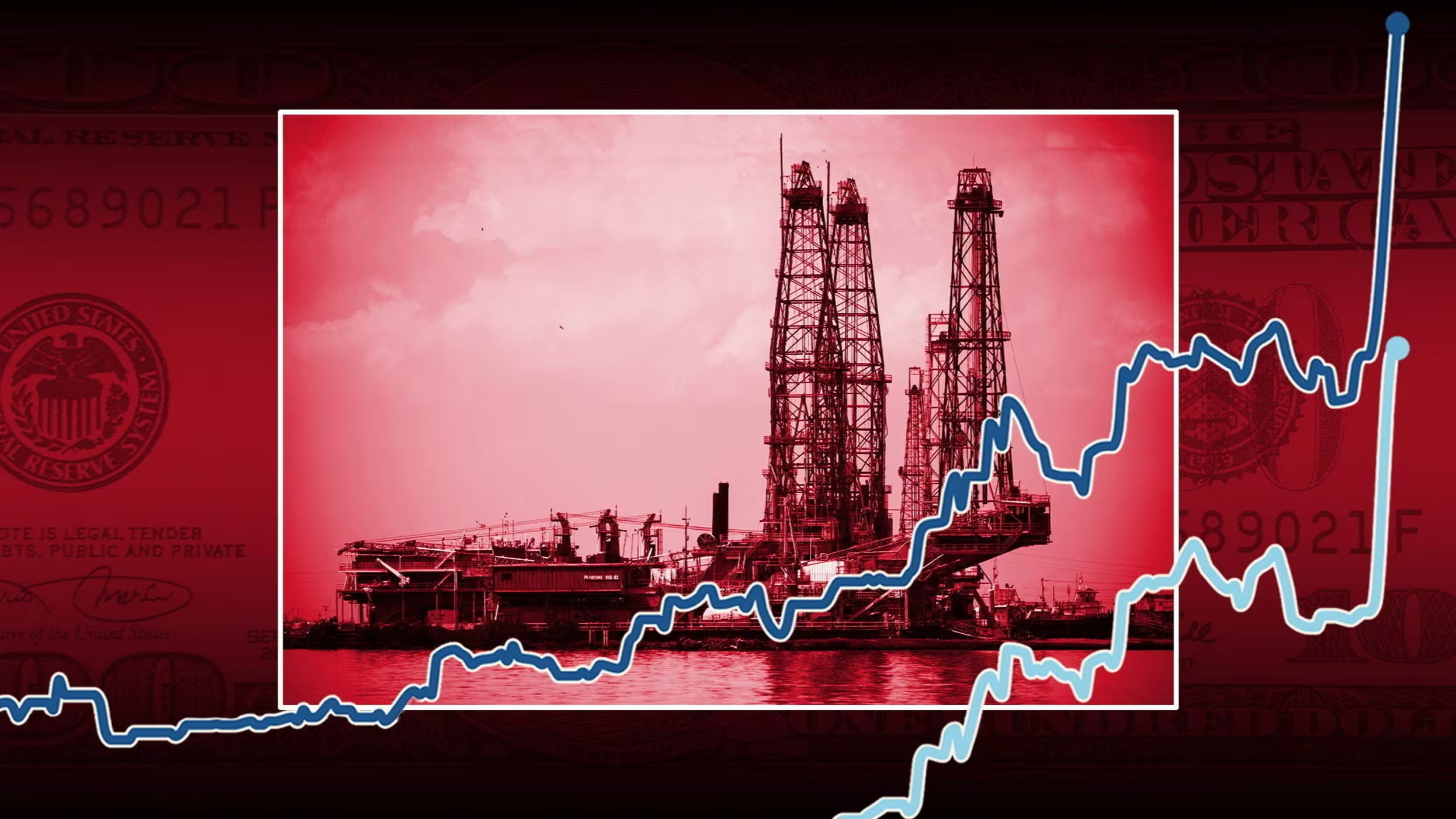
The article discusses whether Venezuela can resolve its ongoing debt issues amidst its broader economic crisis, exploring potential solutions and international support options.
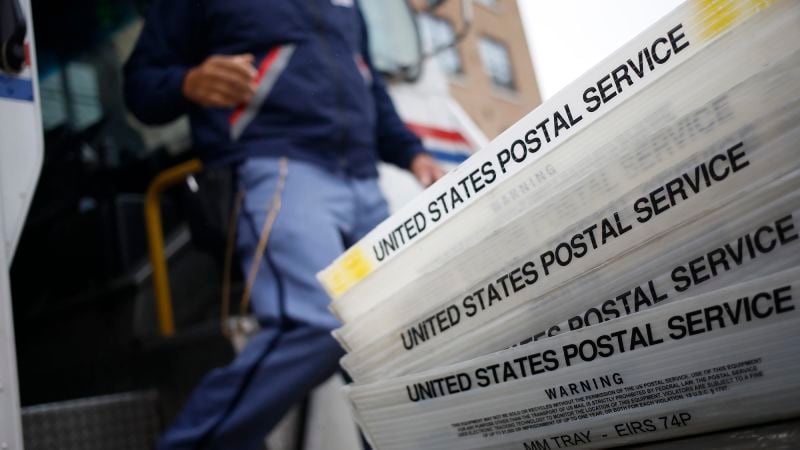
The US Postal Service plans to expand its last-mile delivery services to other shippers to address a $9 billion annual loss, risking its key Amazon contract, which is vital for its revenue. This move could lead Amazon to reduce its use of USPS, further threatening the agency's financial stability, which is already strained by declining mail volume and the need to fulfill universal service obligations.
Europe faces a potential $160 billion cost to support Ukraine, relying on immobilized Russian assets for funding amid political and legal challenges, with no clear plan B, risking economic and political repercussions.
Former WWE star Ridge Holland, injured and unpaid after his contract ended, faces a financial crisis, prompting a GoFundMe campaign to support his family through surgery and recovery, raising questions about WWE's support for injured talent.
The article discusses concerns about a potential financial crisis driven by high market valuations, especially in AI and tech sectors, but suggests that technological innovation could mitigate some risks. It warns against misconceptions about AI's impact and highlights the importance of understanding sector-specific developments and potential bubbles.
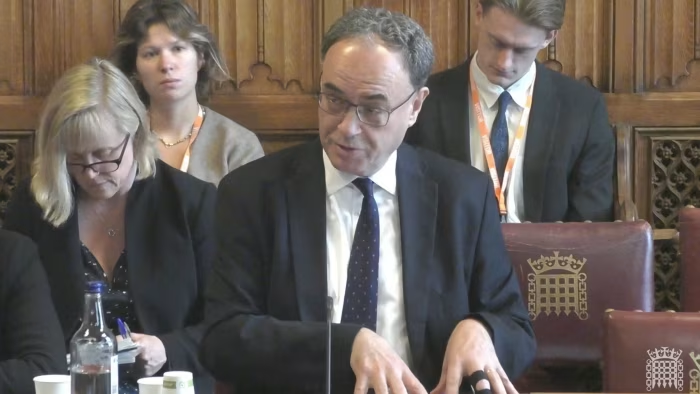
Bank of England Governor Andrew Bailey warns of rising risks in the private credit markets, drawing parallels to pre-2008 financial crisis practices, amid recent failures of US companies First Brands and Tricolor, and considering a systemic stress test for the market.
Andrew Ross Sorkin's book '1929' explores the human drama and key figures behind the Wall Street crash of 1929, drawing parallels to modern financial issues and emphasizing the ongoing relevance of the events and decisions that led to the Great Depression.
The Big Ten Conference is facing a financial crisis due to excessive spending on facilities and salaries, leading it to consider a $2 billion private capital deal with the UC Pension System to fund athlete payments and reduce debt, amid broader concerns about the sustainability of college sports finances.
First Brands, a maker of auto parts, filed for bankruptcy amid concerns over opaque off-balance sheet financing and a potential multi-billion dollar debt crisis, raising fears of wider financial instability due to risky private debt practices and lack of transparency, reminiscent of past financial crises.
US government support, including potential financial aid, has halted the recent market selloff in Argentina, providing a stabilizing effect ahead of upcoming elections and reducing the risk of default, while bolstering investor confidence in the country's economic prospects.
Wall Street crash expert Mark Spitznagel warns that Trump's economy is heading for a major crash similar to 1929, citing excessive market valuations and repeated federal rescues as warning signs, with his hedge fund profiting from past crises.
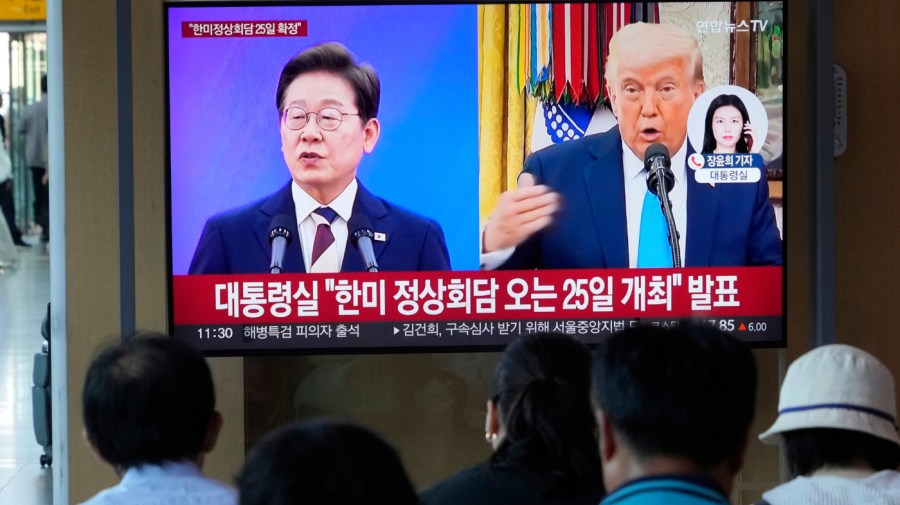
South Korean President Lee Jae Myung stated that his country cannot afford to meet U.S. demands for a $350 billion investment in exchange for tariff removal, citing risks of a financial crisis similar to 1997. He emphasized the need for reasonable agreements and expressed concern over recent treatment of Hyundai workers in the U.S., hoping to resolve the issue swiftly to avoid prolonged instability.
US consumer credit scores have declined at the fastest rate since the 2008 financial crisis, with Gen Z borrowers experiencing the largest drops due to higher utilization and delinquency rates, especially related to student loans, while the median FICO score continues to rise.
Former Goldman Sachs CEO Lloyd Blankfein warns that the US economy may be due for a crisis, citing signs in the credit market such as narrow credit spreads and increased private credit lending, although he remains optimistic about the market's overall prospects amid potential rate cuts and technological growth.
PBS is cutting 15% of its staff, including 34 immediate layoffs, due to a $500 million federal funding cut by Congress, which has also impacted other public media organizations like NPR, leading to financial struggles and potential station closures.