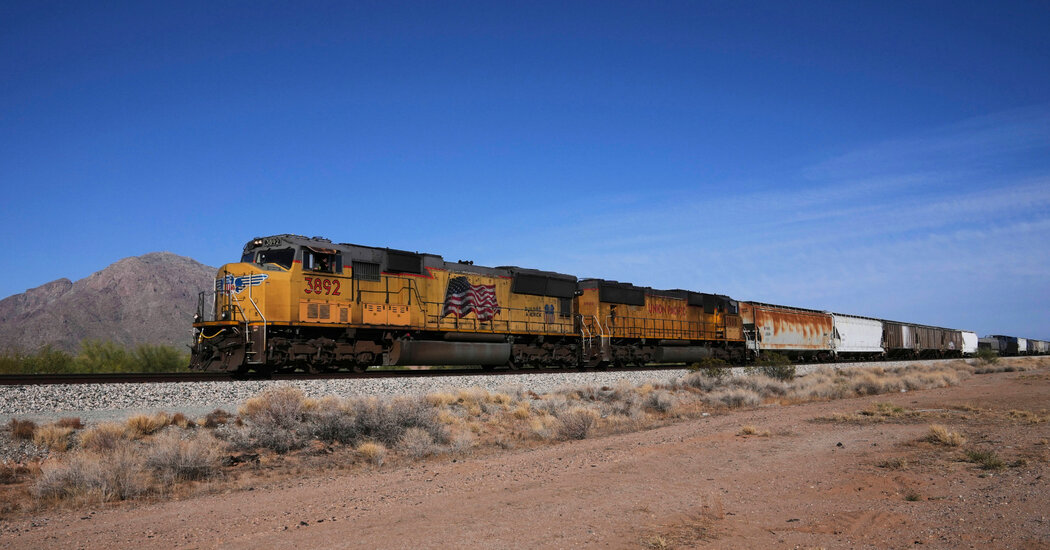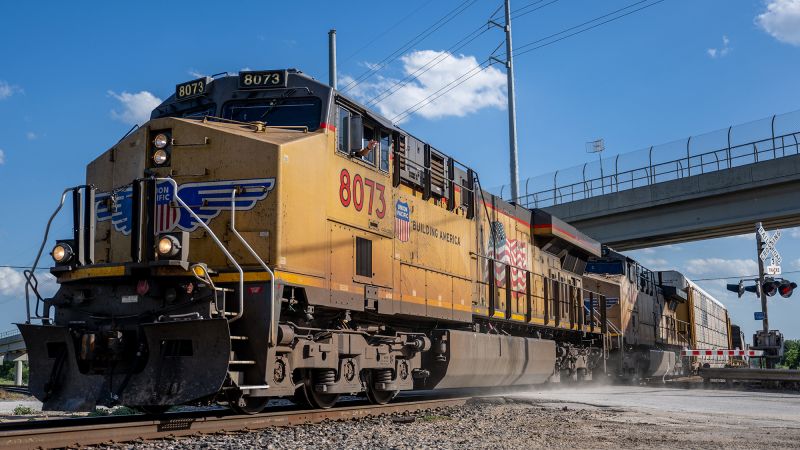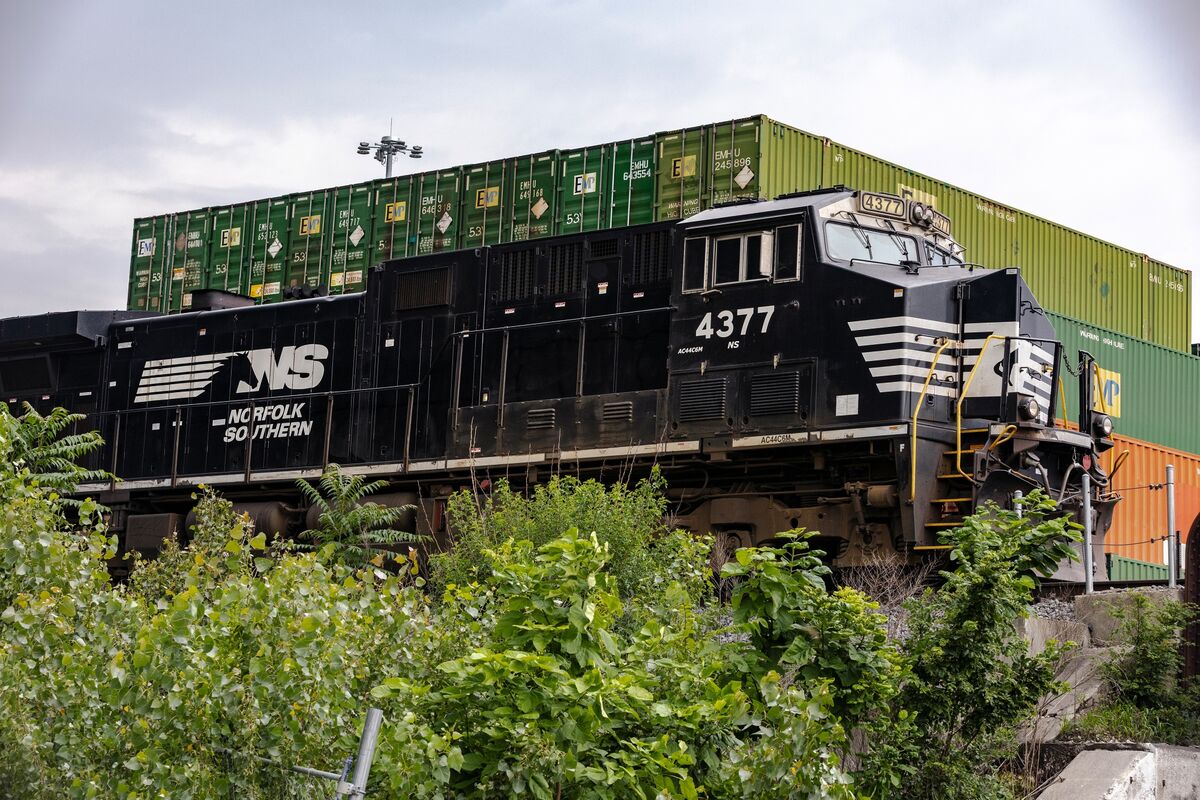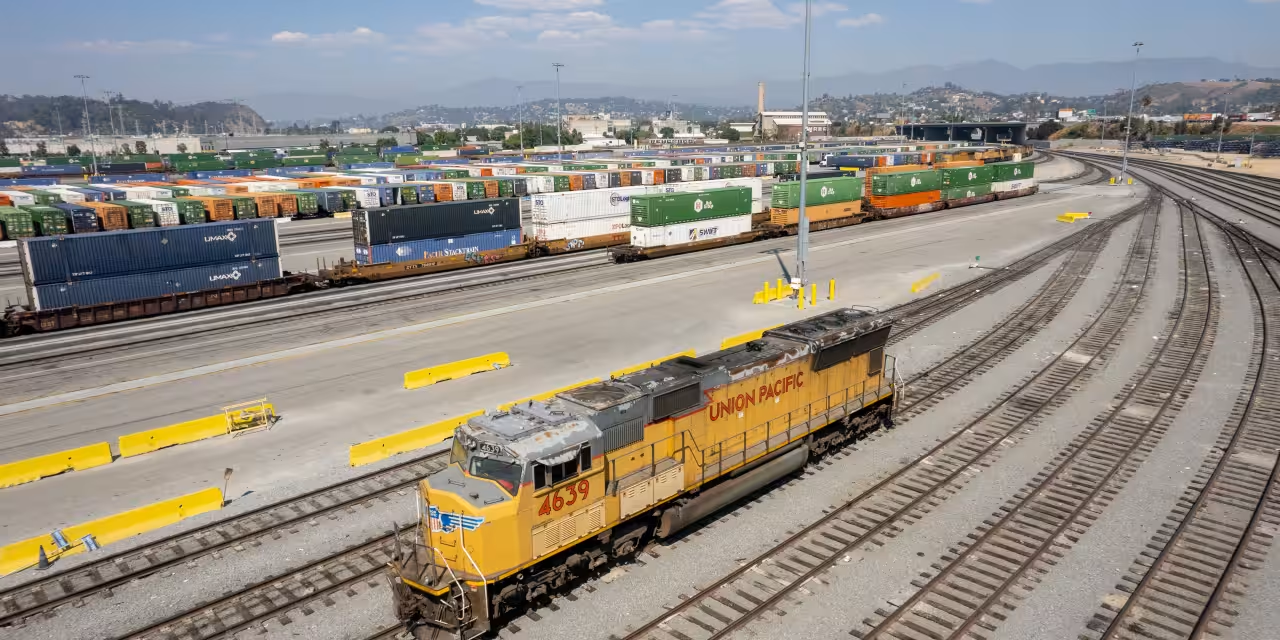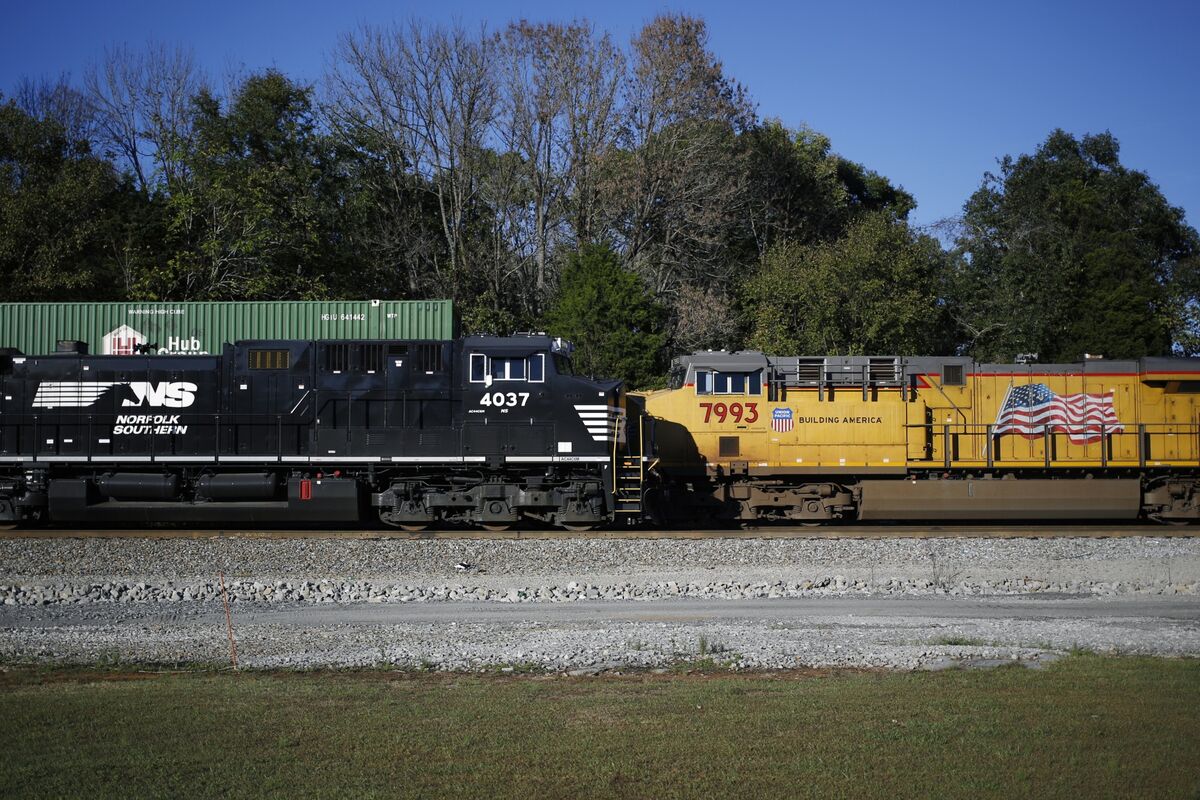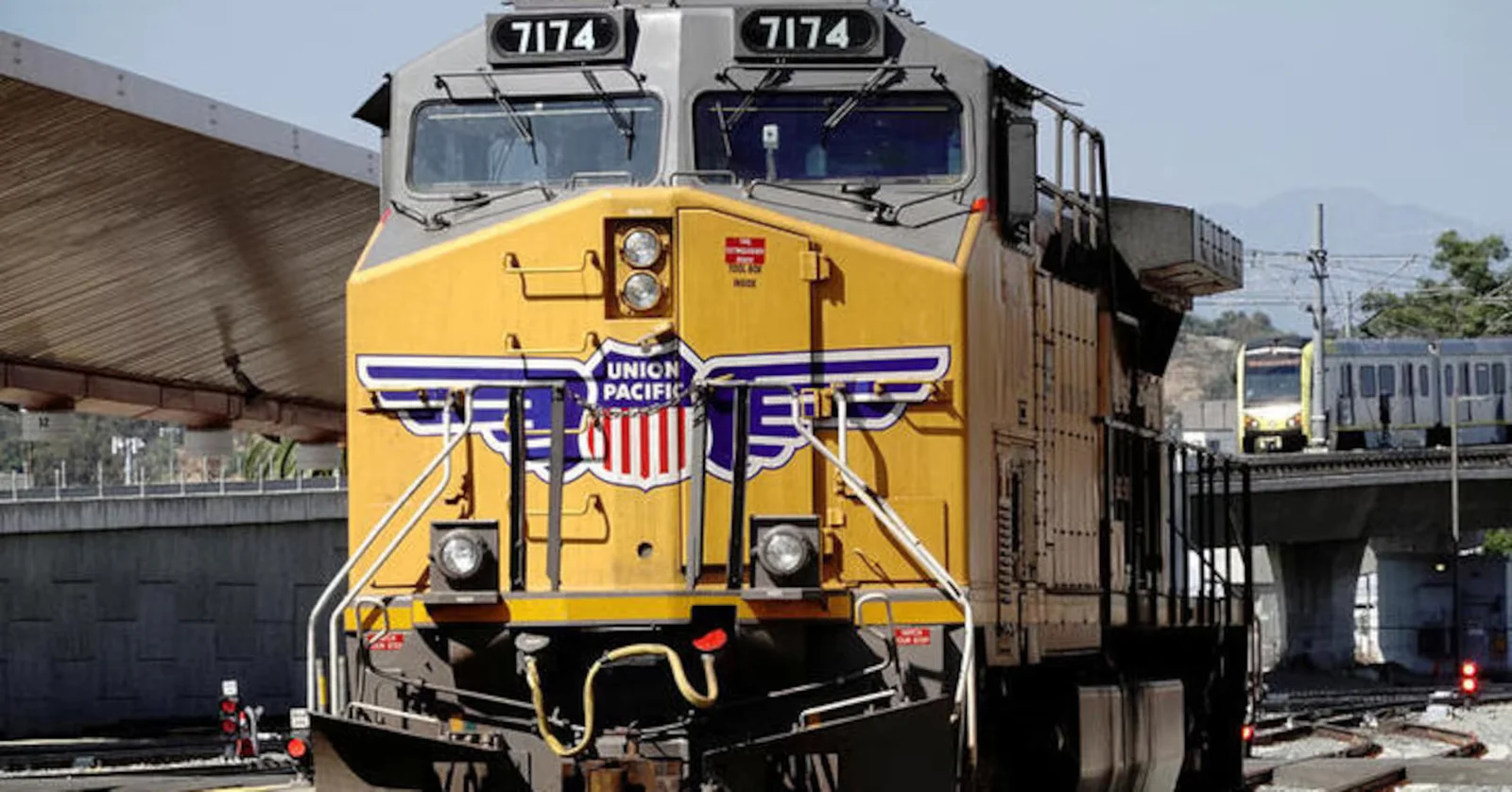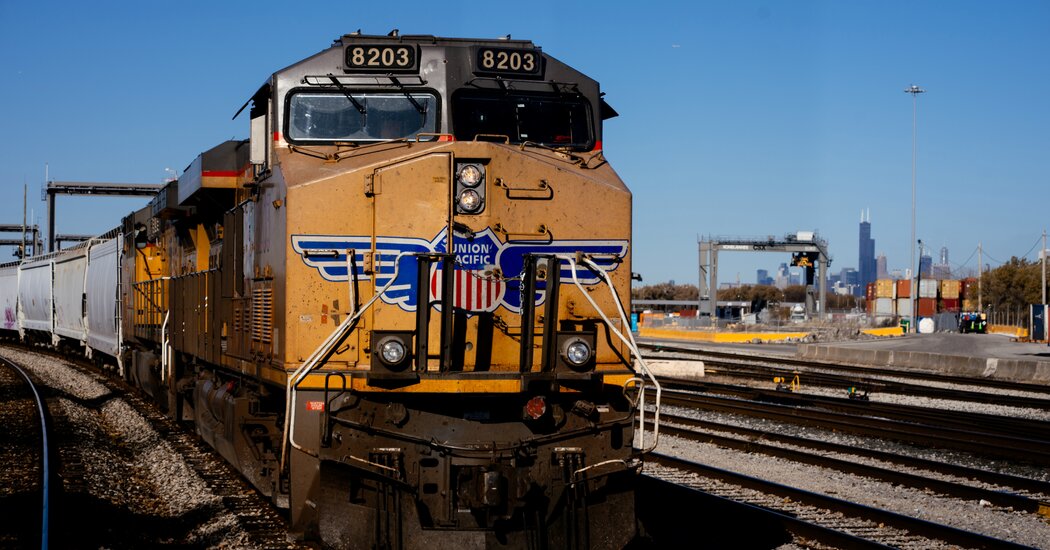
Union Pacific and Norfolk Southern are attempting to persuade regulators that their proposed merger, which would control about 40% of US rail freight, would benefit the country without harming competition, with a decision expected in 2027.
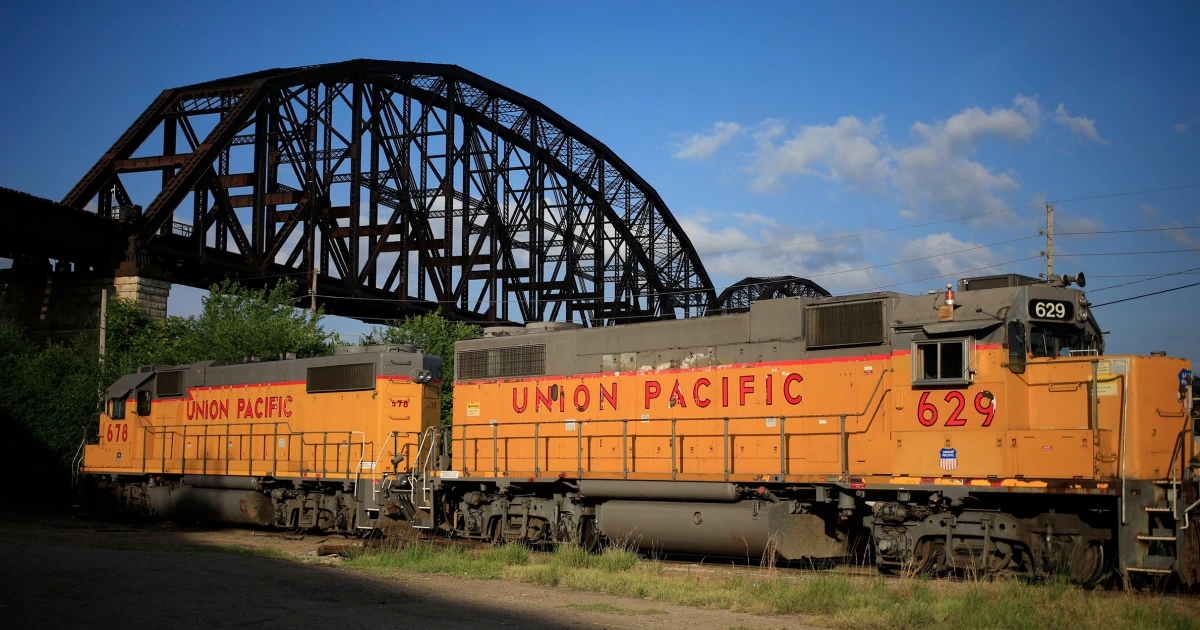
Two major rail unions oppose the proposed $85 billion merger of Union Pacific and Norfolk Southern due to safety, cost, and competition concerns, while the deal has support from other stakeholders and is under review by the Surface Transportation Board.
Union Pacific reported a 7% increase in Q3 profits, earning $1.79 billion, as its CEO advocates for an $85 billion merger with Norfolk Southern to create the first transcontinental railroad, despite mixed industry opinions and regulatory hurdles.
The largest U.S. railroad union endorses Union Pacific's $85 billion merger with Norfolk Southern after securing job protections, though some unions and industry groups remain concerned about competition and service disruptions. The deal has mixed support among unions and faces a lengthy regulatory review, with President Trump's stance potentially influencing the outcome.
The Port of Los Angeles is set for growth following Union Pacific's acquisition of Norfolk Southern, creating the first transcontinental freight railroad, which will enhance cargo flow, expand market reach, and improve efficiency in transportation from Los Angeles to key U.S. markets.
Union Pacific's proposed $320 per share acquisition of Norfolk Southern aims to create America's first coast-to-coast freight railroad, promising cost savings and faster service, but faces market skepticism and regulatory hurdles, leading to a decline in both stocks amid broader industry implications.
Union Pacific announced an $85 billion deal to acquire Norfolk Southern, creating the first coast-to-coast US rail network and raising concerns about reduced competition, despite potential efficiency gains and faster freight delivery. The merger, expected to be completed by early 2027, would significantly consolidate the rail industry, which is already dominated by a few major companies, and faces regulatory review.
Union Pacific and Norfolk Southern plan a $72 billion merger to create America's first transcontinental freight railroad, which could reshape the US rail industry, but faces regulatory hurdles and concerns over service quality and market competition.
Union Pacific is close to acquiring Norfolk Southern in a historic rail industry deal, potentially creating a transcontinental rail giant and reshaping the North American rail market, with the deal possibly announced early next week.
Atlanta's potential loss of Norfolk Southern's headquarters, following a possible merger with Union Pacific, raises concerns about job security and community impact, especially for employees who recently relocated to Atlanta. The merger could lead to significant downsizing or relocation of the company's operations and executive staff, threatening the economic and social benefits Atlanta gained from hosting the headquarters.
Union Pacific is in advanced merger discussions with Norfolk Southern, causing their stocks to drop amid market uncertainty, despite Union Pacific's strong quarterly earnings and operational improvements. The potential merger aims to enhance industry competitiveness and efficiency, but no deal is guaranteed, and the sector has seen limited consolidation since 2000.
Union Pacific is in advanced talks with Norfolk Southern about a potential merger, which would be the largest in the industry, creating a transcontinental rail network and potentially reshaping the North American rail market, though regulatory hurdles remain.
Norfolk Southern's stock increased by 3.4% after confirming advanced merger discussions with Union Pacific, which saw a slight decline. The potential merger, which would consolidate two major U.S. rail networks, is still uncertain and would require regulatory approval, reflecting ongoing industry consolidation efforts.
Union Pacific is in early talks to acquire Norfolk Southern, aiming to create a $240 billion transcontinental freight network in the U.S. The deal could generate significant synergies and cost savings, but faces regulatory and engineering challenges, with potential benefits estimated between $4 billion and $5 billion.
Stock futures rose as Wall Street remained optimistic about the U.S. economy, with notable gains in Netflix, Norfolk Southern, Amex, Hess, and other companies, driven by strong earnings reports and strategic developments, despite some stock declines and ongoing market uncertainties.