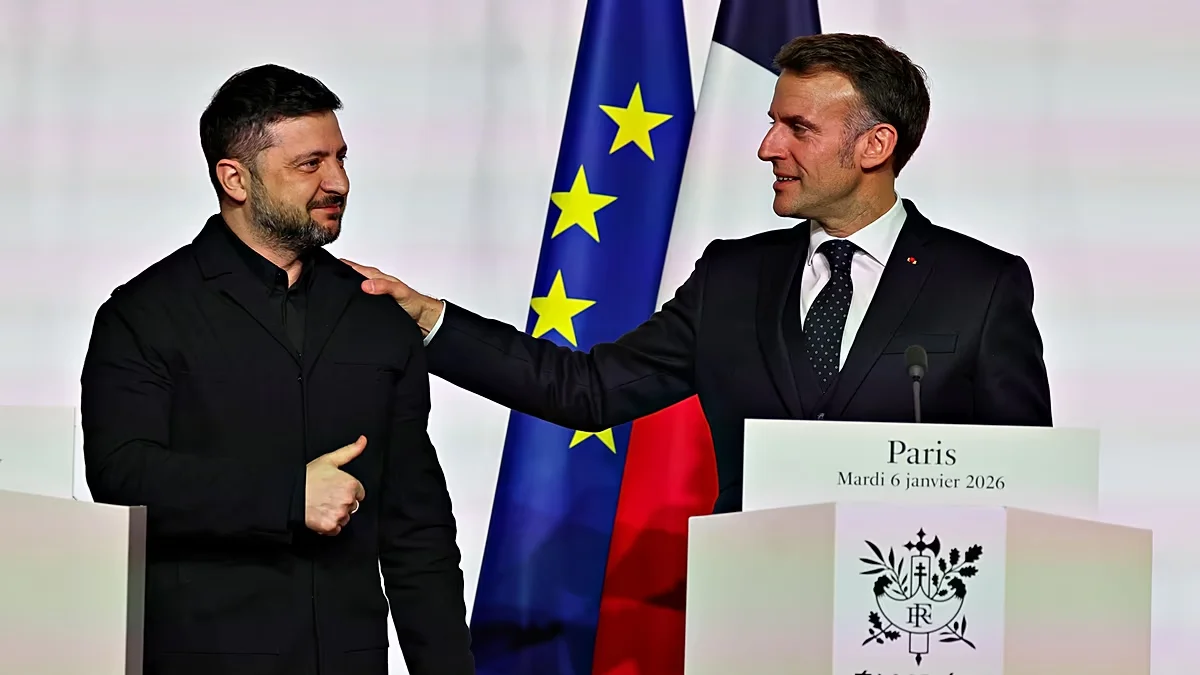
Ukraine seeks rapid EU membership as a security guarantee, but accession is a lengthy, obstacle-filled process with economic and governance hurdles; negotiators are weighing options such as phased benefits and limiting Kyiv’s veto on key decisions.
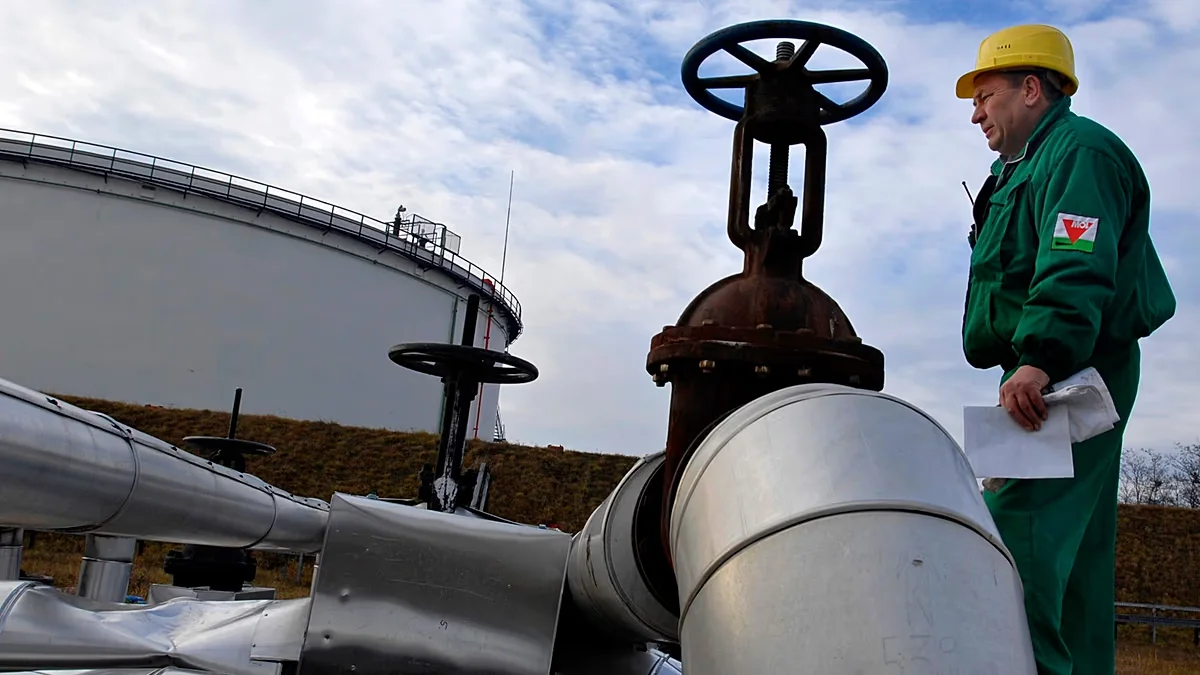
The European Commission urged Ukraine to accelerate repairs to the Druzhba pipeline after Russian attacks and Hungary’s double veto blocked a €90 billion loan and new sanctions, while Croatia’s Adria (JANAF) pipeline is identified as a viable alternative to keep oil flowing to Hungary and Slovakia. Croatia is examining whether it can legally receive non-Russian crude at its port; EU officials say there is no immediate risk to supply and Adria could meet the two countries’ annual needs, though no fixed timeline for Druzhba repairs exists amid ongoing political wrangling.
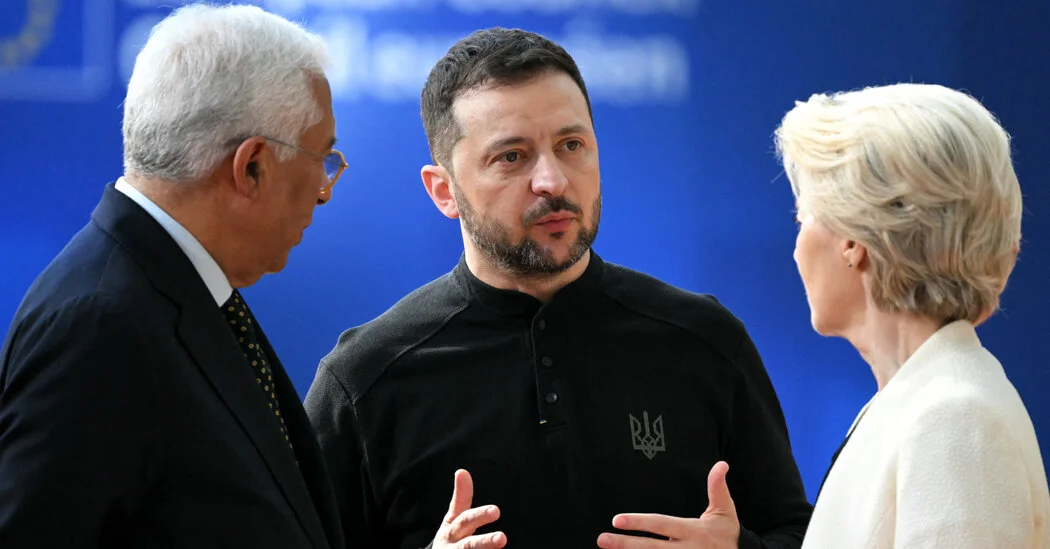
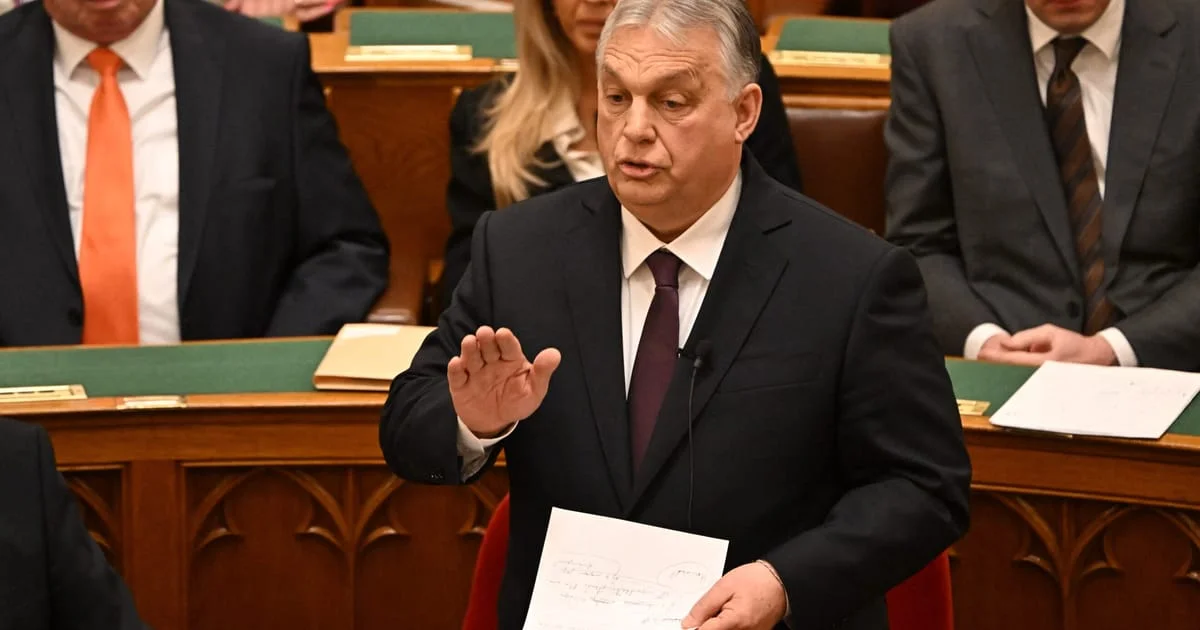
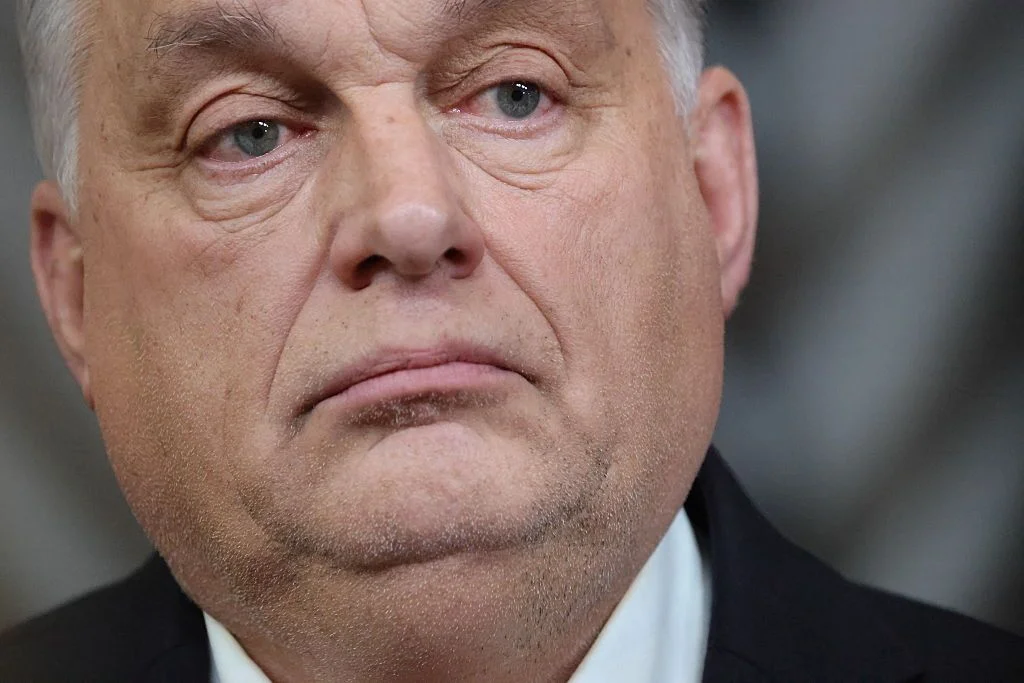
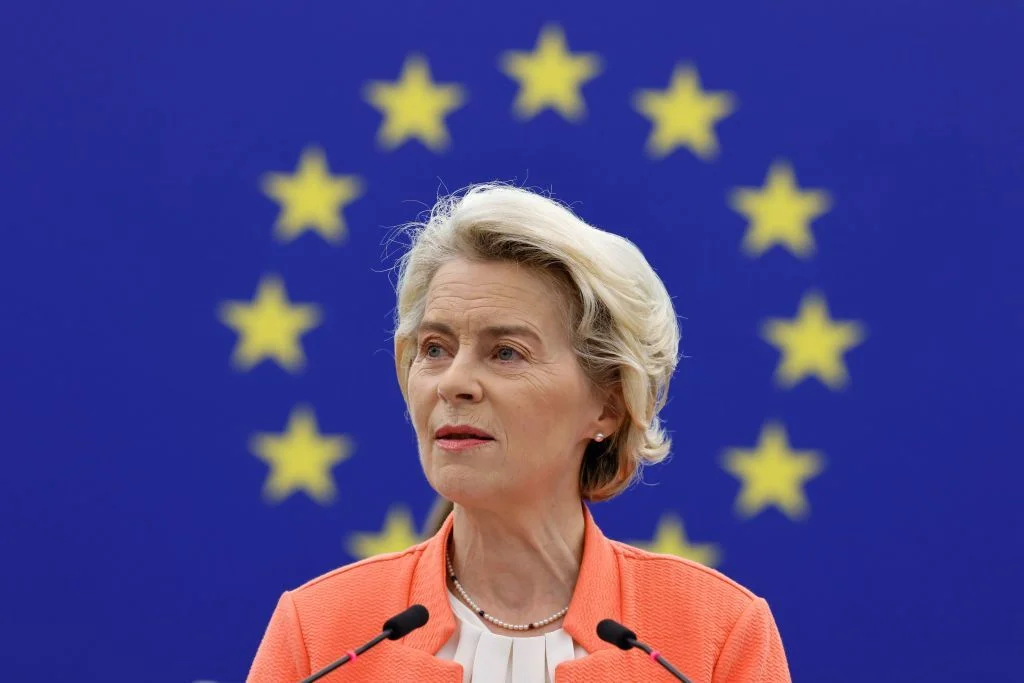
Hungary's Viktor Orbán vows to veto the EU's €90 billion Ukraine loan until Kyiv restarts oil deliveries via the Druzhba pipeline, arguing the move requires a political decision by Ukraine and citing new circumstances. EU Council President António Costa presses Kyiv to unblock the loan and warns that delay could undermine EU decisions, as Kyiv faces a cash shortfall with an April deadline. Costa will travel to Ukraine with Ursula von der Leyen amid Hungary's election season.
Hungary said it will block the EU’s €90 billion loan to Ukraine until oil transit via the Druzhba pipeline resumes, arguing Kyiv’s behavior and timing ahead of Hungary’s April elections; the loan would have covered about two-thirds of Kyiv’s needs for 2026–27, with Ukraine potentially facing a cash shortfall by mid-2026 without the funds. The Druzhba flow has been interrupted since late January after Russian strikes, and European Commission officials say repair decisions are for Kyiv. Hungary and Slovakia also moved to restrict Russian oil flows as leverage in the dispute.
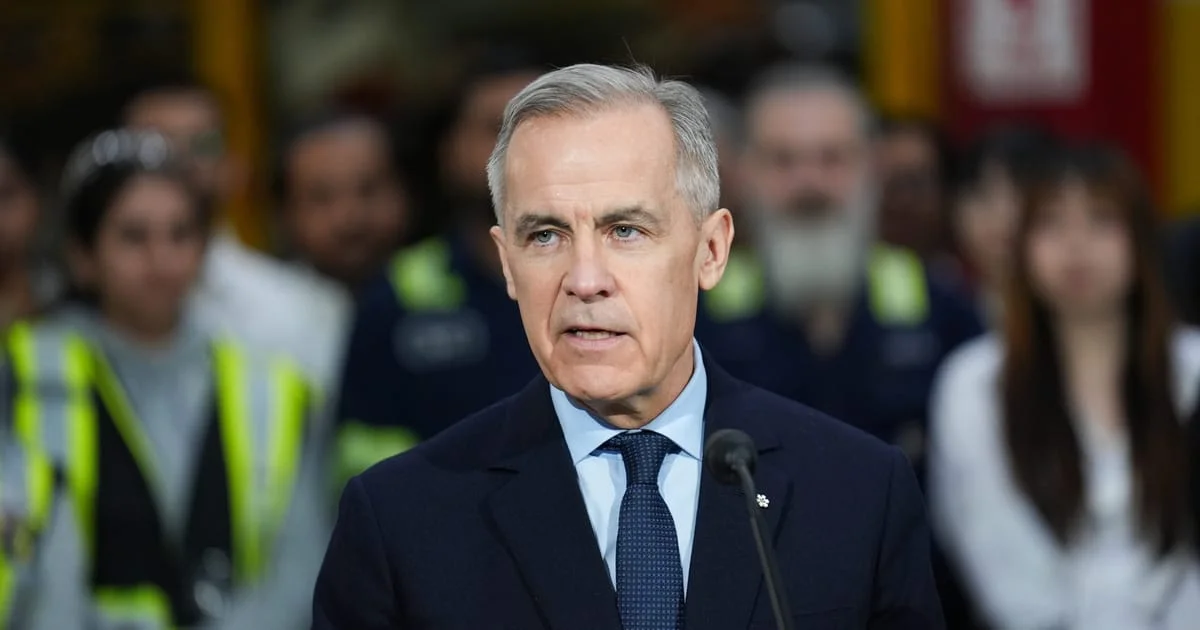
Canadian Prime Minister Mark Carney floated brokering a bridge between the EU and CPTPP to build a large, rules-based trade bloc that could counter Trump-era protectionism, signaling Ottawa’s push to deepen ties across the two blocs through cumulation rules and smoother cross-border trade.
The European Commission has launched a formal investigation into Shein to assess potential Digital Services Act breaches, including the sale of childlike sex dolls, the platform’s addictive design, and the transparency of its recommender systems. The EC notes possible enforcement steps and penalties up to 6% of global sales, while Shein says it is strengthening compliance and protections for younger users and has cooperated with authorities amid prior France-related inquiries.
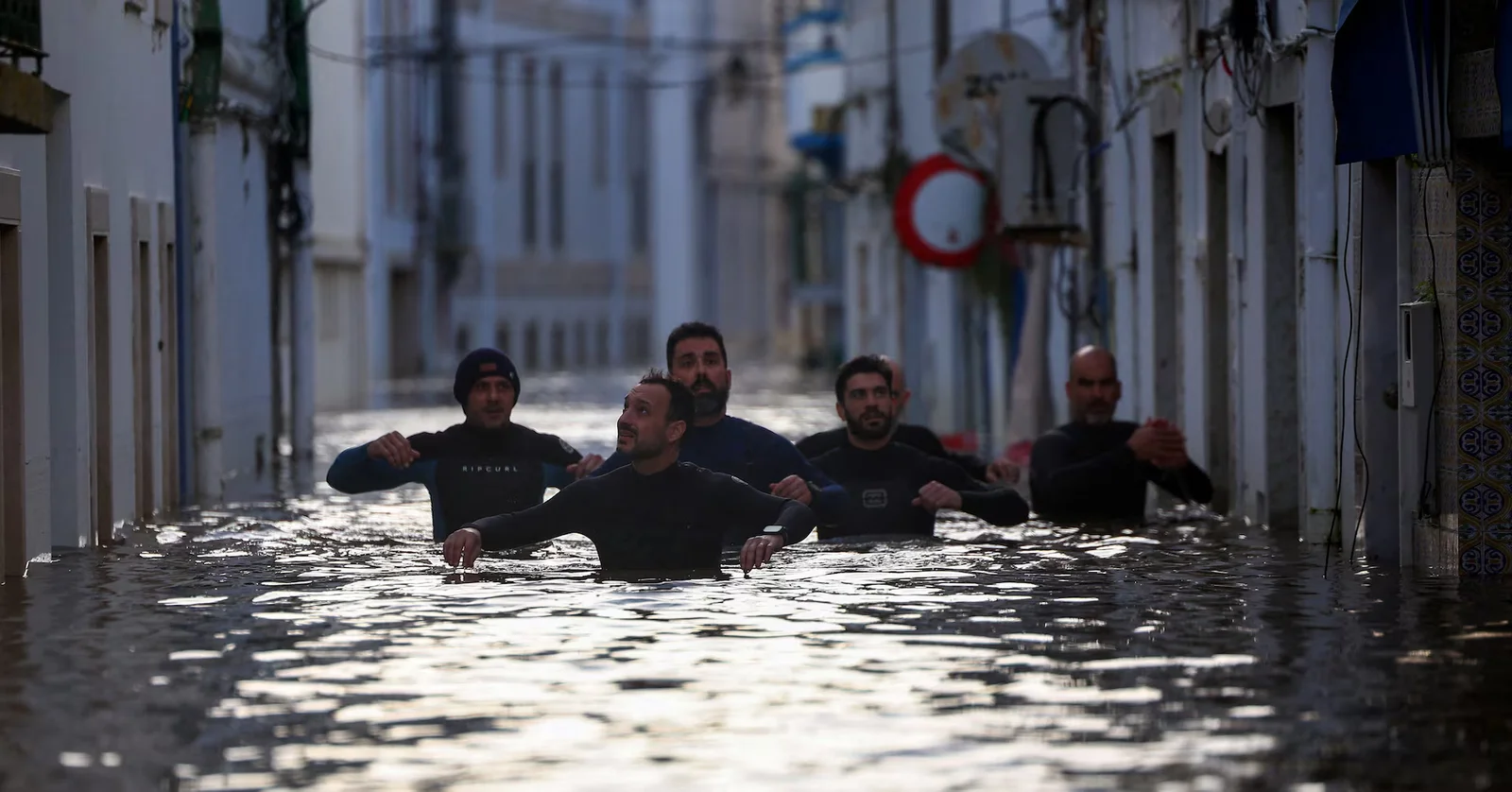
EU independent advisers say Europe is unprepared for worsening climate change and must ramp up adaptation investments to protect people and infrastructure from floods, wildfires and heatwaves, noting 45 billion euros in annual damages. They call for cross-border planning for higher warming by 2100, stronger early-warning systems, expanded insurance (potential EU-level reinsurance), and a new EU resilience strategy due later this year.
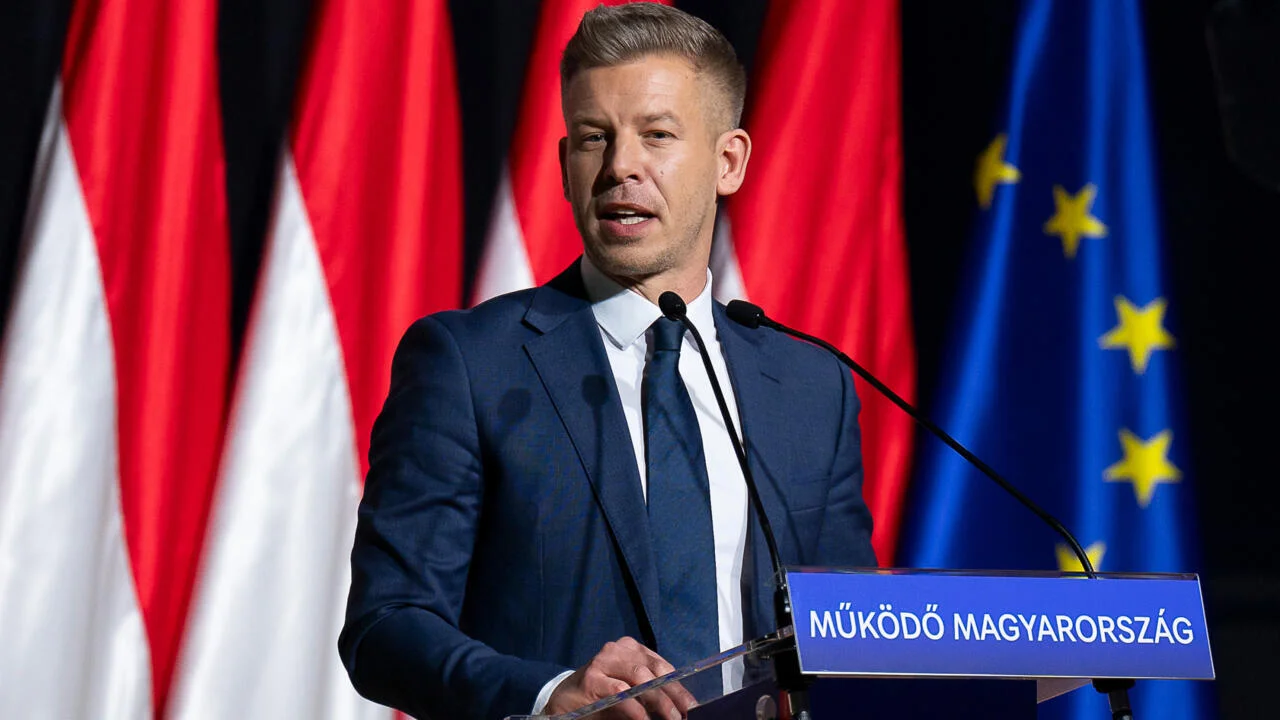
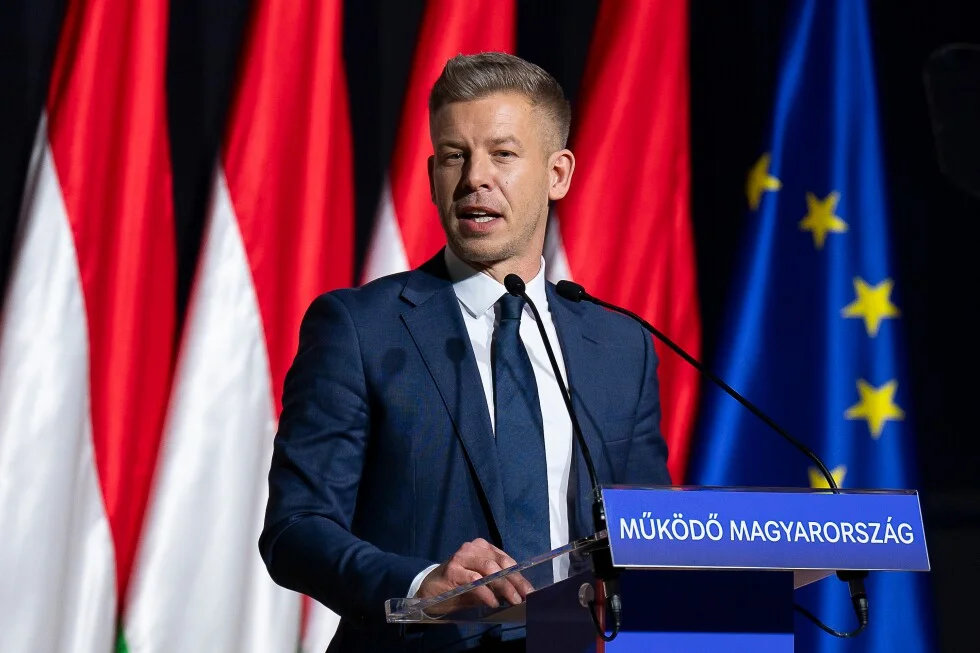
Peter Magyar, a former member of Viktor Orban’s inner circle who broke with the government over a pardons scandal, launches the Tisza party’s campaign as Hungary’s main challenger ahead of the April 12 parliamentary elections, arguing for closer EU ties and anti-corruption reforms while Orban warns of Brussels’ danger; the race centers on governing style, the economy, EU funds, and divergent Ukraine/Russia policies, with Magyar polling as the leading challenger.
Hungary’s opposition leader Péter Magyar launched the centrist Tisza party’s campaign in Budapest, promising to restore Hungary’s Western orientation and EU ties ahead of the April 12 vote. He argues for recovering suspended EU funds, adopting the euro by 2030, cracking down on corruption, and boosting health care and public transport, while positioning his group against Orbán’s government and its Western alignment and policy choices.
Hungarian Prime Minister Viktor Orban, a Kremlin ally, called Ukraine an 'enemy' of Hungary at a Szombathely rally after Kyiv urged the EU to halt cheap Russian energy imports. The remark comes as Hungary resists EU energy sanctions and faces April parliamentary elections; Budapest has vetoed sanctions and challenged the EU gas ban in court. Orban also announced a planned visit to Washington for Trump’s inaugural 'Board of Peace' meeting.
The European Commission proposed the EU’s 20th Russia sanctions package, including a full ban on maritime services for Russian crude oil (insurance, shipping, financing) coordinated with the G7, along with expanded banking restrictions (adding 20 regional banks), crypto-enforcement measures, and new export/import bans on items such as rubber, tractors, cybersecurity tools, metals, chemicals and critical minerals. The package also targets Russia’s shadow fleet (43 vessels) and imposes maintenance bans on LNG tankers and icebreakers, plus an ammonia-import quota and activated anti-circumvention rules to curb re-exports. If approved by unanimous EU members, it could be adopted by Feb. 24, 2026, four years after Russia’s invasion; energy revenues remain a core funding source for Moscow’s war effort.
EU countries reached a deal to issue a €90 billion loan to Ukraine for 2026–27, funded by joint debt and guaranteed by the EU budget, split into €30 billion in budgetary aid and €60 billion for military procurement, with the first tranche due in early April; Hungary, Slovakia and the Czech Republic are exempt from repayments, while the remaining 24 member states would contribute about €2–3 billion annually; purchases will follow a cascading “Made in Europe” rule prioritizing EU/EEA suppliers, with outside markets allowed if needed; anti-corruption safeguards apply and repayment would only occur if Russia ends its aggression and agrees to reparations; EU Parliament still needs to approve the texts.
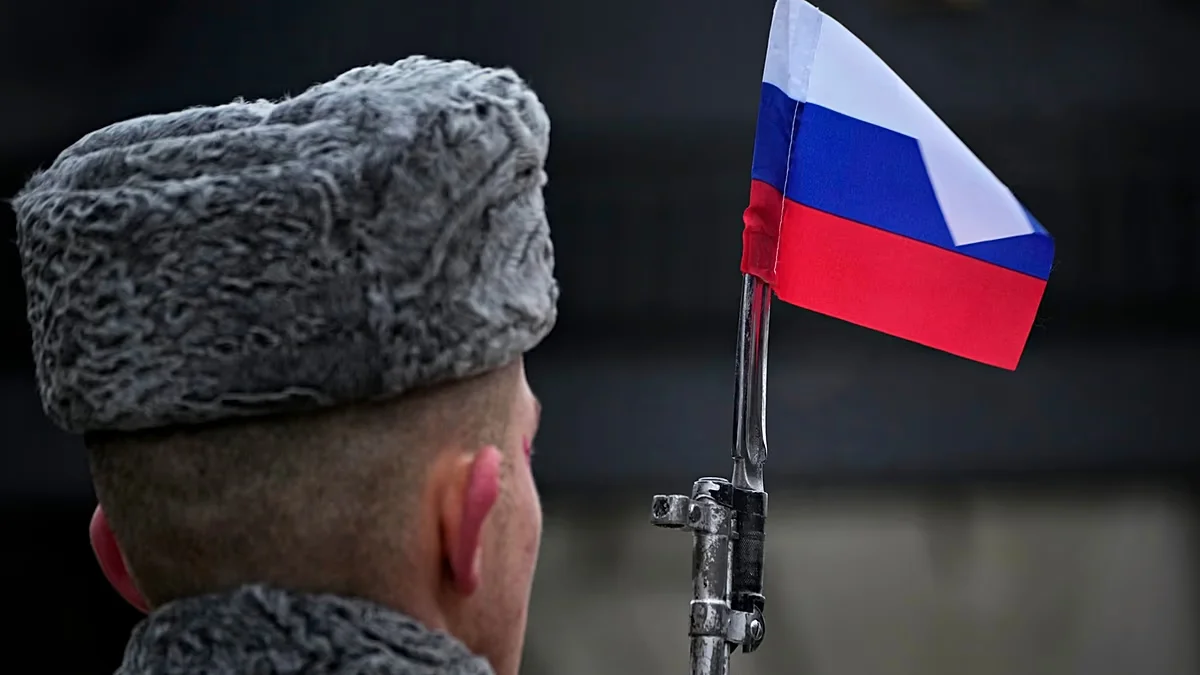
The EU is considering a coordinated entry/visa ban on Russian soldiers who fought in Ukraine, pushed by Estonia amid security concerns; Estonia has already banned 261 veterans, and several member states support a common policy, but the exact scope and next steps depend on EU consensus and ongoing visa-policy reviews by the European Commission.
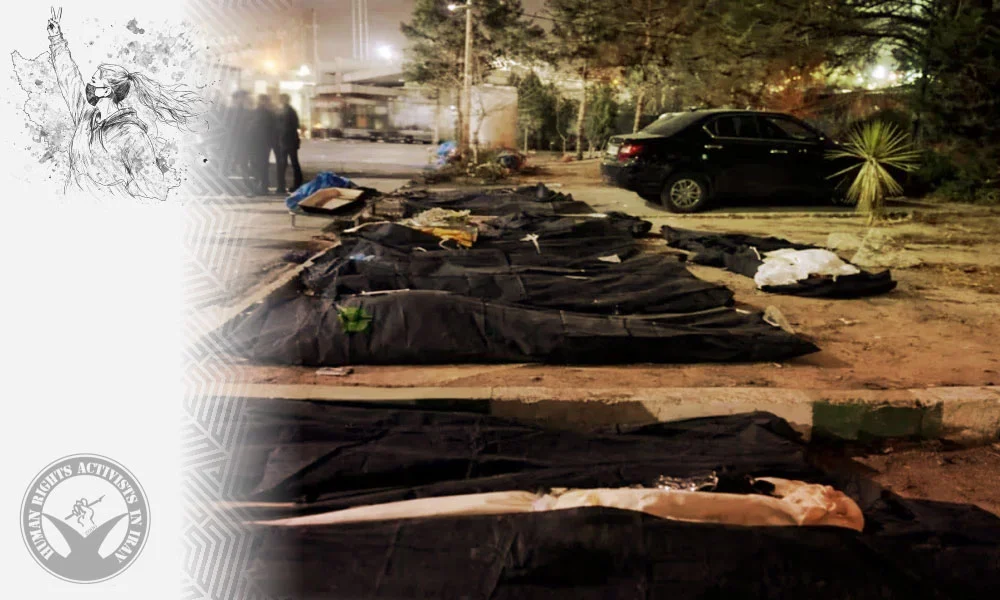
Day 32 of Iran's protests shows internet access still tightly controlled with only partial restoration, while authorities continue mass arrests, rising bail demands, and widespread security pressure across 202 cities in 31 provinces. Fatalities reach 6,373 with thousands injured, and tens of thousands summoned or detained. International responses intensify as France backs designating the IRGC as a terrorist organization and the European Parliament emphasizes accountability, signaling growing diplomatic pressure in a post-crackdown phase.
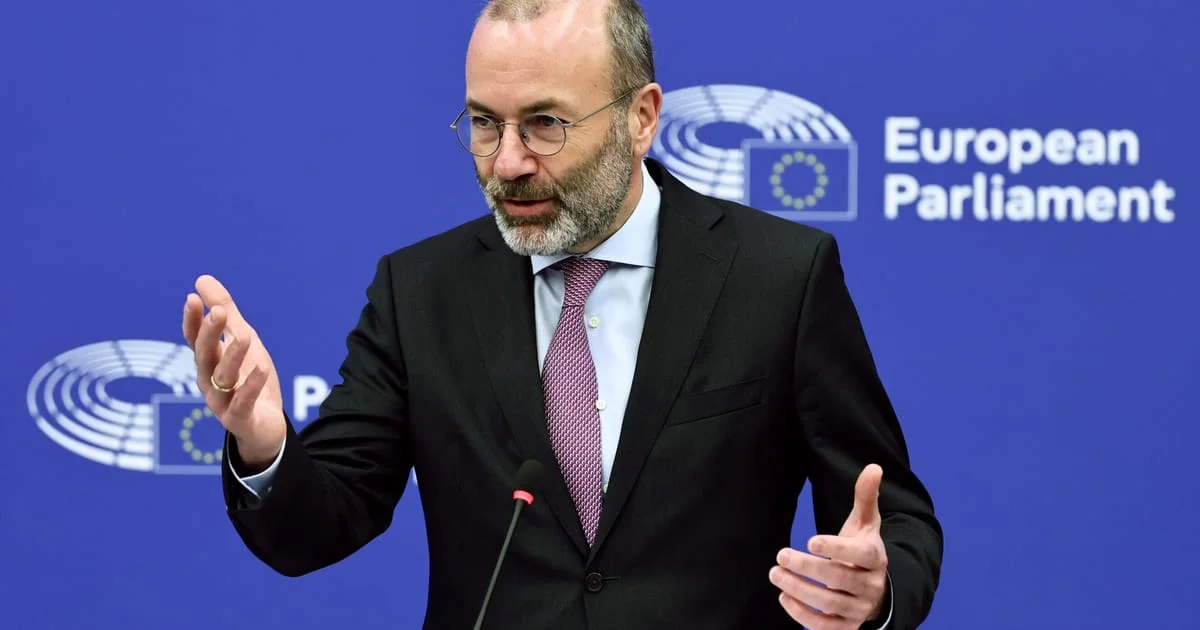
European People’s Party leader Manfred Weber called for merging the EU’s Commission president and European Council president roles into one post to give the bloc a single voice on the world stage, a move he says could be implemented after the 2029 elections without treaty changes. He also floated shifting foreign and security policy to qualified majority voting, or pursuing a sovereignty-style treaty if full integration isn’t feasible.