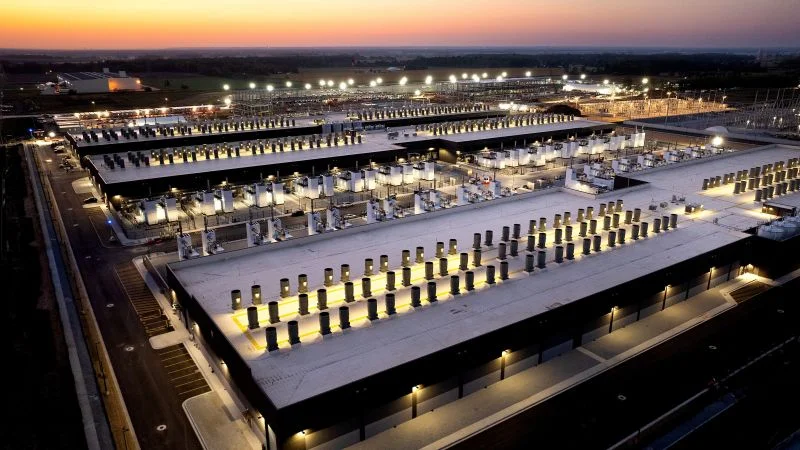
Communities across the U.S. are increasingly opposing the expansion of large data centers due to concerns over environmental impact, increased energy costs, and quality of life, leading to delays, cancellations, and legal battles for tech giants and developers.
The Guardian's investigation reveals a close and controversial relationship between Israeli military operations and major tech companies like Microsoft, Google, and Amazon, highlighting how AI and cloud services are used for mass surveillance and military targeting, especially in Gaza, raising concerns about data control, ethical implications, and potential shifts in public and political support affecting these tech-military ties.
The article predicts that by 2026, AI will evolve to include autonomous reasoning, wider access to competitive models through open-source customization, a new standard protocol for agent collaboration, and increased emphasis on AI reliability and strategic use. It highlights a shift away from Big Tech dominance, the rise of grassroots AI adoption, and the importance of ideas over execution in AI-driven innovation.
Despite initial opposition, major tech companies have successfully secured favorable policies from President Trump, allowing industry growth and reducing regulatory pressures, which has raised concerns among some conservatives.
The 2025 Stratechery Year in Review highlights the year's focus on AI advancements, Big Tech competition, and America's manufacturing challenges, with insights from numerous articles, interviews, and updates that analyze industry trends and strategic shifts.
The article discusses perspectives on AI and Big Tech, but primarily focuses on subscription options for the Financial Times, highlighting various digital access plans and their features.
The rapid growth of data centers, expected to increase energy consumption significantly by 2030, is causing political and public concern. Big Tech companies and industry groups are actively lobbying and campaigning to shape public perception and policy, emphasizing that data centers are not the primary drivers of rising energy costs and highlighting infrastructure issues instead.
The White House launched a new AI-focused 'Tech Force' program partnering with major tech firms to temporarily lend their employees to modernize the federal government, aiming to recruit 1,000 workers and foster collaboration between the public and private sectors, amidst ongoing efforts to update government technology infrastructure.
Bridgewater warns that Big Tech's reliance on external capital to fund AI expansion is risky, potentially leading to a bubble due to rising costs, soaring valuations, and increased market concentration, with concerns about sustainability and profitability.
Nvidia is poised to benefit significantly from increased AI-related spending by major tech companies like Amazon, Meta, and Microsoft, making it the biggest winner of the upcoming earnings season despite not having reported yet. The surge in AI budgets is boosting demand for data-center hardware, positioning Nvidia favorably in the market, while other tech giants are also ramping up their investments, though concerns about AI monetization and market bubbles remain.
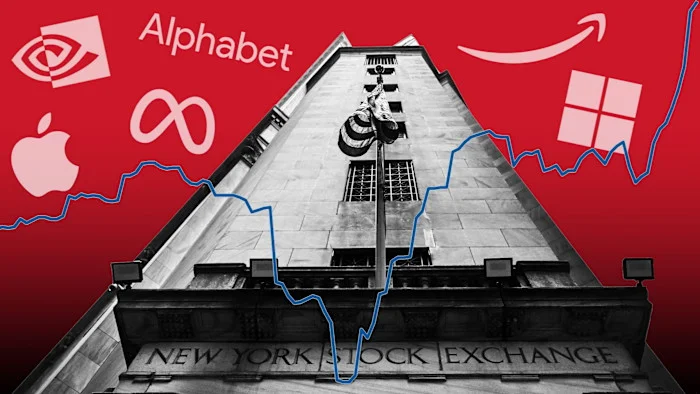
Big Tech stocks, especially the Magnificent 7, are heavily investing in AI, with demand outstripping supply and projected AI capital expenditure reaching 94% of operating cash flow by 2026. While companies like Meta, Google, Microsoft, and Apple are expanding AI capabilities, Meta faces scrutiny for its high spending relative to revenue, highlighting the risks of overinvestment and potential debt reliance if demand doesn't meet expectations.
Big Tech companies like Alphabet, Meta, and Microsoft are significantly increasing their capital expenditures to expand AI and cloud infrastructure, signaling a major investment boom that could drive the next AI rally, with chipmakers like Nvidia poised to benefit.