MicroStrategy, the largest corporate Bitcoin holder with over 671,000 BTC, faces potential collapse if Bitcoin's price drops significantly, which could trigger a major fallout in the crypto market similar to or worse than the 2022 FTX collapse, due to its heavy debt, reliance on Bitcoin's value, and aggressive funding strategies.
OpenAI's CEO Sam Altman has committed to massive compute spending through billion-dollar deals with tech giants, risking financial instability. Despite the company's projected revenue of $20 billion in 2023, the commitments could require revenue growth to $577 billion by 2029, which is highly unlikely. Altman, who claims he has no financial stake in the company, is unlikely to face personal consequences if OpenAI cannot meet its obligations, as most contracts are renegotiable or contingent on usage. The company's future depends on whether it can generate enough revenue or renegotiate its contracts, with potential risks including bankruptcy or acquisition.
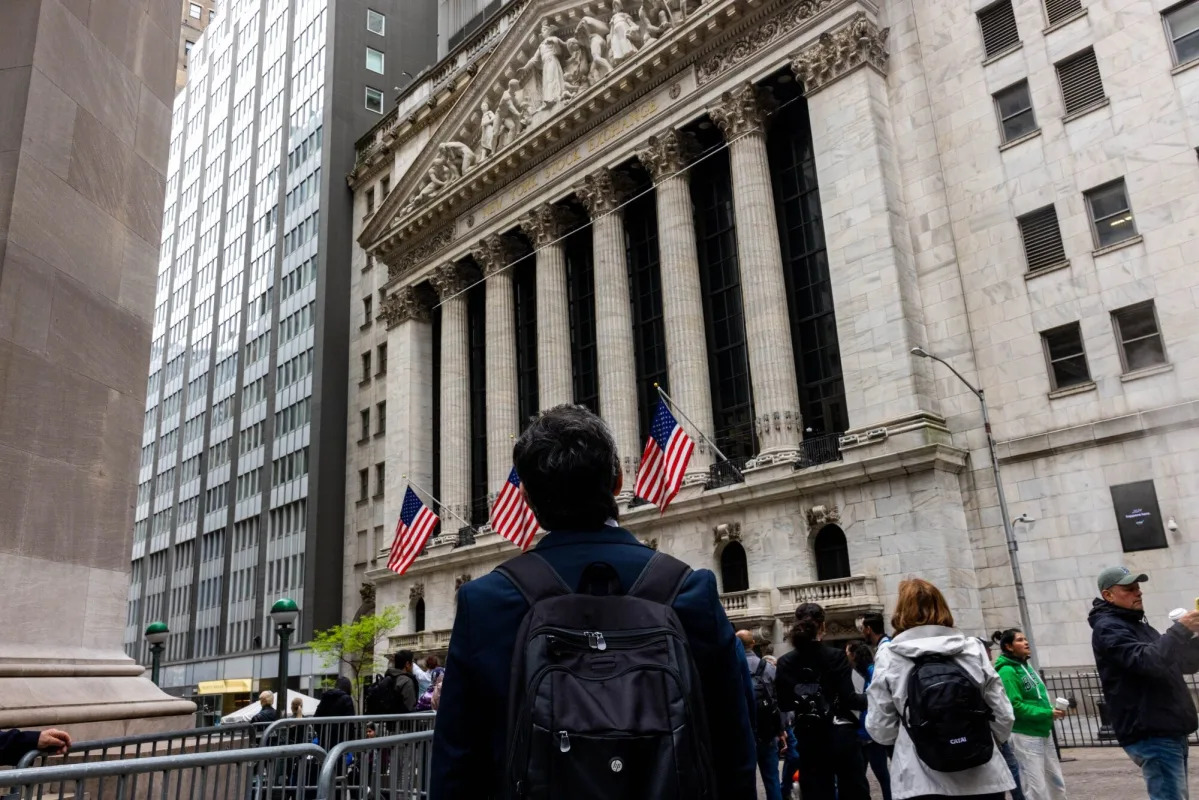
Financial leaders and institutions are warning of asset bubbles and increased risks of a market correction, suggesting that Wall Street may not anticipate the next crash due to widespread exuberance and overvaluation.
Bank of America Research highlights the massive $22 trillion private capital market, which is reshaping global finance by surpassing public markets in size and influence, driven by a shift towards private investments, private equity, and private credit, but also raising concerns about opacity and risk in this largely unregulated space.
U.S. regulators, including the Federal Reserve, have eliminated rules requiring banks to prepare for climate-related losses, citing redundancy with existing risk management standards, despite concerns from some officials about increased financial system risks and the broader implications of climate change.
The article warns of potential economic dangers from speculative bubbles in AI and cryptocurrency industries, which are heavily driven by hype and wealthy investors, and could lead to significant financial losses and economic instability when they burst, especially amid current political and economic turmoil.
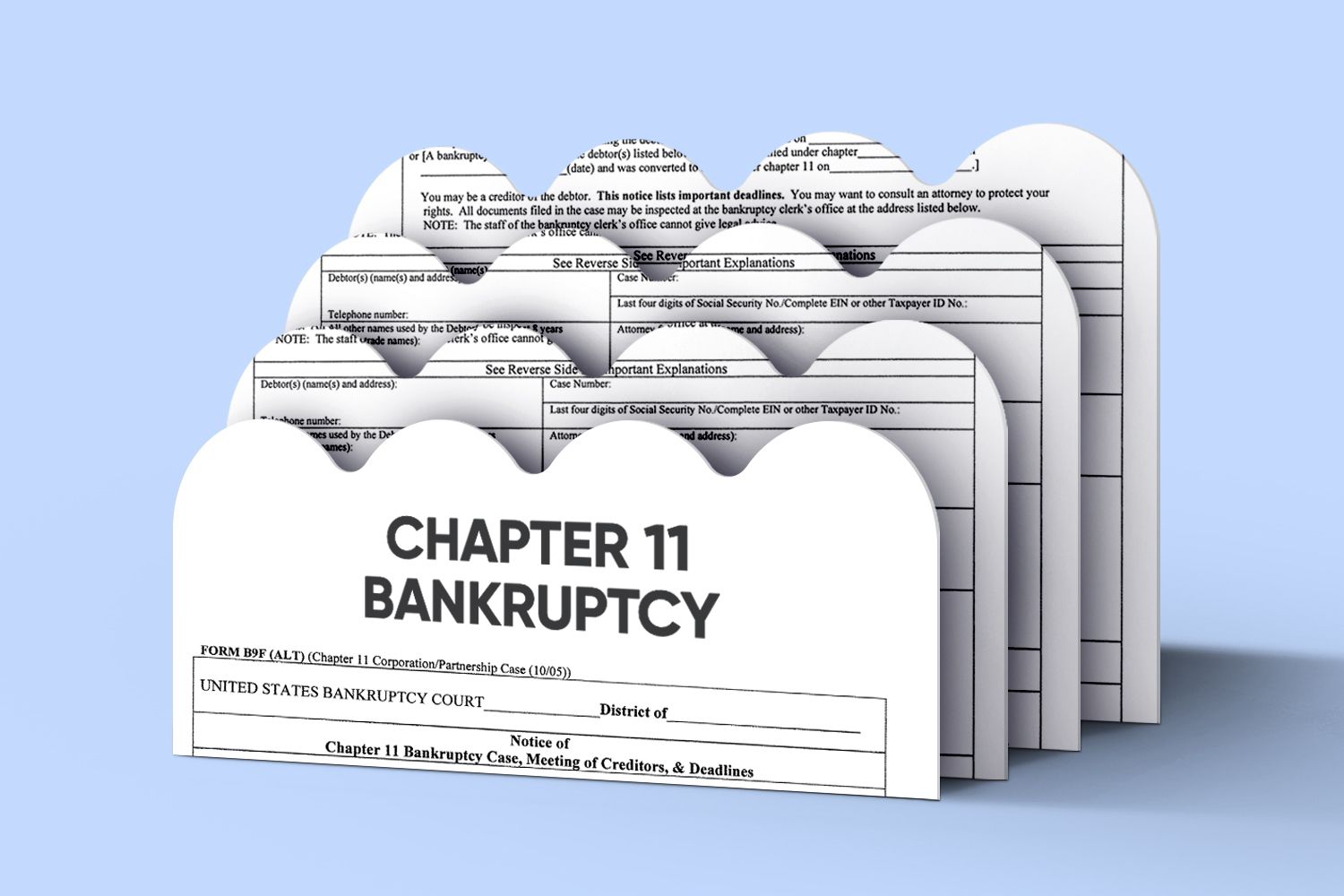
First Brands, a midsize auto parts company, filed for bankruptcy with over $10 billion in debt, leading to concerns about the stability of private credit markets, which are less regulated and involve complex, opaque lending practices. The company's collapse has exposed significant risks in the private credit sector, with major lenders like Jefferies, UBS, and BlackRock facing substantial losses, and federal investigations underway into its accounting practices.
Americans' record-high car debt, driven by soaring vehicle and insurance costs, is raising concerns of a potential recession similar to 2008, as increased delinquencies and longer loan terms threaten economic stability.
The collapse of Texas-based subprime auto lender Tricolor, amid alleged fraud and rising delinquencies, highlights growing risks in the $80 billion subprime auto ABS market, raising concerns about lax lending standards and potential ripple effects on Wall Street, despite the market's smaller size compared to past crises.
U.S. regulators are easing bank examinations and disciplinary notices, focusing more on core financial risks and less on non-core issues like climate change and diversity, as part of a broader overhaul under the Trump administration aimed at reducing regulatory burdens and focusing on key safety metrics.
Nearly 40% of Nvidia's Q2 revenue came from just two customers, with one accounting for 23% and the other 16%, highlighting a significant customer concentration risk despite strong overall growth driven by AI data centers. The company reported record revenue of $46.7 billion, up 56% year-over-year, but the reliance on a few large customers raises concerns about future stability.
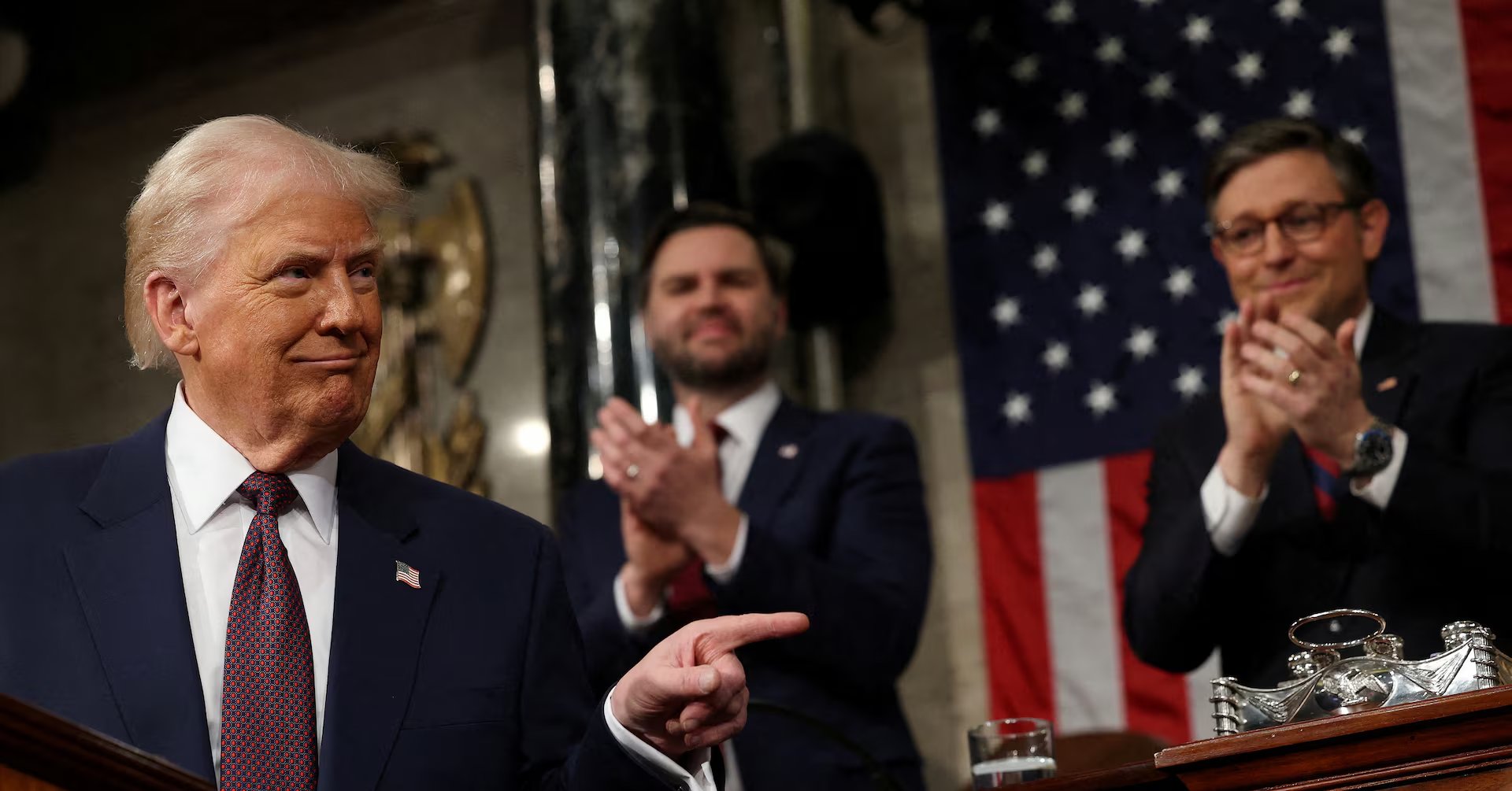
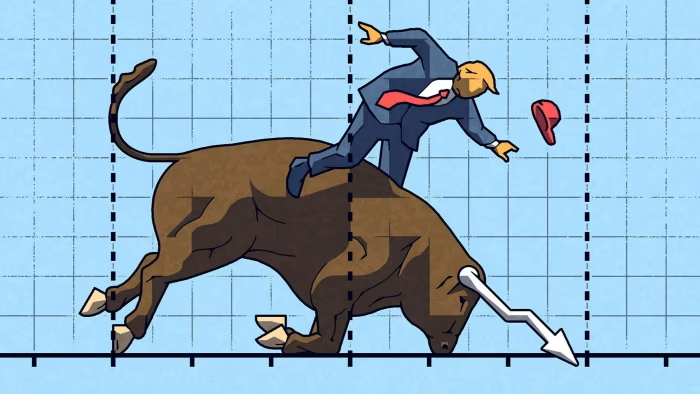
The article discusses potential market risks and economic impacts under Donald Trump's presidency, highlighting concerns about a possible recession and market correction. While short-term gains may result from deregulation and tax cuts, the author warns of long-term instability due to factors like high leverage, deregulation, and geopolitical tensions. The piece also notes the artificial nature of recent economic growth, driven by temporary factors, and the potential risks posed by crypto markets and influential figures like Elon Musk.
Wall Street has transitioned to a T+1 settlement system, reducing the time to complete stock trades to one day, a speed not seen in a century. This change aims to reduce financial risk but poses challenges, especially for international investors needing to source dollars quickly. The SEC and industry groups are preparing for potential issues during the transition, with firms adjusting workflows and staffing to ensure readiness.
Commercial real estate foreclosures surged 117% in March compared to the previous year, with California, New York, Florida, Texas, and New Jersey experiencing notable increases. The market is grappling with challenges such as higher interest rates, remote work reducing demand for office space, and $1.5 trillion in commercial mortgage debt due by the end of 2025. Regional banks, which hold about 80% of the sector's outstanding debt, are facing potential upheaval, leading to concerns about more restrictive lending standards and potential bank failures.
The rate of "gray divorce" among adults aged 50 and older has doubled since the 1990s, with women facing greater financial implications than men due to income drops and limited time to recover savings. Women can protect themselves by taking an active role in household finances, ensuring access to their own funds, strategically claiming Social Security, saving alimony, and considering legal agreements like prenuptial or postnuptial agreements.