Nitrous oxide, commonly known as laughing gas, has become a popular but dangerous recreational drug in the US, with rising misuse fueled by online sales, colorful packaging, and social media trends, leading to serious health risks and fatalities. Despite its legal status for culinary use, increased accessibility and marketing have contributed to a surge in addiction and related accidents, prompting legal actions and public health warnings.
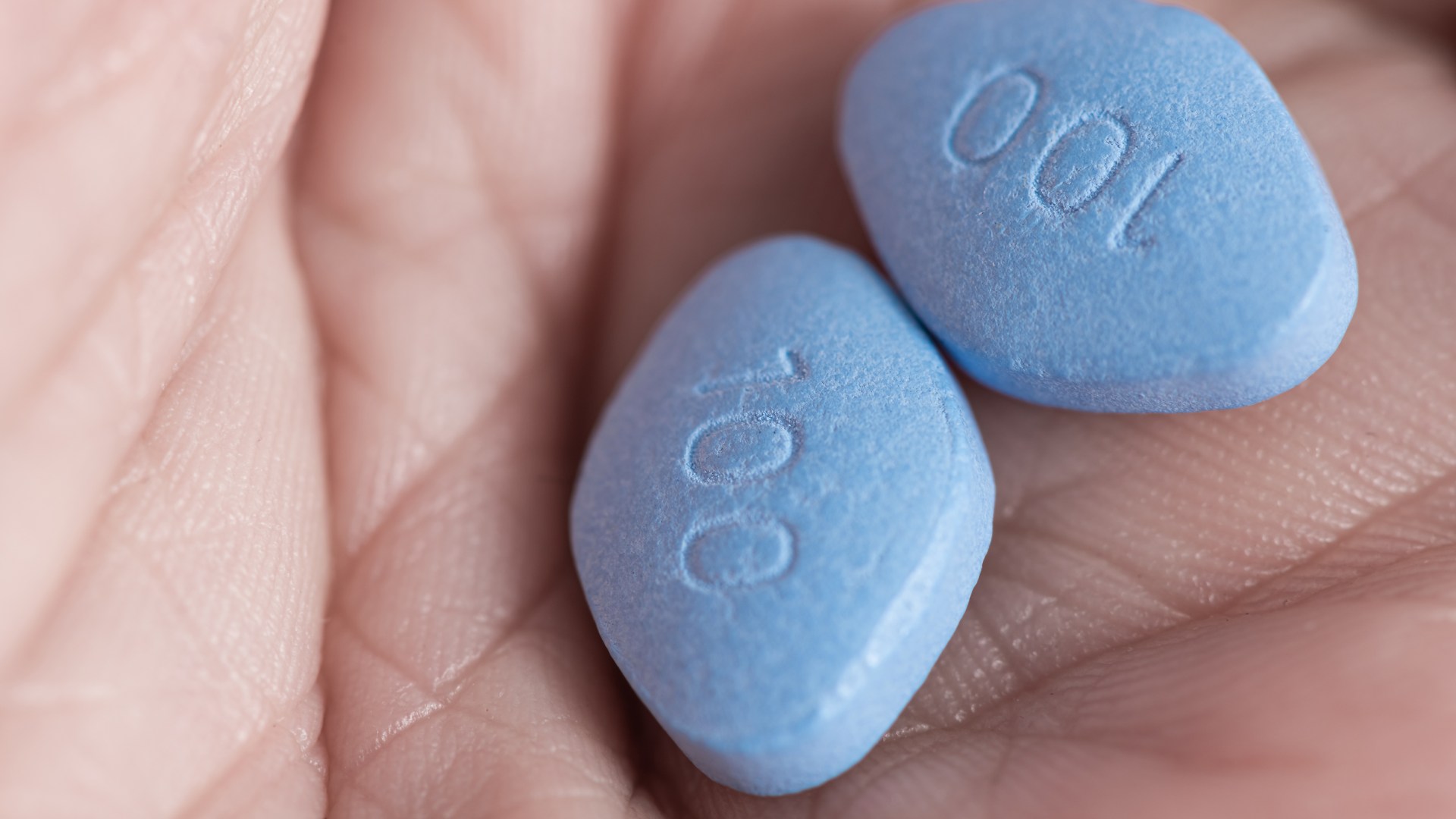
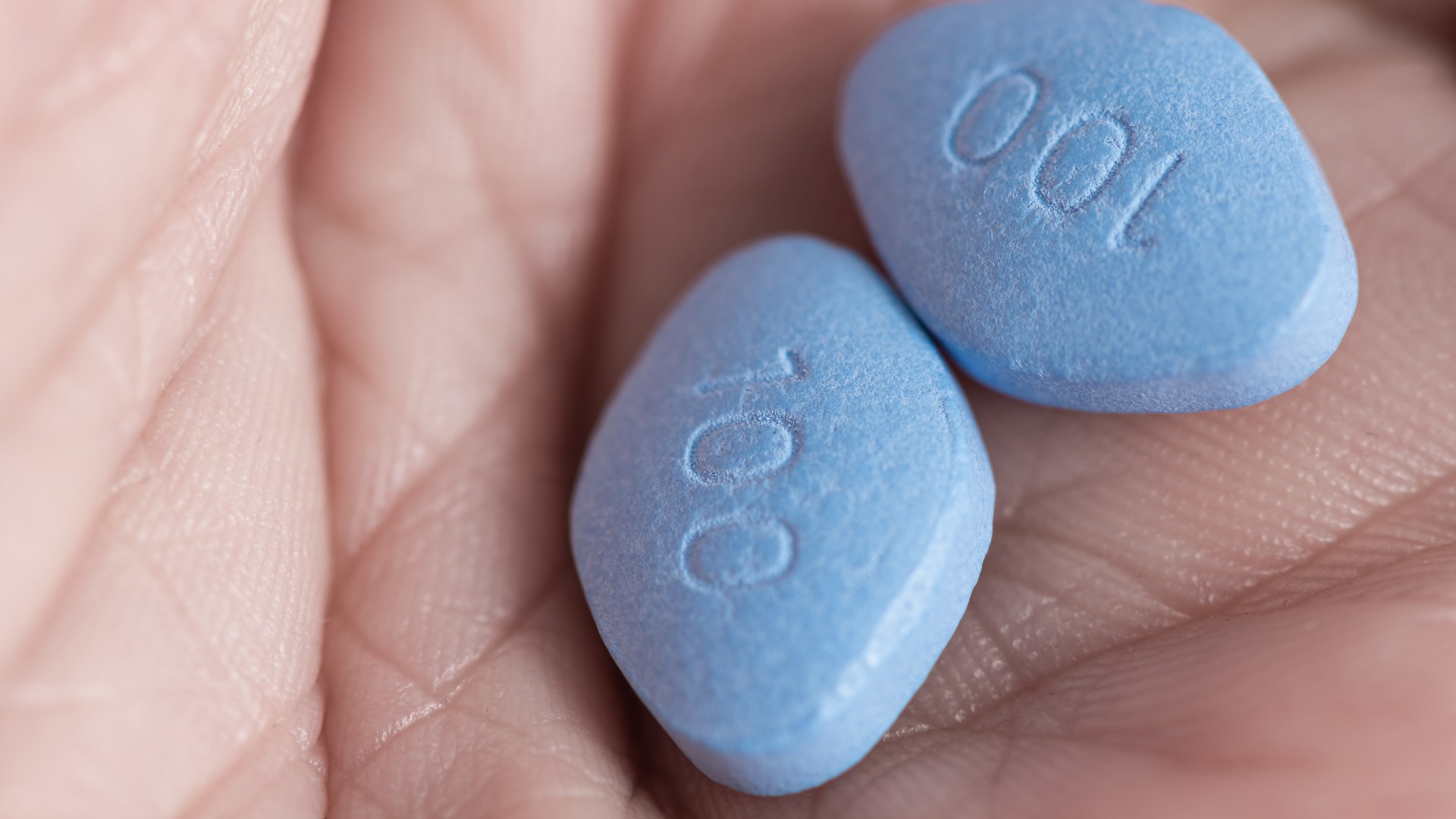
Health experts warn against recreational use of Viagra and other erectile dysfunction (ED) pills due to potential life-threatening side effects, interactions with other drugs, and the risk of developing psychological dependence. Popping ED pills for fun can lead to dangerously prolonged erections, psychological dependence, and uncertainty about the drug's contents when purchased online. It is advised to consult a healthcare provider before taking ED pills and to be cautious when purchasing them online.
Health experts warn against recreational use of Viagra and other erectile dysfunction (ED) pills due to potential life-threatening side effects, including dangerous drug interactions, painfully-long erections, psychological dependence, and uncertainty about the contents of pills bought from online pharmacies. These drugs, containing sildenafil, should only be taken under medical supervision for diagnosed conditions such as ED or pulmonary hypertension, as they can have serious health implications when used without proper guidance.
Florida's Amendment 3 proposes legalizing recreational marijuana, with the state Supreme Court approving the ballot language. If passed, it would create a multibillion-dollar industry and allow adults over 21 to possess up to 3 ounces for personal use. Concerns include the smell of marijuana in public spaces and potential impact on car crashes. The initiative is funded by Trulieve, a major medical marijuana company, and would initially give licensed medical marijuana companies exclusive rights to sell recreational pot. The Legislature could potentially make changes to the market structure if the measure passes.
The Florida Supreme Court has approved the ballot language for a proposed constitutional amendment that would legalize recreational marijuana in the state, allowing adults over 21 to possess and use up to 3 ounces of pot for personal use. The amendment will be on the ballot in November, requiring at least 60% of the vote to become law. Despite opposition from the state's Attorney General and Governor, the court ruled that the language was not misleading. If approved, the amendment would go into effect six months after the election, allowing for the purchase of marijuana products from licensed distributors and potentially opening the door for other entities to enter the market.
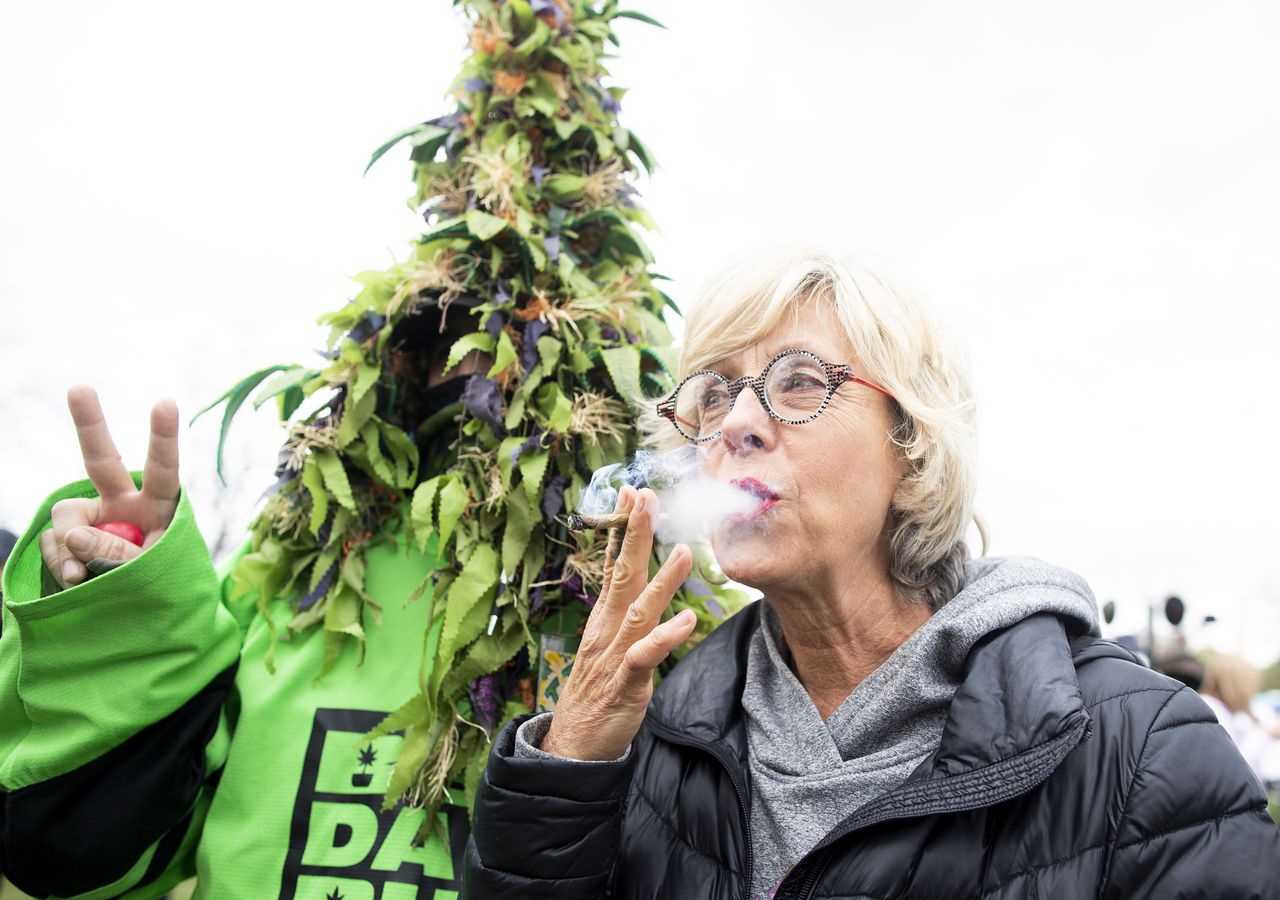
Germany celebrated the legalization of recreational cannabis use with crowds gathering at the Brandenburg Gate in Berlin, where music, dancing, and cannabis-themed displays took place. The new legislation allows adults to possess small amounts for personal use, cultivate up to three plants, and join licensed not-for-profit clubs for cannabis consumption. The move makes Germany the third country in Europe to legalize recreational cannabis, following Malta and Luxembourg, and removes cannabis from the official list of banned substances.
Germany's lower house of parliament has voted to legalize limited recreational cannabis use for adults, making it the third European country to do so. The new rules allow for possession of small amounts for personal use, cultivation of up to three plants, and establishment of licensed not-for-profit clubs. The move aims to reduce the black market and drugs-related crime, but has faced opposition from the conservative Christian Democratic Union and medical associations citing concerns about increased consumption and associated risks, particularly for young people.
Two years after legalizing cannabis, Thailand is considering a ban on recreational use due to concerns about under-regulation leading to availability for kids and crime. The proposed law would impose a fine for recreational use while allowing medical marijuana, but lacks details on regulation. The move comes after reports of drug-related issues, including among young people, prompting political parties to promise to limit cannabis to medical use. Advocates and entrepreneurs argue for better enforcement of existing regulations and more discussion on controlling the drug.
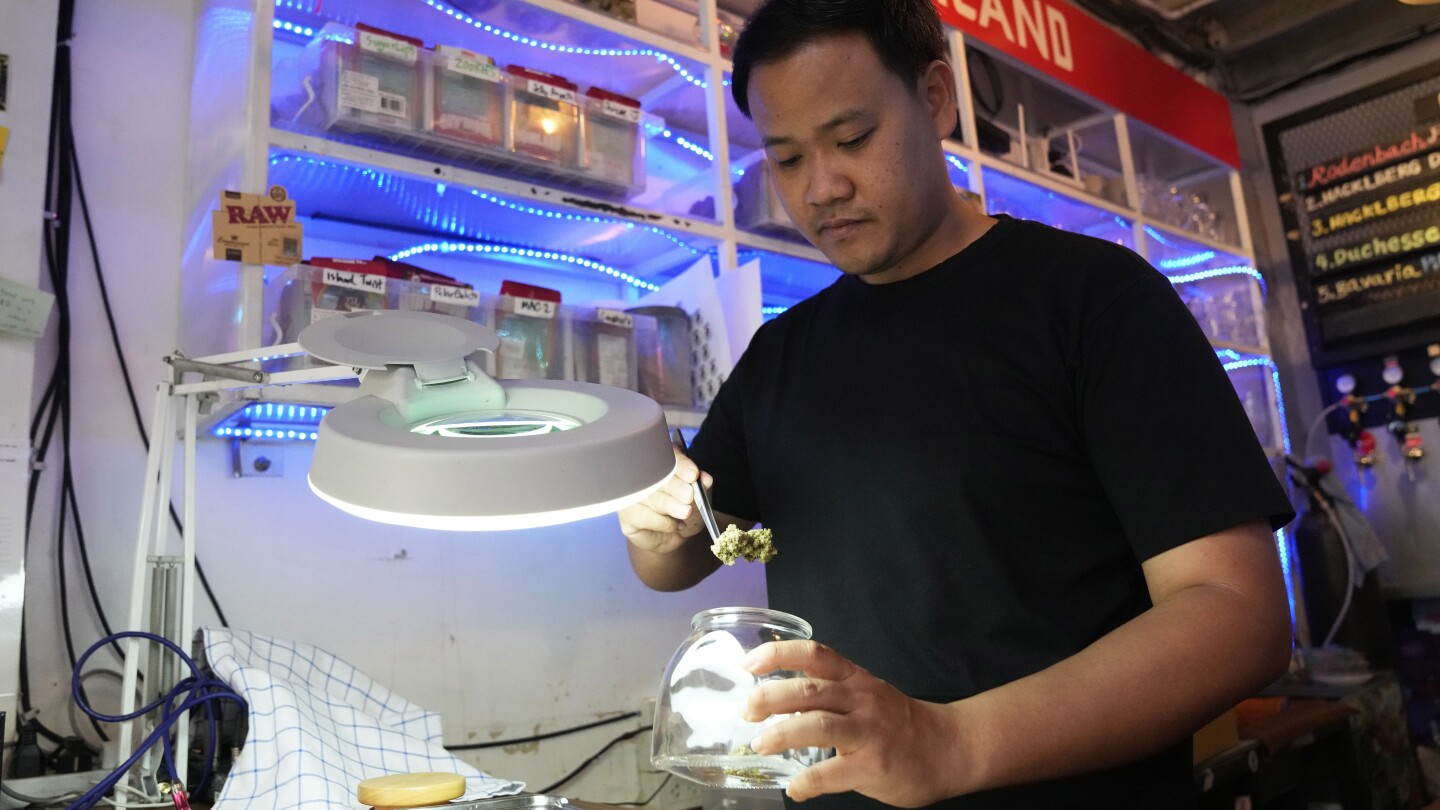
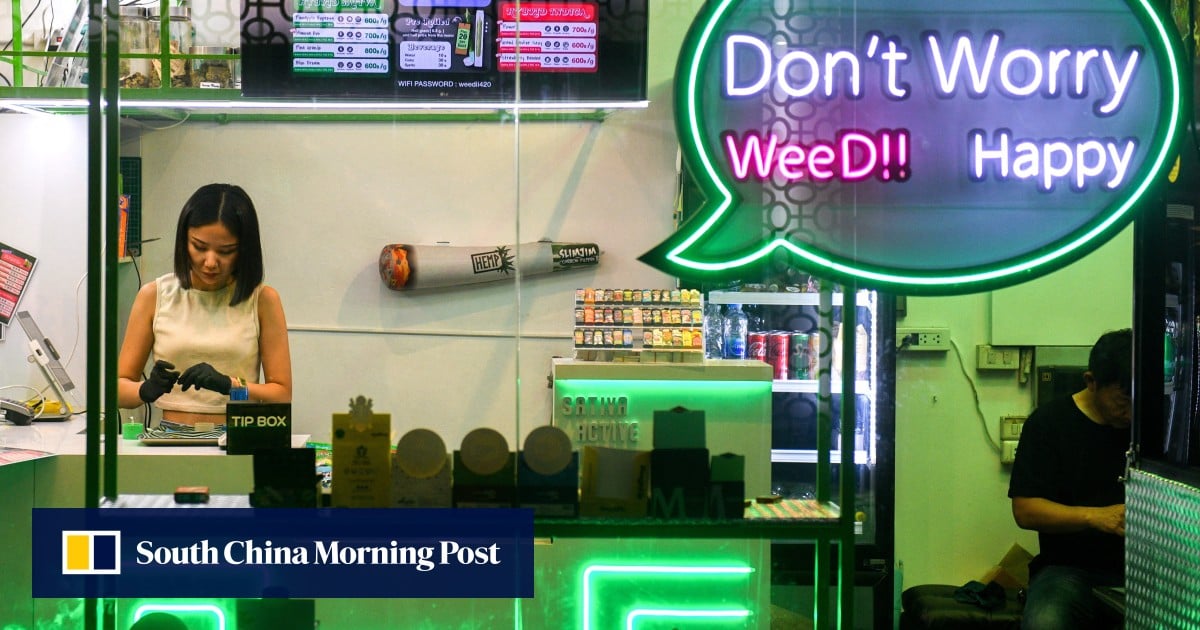
Thailand is set to ban the recreational use of marijuana, urgently moving a bill to only allow cannabis for health and medicinal purposes, following concerns that decriminalization could lead to wider drug problems. The move comes after the drug was taken off the list of banned narcotics in 2022, prompting the proliferation of cannabis shops. Prime Minister Srettha Thavisin has voiced opposition to recreational use, warning of potential narcotic drug problems, and the public pressure increased after complaints of marijuana smell at a recent concert. Thailand had previously sought to capitalize on the global medical marijuana market, but the 2022 changes led to confusion about the legal status of the drug and the proliferation of cannabis "dispensaries."
Thailand, the first country in Asia to decriminalize cannabis, is now moving to ban recreational use of the plant, with a new draft bill outlining hefty fines or prison sentences for offenders. The new legislation, proposed by the conservative coalition government, aims to restrict cannabis and cannabis-related products to medical and health purposes only, reversing the lucrative cannabis industry that had boomed in the country. The move comes after a period of relaxed laws that saw the emergence of cannabis dispensaries, weed cafes, and hemp spas, drawing in tourists and benefiting many Thais. Proponents of cannabis legalization have expressed disappointment and emphasized the importance of public involvement in the decision-making process.
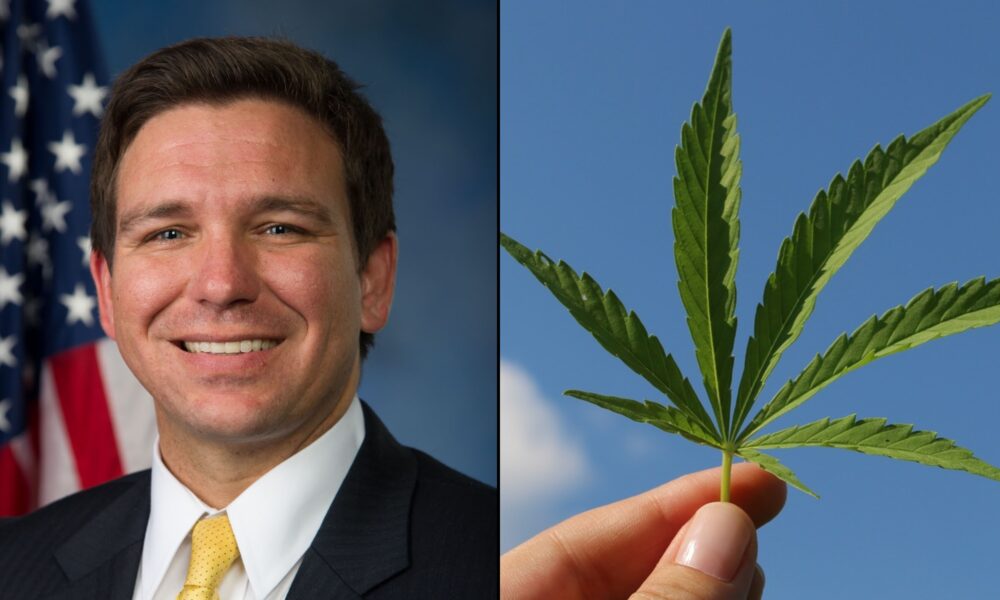
Florida Governor Ron DeSantis, a potential 2024 presidential candidate, suggests that the state's medical marijuana law is being used as a pretext for recreational cannabis use. While he supports a free market approach to all industries, including medical cannabis, he recently backed a significant increase in licensing renewal fees for medical marijuana businesses. DeSantis questions the motives of patients entering the program and wants more competition in the market. However, his support for a free market contradicts his previous actions to increase licensing fees. The Florida Supreme Court is currently considering a legal challenge to a proposed 2024 adult-use legalization ballot initiative. DeSantis has maintained opposition to marijuana legalization and has signed bills adding restrictions to medical marijuana advertising and manufacturing.
The Ohio Senate is expected to begin making changes to the voter-approved initiated statute legalizing adult use of marijuana, with the Senate General Government Committee potentially meeting as early as Monday to review proposals for modifying the law, which is set to take effect on December 7th.
If Ohio voters pass a recreational marijuana ballot initiative, adults would be allowed to smoke marijuana, unlike the state's medical marijuana program. However, the proposed change to Ohio law raises questions about private property rights and whether property owners can prohibit other forms of marijuana use, such as vaping and edibles, on their premises. The initiative would allow individuals aged 21 and older to possess and consume marijuana, purchase it from licensed dispensaries, and grow their own plants. The legislature could potentially repeal or amend the initiative if it passes.
A proposal to legalize recreational adult use of marijuana in Ohio will appear on the state's fall ballot after the Republican-led legislature failed to act on it. If passed, the measure would allow adults 21 and over to buy and possess up to 2.5 ounces of cannabis and grow plants at home. A 10% tax would be imposed on purchases, with the revenue allocated to administrative costs, addiction treatment programs, municipalities with dispensaries, and social equity and jobs programs. Ohio would become the 24th state to legalize cannabis for adult use if the measure is approved.
Ohio's general election ballot in November will include a measure to legalize recreational marijuana use for residents 21 and older, after the initiative gathered enough signatures. The proposed measure would allow adults to possess up to 2.5 ounces of marijuana and establish a 10% sales tax on its purchase. The Coalition to Regulate Marijuana like Alcohol, which pushed for the measure, collected over 4,000 signatures during a 10-day extension. Ohio joins several other states that have legalized recreational marijuana use, while marijuana use remains illegal federally.