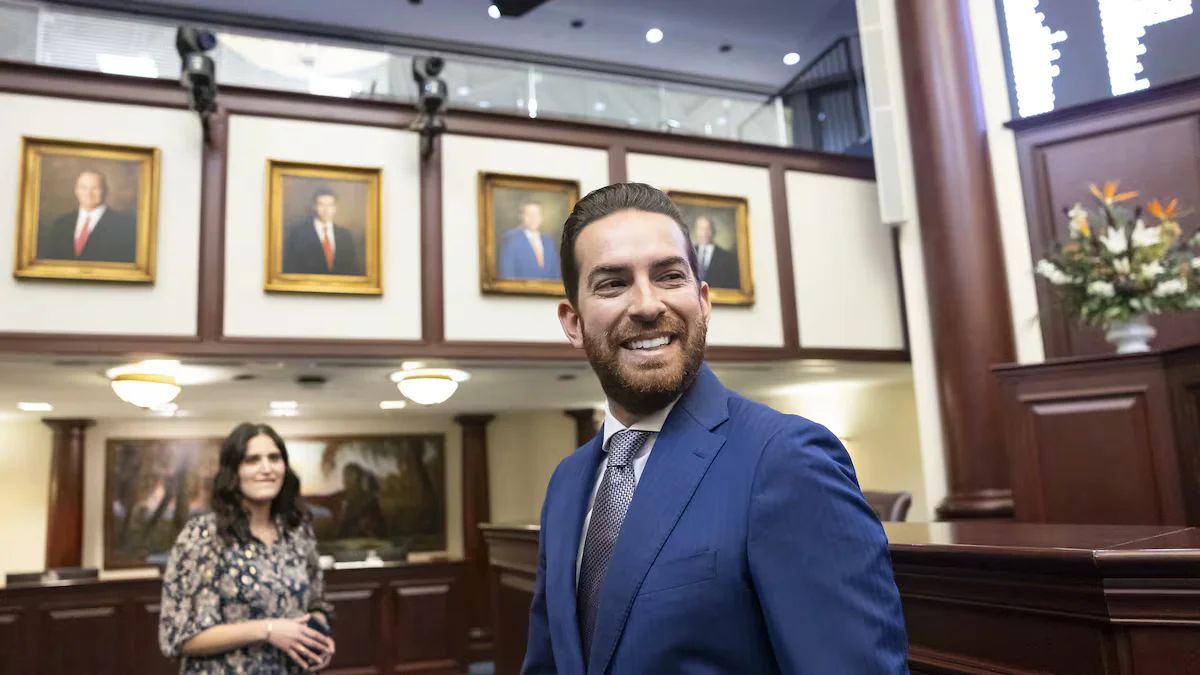
The Indiana House approved a bill authorizing up to $1 billion in public funds for a Chicago Bears stadium in Indiana by a 95-4 margin, signaling progress toward a potential Bears relocation from Illinois and prompting ongoing negotiations with Illinois officials, including Governor J.B. Pritzker.
The House voted 264-133 to reject the Senate-passed ROTOR Act, stalling a bipartisan air-safety measure and highlighting a split within Republicans over aviation policy. House leaders and key chairs opposed the ROTOR Act, pushing their own ALERT Act alternative, while victims’ families and the NTSB supported ROTOR; the Pentagon had reversed course on ROTOR due to budget and security concerns. With ROTOR defeated, a House markup of the rival ALERT Act is anticipated, and cross‑chamber talks on aviation safety and related funding and policy issues continue in a fractious political environment.
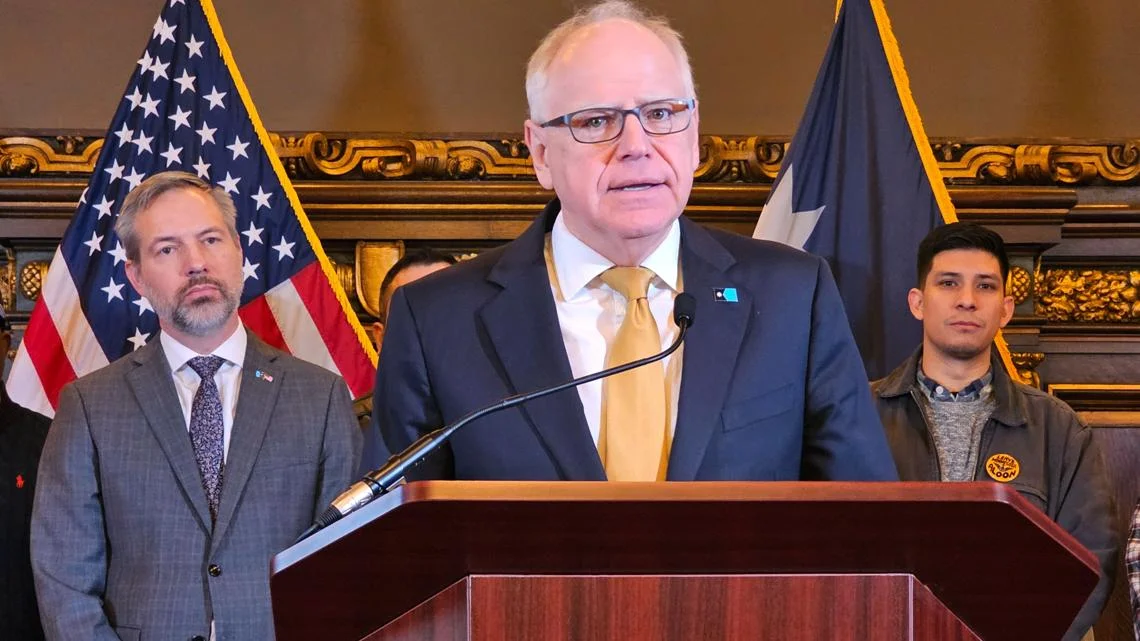
Gov. Tim Walz unveiled a gun-violence prevention package in Minnesota, including a ban on military-style assault rifles and high-capacity magazines, mandatory safe storage and reporting of missing or stolen firearms, a firearm and ammunition tax, insurance requirements, expanded resources for schools, and closing the ghost-gun loophole. The plan, announced six months after the Annunciation shooting, emphasizes safety while Walz asserts it won’t infringe on Second Amendment rights; survivor Lydia Kaiser shared her perspective at the press conference.
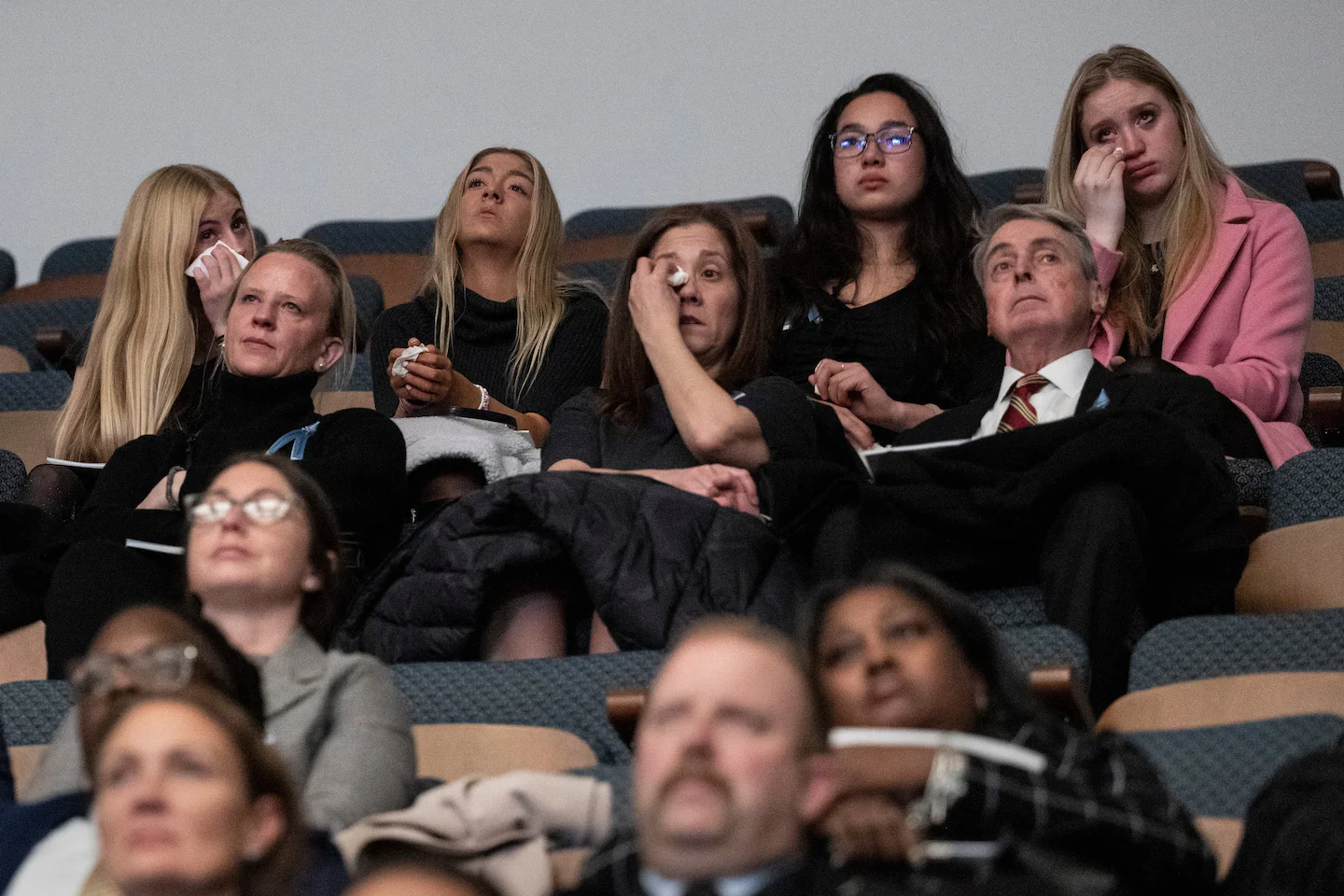
Thirteen months after a midair collision near Reagan National, The Post's View argues the Pentagon is sabotaging a bipartisan Rotor Act deal designed to prevent similar crashes, undoing prior acceptance of responsibility and threatening the safety fixes the agreement would put in place.
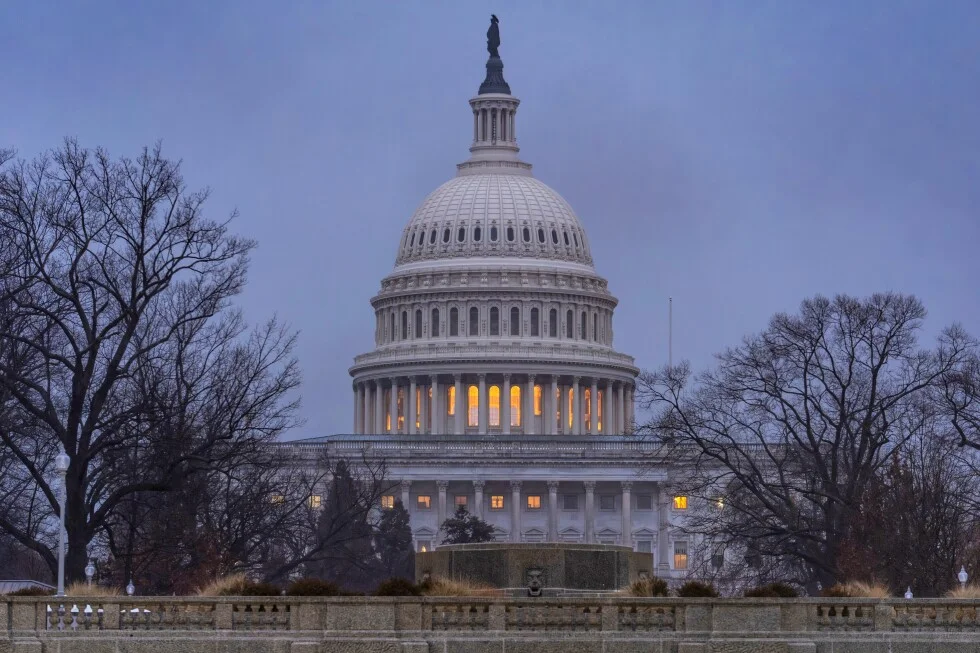
Senate Democrats are set to unveil a bill to refund tariffs collected during the Trump administration, arguing the move would provide relief to importers and consumers as Congress tackles budget and funding issues, including a stalled Department of Homeland Security bill.
The House is poised to vote on the Senate-passed ROTOR Act, a major response to last year’s Washington midair collision, but a rift among top Republicans—House Transportation Chair Sam Graves and Armed Services Chair Mike Rogers—complicates the path as Speaker Johnson moves the bill forward. Graves and allies have expressed opposition to the ROTOR Act’s equipment mandates and favor the Graves-Rogers ALERT Act, which would address NTSB recommendations with more input from the House. The Defense Department has raised concerns about budgetary and operational security risks, while victims’ families and aviation groups push for strong safety standards; the outcome will have broad implications for aviation safety tech, military aviation constraints, and party dynamics in Congress.
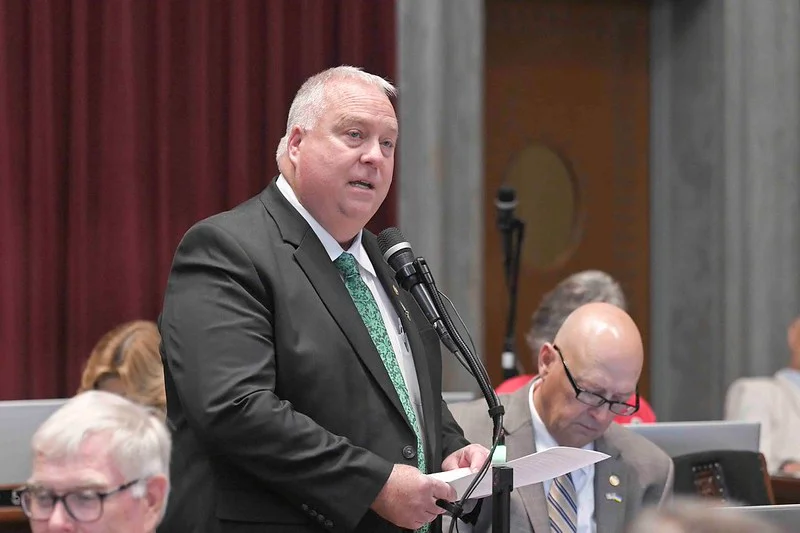
Missouri's House approved a bill to ban intoxicating hemp products containing more than 0.4 mg of THC per container, with sales restricted to licensed cannabis dispensaries if federal action allows it; the measure now heads to the Senate, drawing debate over marijuana definitions and market impact.
The Florida House approved HJR 203 by an 80-30 vote to place a constitutional amendment on the November ballot that would nearly repeal property taxes on primary residences while preserving school funding; second homes, businesses, and renters would still be taxed, and local governments warn it could cost more than $13.3 billion annually. For the measure to take effect, the Senate must accept a single version and voters must approve it by 60%, a process that faces ongoing tensions between chambers and negotiated details, including whether rural-need provisions are included. Gov. DeSantis supports broad tax relief but has urged a careful, potentially slower rollout.
The New Mexico House passed SB 241, a universal child-care program aimed at serving about 60,000 children, with copays for higher-earning families under certain conditions. The plan would tap up to $700 million from the Early Childhood Education and Care Trust Fund over five years and include wage requirements for providers and referrals for at-risk children. The bill moves back to the Senate for any House changes before Gov. Michelle Lujan Grisham can sign it; the governor expressed optimism it will reach her before adjournment.
Lawmakers in Maine, Vermont, New Hampshire, Massachusetts, and Rhode Island are weighing bills to allow small plug-in solar panels that connect to home outlets, removing the need for rooftop installations and potentially lowering electricity bills for renters and others without easy access to rooftop solar. The approach mirrors European adoption and Utah’s 2025 lead, but would require updated electrical codes and national safety certifications before widespread sale; costs can reach up to about $2,000, and critics say it won’t be a universal solution, though supporters argue prices could fall with broader adoption and that the technology offers a practical entry point to clean energy for renters and apartments.
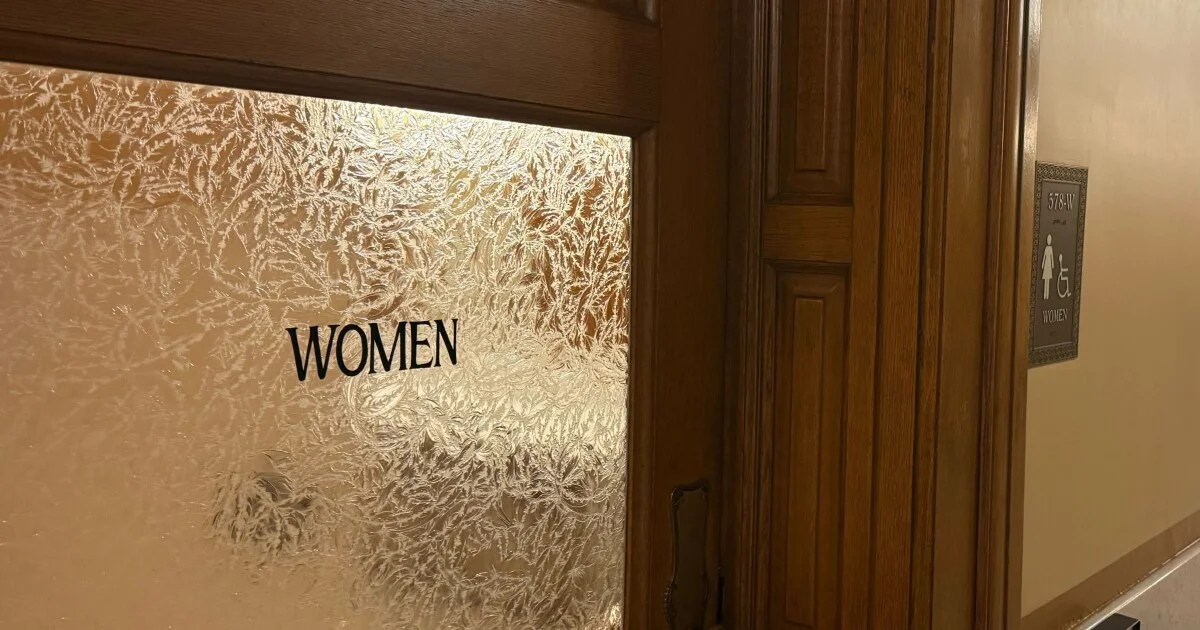
Kansas overrides Gov. Laura Kelly's veto to enact a law requiring sex-segregated restrooms in government buildings, with fines, lawsuits, and criminal penalties for violations, plus limited age-based access and a ban on changing gender markers on state documents.
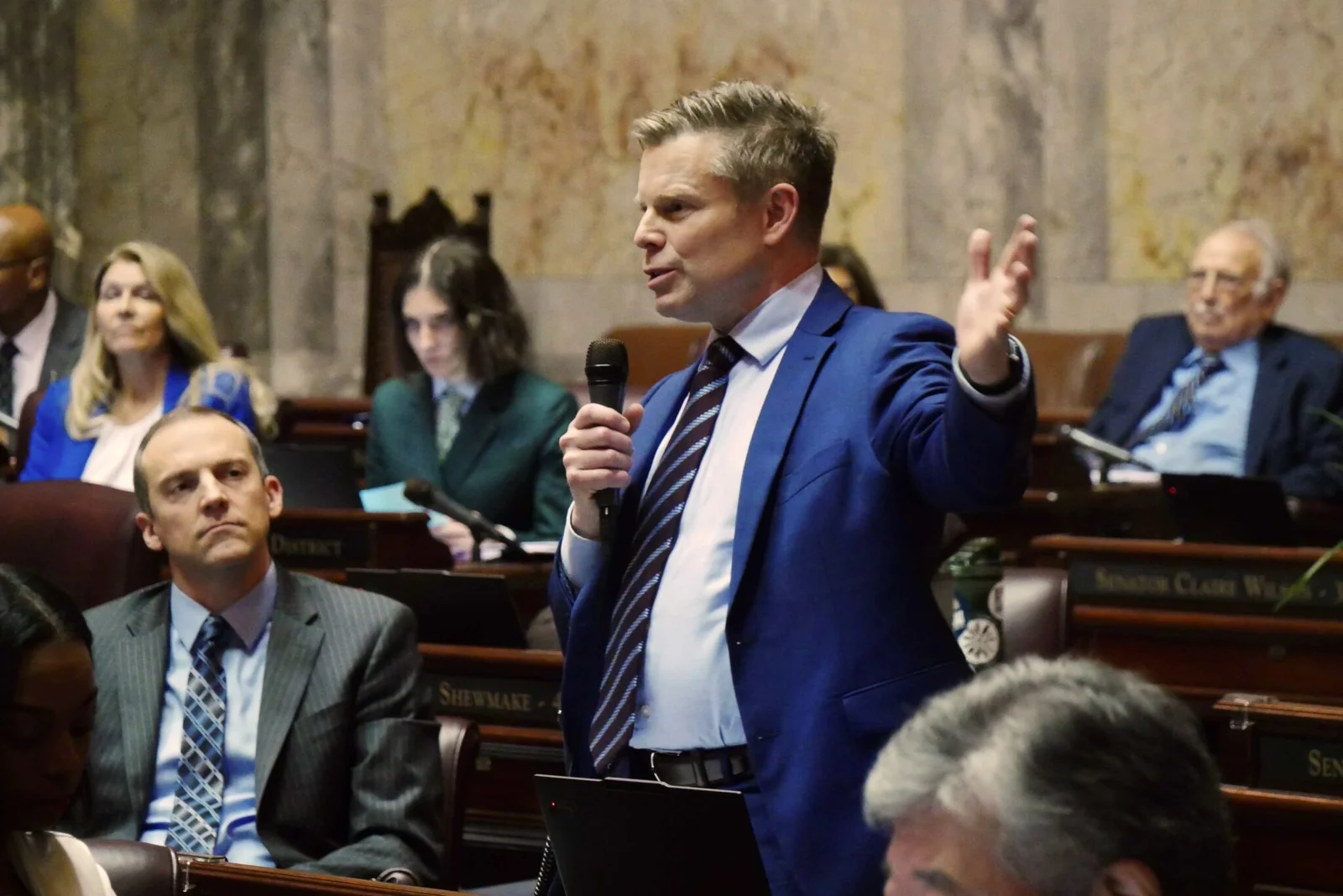
The Washington Senate moved a 9.9% personal income tax on households earning more than $1 million to the House, arguing the measure would fund public defense, expand the Working Families Tax Credit, and aid small businesses, while critics warn of potential economic harm; the tax would take effect in 2028 (revenues begin in 2029) and is expected to yield about $3.4 billion annually once fully phased in, with the plan exempt from the existing prohibition on new statewide income taxes and facing continued political and legal challenges.
The UK is moving to tighten its online-safety laws to explicitly cover AI chatbots, expanding regulatory reach over how AI is used and presented online.
Democrats are pressuring a bipartisan digital assets bill to include ethics guardrails after a $500 million Abu Dhabi–backed investment in a Trump-linked crypto venture provoked fresh concerns, setting up a high-stakes clash with the White House and Republicans who want to move the bill forward. Speakers like Sen. Cory Booker and Sen. Adam Schiff say ethics provisions must apply to Trump as to any other federal employee, while Republicans signal willingness to negotiate but largely defer to the White House. The outcome hinges on securing Democratic votes and resolving a separate banking-crypto lobbying dispute as the bill’s fate heads to the Senate floor.
The House voted to block Washington, D.C., from decoupling its local tax code from President Trump’s federal tax cuts, a move city officials say would cost hundreds of millions in revenue and require a months-long suspension of the local tax filing season; if approved by the Senate, the disruption could extend to the city’s tax system.