
drug-policy3.285 min read
Thailand Considers Reversing Cannabis Legalization Amid Regulatory Crackdown
2 years ago•Source: The Associated Press

The latest drug policy stories, summarized by AI

Thailand is set to ban the recreational use of marijuana, urgently moving a bill to only allow cannabis for health and medicinal purposes, following concerns that decriminalization could lead to wider drug problems. The move comes after the drug was taken off the list of banned narcotics in 2022, prompting the proliferation of cannabis shops. Prime Minister Srettha Thavisin has voiced opposition to recreational use, warning of potential narcotic drug problems, and the public pressure increased after complaints of marijuana smell at a recent concert. Thailand had previously sought to capitalize on the global medical marijuana market, but the 2022 changes led to confusion about the legal status of the drug and the proliferation of cannabis "dispensaries."


West Chester Township in Ohio has implemented a 360-day moratorium on the sale and cultivation of marijuana, despite the recent legalization of cannabis in the state. The township's Board of Trustees wants to take the time to determine how marijuana can be safely sold, who would be selling it, and whether background checks should be required. They also want to consider the proximity of dispensaries to schools and prevent an influx of vape shops. The moratorium will be reevaluated after 360 days, with the possibility of an additional 180-day extension.
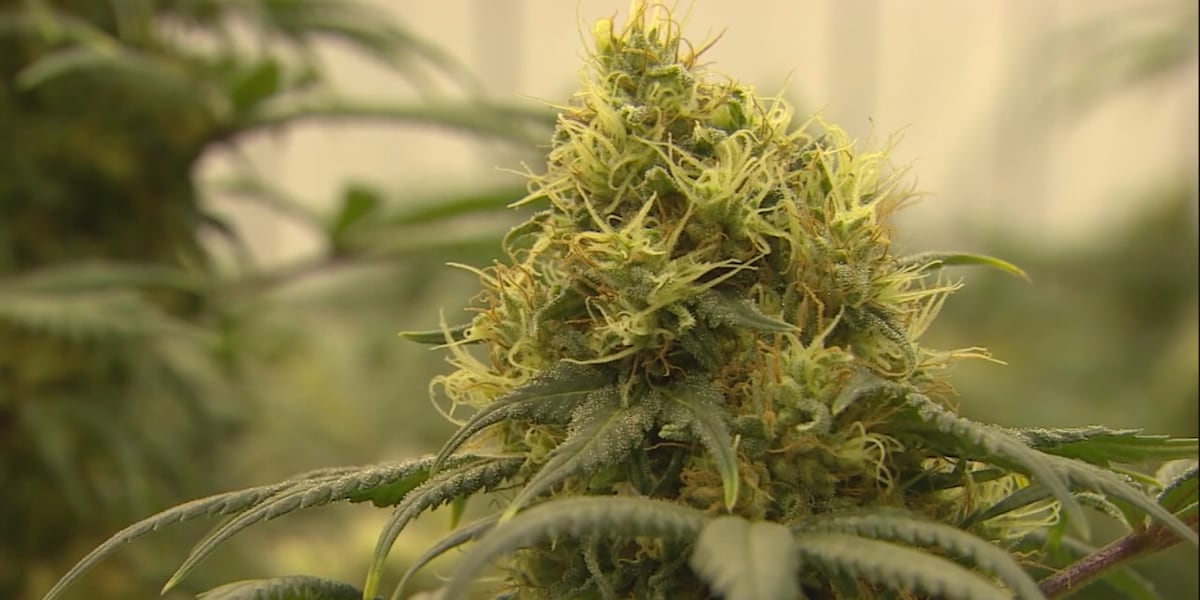
The city council of Lakewood, Ohio, has unanimously approved an eight-month ban on the issuance and processing of permits for retail dispensaries, cultivators, or processors of adult-use marijuana. The moratorium is intended to allow time for potential changes to the state legislation regarding marijuana. The ban only affects stores, while personal use and growing are not impacted. This is not the first time Lakewood has implemented such a moratorium, having done so previously when medical marijuana was legalized in 2016.
The war on drugs is witnessing a shift in tactics, according to experts. With a focus on broadening perspectives, global subject matter experts are offering timely insights and opinions on the matter. The article discusses the changing strategies in the fight against drugs, highlighting the need for new approaches and perspectives to address the issue effectively.
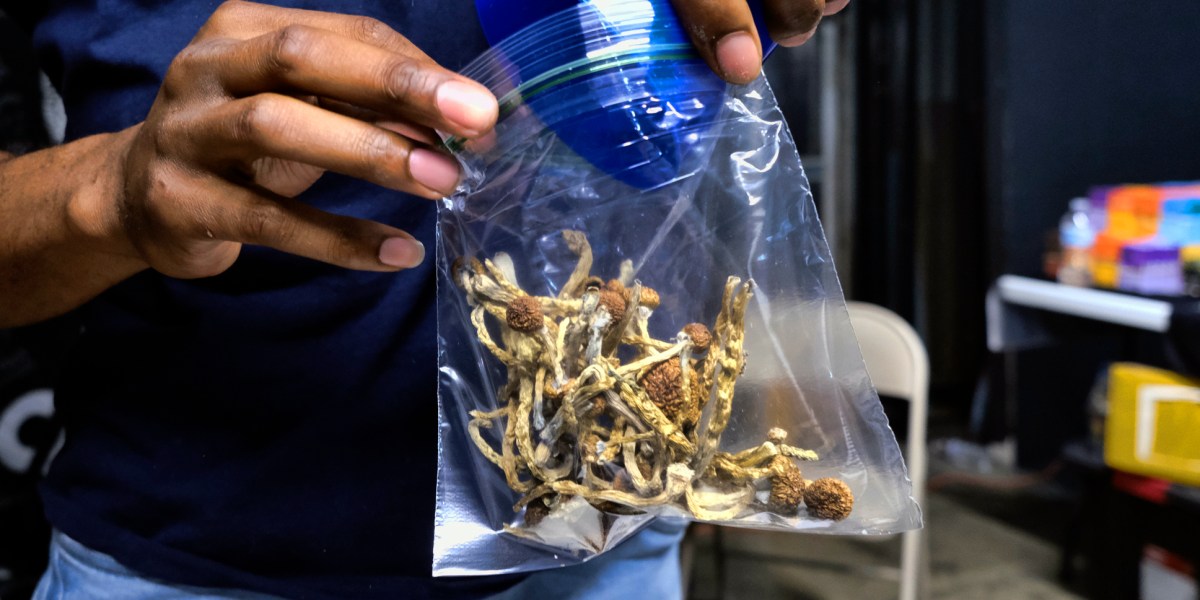
The California Senate has approved a bill to legalize certain psychedelics, including psychedelic mushrooms, for individuals aged 21 and older. If signed by Governor Gavin Newsom, the bill will take effect in 2025, allowing the possession and cultivation of plant-based psychedelics. While Newsom has not indicated his stance on the bill, he has been critical of the war on drugs and has supported cannabis legalization. Veterans and advocates argue that psychedelics can be beneficial for mental health treatments, particularly for veterans with post-traumatic stress disorder. However, some believe that accessing psychedelics through federal avenues, such as the FDA, would be more effective in ensuring affordability and insurance coverage for treatments. Currently, Colorado and Oregon are the only states that have fully legalized the use of mushrooms. The bill includes restrictions on possession near schools and prohibits providing psychedelics to minors.
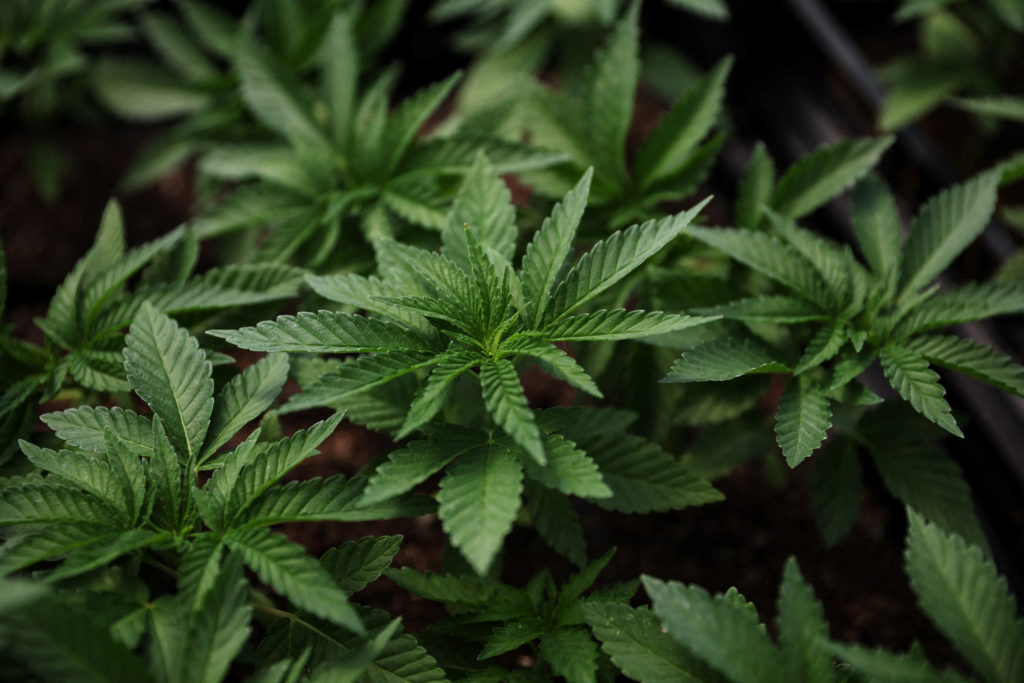
U.S. health regulators have recommended loosening restrictions on marijuana by moving it from Schedule I to Schedule III, which would make it easier to study and potentially reduce taxes for cannabis businesses. However, this change would not legalize recreational marijuana nationwide, and it would not directly address the issue of limited access to banking services. Critics argue that rescheduling is too incremental and that marijuana should be completely removed from the controlled substances list.

The U.S. Department of Health and Human Services has requested the Drug Enforcement Agency (DEA) to consider loosening restrictions on marijuana by moving it from a Schedule I to a Schedule III drug classification. This could have significant implications for the cannabis industry, including new tax opportunities, potential for interstate commerce, expanded research, and increased investor interest. However, federal legalization and access to banking services for the industry still require further legislative action. The DEA is expected to make a decision before the 2024 presidential election.

The US Department of Health and Human Services has recommended that the Drug Enforcement Agency (DEA) loosen federal restrictions on cannabis, calling for its reclassification from a Schedule 1 drug to a Schedule 3 drug. This move, if approved, would align cannabis with substances having a low potential for dependency and abuse. While the recommendation falls short of removing cannabis from the Controlled Substances Act altogether, it could pave the way for further research and allow the cannabis industry to operate more freely. The proposal comes as public opinion in the US increasingly supports some form of cannabis legalization, with 40 out of 50 states having already passed laws allowing its use in some capacity.
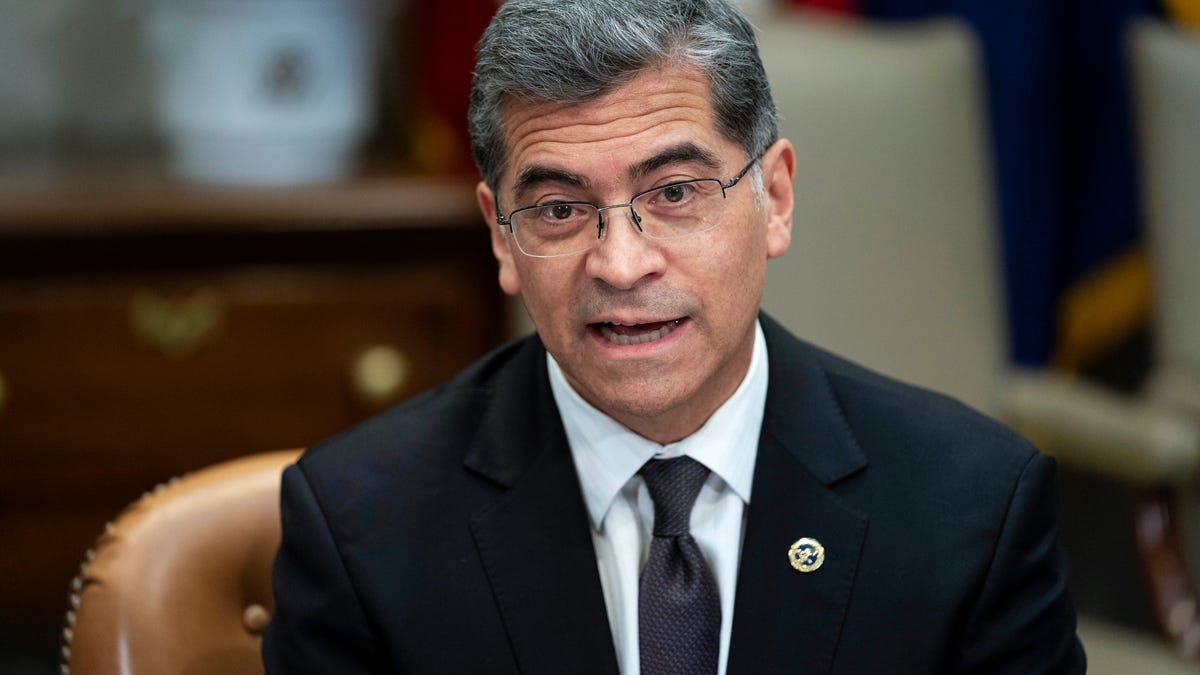
The Department of Health and Human Services (HHS) has recommended reclassifying marijuana as a schedule three substance, indicating it has a moderate to low potential for dependence, according to a letter obtained by Bloomberg News. Currently classified as a schedule one substance, this move could be a first step towards wider legalization. President Joe Biden had requested a review of marijuana's classification under federal law last year. As of April, 38 states and the District of Columbia allow for medical marijuana use, while 23 states and the District of Columbia have passed measures to regulate cannabis for adult non-medical use.
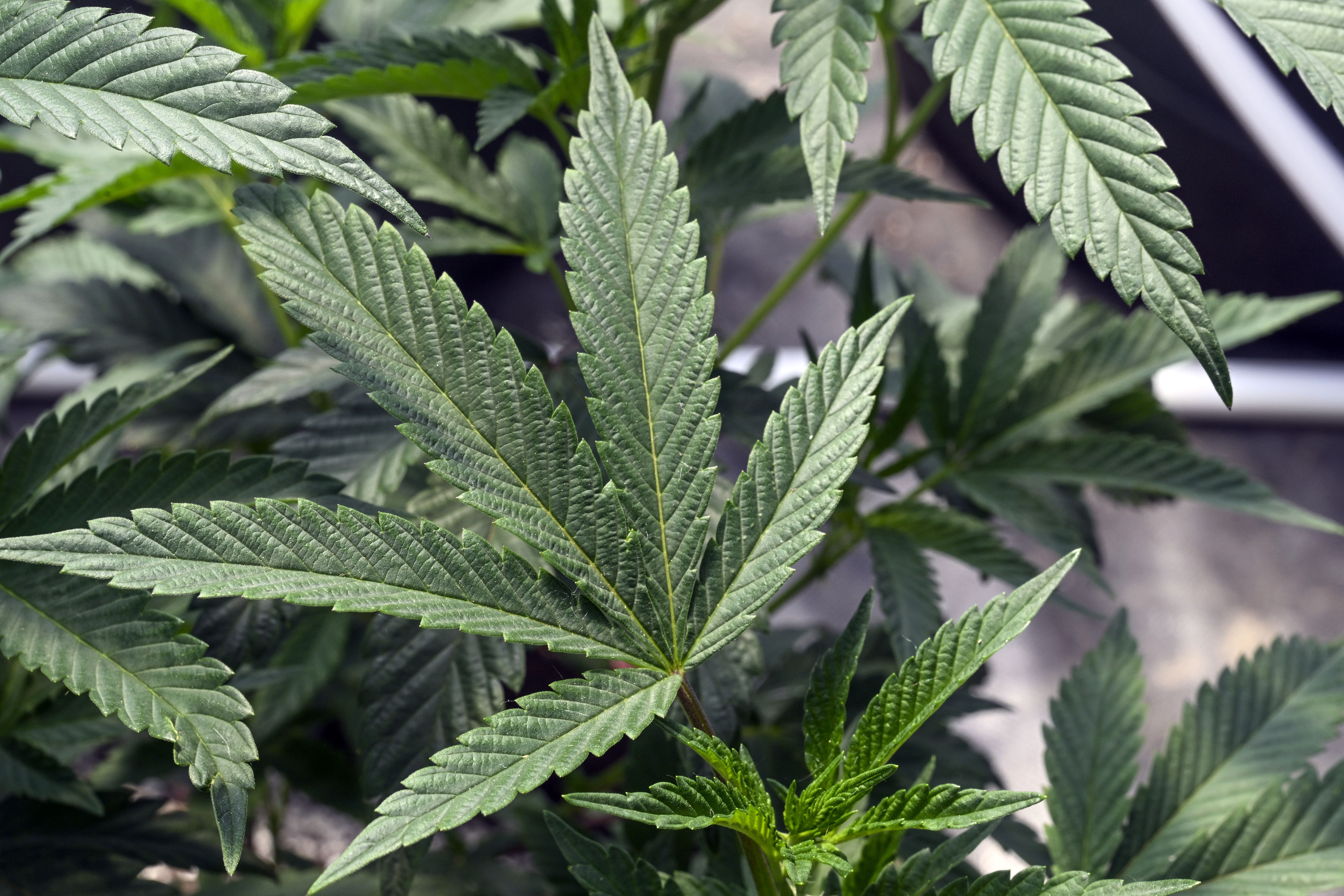
The Biden administration's Department of Health and Human Services (HHS) has recommended that the Drug Enforcement Agency (DEA) loosen federal restrictions on marijuana by moving it from Schedule I to Schedule III under the Controlled Substances Act (CSA). This recommendation, based on a review conducted by the Food and Drug Administration (FDA), could be the biggest change in federal drug policy in decades. However, the HHS stopped short of advising complete removal of marijuana from the CSA. The DEA has the final authority to schedule or reschedule a drug, and it will now initiate its review. Rescheduling cannabis to Schedule III could have significant implications for the cannabis industry, including lower federal taxes and easier access to banking services. It could also facilitate research on cannabis and the development of cannabis-based pharmaceuticals. However, advocates argue that rescheduling alone does not address the issue of criminalization.
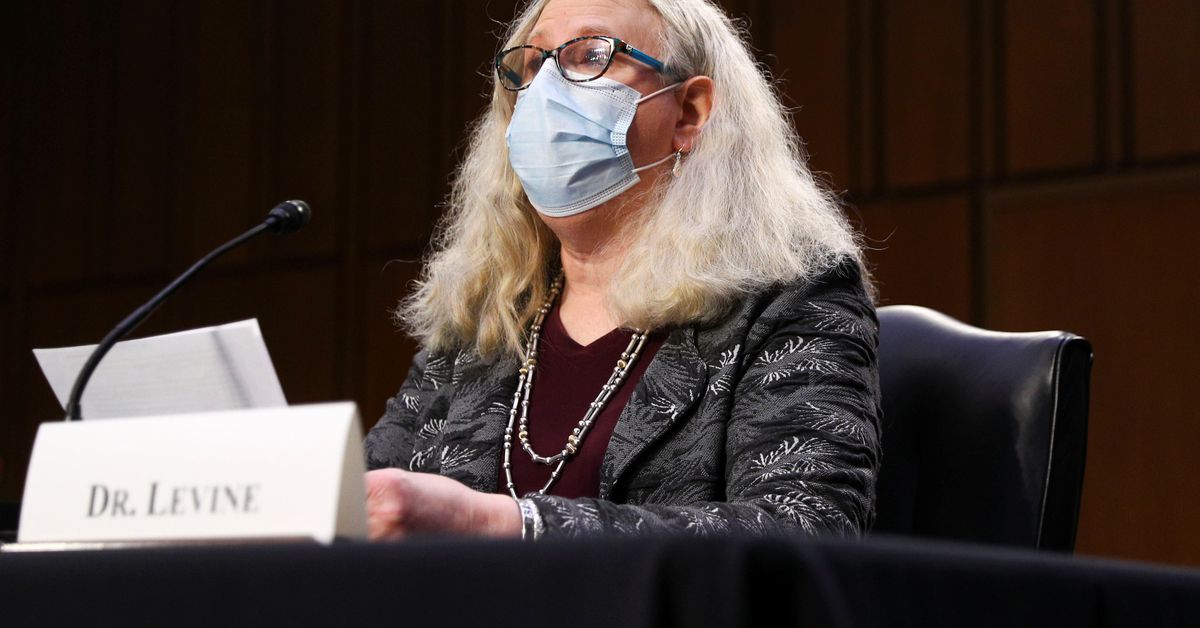
The U.S. Department of Health and Human Services (HHS) has recommended that marijuana be reclassified as a Schedule III drug, according to a letter addressed to the Drug Enforcement Agency (DEA) administrator. Currently classified as a Schedule I drug, the move would ease restrictions on marijuana and align with the legalization efforts in about 40 U.S. states. The DEA confirmed receiving the letter and stated that it will initiate a review. Cannabis companies and advocates welcomed the HHS recommendation, citing the need to end the harm caused by marijuana prohibition.