The Netherlands seized control of Chinese-owned Nexperia citing national security concerns, setting a dangerous precedent that threatens international investment and the rule of law. The move was influenced by US pressure and lacked due process, raising questions about sovereignty and discrimination. China urges the Netherlands to uphold legal property rights and move beyond diplomatic rhetoric to take concrete actions.
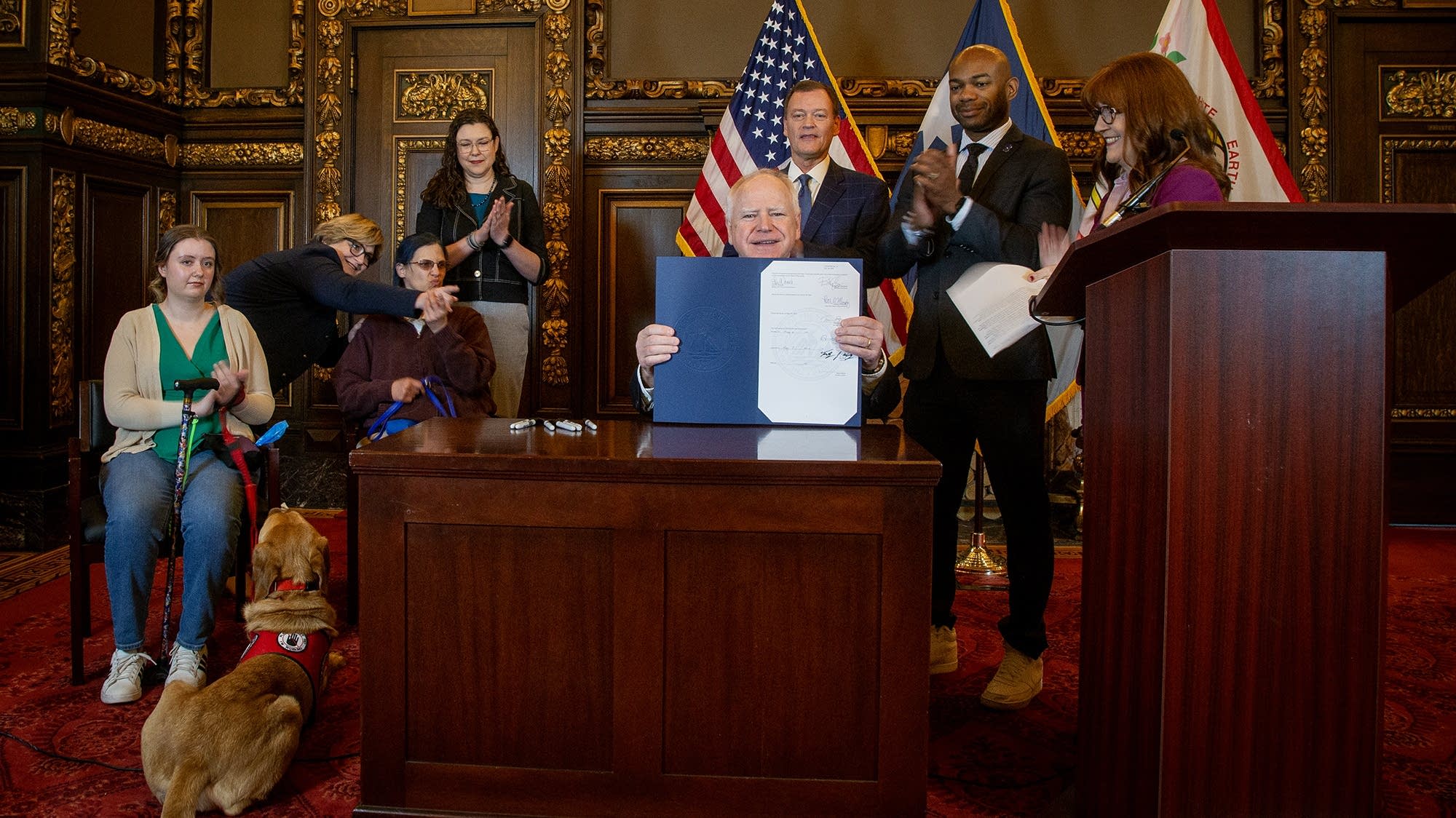
A series of new laws in Minnesota will take effect on August 1, covering areas such as enhanced penalties for repeat impaired drivers, increased speed limits for certain vehicles, background checks for adult businesses, housing rights for service dog trainers, updates to property partition laws, waived court fees for the Office of Ombudsperson for American Indian Families, and limited confidentiality in restorative justice programs.
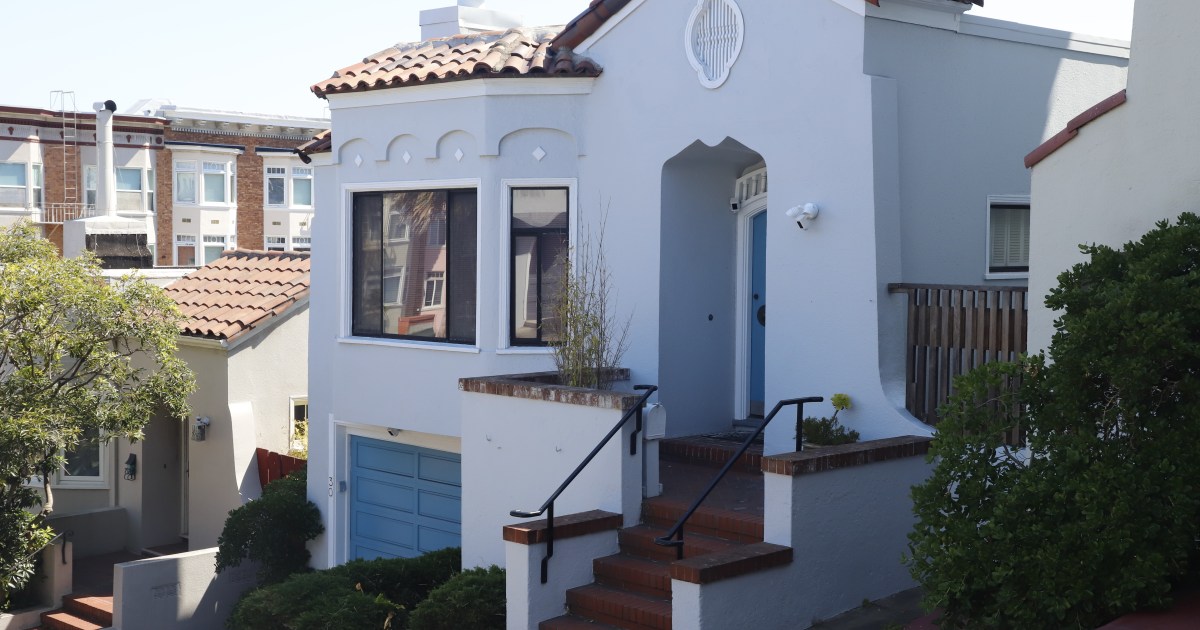
A classic Edwardian-style home in San Francisco's Russian Hill is listed for $488,000, far below its $1.8 million value, due to a family feud. The current tenant, Sandra Lee, 83, and her daughter Cheryl, are embroiled in a dispute with Sandra's son, Todd Lee, who listed the home. Sandra claims Todd and her brother Cedric are exploiting her, while she holds a long-term lease until 2053.
Barcelona's mayor, Jaume Collboni, has announced plans to abolish short-term tourist rentals by not renewing the 10,101 tourist licenses when they expire in November 2028, aiming to make these properties available to locals and address the city's housing crisis. The move has sparked controversy, with opponents arguing it undermines property rights and could lead to illegal rentals, while supporters say it is necessary to combat rising rents and housing shortages.
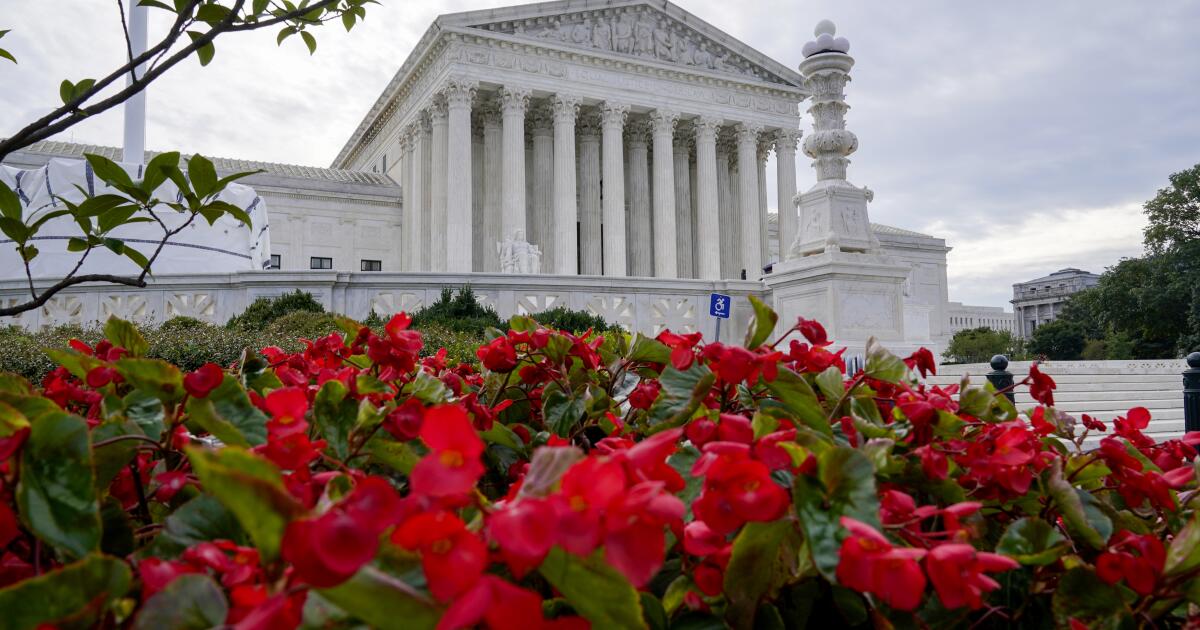
The U.S. Supreme Court unanimously ruled that a Texas landowner can sue the state for flood damage to his property caused by changes to Interstate 10, allowing him to seek compensation under state law. The decision could have broad implications for property owners in Texas, but it does not address whether landowners in states without similar laws can sue on the federal level. The Attorney General claimed victory, but the landowner's lawyer disagreed, stating that the Supreme Court's decision is not a win for the state.
Real estate mogul Shawn Meaike expresses concern over the growing issue of squatting in the United States, warning that desperate homeowners may take matters into their own hands as law enforcement struggles to intervene. He emphasizes the financial and emotional toll on victims and criticizes laws that protect squatters, calling for better protection for law-abiding citizens. Some states have taken action to address the problem, but Meaike believes the situation will worsen unless laws change.
The Supreme Court unanimously ruled that government fees, including building permit fees, must be based on actual adverse impacts, and cannot exceed the damage the public would face from development. The case involved a California homeowner who was charged over $23,000 for a "traffic impact mitigation" fee to obtain a building permit. The Court's decision puts a stop to what was deemed as an attempt to skirt the Fifth Amendment's prohibition against taking private property without just compensation. The case will return to the lower court to determine whether the fee is subject to the unconstitutional conditions doctrine and whether it was proportional to the traffic impact caused by the homeowner's construction.
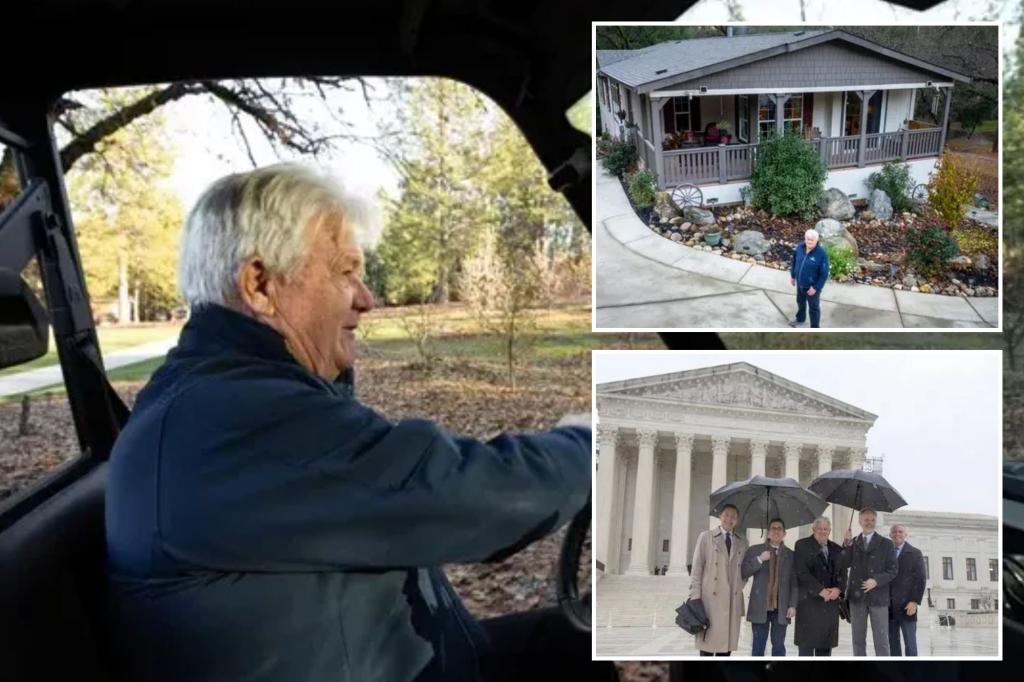
A Northern California man, George Sheetz, has won a 7.5-year legal battle against El Dorado County over development impact fees in a unanimous U.S. Supreme Court decision. The case centered on Sheetz being required to pay a $23,420 traffic impact fee for building a manufactured home on his property, which he argued was unconstitutional and too high. The court's ruling emphasized the need for fair compensation when the government takes private property for public projects, providing a sigh of relief for Sheetz, who plans to continue the fight in lower courts unless the county decides to settle.
The Supreme Court ruled that developers and home builders in California may challenge impact fees imposed by cities and counties for public improvements, potentially leading to the construction of more affordable housing. The decision could have wide impact in California, where local governments increasingly rely on impact fees to finance projects. The ruling opens the door for challenges to these fees as an unconstitutional taking of private property, but does not specify when such fees become unfair and unconstitutional. The case will now go back to the California courts, and the decision is seen as a significant victory for property rights.
The Supreme Court unanimously ruled that there is no "legislative exception" to the Takings Clause, rejecting the idea that state and local governments are exempt from Takings Clause liability when imposing land-use exactions through legislation. The decision in Sheetz v. County of El Dorado leaves unresolved the question of whether the fee imposed on the property owner constitutes a taking, remanding it back to the California state courts for consideration. Justices Sotomayor, Kavanaugh, and Gorsuch provided concurring opinions, emphasizing different aspects of the case and potential future disagreements on regulatory exactions takings cases.
The Supreme Court ruled unanimously in favor of California homeowner George Sheetz, finding that conditions on building permits should be subject to heightened scrutiny even if they were authorized by legislation, rather than imposed on an individual basis by administrators. The decision sends the case back to the state courts for further review, emphasizing that legislative permit conditions are not categorically exempt from certain requirements. The ruling did not address the broader issue of whether the takings clause applies to Sheetz's case, leaving some questions unanswered.
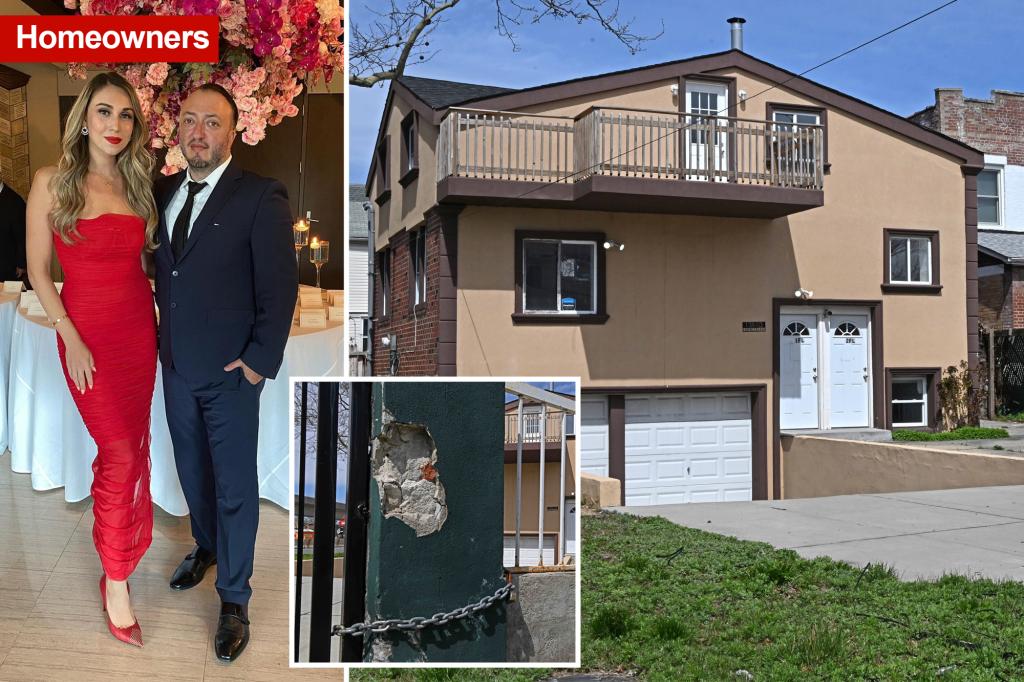
A couple in Queens, NYC, is embroiled in a legal battle with alleged squatters who took over their $930,000 investment home and are now suing them after being removed. The squatters, who claim rights under NYC's permissive laws, have filed a lawsuit against the homeowners and their real-estate company. Despite presenting evidence of trespassing and property damage, the homeowners are facing a challenging legal process and express frustration with the city's laws favoring squatters.
A New York couple is embroiled in a legal battle with alleged squatters who broke into their property and refused to leave, even hiring an attorney to sue the homeowners. The couple, who invested $530,000 in the property, discovered the squatters living there with fraudulent leases and facing damages to their home. The situation has led to an emergency lockout hearing and a court date set for April 5, with the homeowners expressing outrage and vowing to pursue criminal action and a class action lawsuit against the city for failing to protect them.
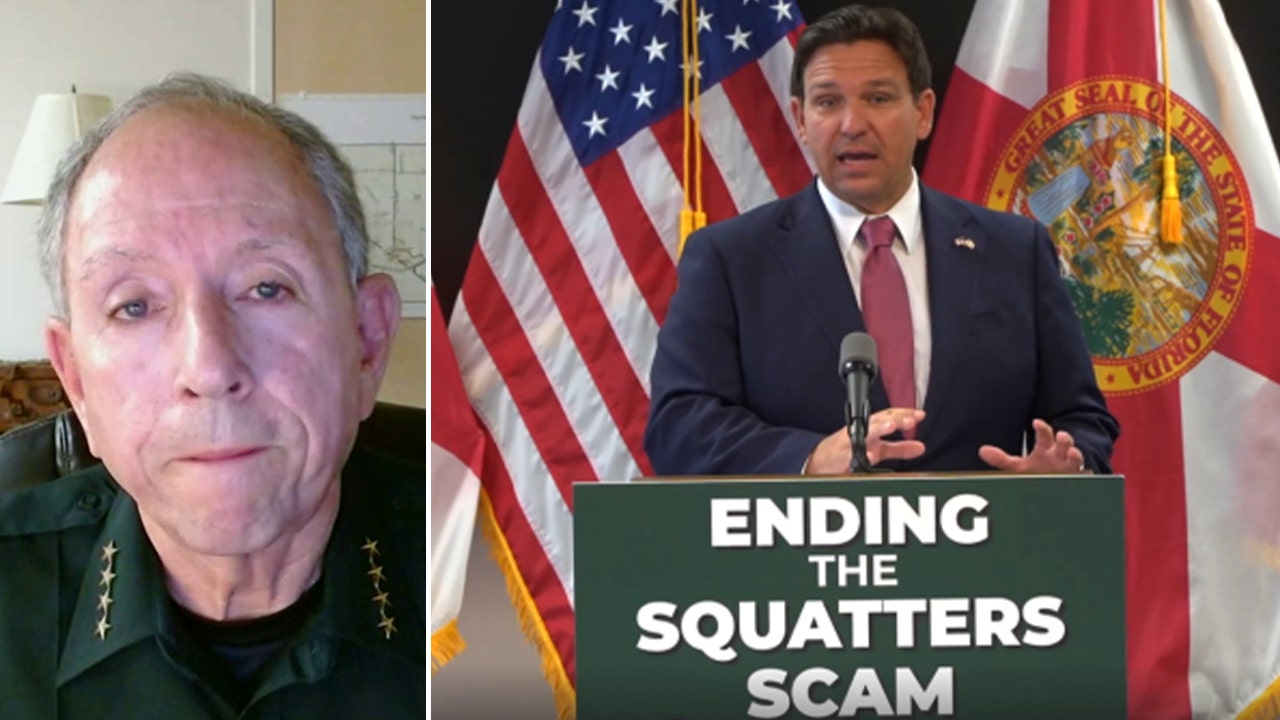
Florida Governor Ron DeSantis signed a bill eliminating squatters' rights, granting law enforcement the power to remove offenders and increasing penalties for squatters. The move comes as property owners nationwide face challenges with strangers seizing their homes. Sheriff William Snyder believes the new law will make a significant difference in addressing the issue, and it is set to take effect on July 1. Landlords have previously complained about lax property rights as squatters caused damages, and the new law aims to provide more protection for legitimate homeowners.
A rise in homeowners versus squatters incidents in the United States has prompted action from lawmakers and homeowners themselves. Current laws make it difficult for property owners to quickly remove squatters, leading to lengthy and costly court processes. Recent incidents include a woman allegedly killed by suspected squatters in Manhattan and a $3 million home in Studio City, California being taken over by a squatter. Florida has passed a law imposing criminal penalties on squatters, with other states considering similar legislation.