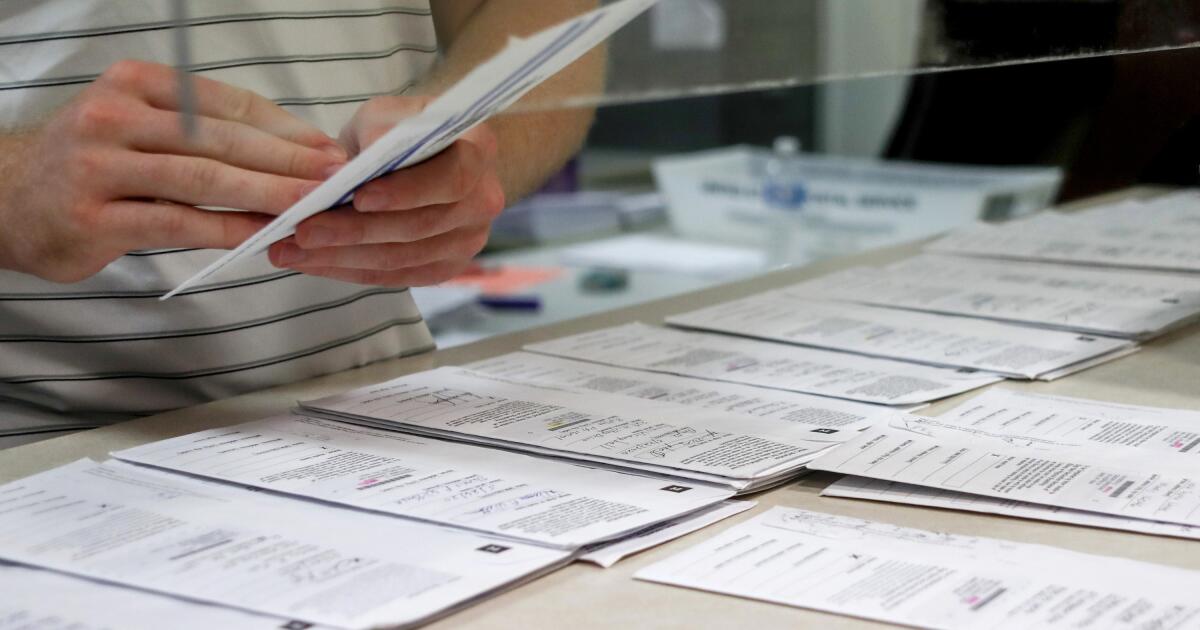
A Michigan group, Rank MI Vote, is pausing its effort to place a ranked choice voting amendment on the 2026 ballot due to a shortfall in signatures but plans to try again for 2028, amid political opposition and legal challenges.
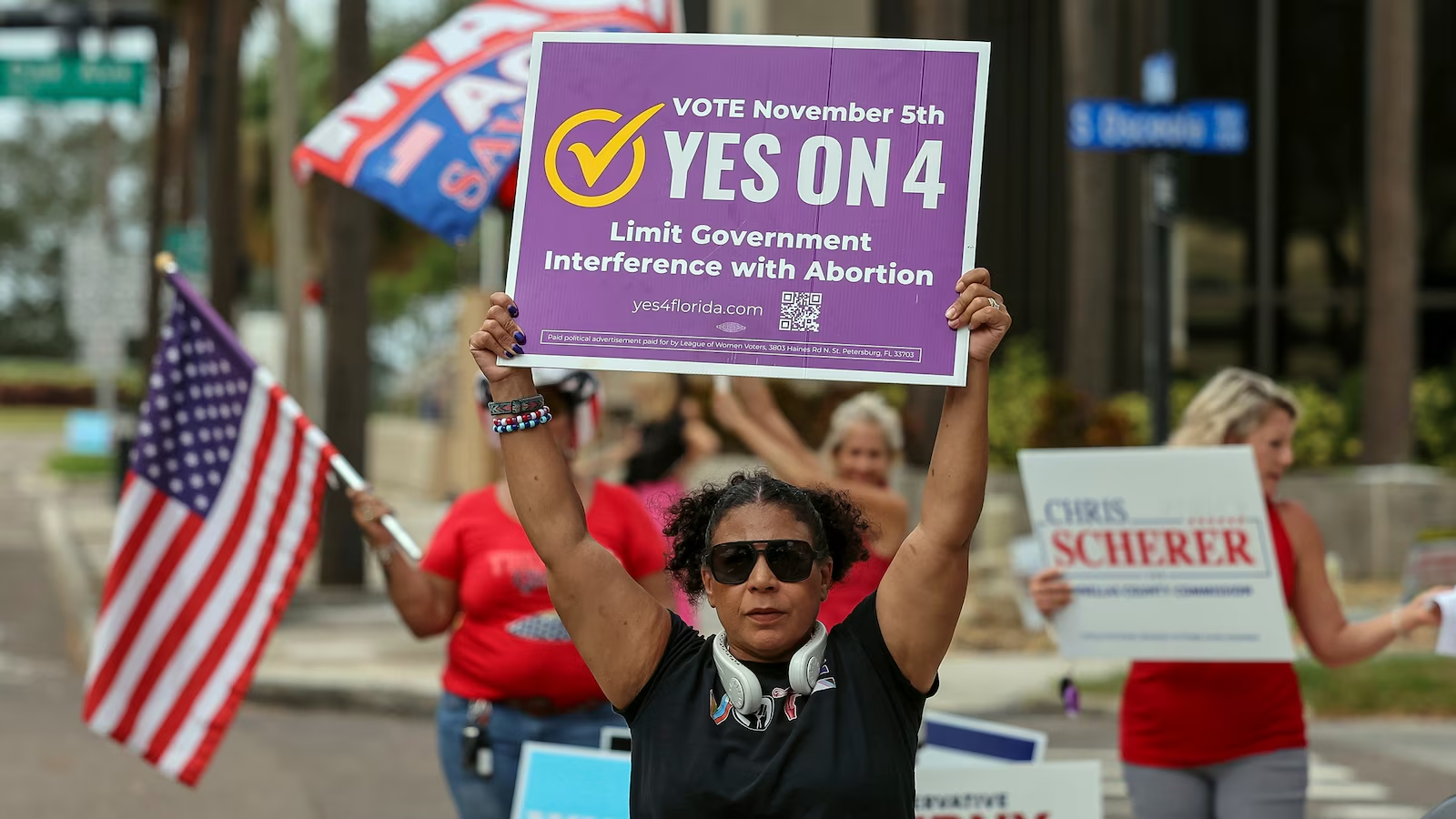
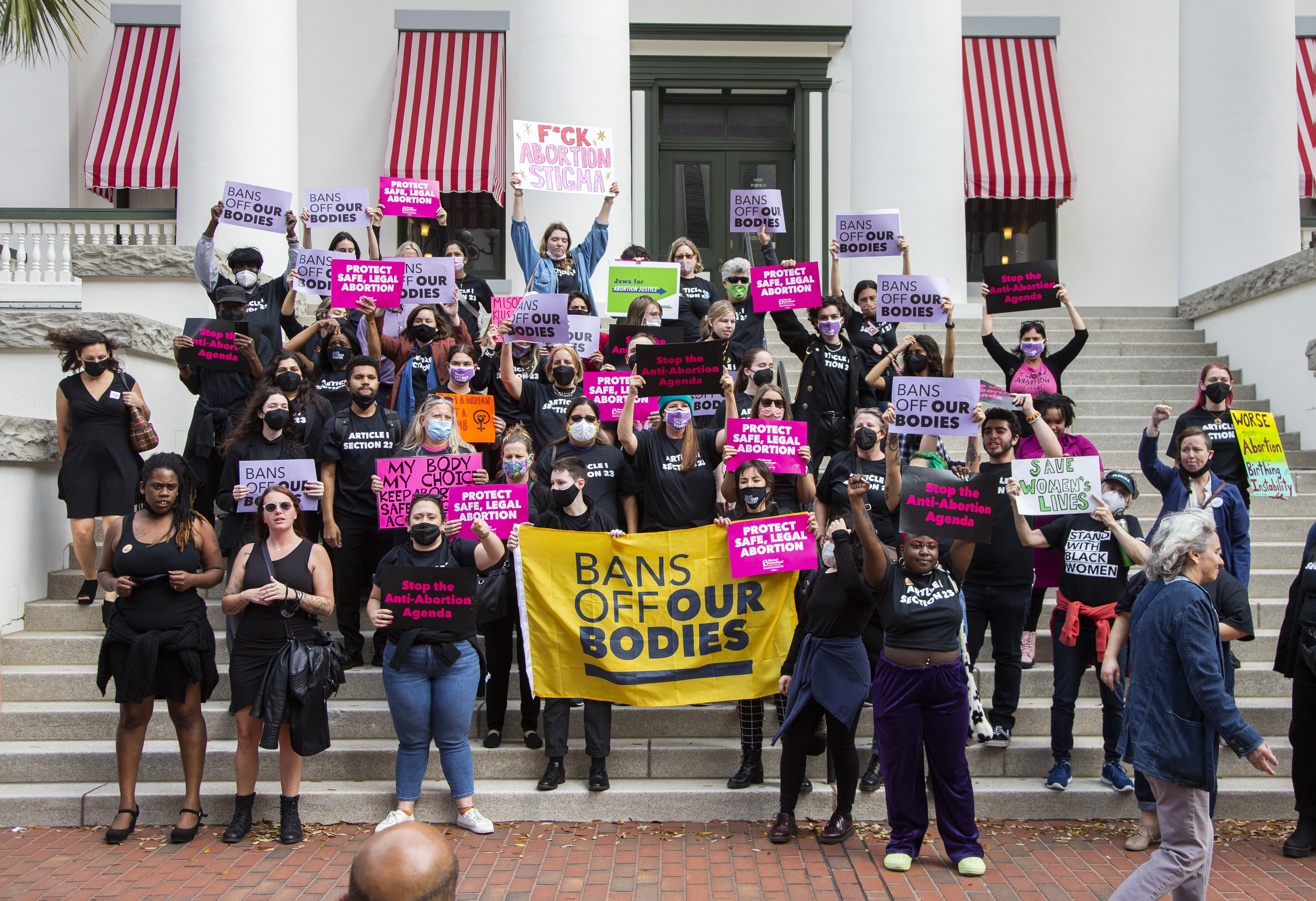
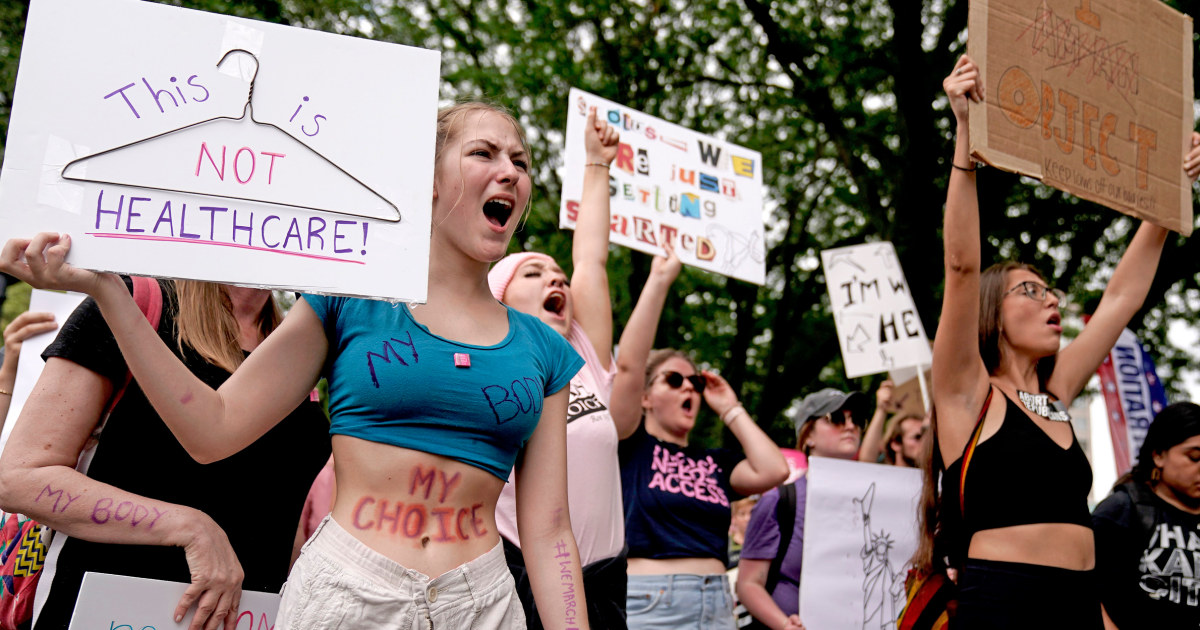
A Florida ballot initiative to enshrine abortion rights in the state constitution failed to reach the required 60% approval, with 57% of voters supporting it. This marks the first abortion-related ballot initiative to fail since the overturning of Roe v. Wade. Florida currently has a six-week abortion ban with exceptions for rape, incest, and the life of the mother. The initiative's failure contrasts with other states like California and Michigan, where similar measures have passed.
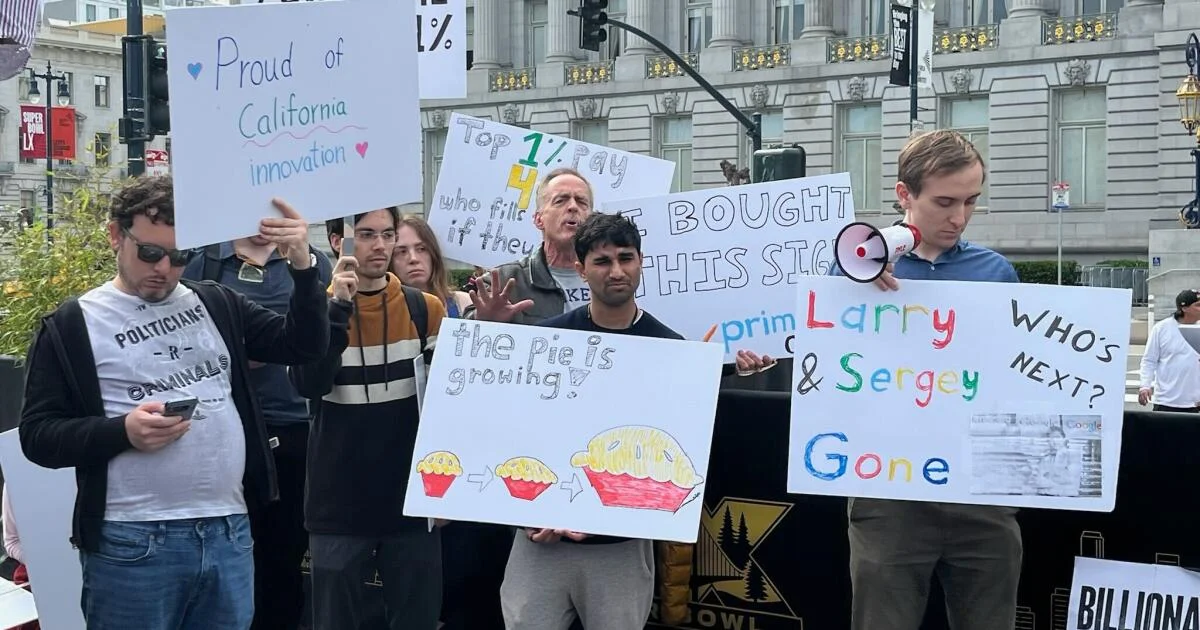
A coalition has submitted over 900,000 voter signatures in support of a tough-on-crime ballot initiative in California, aiming to reform Proposition 47 by toughening penalties for retail theft and some drug offenses. The initiative, largely funded by corporate retailers, seeks to address rampant retail theft and fentanyl overdoses, and comes amidst concerns about crime and homelessness in the state. While the large number of signatures indicates financial backing, it does not necessarily reflect widespread voter support, and the initiative's impact remains uncertain as it heads towards potential inclusion on the November ballot.
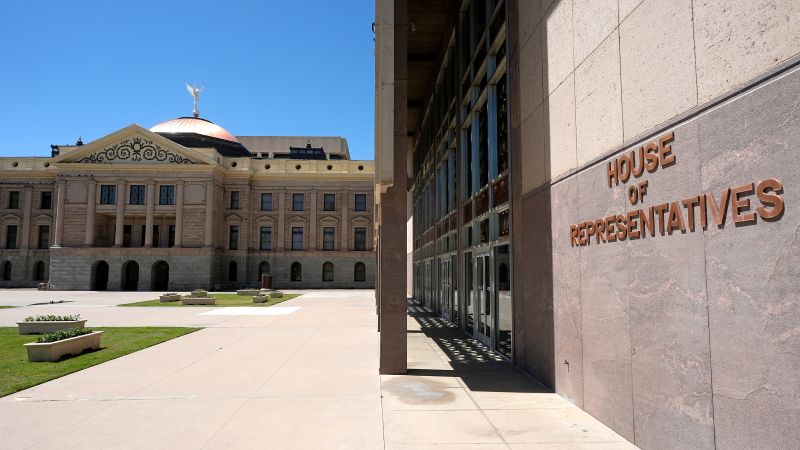
Arizona Republicans are considering introducing their own ballot initiatives to restrict abortion in an effort to counter a potential abortion rights ballot measure this fall. The draft proposal, obtained by CNN, comes after the Arizona Supreme Court revived a 160-year-old near-total abortion ban. The proposal includes measures to restrict abortion to either six weeks or the beginning of the 15th week of pregnancy. Abortion rights groups have criticized the strategy, calling it a political scheme designed to create chaos, while Republicans in competitive races have called for collaboration with the Democratic governor.
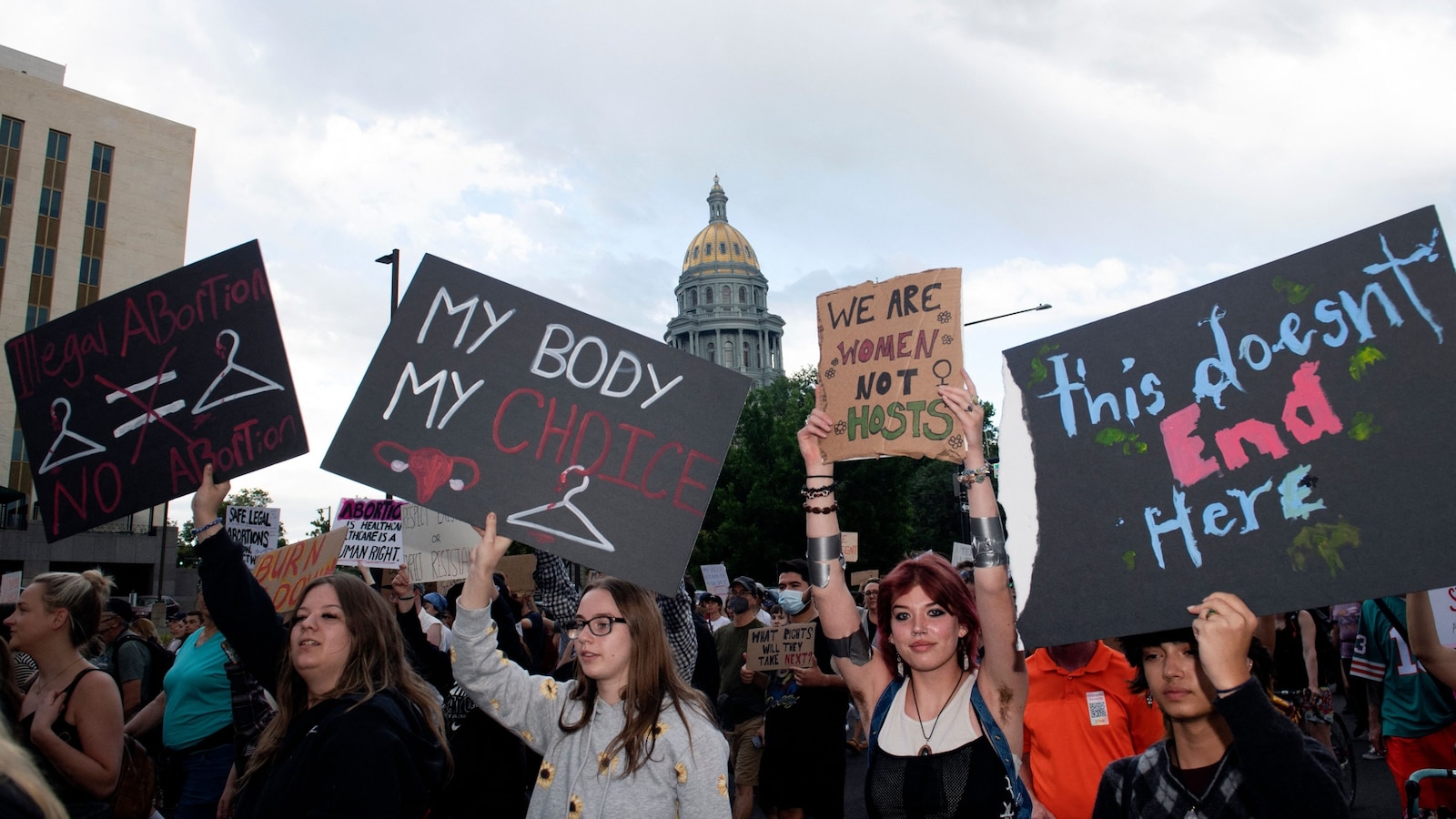
The Coloradans for Protecting Reproductive Freedom coalition has gathered over 225,000 signatures, surpassing the threshold to get a constitutional amendment on the state's 2024 ballot to enshrine abortion access. The proposed amendment aims to secure the right to abortion and prevent the state from restricting access or prohibiting health insurance coverage for abortion. This comes in the wake of the Arizona Supreme Court upholding a law banning nearly all abortions, highlighting the vulnerability of reproductive rights across states. The campaign is confident about its efforts, with a diverse range of supporters, and Colorado may see dueling ballot initiatives on abortion access in 2024. Similar measures are also expected to appear on the ballots in New York, Maryland, and Florida.
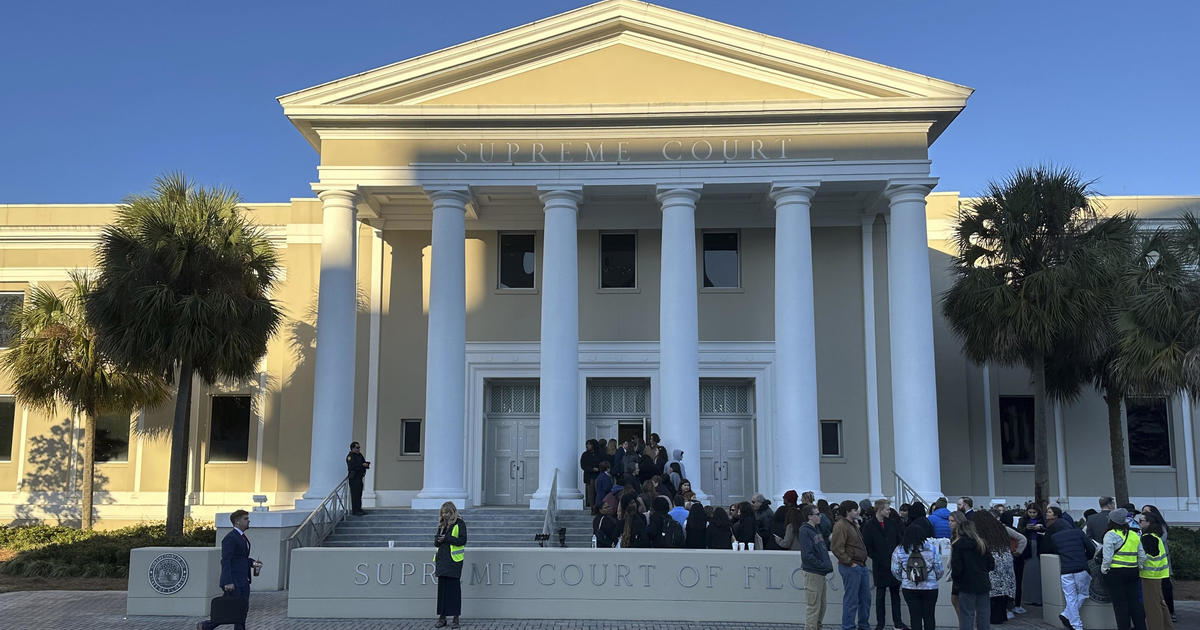
The Florida Supreme Court has approved the ballot language for a proposed constitutional amendment that would legalize recreational marijuana in the state, allowing adults over 21 to possess and use up to 3 ounces of pot for personal use. The amendment will be on the ballot in November, requiring at least 60% of the vote to become law. Despite opposition from the state's Attorney General and Governor, the court ruled that the language was not misleading. If approved, the amendment would go into effect six months after the election, allowing for the purchase of marijuana products from licensed distributors and potentially opening the door for other entities to enter the market.
The Florida Supreme Court has ruled to allow a proposed ballot measure, Amendment 4, which would limit government intervention in abortion procedures, to appear on the November ballot, while also upholding Florida's 15-week abortion ban. The court's decision paves the way for the six-week "heartbeat" ban signed by Gov. Ron DeSantis to go into effect, making Florida less permissive than neighboring states. Planned Parenthood's challenge to the law based on Florida's privacy protections was rejected by the court. Amendment 4, introduced by Floridians Protecting Freedoms, seeks to allow abortions before viability while still requiring parental notification for minors. If passed with 60% support, it will supersede the six-week ban.
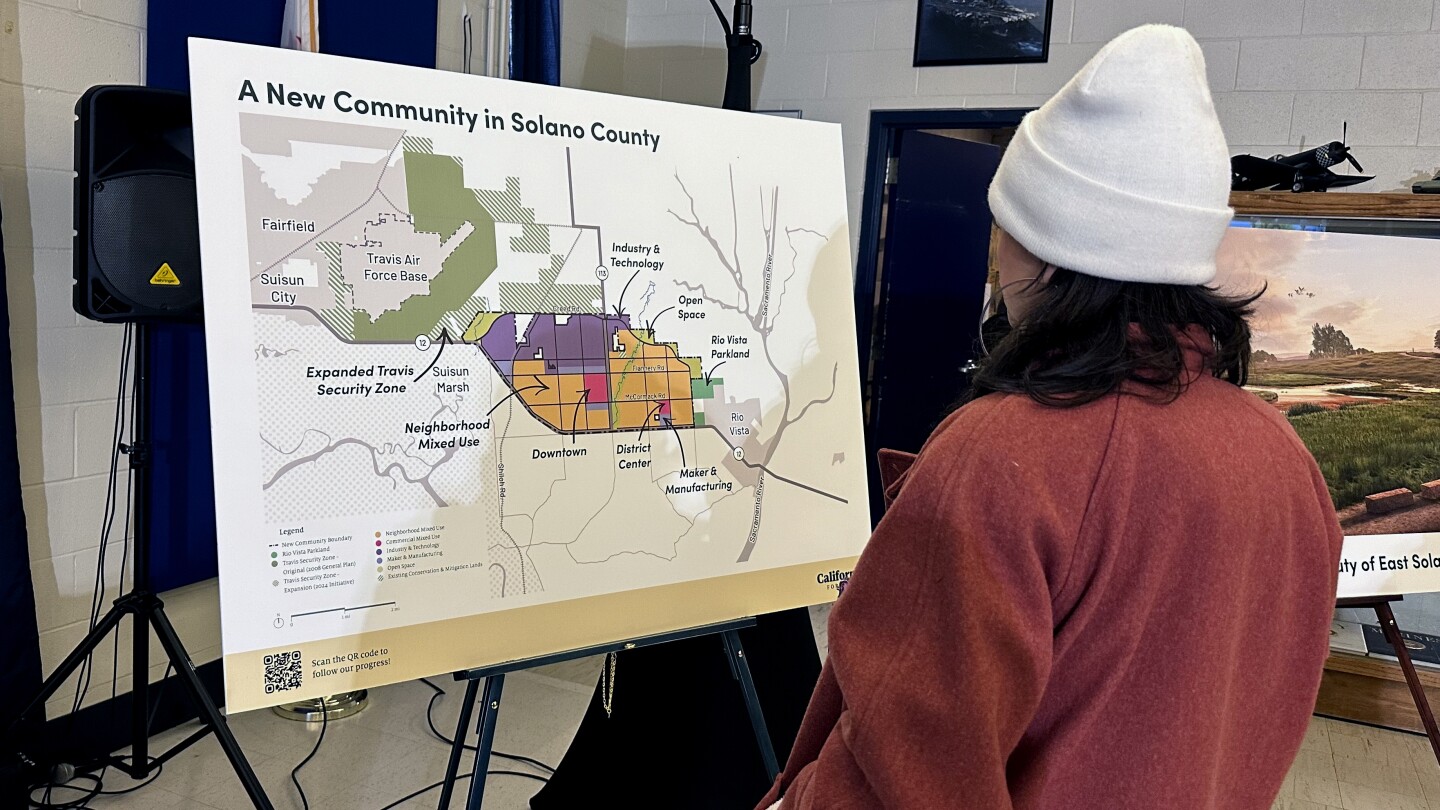
A billionaire-backed plan to build an eco-friendly city in California is facing delays and criticism as it seeks to put its proposal before voters in November. The proposal, which envisions a community for up to 400,000 residents, has been amended twice to address concerns from local officials and a neighboring U.S. Air Force base. Critics argue that the campaign has operated in secrecy and lacks local input, while opponents question the sustainability and impact of building on rural land. The campaign, supported by Silicon Valley entrepreneurs, faces a tight timeline to collect the necessary signatures for the ballot, with the outcome carrying national implications for development, farmland, and climate resilience.
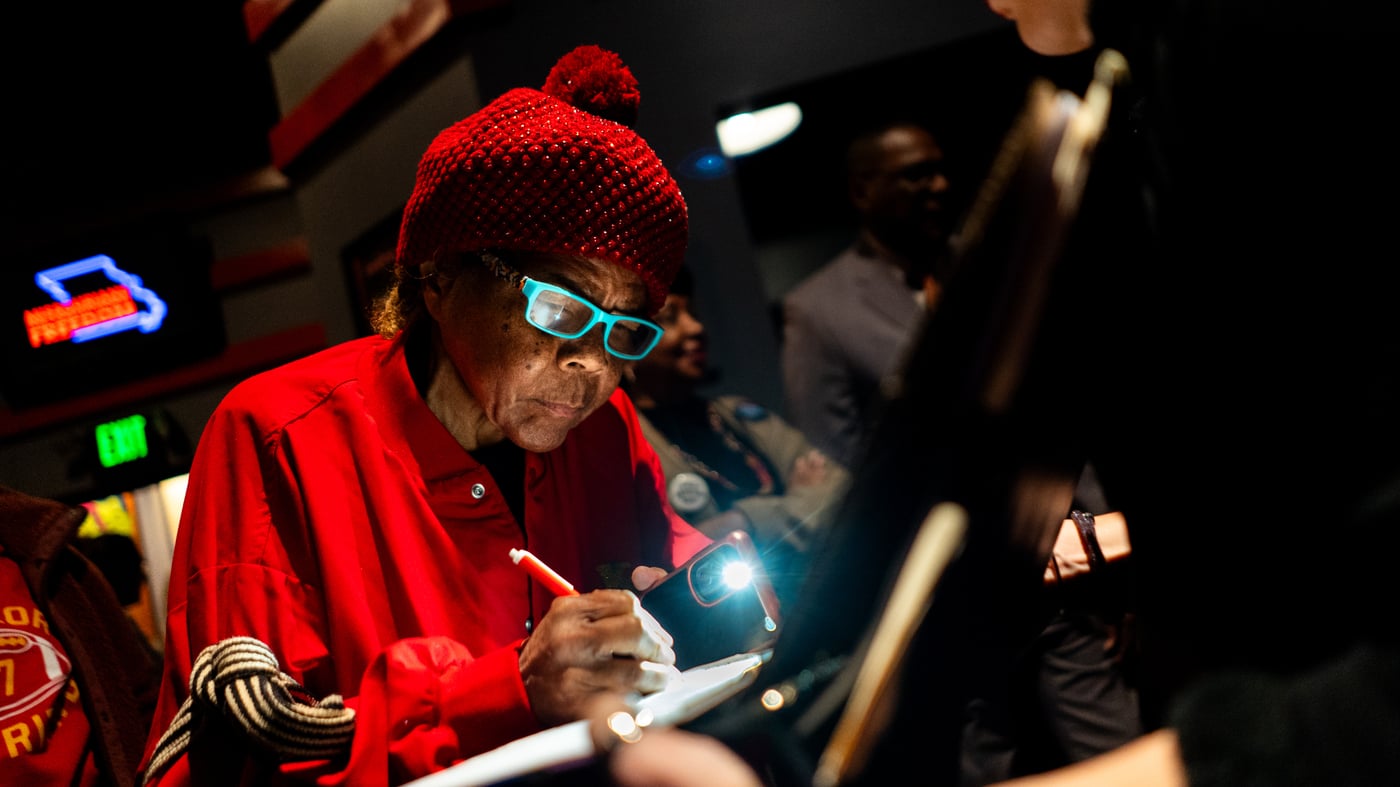
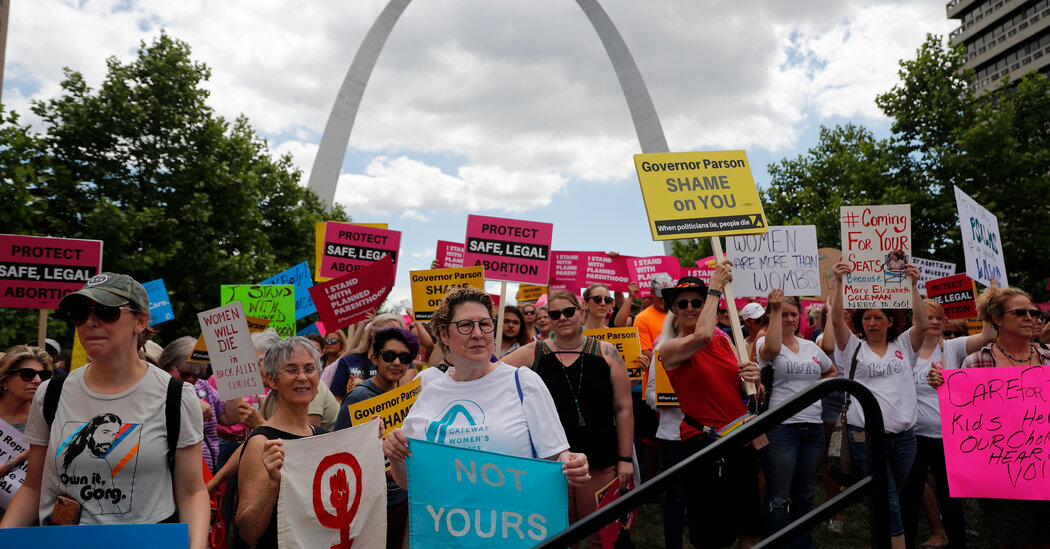
Advocates in Missouri are gathering signatures for a constitutional amendment to legalize abortion up until fetal viability, facing opposition from GOP lawmakers who want to make it harder to pass the measure. The proposed amendment would prevent the legislature from restricting or banning abortion before fetal viability, and has garnered significant support and funding. Both sides are racing to gather signatures, with abortion rights proponents relying on volunteers and facing opposition from groups like Missouri Stands with Women. The issue is expected to go before voters in the November general election.
Florida's Supreme Court grapples with a ballot initiative that would enshrine abortion protections in the state Constitution, facing criticism from state officials who argue that the language of the initiative is too complicated for voters. The proposed measure, put forward by a coalition of abortion rights groups, aims to roll back the state's current ban on abortions after 15 weeks of pregnancy to about 24 weeks, and has already collected close to 1 million state-certified signatures. The court's decision could have significant implications for reproductive rights in Florida and may affect thousands of women across the South who travel to the state for the procedure.
Reproductive-rights groups in Missouri are launching a campaign to establish a right to abortion in the state constitution, aiming to overturn the near-total ban on abortion that was enacted after the Supreme Court overturned Roe v. Wade. The proposed ballot measure would allow the state to restrict abortion after viability, or roughly 24 weeks, unless necessary to protect the pregnant woman's life or health. Supporters face opposition from state Republicans and a tight timeline to collect signatures, but are encouraged by polling suggesting public support for the measure.
Abortion rights groups in Missouri have launched an effort to place a constitutional amendment on the 2024 ballot, aiming to enshrine abortion rights in the state constitution up until fetal viability with exceptions for the woman's life and health. The proposed amendment would effectively undo the state's near-total abortion ban that went into effect after Roe v. Wade was overturned. The coalition, including the ACLU and Planned Parenthood, must collect about 172,000 valid signatures by May 5 to qualify for ballot placement, with the possibility of the measure appearing on the August or November ballot.
A company backed by Silicon Valley billionaires has revealed plans for a new California city spanning about 18,600 acres, with potential for 160,000 homes and 400,000 residents. The project, spearheaded by California Forever, aims to create a walkable and sustainable community, but faces legal battles and local skepticism. The company has filed a ballot initiative for zoning changes and aims to gather support for the ambitious development.
Promoters of a secretive Silicon Valley-backed ballot initiative to build a new city on farmland between Sacramento and San Francisco are revealing details of their plan, which includes a new community with up to 400,000 people and a focus on creating jobs and affordable housing. The project, led by California Forever, aims to address the housing shortage in the San Francisco Bay Area and attract major employers to Solano County. However, critics question the feasibility of the plan and argue that existing cities in the area could benefit from investment instead.
Promoters of a secretive Silicon Valley-backed ballot initiative are revealing details of their plan to build a new city on farmland between Sacramento and San Francisco, envisioning a community with up to 400,000 people and 15,000 jobs. The project, led by California Forever, aims to address the housing shortage in the San Francisco Bay Area and attract employers to Solano County. However, critics question the feasibility of the plan and argue that existing cities in the area could benefit from investment instead.