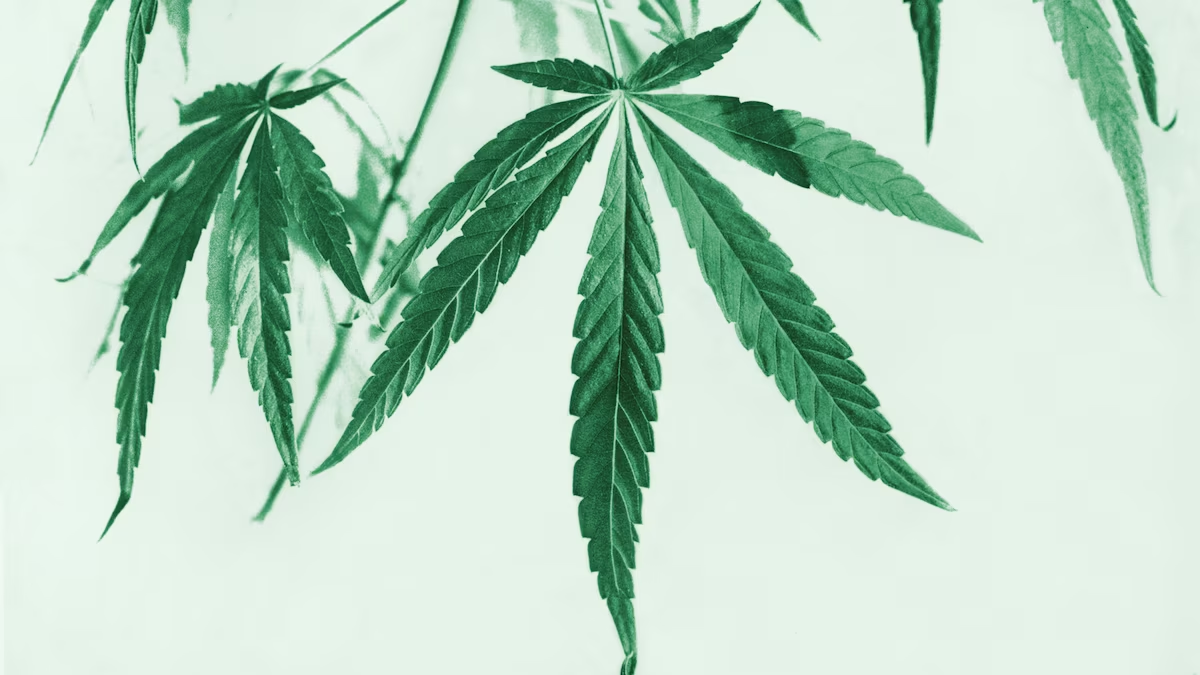
President Trump signed an executive order to reclassify cannabis from Schedule I to Schedule III, potentially easing regulations and benefiting Colorado's marijuana industry by allowing tax deductions and recognizing medical legitimacy, though recreational use remains illegal federally. Reactions are mixed, with some officials and industry leaders optimistic about economic and research opportunities, while health experts caution about public health risks and the need for more research. The move marks a significant symbolic step towards broader acceptance of marijuana in the U.S.
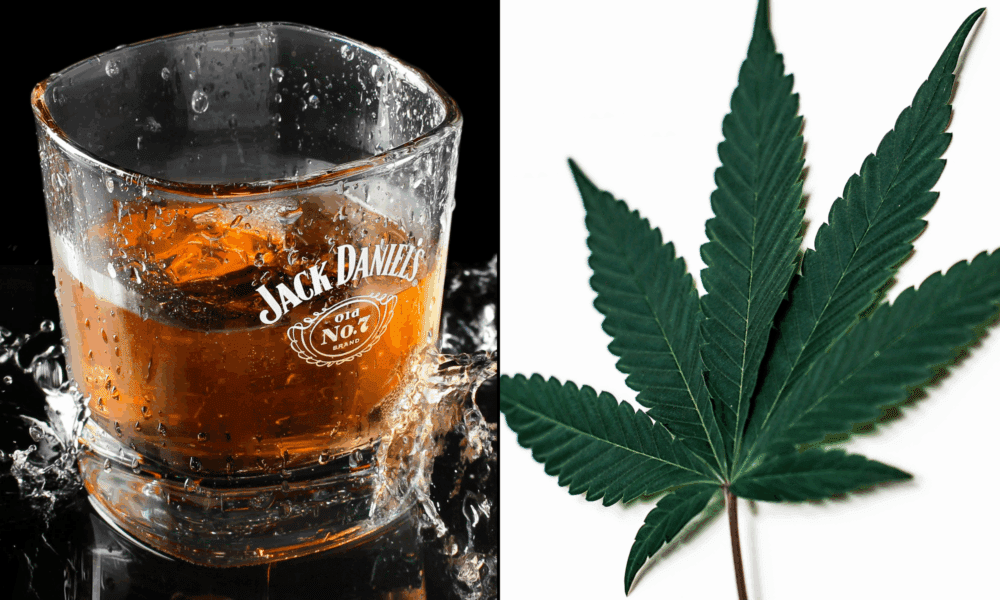
The CEO of Brown-Forman, parent company of Jack Daniel's, states that increasing marijuana use is exerting pressure on the alcohol industry, contributing to recent profit declines, as more consumers substitute cannabis for alcohol. This trend is supported by various studies indicating a shift in consumer preferences, with marijuana viewed as less harmful and increasingly used as a substitute for alcohol, especially among younger adults. International trends show similar patterns, and industry experts predict continued challenges for alcohol sales amid expanding cannabis legalization.
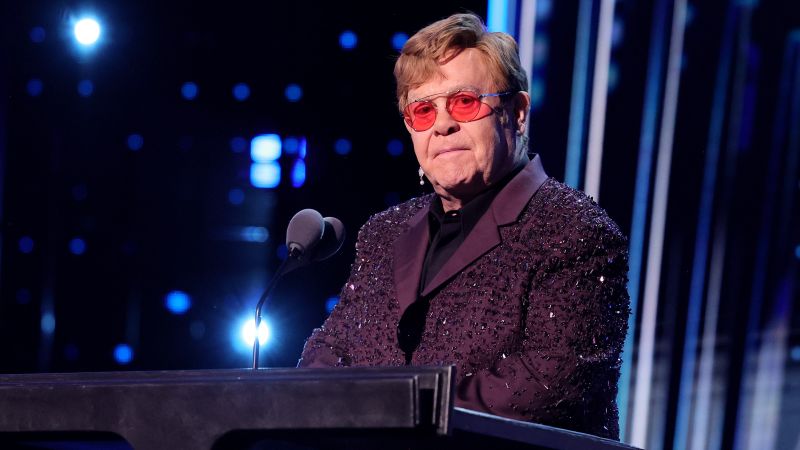
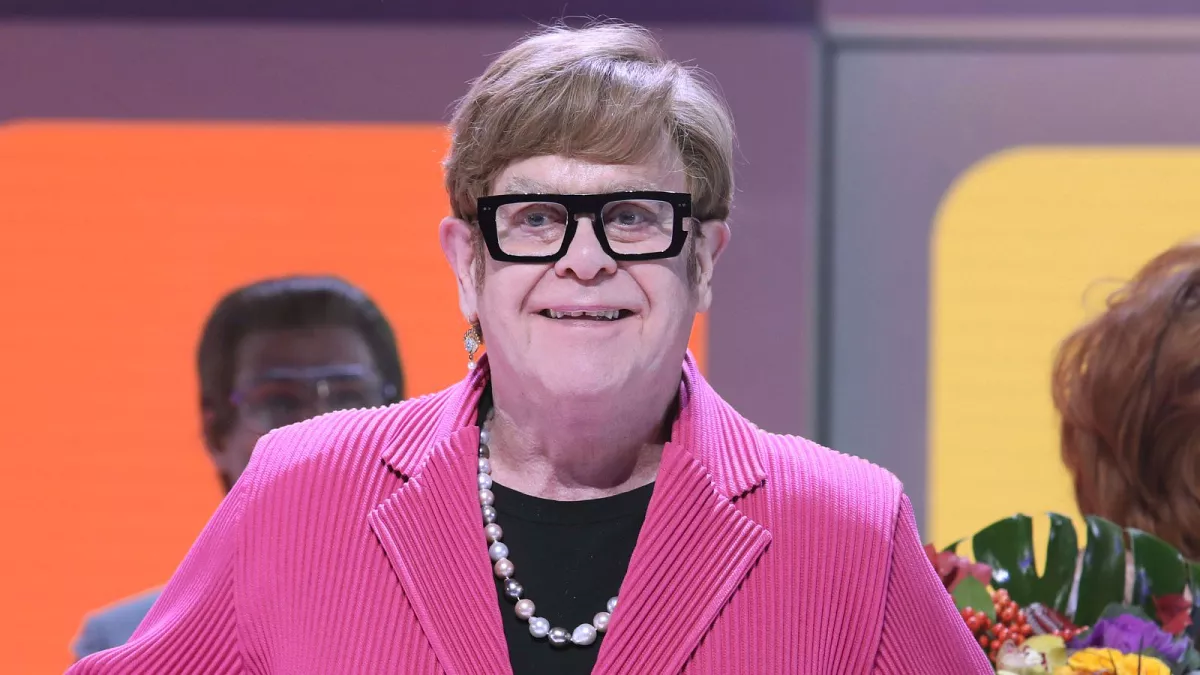
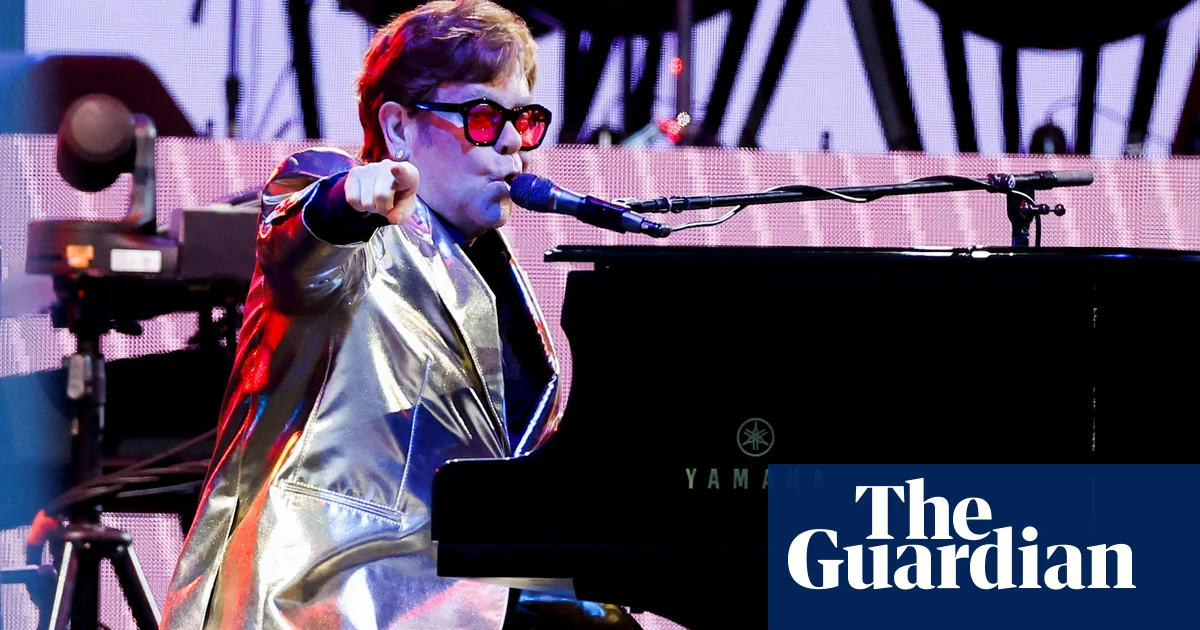
Elton John has expressed strong opposition to the legalization of marijuana, calling it "one of the greatest mistakes of all time." In an interview with Time magazine, John, who has been sober for many years, argued that marijuana is addictive and can lead to the use of other drugs. He shared his personal experiences with substance abuse and his efforts to help others, including Eminem and Robbie Williams, while lamenting his inability to assist the late George Michael. John's comments reflect his concerns about the impact of drug use on individuals and society.
Elton John, named Time's Icon of the Year for 2024, criticized the legalization of marijuana in the US and Canada, calling it a major mistake due to its addictive nature and potential to lead to other drugs. John, who has been sober since 1990, shared his personal experiences with substance abuse and its impact on his life. Despite his stance on marijuana, he continues to be celebrated for his musical influence, with artists like Dua Lipa and Chappell Roan praising his mentorship and legacy.
Elton John has criticized the legalization of marijuana in the U.S. and Canada, calling it "one of the greatest mistakes of all time." In an interview with Time magazine, John, who has a history of drug addiction, argued that marijuana is addictive and can lead to the use of other drugs. He shared his personal experiences with substance abuse and his efforts to help other artists recover, highlighting the negative impact drugs had on his life and relationships.
Elton John, named Time magazine's Icon of the Year for 2024, criticized the legalization of marijuana in the U.S. and Canada, calling it "one of the greatest mistakes of all time." Drawing from his own struggles with addiction, John argued that marijuana is addictive and can lead to the use of other drugs. He shared his experiences with drug abuse and his journey to sobriety, highlighting the influence of Watford FC, Alcoholics Anonymous, and the late Ryan White in his recovery.
Elton John criticized the legalization of marijuana in North America, calling it "one of the greatest mistakes of all time," citing its addictive nature and potential to lead to other drugs. John, who has been sober for 34 years, has helped other celebrities with addiction recovery. He also discussed his temper and creative process, and mentioned a new documentary about his career. John recently concluded his Farewell Yellow Brick Road tour and achieved EGOT status earlier this year.
Elton John, named Icon of the Year by Time, criticized the legalization of marijuana in the U.S. and Canada, calling it a major mistake due to its addictive nature and potential to lead to other drugs. In the same interview, he discussed the quick closure of his Broadway musical 'Tammy Faye,' attributing it partly to critics' post-election mood, and explained why he avoids judging talent shows. John also shared insights on his mentorship of Chappell Roan and his collaboration with Dua Lipa, while offering a candid view of his late mother.
Cannabinoid Hyperemesis Syndrome (CHS), a condition characterized by nausea, vomiting, and abdominal pain, is increasingly affecting cannabis users, with emergency visits doubling in the U.S. and Canada from 2017 to 2021. The rise is linked to increased cannabis potency and accessibility due to legalization. CHS primarily affects heavy, long-term users and is thought to involve the endocannabinoid system and stress response. Diagnosis requires cannabis cessation, which can be challenging due to withdrawal symptoms. Treatment includes hydration, anti-nausea medications, and potentially quitting cannabis.
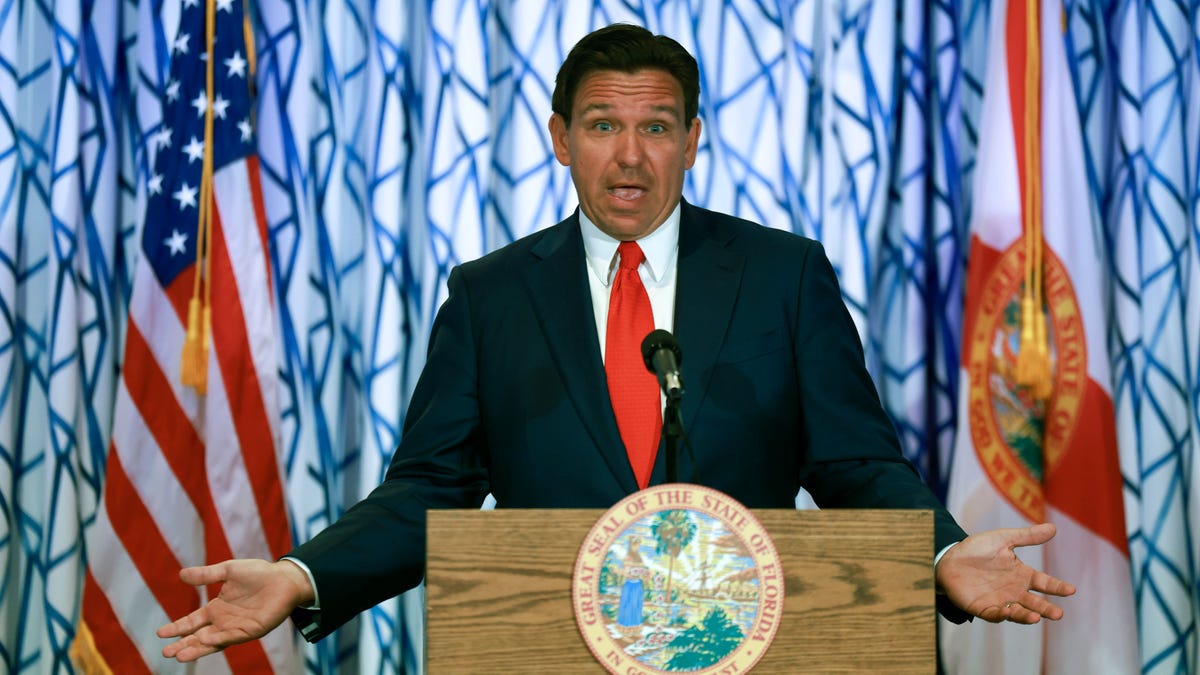
Florida voters are set to decide on two significant ballot measures: one to protect abortion rights and another to legalize marijuana. The abortion measure aims to prevent restrictions until fetal viability, challenging the state's current six-week abortion law. The marijuana initiative would allow adults to possess and purchase marijuana, aligning with federal moves to reclassify the drug. Both measures require over 60% voter approval and have become focal points in the state's political landscape, with Democrats supporting and Republican leaders, including Governor Ron DeSantis, opposing them.
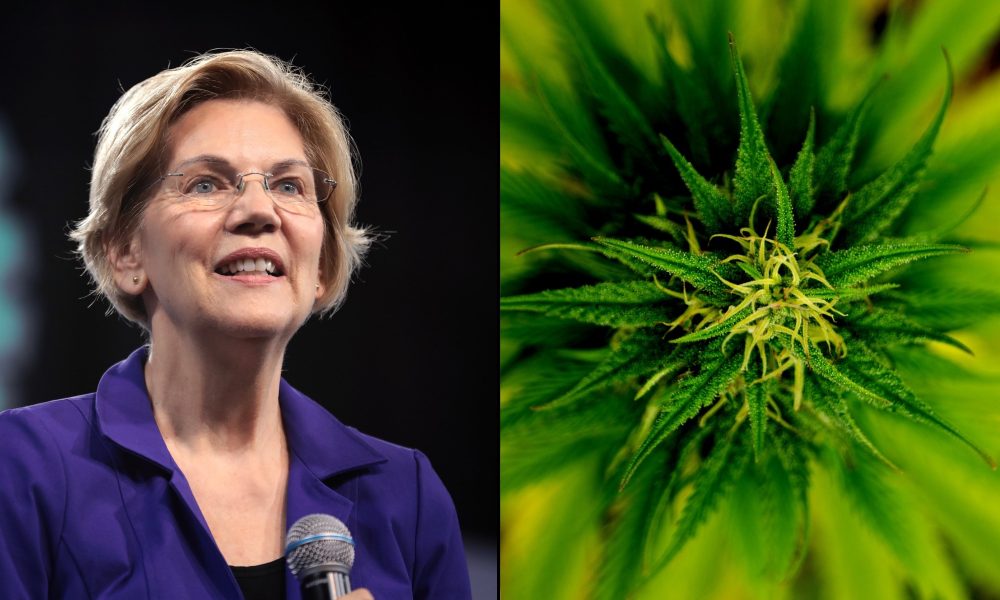
At an anti-monopoly cannabis event, Sen. Elizabeth Warren emphasized the need to legalize marijuana in a way that prevents domination by big businesses like Amazon and Big Tobacco, and addresses the century of racist policies under prohibition. She stressed the importance of prioritizing small businesses and communities most harmed by the war on drugs to ensure fairness and competition in the emerging cannabis industry.
The New Hampshire Senate has passed an amended marijuana legalization bill, sending it back to the House for concurrence. The Senate's changes, including reduced possession limits and new penalties, have faced opposition from key House lawmakers, raising doubts about the bill's future. Governor Chris Sununu has shown conditional support for the Senate's version, but the bill's passage remains uncertain as it heads back to the House.
A new poll shows that less than 50 percent of Florida voters currently intend to support the marijuana legalization initiative on the November ballot, falling short of the 60 percent threshold required for approval. The survey also reveals demographic differences in support, with younger cohorts showing higher backing. The Smart & Safe Florida campaign faces challenges and opportunities as it enters the next phase of outreach and education, with multiple marijuana companies donating millions to support the effort. Governor DeSantis has expressed strong opposition to the initiative, predicting that voters will reject it and arguing that it will reduce the quality of life in the state.
Florida Governor Ron DeSantis predicts that the proposed constitutional amendments to legalize recreational marijuana and guarantee abortion rights will fail once voters realize their radical nature. DeSantis expressed concerns about the impact of recreational marijuana on the state's quality of life and likened the abortion amendment to a "California abortion" policy. Proponents of the amendments argue for bodily autonomy and safety, while Democrats hope the measures will drive voter turnout. DeSantis also cited voter skepticism and confusion over the wording of constitutional amendments as reasons for potential failure, despite past approval of progressive-leaning initiatives in the state.
The Florida Supreme Court has approved a ballot measure for the November election that would legalize recreational marijuana, despite opposition from some Republicans. The measure would require 60% approval from voters to pass and would allow individuals 21 and older to possess and use marijuana products for non-medical purposes. The court also upheld a 15-week abortion ban and allowed a proposed amendment to enshrine abortion rights in the state constitution to appear on the ballot, drawing attention to the issue ahead of the election.