The Gambia's supreme court is hearing a case to overturn the ban on female genital mutilation (FGM), amid protests from religious leaders and some MPs who argue it infringes on cultural and religious freedoms. Despite FGM being criminalized in 2015 and associated health risks, efforts to decriminalize it continue, reflecting a broader global regression in women's rights and ongoing cultural debates.
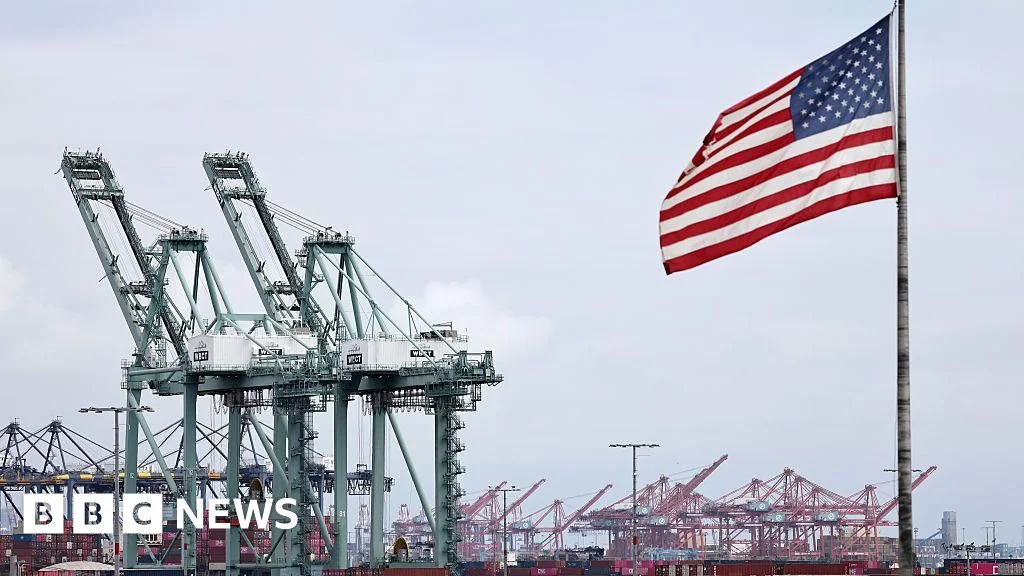
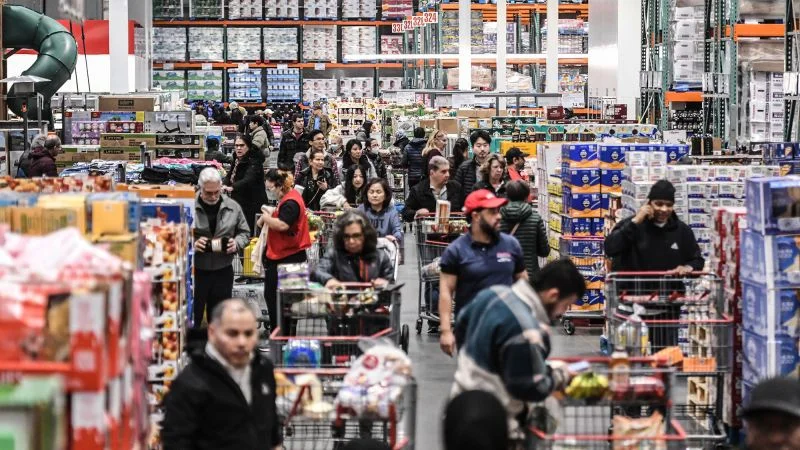
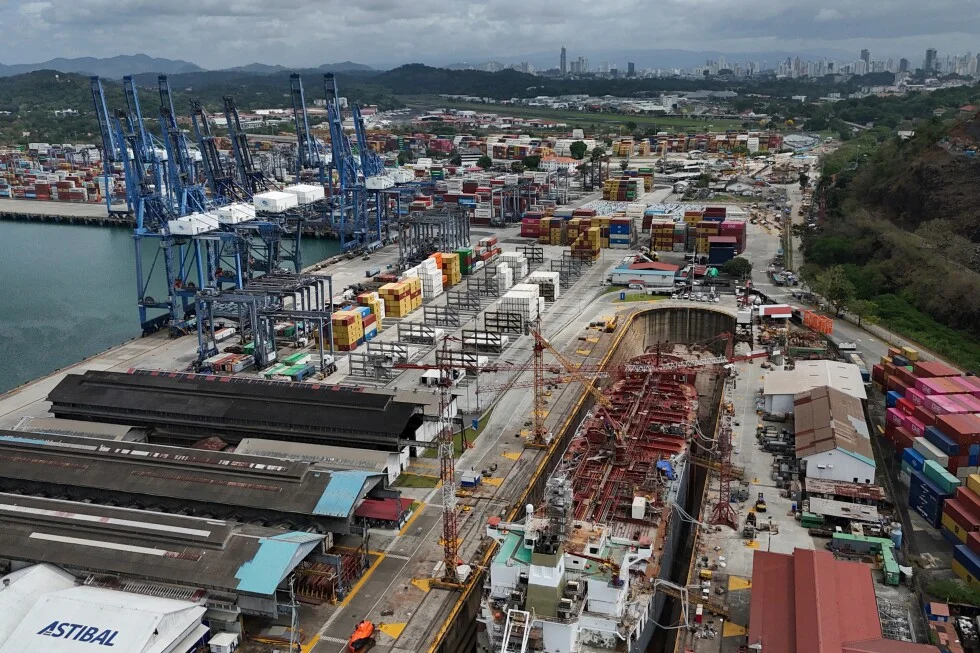
The U.S. Supreme Court has delayed ruling on the legality of President Trump's broad tariffs, which could significantly influence trade policy and the economy. The decision will determine if the tariffs imposed under the International Emergency Economic Powers Act are lawful and whether affected importers will be reimbursed. While the outcome remains uncertain, the administration has alternative methods to maintain tariffs, and a ruling against the tariffs could impact onshoring, fiscal conditions, and trade dynamics, though some analysts see room for nuanced decisions.
Arizona's supreme court building was evacuated after a package containing a homemade explosive tested positive for explosives, prompting responses from multiple agencies and the evacuation of surrounding buildings.
India's Supreme Court denied bail to Muslim student activists Umar Khalid and Sharjeel Imam, who have been detained for over five years without trial under anti-terrorism laws, citing their central role in a conspiracy related to the 2020 Delhi riots. The case highlights concerns over discrimination against Muslims in India and international calls for fair trials, amid ongoing protests against new citizenship and security laws.
India's Supreme Court denied bail to Muslim activists Umar Khalid and Sharjeel Imam, who have been detained for five years without trial over their alleged role in inciting Delhi's 2020 communal riots, amid broader concerns over the use of anti-terror laws to suppress dissent.
Louisiana will use its current six congressional districts for the 2026 elections after the Supreme Court declined to expedite a decision on a legal challenge to the districts' boundaries, delaying potential redistricting until a ruling is issued in the spring.
Chief Justice John Roberts affirmed the resilience of the U.S. Constitution amid a tumultuous year for the judiciary, emphasizing the importance of impartiality and adherence to the founding principles despite political and legal challenges, including significant Supreme Court decisions affecting the Trump administration.
Chief Justice John Roberts emphasized the resilience of the Constitution amid a tumultuous year for the U.S. judiciary, highlighting upcoming pivotal Supreme Court decisions and reaffirming the enduring strength of the founding documents.
Montana's Supreme Court dismissed a misconduct case against Attorney General Austin Knudsen, who was accused of violating conduct rules by attacking the judiciary over a law that increased the governor's power to fill judicial vacancies, but the court found procedural issues and issued a public admonition instead.
Chief Justice John Roberts emphasized the importance of judicial independence and the Constitution in a historical-focused report, subtly addressing current partisan conflicts and the judiciary's role amid recent political tensions, especially relating to former President Trump.
Chief Justice John Roberts' year-end message focused on the history of the Declaration of Independence and the importance of judicial independence, while avoiding direct comments on contentious issues and threats facing judges, emphasizing the duty of judges to uphold the Constitution impartially.
President Trump announced the withdrawal of National Guard troops from several US cities, including Chicago and Los Angeles, following a Supreme Court ruling that limited his authority to deploy troops for domestic law enforcement, with some troops already withdrawn and others remaining in Portland.
President Trump has announced he is temporarily withdrawing efforts to deploy National Guard troops to Chicago, Los Angeles, and Portland due to legal challenges, including a Supreme Court ruling that blocked the deployment in Illinois, highlighting ongoing legal and political battles over federal intervention in U.S. cities.
The Supreme Court blocked President Trump from deploying the National Guard into cities, raising questions about his potential use of the Insurrection Act to deploy the military domestically, a move that remains legally and politically complex and controversial.
The US Supreme Court rejected Trump's attempt to deploy National Guard troops in Chicago, citing lack of legal authority, marking a rare decision against the administration's efforts to use military force in Democratic-led cities amid protests.