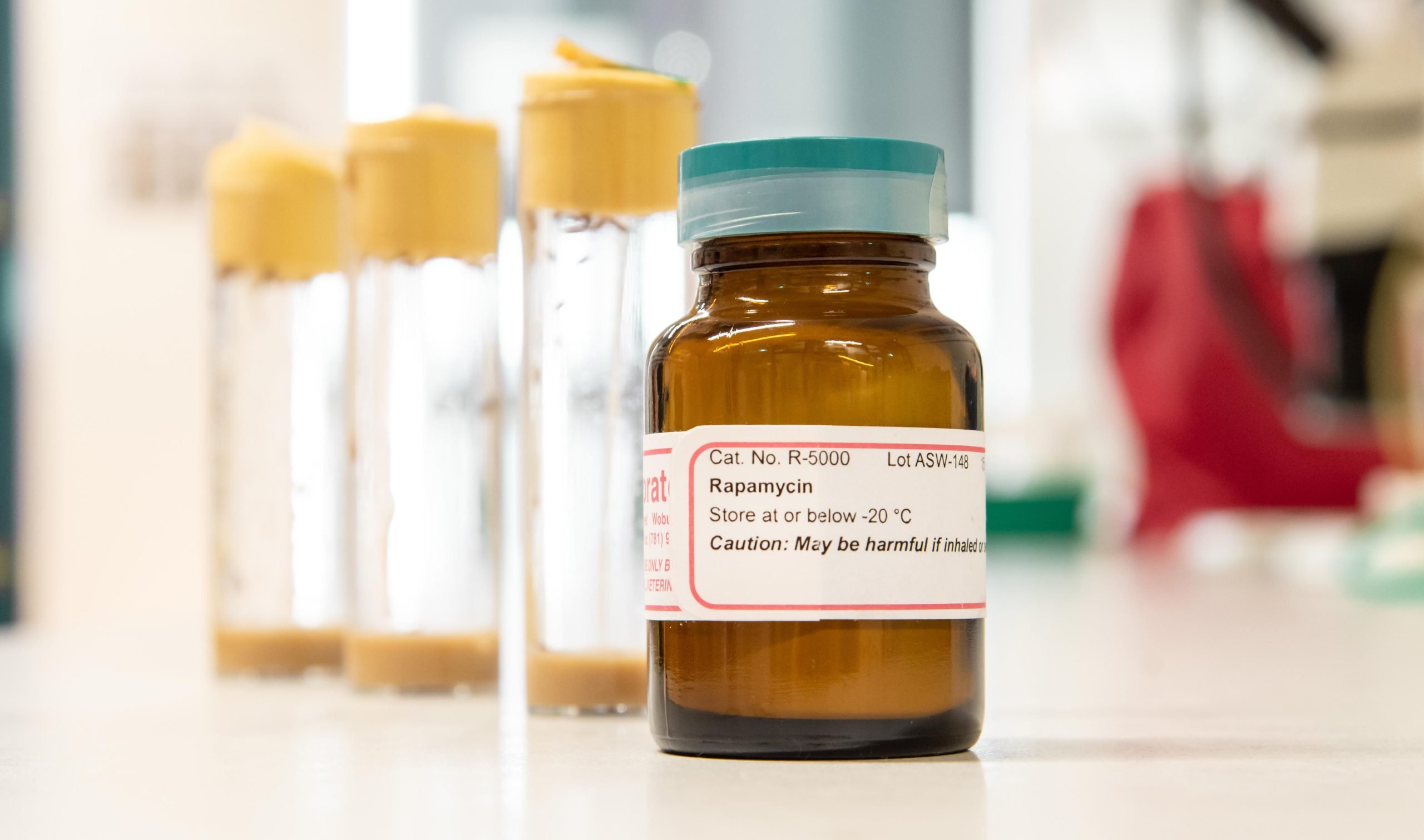
A new study finds that Rapamycin, originally an immunosuppressant, extends lifespan in eight vertebrate species as effectively as dietary restriction, while Metformin shows no clear benefit, highlighting Rapamycin's potential in aging research.
A meta-analysis suggests that rapamycin may extend lifespan in animals similarly to dietary restrictions, unlike metformin, but human trials are needed to confirm its effects and safety for longevity in people.
Scientists found that rapamycin, a drug that mimics the effects of dieting, can extend lifespan in animals almost as effectively as actual calorie restriction, whereas metformin does not show the same benefit. While promising, more research is needed to confirm safety and effectiveness in humans, and current evidence is primarily from animal studies.
A recent study shows that rapamycin extends lifespan almost as effectively as calorie restriction in animals, making it a promising anti-aging drug, while metformin shows less consistent benefits. However, more research is needed, especially in humans, to confirm safety and efficacy.
A new study shows that rapamycin extends lifespan almost as effectively as calorie restriction in animals, unlike metformin, which shows no clear benefit. While promising, more research is needed to confirm safety and efficacy in humans, and current evidence is primarily from animal studies.
Scientists in Europe found that a cocktail of two cancer drugs, rapamycin and trametinib, extended mice lifespans by about 30%, improved health markers, and delayed age-related diseases, suggesting potential for human anti-aging therapies, though more research is needed.
Rapamycin, a drug originally approved for organ transplant patients, is gaining attention for its potential to extend lifespan and improve health by inhibiting the mTOR enzyme, which plays a key role in cell growth and aging. While studies in animals like mice and monkeys show promising results, its effects on human aging remain uncertain. Researchers caution against widespread use until more is known about its safety and efficacy in humans, with ongoing clinical trials aiming to provide clearer insights.
Social media and some medical professionals claim that rapamycin, an FDA-approved pill used in organ transplants, can slow down aging and increase lifespan based on studies in mice. However, there is ongoing debate and uncertainty about its effectiveness in humans, as large-scale clinical trials are lacking. While rapamycin has shown potential benefits in inhibiting aging-related health issues, it is not approved for longevity and has significant side effects. Experts emphasize that it's premature to consider rapamycin as an anti-aging drug and recommend focusing on proven methods such as a healthy diet, exercise, and social connections to promote longevity.
Rapamycin, a generic drug approved for transplant patients, has gained popularity as an anti-aging treatment despite lacking evidence of extending human life. The drug's potential to promote longevity is based on animal studies, but its off-label use for aging-related afflictions remains divisive among scientists and longevity influencers. While some believe in its potential, others caution about its side effects and the lack of conclusive evidence for human use. Despite regulatory limitations, more medical practices are prescribing rapamycin for anti-aging purposes, and telehealth companies are making it available to thousands of patients.
The $2 organ transplant drug, Rapamycin, is gaining popularity among longevity experts and biohackers for its potential anti-aging effects, despite limited evidence in humans. While initially approved to prevent organ rejection, studies in mice have shown increased lifespan and improved immune response. Longevity experts like Dr. Peter Attia and biohacker Bryan Johnson are among those advocating for its use, with some reporting various health benefits. However, more research in mammals, including humans, is needed to confirm its anti-aging effects.
Rapamycin, a drug initially approved for transplant patients, has gained popularity as an anti-aging treatment despite lacking evidence of extending human life. The drug's potential stems from animal studies showing benefits in longevity, but its use remains divisive among scientists and practitioners due to potential side effects and lack of optimal dosing for humans. Despite regulatory limitations, more medical practices are prescribing rapamycin for anti-aging, and telehealth companies are making it available to thousands of patients. The drug's rise parallels the growing field of longevity medicine, with some influential figures advocating for its use while others caution against substituting it for a healthy lifestyle.
Rapamycin, a drug used in cancer treatment and post-organ transplant care, has shown promise in extending both lifespan and health span in lab animals by targeting the endolysosomal system and reducing age-related inflammation. Researchers have identified the mechanisms by which rapamycin extends lifespan, including increased autophagy and decreased activity of the protein S6K. Understanding these mechanisms is crucial for preventing unwanted side effects and potentially redefining aging.
Researchers have genetically modified the LIMK1 protein, crucial for memory formation, to be activated by the drug rapamycin. This "chemogenetic" approach showed significant memory improvement in animal models with age-related cognitive decline, offering potential for innovative treatments for neuropsychiatric diseases like dementia. The study represents a breakthrough in memory research and opens new avenues in neurological research and therapy by manipulating synaptic plasticity in the brain.
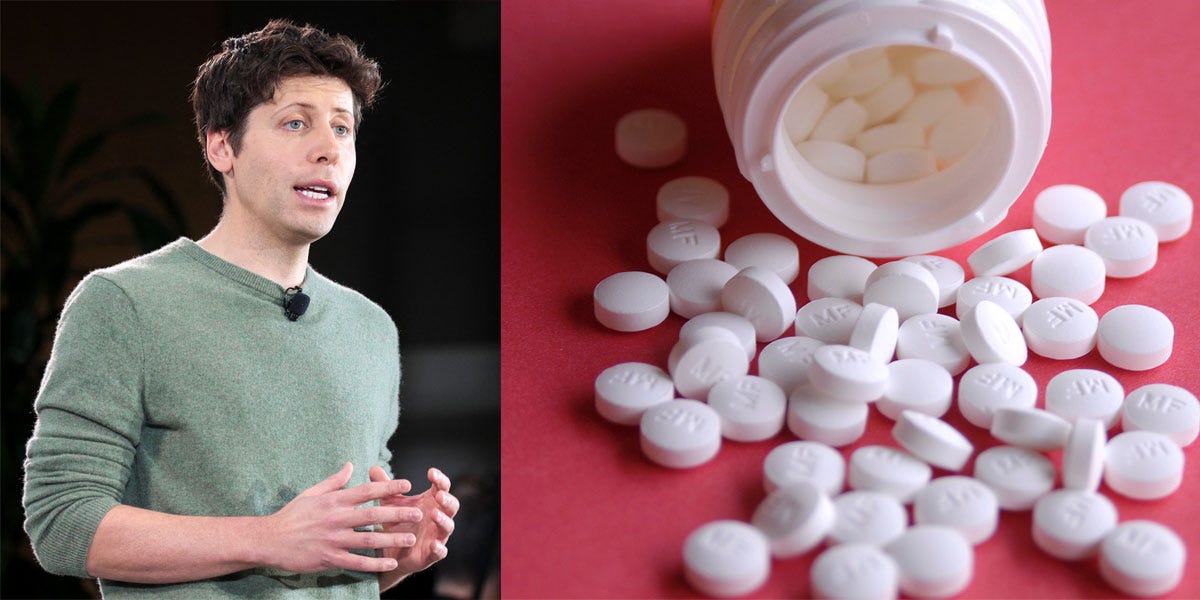
Tech executives like Sam Altman are taking prescription pills like metformin and rapamycin to slow aging by taming "zombie cells" that can contribute to age-related diseases. Researchers are also working on repurposing existing drugs into new drug combinations called "senolytics" to flush some zombie cells out of the body. However, these drugs need more testing before they can be considered safe for everyone, and lifestyle interventions like exercise and dieting can also reduce senescent cell burden.
Rapamycin, a drug with contradictory effects, was discovered as an antifungal but was later found to be an immunosuppressant. However, it was also found to be a powerful anti-cancer drug that inhibits cell growth. Further research revealed that rapamycin extends the lifespan of animals and humans by suppressing mTOR, a protein that controls growth and metabolism. Rapamycin also rejuvenates the immune system and improves resilience to pathogens. Despite its potential, rapamycin has been unlucky, but scientists are now studying its long-term safety and anti-aging effects in healthy older adults.