GSK announced a $30 billion investment in U.S. research, development, and manufacturing over five years, including $1.2 billion for advanced manufacturing and digital tech, amid President Trump's UK visit, reflecting increased U.S. pharma investments.
Amazon is launching a new R&D group within its consumer product division, based at Lab126, to focus on developing agentic AI for use in robotics and warehouse automation.
GSK has discontinued a Phase 2 clinical trial for its therapeutic vaccine targeting chronic hepatitis B, highlighting ongoing challenges in liver disease treatment research and development.
Tesla, along with Apple and Alphabet, has seen a decline in stock performance this year, prompting discussions on whether it presents a buying opportunity. Canaccord Genuity LLC Managing Director George Gianarikas suggests that for Tesla to improve its stock performance, it needs to ramp up its next generation vehicle, increase margins through full self-driving penetration leveraging AI, and continue growth in its energy storage business. Despite recent challenges, he believes that Tesla's stock has overcorrected to the downside and presents a potential buying opportunity, with a price target in the 230s based on increased volumes and improved margins in the future.
Bavarian Nordic has decided to shift its focus from immuno-oncology vaccine development to infectious disease research and development, discontinuing its Phase I cancer vaccine program in favor of concentrating on its mpox vaccine Jynneos, which is expected to contribute to the company's strong 2023 sales. The Danish biotech's TAEK-VAC, a cancer vaccine targeting a tumor-associated antigen, was being studied in patients with chordoma or HER2-positive breast cancer.
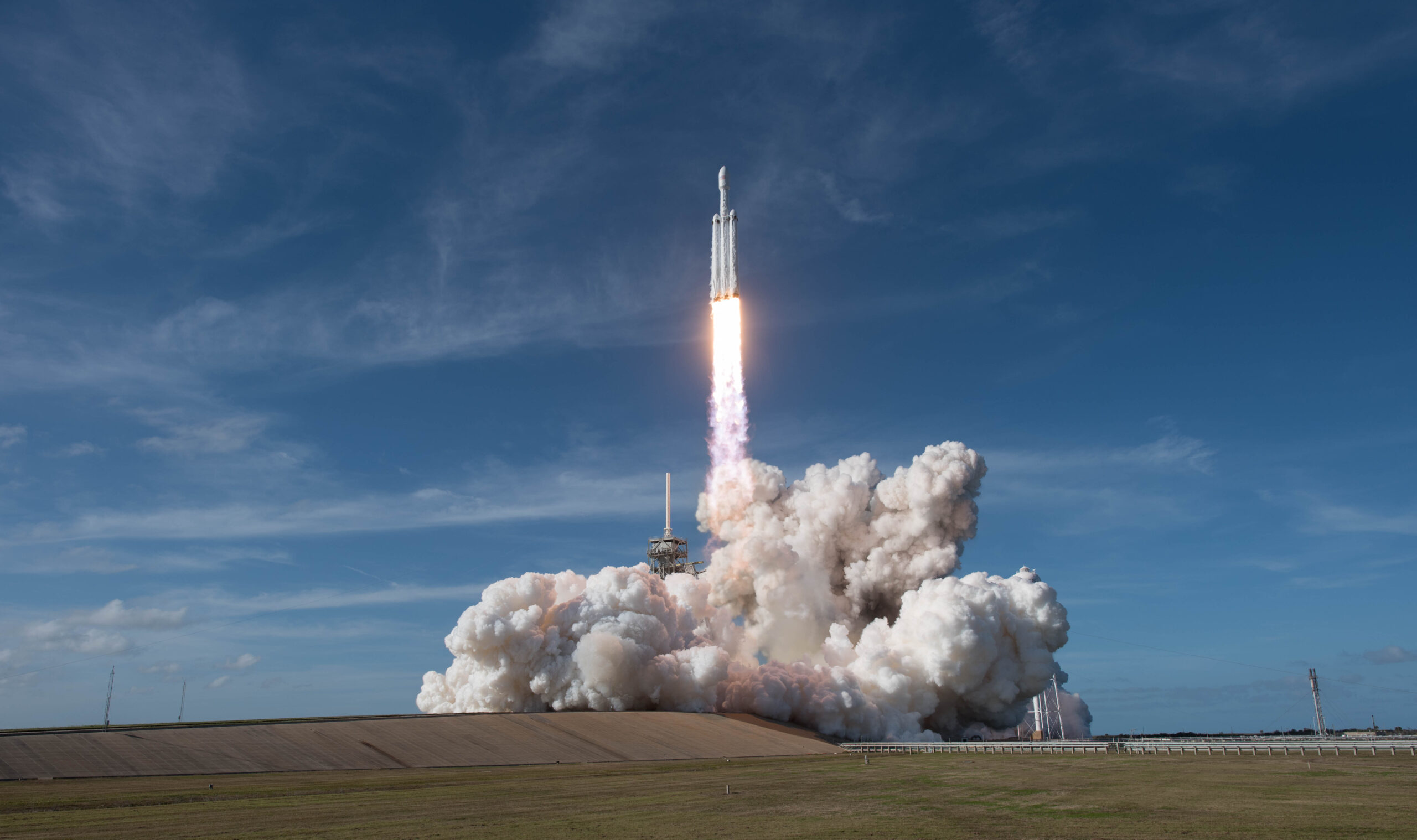
With the U.S. increasingly relying on SpaceX for space launches, there's a concern that rocket research and development efforts have been deprioritized by the Space Force, Air Force, and NASA. The success of SpaceX has led to a default situation where these agencies procure space launch as a service, potentially hindering independent space access. The authors argue that continued investment in rocket science and technology is crucial for future challenges, drawing parallels to historical examples of incremental research leading to significant advancements in military capabilities.
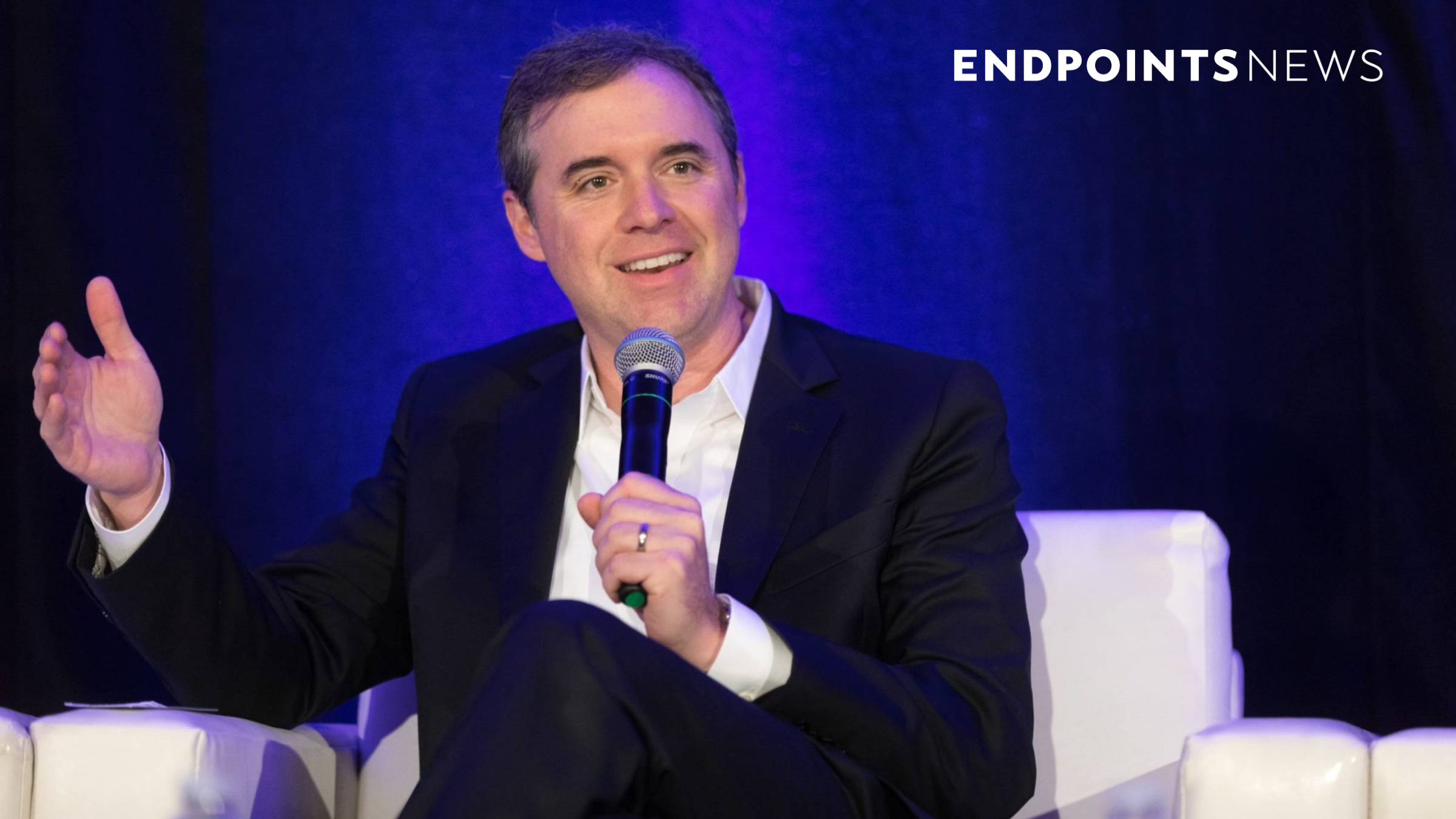
Amgen has appointed former Novartis research executive Jay Bradner to a top role in its research leadership, while shifting current R&D chief David Reese to lead technology and AI. Bradner previously served as head of Novartis' research arm, the Novartis Institutes for Biomedical Research, before being succeeded by Fiona Marshall. After leaving Novartis, Bradner worked as a clinician at the Dana-Farber Cancer Institute and Brigham & Women's Hospital.
Sanofi CEO Paul Hudson and company executives held an R&D day in Manhattan to address doubts about the company's ability to focus and execute, particularly in building a pipeline. Hudson touted 12 potential blockbusters and announced an increase in R&D spending, aiming to persuade skeptical investors.
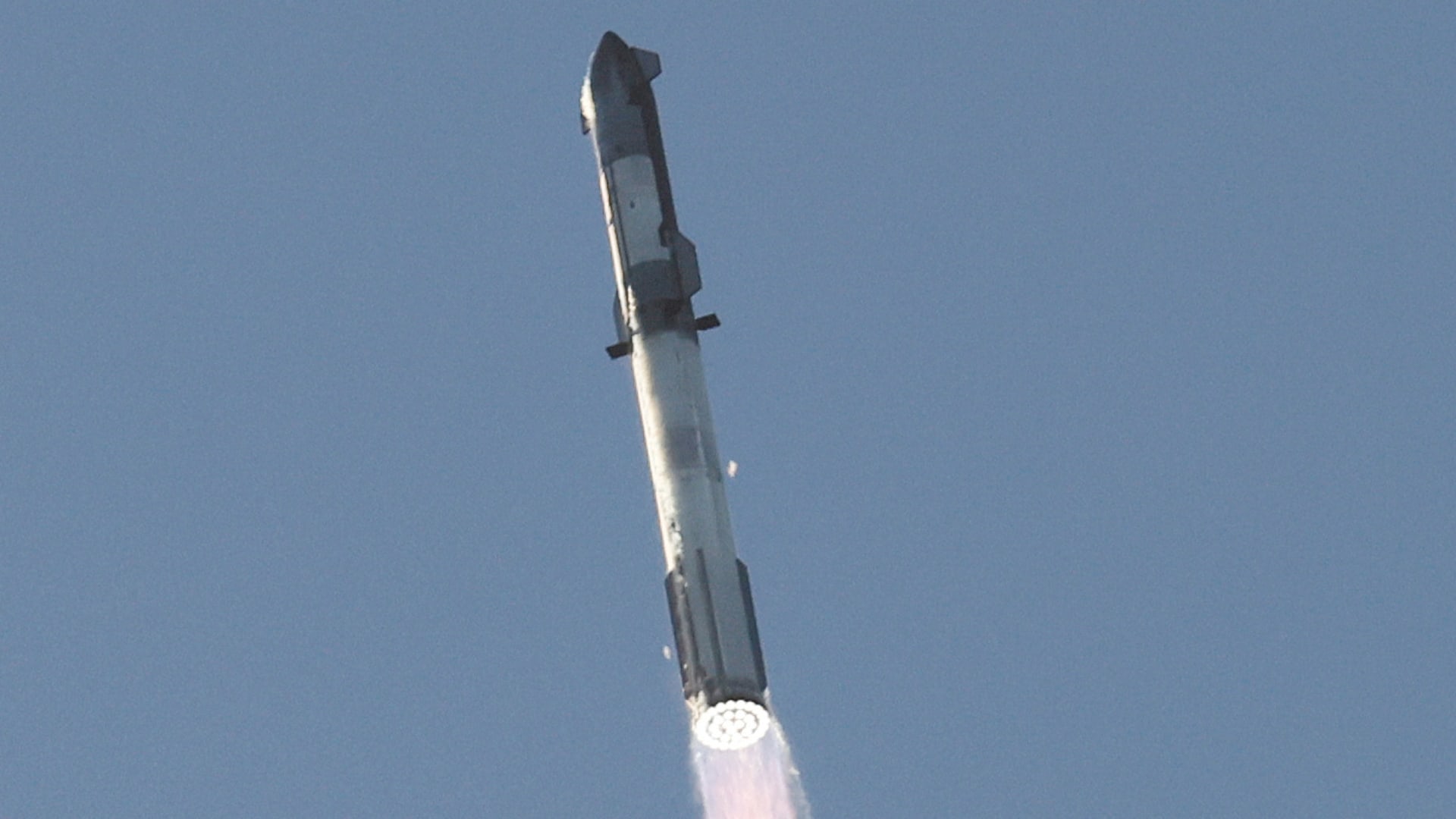
SpaceX's Starship test flights are a spectacle, capturing the public's attention and excitement, but they also invite criticism. While there have been successes in terms of engine performance and safety measures, Starship has yet to complete its test missions successfully. The timelines for missions to the moon or Mars remain aspirational, as the technology is still in the research and development stage. SpaceX faces challenges from government regulators and the need for more successful flights before flying people. In other space news, the US and China dominate rocket launches, the White House supports SpaceX innovation despite recent comments by Elon Musk, and China showcases its Tiangong space station.
Biogen CEO Chris Viehbacher announced plans for more collaborations to expand the company's early-stage R&D work, following its recent acquisition of Reata Pharmaceuticals. While reporting strong third-quarter revenues, Viehbacher acknowledged that investors are more concerned about Biogen's future growth prospects. He ruled out any major acquisitions in the near term but emphasized the company's focus on partnerships to fill out its pipeline.
Sanofi plans to spin out its consumer health unit and allocate €2 billion ($2.1 billion) in savings towards research and development efforts. The move is part of the company's strategy to focus on bringing the next wave of medical advances to market, following the trend set by other large drugmakers. The cuts will take place between 2024 and 2025, with the consumer unit likely becoming an independent French company by the end of next year.
AstraZeneca's subsidiary, Alexion, is acquiring Pfizer's preclinical gene therapies in a deal worth up to $1 billion, expanding its rare disease research and development capabilities. As part of the announcement, Mene Pangalos will step down as EVP, BioPharma R&D, and will be succeeded by Sharon Barr, the current head of research and product development at Alexion.
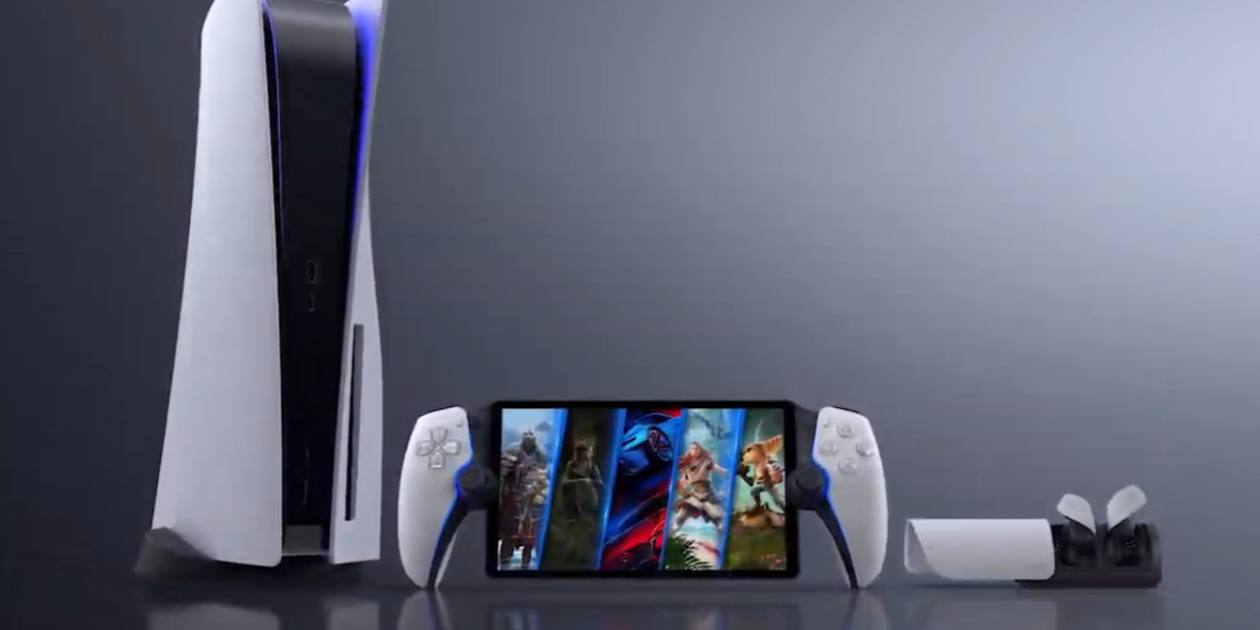
Sony Group plans to invest $2.13 billion in research and development for its game segment, with a focus on live service games and "extended reality" technology that combines physical and digital worlds. The company aims for 60% of game development costs for its PlayStation 5 to be in the live service field by fiscal 2026.
Biogen has discontinued a Phase III program evaluating BIIB122 as a treatment for patients with Parkinson’s disease related to LRRK2 mutations with partner Denali Therapeutics, citing the study's complexity and long timeline. The study, dubbed LIGHTHOUSE, began in September and was slated for completion in 2031.
CD Projekt Group confirms that R&D for Project Orion, a fully-fledged sequel to Cyberpunk 2077, will begin in 2024. The game is currently in pre-production, and actual development may take a few years. Project Orion is being developed by CD Projekt's new Boston and Vancouver-based studios and is expected to continue harnessing the potential of the Cyberpunk universe.