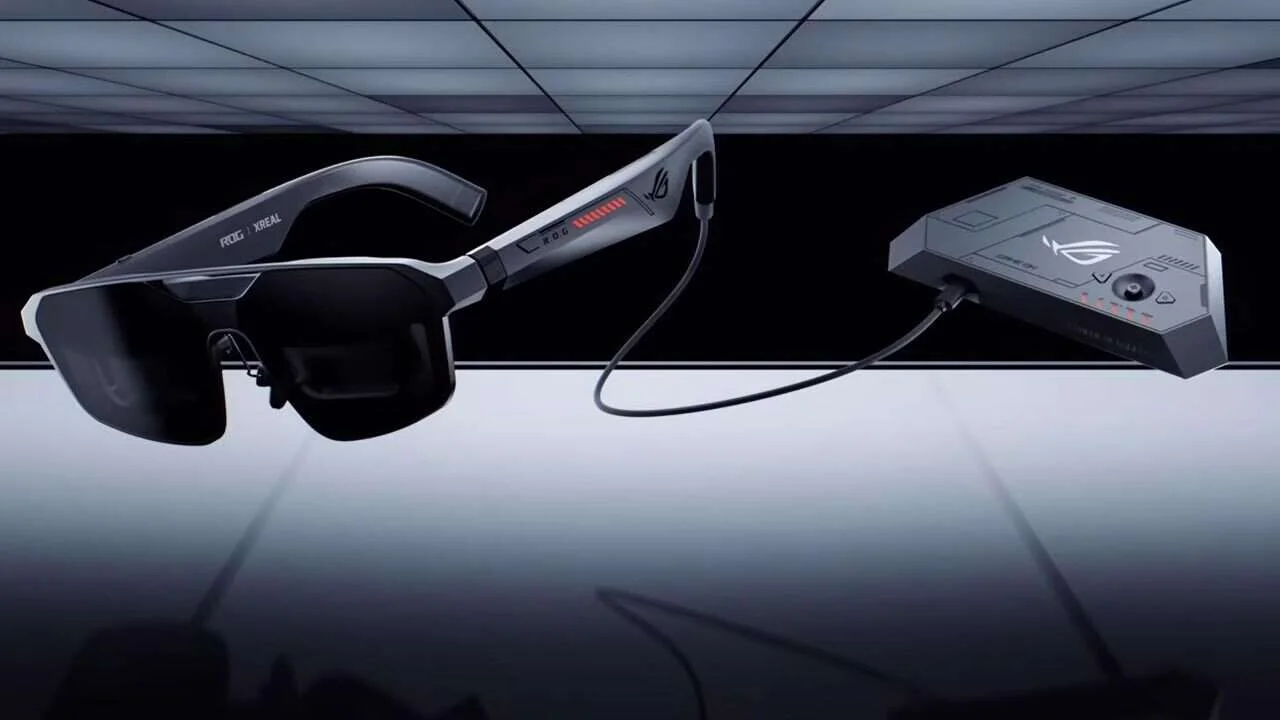
Asus has unveiled the ROG Xreal R1, a pair of extended reality glasses at CES 2026, featuring 240Hz micro-OLED lenses, a 57-degree field of view, and seamless connectivity options, with a planned launch in the first half of 2026.
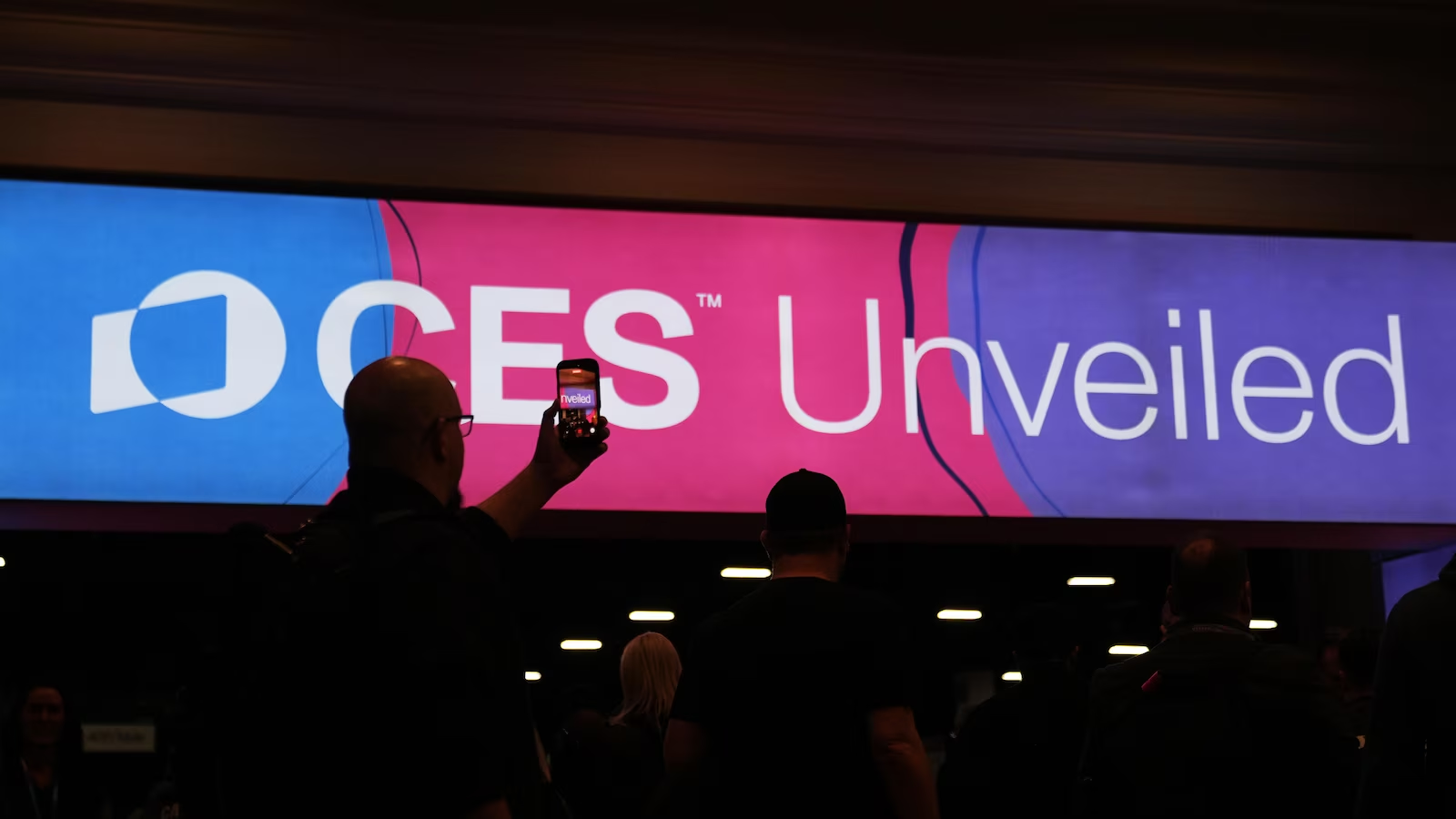
CES 2026 in Las Vegas will showcase advancements in AI, robotics, healthcare, and extended reality, with keynotes from industry leaders like Nvidia and AMD, highlighting innovations in humanoid robots, health tech, and sustainable energy solutions, reflecting the industry's focus on practical, human-centered applications.
Samsung Electronics unveiled Galaxy XR, a groundbreaking extended reality headset powered by context-aware, multimodal AI, co-developed with Google and Qualcomm, offering immersive experiences for discovery, entertainment, and productivity with AI-driven features and high-quality hardware.
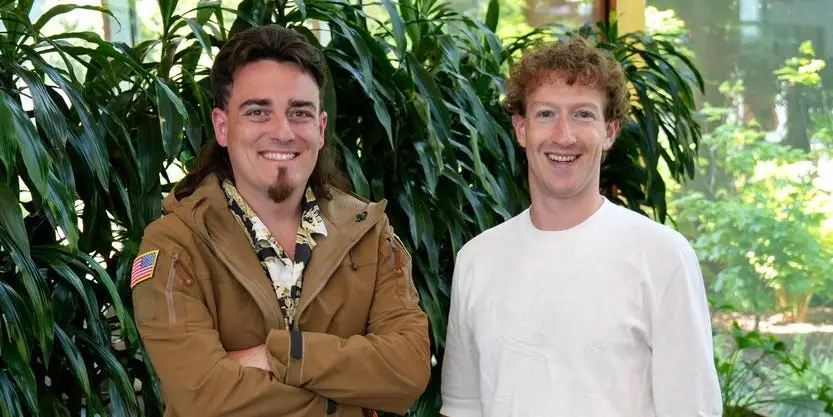
Mark Zuckerberg and Palmer Luckey have ended their past disagreements and partnered to develop advanced extended reality technology for the US military, utilizing AI and wearable devices to enhance soldiers' vision and battlefield awareness, with a focus on private funding and commercial tech origins.
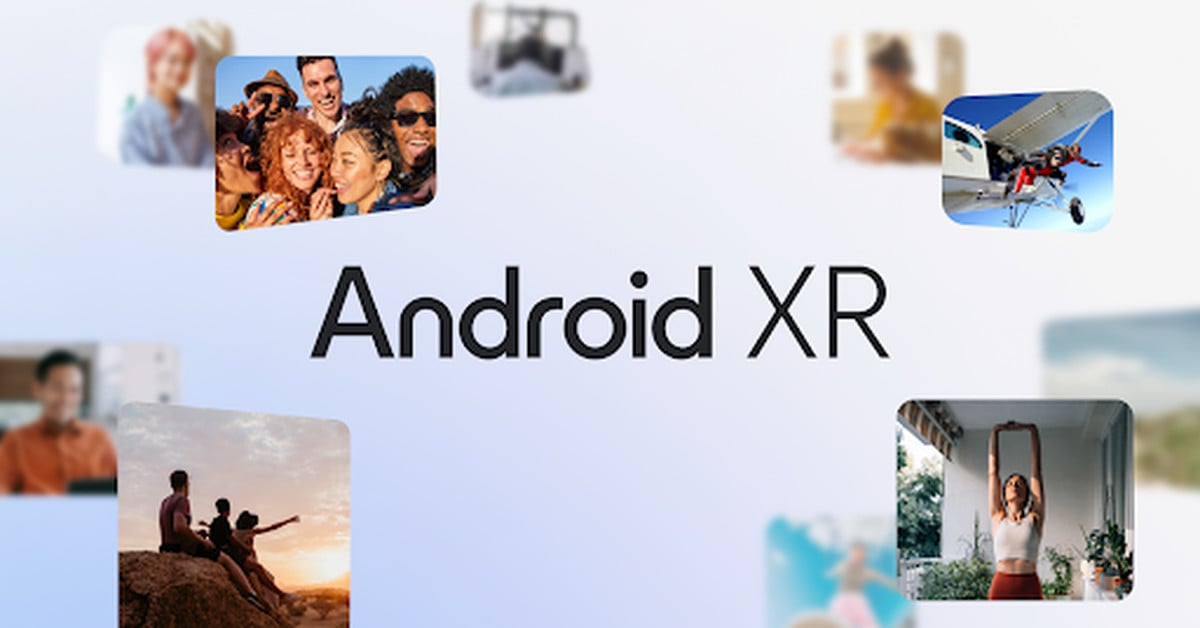
Google has announced Android XR, a new operating system for extended reality devices like headsets and smart glasses, developed in collaboration with Samsung and other manufacturers. The OS aims to integrate AI, particularly Google's Gemini AI, to enhance user experience and support immersive versions of apps like Maps and YouTube. Android XR will also support existing phone and tablet apps, similar to Apple's Vision Pro. The OS is in early stages, with a device codenamed Moohan expected next year, marking Google's latest attempt to succeed in the headset market.
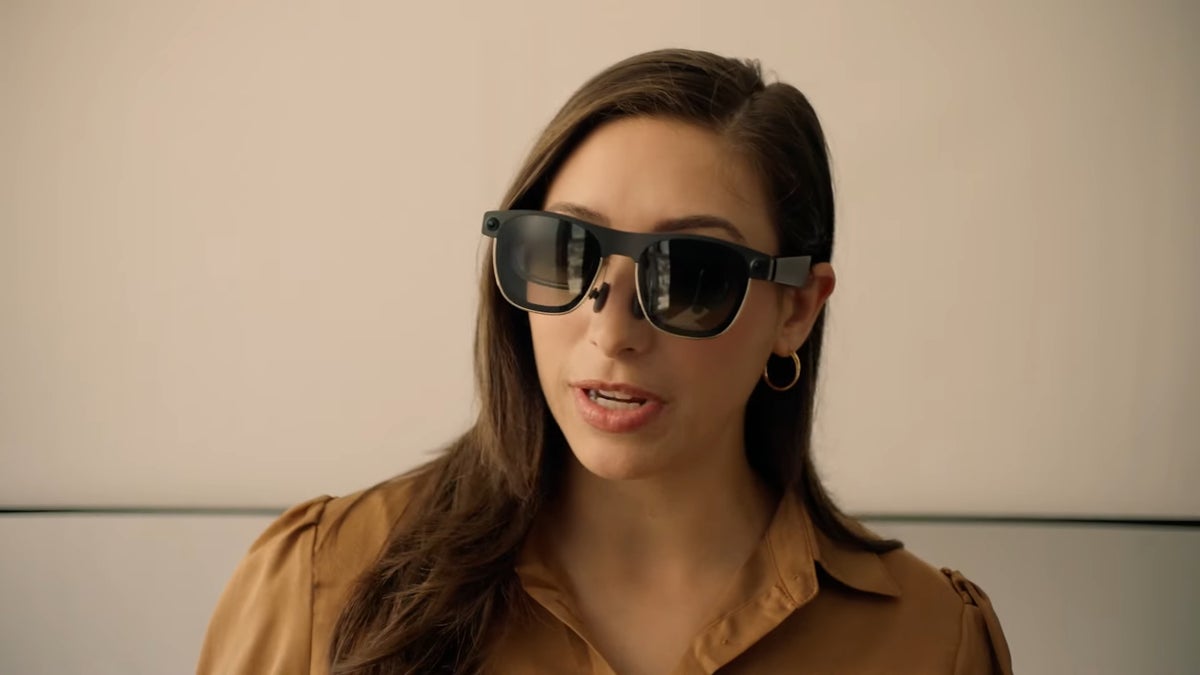
Samsung is reportedly set to unveil its AR glasses prototype alongside the Galaxy S25 in January, marking a significant step in its XR project with Google and Qualcomm. While the glasses won't be available to the public immediately, the software may be introduced this month, hinting at integration with Samsung's ecosystem. Details on whether the glasses will be standalone or require an external device remain unclear, but this move positions Samsung as a potential contender in the AR market.
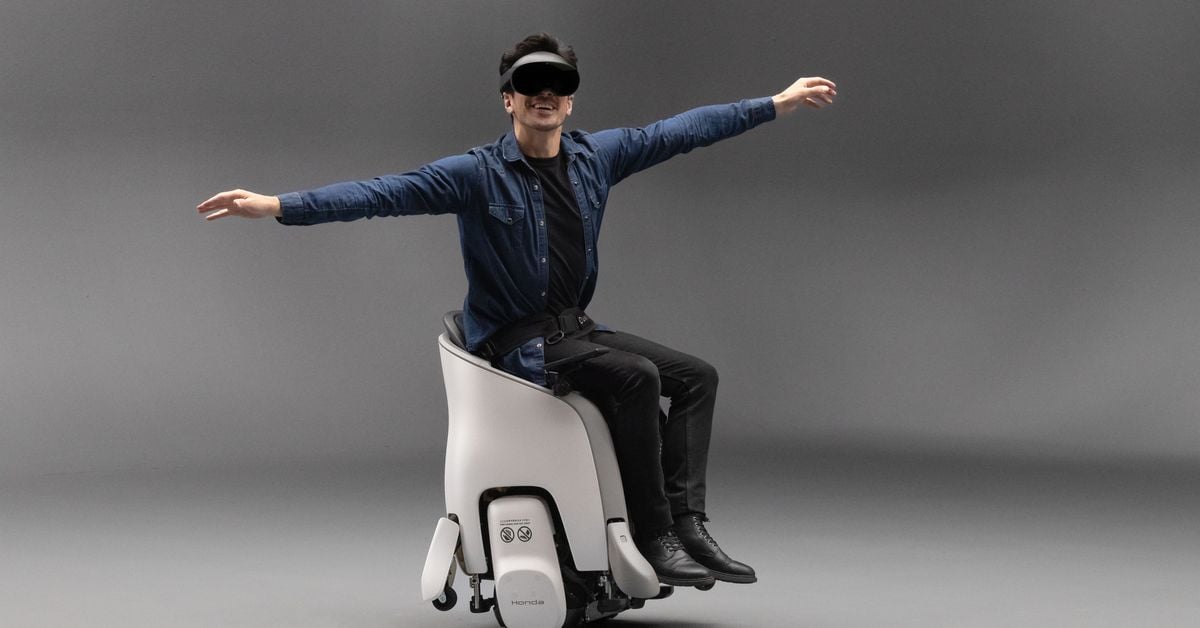
Honda has announced an "extended reality" experience that combines virtual reality with its self-balancing Uni-One wheelchairs, aiming to elevate the VR experience by allowing users to simulate racing through immersive landscapes. The hands-free device responds to a user's movements, allowing them to move in various directions by shifting their weight. While the experience is meant for entertainment, not for people with disabilities, Honda sees potential for it in malls, theme parks, and entertainment facilities. The Uni-One, based on Honda's Uni-Cub device, will debut at SXSW and offers a top speed of 3.7mph and a range of up to five miles.
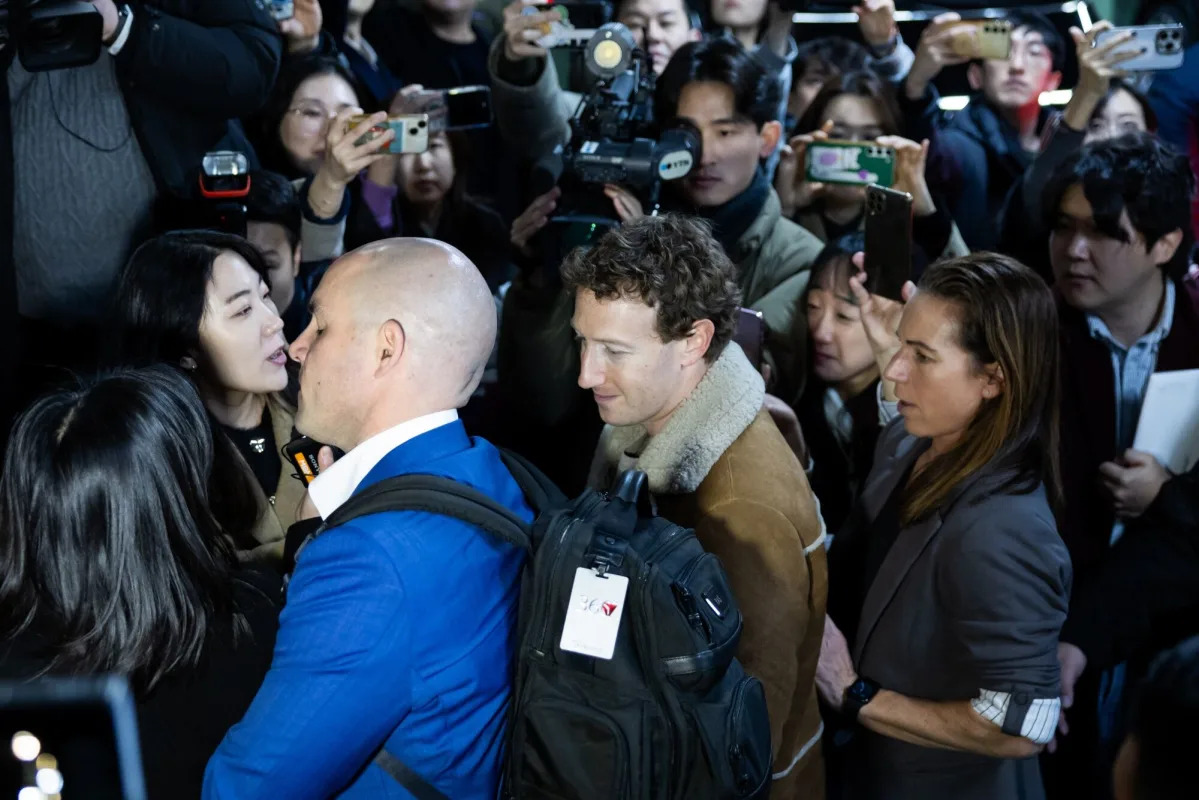
Mark Zuckerberg is deepening Meta's alliance with LG Electronics on extended-reality technology, discussing business strategies for next-gen XR devices and the integration of AI into consumer devices. His tour of Asia also includes meetings with Samsung Electronics and attendance at Mukesh Ambani's son's pre-wedding celebrations in India. LG, amidst global economic uncertainty, has pledged $7.6 billion for investments in new technologies, including electric vehicles.
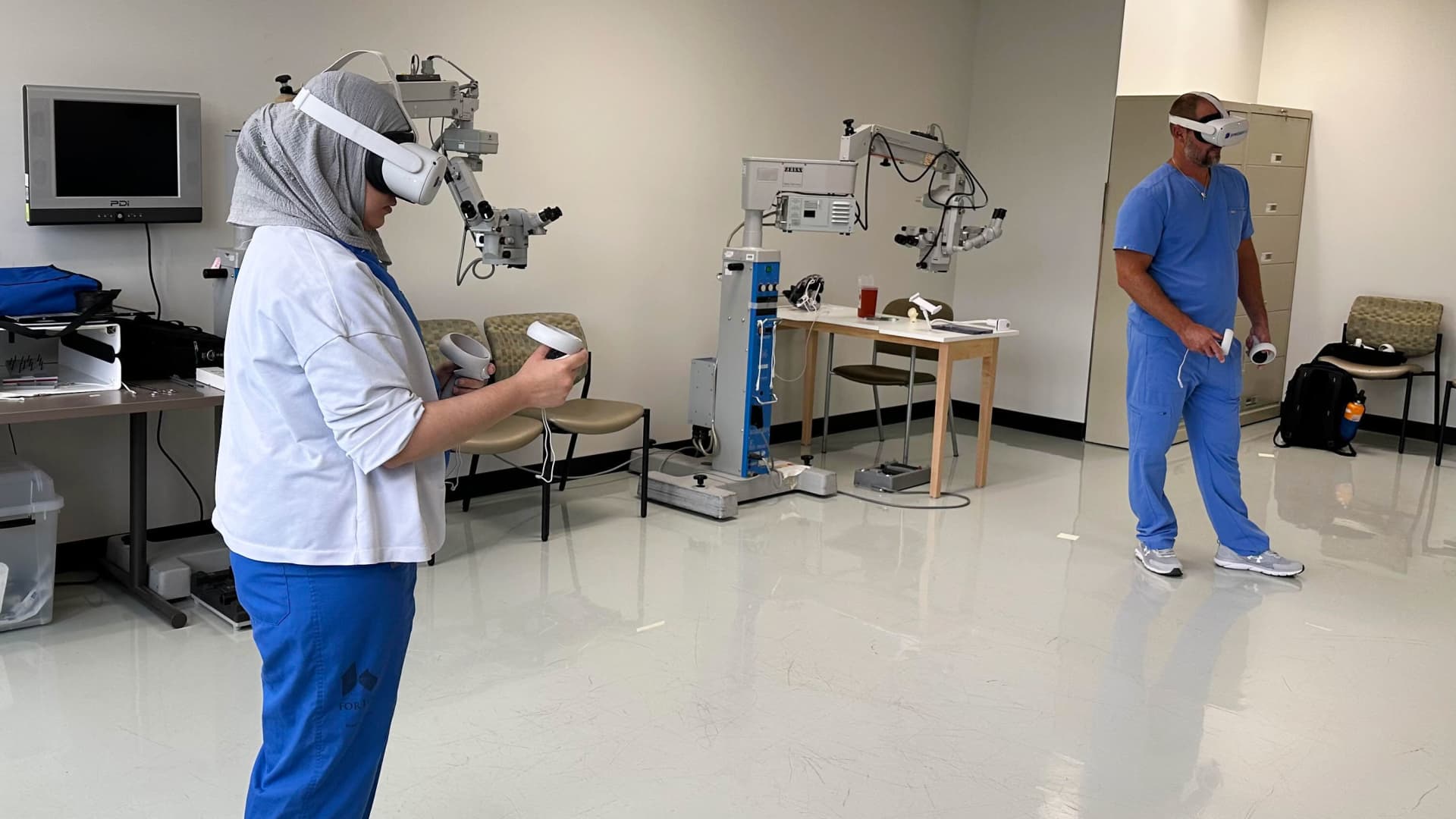
Virtual reality (VR) technology, particularly in the form of VR headsets like Meta Quest 2, is being utilized in healthcare settings to train surgeons and treat patients. Surgeons can practice procedures in a realistic 3D simulation, allowing them to fine-tune their skills and minimize risks to patients. VR is also being used for pain management and behavioral therapy, with promising results. However, the cost-effectiveness of VR in healthcare remains uncertain, and the technology is still considered clunky and not fully functional for medical professionals. Regulatory hurdles and the need for frequent updates to stay current with medical standards are additional challenges. Nonetheless, the field of extended reality in healthcare is growing, with organizations like the U.S. Department of Veterans Affairs and medical schools incorporating VR into their programs.
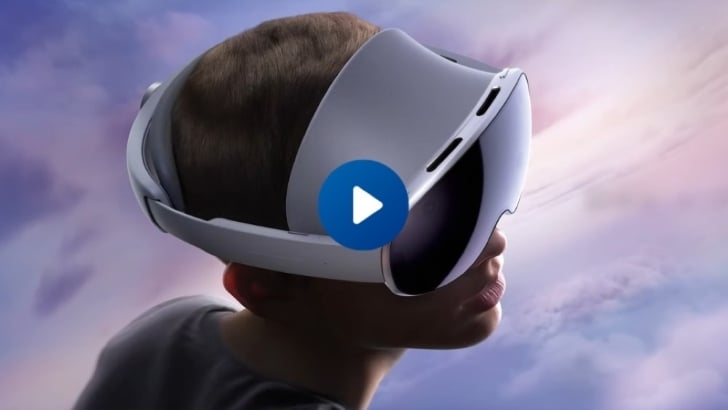
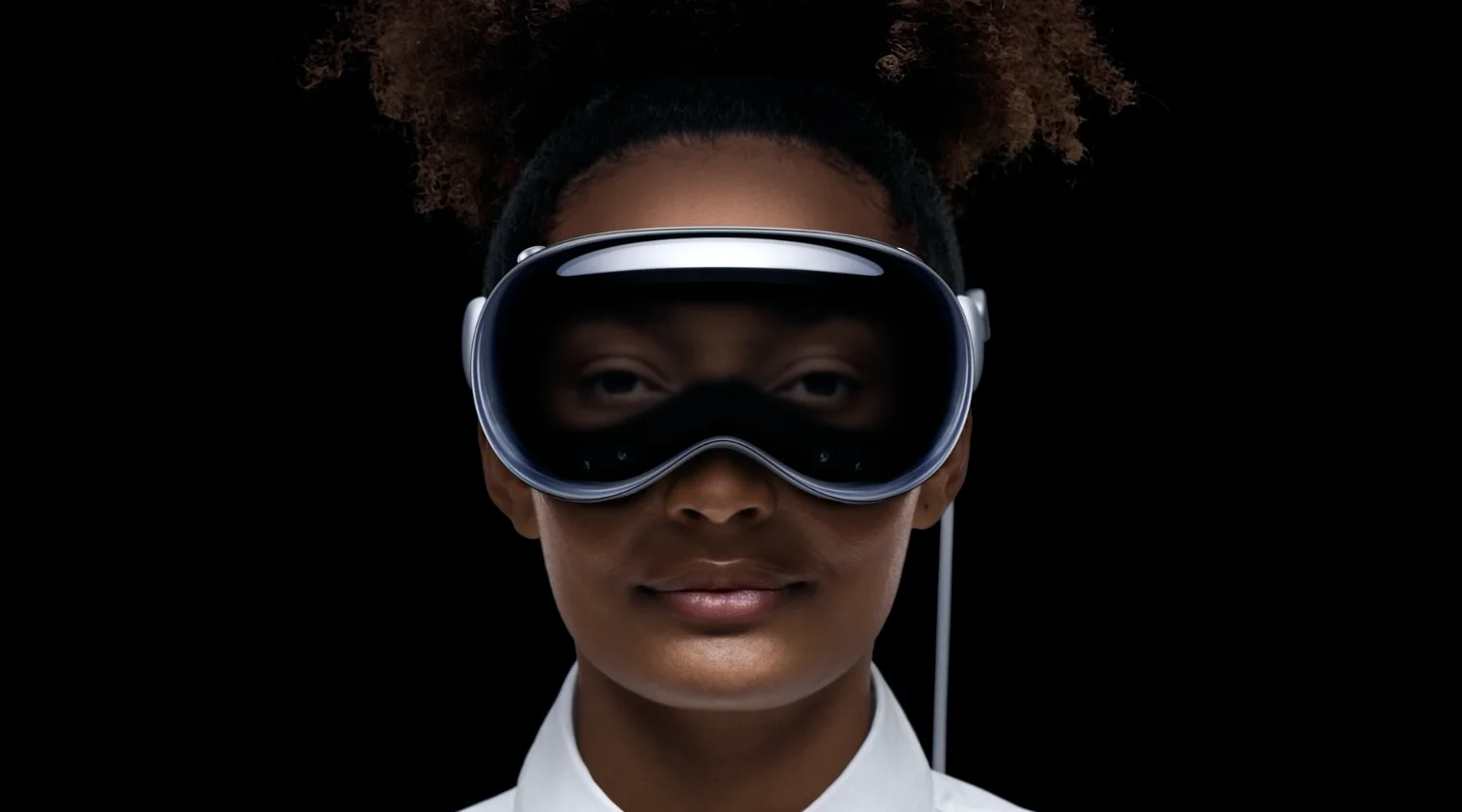
Apple is confident that developers are excited about its upcoming Vision Pro headset and has been actively working to sell them on the device. The company has seen positive feedback from developers who have attended labs and downloaded the software development kit for Vision Pro. Apple believes that hands-on experiences and showcasing the capabilities of the headset at events like WWDC have been key in getting developers on board. While XR headsets have yet to achieve mainstream success, developers are optimistic about Vision Pro's potential and its ability to inspire new experiences. Apple aims to make the platform accessible to all developers and is encouraged by the initial response. However, the success of Vision Pro will depend on attracting more developers and convincing consumers to invest in the device.
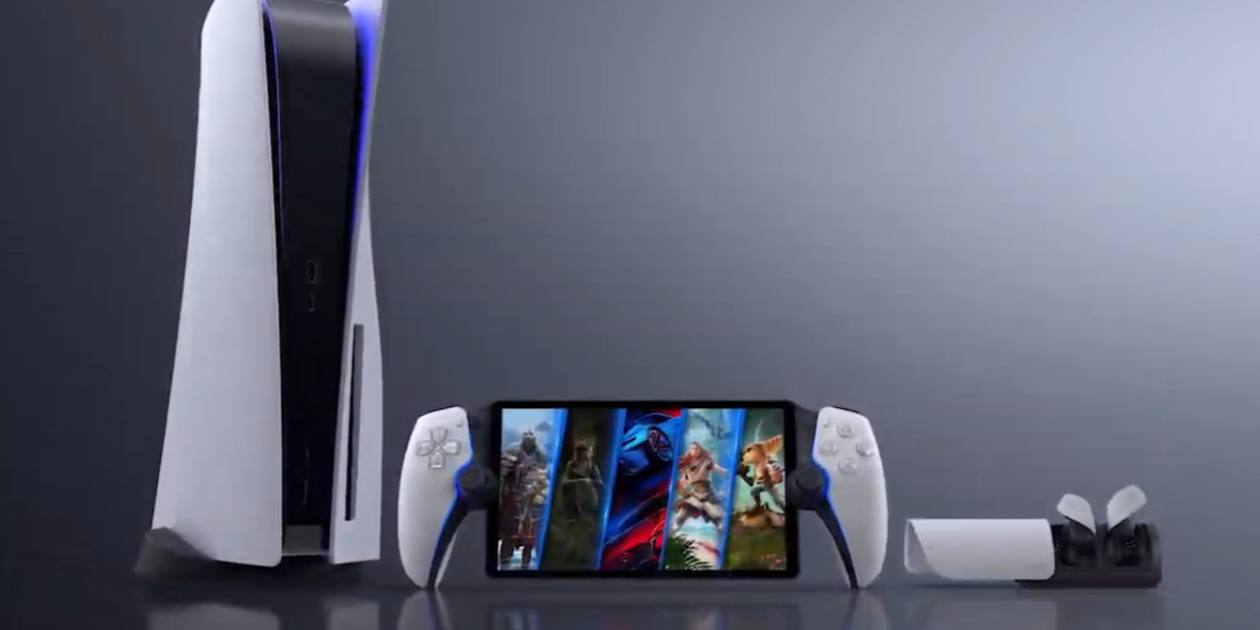
Sony Group plans to invest $2.13 billion in research and development for its game segment, with a focus on live service games and "extended reality" technology that combines physical and digital worlds. The company aims for 60% of game development costs for its PlayStation 5 to be in the live service field by fiscal 2026.