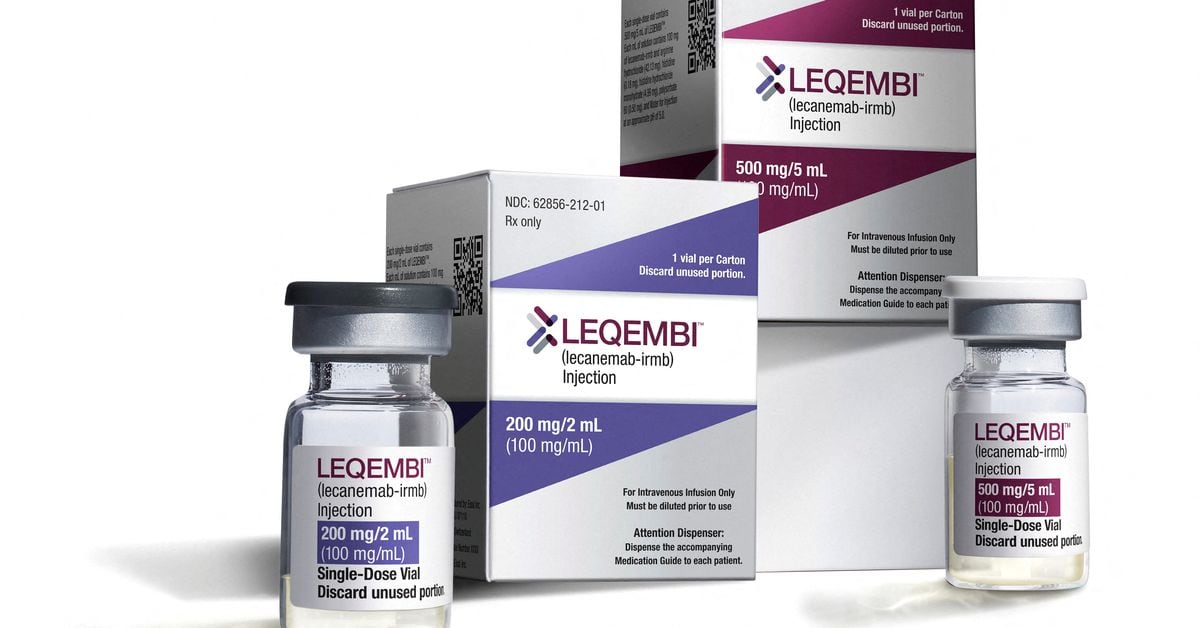
The European Medicines Agency's Committee for Medicinal Products for Human Use has reversed its earlier decision and now recommends approval of the Alzheimer's drug lecanemab, known as Leqembi in the U.S., for early-stage treatment. This comes after initial concerns about side effects like brain swelling and bleeding. Developed by Eisai and co-marketed with Biogen, the drug has shown to slow cognitive decline in Alzheimer's patients. The European Commission is expected to make a final decision on marketing authorization soon.

Eli Lilly's Alzheimer's treatment, donanemab, faces setbacks as the FDA delays its approval decision and plans to hold an advisory committee meeting to discuss the drug. Competitors like Biogen and Roche are also making strides in Alzheimer's treatments, with a focus on under-the-skin shots and precision medicine. Despite the setbacks, experts believe it's an exciting time in the fight against Alzheimer's disease, with unprecedented diversity in Phase 3 clinical trials offering hope for more treatment options. However, challenges remain, including safety concerns and the need for more personalized approaches to treatment.
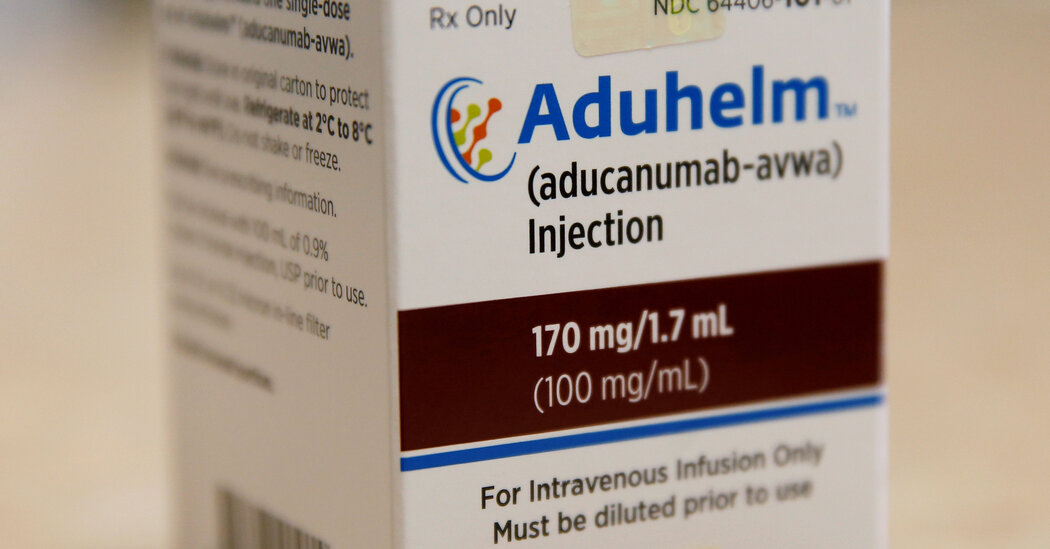
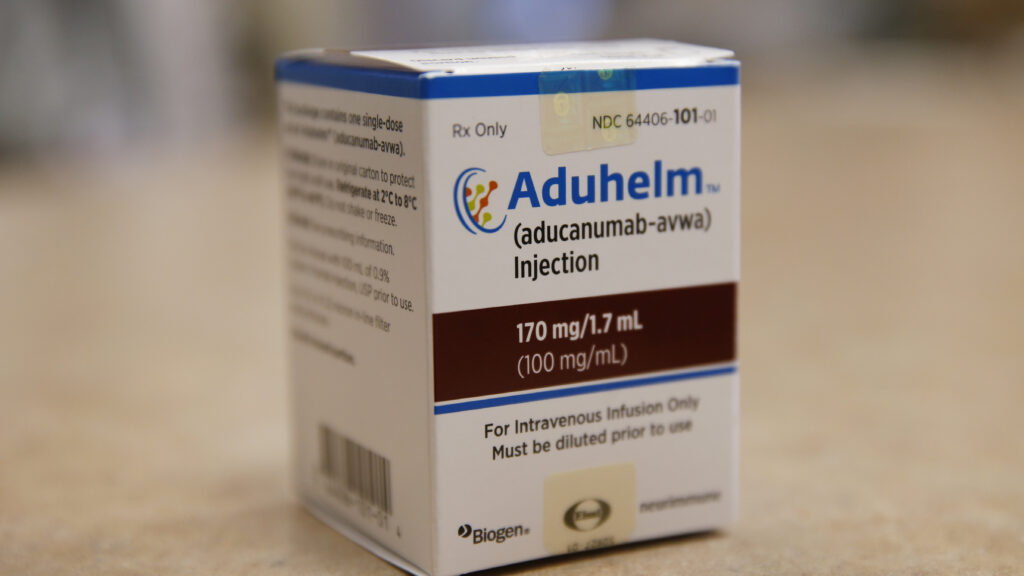
Biogen is discontinuing its controversial Alzheimer's drug Aduhelm to focus on other treatments, including its blockbuster drug Leqembi, which was developed with Japan's Eisai and approved in 2023. The decision comes after concerns about the risks of Aduhelm outweighing its benefits, leading Medicare to significantly limit coverage of the drug. Despite discontinuing Aduhelm, Biogen aims to build a leading franchise addressing the multiple pathologies of Alzheimer's disease and patient needs.
Biogen has withdrawn its controversial Alzheimer's drug, Aduhelm, from the market following criticism and irregularities in the approval process by the US FDA. The drug's accelerated approval was highly contentious, and its high price of $56,000 a year for patients was deemed unjustifiably high. Biogen will focus on its newer Alzheimer's medicine, Leqembi, which was fully approved last year. Alzheimer's is the most common form of dementia, affecting more than one in nine people over 65.
Biogen has decided to relinquish its ownership rights to the controversial Alzheimer's drug Aduhelm and halt a clinical trial aimed at confirming its effectiveness. The drug, initially priced at $56,000 a year, faced criticism for its approval based on weak evidence and serious safety risks. Biogen's move comes after Aduhelm failed in the marketplace, generating outrage and eroding trust in the regulatory process. The rights to Aduhelm will return to the Swiss company Neurimmune, and Biogen will cease supplying the drug in the United States by November.
Biogen announced it will discontinue the development and marketing of Aduhelm, a controversial Alzheimer's drug that received accelerated approval from the FDA in 2021. The decision comes after an internal review led the company to redirect its resources toward other drug candidates and advancing Leqembi, another Alzheimer’s drug it’s marketing with Eisai. The clinical trials for Aduhelm and Leqembi showed modest benefits for patients and potentially dangerous side effects, leading to limited Medicare coverage for Alzheimer’s drugs with accelerated approval.
Biogen will discontinue the sale of its Alzheimer's drug Aduhelm and halt the study needed for full FDA approval, shifting focus to other treatments. The drug, initially anticipated to be a blockbuster, faced challenges with limited evidence of efficacy and insurance coverage restrictions. Biogen will support the sale of another Alzheimer's treatment, Leqembi, which received full FDA approval. The company will incur a charge of about $60 million for shutting down the Aduhelm program, while patients may soon have another treatment option pending FDA review of a potential drug from Eli Lilly and Co.
Biogen is relinquishing its ownership of Aduhelm, the controversial Alzheimer's disease treatment, allowing Neurimmune to regain full rights to the drug. The decision also involves terminating an ongoing clinical trial aimed at demonstrating the treatment's benefits for early-stage Alzheimer's patients. Biogen's CEO emphasized Aduhelm's role in paving the way for new drug development in the field.
NeuroSense's ALS drug candidate, PrimeC, showed promising results in a recent phase 2b trial, with a 29.2% decline in disease progression and a 13.3% slowing of respiratory function loss. The drug consists of two FDA-approved drugs targeting multiple ALS mechanisms. Participants showed strong interest in continuing PrimeC treatment, and the company is expecting major milestones in 2024, including results from a collaboration with Biogen and phase 3 trial initiation. If successful, PrimeC could offer a significant clinical benefit to ALS patients, potentially leading to an expedited regulatory pathway for market approval.
The first oral pill approved by the FDA to treat postpartum depression, called Zurzuvae, is now available in the US. The medication, which costs $15,900 per course before insurance, has shown promising results in reducing depressive symptoms within three days. However, concerns have been raised about its accessibility due to the high cost. Biogen and Sage Therapeutics have launched a patient support program to provide financial assistance and medication at no cost for eligible individuals. Other options for treating postpartum depression, such as SSRIs, are more affordable but take longer to take effect.
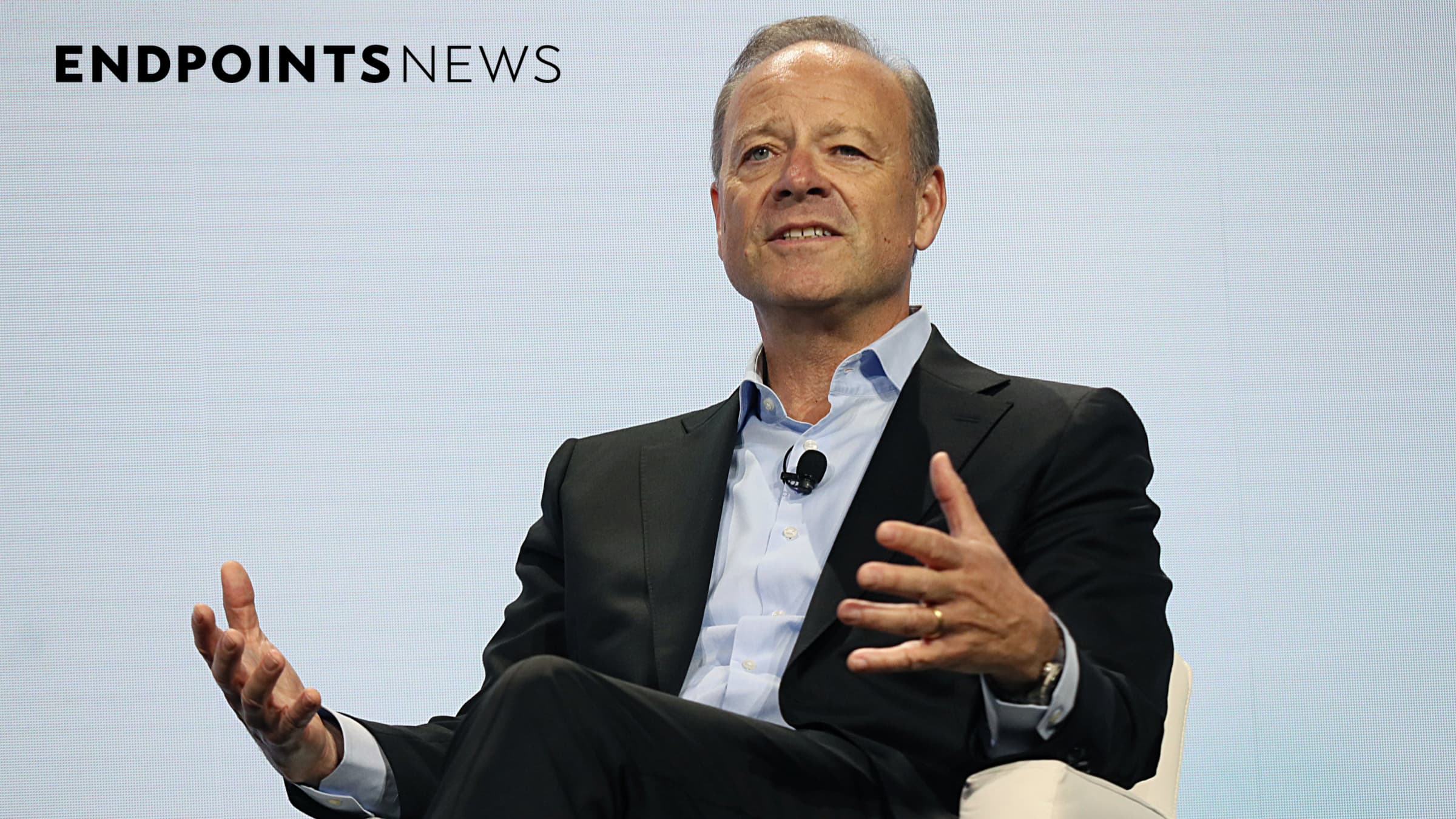
Biogen CEO Chris Viehbacher announced plans for more collaborations to expand the company's early-stage R&D work, following its recent acquisition of Reata Pharmaceuticals. While reporting strong third-quarter revenues, Viehbacher acknowledged that investors are more concerned about Biogen's future growth prospects. He ruled out any major acquisitions in the near term but emphasized the company's focus on partnerships to fill out its pipeline.
Biogen's experimental drug, BIIB080, which targets the removal of the toxic protein tau from brain cells, has shown promising results in a small study for Alzheimer's disease. The drug demonstrated favorable trends in cognition and function, offering hope for a drug class that has previously failed to deliver benefits. However, Biogen emphasizes that these findings are exploratory and from a small study.
Biogen, GSK, Novo Nordisk, and other pharmaceutical companies have been recognized on Time's annual list of best inventions of 2023 for their innovative drugs in the medical care category. Relevance Therapeutics' Daxxify also earned a spot in the beauty category.
Japan's health ministry has approved the Alzheimer's treatment Leqembi, developed by Eisai and Biogen, making it the second country after the United States to clear its use. Leqembi is an antibody designed to remove sticky deposits of a protein called amyloid beta from the brains of Alzheimer's patients and is the first treatment shown to slow the progression of the disease in the earlier stages. Eisai will conduct a post-marketing special use results survey to collect data on patients administered with Leqembi. The drug will be co-promoted by Eisai and Biogen in Japan.