In 1940, Martin Kamen and Samuel Ruben used a cyclotron at Berkeley to discover carbon-14, a long-lived radioactive isotope whose later development for radiocarbon dating transformed archaeology by enabling ages for artifacts and skeletons up to tens of thousands of years.
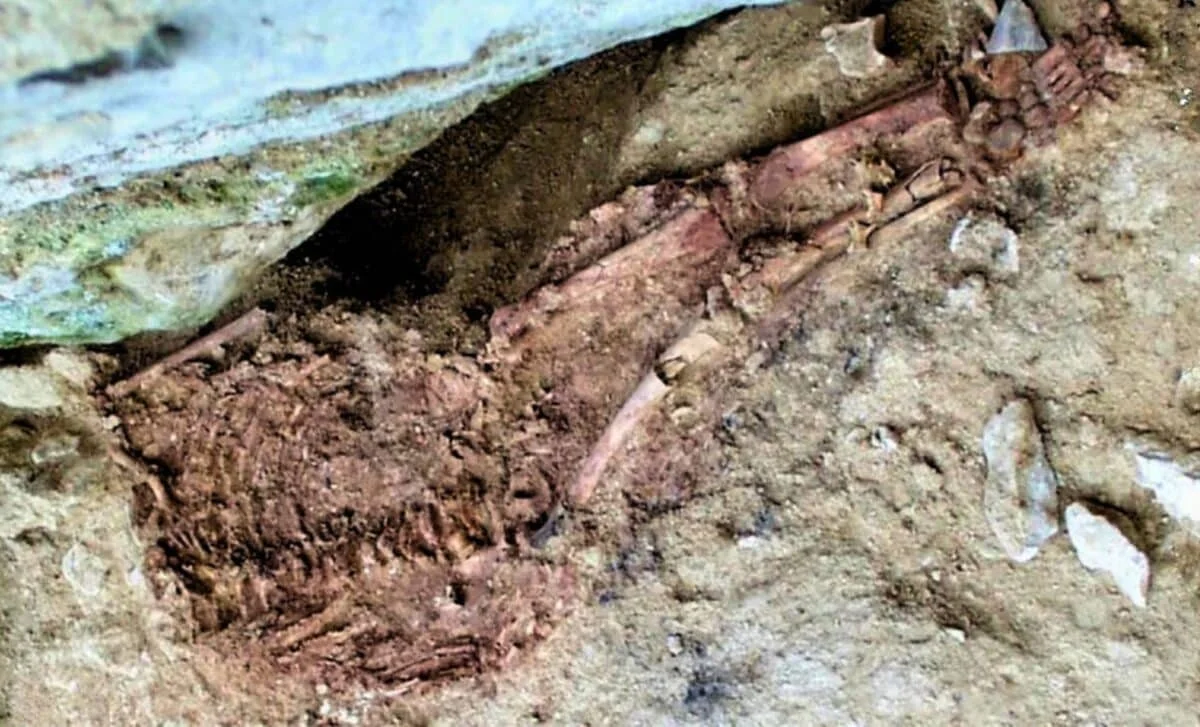
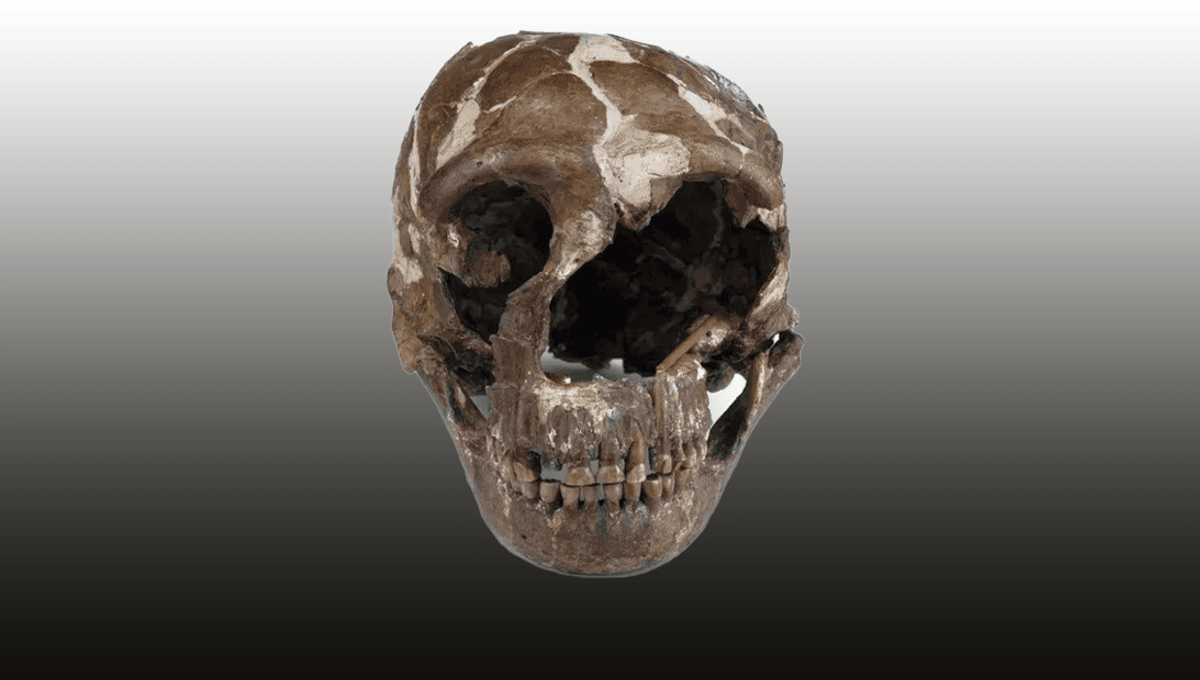
A new radiocarbon reassessment using hydroxyproline dating places the Lagar Velho burial in central Portugal at about 27,800–28,600 calibrated years ago, well after Neanderthals had vanished in Iberia, which narrows the window for late hybridization and suggests any Neanderthal traits reflect inherited modern-human ancestry rather than a recent interbreeding event; the find remains morphological without ancient DNA, and future work may use proteomics or DNA recovery to clarify admixture.
Fossilized bones in an Alaskan museum thought to be the last mammoth turned out to be whale bones, dating from 2,000 to 3,000 years ago, challenging previous assumptions about their age and origin, and highlighting the importance of DNA analysis in accurate species identification.
Greenland sharks are among the longest-living vertebrates, with an estimated lifespan of at least 272 years and some reaching up to 400 years, based on radiocarbon dating of their eye lenses, making them the oldest known vertebrate animals.
Rachel Wood and her team at the Oxford Radiocarbon Accelerator Unit use advanced accelerator mass spectrometry to precisely date ancient materials, including bones and fossils, by measuring carbon-14 atoms, enabling insights into historical timelines and even the time of death for biological samples.
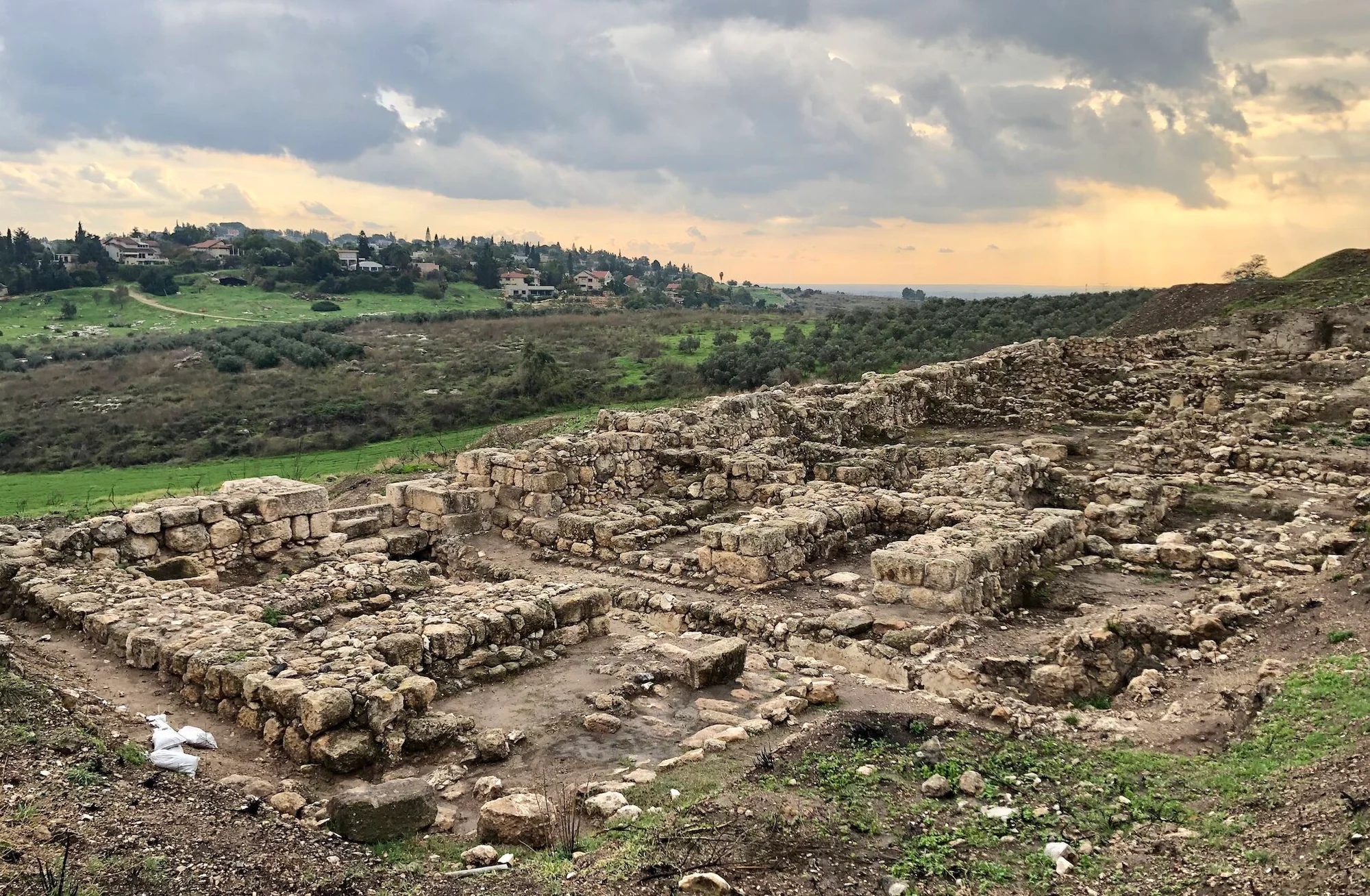
A new radiocarbon dating study of the ancient city of Gezer in Israel confirms some biblical events, such as destructions linked to Pharaoh Merneptah and Egyptian King Shishak, while challenging others like the campaign of Hazael, providing a more detailed and nuanced understanding of the city's tumultuous history.
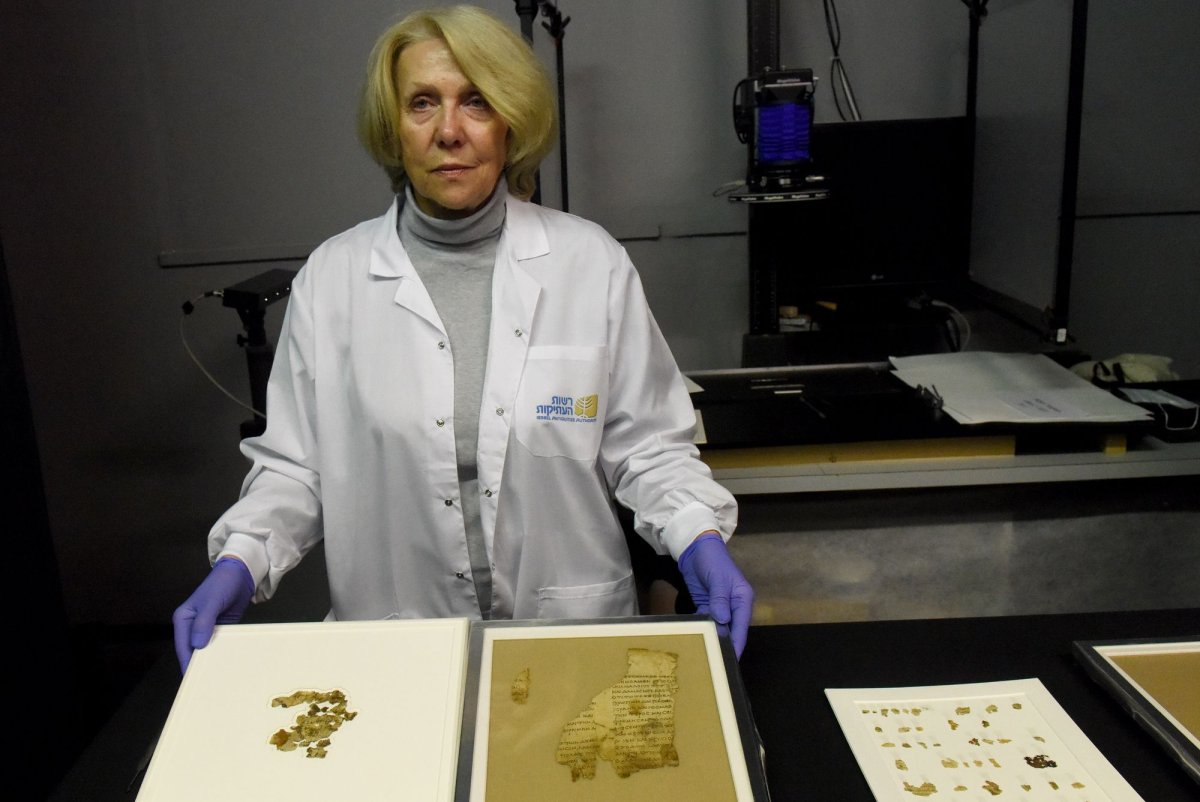
A new study combining radiocarbon dating and AI analysis suggests that the Dead Sea Scrolls are significantly older than previously believed, dating from the 3rd century B.C. to the 1st century A.D., which could reshape understanding of ancient Judaism and early Christianity.
Researchers from the University of Arizona have identified a massive solar storm, known as a Miyake Event, that occurred around 664-663 BCE by analyzing tree rings and ice cores. These events, characterized by spikes in radioactive carbon-14 and beryllium-10 isotopes, are rare and could have catastrophic effects on modern technology if they occurred today. The study highlights the use of natural time capsules like ancient trees and ice cores to uncover historical solar activity.
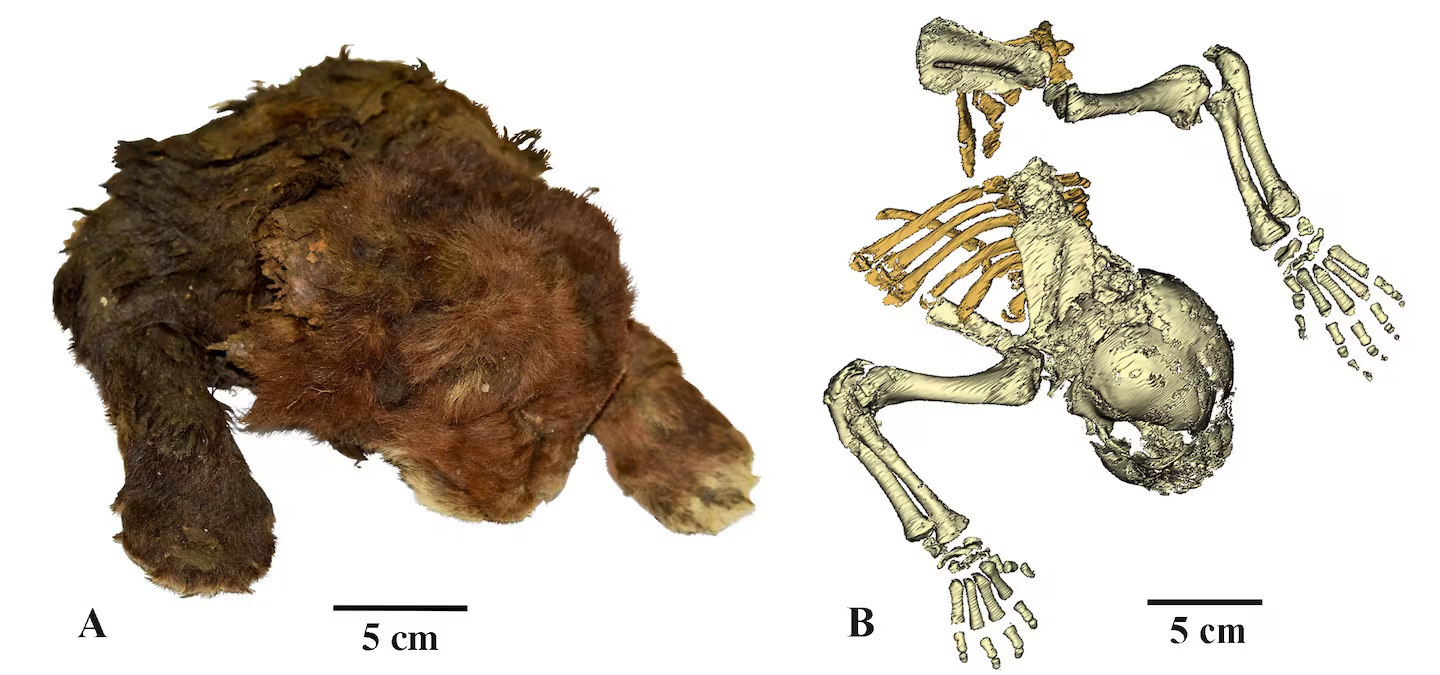
Scientists have examined a 35,000-year-old saber-toothed kitten found in Siberian permafrost, revealing significant differences from modern lion cubs. The mummified remains, including fur and muscle, allowed researchers to study its unique physical traits, such as a massive neck and broad paws. Radiocarbon dating confirmed the kitten belonged to the extinct species Homotherium latidens, providing rare insights into these prehistoric predators.
Researchers at the University of Bern have precisely dated a prehistoric farming settlement in northern Greece to between 5328 and 5140 BC using dendrochronology and a significant radiocarbon spike from a cosmic event in 5259 BC. This breakthrough provides a reliable chronological reference for other Southeast European archaeological sites and marks a paradigm shift in dating prehistoric periods, especially in regions without consistent tree-ring chronologies.
Radiocarbon dating of a rongorongo tablet from Easter Island suggests that the undeciphered script may predate European colonization, indicating it could be one of the few independently invented writing systems. The tablet's wood dates back to the late 15th or early 16th century, centuries before Europeans arrived on Rapa Nui, supporting the idea that the script was an original invention by the islanders. The intricate glyphs of the rongorongo script bear no resemblance to European letters, further suggesting independent development. The study's findings provide strong evidence for the script's independent invention and offer new insights into the history of writing systems.
A new study from researchers at the Australian National University and the Natural History Museum of London has used improved dating techniques to reanalyze old fossils, leading to significant revisions in the timeline of human evolution. The researchers employed a technique called U-series dating, which allowed for more accurate dating of the fossils. The reanalysis revealed that the remains of Homo luzonensis, a newly discovered archaic human species, are at least twice as old as previously thought. Additionally, the study clarified the age discrepancy between Neanderthal and Homo sapiens skulls found in Greece, identifying the Homo sapiens skull as the oldest fossil of the species ever found in Europe. These findings highlight the importance of continually reevaluating and refining our understanding of human evolution.
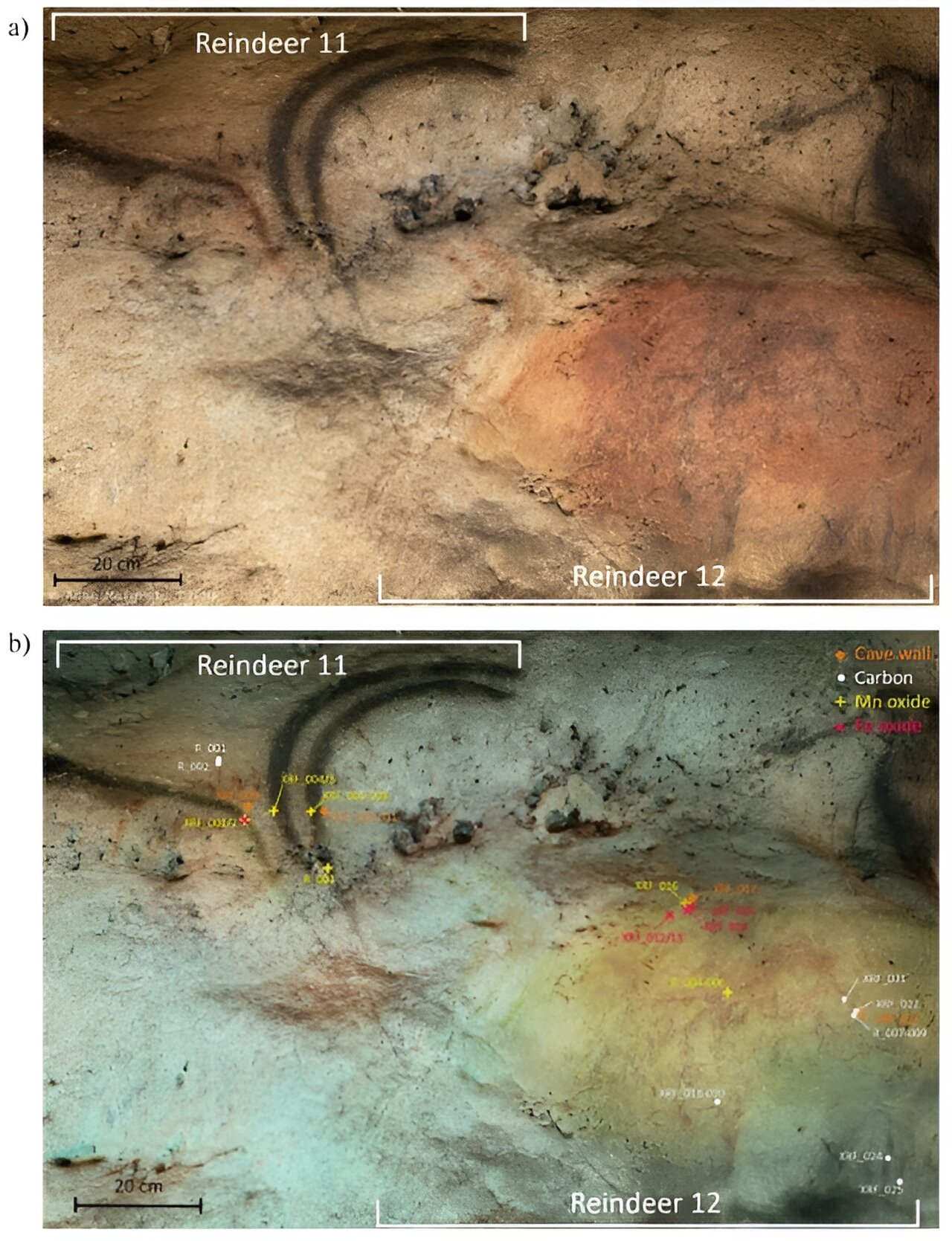
Researchers have made the first discovery of carbon-based cave art in France's Dordogne region, specifically in the Font-de-Gaume cave. This breakthrough could potentially allow for precise radiocarbon dating of the art, which has previously been challenging due to its coloration with iron- or manganese-oxide-based material. The findings open up new opportunities for reevaluating existing art in the region and improving our understanding of the creation phases and inter-regional comparisons of Paleolithic art. Non-invasive analytical methods, such as visible-light and infrared photography, portable X-ray fluorescence, and micro-Raman spectroscopy, were used to study the carbon-based drawings beneath the iron and manganese oxide-based pigments.
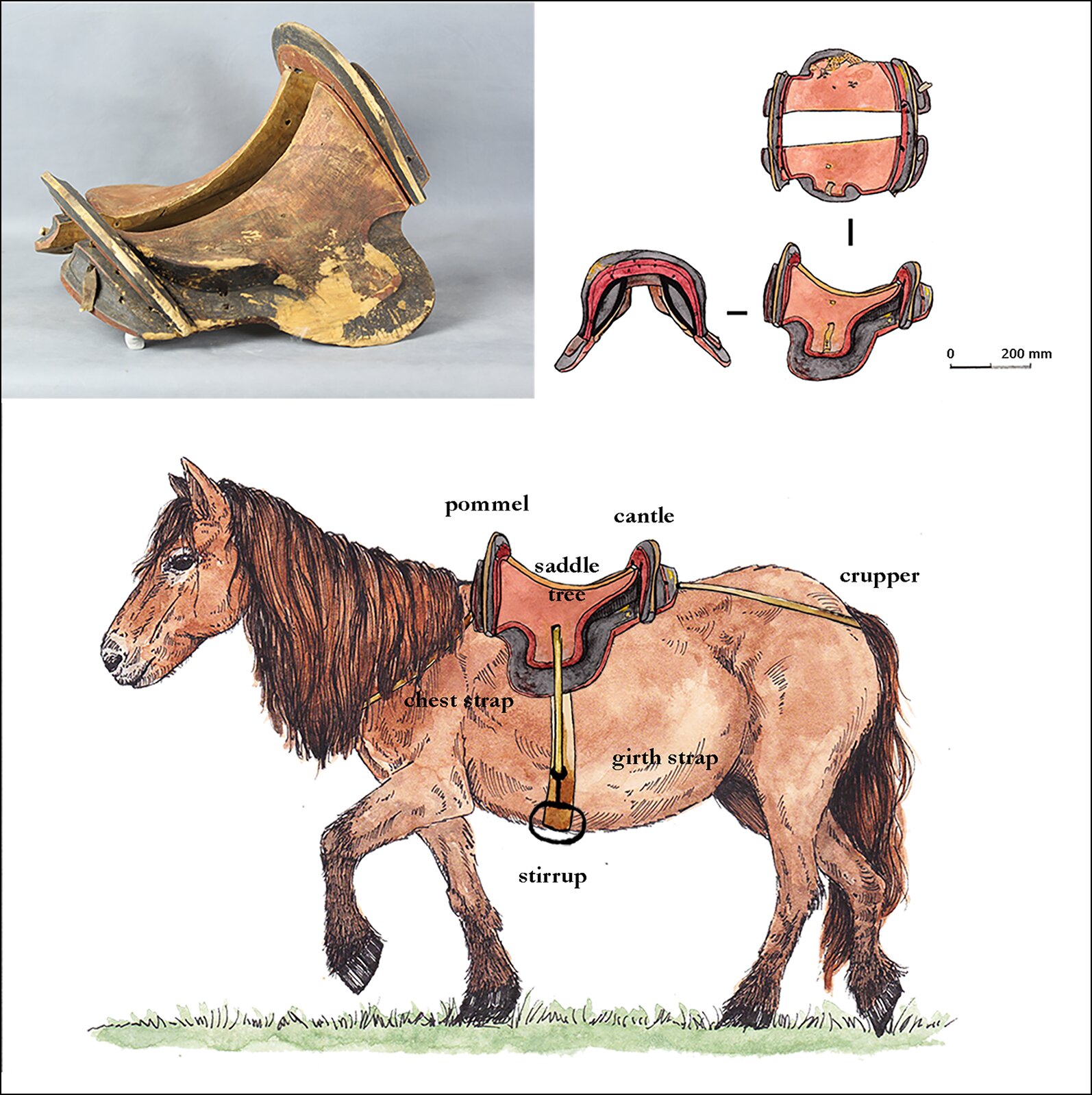
Archaeologists have discovered the oldest true wooden frame saddle in East Asia, dating back to AD 267-535. The saddle, found in western Mongolia, suggests that the rise of Mongolian steppe cultures was likely aided by advancements in equestrian technology. The use of saddles and stirrups revolutionized mounted warfare and contributed to social change across Eurasia. The findings also indicate that the horse cultures of the eastern Eurasian steppe played a crucial role in the development and manufacture of this riding technology. The discovery has significant implications for our understanding of East and Central Asian history, particularly the rise of the Rouran Khaganate.
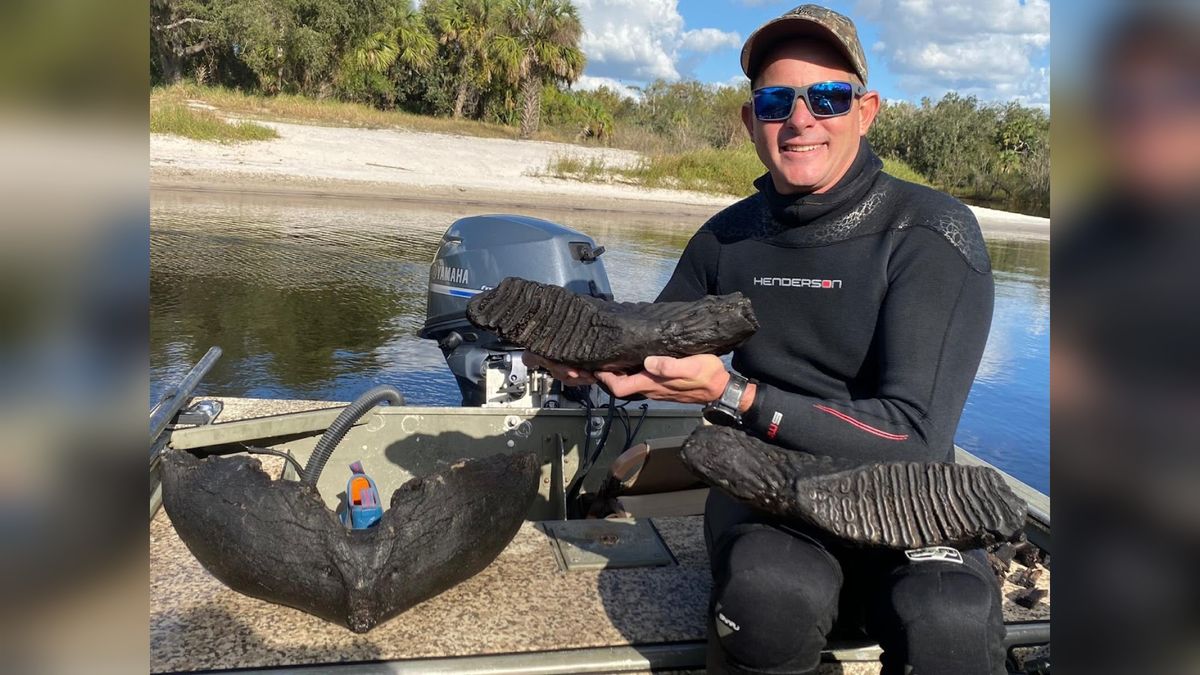
A fossil hunter diving in the Peace River in Florida discovered the intact jawbone of a mammoth, believed to be at least 10,000 years old. The fossil will be analyzed by experts in Tampa to determine its age using radiocarbon dating. The exact species of mammoth is unknown, but Columbian mammoths inhabited North America during the Pleistocene epoch. The discovery adds to the growing list of mammoth fossils found in Florida's Peace River, including a leg bone in 2021 and a "graveyard" of gomphotheres in northern Florida.