Tag

Carbon 14

All articles tagged with #carbon 14

technology1 year ago

Revolutionary Carbon-14 Diamond Battery Promises Eternal Power

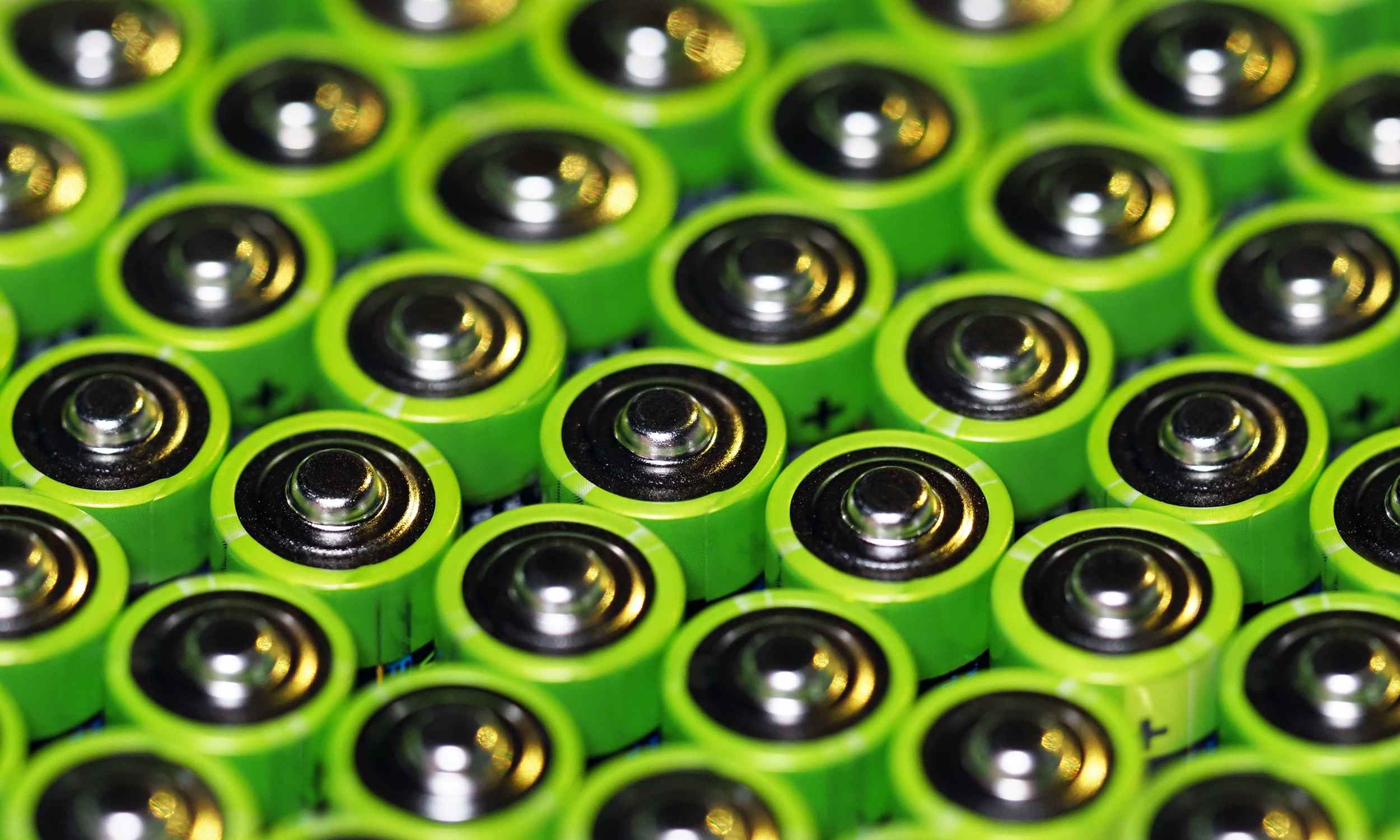
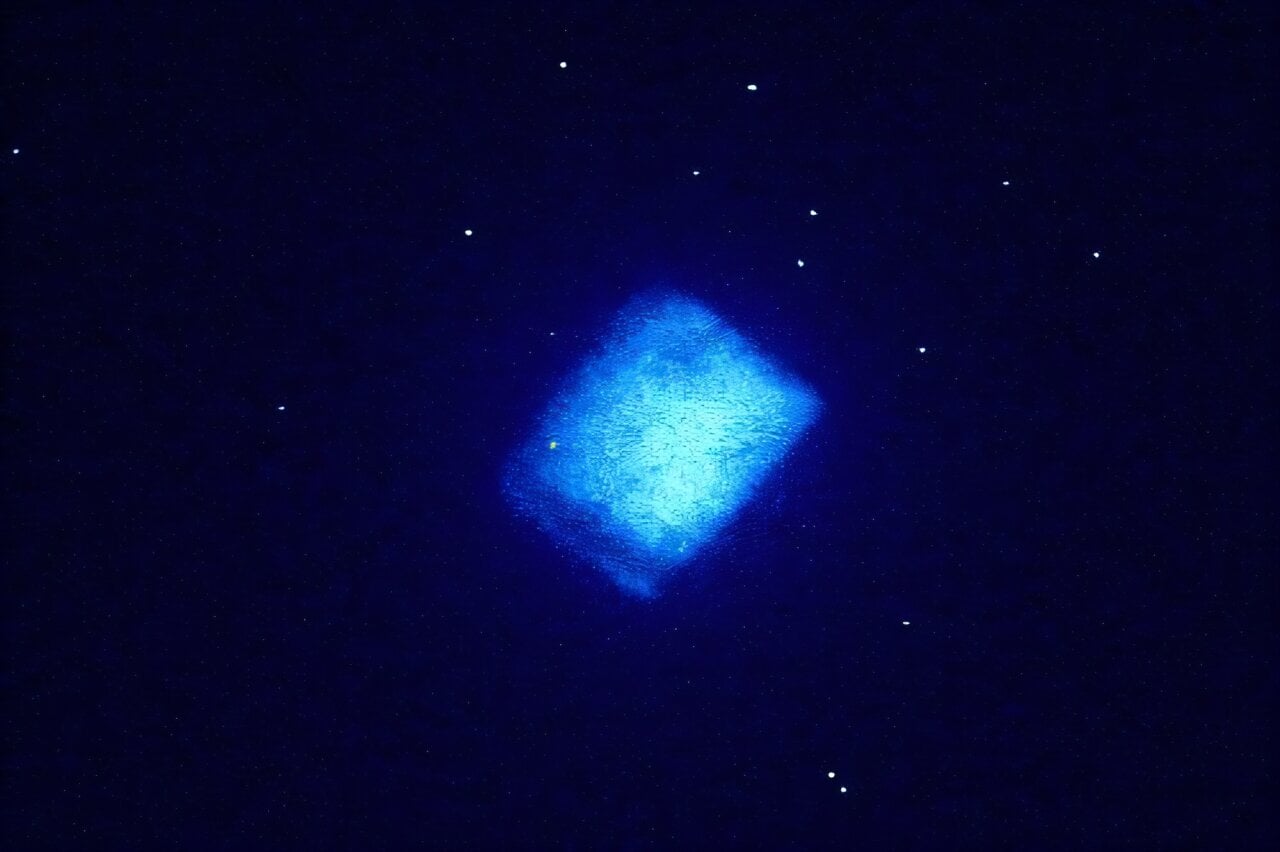
Scientists from the University of Bristol and UKAEA have developed the first carbon-14 diamond battery, capable of powering devices for thousands of years. Utilizing the radioactive decay of carbon-14, this battery offers a sustainable energy source for applications in medical devices, space technology, and extreme environments. The innovation leverages expertise from fusion energy research and could revolutionize power supply in various fields by providing continuous microwatt levels of power.

technology1 year ago

Revolutionary Nuclear Diamond Battery Promises Eternal Power

Scientists from the UK Atomic Energy Authority and the University of Bristol have developed the world's first carbon-14 diamond battery, capable of powering devices for thousands of years. This innovative battery uses the radioactive decay of carbon-14 to generate power, offering potential applications in medical devices, space technology, and extreme environments. The technology leverages expertise from fusion energy research and could revolutionize power sources for long-term use.

science1 year ago

Ancient Tree Rings Uncover History of Cataclysmic Solar Storms

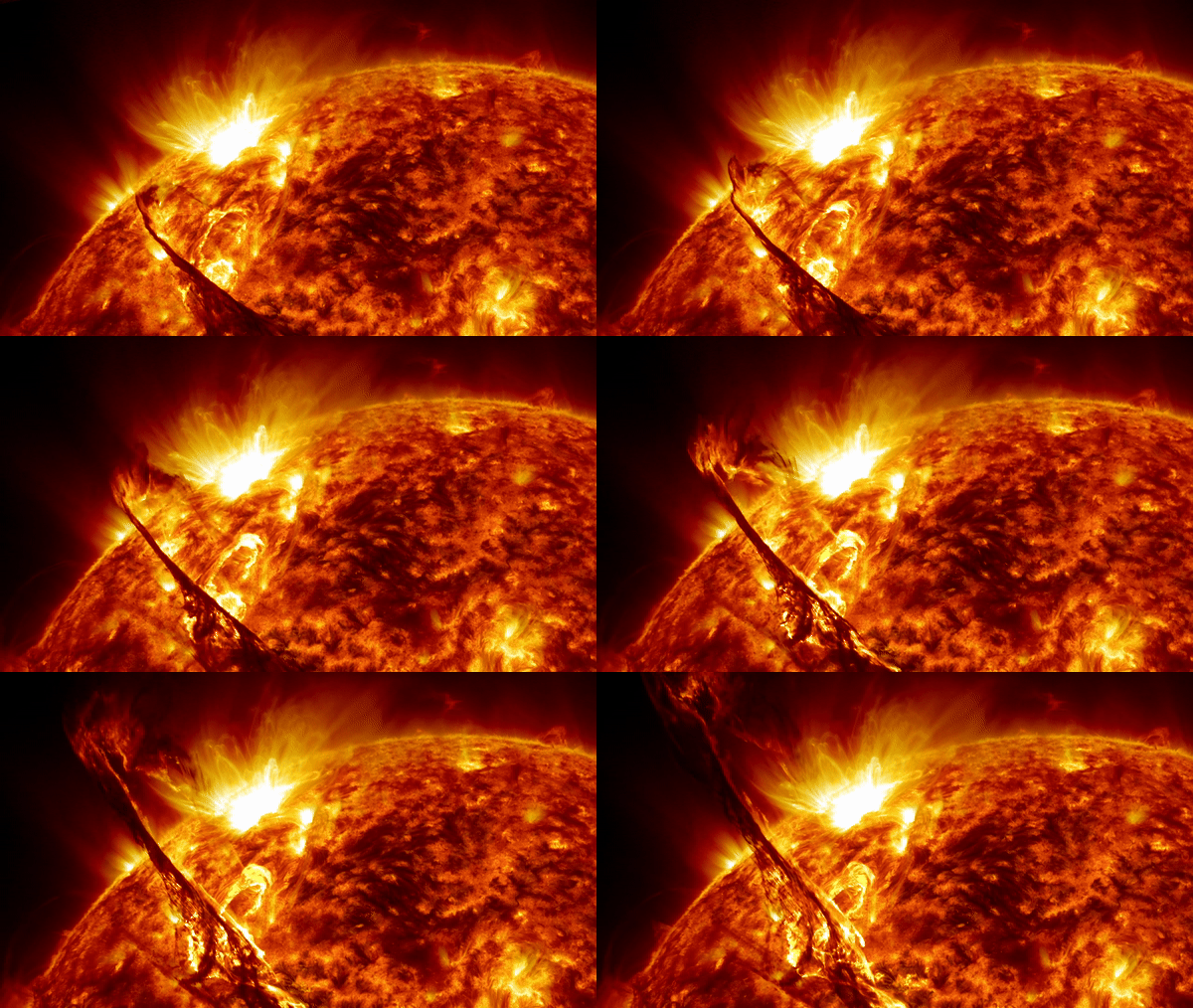
Researchers from the University of Arizona have discovered evidence of a massive solar storm, known as a Miyake Event, that occurred around 664-663 BCE by analyzing tree rings. These events, identified by sharp increases in carbon-14 isotopes, are rare and have only been detected six times in the past 14,500 years. If such a storm were to occur today, it could have catastrophic effects on modern communication technology. The study highlights the importance of ancient trees and ice cores as natural time capsules for understanding past solar activity.

science-and-technology2 years ago

Understanding the Significance of Isotopes' Half-Lives

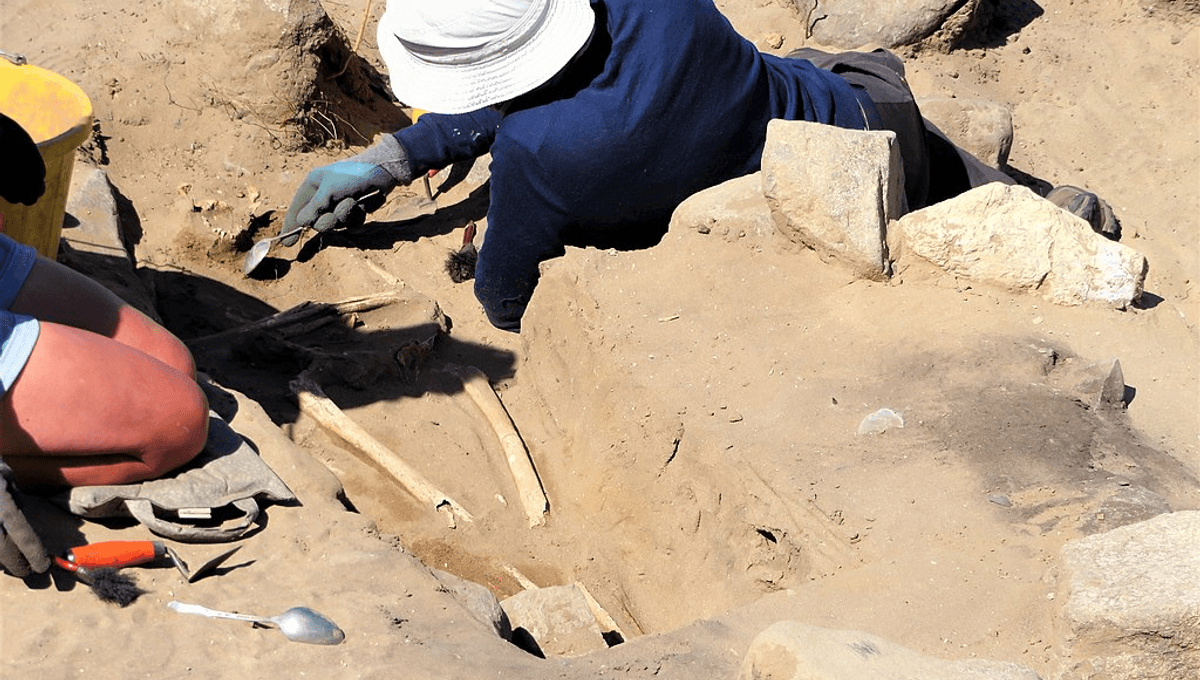
Isotopes have unique half-lives, which is the time it takes for half of the atoms in a radioactive isotope to decay. This concept has revolutionized our ability to measure ages and identify illnesses. Carbon-14, a commonly used isotope, has a half-life of 5,700 years and is used to date fossils and authenticate ancient relics. However, carbon dating has limitations for objects millions of years old, and changes in atmospheric carbon ratios due to human activities may affect its accuracy. Other isotopes with longer half-lives are used to estimate the age of older objects, while isotopes with shorter half-lives are used for medical imaging and scientific experiments.

science-and-technology2 years ago

"Miyake event" poses greater threat than "Carrington event" to modern technology.

Miyake events, sudden, single-year leaps in the concentration of carbon-14 in trees, as well as beryllium-10 and chlorine-36 in ice sheets, exhibit significantly greater intensity than the solar or stellar events that could have triggered the Carrington event in 1859. Scientists are using Miyake events to precisely date historic occurrences or specimens. However, a Miyake event powerful enough to leave its mark in the rings of trees would cripple modern society, collapsing telecommunications systems, flooding satellites, and toppling power grids, leaving anything reliant on electricity inoperable.