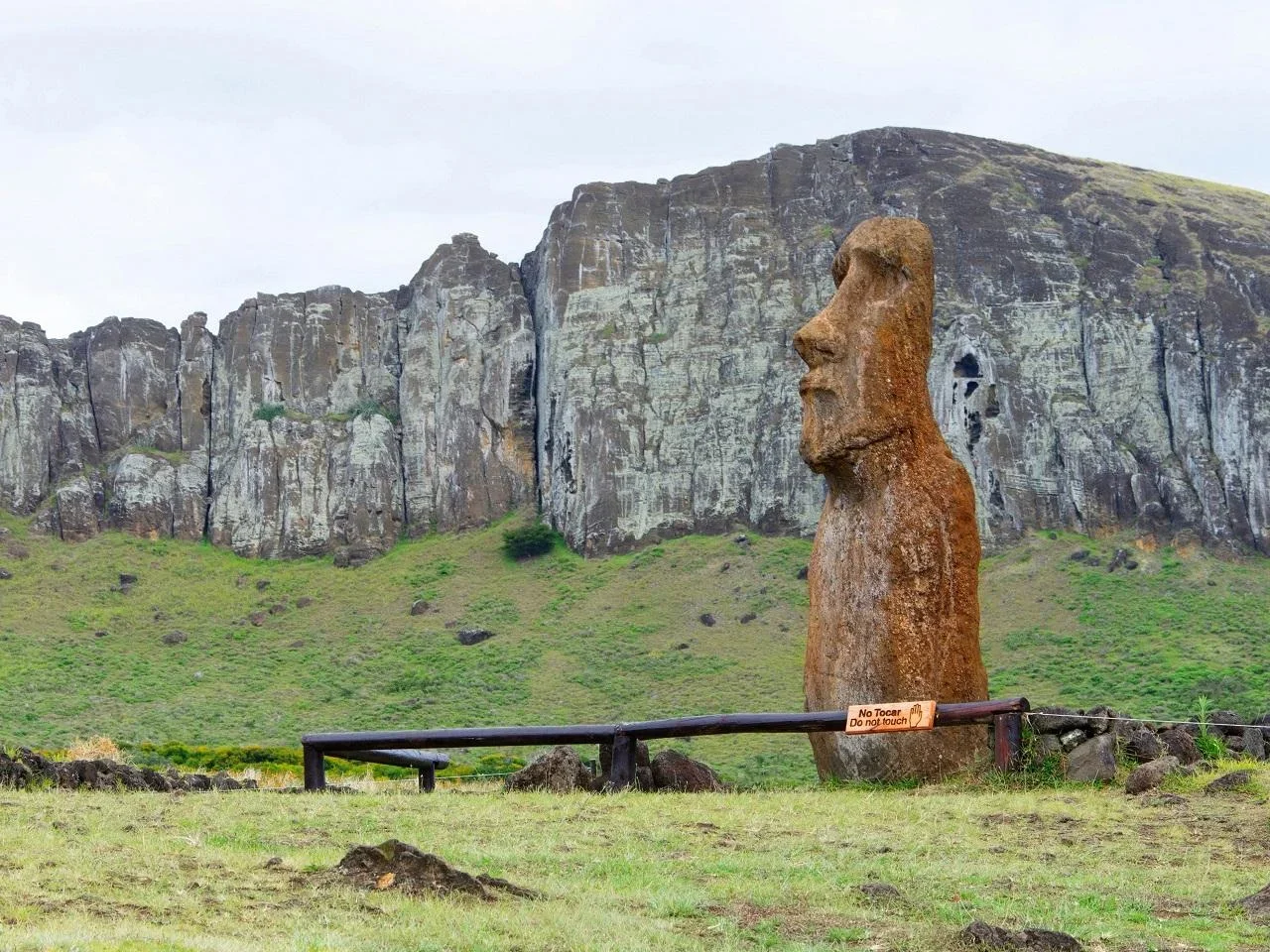
A drought-exposed lakebed on Easter Island reveals a newly uncovered, undocumented moai, challenging the belief that the statue record is complete and hinting that more statues may lie hidden beneath the lakebed.
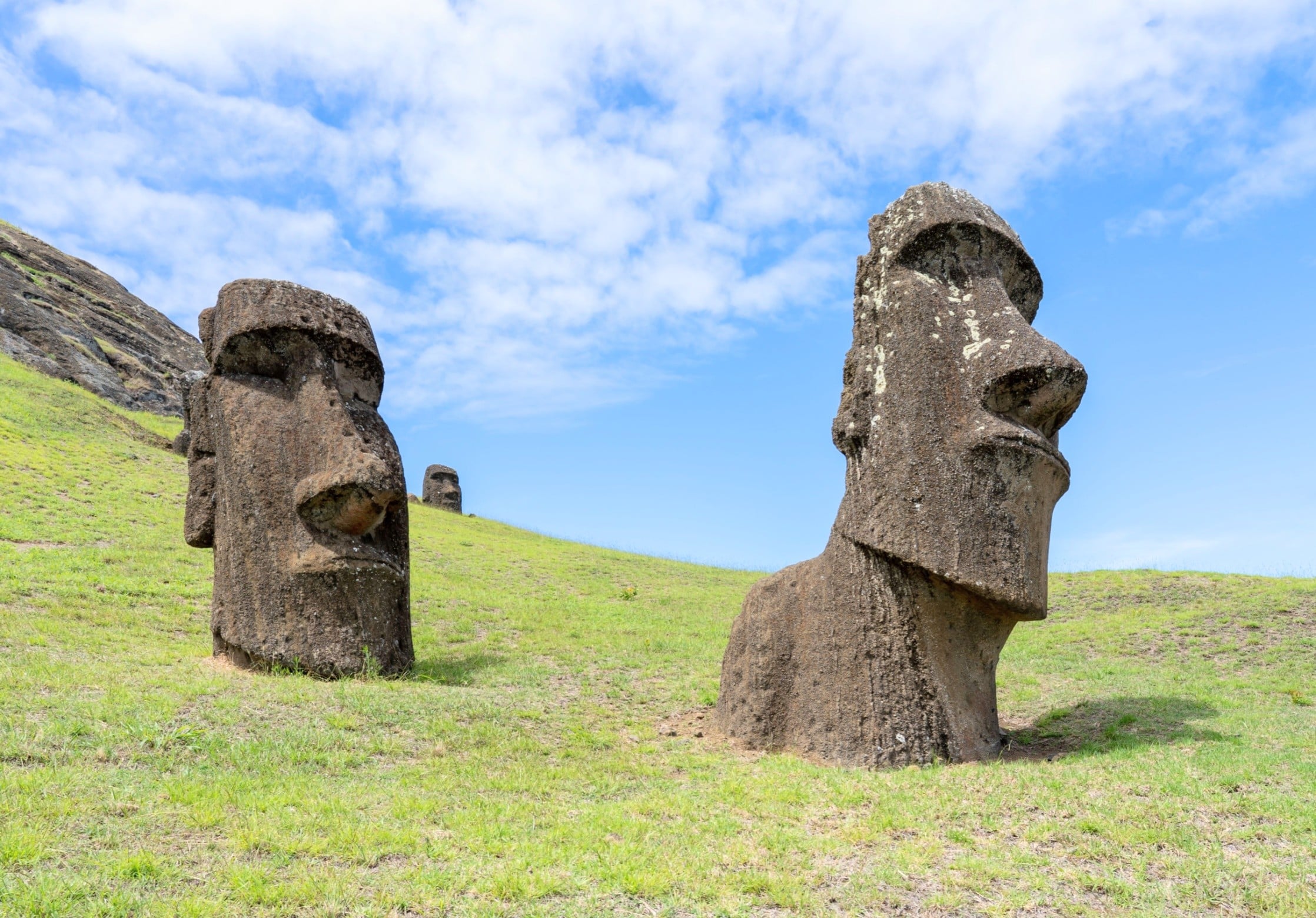
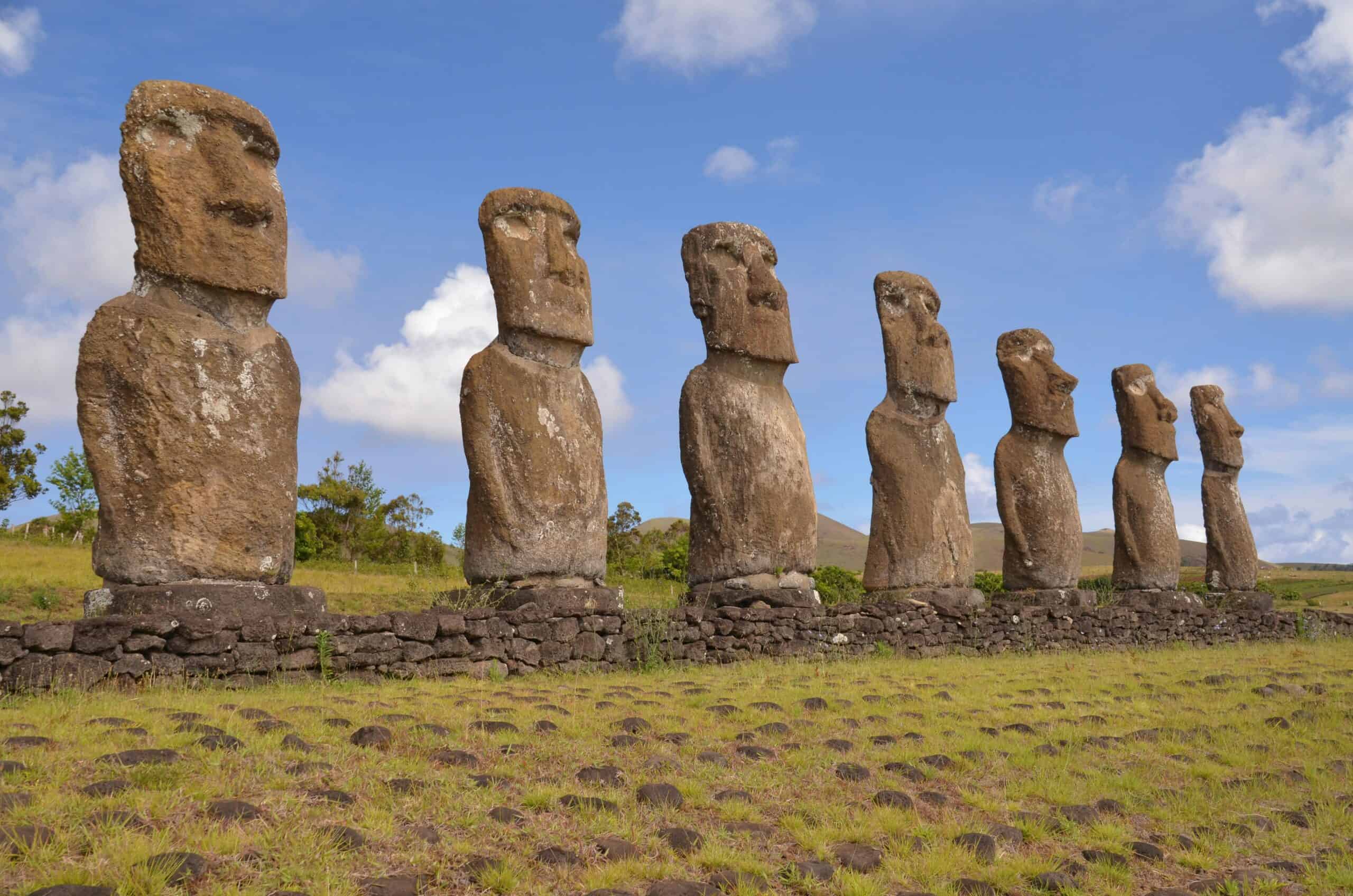
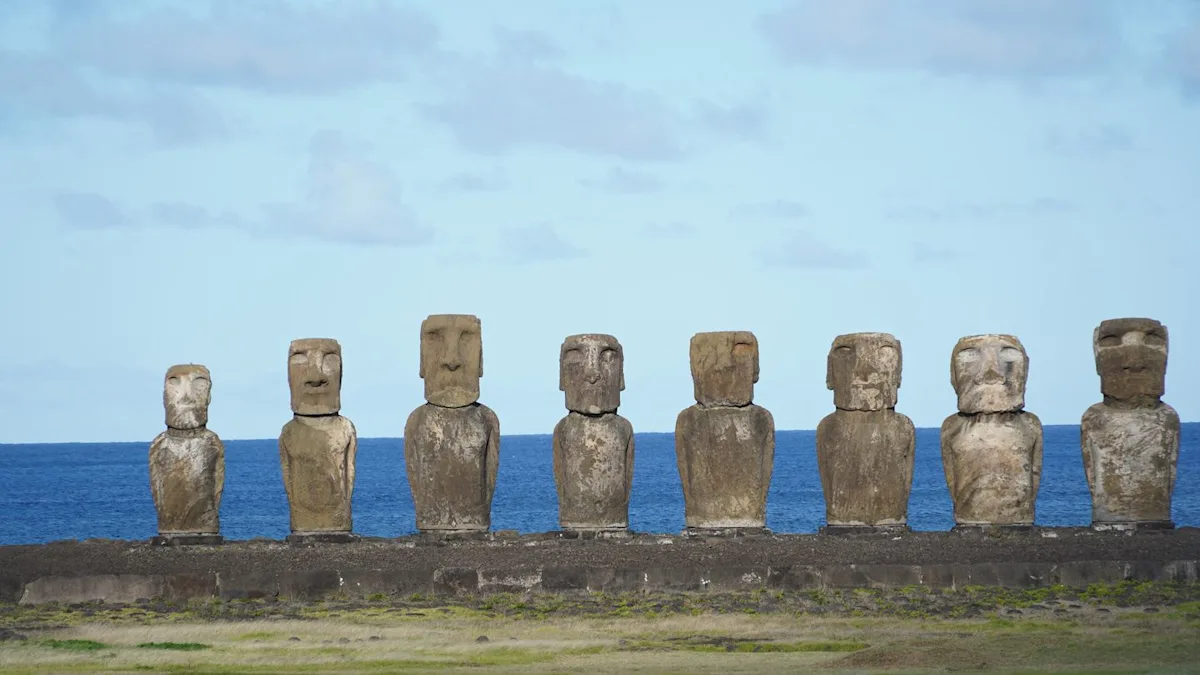
A team of researchers has demonstrated that the giant moai statues on Easter Island were moved into place by a 'walking' method using ropes, overturning previous theories. They confirmed this through experiments with replicas and analysis of ancient roads, showing that the statues could be rocked upright and guided along specially designed paths, reflecting the ingenuity and resourcefulness of the islanders. This discovery highlights the advanced engineering and cultural significance behind the statues, emphasizing human innovation in the face of resource limitations.
Scientists have demonstrated that the moai statues of Easter Island were likely moved using a 'walking' method with ropes, supported by 3D models and field experiments, challenging previous theories and aligning with local oral traditions.
A decade-long study confirms that the moai statues of Easter Island were moved using a 'walking' technique, involving rocking the statues along specially designed roads, challenging previous theories of dragging and highlighting the ingenuity of Rapa Nui society.
New research confirms that the moai statues of Easter Island were likely moved upright using a walking method, supported by physics, 3D modeling, and field experiments, challenging previous theories of dragging or rolling.
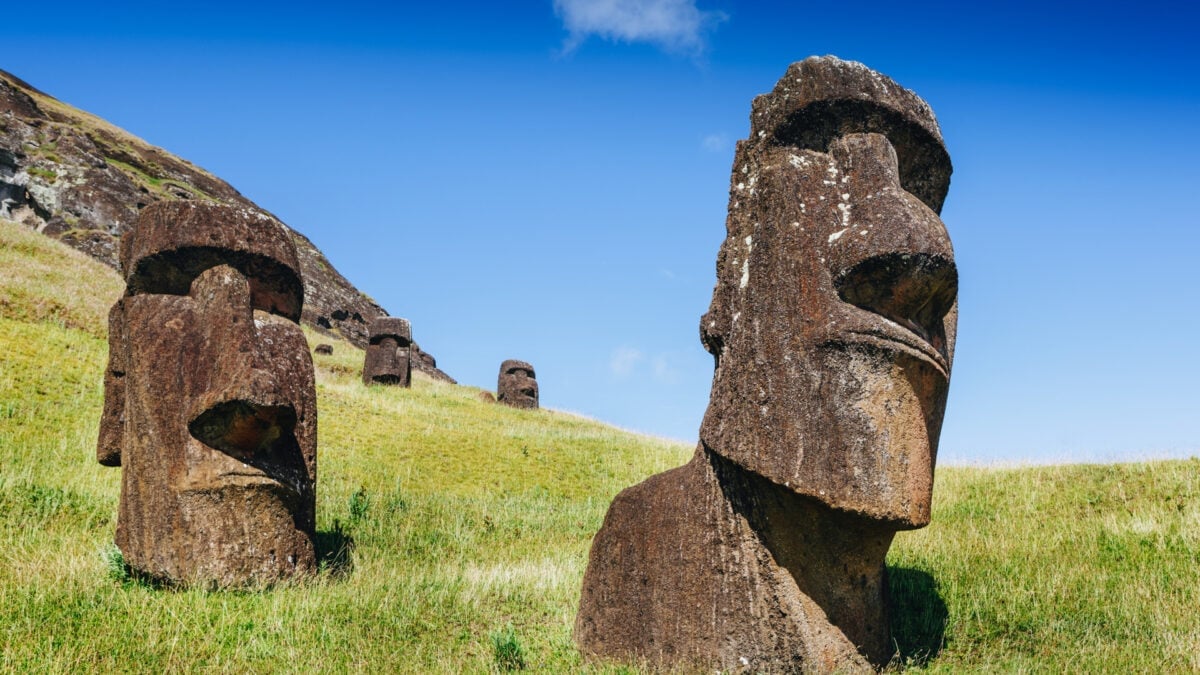
A new, small moai statue has been discovered in a dried-up lakebed on Easter Island, surprising experts who believed they knew all existing statues. This find suggests there may be more hidden in the area, especially as the lakebed dries and reveals new archaeological opportunities. The discovery challenges previous assumptions and highlights the potential for further archaeological finds on the island.
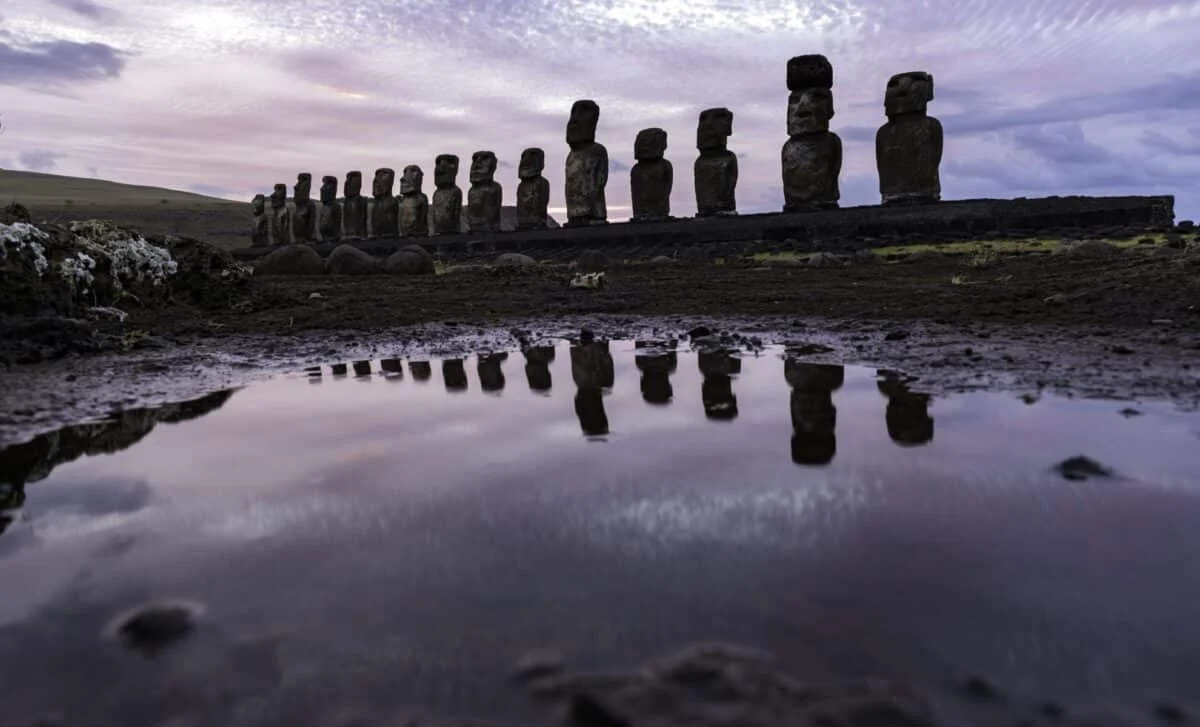
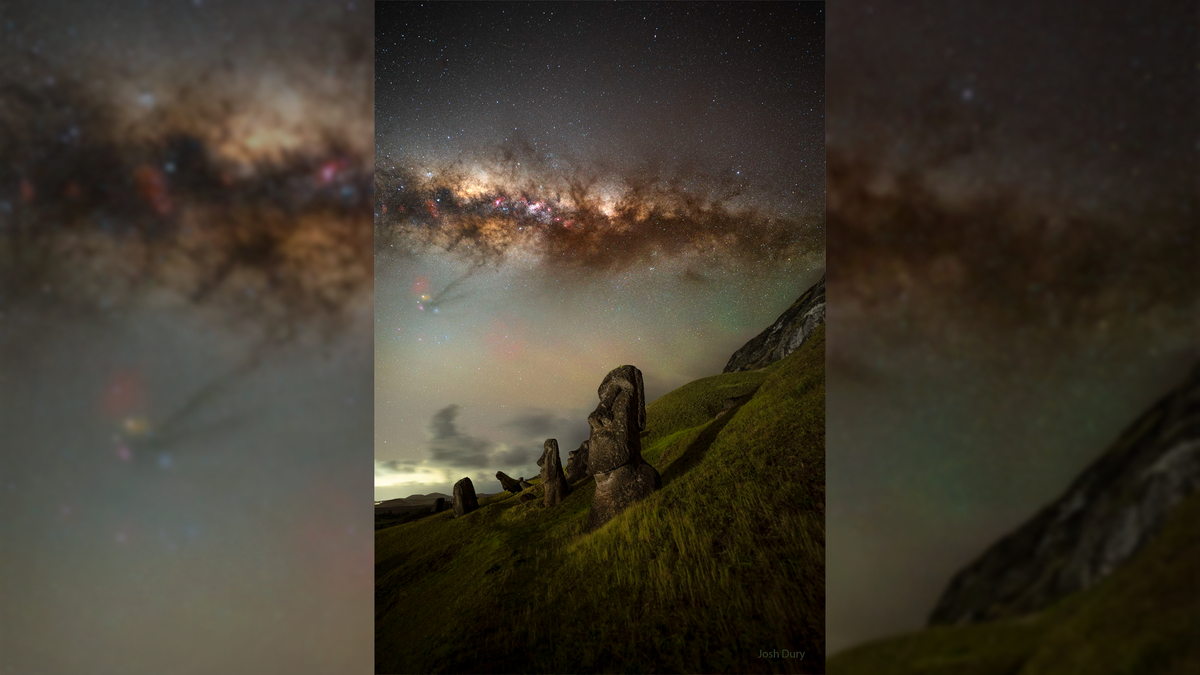
Photographer Josh Dury captured a stunning image of the Milky Way over Easter Island's Moai statues during an annular solar eclipse visit. The photo, titled "Aringa Ora O Te Tupuna" (The Living Face of the Ancestors), was selected as NASA's Astronomy Photo of the Day. Dury, known for his astrophotography, dedicated the image to the islanders and their ancestors, highlighting the cultural and scientific significance of the Rapa Nui people.
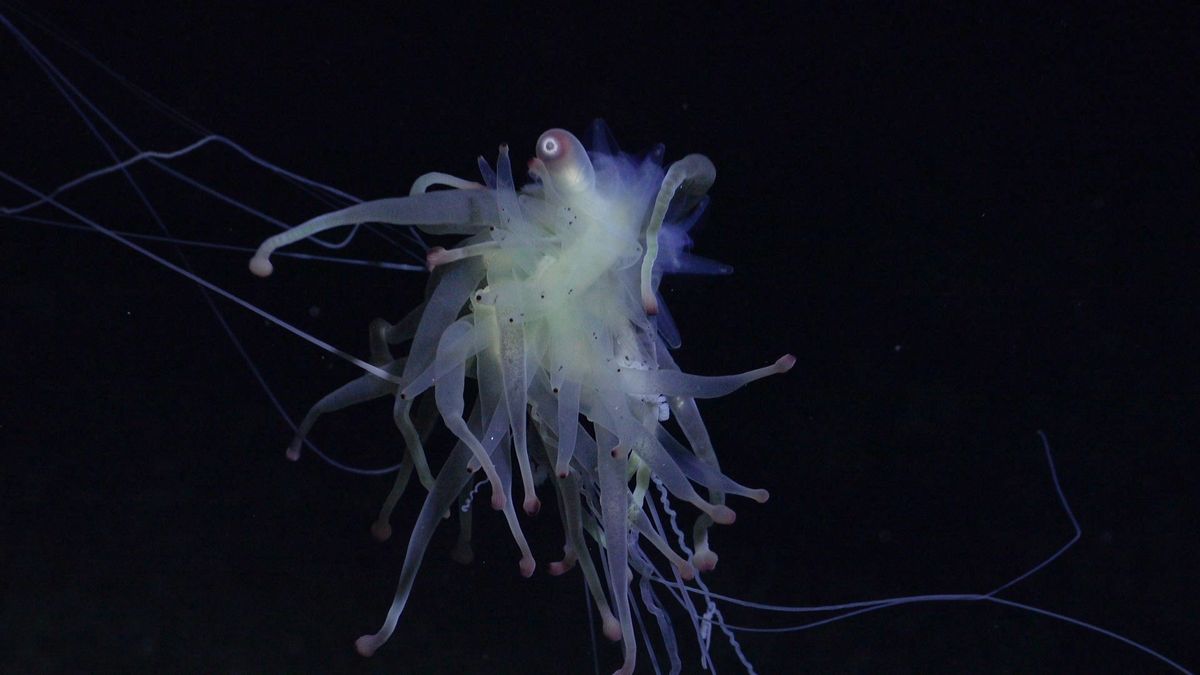
An expedition off the coast of Easter Island has revealed an underwater mountain chain teeming with previously unknown deep-sea species, including at least 50 new to science. The researchers discovered a variety of astonishing creatures, such as the deepest photosynthesis-dependent animal ever found, a flying spaghetti monster, and a luminescent deep-sea dragonfish. The expedition documented marine life on the Salas y Gómez Ridge, highlighting the importance of protecting the entire ridge and establishing new marine protected areas.
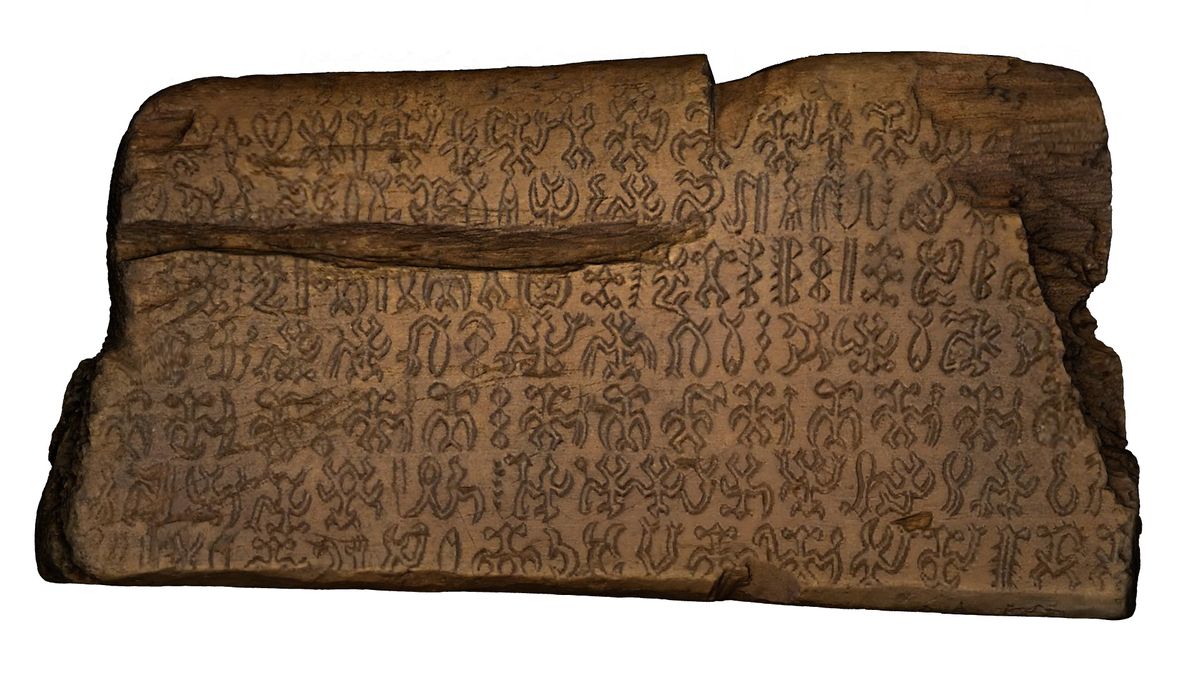
Radiocarbon dating of a rongorongo tablet from Easter Island suggests that the undeciphered script may predate European colonization, indicating it could be one of the few independently invented writing systems. The tablet's wood dates back to the late 15th or early 16th century, centuries before Europeans arrived on Rapa Nui, supporting the idea that the script was an original invention by the islanders. The intricate glyphs of the rongorongo script bear no resemblance to European letters, further suggesting independent development. The study's findings provide strong evidence for the script's independent invention and offer new insights into the history of writing systems.