Tag

Ancient Greece

All articles tagged with #ancient greece

Ancient Greek Computer Secrets Unveiled

Originally Published 9 days ago — by Yahoo News Canada

Featured image for Ancient Greek Computer Secrets Unveiled
Source: Yahoo News Canada

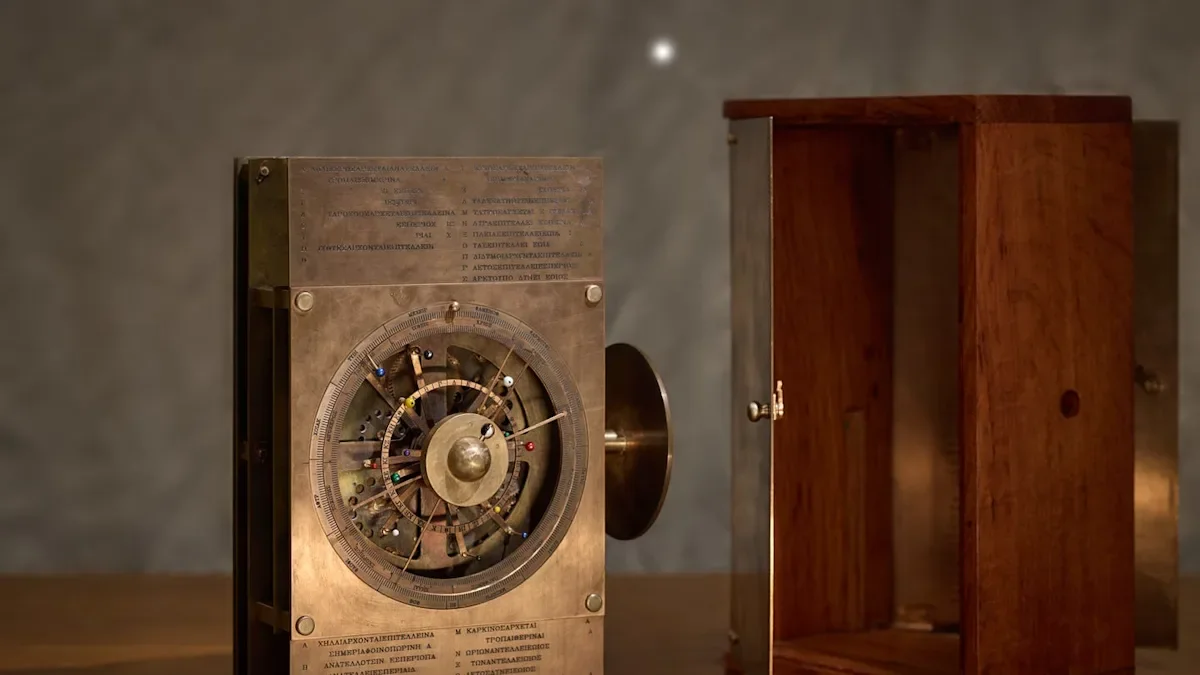
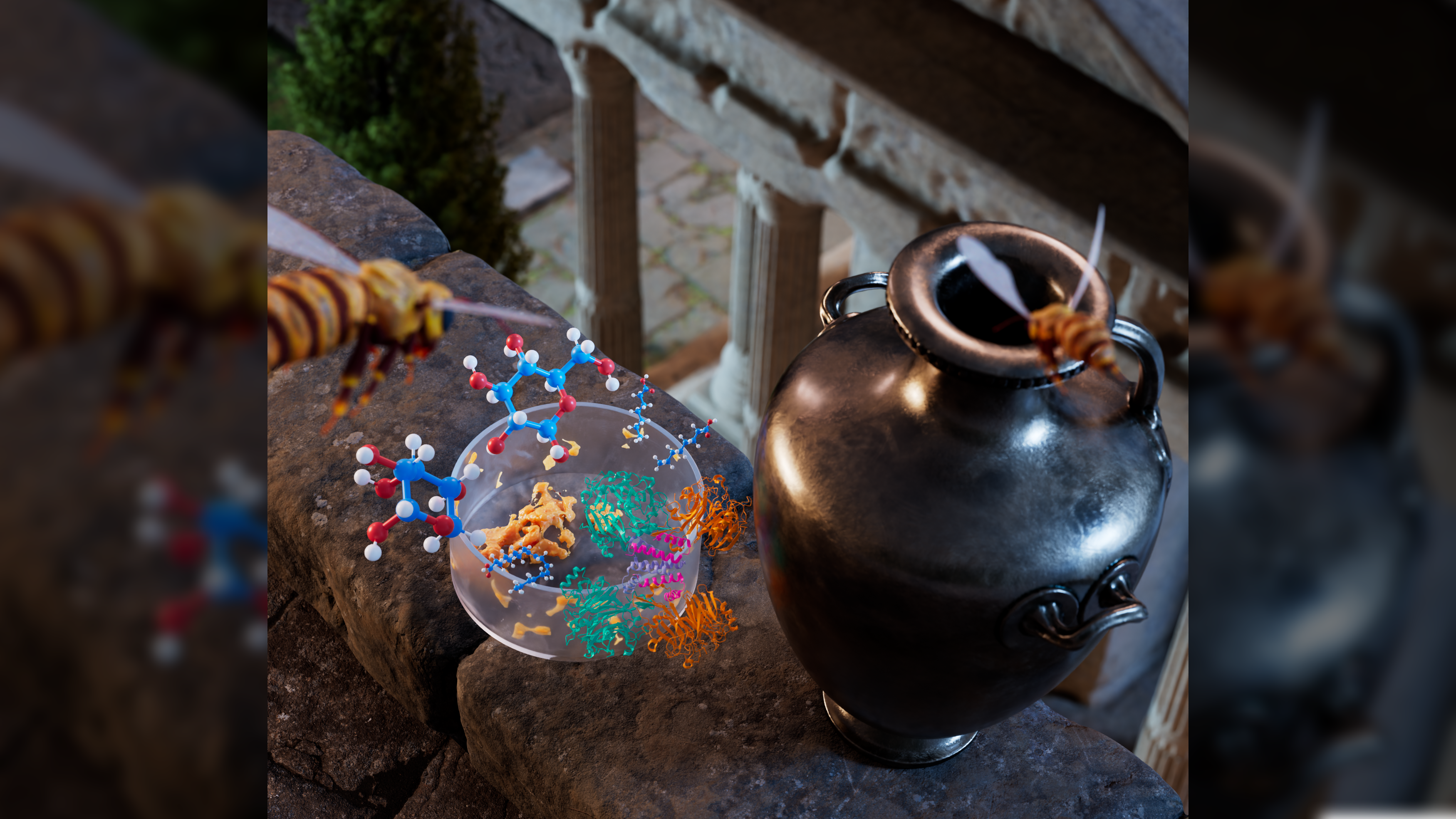
The Antikythera Mechanism, discovered in a shipwreck off Greece, is an ancient device from 2,000 years ago that functions as an advanced astronomical calculator, tracking planetary motion, predicting eclipses, and even displaying Olympic cycles, highlighting the ingenuity of ancient Greek engineering and the ongoing mystery surrounding its origins.
Ancient Archimedes Writings Unveiled After Centuries

Originally Published 20 days ago — by GreekReporter.com

Featured image for Ancient Archimedes Writings Unveiled After Centuries
Source: GreekReporter.com

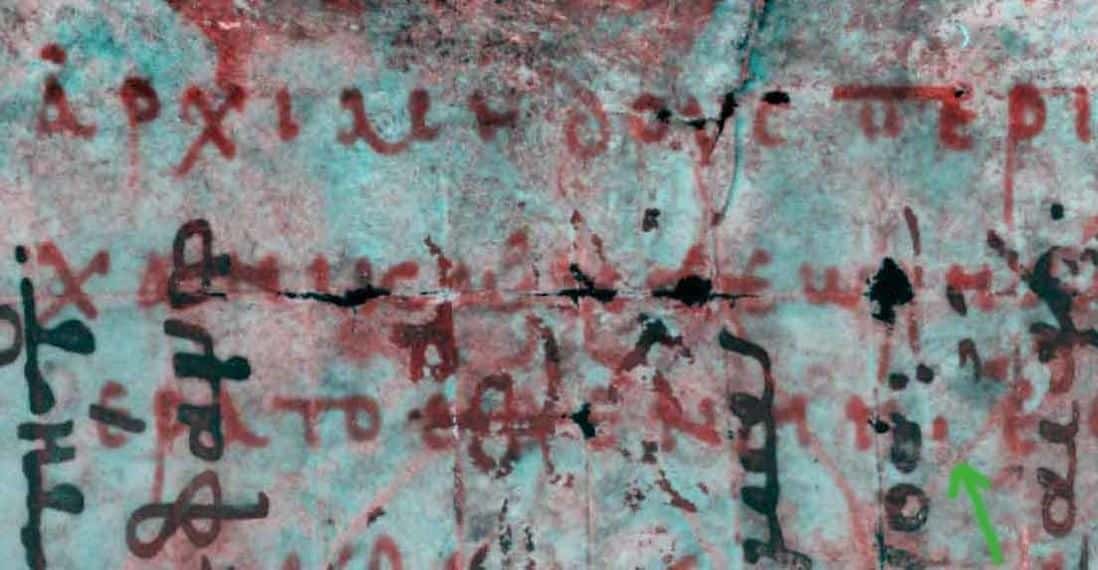
Scientists used advanced X-ray techniques at the Stanford Linear Accelerator to uncover lost writings of Archimedes hidden beneath a medieval prayer book, revealing key theories on mechanics and buoyancy that had been concealed for centuries, with further deciphering expected to take years.

Ancient 6th Century BC Shipwreck Uncovered Off Sicily's Coast

Originally Published 1 year ago — by CBS News

Featured image for Ancient 6th Century BC Shipwreck Uncovered Off Sicily's Coast
Source: CBS News

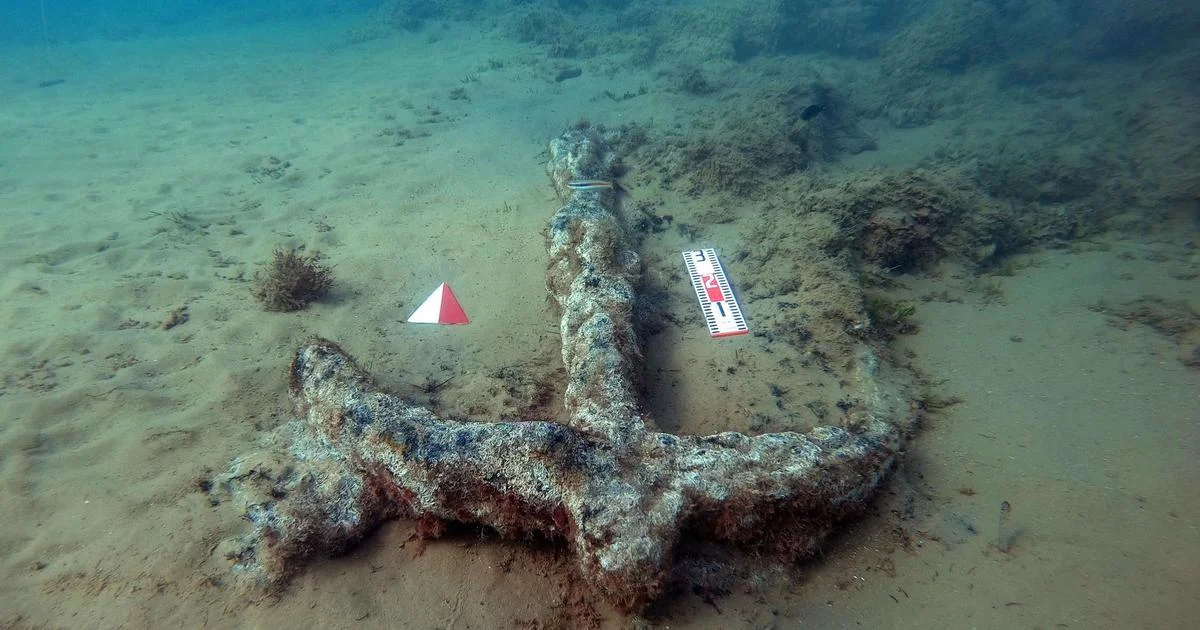
A 2,500-year-old shipwreck and ancient anchors have been discovered off the coast of Sicily, near Santa Maria del Focallo. The wreck, dating back to the 5th and 6th centuries B.C., was found using an 'on-the-shell' construction technique, indicative of early Mediterranean shipbuilding. The discovery, part of the Kaukana Project, includes stone and iron anchors from different eras, highlighting Sicily's historical role in ancient maritime trade and cultural exchanges. This find may provide insights into the interactions between ancient Greeks and Carthaginians.

Cosmic Rays Accurately Date 7,000-Year-Old Greek Settlement

Originally Published 1 year ago — by SciTechDaily

Featured image for Cosmic Rays Accurately Date 7,000-Year-Old Greek Settlement
Source: SciTechDaily

Researchers at the University of Bern have precisely dated a prehistoric farming settlement in northern Greece to between 5328 and 5140 BC using dendrochronology and a significant radiocarbon spike from a cosmic event in 5259 BC. This breakthrough provides a reliable chronological reference for other Southeast European archaeological sites and marks a paradigm shift in dating prehistoric periods, especially in regions without consistent tree-ring chronologies.

"The Historical Significance of Solar Eclipses and Their Impact on Ancient Civilizations"

Originally Published 1 year ago — by The New York Times

Featured image for "The Historical Significance of Solar Eclipses and Their Impact on Ancient Civilizations"
Source: The New York Times

In 585 B.C., a solar eclipse in the Eastern Mediterranean led to the end of a brutal war between the kingdoms of the Medes and Lydian, as it was interpreted as a bad omen. Greek philosopher Thales, who had predicted the eclipse, gained enduring fame for his rational approach to understanding nature, marking a turning point in replacing superstition with scientific prediction of eclipses.

"Study Suggests Alzheimer's Was Rare in Ancient Greeks and Romans"

Originally Published 1 year ago — by ScienceAlert

Featured image for "Study Suggests Alzheimer's Was Rare in Ancient Greeks and Romans"
Source: ScienceAlert

A study suggests that severe memory problems, such as Alzheimer's disease, were exceptionally rare in ancient Greeks and Romans, with few references to cognitive impairment in older individuals found in classical texts. While average life expectancy was lower than today, many individuals lived into their 70s and beyond without experiencing significant memory loss. The study's authors propose that modern environmental factors, such as air pollution and diet, may contribute to the current epidemic of dementia. They point to societies with low dementia rates, such as the Tsimané and Moseten people of the Bolivian Amazon, whose traditional lifestyles may offer insights into preventing cognitive decline.

"Discovery Confirmed: Alexander the Great's Father's Remains Found in Ancient Greek Tomb"

Originally Published 1 year ago — by Daily Mail

Featured image for "Discovery Confirmed: Alexander the Great's Father's Remains Found in Ancient Greek Tomb"
Source: Daily Mail

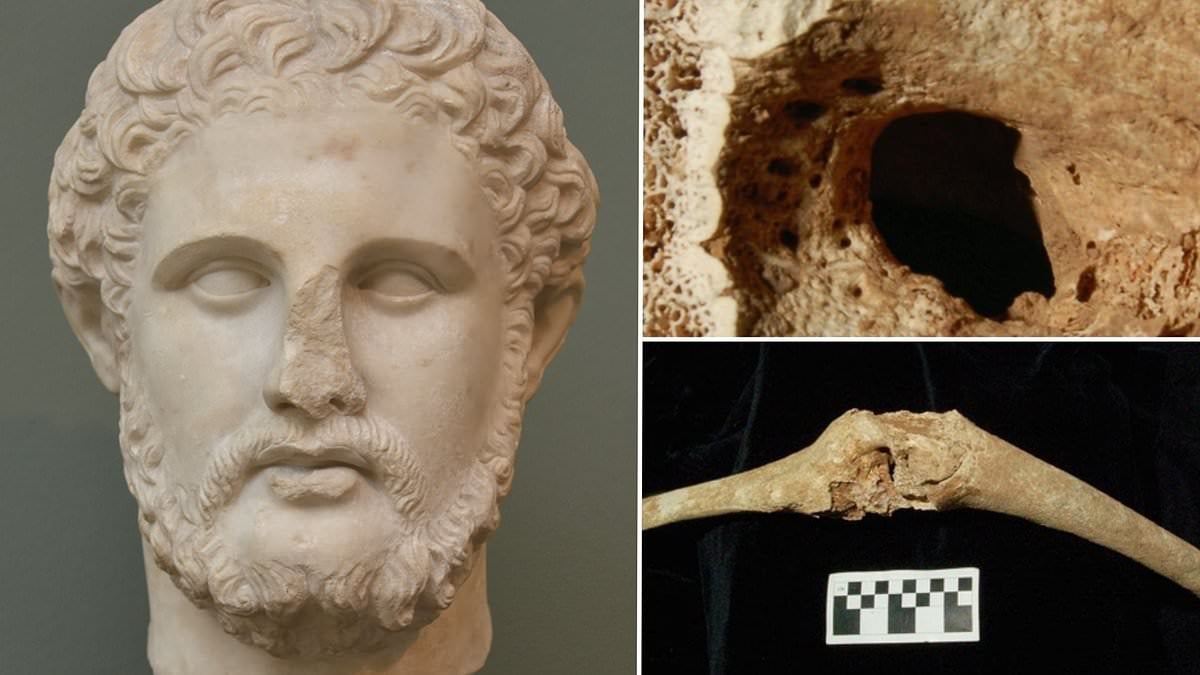
A recent study has revealed that the ancient Greek tomb discovered in 1977 in Vergina, northern Greece, contains the remains of Philip II of Macedon, the father of Alexander the Great, and not his half-brother as previously assumed. The study used scientific and historical evidence to conclusively identify the occupants of the royal tombs, shedding light on the long-standing debate over their identities. The findings provide new insights into the historical significance of the skeletons and the ancient Macedonian royal family.

"Dementia's Scarcity in Ancient Greece and Rome: Exploring the Shift to Modern Prevalence"

Originally Published 1 year ago — by Neuroscience News

Featured image for "Dementia's Scarcity in Ancient Greece and Rome: Exploring the Shift to Modern Prevalence"
Source: Neuroscience News

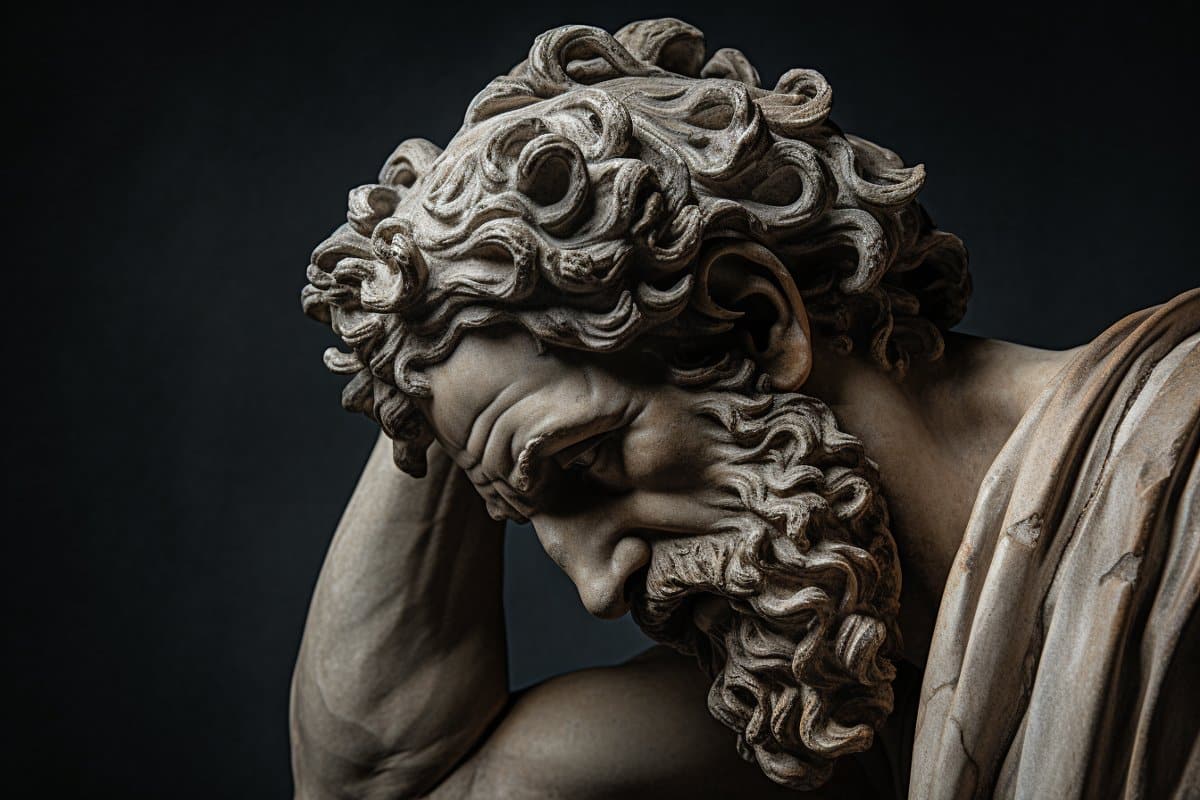
A study analyzing classical texts from ancient Greece and Rome suggests that severe memory loss, akin to today’s dementia epidemic, was extremely rare in these civilizations, indicating that Alzheimer’s disease and related dementias may be diseases of modern environments and lifestyles. The comparison with the Tsimane Amerindians, who lead a preindustrial lifestyle and show low dementia rates, further supports the theory that physical activity levels and environmental factors significantly influence dementia prevalence. The study underscores the impact of sedentary behavior and pollution on cognitive health, offering insights into preventing modern-age dementias.

Unveiling Ancient Misogyny: Pregnancy Ideas Spanning 2,000 Years

Originally Published 2 years ago — by NPR

Featured image for Unveiling Ancient Misogyny: Pregnancy Ideas Spanning 2,000 Years
Source: NPR

Historian Kathleen Crowther argues that ancient metaphors and ideas about pregnancy, such as the "bun in the oven," perpetuate a deeply misogynistic view of women's bodies as passive. In her book, "Policing Pregnant Bodies," Crowther explores the historical roots of these metaphors and their influence on modern concepts of pregnancy. She also highlights the significance of the heart as the seat of the soul in ancient Greek philosophy and its connection to the debate over fetal heartbeat laws. Crowther challenges the notion that a beating heart signifies the presence of a person, emphasizing the complex and often contradictory historical perspectives on abortion.

Ancient Jokes Unearthed: Would You Laugh at the World's Oldest?

Originally Published 2 years ago — by Daily Mail

Featured image for Ancient Jokes Unearthed: Would You Laugh at the World's Oldest?
Source: Daily Mail

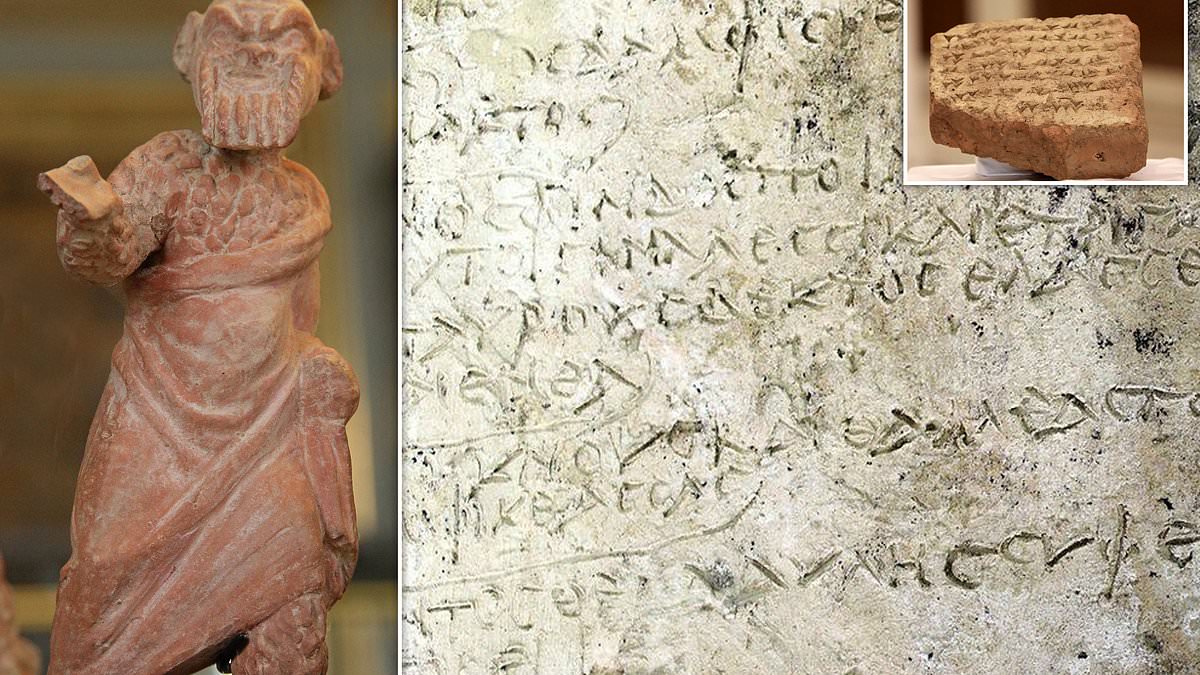
Researchers have revealed the 10 oldest recorded jokes in existence, ranging from a 4,000-year-old fart joke from ancient Sumeria to a Roman 'your mum' joke. These ancient jokes, including puns, riddles, and one-liners, provide insight into the humor of ancient civilizations such as Ancient Greece, Ancient Rome, and Ancient Egypt. The study suggests that humor has always been an essential part of human society, serving as a coping mechanism and a way to challenge societal norms.

Reviving Ancient Greek Wisdom: Rediscovering Revolutionary Cures and the Mediterranean Diet

Originally Published 2 years ago — by Express

Featured image for Reviving Ancient Greek Wisdom: Rediscovering Revolutionary Cures and the Mediterranean Diet
Source: Express

Archaeologists have rediscovered the remarkable medical knowledge of Dioscorides, an ancient Greek physician who traveled extensively throughout the Roman Empire in search of natural cures. Dioscorides documented thousands of links between illnesses and plants, minerals, and vegetables that could treat them. His major work, De materia medica, written over 1,500 years ago, served as a pharmacopoeia of medicinal plants and medicines and remained widely read for centuries. Dioscorides' discoveries included the use of cardamom to treat sciatica and kidney stones, as well as unconventional remedies like beaver testicles for abortions and spider webs for wound healing.

"Elon Musk's Reaction to 'Krapopolis' Differs from the General Consensus"

Originally Published 2 years ago — by Rolling Stone

Featured image for "Elon Musk's Reaction to 'Krapopolis' Differs from the General Consensus"
Source: Rolling Stone

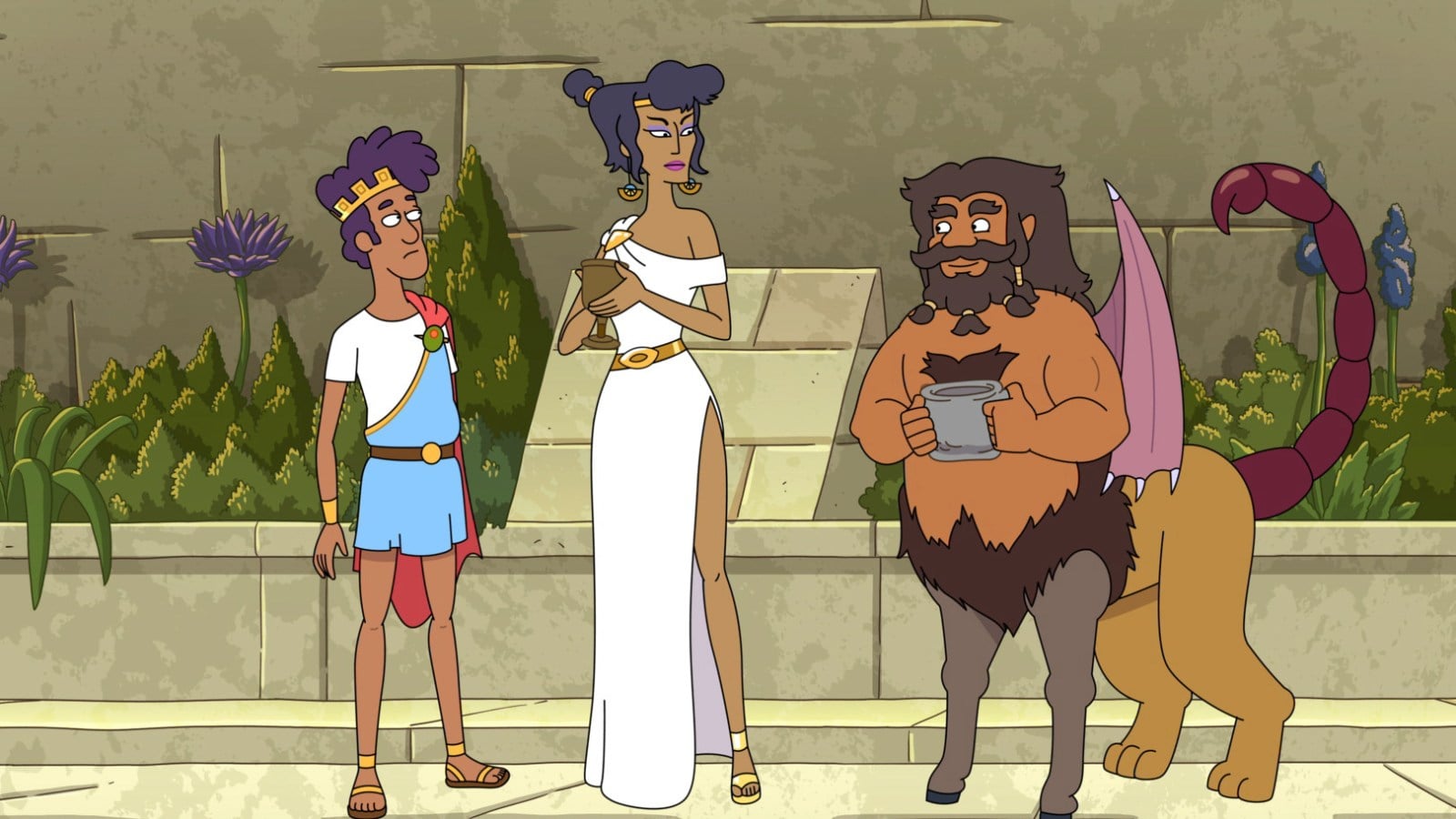
Fox executives have high hopes for the new animated series "Krapopolis" created by Dan Harmon, the mind behind "Rick and Morty." However, early reviews suggest that the show lacks the wit and imagination of Harmon's previous work. Set in a mythical version of Ancient Greece, the series follows the king of Krapopolis as he navigates familial conflicts and attempts to build the world's first true city. While the voice cast delivers some inspired performances, the humor falls flat and feels like watered-down versions of preexisting comedy bits. It remains to be seen if "Krapopolis" will find its footing and live up to Fox's expectations.

Mysterious Lights and Aftershocks: Unraveling the Morocco Earthquake Phenomenon

Originally Published 2 years ago — by KABC-TV

Featured image for Mysterious Lights and Aftershocks: Unraveling the Morocco Earthquake Phenomenon
Source: KABC-TV

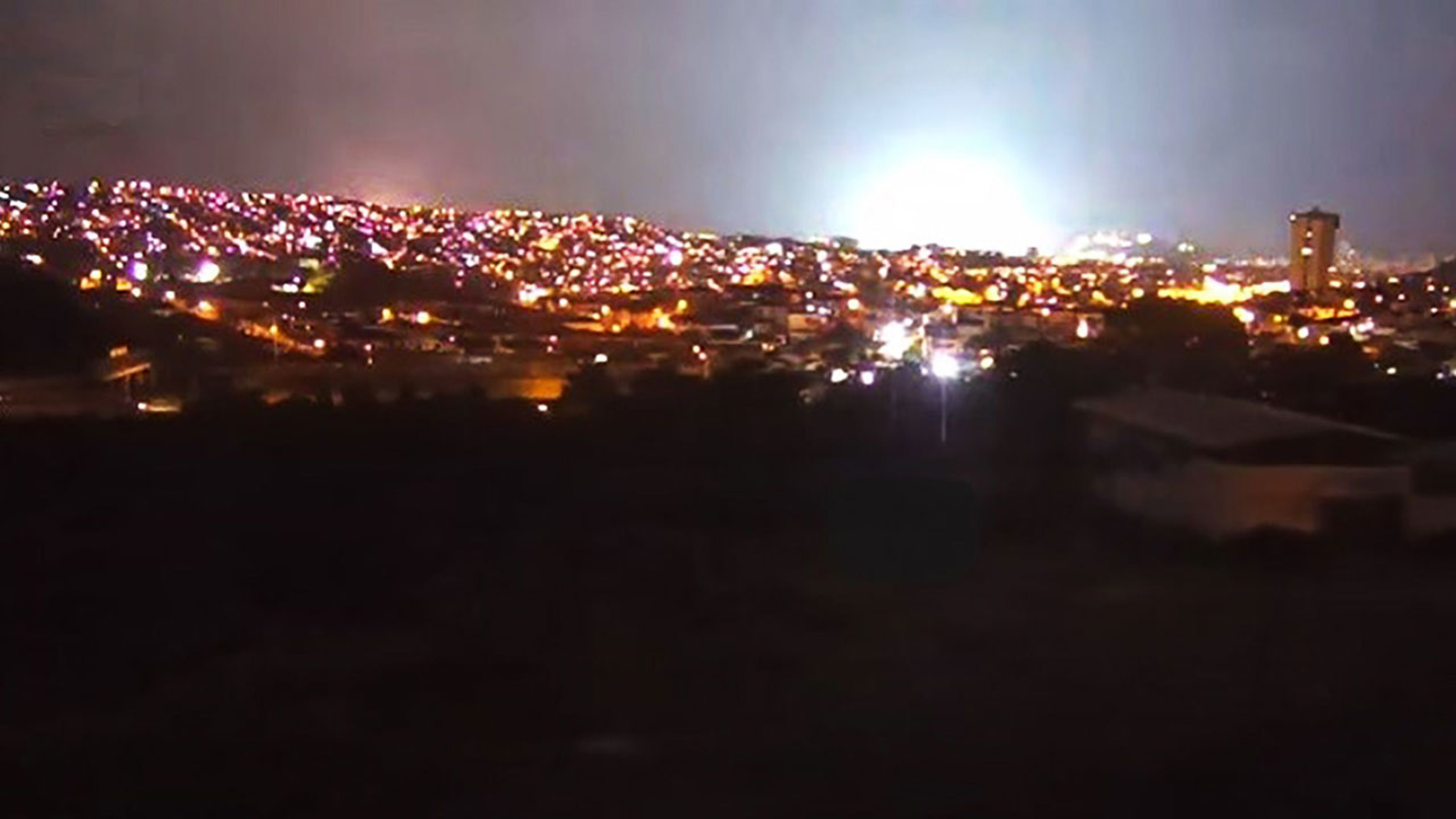
Videos capturing "earthquake lights" before a recent earthquake in Morocco have sparked interest among scientists. These mysterious outbursts of bright, dancing lights in various colors have been reported for centuries, dating back to ancient Greece. While there is no consensus on what causes them, researchers have gathered information on earthquake lights associated with trustworthy reports dating back to 1600. Possible explanations include the breaking apart of crystals in rocks under mechanical stress, static electricity from rock fracturing, and radon emanation. Scientists hope to unlock the mysteries of earthquake lights to potentially aid in earthquake forecasting.