Tag

Askap

All articles tagged with #askap

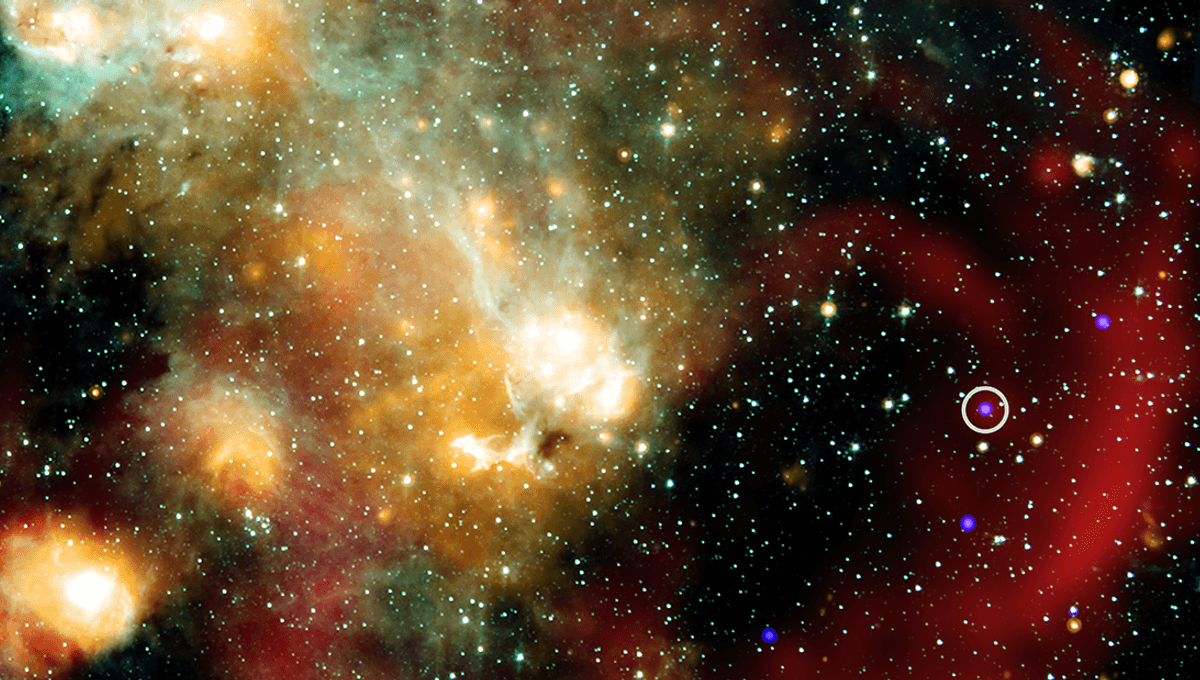
Mysterious Galactic Pulses Baffle Astronomers

Originally Published 7 months ago — by IFLScience

Featured image for Mysterious Galactic Pulses Baffle Astronomers
Source: IFLScience

Astronomers have discovered an unusual repeating long-period transient signal, ASKAP J1832-0911, emitting every 44 minutes from deep in the Galactic Plane, which does not match known stellar objects and may indicate new physics or stellar evolution models. The source's sudden activation and intense brightness, along with correlated X-ray emissions, deepen the mystery, prompting further observations to understand these enigmatic signals.

"Filtering Satellite Interference for Square Kilometre Array Precursor"

Originally Published 1 year ago — by The Register

Featured image for "Filtering Satellite Interference for Square Kilometre Array Precursor"
Source: The Register

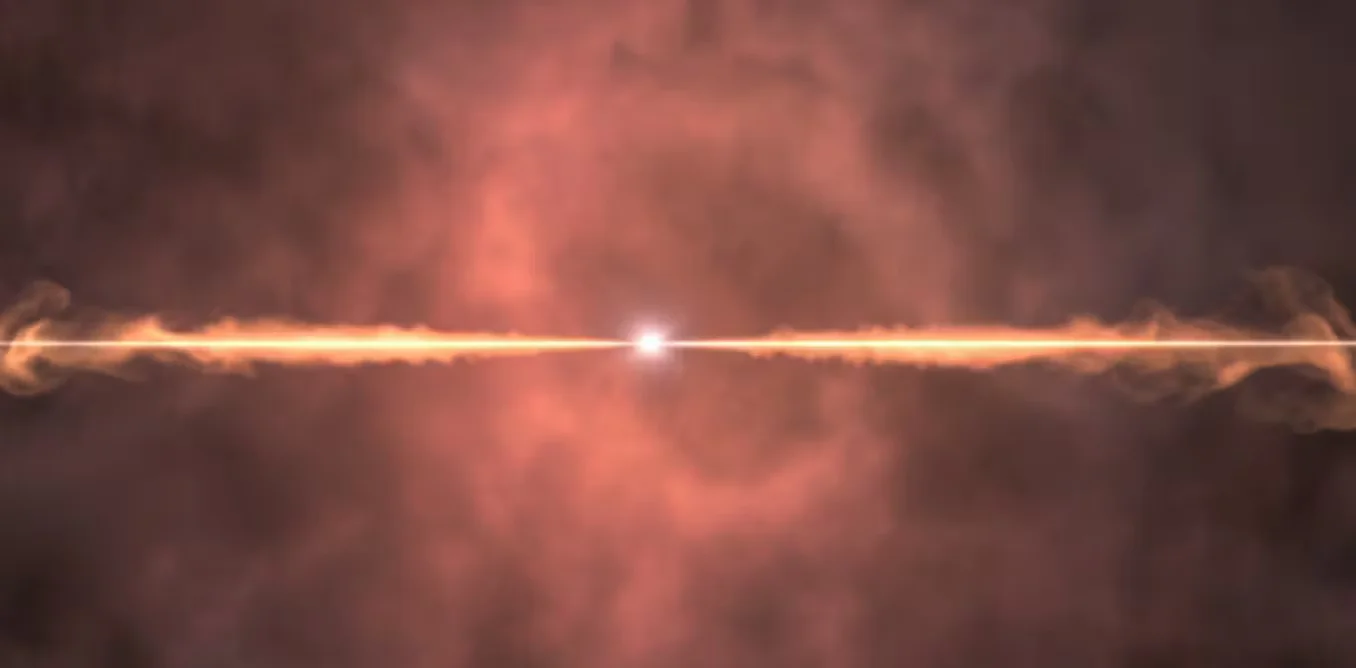
The Australian Square Kilometre Array Pathfinder (ASKAP) is developing techniques to mitigate satellite interference as it copes with increased satellite traffic, particularly in the bands used for its observations. The project's head of data operations, Dr. Matthew Whiting, highlighted concerns about the impact of satellite signals on ASKAP's operations and discussed efforts to predict and mitigate interference. ASKAP's use of Pawsey's "Setonix" supercomputer has also presented challenges due to the project's high data rate, producing four terabytes an hour at its peak.

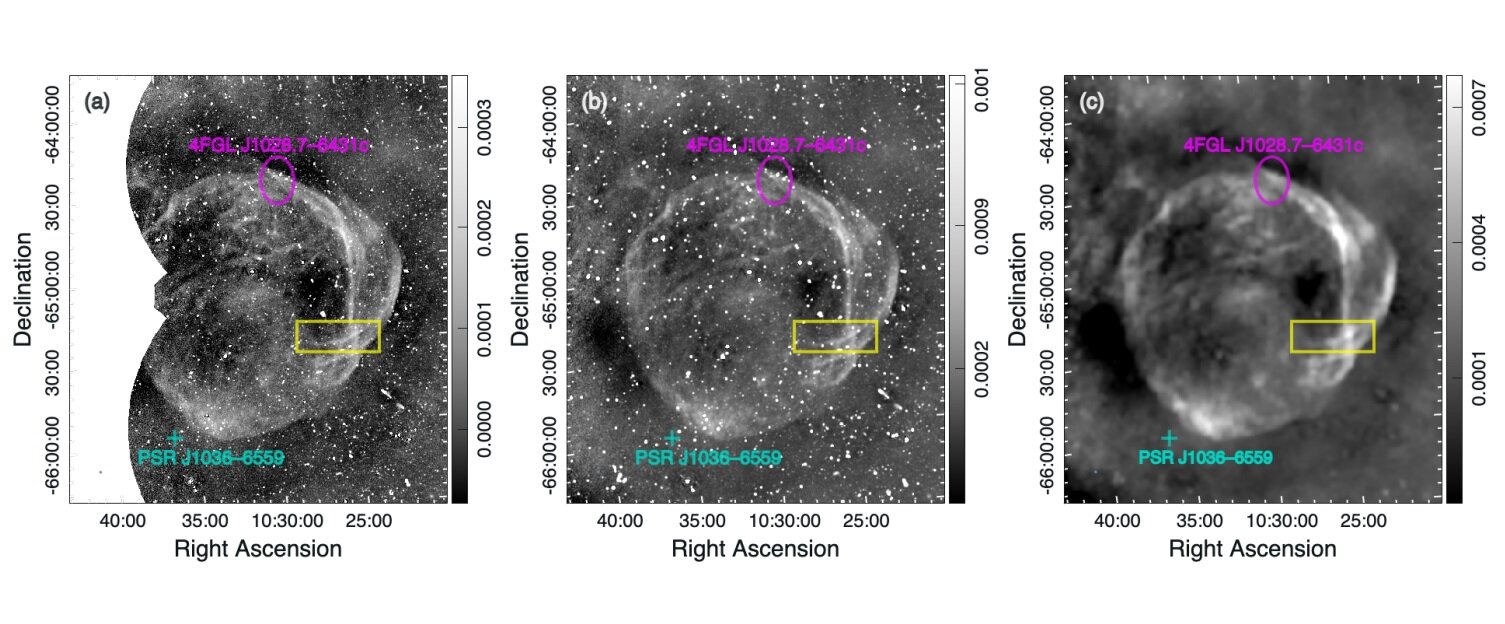
ASKAP discovers stunning new supernova remnant

Originally Published 2 years ago — by Phys.org

Featured image for ASKAP discovers stunning new supernova remnant
Source: Phys.org

Astronomers using the Australian Square Kilometer Array Pathfinder (ASKAP) have serendipitously discovered a new Galactic supernova remnant (SNR) called SNR G288.8–6.3. SNRs are important for understanding the evolution of galaxies and the dispersal of heavy elements. SNR G288.8–6.3 is one of the largest and closest Galactic supernova remnants, located 4,200 light years away from Earth. Further observations are needed to gain more insights into the nature of this newfound SNR.