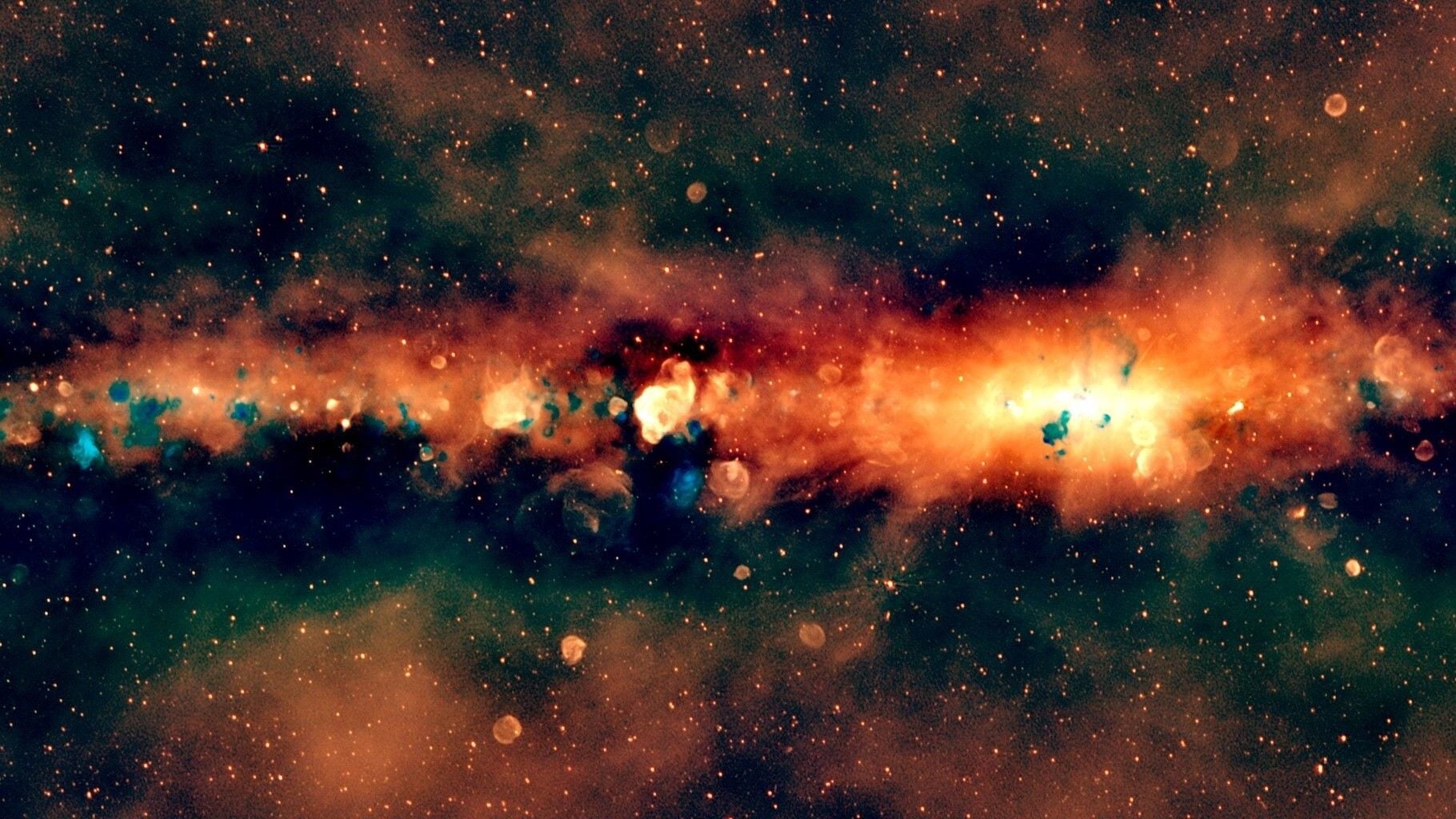
A groundbreaking radio image of the Milky Way, created from over 40,000 hours of data, reveals detailed views of star death and birth, marking a significant milestone in galactic imaging and understanding stellar life cycles.
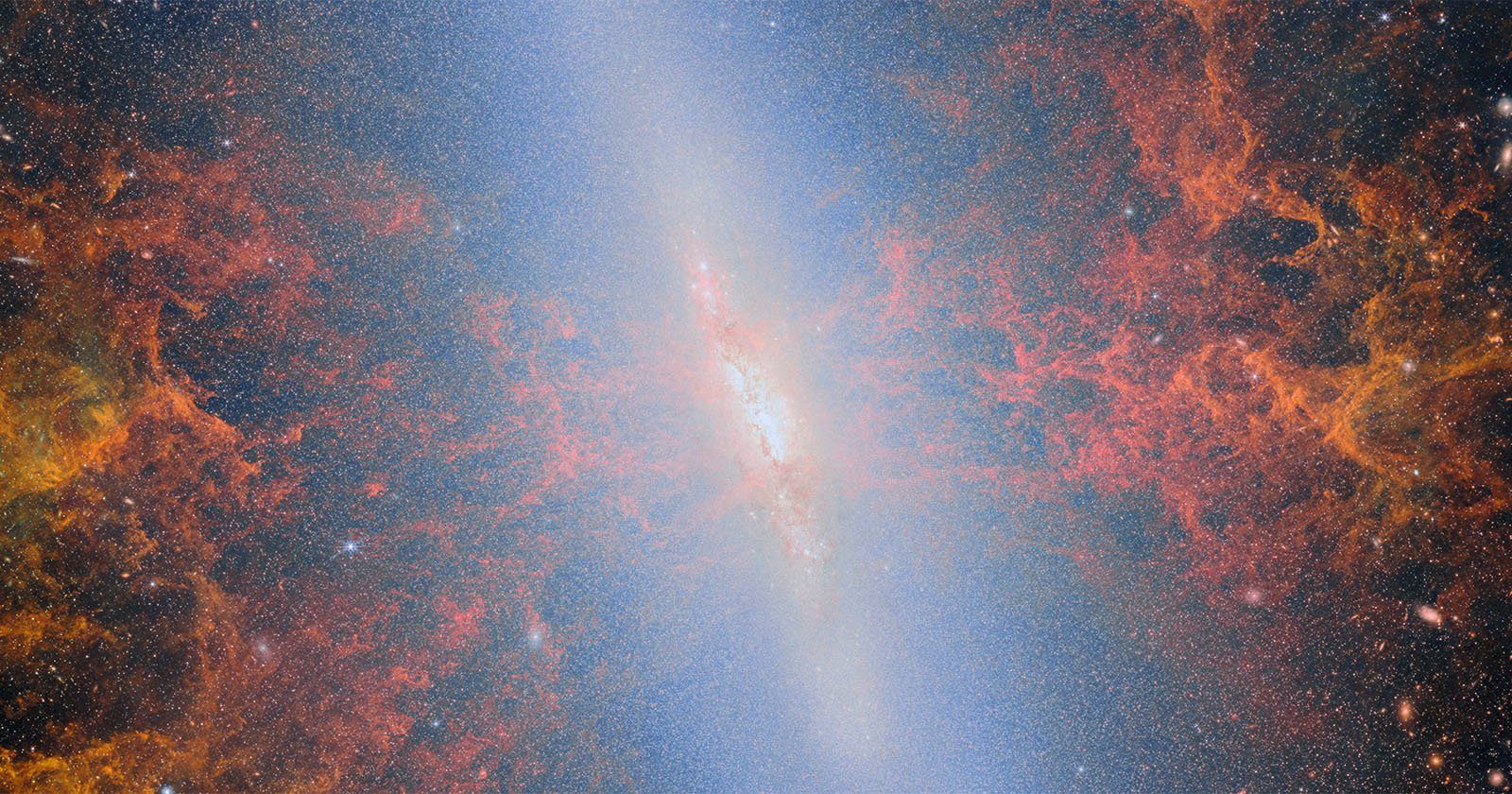
The James Webb Space Telescope has captured a detailed infrared image of the Cigar Galaxy (Messier 82), revealing a vibrant, active star-forming region that surpasses Hubble's capabilities in detail, especially through dusty clouds, providing new insights into galaxy dynamics and star formation processes.
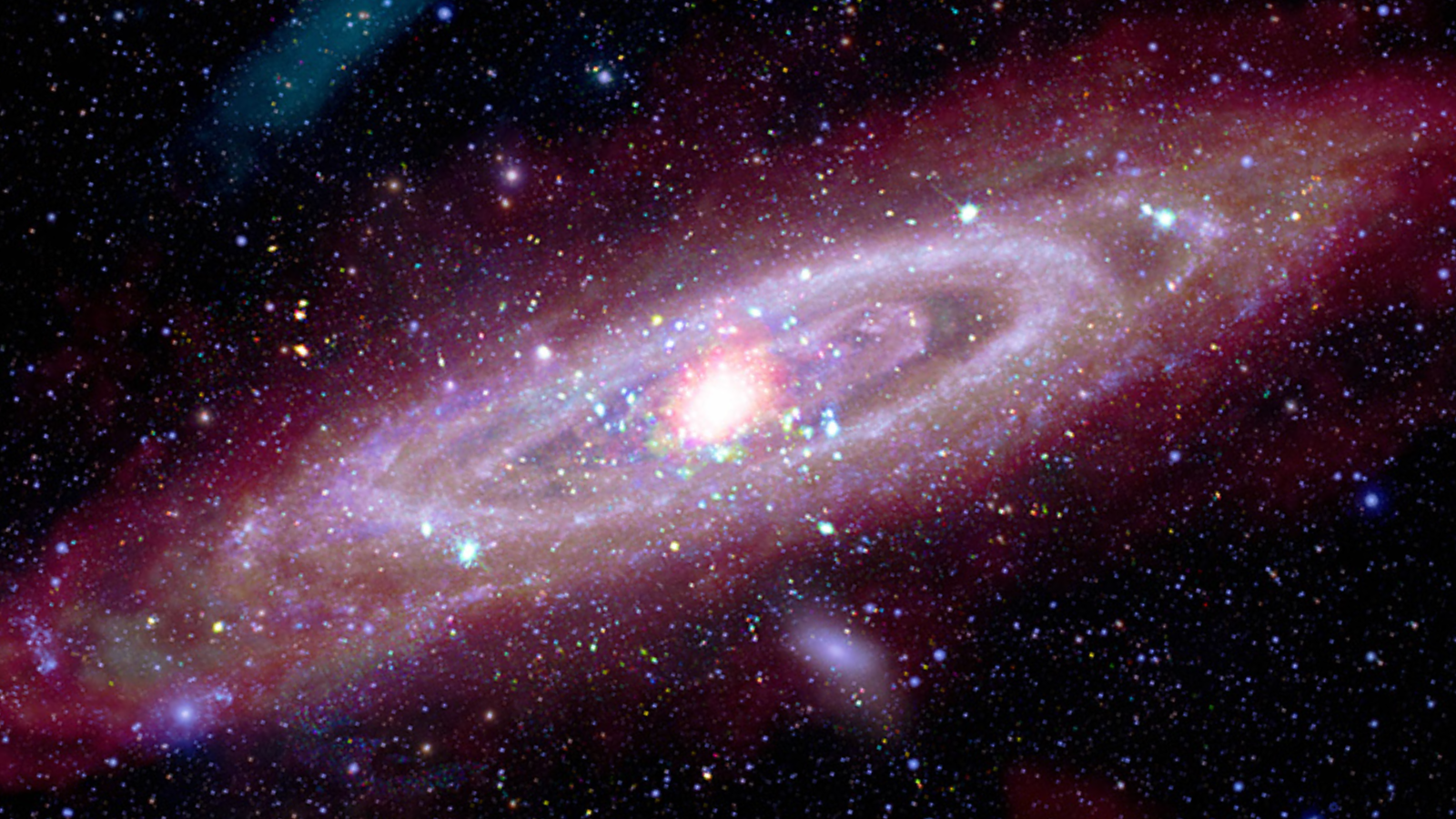
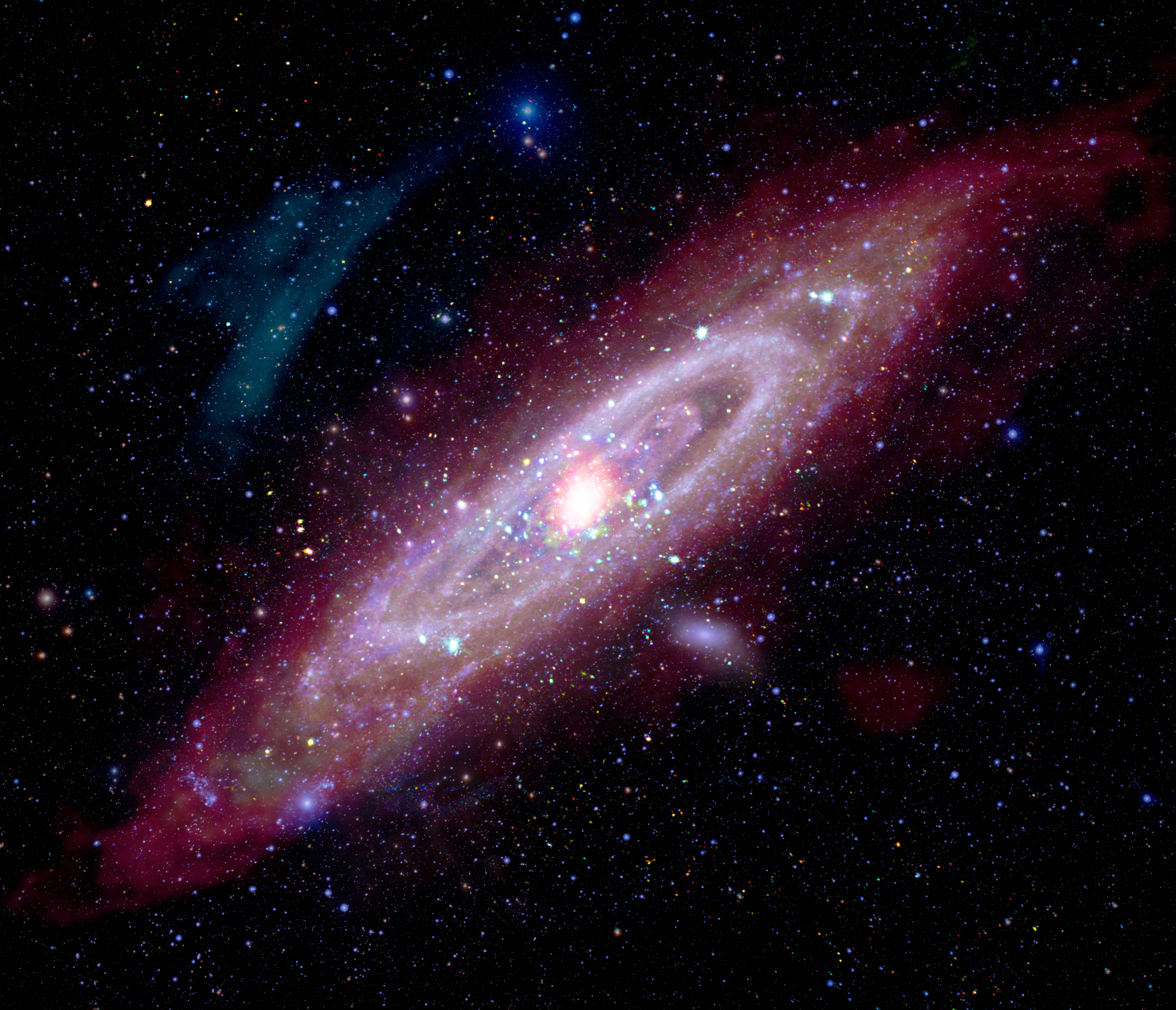
NASA's Chandra X-ray telescope, in collaboration with other space and ground-based observatories, has produced a stunning new multi-wavelength image of the Andromeda galaxy, highlighting its high-energy phenomena and its role in the discovery of dark matter, a breakthrough attributed to astronomer Vera C. Rubin.
NASA's new composite image and sonification of the Andromeda galaxy, created from data across multiple wavelengths, highlight its structure and the role of dark matter, honoring astronomer Vera Rubin's legacy in understanding galaxy dynamics.
Astronomers captured the most detailed and colorful image of the Sculptor Galaxy (NGC 253) using the VLT's MUSE instrument, revealing intricate galactic structures and discovering 500 new planetary nebulae, which could help in understanding galaxy systems and measuring cosmic distances.
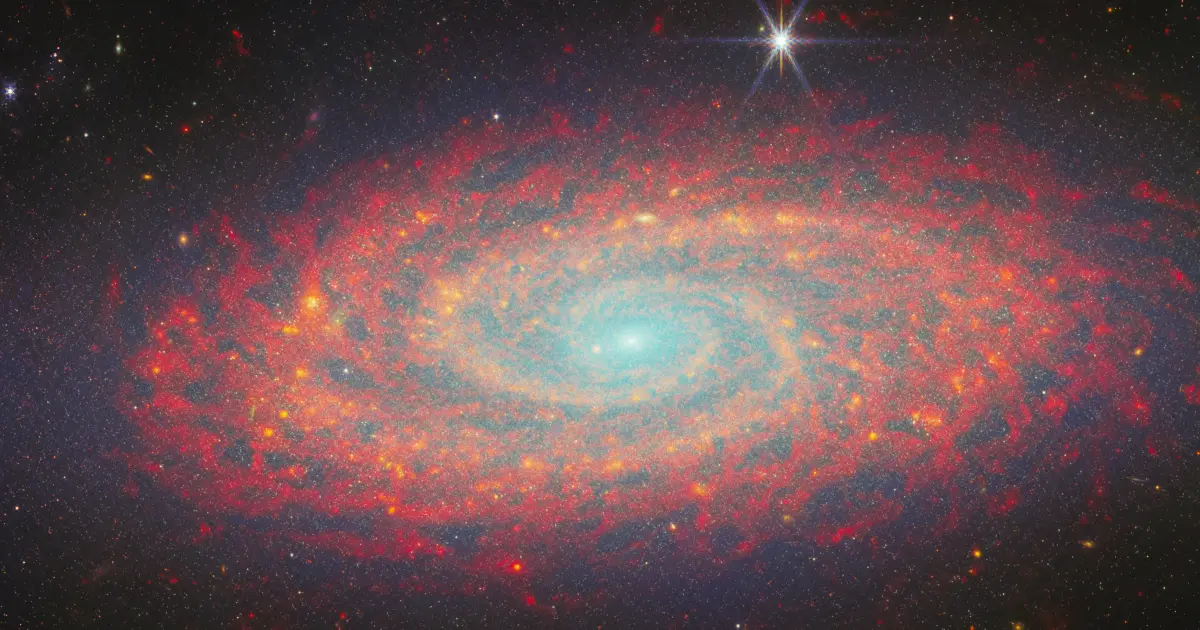
The James Webb Space Telescope and the Hubble Space Telescope have captured images of the spiral galaxy NGC 2090, showcasing the complementary capabilities of both telescopes. Webb's instruments reveal the galaxy's spiral arms and swirling gas in infrared, highlighting young stars and polycyclic aromatic hydrocarbons, while Hubble's optical view shows the galaxy's dust and star formations. These observations aid in studying stellar evolution and the universe's expansion rate through Cepheid variable stars.