A 2025 study suggests that having a sense of purpose in life is associated with a 28% reduced risk of developing dementia, likely due to healthier behaviors and improved mental and emotional well-being, though causality has not been established.
A study from UC Davis suggests that having a strong sense of purpose in life can reduce the risk of developing dementia by about 28%, potentially delaying its onset, and is beneficial even for those with genetic risks for Alzheimer's. The findings highlight the importance of meaningful relationships, goals, and activities for brain health, emphasizing that purpose is a personal and accessible way to promote cognitive resilience as we age.
A large study from UC Davis found that having a sense of purpose in life can reduce the risk of dementia and delay cognitive decline in older adults, regardless of genetic risk, by about 28%, highlighting the importance of meaningful activities and relationships for healthy aging.
A UC Davis study found that having a strong sense of purpose reduces the risk of cognitive impairment and dementia by about 28%, with benefits seen across racial and genetic groups, suggesting that psychological well-being plays a vital role in healthy aging.
A study finds that having a strong sense of purpose during retirement can reduce the risk of developing dementia by about 28%, emphasizing the importance of engaging in meaningful activities like relationships, volunteering, and personal goals to maintain cognitive health as you age.
A study of over 13,000 adults found that having a strong sense of purpose in life is linked to a 28% lower risk of developing dementia and delays its onset, with benefits seen across racial, ethnic, and genetic groups, suggesting that fostering purpose through relationships, goals, or activities may help maintain brain health with age.
Betty Parker, at 96, exemplifies how maintaining social connections, staying active, and embracing change contribute to a vibrant and purposeful life in old age. Experts emphasize starting new hobbies, diversifying social networks, and focusing on giving as key factors for enjoying longer, healthier years. The article encourages people of all ages to adopt these practices to enhance their well-being and longevity.
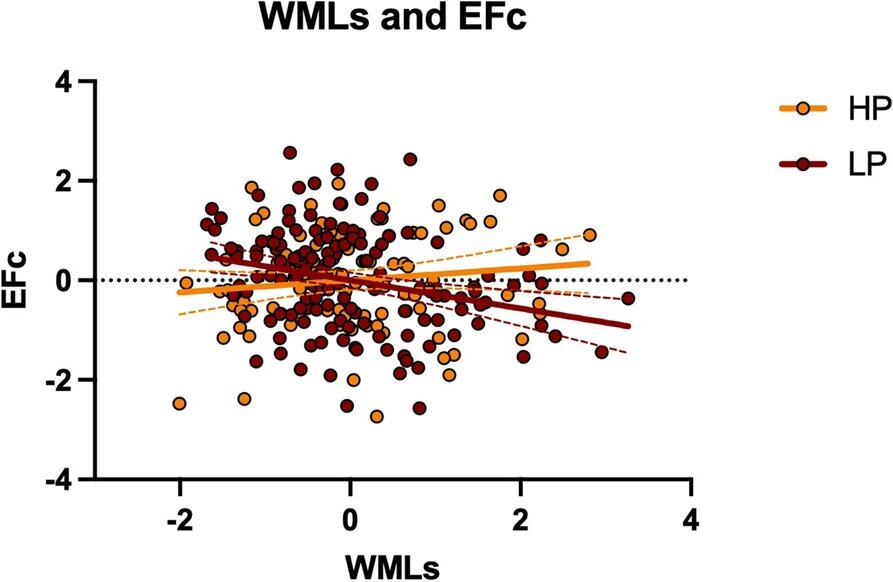
A stronger sense of purpose in life enhances cognitive resilience in middle-aged adults, according to a new study. Having a purposeful life implies changes in the organization of the brain, with one specific brain network showing greater functional connections within its components and with other brain areas, which represents a neuroprotective mechanism that could improve cognitive function in old age. The study suggests that higher rates of purpose in life may promote resilience against brain changes already observable in middle age.
Having a strong sense of purpose in life may promote cognitive resilience among middle-aged adults, according to new research. This resilience refers to the brain's ability to cope with stressors, injuries, and pathology, and resist the development of symptoms or disabilities. The study found that having a purposeful life may change the organization of the brain, with one specific brain network showing greater functional connections within its components and with other brain areas, ultimately ensuring better cognitive function into old age.