Rising cases of kidney problems among young Malaysians are linked to lifestyle choices such as poor diet, lack of exercise, and untreated health conditions like diabetes and high blood pressure. Experts warn that habits like overusing painkillers, consuming energy drinks, and dehydration contribute to early kidney failure, which is preventable through regular health checks and healthier habits.
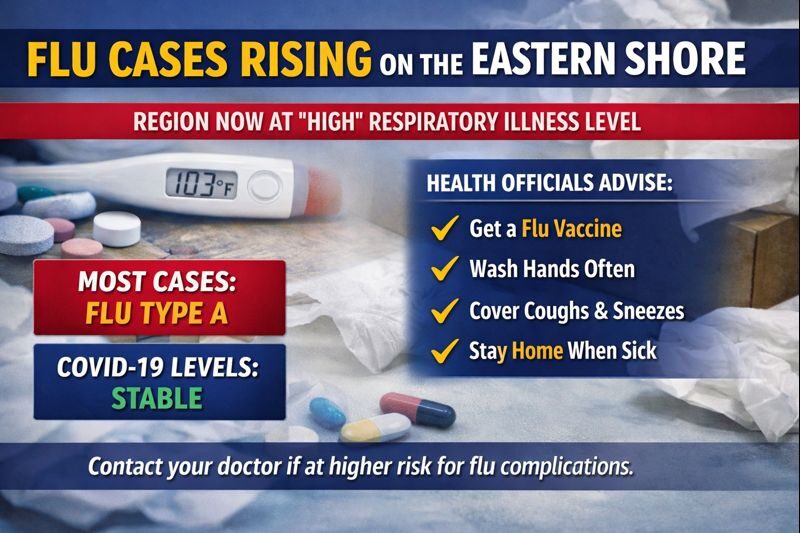
Flu cases on Virginia’s Eastern Shore have surged over the past two weeks, mainly influenza A, leading to increased hospital visits and prompting health officials to urge residents to get vaccinated and practice good hygiene to prevent further spread.
Blocked arteries develop gradually due to factors like high cholesterol, high blood pressure, diabetes, smoking, obesity, poor diet, and lack of exercise, often without symptoms. Preventive measures include a healthy diet, regular exercise, quitting smoking, managing medical conditions, reducing stress, and regular check-ups to detect silent blockages early.
Flu cases in England are decreasing ahead of Christmas, offering encouraging news, though experts warn the virus could rebound in the new year. The UKHSA reports medium-level circulation and a decline in hospital admissions, but emphasizes continued vigilance and preventive measures like handwashing, ventilation, and mask-wearing to prevent further spread during the holiday season.
A surge in norovirus cases, also known as winter vomiting disease, is occurring across the U.S. earlier than usual, with outbreaks in several states. The virus spreads through contaminated food, surfaces, and contact with infected individuals, causing symptoms like vomiting, diarrhea, and dehydration. Preventive measures include good hand hygiene, thorough cooking, disinfecting surfaces, and staying home after symptoms subside.
The most common COVID-19 symptoms in December 2025 remain fever, cough, fatigue, and sore throat, with current variants like Nimbus and Stratus causing symptoms similar to previous strains. Vaccination and booster shots are strongly recommended before holiday gatherings to reduce the risk of severe illness and long COVID. Preventive measures such as masking, hand hygiene, and avoiding infected individuals are still advised, and testing is crucial for proper diagnosis and treatment.
Heavy alcohol use, defined as three or more drinks daily, is linked to increased risk of brain bleeds and earlier brain damage, especially in older adults. Reducing alcohol intake, managing blood pressure through lifestyle changes like exercise and diet, and avoiding illicit substances can help lower the risk of bleeding strokes and improve overall brain health.
Rising global temperatures have extended mosquito breeding seasons in Canada, leading to increased cases of West Nile virus, including severe illness requiring hospitalization, prompting health officials to warn the public and promote preventive measures.
The article highlights that 1.7 million older Americans die annually from top causes, and offers tips on how to improve survival through health awareness, preventive measures, and lifestyle changes.
Children are increasingly affected by high cholesterol levels due to sedentary lifestyles and unhealthy diets, which can lead to serious health issues like heart disease and diabetes if left unchecked. Experts recommend a balanced diet, regular physical activity, and routine check-ups to manage and prevent this trend.
Taking care of health is a lifelong process that involves regular preventive measures, a balanced diet, physical activity, and stress management, with specific guidelines tailored to different age groups to promote a long, healthy, and productive life.
As flu season begins, updated flu vaccines are available and recommended for everyone 6 months and older, especially vulnerable groups. The vaccine, which is formulated annually to match circulating strains, remains the best protection against severe illness, and vaccination, combined with good hygiene practices, can help reduce the spread and impact of the flu.
This article outlines 10 simple lifestyle steps to improve brain function and prevent cognitive decline, including protecting against head injuries, managing cholesterol, maintaining social connections, ensuring quality sleep, and staying physically active.
A study from UC Davis suggests that having a strong sense of purpose in life can reduce the risk of developing dementia by about 28%, potentially delaying its onset, and is beneficial even for those with genetic risks for Alzheimer's. The findings highlight the importance of meaningful relationships, goals, and activities for brain health, emphasizing that purpose is a personal and accessible way to promote cognitive resilience as we age.
Using a smartphone on the toilet can increase the risk of hemorrhoids and other health issues due to prolonged sitting, increased pressure on rectal veins, and poor hygiene habits. Experts recommend limiting time on the toilet and maintaining good hygiene to reduce these risks.